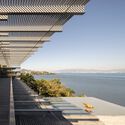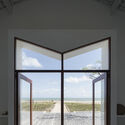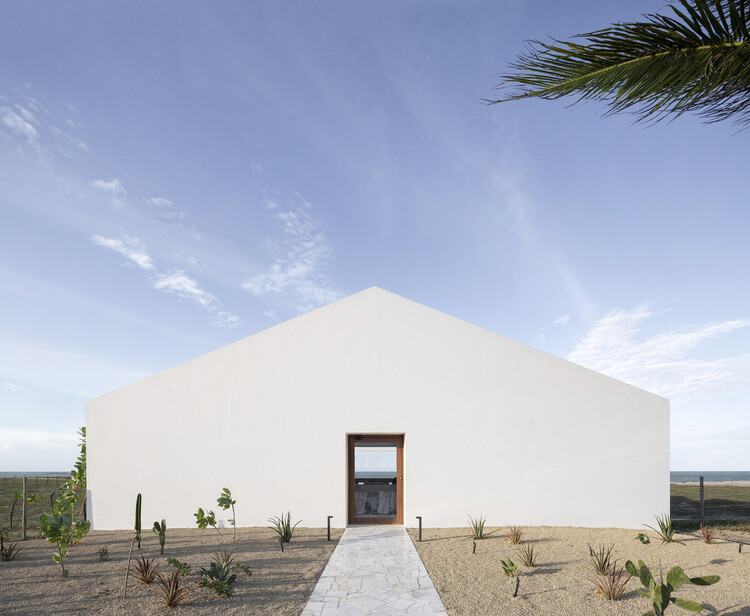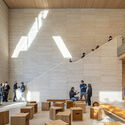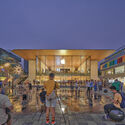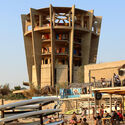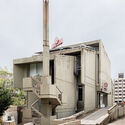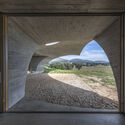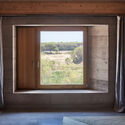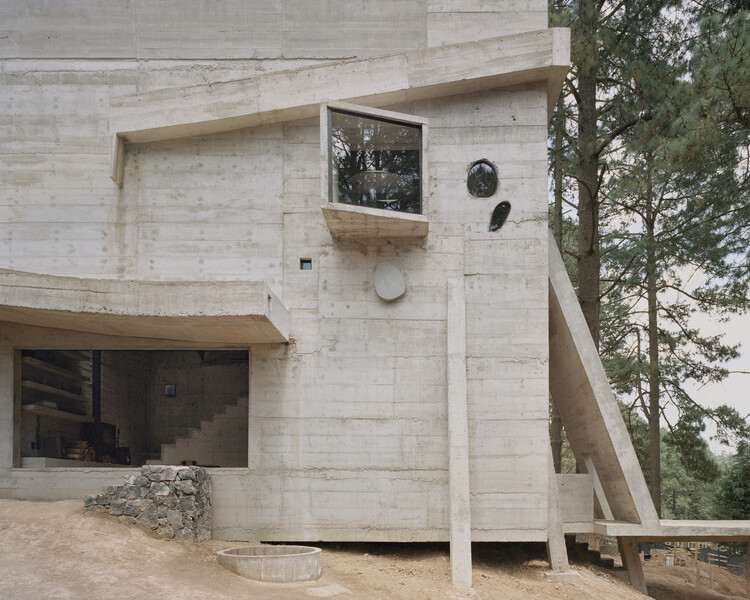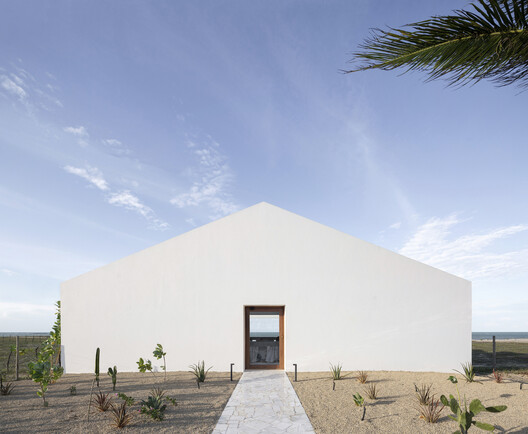
Throughout history, people have sought ways to see the world. In Renaissance painting, linear perspective made this impulse explicit by transforming the canvas into a window, organizing depth from a fixed viewpoint. In his treatise De Pictura (1435), Leon Battista Alberti described painting as a window onto what one wishes to represent. Landscape, in this sense, ceased to be simply what lay before the eyes and became a visual construction, a reality selected and organized by the gaze.
Architecture operates in much the same way. A window determines what can be seen, from where it is seen, and, consequently, what becomes part of everyday experience. This question was central to modern architecture and found one of its most emblematic debates in the 1920s.