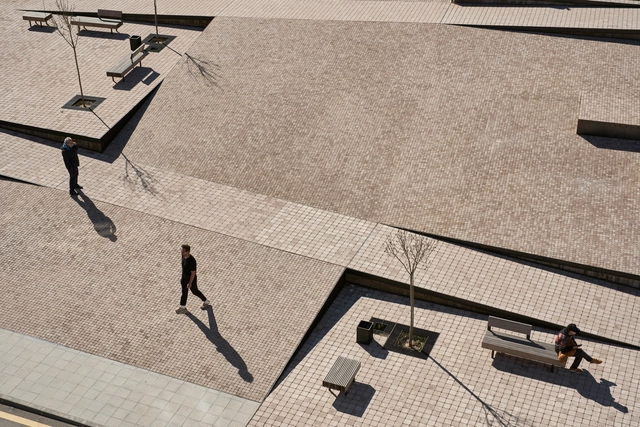
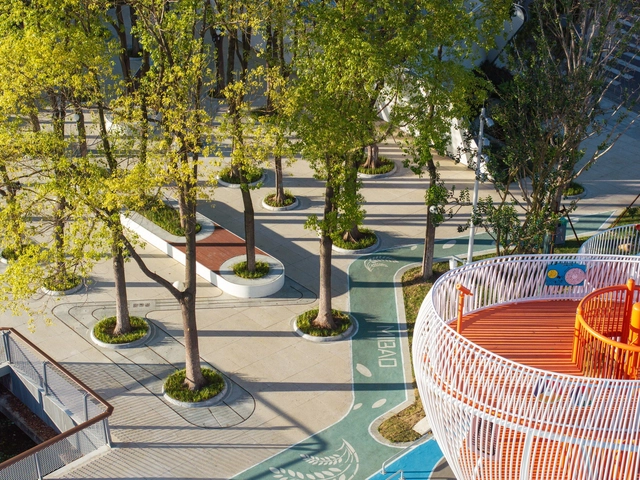
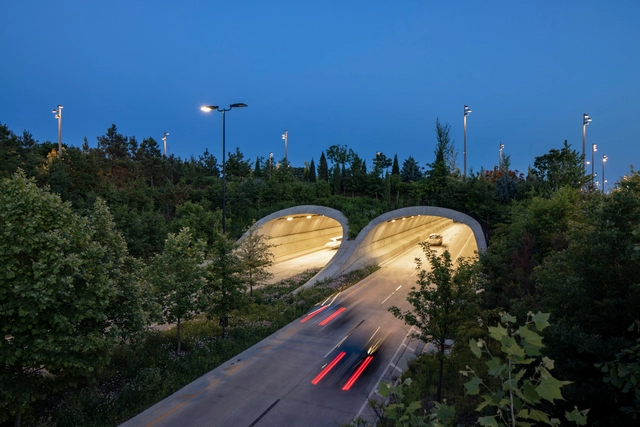
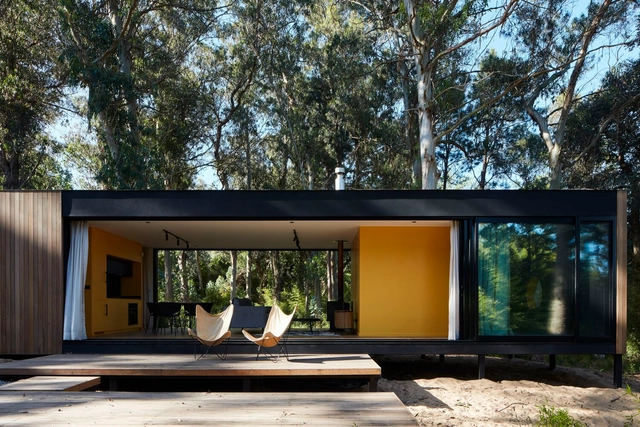
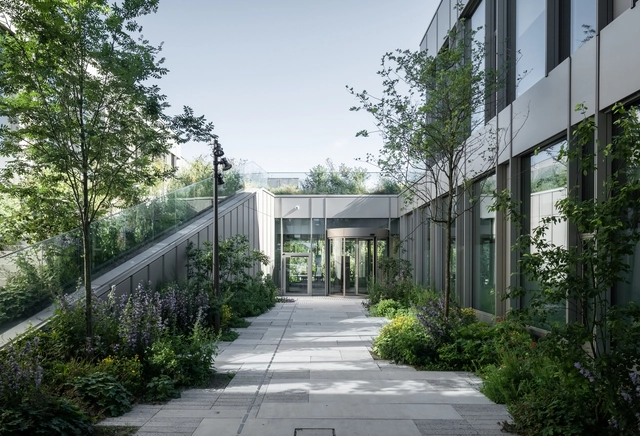
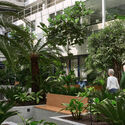
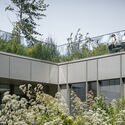
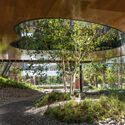
Spain boasts a vast diversity of natural and urban landscapes, where public space plays a leading role. Its relevance has grown in recent years, solidifying it as a key axis for interaction. Beyond its architectural and landscape qualities, public space offers visitors and citizens high-quality environments that contribute to improving living conditions, whether, in an urban park, a pedestrian axis within the city, or a space simply meant for being in a natural setting and connecting with the territory.
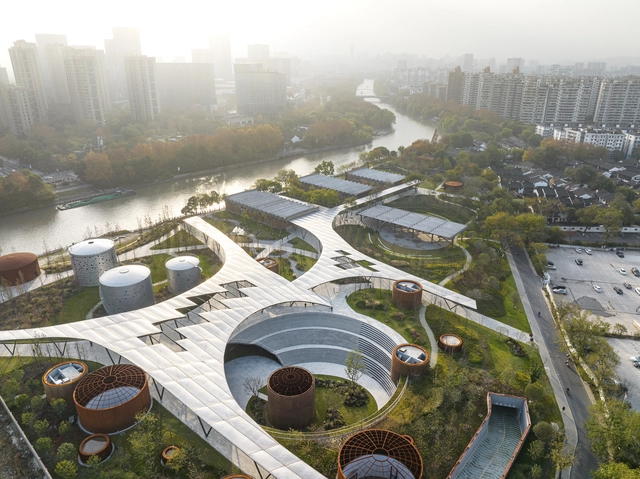
In a quest to enhance and attract new natural experiences to city centers, the design, planning, and revitalization of certain urban spaces align with strategies aimed at improving the quality of life for residents while maintaining a connection with nature rooted in the local landscape. Through technical solutions for wastewater treatment and stormwater drainage, improved accessibility, incorporation of recreational activities, introduction of native vegetation, and more, numerous parks, plazas, and gardens are integrated into urban and rural fabrics. These efforts seek to filter pollution, purify the air, address social issues, and promote experiences that foster connections between nature, biodiversity, and society.
The year 2024, following a period of global uncertainty, saw a complex interplay of challenges and advancements. While geopolitical tensions and the lingering effects of past crises remained prominent, a focus shifted towards rebuilding, with communities worldwide seeking local solutions and ways to advance despite the turmoil. The architectural landscape of 2024 saw a growing exploration of new building systems and technologies, often inspired by vernacular solutions. At an urban scale, spaces are reconsidered for their potential to shift towards more pedestrian-friendly activities, more natural areas, and opportunities for community gathering and event organizing.
Discussions around decolonization, the preservation of traditional building techniques, and the integration of local narratives into design continued to gain momentum. The focus was less on singular, iconic structures and more on environmentally responsible and socially conscious projects that addressed the specific needs of communities. Concurrently, new technologies such as AI systems have continued to impact the profession, but are understood more and more not as replacements, but as tools available for architects and designers to improve their processes.
The world has lost 60 percent of animal populations since 1970. This staggering decline reflects the growing pressures on ecosystems, from habitat destruction to climate change. And 1 million species now face threats of extinction. As these problems continue to escalate, the importance of preserving biodiversity and restoring ecosystems becomes clearer.
Over the past two decades, the Holcim Foundation Awards has committed USD 20M to spotlight transformative projects by architects, designers, and engineers who pioneer sustainable design and construction practices. To capture these stories, the Foundation launched a short film series titled Words withWinners.
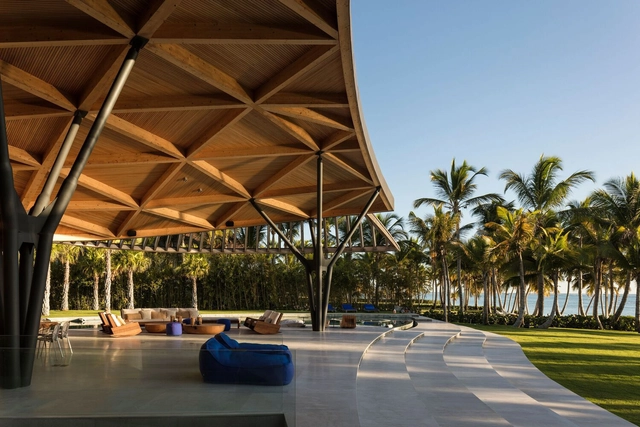
Beach houses along the Caribbean coast perfectly blend comfort, nature, and tranquility. With landscapes of white sands and crystal-clear waters, the Caribbean is home to some of the world’s most enchanting seaside retreats. Whether situated on popular islands like the Dominican Republic and Cozumel in Mexico or secluded spots like the untouched beaches of Costa Rica, these homes are designed to fully immerse guests in the lush natural surroundings, providing a uniquely serene experience.
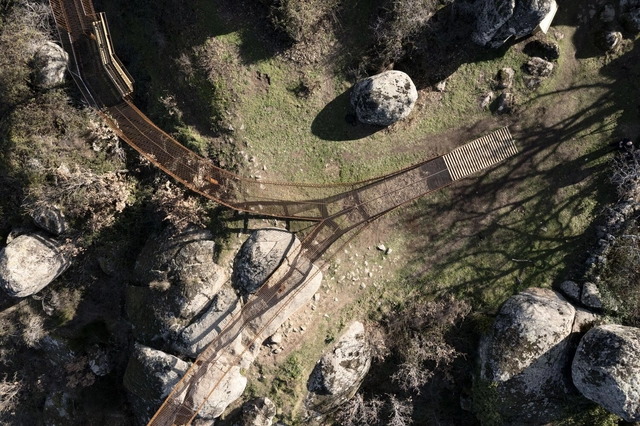
Spain, with its vast territory and notable diversity of landscapes, has been a reference point in the development of external infrastructures, both in urban and rural areas. Tourism has played a key role in this process, focusing on creating spaces that maximize the enjoyment of the natural environment and integrating local landscapes into urbanized areas. The construction of these infrastructures has had two main aspects: the adaptation of cities for both their residents and tourists and the development of rural or coastal areas, where nature is the main attraction. This has led to interventions ranging from creating waterfront promenades, viewpoints, and natural parks, to urbanization projects in previously untouched areas. Furthermore, urban growth has driven the creation of green infrastructures such as botanical gardens, ecological trails, and reserves that aim to protect the environment while being sustainably open to the public.
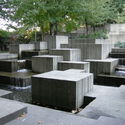
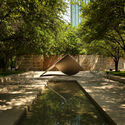
Modernistlandscape architecture marked a radical shift from traditional garden designs, emphasizing simplicity, functionality, and a stronger connection between people and their environments. From the 1930s through the 1960s, this movement saw the emergence of visionary landscape architects who integrated form and function in ways that redefined outdoor spaces. Their designs responded to the rapidly evolving urban landscapes of the time, prioritizing usability and creating environments that could accommodate modern life. The enduring influence of these principles continues to shape contemporary practices, while also presenting unique challenges in preservation as these landscapes age.
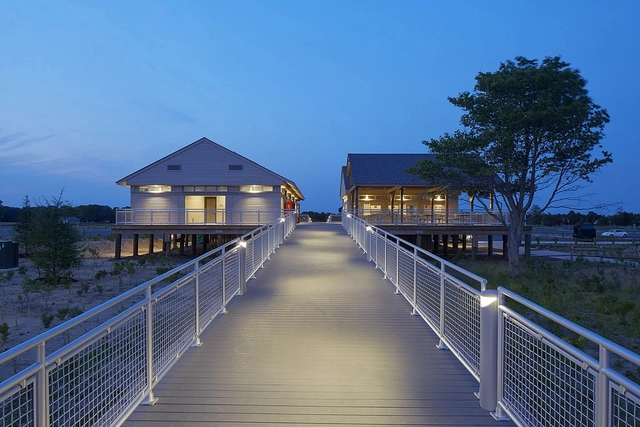
Hammonasset State Park . Image Courtesy of Hollaender Manufacturing Co – Cincinnati, OH
Regardless of the region, parks and public spaces offer a refreshing escape from bustling urban environments, providing a momentary pause from the fast pace of life. Designed for collective benefit, they serve as dynamic ecosystems where recreation and relaxation seamlessly integrate into the visitor experience. But what is the challenge in designing these spaces? Being perceptive enough to find the balance that meets diverse demands while ensuring accessibility, comfort, and safety. As Austrian-American architect Richard Neutra once said, "If you have to design for people, you have to observe them, understand them, and sympathize with them."
Within these environments, the dynamics within the 'interior' are particularly intriguing. Various activities unfold, and users exhibit diverse characteristics. Given the scale or dense vegetation of these spaces, winding paths and slopes are often used to connect different areas, creating complex routes. In this context, railing systems enhance continuity and provide guidance and safety along the intricate paths. Railings direct movement flow, ensuring users navigate the space comfortably, thereby significantly enriching their overall interaction with the built environment. This influence also shapes how these design elements affect the overall outdoor experience, which we will explore further.
https://www.archdaily.com/1021048/how-do-railings-elevate-landscape-designEnrique Tovar
It's that time of year again: students and their families are busy preparing for the start of school, while some of us are gearing up to step in front of the classroom. While preparing to teach an intro course on climate, I'm reminded of why we use the term climate change and not global warming.
Yes, the Earth is warming from a thickening layer of greenhouse gases in the atmosphere caused by us. But climate changes range from sea level rise to increasing storms, floods, fires, and drought, which are all negatively impacting biodiversity as well. So, not just warming. Recent storms that battered the eastern U.S. coast and Bermuda remind us of this difference. While some communities face extreme heat, others brace for storms and rising waters, and many face multiple impacts.
Large-scale infrastructure projects often aim to connect distant locations within urban areas, facilitating quicker transportation, logistics, and commercial activities along their routes. However, while these projects link distant destinations, their substantial physical presence can significantly affect local communities. This may result in the disconnection and disengagement of previously connected neighborhoods, the disruption of public spaces, and generally negative outdoor experiences caused by noise, pollution, and lack of attention and maintenance to these infrastructures.
Nevertheless, several successful built environment projects have re-integrated contentious infrastructure into the community through thoughtful design of outdoor spaces, with Paris' Coulée verte René-Dumont being one of the first examples and New York's High Line being one of the most prominent examples. The High Line demonstrates how well-conceived outdoor projects can address the alienation caused by extensive infrastructure, foster community reconnection, serve as cultural and economic hubs, and even spur further economic redevelopment, as in Hudson Yards.
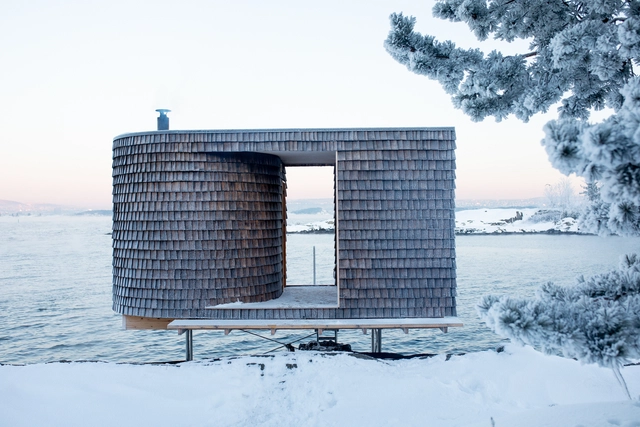
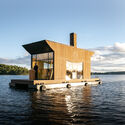
How does floating architecture relate to nature? How are wellness spaces connected to natural environments? Living in spaces around water continues to be one of the greatest interests and attractions for a large portion of the global population. Beyond the fact that designing on water requires consideration of various structural, economic, construction, material, and technological variables, understanding the region's climate aspects—such as rainfall, currents, winds, temperatures, and more—is essential for creating architectures that coexist with the natural world and do not cause severe damage to ecosystems.
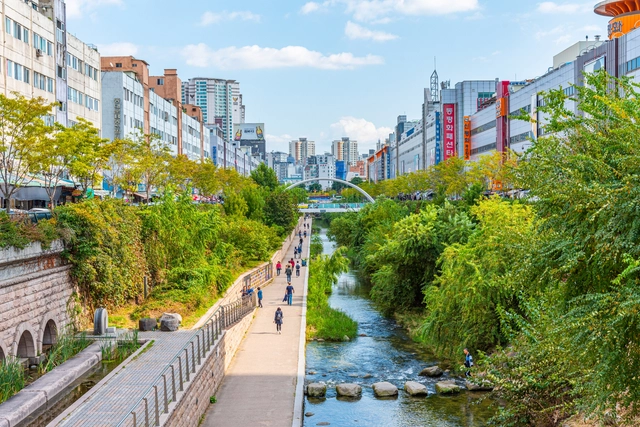
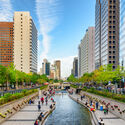
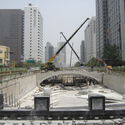
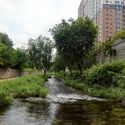
Cheongye Stream, known as Cheonggyecheon (청계천) in Korean, runs eastward through the heart of Seoul, passing through 13 neighborhoods in four districts of the capital of South Korea. Throughout its history, the stream played different roles in the city until it was covered by an elevated highway in the 1970s. For over 30 years, this natural artery remained hidden. It was not until 2003 that the city government launched a restoration project to reintegrate this urban waterway into the city fabric, revitalize the local economy, and revive the area's history and culture. The revitalization efforts were led by Mikyoung Kim Design. Since the project's completion in 2005, it quickly became one of Seoul's most visited tourist attractions. Moreover, it has become a focal point for ample urban research, with many studies offering positive assessments of the impact it had on Seoul's urban, economic, and ecological context.
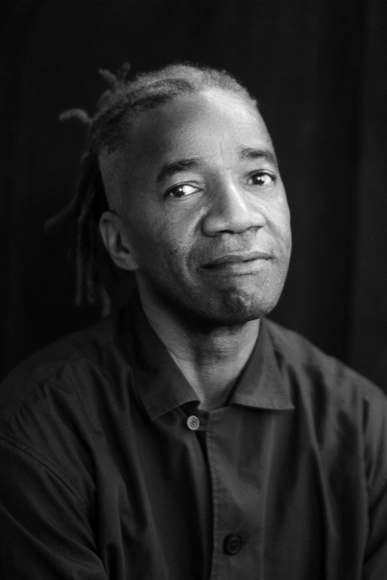
The National Building Museum in Washington, D.C. has just announced Walter Hood as the 26th recipient of the prestigious Vincent Scully Prize. Walter Hood is a celebrated landscape designer working in public spaces and urban environments. Established in 1999, this award honors outstanding contributions in architecture, historic preservation, and urban design through practice, scholarship, or criticism. Hood now joins the ranks of past notable winners like Theaster Gates, Dolores Hayden, and Mabel O. Wilson.
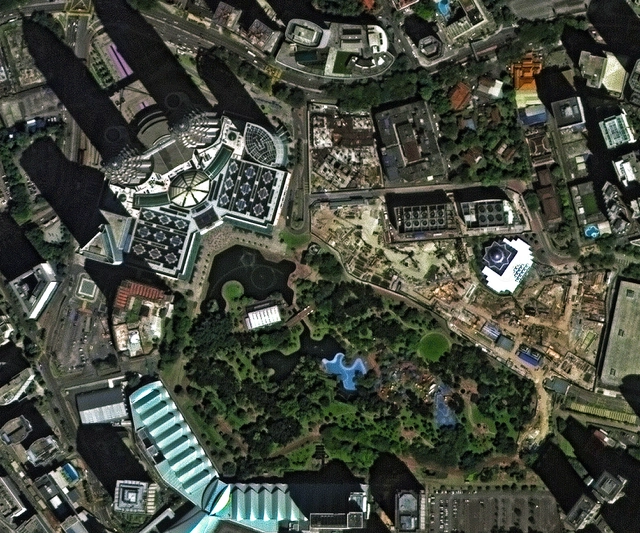
Kuala Lumpur City Centre Park. Courtesy of Deimos Imaging
Architects often enjoy viewing projects through floor plans, and some landscape architecture works are so large that they’re hard to appreciate without this view fully. Seeing them from above lets you understand their full essence and admire the entire design. We’ve selected a series of aerial photographs of Roberto Burle Marx’s works, provided by the Spanish company Deimos Imaging, offering a rare perspective you may not have seen before.
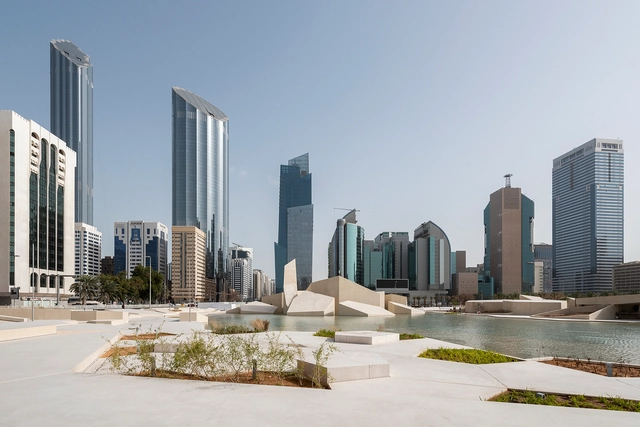
Landscape architecture has traditionally been associated with lush greenery, rooted in the historical development of gardens and parks as spaces that bring nature into urban areas. This connection to greenery is deeply ingrained in the origins of the field, where the creation of verdant retreats was seen as both aesthetically pleasing and beneficial to human well-being. However, in regions like the Middle East, where water scarcity and harsh climates are more prevalent, there is a growing trend toward using local materials such as sand, stone, minerals, and indigenous plants. This shift reflects a more sustainable approach, reimagining landscape architecture to align with the environmental and cultural contexts of the region.