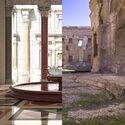
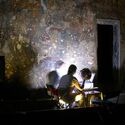
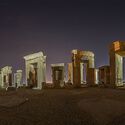
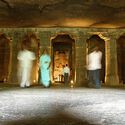
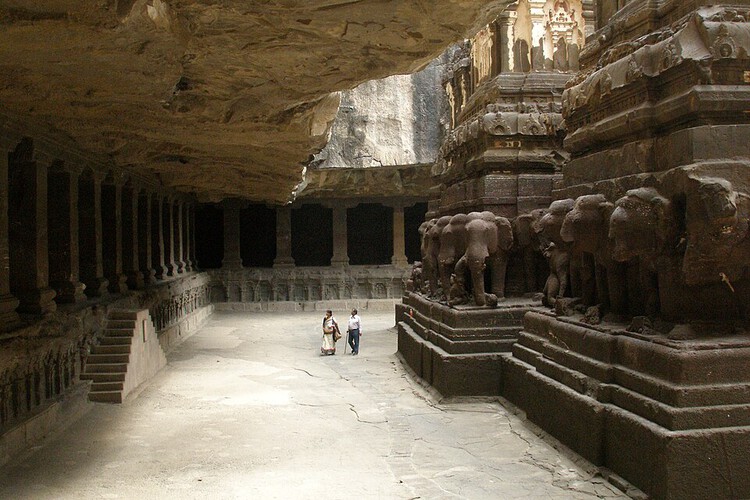
A cave in Maharashtra can now be entered without travelling to it. Through a virtual reality experience developed around Ajanta, visitors can move through a digitally reconstructed version of the caves from somewhere else entirely. The project raises an architectural question: if architecture is experienced through movement, scale, sequence and perception, what happens when those experiences can be recreated outside the physical site? IITM Pravartak's Digital Ajanta project uses 3D scanning, filming, modelling and virtual reality to document the caves and translate that record into an immersive experience.
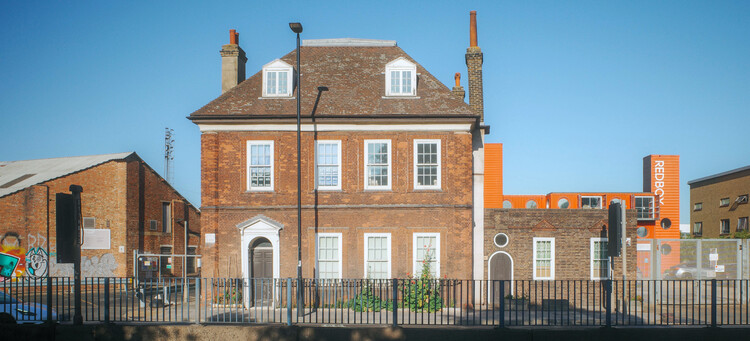
London-based art, architecture, and design collective Assemble has recently announced a new workspace project in the English capital. Since its founding in 2010, the studio has built a community around craft and making by providing creative and light industrial spaces resilient to market forces, working as a platform for ecologically and socially engaged work. It recently secured a 25-year lease, with the option to buy, on Bromley Hall, an early Tudor-period manor house considered one of the oldest houses in London. The plan is to transform the site's three buildings, Bromley Hall (c. 1485), the Old Poplar Library (c. 1904–5), and the RedBox container building, into Assemble's largest workspace to date, adding 14,000 sq ft to its current workspace provision, with the site's long-term development plan set to double this figure. The practice's new project follows a dual objective: restoring a Grade II*-listed building and increasing stability for the creative industries community, through long-term rental agreements and a new space for collaboration.
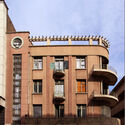
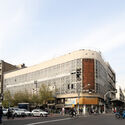
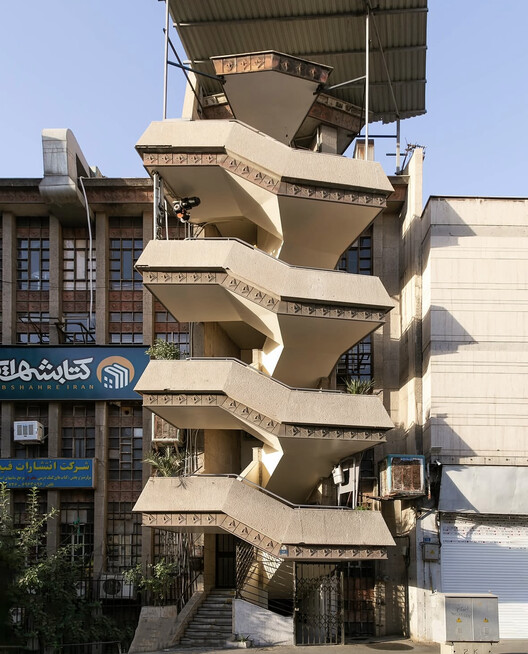
Nestled at the foot of the Alborz mountain range, Tehran grows beneath a ridge that protects and suffocates it at the same time. The same landscape that blocks the winds and traps pollution over the city also holds, along its slopes, centuries of disputes over this strategic territory. It is a capital built on unstable ground, both geologically and politically. Active seismic faults run beneath its avenues, while above them accumulate the traces of successive reconstructions, demolitions, and forced reinventions. Thus, the city continues to expand, a silent witness to a country that, for more than two centuries, has constantly negotiated between memory and erasure.
In broad terms, a structure is a testament to its time. An architectural project's proposal and material scale often exceed the lifespan of a single human being, becoming, in this way, part of a historical narrative. This cross-cutting characteristic is particularly evident in specific project typologies: memorial sites, cemeteries, museums, and even educational and community centers. Lately, this value has extended not only to buildings but also to construction techniques, ancestral forms and geometries, and to nature itself. This historical value and its symbolic connotation are represented in this selection of five buildings designed by ArchDaily readers, still unbuilt, in Kosovo, Canada, China, Egypt, and Bangladesh.
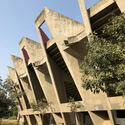
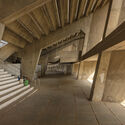
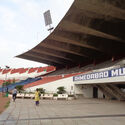
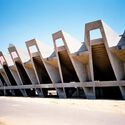
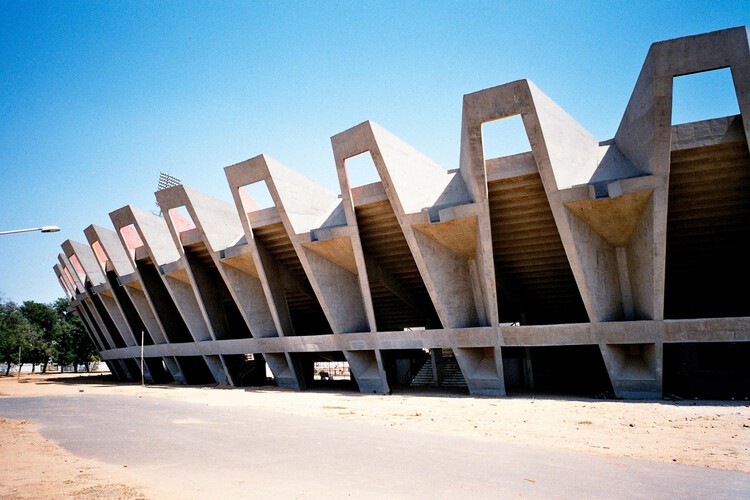
In the heart of Ahmedabad's Navrangpura district in India sits the Sardar Vallabhbhai Patel Stadium. More than just a cricket ground, the stadium stands as one of India's earliest experiments in modernist public architecture. Built in the decades following the country's independence, the structure has not only become an engineering landmark, but also a major public space within Ahmedabad's urban fabric. Despite the building's architectural and historical significance, as well as its deep involvement in daily community life, it has suffered significant physical degradation as a result of decades of poor maintenance and lack of funding. That fragility is precisely why it has drawn international attention. In 2020, the World Monuments Fund (WMF) placed the Sardar Vallabhbhai Patel Stadium on its World Monuments Watch, a global list highlighting cultural heritage sites facing urgent preservation challenges.
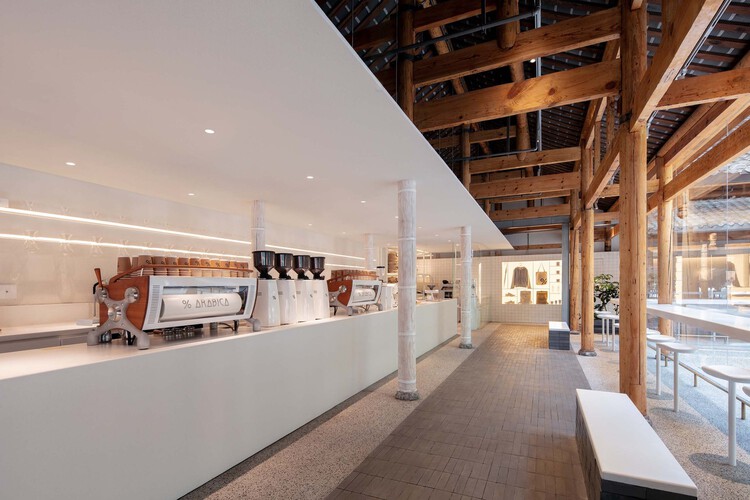
Craft in contemporary interiors is increasingly valuable in the way materials are joined and brought into relation with one another. As the appetite for fast, inexpensive, and profitable retrofitting grows, there is also a parallel desire for interiors that feel thoughtfully resolved: spaces where details are integrated, material assemblies are considered, textures transition with intention, and hardware is treated as part of the architectural language rather than an afterthought. In many contemporary Chinese interiors, craft operates quietly through the treatment of surfaces and structures: timber that retains its irregularity, terrazzo that records aggregate and handwork, or finishes that reveal the care of their making.
This is especially important in an era when digital images increasingly reward smoothness. Rendered interiors often appear seamless, frictionless, and complete before construction has even begun. Craft complicates this image. It introduces tolerance, texture, material resistance, and the sense that a surface has passed through human hands before becoming architecture. Imperfection is not necessarily a failure of precision. To the eye that knows how to read it, it can become evidence of process.
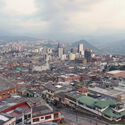
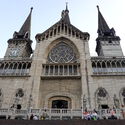
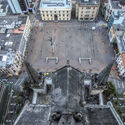
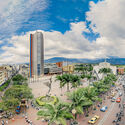
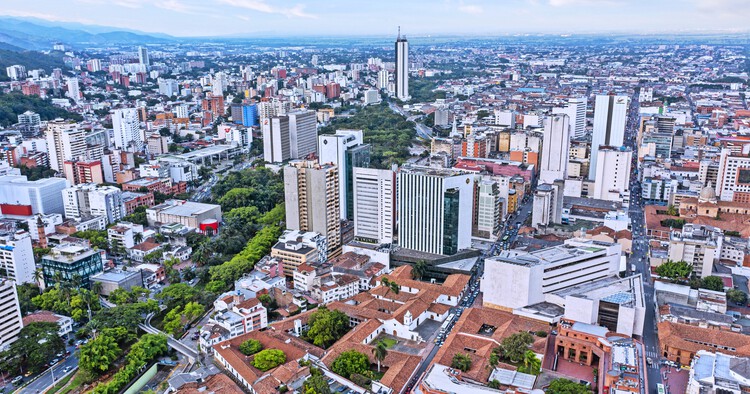
On Monday, 10 August 2026, a magnitude 7.4 earthquake struck Colombia's Pacific and Caribbean coasts. While the seismic event lightly affected the southern border of Panama and the northern border of Ecuador, Colombia has declared a national state of emergency. The earthquake has caused 111 deaths according to official reports, with the toll expected to rise as search and rescue efforts continue. According to the Servicio Geológico Colombiano (SGC), the epicentre was located 96 kilometres beneath the surface near San José del Palmar, a rural area in the northwest of the Chocó province. Infrastructure damage extends to densely populated cities including Cali, Pereira, Manizales, and Armenia, affecting an area with a population of about 3.5 million people. This seismic event follows four others that occurred less than two months ago in Japan, the United States, and Venezuela, adding to reconstruction efforts already underway worldwide.
The UNESCO World Heritage Committee has announced 25 new inscriptions to the World Heritage List during its 48th session, expanding the international register with sites that reflect a wide range of architectural, cultural, and natural heritage. The 2026 additions include 19 cultural properties, five natural sites, and one mixed property, alongside approvals for two significant boundary modifications and one revision to the criteria of an existing inscription. Spanning every inhabited continent, the newly recognized places range from archaeological landscapes and historic urban centers to modernist architecture and industrial heritage, underscoring the diversity of the built environment and the evolving scope of heritage conservation.
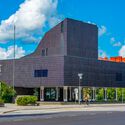
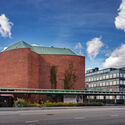
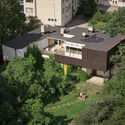
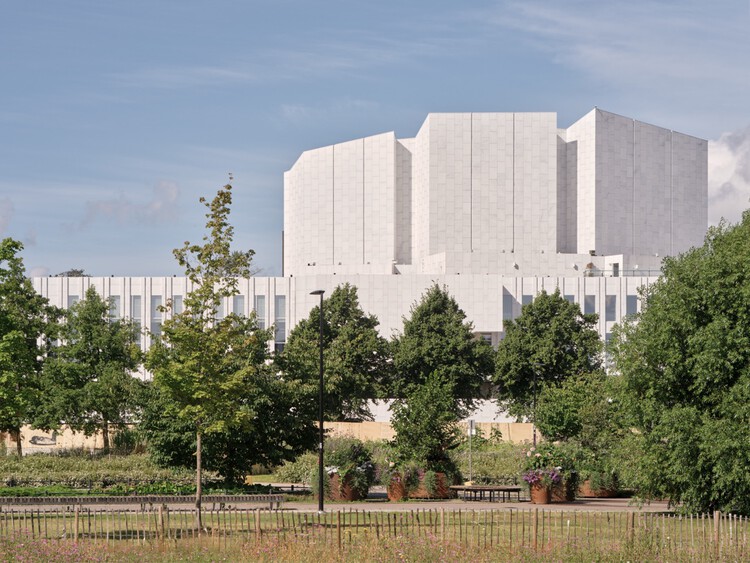
The UNESCO World Heritage Committee has inscribed Aalto Works, a collection of thirteen buildings and architectural ensembles across Finland designed by Aino Marsio-Aalto, Elissa Aalto, and Alvar Aalto, on the UNESCOWorld Heritage List. The designation recognizes the international significance of a body of work that helped redefine modern architecture through a human-centered approach, emphasizing the relationship between buildings, everyday life, nature, and social well-being. Spanning projects completed between the late 1920s and the 1980s, the series represents Finland's contribution to the Modern Movement while acknowledging the collaborative practice of the Aaltos and their studio.
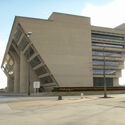
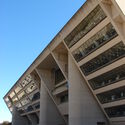
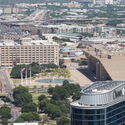
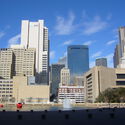
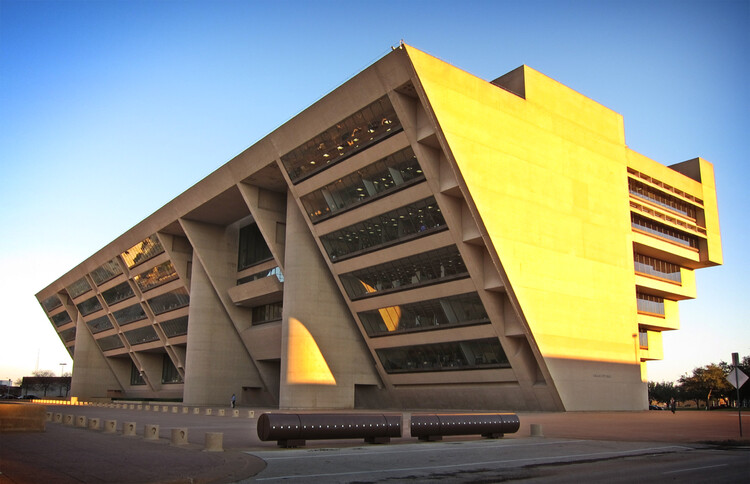
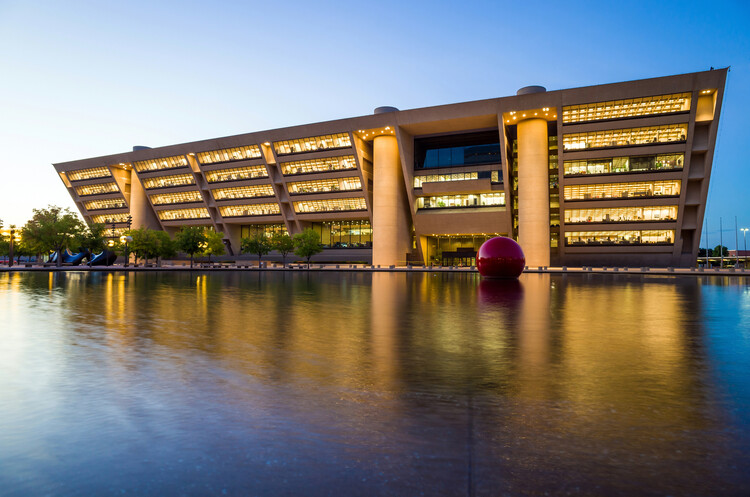
Since August 2025, debate has intensified in Dallas, United States, over the future of one of its modern landmarks: I.M. Pei & Partners' Dallas City Hall. As of today, the Dallas City Council will continue weighing whether to repair, sell, or demolish the 47-year-old building, following growing concerns over long-deferred maintenance and the need for major investment. In late October 2025, council members began public listening sessions and committee meetings to gather resident input. Preservationists and some council members urged a full study of repair options and historic landmarking, while others emphasized fiscal and operational concerns. Since then, the Dallas City Council has been looking for a new building to relocate to, without formally deciding on the demolition.
Supporters of preservation stress the building's civic and architectural significance, while those advocating for demolition point to high maintenance costs and the redevelopment potential of the centrally located site. A petition to "Save Dallas City Hall," calling on council members to halt demolition plans and commission a transparent renovation study, remains open for signatures. Meanwhile, the mayor has said he wants to review all the facts before taking a position on whether the city should relocate or invest in repairs. On the occasion of the 250th anniversary of the United States' Declaration of Independence, the World Monuments Fund included the building on the "Irreplaceable America" list, spotlighting urgent preservation needs. The case adds to the growing list of modernist icons worldwide facing uncertain futures, sparking broader cultural debates about civic heritage and public infrastructure.
Architecture often inherits a paradox. The buildings that come to define a place are rarely the only ones that shaped it. Instead, they become symbols, repeated through guidebooks, tourism campaigns, conservation agendas, and architectural histories until they stand in for an entire region. Over time, the richness of a built landscape is compressed into a handful of familiar images. What falls outside that frame rarely disappears. It simply slips from architectural discourse.
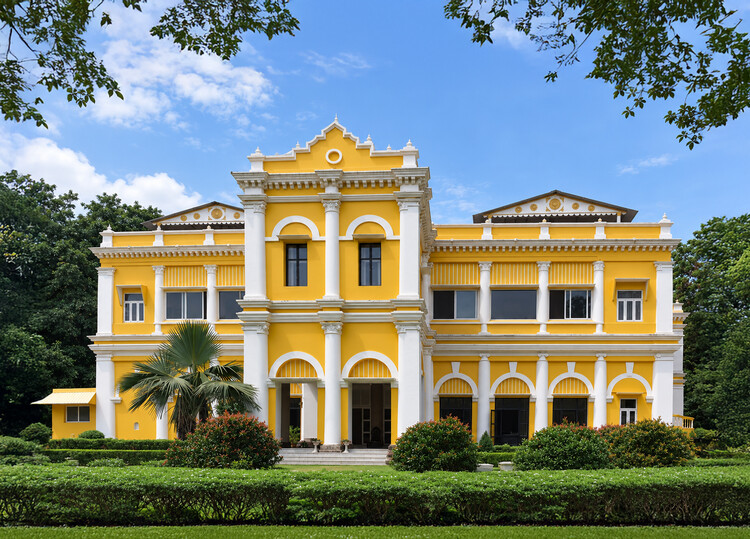
Few places illustrate this more clearly than Odisha. For decades, its architectural identity has been represented through the monumental stone temples of Bhubaneswar, Konark, and Puri. The sculptural sophistication of the Kalinga tradition has rightly earned international recognition, becoming one of India's most celebrated architectural legacies. Yet this prominence has also produced an unintended consequence. Odisha is frequently understood as a land of temples, leaving other architectural histories comparatively unexplored. Royal residences, administrative buildings, colonial encounters, vernacular settlements, and former capitals occupy a far smaller place in the architectural imagination despite revealing equally complex stories of governance, diplomacy, ecology, and cultural exchange.
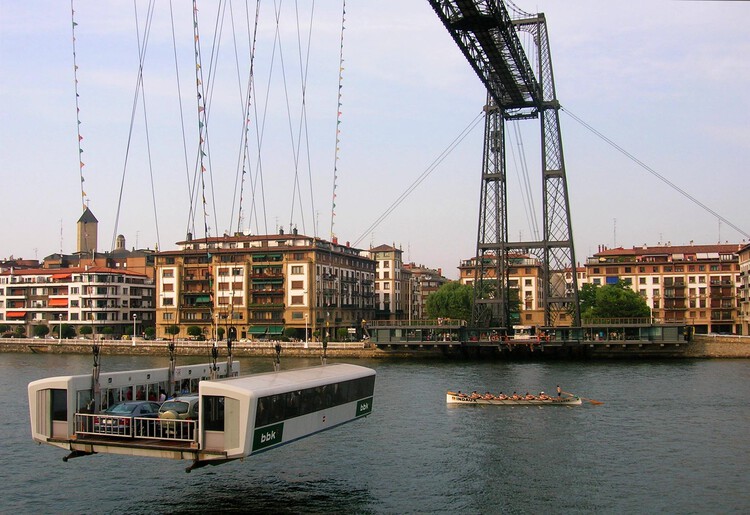
A trainera under the transporter Bizkaia Bridge. Image via Wikipedia user: Javier Mediavilla Ezquibela Licensed under CC BY-SA 3.0
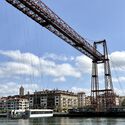
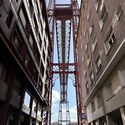
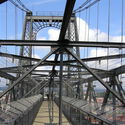
What role do transportation infrastructures play in shaping the culture and economy of societies? How do they bridge cultural, ideological, and geographic divides while transforming the lives of the communities they serve? One of the most remarkable iron structures of the European Industrial Revolution stands west of Bilbao, spanning the Nervión River at the mouth of the Ibaizabal Estuary. It is the Bizkaia Bridge, which combines nineteenth-century ironworking traditions with the innovative use of lightweight alternating-twist steel cables. Recognized as the world's first transporter bridge, it became a model for similar structures built throughout Europe, Africa, and the Americas.
Constructed to connect the opposite banks of the Nervión estuary, it was the first bridge in the world to allow ships, passengers, and vehicles to cross simultaneously by means of a suspended gondola. This innovative system improved communication between two small seaside resort towns while allowing uninterrupted navigation through one of Europe's busiest inland ports.
In June 2026, the refurbished Teatro Mauri reopened its doors on Cerro Bellavista in Valparaíso, formerly Chile's main port. The building forms part of Latin America's modernist legacy and stands adjacent to La Sebastiana, one of the renowned residences of the poet Pablo Neruda. It was designed by architect Alfredo Vargas Stoller, author of other icons of modern architecture in Valparaíso, such as the Edificio Cooperativa Vitalicia and the Conjunto de Viviendas Vargas in Viña del Mar. Teatro Mauri opened in 1951 as a venue for performances and cinema. Following a fire in the early 1990s, it fell into disrepair, serving only sporadically as a venue for local parties and events. In 2015, it was purchased by the Sociedad Chilena de Autores e Intérpretes (SCD), which commissioned its restoration from architects Laura Garrido and Gregorio Garretón.
In the twenty-first century agenda, adaptive reuse is understood as a creative and meaningful approach to the development of the built environment. In the face of an era marked by adaptation and transformation, the shaping of human experiences aligns with the principle of "reuse, reduce, recycle." From the authenticity of place to the inherent value of materials, working in dialogue with the past makes it possible to envision new futures that engage with the uses, traditions, and beliefs of earlier eras. By considering each building as a collection of tangible and intangible elements that shape its identity, adaptive reuse interventions require a deep understanding not only of construction methods, structural systems, and spatial rhythms, but also of the cultures that built, inhabited, and will one day occupy these places.
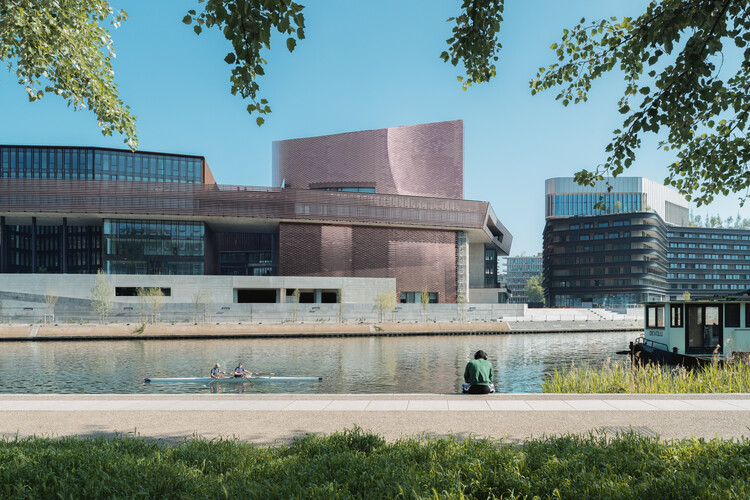
A new space dedicated to contemporary art on the Île Seguin, in the Greater Paris area, is opening in October 2026. The new cultural institution, named "Large," will be housed in a building designed by Catalan architects and Pritzker Prize recipients RCR Arquitectes, the studio's first project in Paris. It is situated on La Pointe des Arts, a large-scale redevelopment of the Île Seguin's former industrial area into a mixed-use complex spanning more than 53,000 m² and focused on arts and culture. The project's architectural massing follows the stratification concept set out in the masterplan by Ateliers Jean Nouvel. The institution will open with the exhibition "Imaginary Engine: From Masterpieces of the Collection Renault to Artists of Today," bringing together 55 artists from 23 countries to explore the relationship between humanity and machines, in tribute to the site's industrial history and Renault's decades-long collaboration with artists.
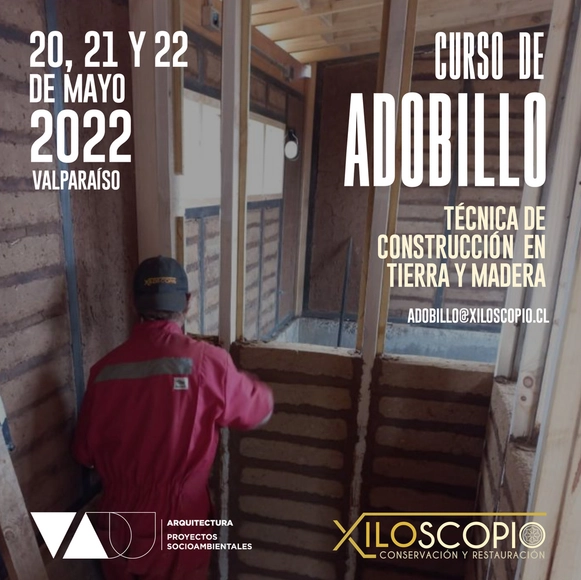
El tabique-adobillo es una técnica constructiva mixta de madera y tierra, una de las más utilizadas en la construcción de inmuebles en Valparaíso desde el siglo XIX al XX, que se proyecta como una alternativa completamente viable para nuestros días. Hoy en Chile, con manejo forestal y con acceso a suelos para la fabricación de los adobillos, resulta ser una buena respuesta constructiva, de origen natural, térmica, de bajo impacto ambiental, que ya ha demostrado un buen comportamiento ante sismos gracias a la flexibilidad de sus estructuras de madera.
Dallas City Hall, Texas. Image via World Monuments Fund
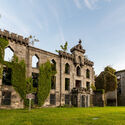
On the occasion of the 250th anniversary of the United States' Declaration of Independence, the World Monuments Fund has announced a new list of ten heritage places representing the country's history. The special initiative, titled "Irreplaceable America," recognizes historic places across the country whose preservation is considered "essential to the richness and complexity of American history," spotlighting urgent preservation needs. From the oldest botanical garden in the country to I.M. Pei's modernist Dallas City Hall, the selected sites bear witness to Indigenous heritage, artistic experimentation, and public health, colonial, and Black history.