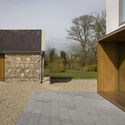
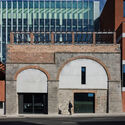
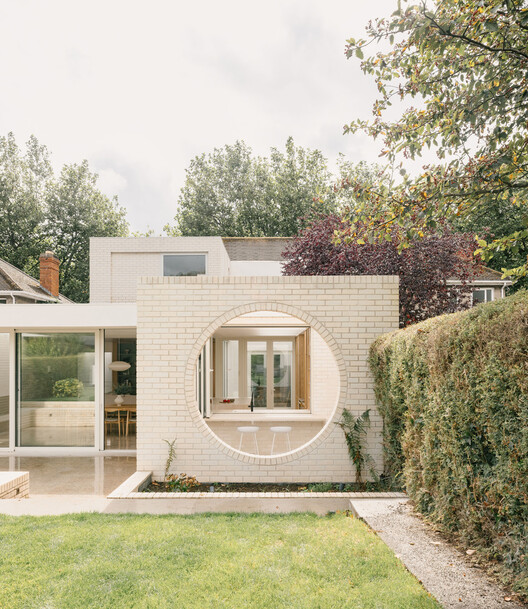
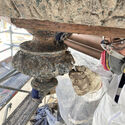
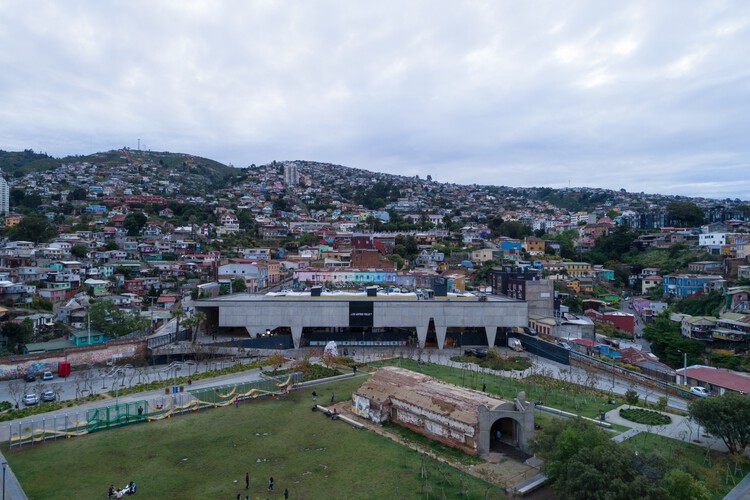
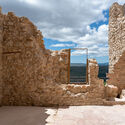
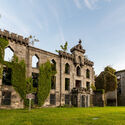
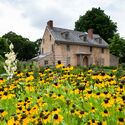
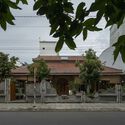
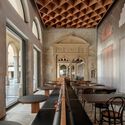
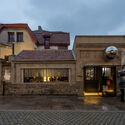
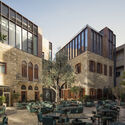
The landscape and scattered settlements of Ireland carry a reputation for wildness. Rugged cliffs meet the Atlantic, green fields roll across the interior, and rain and wind change the scene by the hour. A closer look reveals a worked terrain as historic stone walls divide agricultural fields, roads and paths connect towns to the coast, and castle ruins alongside cottages record centuries of occupation. Change is the expected condition of the island, shaped as much by human hands as by geology and weather, and the practice of treating the existing context as material to adapt and modify runs deep.
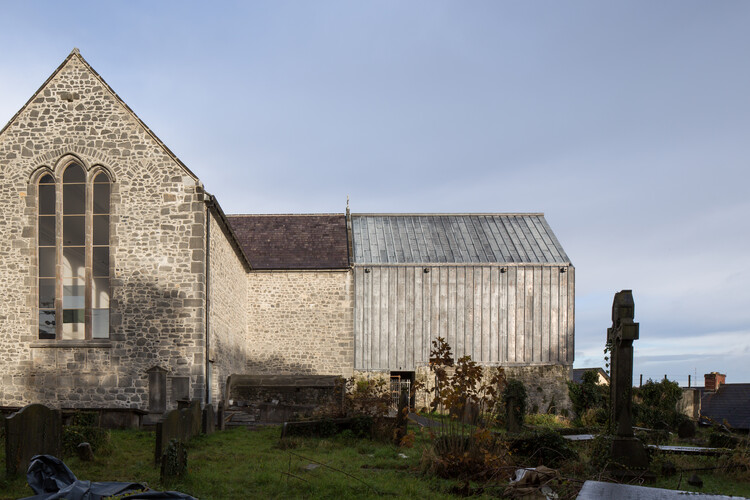
Ireland has a large inherited building stock, from vernacular cottages and farm compounds to Georgian and Victorian urban terraces, while a growing share of it sits vacant or derelict as housing remains scarce and expensive. Planning and heritage protections shape what can be altered, while growing attention to embodied carbon makes demolition increasingly difficult to justify. Under these pressures, design strategies for renovation are one of the most inventive areas of contemporary Irish design. Architects cut into old structures to admit light, set new materials against aged ones, and redesign buildings for contemporary lives and routines.