1. ArchDaily
  2. Europe

Europe: The Latest Architecture and News

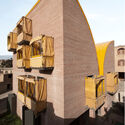
Reimagining Models for Living Together: 4 Projects Showcasing Cooperative Architecture

Subscriber Access | 

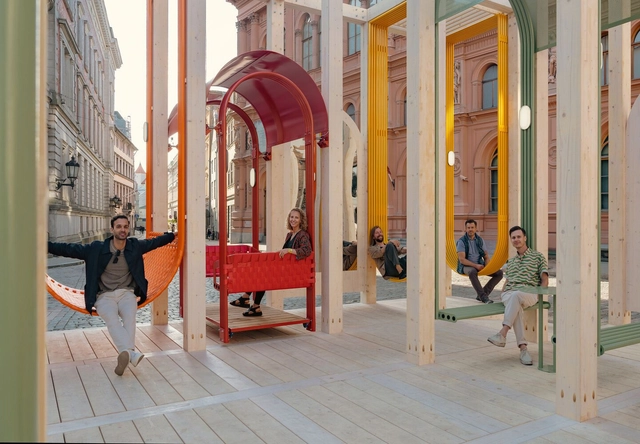
The International Day of Cooperatives, celebrated on the first Saturday of July each year, is an opportunity to raise awareness and celebrate the cooperative movement. Celebrated on this day by the United Nations since 1992, the cooperative movement is a social and economic movement empowering individuals and communities by creating enterprises that are collectively owned and democratically controlled by members. This year's theme is "Cooperatives: Partners for Accelerated Sustainable Development." Underscoring the critical role cooperatives play in achieving the Sustainable Development Goals, it also emphasizes the unique typology of cooperatives in exploring new ways of living together. With a belief in community growth, cooperatives believe in communal development, prioritizing people and supporting them to improve collective well-being.

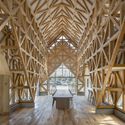
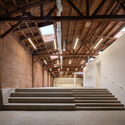
Reimagining Models for Living Together: 4 Projects Showcasing Cooperative Architecture - Image 1 of 4Reimagining Models for Living Together: 4 Projects Showcasing Cooperative Architecture - Image 2 of 4Reimagining Models for Living Together: 4 Projects Showcasing Cooperative Architecture - Image 3 of 4Reimagining Models for Living Together: 4 Projects Showcasing Cooperative Architecture - Image 4 of 4Reimagining Models for Living Together: 4 Projects Showcasing Cooperative Architecture - More Images+ 5

Revealing the Europe 40under40 Best Young Architects & Designers of 2023-2024

The winners of the "Europe 40under40®" program for 2023-2024 have been announced, celebrating promising talents in architecture and design. This recognition highlights projects from emerging professionals under the age of 40, including architects, landscape architects, urban planners, and industrial designers. The program, initiated by The European Centre, aims to showcase a new generation of designers who are poised to impact the future of living and working environments, cities, and rural areas.

All winning projects will be displayed in the exhibition titled "40 Young European Architects with New Visions," scheduled for December 2024 at The European Centre, located in Athens, Greece. The exhibition will coincide with an awards ceremony. Moreover, a special edition publication by Metropolitan Arts Press will feature this year's cohort of talented architects and designers, aiming to reach an international audience of architecture enthusiasts.

Revealing the Europe 40under40 Best Young Architects & Designers of 2023-2024 - Imagem 1 de 4Revealing the Europe 40under40 Best Young Architects & Designers of 2023-2024 - Imagem 2 de 4Revealing the Europe 40under40 Best Young Architects & Designers of 2023-2024 - Imagem 3 de 4Revealing the Europe 40under40 Best Young Architects & Designers of 2023-2024 - Imagem 4 de 4Revealing the Europe 40under40 Best Young Architects & Designers of 2023-2024 - More Images+ 13

World Cities Day 2024: Transforming Urban Futures Through Preservation, Innovation, and Resilience

Subscriber Access | 

In honor of World Cities Day, which concludes Urban October, this year's theme, "Youth Leading Climate and Local Action for Cities," reflects a growing momentum for sustainable urban solutions championed by local communities and progressive policies. Around the world, cities face intensified demands for resilience, preservation, and innovation as they address challenges from the climate crisis to cultural heritage conservation. These initiatives illustrate a global trend in urban planning, where sustainability, adaptability, and inclusive community priorities take center stage.

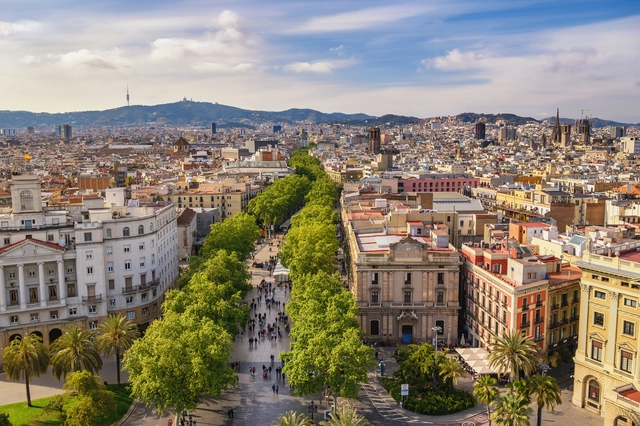
In this roundup, ArchDaily consolidates this year's transformative updates in cities worldwide, organized into thematic clusters that capture the evolving nature of urban design and policy in 2024. Projects like the extensive renovations of Barcelona's La Rambla and the preservation efforts around Chicago's historic skyscrapers highlight preservation of urban heritage, while initiatives in Venice and Los Angeles respond to overtourism and housing pressures, balancing livability with growth. Meanwhile, ambitious master plans have been announced, including the revitalization of industrial sites in Tallinn and Connecticut, reflect how cities are reimagining their urban fabric. Finally, post-disaster rebuilding in Kharkiv and Türkiye underscores the urgency of resilience-driven design, ensuring that cities can endure and evolve even in challenging times. Together, these updates offer a glimpse into the global forces reshaping urban landscapes

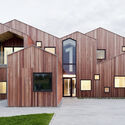
Refuges of Hope: 10 Shelters for Vulnerable Children Around the World

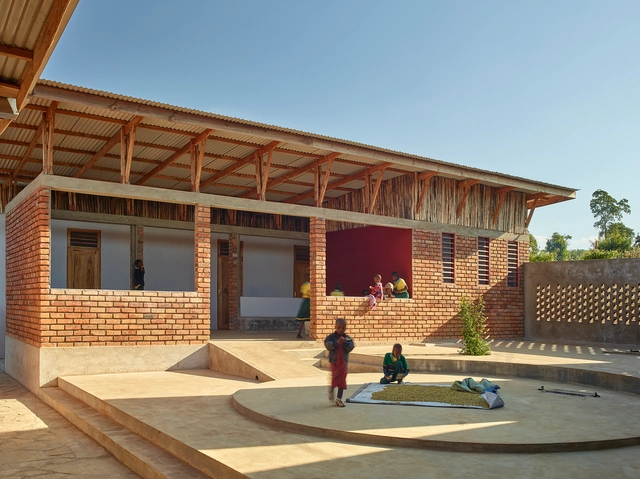
Architecture in children’s shelters serves a purpose beyond building physical spaces; it is about creating refuges that nurture healing, protection, and growth. For vulnerable children, designing these environments plays a vital role in their emotional recovery. Every aspect—from natural lighting to room layout—works together to create a secure and welcoming atmosphere, supporting their physical well-being and psychological and social development.

Refuges of Hope: 10 Shelters for Vulnerable Children Around the World - Imagen 1 de 4Refuges of Hope: 10 Shelters for Vulnerable Children Around the World - Imagen 2 de 4Refuges of Hope: 10 Shelters for Vulnerable Children Around the World - Imagen 3 de 4Refuges of Hope: 10 Shelters for Vulnerable Children Around the World - Imagen 4 de 4Refuges of Hope: 10 Shelters for Vulnerable Children Around the World - More Images+ 10

Prefabrication and Formal Boldness in Belgian Modernism: The Story of the CBR and LH 187 Buildings in Brussels

Subscriber Access | 

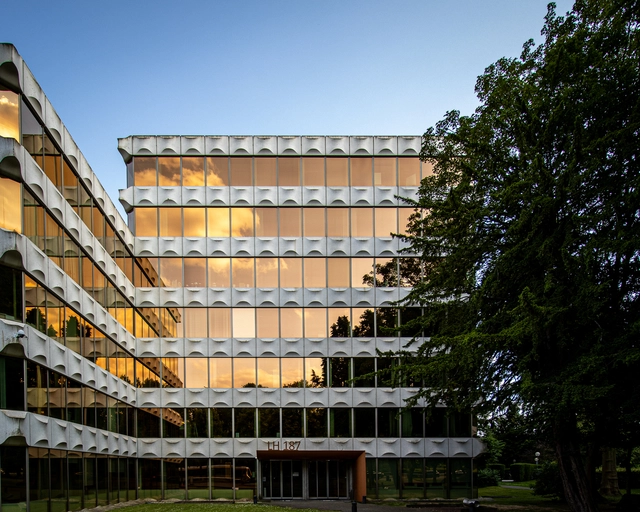
Between 1960 and 1976, Belgium's capital became a center for architectural experimentation, blending modernist ideals with prefabrication. This period led to the creation of two iconic buildings: the CBR Office Building (1967-1970) and LH 187 (1976), designed by Constantin Brodzki and Marcel Lambrichs. Located side by side, these buildings share a striking architectural style. Both feature facades made from large prefabricated concrete modules, showcasing the brutalist aesthetic and a dedication to using industrial materials and innovative construction techniques for their time.

Prefabrication and Formal Boldness in Belgian Modernism: The Story of the CBR and LH 187 Buildings in Brussels - Imagem 1 de 4Prefabrication and Formal Boldness in Belgian Modernism: The Story of the CBR and LH 187 Buildings in Brussels - Imagem 2 de 4Prefabrication and Formal Boldness in Belgian Modernism: The Story of the CBR and LH 187 Buildings in Brussels - Imagem 3 de 4Prefabrication and Formal Boldness in Belgian Modernism: The Story of the CBR and LH 187 Buildings in Brussels - Imagem 4 de 4Prefabrication and Formal Boldness in Belgian Modernism: The Story of the CBR and LH 187 Buildings in Brussels - More Images+ 20

How Roofscapes' Paris Pilot Project is Pioneering Climate-Resilient Architecture in Europe

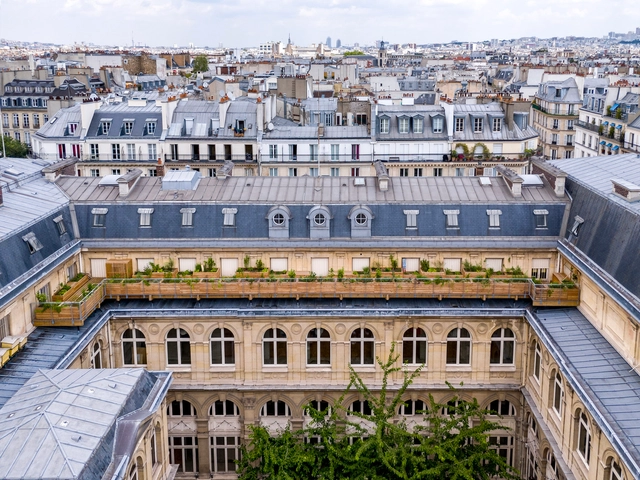
As record-breaking temperatures sweep across European cities, practitioners have recognized that existing infrastructure is poorly equipped to address the impacts of climate change. In response to this concern Roofscapes, a startup emerging from the MIT School of Architecture and Planning, has developed innovative solutions to amplify urban climate resilience. Their approach focuses on the strategic adaptation of underutilized spaces such as rooftops. By tackling the immediate challenges posed by extreme heat, the startup's work epitomizes how architectural innovation can directly contribute to addressing climate adaptation needs in cities. The company was recognized as one of ArchDaily's 2024 Best New Practices for their innovative approach to tackling urban issues such as affordability, lack of biodiversity, rising urban temperatures and repurposing.

How Roofscapes' Paris Pilot Project is Pioneering Climate-Resilient Architecture in Europe - Image 1 of 4How Roofscapes' Paris Pilot Project is Pioneering Climate-Resilient Architecture in Europe - Image 2 of 4How Roofscapes' Paris Pilot Project is Pioneering Climate-Resilient Architecture in Europe - Image 3 of 4How Roofscapes' Paris Pilot Project is Pioneering Climate-Resilient Architecture in Europe - Image 4 of 4How Roofscapes' Paris Pilot Project is Pioneering Climate-Resilient Architecture in Europe - More Images+ 6

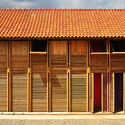
Building Stronger Communities: The Role of Regional Identity in 7 Multi-Purpose Projects

A region's identity is deeply tied to its community spaces. These spaces—whether parks, public squares, or community centers—reflect their users' culture, history, and values. They don't just preserve regional identity; they actively shape how communities engage with their environment, fostering a dynamic relationship between place and people. Community spaces are more than just physical locations; they are vital social hubs that foster engagement, cultural expression, and a sense of belonging. These spaces symbolize a shared identity and purpose.
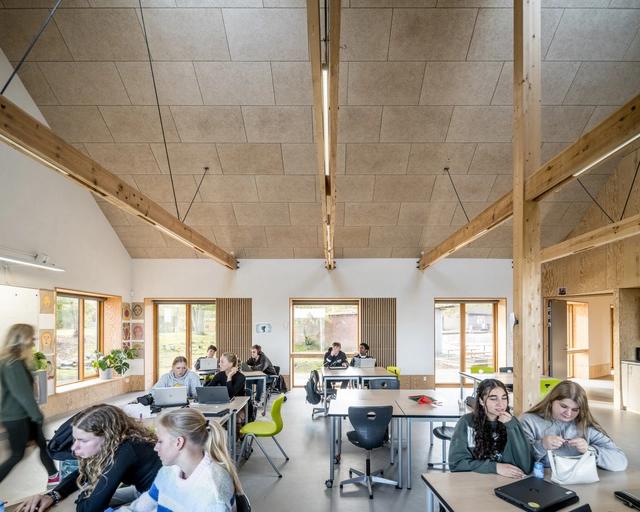
Building Stronger Communities: The Role of Regional Identity in 7 Multi-Purpose Projects - Image 1 of 4Building Stronger Communities: The Role of Regional Identity in 7 Multi-Purpose Projects - Image 10 of 4Building Stronger Communities: The Role of Regional Identity in 7 Multi-Purpose Projects - Image 22 of 4Building Stronger Communities: The Role of Regional Identity in 7 Multi-Purpose Projects - Image 3 of 4Building Stronger Communities: The Role of Regional Identity in 7 Multi-Purpose Projects - More Images+ 20

Building Better with Data: The Role of Material Libraries in Sustainable Architecture

Subscriber Access | 

For decades, the construction industry followed a familiar rhythm: design came first, materials followed. The pressing need for sustainable buildings has shattered this routine. Material selection is no longer an afterthought, but a critical decision made at the outset, with the potential to dramatically reduce a project's environmental footprint. This shift is even more crucial given the construction industry's appetite for raw materials – a staggering 3 billion tons extracted annually. To navigate this new landscape, digital material libraries and data-driven evaluation are emerging as powerful tools, creating a culture where materiality takes center stage to shape a more sustainable built environment.

Building Better with Data: The Role of Material Libraries in Sustainable Architecture - Image 1 of 4Building Better with Data: The Role of Material Libraries in Sustainable Architecture - Image 2 of 4Building Better with Data: The Role of Material Libraries in Sustainable Architecture - Image 3 of 4Building Better with Data: The Role of Material Libraries in Sustainable Architecture - Image 4 of 4Building Better with Data: The Role of Material Libraries in Sustainable Architecture - More Images+ 3

Navigating 2024: European Cities Tackle Urban Cooling, Congestion, and Connection

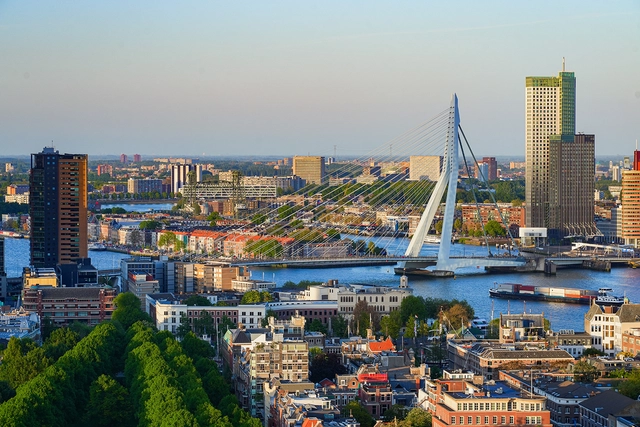
As we reach mid-2024, European cities showcase various urban development markers that are shaping the trajectory for the remainder of the year. Under themes of urban mobility in Brussels, sustainability in Valencia, Smart Cities in Rotterdam, and urban cooling in Paris, each city is making noteworthy progress on the road to meet the 2030 targets set by the Paris Agreement. In these diverse urban fabrics, European cities are committed to defining challenges and working towards shaping a climate-conscious future.

Navigating 2024: European Cities Tackle Urban Cooling, Congestion, and Connection - SustainabilityNavigating 2024: European Cities Tackle Urban Cooling, Congestion, and Connection - SustainabilityNavigating 2024: European Cities Tackle Urban Cooling, Congestion, and Connection - SustainabilityNavigating 2024: European Cities Tackle Urban Cooling, Congestion, and Connection - SustainabilityNavigating 2024: European Cities Tackle Urban Cooling, Congestion, and Connection - More Images

Coping with Extreme Heat: How Cities are Confronting the Heatwave in Eastern and Southern Europe

Audio available

Eastern and Southern Europe is enduring a severe heatwave, with temperatures reaching over 40 degrees Celsius in many countries including Greece, Croatia, Macedonia, and Romania. Driven by hot air from North Africa, this prolonged heatwave has raised significant threats for residents and has strained the cities’ mechanisms for protection and climate mitigation. As the heatwaves expose the vulnerabilities of urban infrastructures, cities across Europe are striving to implement measures to address these challenges.

Coping with Extreme Heat: How Cities are Confronting the Heatwave in Eastern and Southern Europe - Imagem 1 de 4Coping with Extreme Heat: How Cities are Confronting the Heatwave in Eastern and Southern Europe - Imagem 2 de 4Coping with Extreme Heat: How Cities are Confronting the Heatwave in Eastern and Southern Europe - Imagem 3 de 4Coping with Extreme Heat: How Cities are Confronting the Heatwave in Eastern and Southern Europe - Imagem 4 de 4Coping with Extreme Heat: How Cities are Confronting the Heatwave in Eastern and Southern Europe - More Images

The European Prize for Urban Public Space 2024 Reveals 10 Finalists

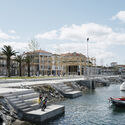
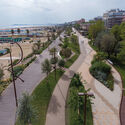
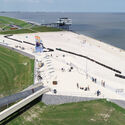
The Centre de Cultura Contemporània de Barcelona (CCCB) has announced the finalists for the European Prize for Urban Public Space 2024. Selected from a total of 297 projects corresponding to 35 European countries, the 2024 edition nominates 5 finalists in the General category, promoting quality public spaces throughout the European territory, and 5 in the Seafronts category, addressing coastal cities' climate vulnerabilities. The European Prize for Urban Public Space is an honorary biennial competition aiming to highlight best practices and innovations in the creation, transformation, and recovery of public spaces in European cities.

As the first edition to include a dedicated category for Seafronts, this year’s awards recognize the importance and particular challenges faced by coastal cities. This is aligned with the Cultural Regatta, a schedule of activities running parallel to the America's Cup sailing competition in Barcelona. For this edition, the International Jury was presided over by the urbanist architect, landscape, and industrial designer Beth Galí, and made up of Sonia Curnier, Fabrizio Gallanti, Žaklina Gligorijević, Beate Hølmebakk, Manon Mollard, Francesco Musco, and Lluís Ortega. The winners of the 12th European Prize for Urban Public Space will be announced during a ceremony at CCCB on October 29, 2024.

The European Prize for Urban Public Space 2024 Reveals 10 Finalists - Image 1 of 4The European Prize for Urban Public Space 2024 Reveals 10 Finalists - Image 2 of 4The European Prize for Urban Public Space 2024 Reveals 10 Finalists - Image 3 of 4The European Prize for Urban Public Space 2024 Reveals 10 Finalists - Image 4 of 4The European Prize for Urban Public Space 2024 Reveals 10 Finalists - More Images+ 31

EU Mies Awards 2024 Announces Winning Projects for both Architecture and Emerging Categories

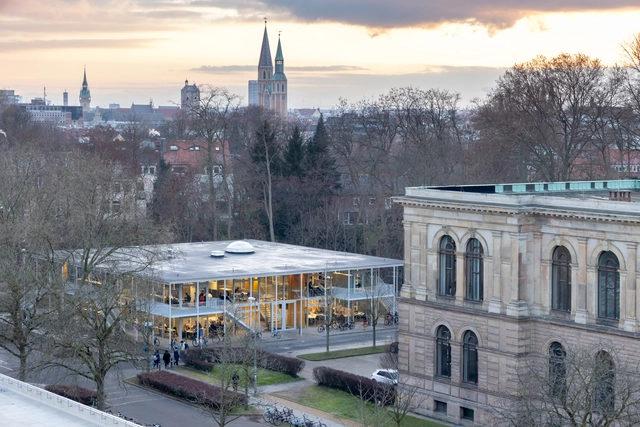
Fundació Mies van der Rohe and the European Commission have selected the winners for its 2024 edition of the EU Prize for Contemporary Architecture / Mies van der Rohe Awards, from a pool of 362 nominated works. The 2024 Winner of the Architecture Prize is the Study Pavilion on the campus of the Technical University of Braunschweig, Germany, by architects Gustav Düsing and Max Hacke, both with studios in Berlin. The 2024 Winner of the Emerging Architecture Prize is the Gabriel García Márquez Library in Barcelona by SUMA Arquitectura founded by Elena Orte and Guillermo Sevillano in Madrid.

“The 2024 Prize jury emphasizes the significance of architecture that explores the potential to shift mindsets and policies, as well as the importance of fostering inclusivity”, explains the official announcement. The Awards Ceremony will take place at the Mies van der Rohe Pavilion in Barcelona, in the context of the EUmies Awards Day, on the 14th of May 2024, launching the Barcelona Architecture Weeks.

EU Mies Awards 2024 Announces Winning Projects for both Architecture and Emerging Categories - Image 1 of 4EU Mies Awards 2024 Announces Winning Projects for both Architecture and Emerging Categories - Image 2 of 4EU Mies Awards 2024 Announces Winning Projects for both Architecture and Emerging Categories - Image 3 of 4EU Mies Awards 2024 Announces Winning Projects for both Architecture and Emerging Categories - Image 4 of 4EU Mies Awards 2024 Announces Winning Projects for both Architecture and Emerging Categories - More Images+ 6

Monumental Sculptor Richard Serra Passes Away at 85

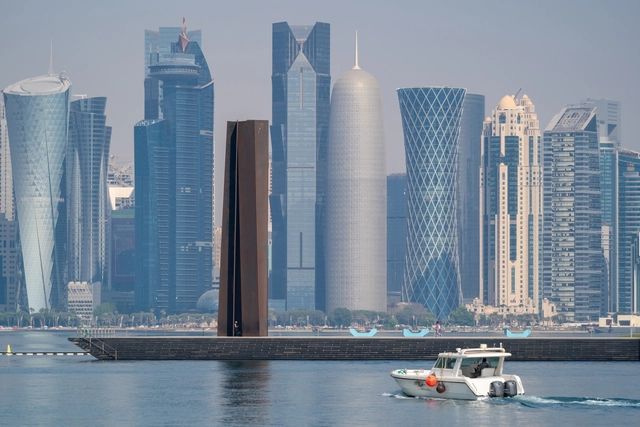
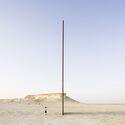
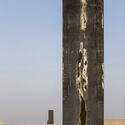
Renowned sculptor Richard Serra, known for his monumental steel structures that reshaped the landscape of contemporary art, passed away at the age of 85 at his residence in Orient, N.Y. His groundbreaking works, characterized by massive tilting corridors and spirals of steel, offered viewers a unique experience, inviting them to navigate through and around the imposing forms to fully comprehend their essence. Because of this invitation to explore space, materiality, and site, the artist has been long-recognized in the architectural community, earning him the Architectural League of New York President’s Medal in 2014, becoming the first artist to receive the honor.

Monumental Sculptor Richard Serra Passes Away at 85 - Image 1 of 4Monumental Sculptor Richard Serra Passes Away at 85 - Image 2 of 4Monumental Sculptor Richard Serra Passes Away at 85 - Image 3 of 4Monumental Sculptor Richard Serra Passes Away at 85 - Image 4 of 4Monumental Sculptor Richard Serra Passes Away at 85 - More Images+ 3

Discover the 7 Finalists for the EU Mies Awards 2024

The European Commission and the Fundació Mies van der Rohe just revealed the 7 finalists for the 2024 European Union Prize for Contemporary Architecture – Mies van der Rohe Awards. There are 5 finalists in the Architecture category and 2 in the Emerging category. In March, the jury will visit these architectural works and will decide on the winning projects that will be announced on April 25th at the CIVA in Brussels.

Selected by the jury comprising 7 members: Frédéric Druot, Martin Braathen, Pippo Ciorra, Tinatin Gurgenidze, Adriana Krnáčová, Sala Makumbundu, and Hrvoje Njiric, from a list of 362 nominees, the "7 finalist works promote local policy references and can become global European models since all of them create inclusive and high-quality living environments."

Discover the 7 Finalists for the EU Mies Awards 2024  - Image 1 of 4Discover the 7 Finalists for the EU Mies Awards 2024  - Image 2 of 4Discover the 7 Finalists for the EU Mies Awards 2024  - Image 3 of 4Discover the 7 Finalists for the EU Mies Awards 2024  - Image 4 of 4Discover the 7 Finalists for the EU Mies Awards 2024  - More Images+ 5

Urban Waterways Reborn: European Cities Leading the Change in River Restoration and Revitalization

Subscriber Access | 

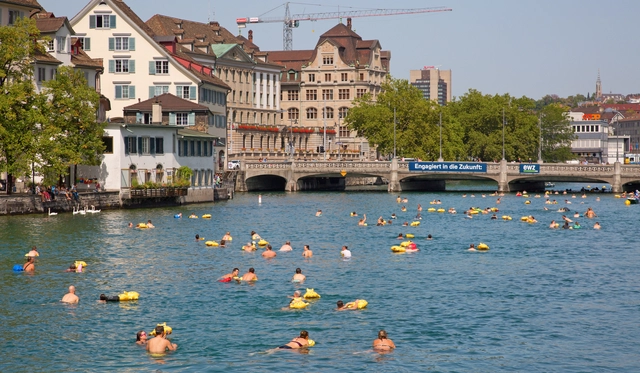
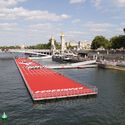
In 1988, Jacques Chirac made a never-fulfilled promise to make swimming accessible in the Seine River within 5 years. With swimming in the Seine officially banned by the French government in 1923, the river has been neglected for decades, flooded with high levels of bacteria and pollution resulting from industrialization and urbanization. With the XXXIII Olympic Games happening in Paris, Mayor Anne Hidalgo has drafted a “Swimming Plan,” aiming to finally transform the Seine River into a swimmable urban waterway. The billion-dollar effort outlines the river as a venue for this summer’s aquatic Olympic events.

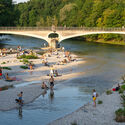
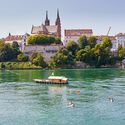
Throughout history, rivers played a crucial role in the social structures of cities. Along riverbanks, communities often congregated for socializing, swimming, and fishing. Swimming in rivers was a popular summertime activity enjoyed by people of all ages. Whether it was the Thames in London or the Seine in Paris, rivers were bustling with swimmers; integrated into urban lifestyles.

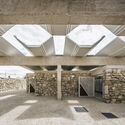
Urban Waterways Reborn: European Cities Leading the Change in River Restoration and Revitalization - Imagen 1 de 4Urban Waterways Reborn: European Cities Leading the Change in River Restoration and Revitalization - Imagen 2 de 4Urban Waterways Reborn: European Cities Leading the Change in River Restoration and Revitalization - Imagen 3 de 4Urban Waterways Reborn: European Cities Leading the Change in River Restoration and Revitalization - Imagen 4 de 4Urban Waterways Reborn: European Cities Leading the Change in River Restoration and Revitalization - More Images+ 1

Venice Launches Entrance Tickets to Tackle Overtourism During Peak Weekends

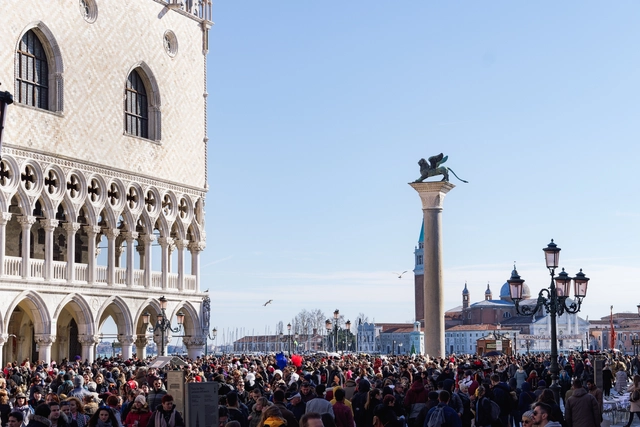
Venice authorities have launched a pilot program for their long-term discussed plan to introduce fees for day-trippers visiting the city. The program, which has been delayed several times citing logistical issues, was officially launched on January 16th, when the online payment platform became operational. While the scope of the program is expected to expand, for now, it will be applied only on certain days during the most crowded season, between April 25 and July 14.

Venice Launches Entrance Tickets to Tackle Overtourism During Peak Weekends - Image 1 of 4Venice Launches Entrance Tickets to Tackle Overtourism During Peak Weekends - Image 2 of 4Venice Launches Entrance Tickets to Tackle Overtourism During Peak Weekends - Image 3 of 4Venice Launches Entrance Tickets to Tackle Overtourism During Peak Weekends - Image 4 of 4Venice Launches Entrance Tickets to Tackle Overtourism During Peak Weekends - More Images

StavKirker: Explore the Medieval Wooden Churches of Norway

Subscriber Access | 

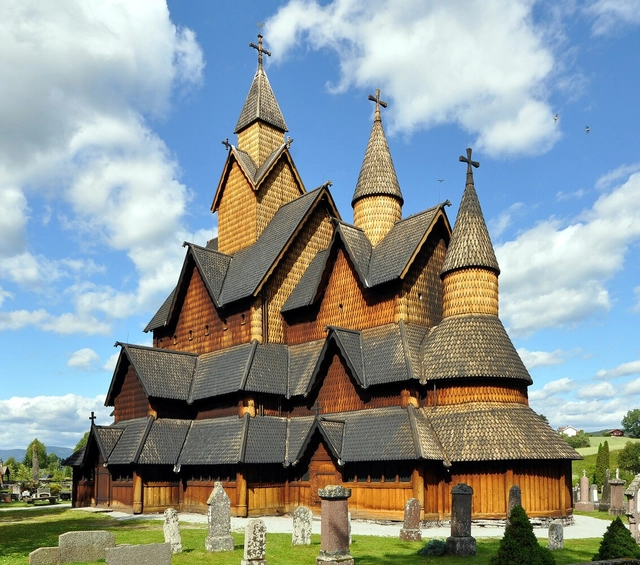
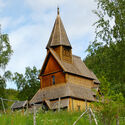
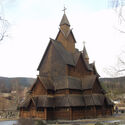
In Norway, the Medieval Churches, known as "StavKirker" (in Norwegian, "Stav" refers to a type of wooden column, and "Kirker" means church), stand out as iconic structures. They emerged in the 11th century following the country's conversion to Christianity, reflecting Norwegian expertise in ship carpentry inherited from the Vikings. This expertise transformed wooden construction, innovating woodcraft techniques and turning these buildings into aesthetically significant compositions.

StavKirker: Explore the Medieval Wooden Churches of Norway - Image 1 of 4StavKirker: Explore the Medieval Wooden Churches of Norway - Image 2 of 4StavKirker: Explore the Medieval Wooden Churches of Norway - Image 3 of 4StavKirker: Explore the Medieval Wooden Churches of Norway - Image 4 of 4StavKirker: Explore the Medieval Wooden Churches of Norway - More Images+ 1

EU Mies Awards 2024 Announces 40 Shortlisted Projects

The European Commission and the Fundació Mies van der Rohe have announced the 40 shortlisted works for the 2024 European Union Prize for Contemporary Architecture – Mies van der Rohe Awards. Selected by the jury comprising 7 members: Frédéric Druot, Martin Braathen, Pippo Ciorra, Tinatin Gurgenidze, Adriana Krnáčová, Sala Makumbundu, and Hrvoje Njiric, from a list of 362 nominees, the projects “are spread out in 38 European Cities in 33 Regions and 20 Countries”, showcasing 14 different programs.

 EU Mies Awards 2024 Announces 40 Shortlisted Projects  - Image 1 of 4 EU Mies Awards 2024 Announces 40 Shortlisted Projects  - Image 2 of 4 EU Mies Awards 2024 Announces 40 Shortlisted Projects  - Image 3 of 4 EU Mies Awards 2024 Announces 40 Shortlisted Projects  - Image 4 of 4 EU Mies Awards 2024 Announces 40 Shortlisted Projects  - More Images+ 8