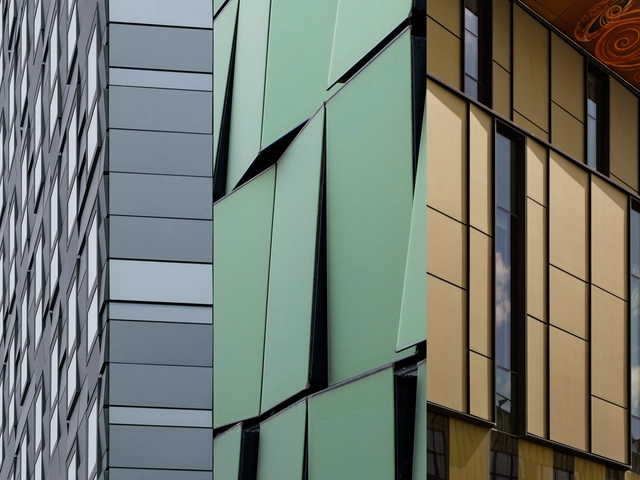
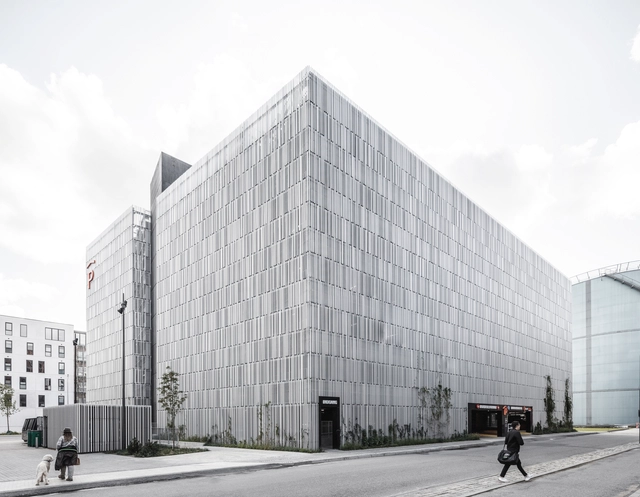
When designing facades, various factors can influence their conception. From compositional, geographic, and environmental elements, facades incorporate a series of gestures that shape the building envelope, serving as the interface between the environment and life inside the building. In this context, contemporary architecture has sought to enrich the role of facades, maximizing their potential through technological innovation. Today, technology has been integrated to create a more textured and expressive architecture, explore diverse materialities, and promote circular and low-carbon architecture.
Understanding facades as the skin of buildings and recognizing the growing global demand for efficient use of resources in the built environment, there arises a need to harness the incidence of sunlight on building facades. In response, and considering an architectural environment closely linked to technology, Building Integrated Photovoltaics (BIPV) has gained even greater relevance in creating new aesthetics for facades and minimizing environmental impacts. These systems, with their technical capabilities and aesthetic qualities, result in attractive, durable, and resilient solar facades. They generate a positive impact on the built environment by seamlessly incorporating sustainable energy production into buildings.
https://www.archdaily.com/1013143/durable-and-resilient-solar-facades-5-essential-architectural-principlesEnrique Tovar
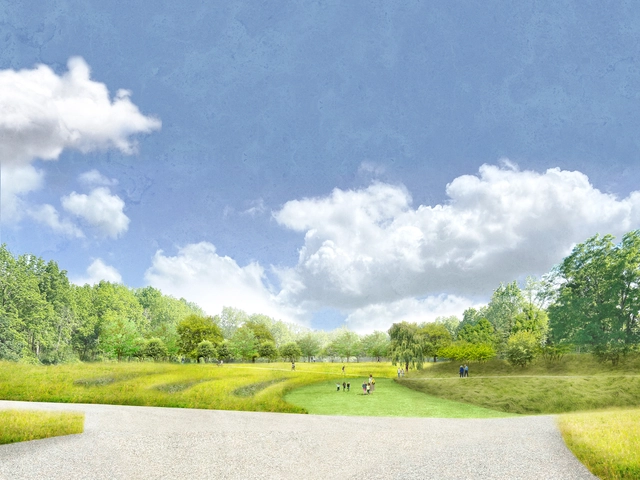
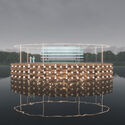
Rendering of Dia Beacon’s south landscape. Image Courtesy of Studio Zewde, 2024
Dia Art Foundation announced a major landscape project to reimagine the land at Dia Beacon, New York. Commissioned landscape architect Sara Zewde of Studio Zewde aims to go beyond the simple arrangement of attractive plants and integrate ideas of ecology, culture, and people into the design. Taking over the museum’s 32-acre campus, the project will create an expanded outdoor park, free to access for visitors and locals alike, complete with native meadows, sculptural landforms, and winding pathways. The project, which has been recently extended to also include the museum’s eight back acres, is expected to open to the public in 2025.
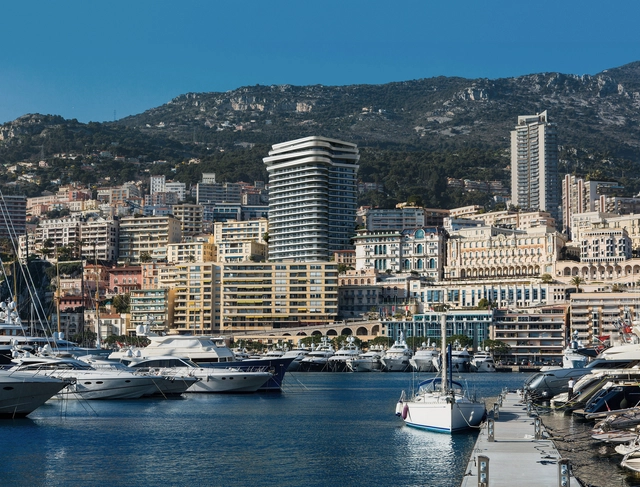
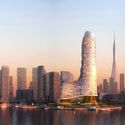
Zaha Hadid Architects (ZHA) has just begun renovating the iconic Schuylkill Tower in Monaco. Originally built in 1963, the tower currently stands tall as Monaco’s first-ever high-rise. ZHA conducted a feasibility study evaluating its development prospects and the scope of necessary renovations. This led to ZHA’s collaboration with local firm Square Architecte to revitalize and expand the iconic structure, set to be completed in May 2027.
Last week, Japanese architect and social advocate, Riken Yamamoto, was selected as the 2024 Pritzker Architecture Prize Laureate, the 53rd honoree of the Pritzker Architecture Prize, and the ninth architect from Japan to receive this recognition. With a body of built works that spans five decades, ranging from private residences to large-scale housing complexes, educational institutions, and civic spaces, scattered around Japan, China, South Korea, and Switzerland, Yamamoto's architecture is focused on building community and blurring the boundaries between the public and private spheres. In a series of videos produced by the Pritzker Prize, the architect goes back to the fundamentals and discusses the threshold system, transparency, community, and the landscape.
Rising demands for energy efficiency, technical functionality, and interior comfort in buildings necessitate the development of more efficient building envelope constructions. The building envelope serves as a mediator between a building's exterior and interior. In today's architectural landscape, it performs a multitude of functions to enhance the building's performance. These functions include building control systems, energy supply (such as gas and electricity), and heating, ventilation, and air conditioning (HVAC), among others. These elements primarily determine the functionality, efficiency, and safety of building spaces. Given that the nature of building envelopes heavily depends on these services, how can they serve as primary frameworks for building design development?
As we successfully launched our 15th Building of the Year Awards earlier this year, we want to thank you for being part of our community for over 10 years. Together we have been growing and contributing to the architectural scene, aiming for a better world. Now, we are proud to announce the 8th edition of The ArchDaily Building of the Year China, celebrating the best architecture in China, as chosen by you, the reader.
By nominating and voting, you form part of an interdependent, impartial, distributed network of jurors and peers that has consistently helped us celebrate architecture of every scale, purpose, and condition, and architects of all profiles. Over the coming weeks, your votes will result in 700 Chinese projects filtered down to just 10 best projects in China.
The 2024 Building of the Year Awards China is brought to you thanks to Dornbracht, renowned for leading designs for architecture, which can be found internationally in bathrooms and kitchens.
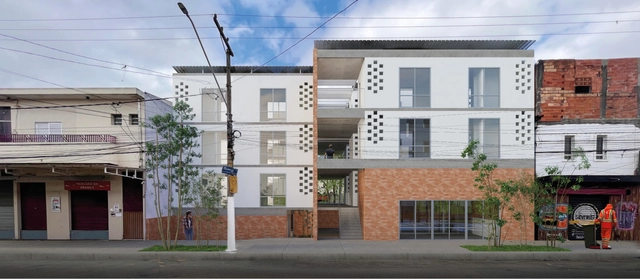
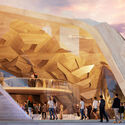
Perspectiva da fachada. Image Cortesia de Gávea Arquitetos, Diego Portas e Matteria
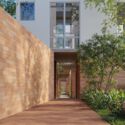
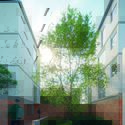
How can architecture and urbanism once again contribute to the debate and production of Social Interest Housing (HIS)? This was one of the core questions guiding the development of the Social Interest Housing Guidelines Manual for Jardim Lapena, developed by the Tide Setubal Foundation and BlendLab for the East Zone of São Paulo. This manual compiled a set of guidelines regarding housing, management models, site planning, and integration with the urban environment, shaping the proposals for the + Lapena Habitar Call for Projects held in late 2022.
The principles of the circular economy have been most influential and applicable to the construction industry. Emphasizing the efficient use of resources, models around reuse and recycling of components and materials are increasingly being pioneered by global architecture practices. The concept of "design for disassembly" has emerged as an innovative approach especially in the case of building facades. Striking a balance between the demands for new infrastructure and the transition towards sustainability requires a review of traditional facade design throughout its lifecycle.
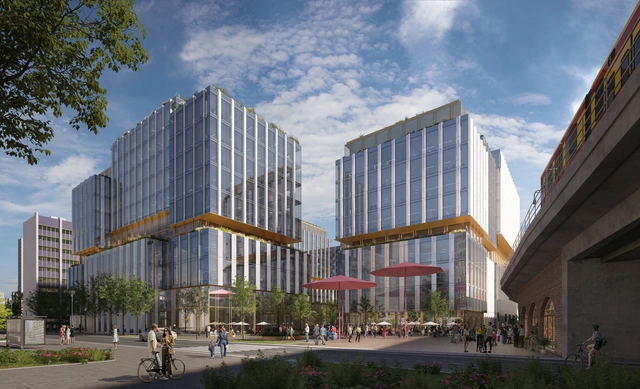
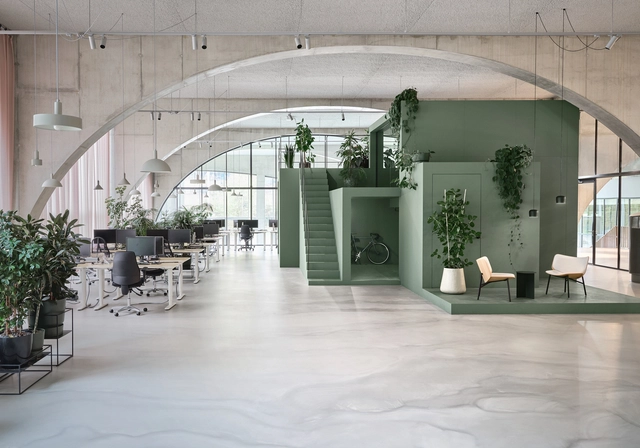
LXK Office and Residential Campus. Image Courtesy of MVRDV
MVRDV has just begun construction on the LXK Office and Residential Campus in Berlin. Situated in Friedrichshain, near Berlin Ostbahnhof, the development spans approximately 61,200 sqm and boasts city center views from its green rooftops and terraces. Designed as two buildings, a horizontal band encircles the middle of either structure, serving as a distinctive landmark in Berlin.
This curated collection unfolds the narratives of some of the most compelling architectural projects by women from the Global South. From the unique streets of Dubai to the rural landscapes of Niger, each project serves as a testament to the power of architecture to transcend gender boundaries and create meaningful designs that connect people and their surroundings.
When we talk about the building envelope, we often make the analogy of a skin that protects and wraps the structure, creating a transition in the physical environment. This concept is interesting as it identifies that, similar to its function in humans, the skin plays a role in protecting and regulating the interior setting, besides contributing to the aesthetics of the building. In this way, both the human skin and the building envelope act as elements that respond to the stimuli of the surroundings and the life that develops within them. More than just protective barriers, they are experienced as means of active interaction with the context.
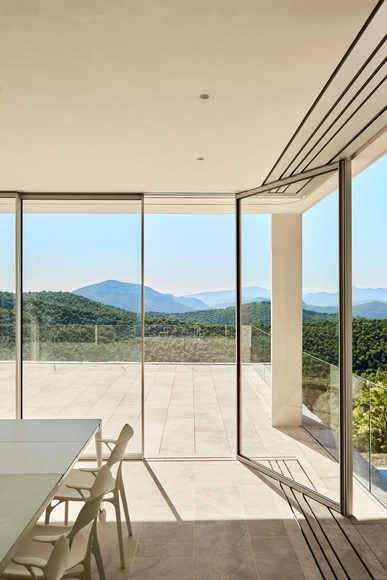
While envelopes evolve within diverse contexts, materials, and systems, minimalist windows distinguish themselves through their aesthetic qualities by being transparent and fluid skins. These windows excel with their functionality and visual lightness, standing out in the architectural landscape. In addition, they are noteworthy thanks to their versatility across different systems that connect life within the interior and exterior. Considering Swiss and Pritzker Prize-winning architect Peter Zumthor's statement that "architecture is exposed to life,” windows play a vital role in expressing that connection, becoming a significant part of the building's identity and essence.
https://www.archdaily.com/1013905/reframing-the-concept-of-building-envelope-through-minimalist-windowsEnrique Tovar
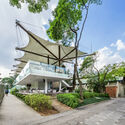
Architecture – once it moved out from under its cavernous beginnings – started off largely nomadic. For a long time, the shade of trees and moveable tents made from animal skin were utilized instead of more permanent dwellings to meet nomadic lifestyles and basic survival needs. These early portable structures were primarily supported by wooden frames and were used by various ancient civilizations, including the Bedouins in the Arabian Peninsula and the Native American tribes in North America. The advent of woven cloth some 40,000 years ago made the dwellings even lighter and easier to transport, a boon to nomadic cultures around the globe.
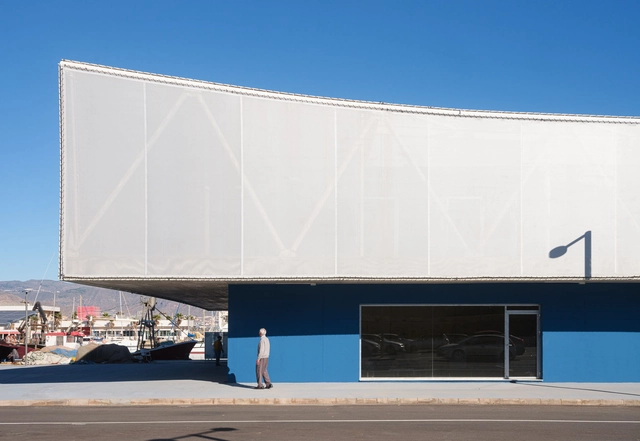
Though tents have remained popular since then in recreational contexts and as a staple of the architectural form, contemporary architecture has rediscovered the principle of draping fabric and taken its development further – not just for temporary structures, but for permanent buildings and installations, too. Advanced and durable materials have turned fabric into a facade and roof alternative that has sparked a highly specialized sector within the construction industry and created some of the most intriguing exteriors around the globe.
The Second Studio (formerly The Midnight Charette) is an explicit podcast about design, architecture, and the everyday. Hosted by Architects David Lee and Marina Bourderonnet, it features different creative professionals in unscripted conversations that allow for thoughtful takes and personal discussions.
A variety of subjects are covered with honesty and humor: some episodes are interviews, while others are tips for fellow designers, reviews of buildings and other projects, or casual explorations of everyday life and design. The Second Studio is also available on iTunes, Spotify, and YouTube.
This week David and Marina of FAME Architecture & Design discuss whether or not architects are optimists. Many claim to be, but are they? The two cover in what ways architects are optimists, when architects are pessimists, how to be an optimist and how it impacts one’s work, being a realist, and more.
https://www.archdaily.com/1014329/the-second-studio-podcast-being-an-optimistic-architectThe Second Studio Podcast
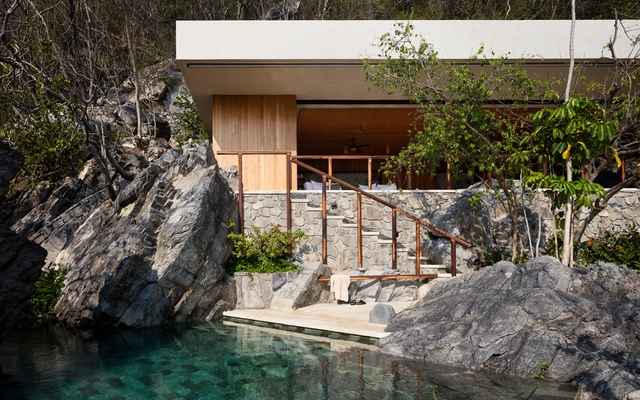
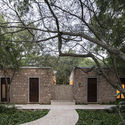
Due to their aesthetic, sustainable, durable, and resistant qualities, stone materials have accompanied the disciplines of architecture and engineering since their origins. As is known, in Mexico, stone has been a fundamental element in pre-Hispanic constructions where experimentation was done with vaults, ashlars, masonry, etc.
However, the industrialization of this material, the perfection of techniques, and experimentation with its various applications have allowed buildings erected today to continue using it in different ways and various regions of the country, specifically in wooded areas. For this reason, we have compiled a selection of projects that include houses, haciendas, hotels, restaurants, and terraces to continue inspiring you.
Expanding beyond just March 8th, ArchDaily acknowledges and celebrates the ongoing contributions of women who influence the development of the built environment globally. The "Women in Architecture" theme is central to our content strategy, underscoring our daily commitment to highlight the vital role and impact of female architects.
The facade of a building often serves as a reflection of both the urban fabric it is set in, as well as what lies behind it. Beyond aesthetics, facades hold important functional, cultural, and sustainable significance, especially in relation to the interior design. Although natural light, views, and spatial organization are influenced by the facade, architects have been prioritizing the relationship between the building's envelope and the quality of the interior, keeping in mind current cultural, economical, and environmental changes influencing the way people design their living space. So responding to these ever-changing needs and habits, along with the focus on overall wellbeing, architects offset the facade and ceiling - and in some particular cases, floors - to create interiors within interiors; secondary envelopes that protect the interior space from the outside environment.
Around the globe, today’s architects face several rising challenges. The demand for affordable housing is increasing significantly, but so is the urgent need to save the planet’s resources and reduce carbon emissions. At first glance, these two goals might seem mutually exclusive. However, the history of architecture is one of great minds overcoming challenges through creativity and innovation.
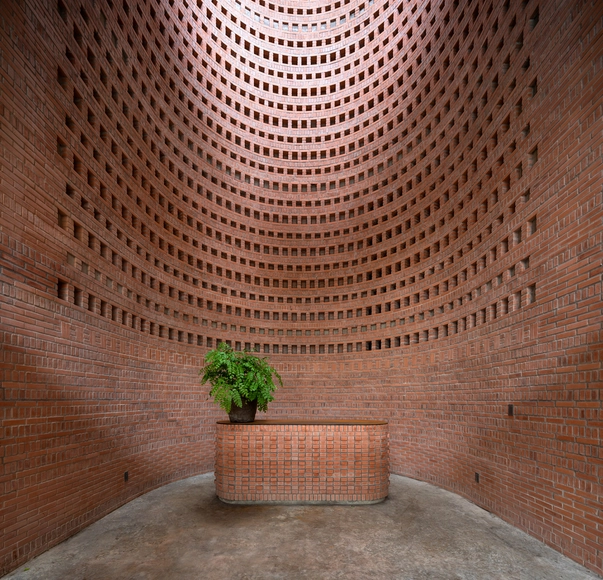
In 2004, wienerberger, a leading provider of innovative and ecological solutions for the entire building envelope in the areas of new construction and renovation, as well as infrastructure for water and energy management, launched the biennial Brick Award to recognize and, more importantly, support such innovative solutions and the people who create them. In June 2024, for its 11th iteration, the prize will once again be awarded to extraordinary feats of brick architecture from around the world.
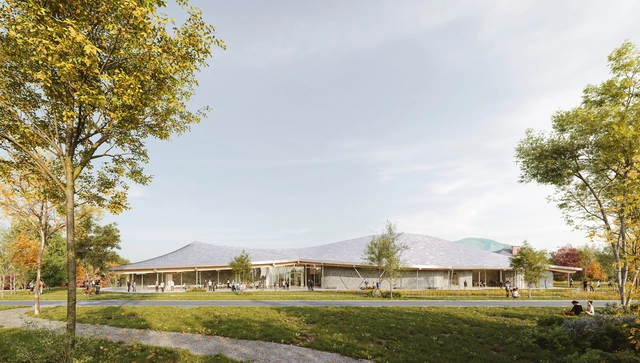
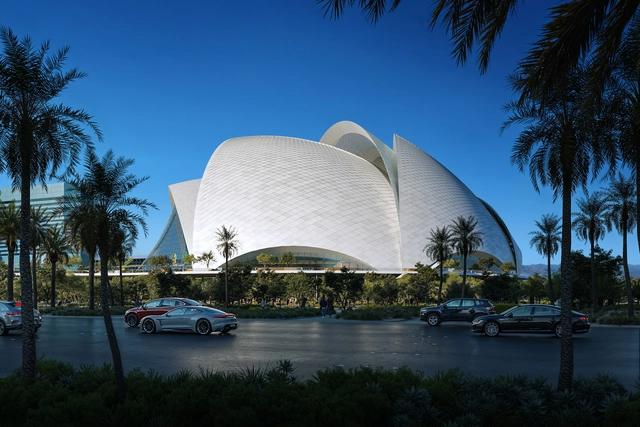
Brooklyn-based firm SO-IL has revealed the design for a new campus art museum at Williams College in Massachusetts, created to become a primary teaching resource for the institution renowned for its art history program. Since its inauguration in 1926, the Williams College Museum of Art has gathered an expansive collection of over 15,000 works. Through the design of SO-IL, the museum will be able to move into its first freestanding purpose-built home. In May 2024, the museum will present an exhibition on SO-IL’s design.
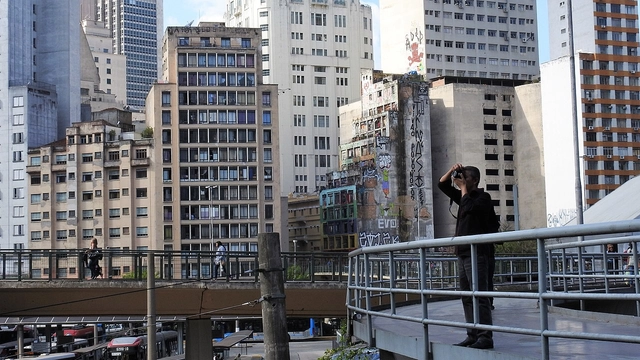
São Paulo. Image by joao batista Shimoto licensed under the Creative Commons Attribution-Share Alike 3.0 Unported license.
Considered the fifth most populous city in the world as of 2022, São Paulo is confronted with a multitude of challenges befitting its over 22 million inhabitants. Among the numerous urban issues faced, the depopulation of the city's historic center has been a recurring topic for at least four decades, with governments announcing measures that could potentially reverse the situation. In the meantime, the same center has witnessed a rise in housing occupations in abandoned buildings, highlighting the importance of its redefinition and residential potential.
Even within the world of design media, it was easy to miss the news: In late January, Notre Dame’s School of Architecture announced that Peter Pennoyer, a New York–based architect and author, had won the 2024 Richard H. Driehaus Prize. The Driehaus is architecture’s traditional/classical design version of the Pritzker Prize. Although it comes with a hefty $200,000 check—twice the size of the Pritzker’s honorarium—and previous winners include such luminaries as Robert A.M. Stern, Michael Graves, Leon Kier, and Andrés Duany and Elizabeth Plater-Zyberk, the award still exists in a sort of media vacuum.
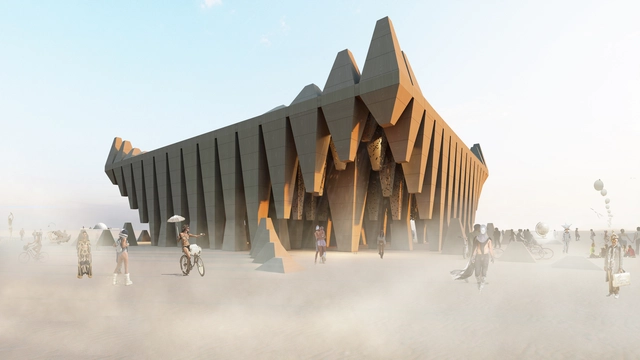
The Sacred Grove Burning Man Temple / DIALOG. Image Courtesy of DIALOG
In the world of architecture, competitions serve as catalysts for innovation and creativity. By promoting the architectural community to contemplate a given theme and intervene in well-defined spaces, they provide some of the best platforms for experimentation, allowing architects and designers to explore new concepts, challenge conventions, and address pressing societal needs, all while comparing the wide variety of emerging solutions. This week's curated roundup gathers examples of worldwide competition proposals submitted by the ArchDaily Community.
The selected projects vary in size and program, from world-renowned competitions such as those hosted for the national pavilions at the next World Expo in Osaka, or the Temple at the center of Black Rock City at Burning Man, to local interventions that highlight unique spaces such as the creative reimagining of a popular market space in the historic center of Sibiu, Romania, or the subtle presence of a villa in the Mediterranean wilderness.
The Norman Foster Institute is now accepting applications for its Programme on Sustainable Cities, taking place in Madrid from January to December 2025.
The Programme on Sustainable Cities blends hands-on experience with academic insights from the Norman Foster Foundation’s global network of experts, led by Co-Directors Norman Foster and Kent Larson. Each year, participants will immerse themselves in three pilot cities, engaging directly with local planners and managers. The 2025 academic year will focus on African cities, one of the most challenging territories that also presents one of the greatest opportunities for urban development.
BIG and HNTB have just won the competition to design an Athletics ballpark in Las Vegas. Situated along the iconic Las Vegas Strip, the ballpark for the Athletics Major League Baseball team promises to uphold the values of the “Entertainment Capital of the World.” Nestled between Tropicana Avenue and Reno Avenue on Las Vegas Boulevard, the ballpark boasts 33,000 seats in an open-air stadium sprawling across nine acres.
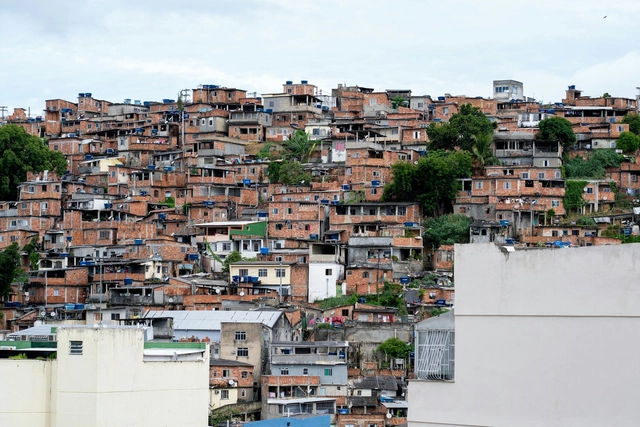
Throughout history, numerous cities worldwide have been settled and built on hillsides, where one can observe the myriad urban challenges they face due to their topographical conditions. However, beyond issues related to their urban infrastructure or transportation systems, which can become more complex due to the geography, hillside urban occupation typically involves various intersections of social, environmental, and economic issues.
These settlements are often inhabited by vulnerable and low-income communities, driven by a variety of motivations. Frequently, the lack of information about certain hazards, coupled with the scarcity of adequate housing policies, leads to decisions and actions that place these communities in high-risk situations, especially during the rainy season, resulting in a cycle that disproportionately affects the most marginalized residents.