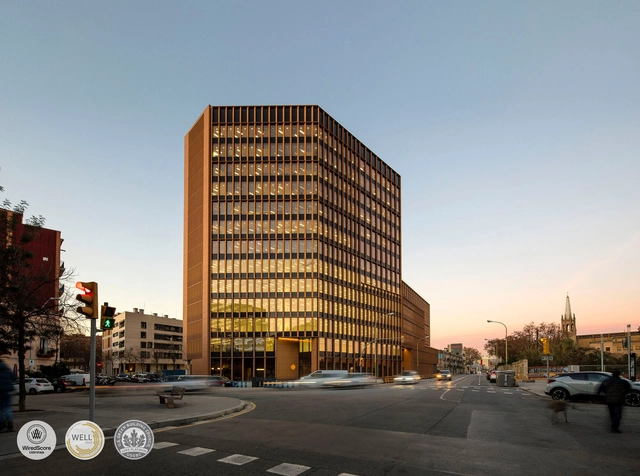
When Wallace S. Broecker first introduced the concept of global warming in the 1970s, society probably didn't anticipate the implications of this phenomenon. Today, more than 50 years later, we have stopped predicting an adverse climate scenario and have begun witnessing it directly. It is now evident that the earth is breaking temperature records year after year, as a result of a disparity in the global response to the issue and a slow-moving reduction in carbon emissions.
To reduce CO₂ emissions in architecture, it is crucial to implement effective strategies that address both the manufacturing of materials and the life cycle of buildings, as well as energy consumption during use. In countries like the US, approximately 45% of energy consumption in the residential sector is allocated to heating and cooling spaces, making it essential to address efficient building design, especially on the façade. To achieve this objective, policies are being implemented that promote a conversion towards a more sustainable model. In this new model, sustainability certifications for buildings provide a framework for measuring and evaluating resource consumption.
https://www.archdaily.com/1016044/the-curtain-a-key-element-in-the-certification-of-sustainable-buildingsEnrique Tovar
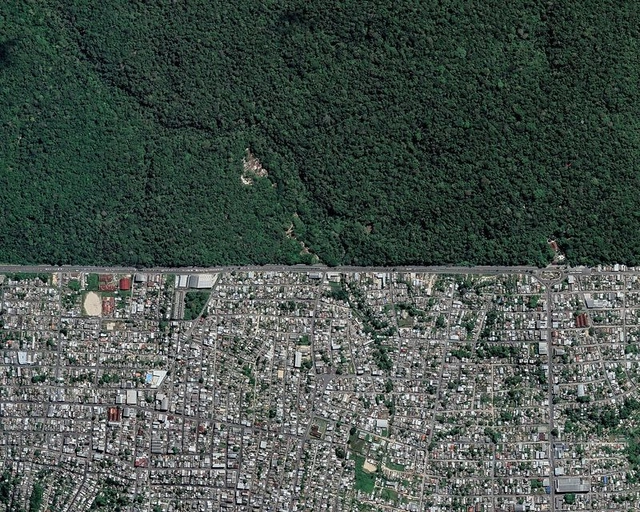
Google Earth and Maxar Technologies, organized by Adriano Liziero (@geopanoramas)
The world has its eyes on the Amazon. Geographical data about this vast territory, spanning 6.74 million square kilometers across eight countries in Latin America, is constantly featured in national and international media. Headlines often highlight its sheer magnitude as the largest tropical rainforest in the world, home to 10% of the planet's biodiversity, and responsible for 15% of the Earth's freshwater. However, little attention is paid to what transpires beneath its canopy, on the ground where people live.
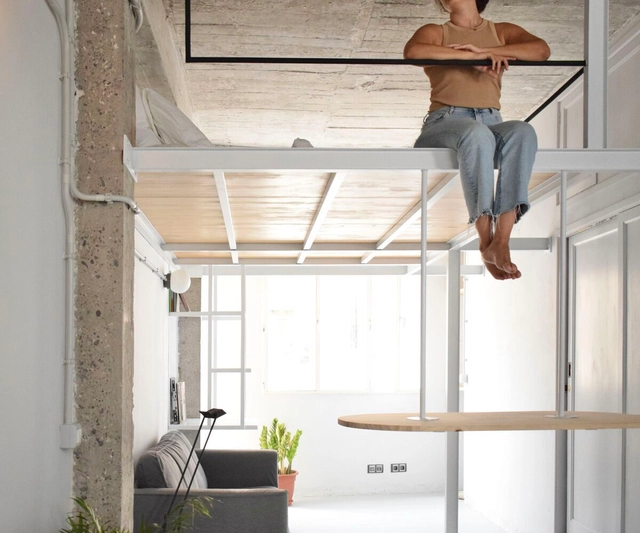
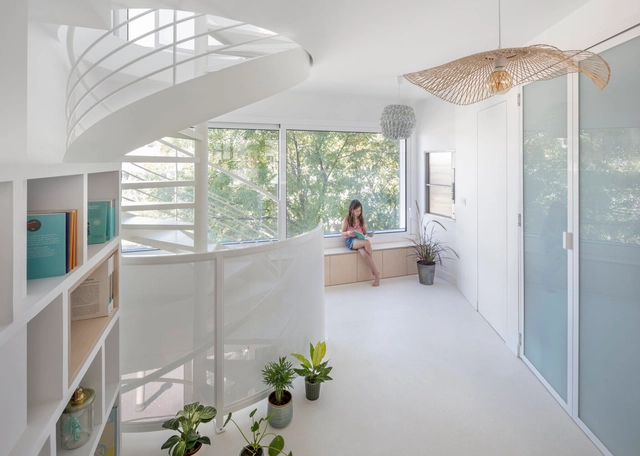
Apartamento 43 / cli·ma arquitectura. Image Cortesía de cli·ma arquitectura
Faced with the various ways of inhabiting that characterize contemporary societies and their adaptability to future uses in architecture, lofts represent an opportunity to design spaces ranging from storage areas to living, study, leisure, or even resting spaces, both for their residents and potential visitors. Depending on their scales, sizes, and proportions, these elevated spaces allow for the optimization of interior environments in apartments that, in some cases, lack sufficient square footage to perform these types of functions at ground level and have a certain height to accommodate them.
On April 10, 2024, the New York Landmarks Conservancy bestowed the Preservation Leadership Award to author and urbanist Roberta Brandes Gratz. A longtime preservation activist, Gratz served on the City’s Landmarks Preservation Commission. She also led the successful effort to restore the Eldridge Street Synagogue, now the Museum at Eldridge Street. The following is a slightly edited version of the speech Gratz delivered at the 34th annual Lucy C. Moses Preservation Awards.
Videos
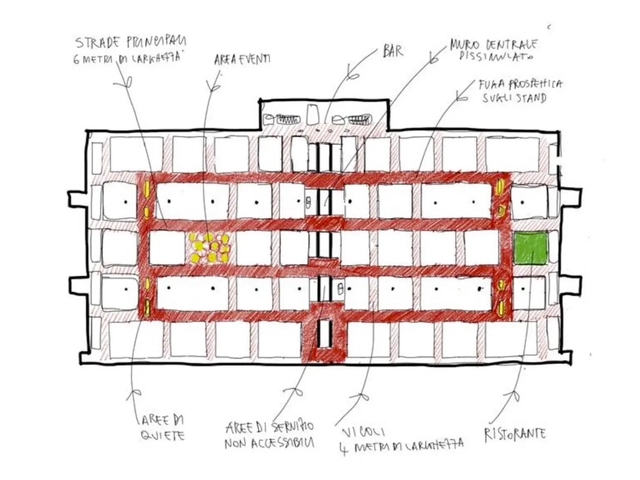
Concept redesign routes Salone del Mobile.Milano - Ph. Cristian Catania, Lombardini22. Image Courtesy of Salone del Mobile.Milano
The 62nd edition of the Salone del Mobile at Rho Fiera brought together designers, architects, producers, and prominent figures from the design realm. With more than 1950 exhibitors, the six-day event, running from April 16 to 21, 2024, emphasized conviviality, well-being, and sustainability. Designed with a human-centric approach, incorporating neuroscience principles to enrich visitor interaction, Salone del Mobile is revolutionizing the future of fairs.
On-site during the event, ArchDaily had the opportunity to speak with Cristian Catania, Senior Architect and Project Director for Reinventing Fairs at Lombardini22, responsible for revamping Salone, about the primary changes in the fair’s layout and the implementation of neuroscience approaches in conceptualizing the exhibition spaces.
Image courtesy of AFT Arquitectos - Bicentennial Library
Large-scale urban facilities (GEUs) are generally buildings or complexes of buildings—whether public or private—and spaces where activities complementary to habitability take place. As such, this term refers to those buildings whose function, use, and location impact the development of new centralities. Due to their scope and strategic positioning, they can be identified as urban landmarks within a network of symbolic buildings that characterize globalized cities.
The city of Rosario has a strong track record of urban planning, starting with the 1935 Regulatory Plan by Ángel Guido, Carlos Della Paolera, and Adolfo Farengo, and continuing with Oscar Mongsfeld's 1968 Regulatory Plan. Following the return of democracy in 1983, successive municipal administrations ensured continuity in territorial planning by adhering to the main guidelines of these plans and formalizing others, such as the Master Plan (1991), the Rosario Master Plan (2001), and the Rosario Urban Plan (PUR) 2007/2017, along with its updates.
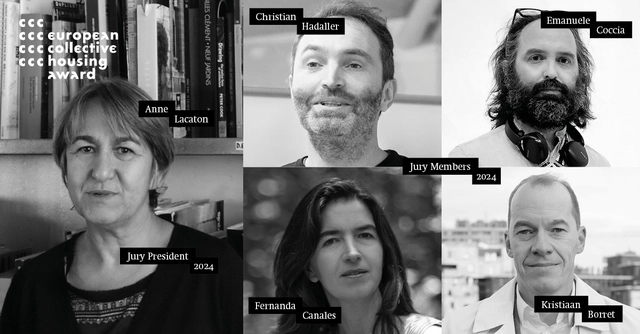
Architectural awards serve as a fundamental platform within the profession and the wider community. They recognize and celebrate outstanding achievements in architectural projects, promoting excellence and innovation, while also providing visibility and exposure for architects and companies, highlighting projects that might otherwise go unnoticed. This impact is particularly evident in collective housing projects, which face a range of challenges, from issues of cost and compliance with urban planning legislation to the need to create welcoming and functional environments for residents. By highlighting diverse initiatives and approaches, awards inspire and educate, stimulate dialogue and the exchange of ideas, and contribute significantly to the advancement of architecture by recognizing projects that address specific themes such as sustainability or social impact.
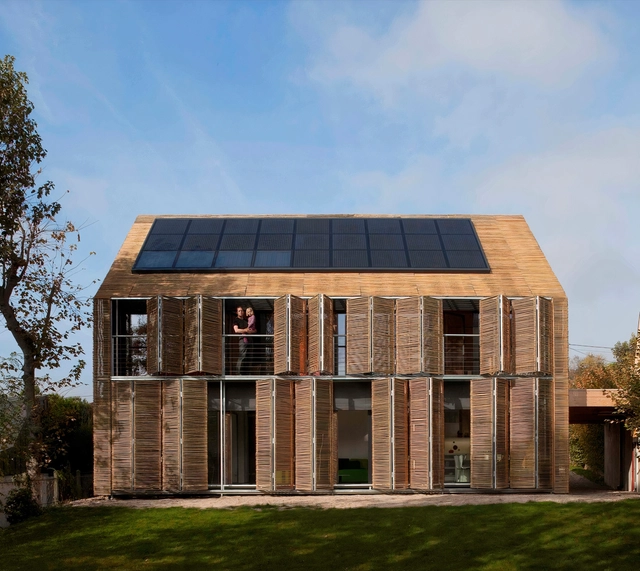
It seems like everyone is going solar these days. In the United States, the net solar power generation has increased by more than 113,000 million kilowatt hours in the last decade. Solar integration with residential projects saves homeowners money on energy bills and increases property value over time. As solar integration technology advances, the advantages span beyond financial and environmental; solar panels are assuming an aesthetic role in modern architecture, too.
Solar integration is becoming an expectation among new construction homebuyers. Architects and designers must adapt accordingly to increase the availability of photovoltaic integration in residential developments. However, with careful planning and execution, solar panels can be better incorporated during the design and construction phases. This article outlines how homebuilders can meet consumer demands for solar integration, creating an easy-to-follow pathway for accommodating changing home design trends.
Housing is a diverse architectural typology whose configuration is determined not only by those who design it but also by the use of those who live in it. Therefore, homes are fundamentally adaptable structures that evolve in line with their time and users, undergoing constant changes manifested in the ways of living. The house conceived today will not be the same as the one built tomorrow, so it becomes necessary to maintain a critical and profound approach to the role it plays in the built environment.
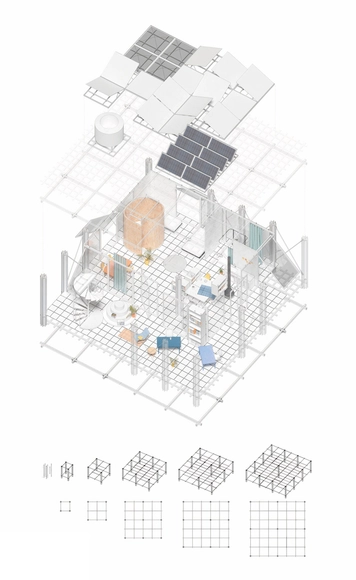
In this sense, modular architecture has consistently presented itself as a dynamic design strategy that has revolutionized housing, developing versatile solutions for sustainable spaces and construction practices. Thus, modular housing has been fertile ground for exploring and deepening ways of inhabiting space and addressing human needs. From the prefabricated catalog houses of the 19th century to the post-World War II housing boom, its evolution reflects both past proposals and the exploration of new concepts for the future.
https://www.archdaily.com/1015545/how-can-modular-design-be-used-to-revolutionize-housing-architectureEnrique Tovar
Whether rising to the highest room of the tallest tower in a Disney-esque castle, giving an admirer the chance to confess their love on an apartment buildingfire escape, or connecting a basement or attic room with a decorative period feature, there’s something unavoidably romantic about spiral staircases. But there’s more function behind these coiling forms than just their good looks.
One common-held theory is that spiral staircases were first installed in historic castles as vertical baffles, tiring out enemy infiltrators before they could make it to the top. This is why – it is said – many are set to turn clockwise on the ascent, so attackers have a smaller arc for swinging weapons (mostly held in right hands) than defenders making their descent.
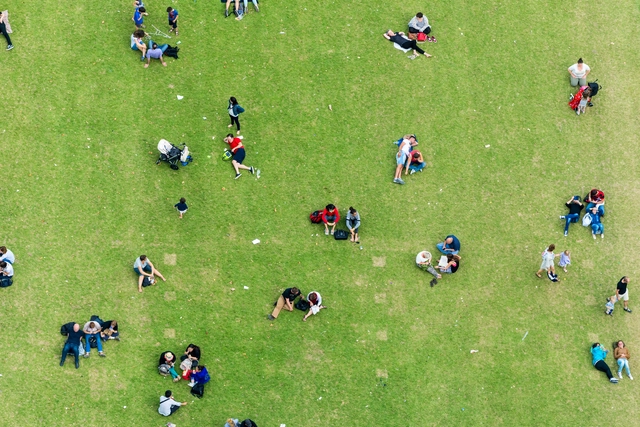
Social infrastructure encompasses the resources and services that allow the creation of communal bonds and social connections. Within the built environment, it manifests through public spaces like parks, libraries, and community centers alongside threshold spaces such as public transportation stops.
These public social spaces play a crucial role in strengthening communities and, in turn, their ability to respond to catastrophic climate-related events. They can provide physical shelter to the populations most vulnerable to these events and foster resilient networks of people who can more quickly recover. Given the escalating frequency of extreme weather events in the United States due to climate change and its social infrastructure inadequacies, examining public spaces as a critical tool for climate resilience becomes vital.
Obra realizada com Mass Timber Urbem. Image Cortesia de Urbem
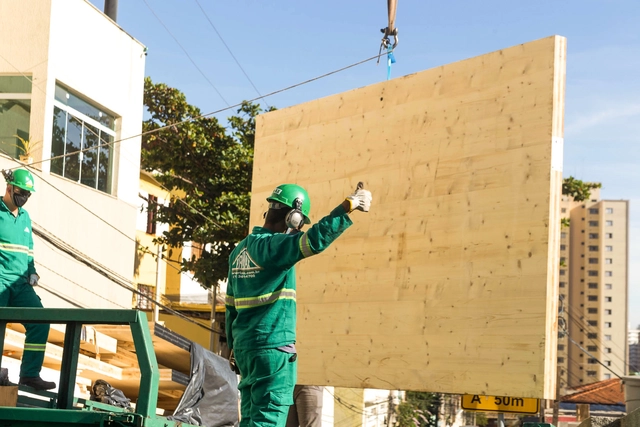
At a time when sustainability and ESG (environmental, social, and governance) concerns are prevalent, there is a crucial need to focus on a sector that accounts for 38% of all global CO₂ emissions and consumes 30% of global resources: the construction industry. In 2022, at COP27, the United Nations announced the Clean Construction Accelerator, a program with actions designed to reduce greenhouse gas production by up to 50% by 2030. A report by ARUP and the World Business Council for Sustainable Development suggests that half of building emissions come from embodied carbon, which is generated in the manufacturing and transportation of materials, not just in construction sites and buildings themselves. It is precisely in this scenario that we see an opportunity for the sector. What is the only renewable material in construction that retains carbon instead of emitting it? Wood.
When thinking of wood, another question tends to arise: "How can wood be sustainable if we need to cut down trees for it?” Ana Belizário, the Commercial Director of Urbem, a large-scale Brazilian mass timber industry, explains throughout this article how planting trees specifically for consumption is not only a sustainable alternative but also an excellent practice in combating the climate crisis and can regenerate the construction sector.
Milan Design Week rarely fails to deliver on compelling showcases of design and innovation.
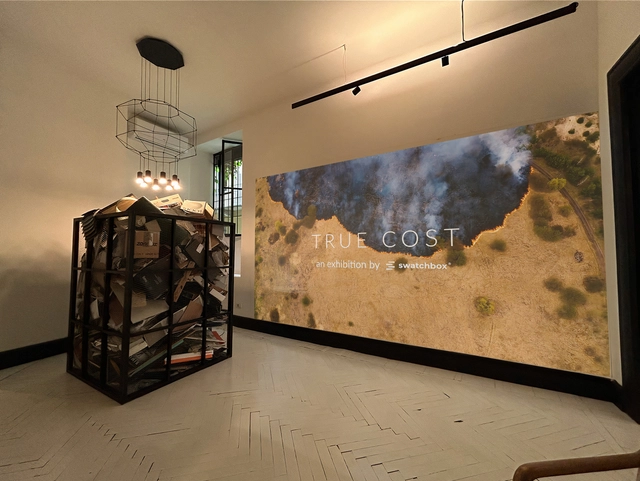
One of the exhibitions this year, created by Swatchbox, conveys the “true cost” of traditional approaches to construction. The sample platform founded by architects to provide sustainable sampling methods to the design community launched its thought-provoking showcase at the heart of the Brera Design District in Milan.
The exhibit boldly confronts the issue of wastefulness inherent in traditional construction practices. Installed inside an office in Brera that is ordinarily occupied by a Milan architecture firm, the exhibit displays a large pile of construction materials typically destined for landfill. The materials are meticulously arranged to showcase the sheer volume of waste generated by the design community.
Milan Design Week has long been one of the most significant events in the global design sphere, showcasing groundbreaking concepts and visionary talent and fostering critical discourse in the design community. From the expansive trade fair Salone Del Mobile in Rho Fiera to design districts scattered across the city, Design Week brings together diverse voices, perspectives, and talent. According to Salone del Mobile's press statement, this year’s fair had 17.1% more visitors than in 2023, with a record turnout of 361,417 visitors overall.
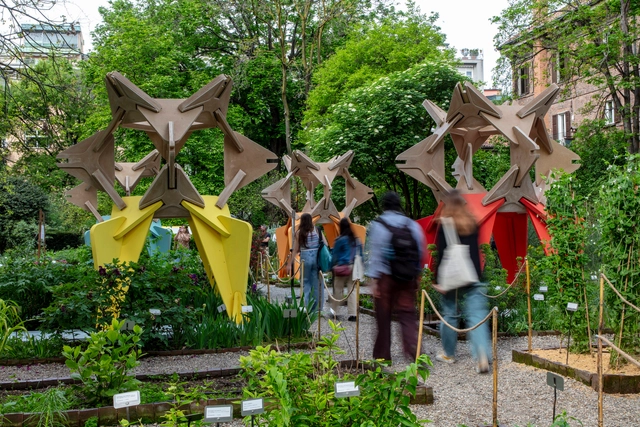
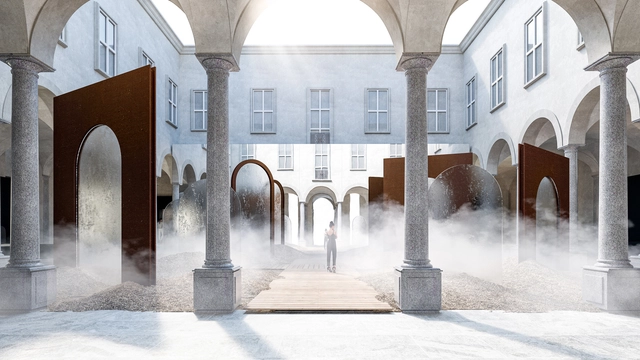
With visitors from China, Germany, Spain, Brazil, India, Turkey, Japan, and many more, the design week showcases a plethora of exhibitions, installations, talks, and panels. As the week comes to a close, running from April 15-21st, 2024, this article highlights diverse installations throughout the city relevant for architects and designers globally. Whether it is Mario Cucinella’s exploration of regeneration, Google’s display experimenting with sensory and color, or MAD architects investigating the boundaries of natural and man-made landscapes, the week was filled with fruitful collaborations that showcase the future of design.
Reggiani’s Mood Pro spot lights lend themselves to clean architectural arrangements, while the luminosity they bring can be controlled to help shape atmospheres. Image Courtesy of Reggiani
We talk a lot about how the success of an interior leans on the layout of its walls, doors and windows, and maybe the shade of paint or degree of cushioning on the chairs placed inside. The truth is, it will probably live or die by the quality of its light.
It’s not news that light tends to lift the spirits, while long shady days of winter can bring a dip in mood; the power of light has always had a bearing on architecture. Talk to the British architect John Pawson for five minutes and you realize that light is perhaps his favorite material—he shapes interiors with light by controlling its entry points meticulously. But today the power of lighting goes deeper than the management of daylight in a space; growing intelligence about the precise impact of different qualities of light means we can start to mold moods with artificial illumination in our interiors to great effect.
https://www.archdaily.com/1015846/shaping-moods-reggiani-and-the-stimulating-effects-of-controlled-lightEmma Moore
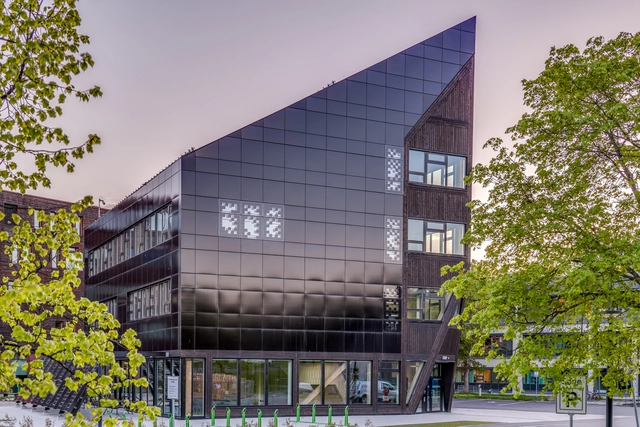
ZEB Living Lab is a research building that stands out for its pioneering initiative among zero-emission buildings, seeking to have a significant impact on the future. Located in Trondheim, Norway, it is much more than just a building; it is a tangible manifestation of the global commitment to sustainability and innovation. Conceived as an advanced research laboratory and a practical example of sustainable construction practices, it represents the point of convergence between architecture, technology and environmental awareness. Managed in collaboration between NTNU (Norwegian University of Science and Technology) and SINTEF (Scandinavian Institute of Technology), this center of scientific excellence is a platform for living experimentation, where innovative materials and solutions are developed, tested and demonstrated in direct interaction with the building occupants.
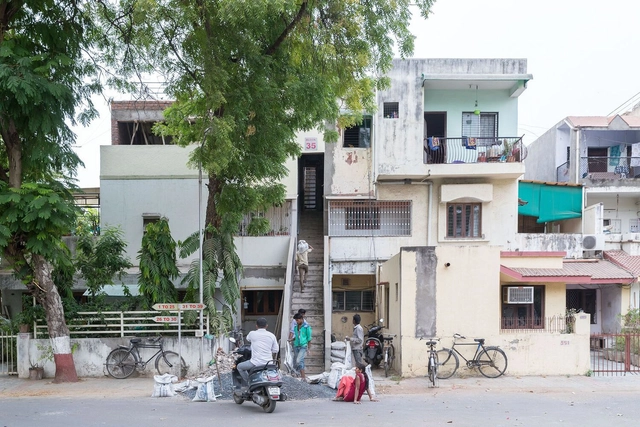
In a nation grappling with a severe housing shortage for its economically weakest sections, the concept of "low-cost housing" has surprisingly faded from public consciousness and policy discourse. A crisis impacting millions of the nation's poorest, the need for affordable housing has become even more pressing as India's population overtakes China to emerge as the most populous nation. If left unaddressed, the housing crisis may result in mass homelessness and undignified living conditions for citizens.
Among the "Five Points of New Architecture" formulated by Le Corbusier, terrace gardens figure as a way to take advantage of a building's so-called fifth facade, either as leisure areas or landscaping spaces. Thanks to technological advances in reinforced concrete in the mid-twentieth century, usable flat roofs are far from new. There are traces in Mesopotamia and vernacular architecture from Greek and Arab civilizations. However, problems that frequently arise relate to infiltration and leaks. Water is relentless in finding a place to drain, and flat roofs are exposed to this when execution and design are not carefully thought-out. In fact, as documented in several letters, this was a source of disagreement between the owner and the Swiss-French architect in the case of the influential Villa Savoye. Today, nonetheless, there are good waterproofing options on the market that provide durability, resilience, adaptability and, above all, avoid headaches and fights between builders and owners. Elevate is built on 40 years of history in the production of roofing membranes, as well as insulation and vapor barriers, and develops solutions for waterproofing flat roofs with a low inclination.
The opening scenes of the award-winning Brazilian film "City of God" (2002) portray a newly constructed housing complex situated on the outskirts of Rio de Janeiro. Subsequently, this complex evolves into a hub of poverty and violence. Despite the film being set in the 1960s, the housing development depicted was a recent construction.
This choice made no difference because, despite the 40-year difference between the depicted era in the film and the time of filming, the architectural solutions employed by housing programs in the country remained stagnant. They continued to replicate outdated models, showcasing a lack of progress in the sector.
The Second Studio (formerly The Midnight Charette) is an explicit podcast about design, architecture, and the everyday. Hosted by Architects David Lee and Marina Bourderonnet, it features different creative professionals in unscripted conversations that allow for thoughtful takes and personal discussions.
A variety of subjects are covered with honesty and humor: some episodes are interviews, while others are tips for fellow designers, reviews of buildings and other projects, or casual explorations of everyday life and design. The Second Studio is also available on iTunes, Spotify, and YouTube.
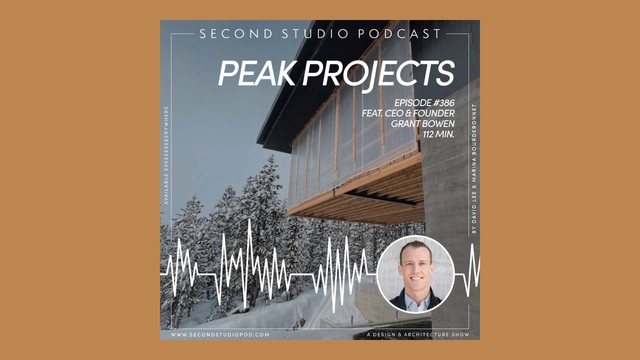
This week David and Marina of FAME Architecture & Design are joined by CEO & Founder of Peak Projects, Grant Bowen, to discuss how clients can have a successful project, Grant’s background; the role of an owner’s representative throughout design and construction; working with clients and different professionals; construction costs; fees; different project types; and more.
How can industrialization and environmental responsibility go hand in hand? What siting, technological, or constructive strategies can be developed without harming the surrounding landscape? The application of modular design in architecture has been in practice for years, with a history involving the pursuit of standardization and modular coordination among materials, products, and more. Over time, it has been complemented by various environmental, sustainable, ecological, and economic factors to achieve the adaptability and functionality desired by its inhabitants.
Throughout various historical civilizations and art movements, from Classical Greece and Rome to the Renaissance and the Bauhaus, the collaboration between art and architecture has been a significant societal expression. However, the 20th-century ideals of modernism and mass production resulted in the decline and near disappearance of art within buildings.
In response, many European countries have taken on the responsibility of promoting the collaboration between art and architecture. Schemes were created mandating that a percentage of the total cost of a new public building, place, or space must be spent on art. This legislation, commonly known as 'Percentage for Art', originated in France and has been explored by artists and architects over the years to create new architectural experiences.
Porta by Maxim Velcovsky. Image Courtesy of Lasvit
Through “Re/Creation,” Lasvit —a leader in hand-made glassmaking—sets up a sanctuary for creative escapism amid the hustle and bustle of Milan’s Salone Week. In the serene embrace of Palazzo Isimbardi, “Re/Creation” offers a space where minds are free to wander, inspired by the fluid grace of molten glass. The title refers to the innovative technique of fused glass, where the essence of fused glass lies in letting go. Extremely hot melted glass is allowed to relax, spread and take shape of a form designed for the glass to lie on. Its own weight and gravity take care of the rest. Similarly, a creative mind is most prolific and innovative when relaxed, free of everyday pressures and demands. This is why, at the beautiful location of Palazzo Isimbardi, Lasvit creates a haven for creatives to escape, recharge and relax.
In June 2023, the planet experienced its hottest month on record. In Iran, the heat index reached a staggering 66.7 degrees Celsius, pushing the boundaries of human endurance. This alarming trend is not an anomaly. It is a stark reminder that temperatures will continue to rise as climate change intensifies.
Scientists are linking the rise to human-induced climate change and the El Niño phenomenon. Additionally, the natural warming of Pacific Ocean waters is being further intensified by global warming.