How does computer programming impact the act of designing? Are digital protocols about to substitute human activity in the project of architecture, or does the human component remain an essential one - through changed paradigms? And if so, which paradigms should we refer to? Charles Driesler and Ahmad Tabbakh retrace these fundamental questions through some recent examples, and propose the application of a GAN protocol for the post-war reconstruction of Aleppo.
https://www.archdaily.com/936364/protocological-architectures-recursive-remembranceCharles Driesler, Ahmad Tabbakh
One of the most important cities in the world –and the most populated in the United States of America–, New York is home to a great mix of cultures and history that has been shaped over the years, while art and architecture play a fundamental role in this development.
The architecture thought regarding the buildings with infrastructure programs tend, generally, to ponder its reflection in issues related to the site, flow organization, revitalization, and well-articulated uses, as these projects usually are connected to a great number of users and multiple simultaneous purposes.
As concern grows regarding the contribution of fossil fuels to global warming, solar energy is an increasingly attractive power source due to its zero emissions and infinite supply. As builders turn to incorporate solar energy systems into their projects, many options are available to harness the power of the sun for commercial and industrial installations. While AEC Daily’s course on “The Good, the Bad, & the Ugly” of rooftop solar photovoltaic systems might not be a 1960s spaghetti western, it will guide you through the wild west of installation processes and options.
For nations worldwide, the course of action to fight the spread and effects of coronavirus COVID-19 has been to implement quarantines; restricting the movement of the general population while isolating people infected by the disease, albeit indefinitely. The result: both public and private spaces have closed in a bid to curb the number of new cases. At the same time, the rising number of deaths has added to both social and economic uncertainty, with people across the globe asking "how are we going to work?" or, better yet, "how are we supposed to eat?"
Humans can survive for 30 days without eating, 3 days without drinking, yet only 3 minutes without breathing. Of course our need for air is also constant, we rely on it at all times indoors and outdoors although can often be less clean than we would hope. Unpleasant odors make us aware of bad air, but many irritants and unhealthy gases are not easily detectable by smell while still affecting our health. Smells are the most obvious signal, as they are consciously perceived by the brain and nervous system, allowing us to make judgements about our environment.
Learn more about where poor indoor air quality comes from, why it's important to address within the built environment, and how to design for good indoor air quality and comfort.
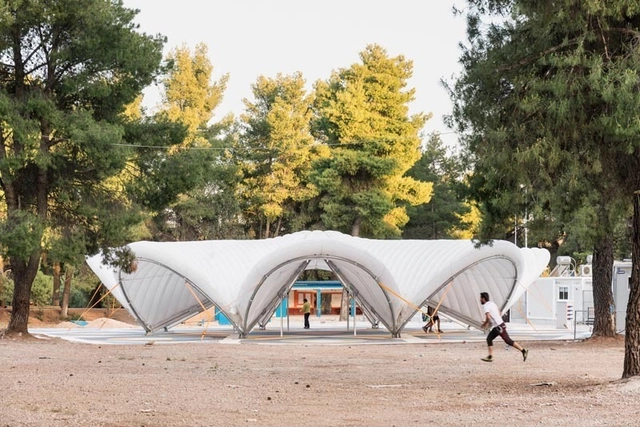
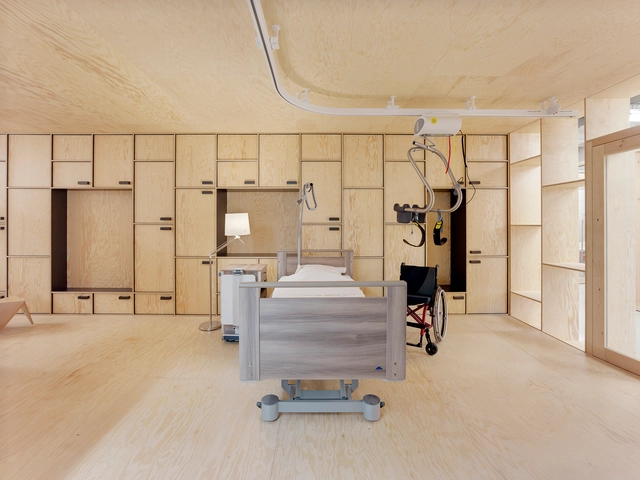
The COVID-19 pandemic has shown yet again how designers are needed to reimagine emergency shelters. With an estimated 900 million people around the world to remain at home because of the virus, there are also a number of hospitals without the necessary beds to treat infected patients. At the same time, the need for emergency shelters is tied to many types of crisis, not just this virus or a pandemic.
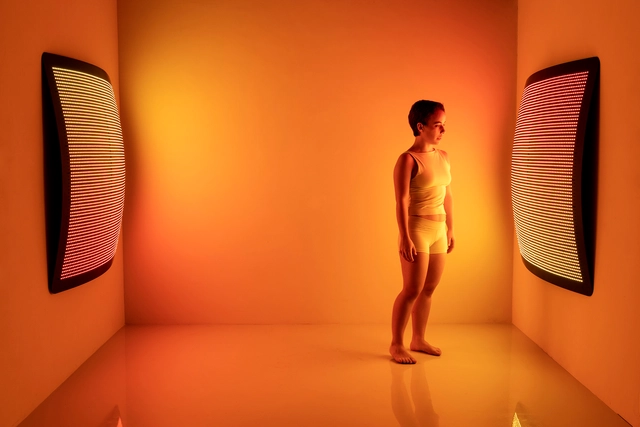
With the aim of creating immersive environmental experiences in interior spaces, the design studio Aqua Creations has developed Manta Ray Light, a lighting installation built with responsive RGB LED technology that mixes the colors red, green, and blue to generate more than 16 million light tones. By presetting its color spectrum, offering a range of brightness settings on a scale of 0.1 to 100%, and even loading images and videos into its internal memory, the system allows its user to add color and movement to expressive spaces, or deliver a feeling of warmth and concentration to intimate and private rooms.
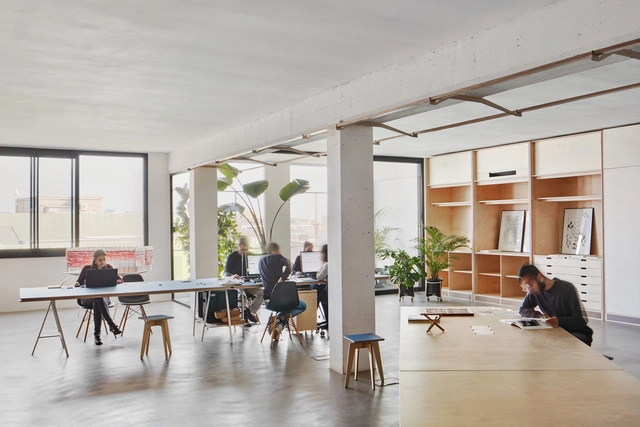
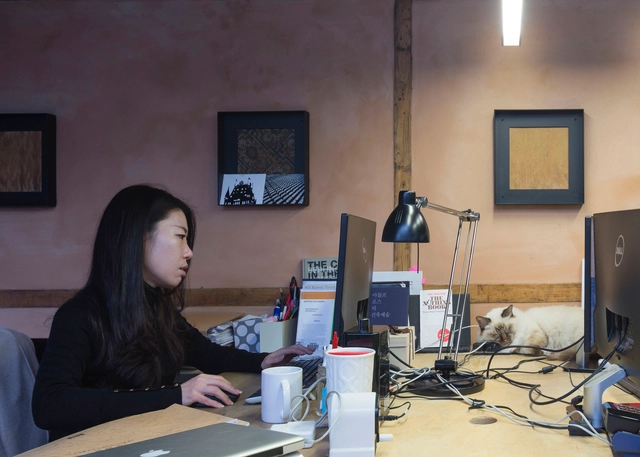
The year is 1985, you’re packing your briefcase to head to the office, where you’ll sit behind a desk to do some paperwork. Fast forward to 2020, and you’re having a conference call with the entire team from the coffee shop across the street. Relatively, not much has changed; work is still being completed by the end of the day, it’s just with a different scenery.
Employees nowadays are looking for something more than just a job behind a desk. They want to work in a dynamic, inspiring space that adds value to their knowledge and promotes their mental and physical well-being. But this wasn’t the case a century ago. Take a look at how offices evolved throughout the years, and what we can look forward to in the future.
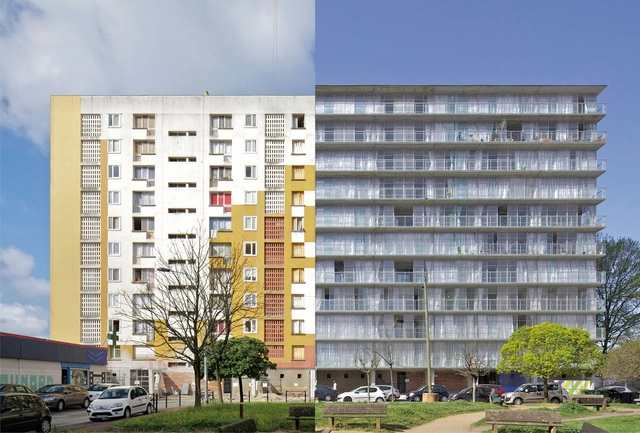
Last year’s granting of the Mies van der Rohe Award to a social housing refurbishment project brought into the spotlight a topic of interest for many European cities: the moral and physical rehabilitation of post-war housing blocks.
Introduced by Rudolf Steiner, Waldorf pedagogy draws on the principles of anthroposophical philosophy. One of the theory's foundational characteristics is its holistic approach to the human being: feelings, imagination, spirit, and intellect are considered unique to every individual, and thoughts, feelings, and actions are understood to always be linked.
Thus, the focus of the philosophy is to cultivate individuals who are capable of relating both to themselves and to society (inter and intrapersonal intelligence) - fundamental skills for overcoming the challenges of the 21st century. This kind of learning takes place in schools that follow Steiner's method, introducing families to the school environment and bringing them into the community. Below, we review the operations and implications of this pedagogy.
A glimpse of hope emerged from the endless loop of COVID-19 news this week when China announced the closure of their last temporary hospital in Wuhan due to their stabilization of the pandemic that has now taken the world by storm. Western countries have been enforcing more restrictive measures aiming to stop the spread of the virus, including mandating shelter-in-place orders and forcing any business deemed non-essential to close. Due to the quarantine and isolation politics imposed by the authorities around the globe, we asked you, our readers, how the coronavirus is affecting your daily life as architects and designers. These answers allowed us to compose an overall picture of the atmosphere established by the pandemic – and the way we are adapting to it.
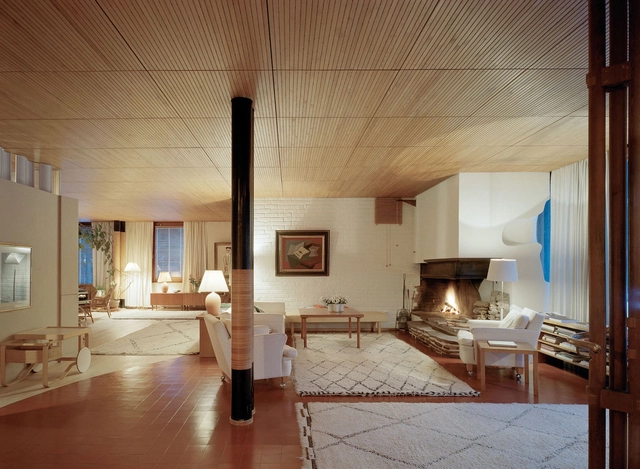
The 20th century in the design world was a period of new ideology on building form, material explorations, and ultimately, the emergence of the modern architecture movement as we define it in the present day. The expression and experimentation of architects in this era resulted in interior spaces that are now considered to be “classics”, due to their relevance and their long lasting effects that they have on the architectural discourse.
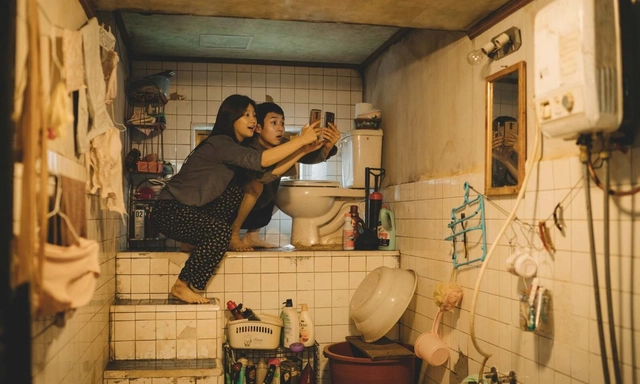
The recent success of Parasite, the award winning film directed by South Korean director Bong Joon Ho, has created a conversation around the emphasis of architecture and interior spaces in movies. This particular film does an excellent job of blurring the boundaries between the two disciplinary fields, to the point where the architecture is not just the background of the set, but it has been placed at the forefront of the storyline, and takes on the leading role in many scenes.
Hospitals and projects related to healthcare must follow specific guidelines based on the rules and regulations of their country. These standards help us to design complex spaces, such as those located in areas of surgery, hospitalization, diagnostics, laboratories, and including areas and circulations that are clean, dirty, restricted or public, which create a properly functioning building.
There are a few spaces that we, as architects, can develop with great ease and freedom of design: waiting rooms, reception areas, and outdoor spaces. These are spaces where architects can express the character of the hospital. To jump-start you into this process, we have selected 43 projects that show us how creativity and quality of a space go hand-in-hand with functionality.
If you don't like a specific musical style, the theater bores you, or you're not attracted to works of art, you can almost always avoid them. Architecture, however, is different. A poorly thought-out project will affect the lives of many people consistently and for a long time. With interiors, this effect is even more amplified. Humanity is spending more and more time indoors, which directly impacts our well-being and health. In periods of compulsory retirement, as in the current pandemic of Covid-19, we gain a sense of how important interior spaces are for our well-being and even for the prevention of diseases. Designing an indoor environment is a huge responsibility for a professional. An interior designer must plan, research, coordinate, and manage these projects to obtain an adequately healthy and aesthetically pleasing environment for the people who use the space. But what, in fact, is interior design?
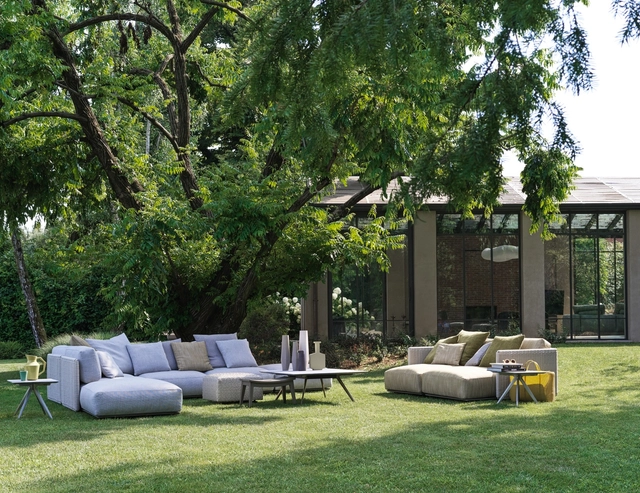
Outdoor space, whether large or small, deck, porch or patio, is increasingly becoming the place to fully enjoy the seasons, almost an extension of the indoor space and, no matter what you call it, worthy of the same careful design consideration. Outdoor furnishings, which have reached new heights in terms of performance and durability, have achieved the perfect blend of elegance and comfort. The challenge can lie in choosing just which furniture is the best fit for your outdoor space.
Flexform, a company with decades of experience in manufacturing high-end furniture, is now launching an outdoor collection that includes seating systems, sofas, armchairs, tables, chairs, and many accessories. The line features pieces from designers with whom Flexform has a history of collaborating, including Antonio Citterio, and outdoor reinterpretations of products designed by Mario Asnago and Claudio Vender. Continue reading for a quick guide of possible factors for consideration when furnishing an exterior space, with examples from the Flexform outdoor collection.
In 2018, the UN released an article stating that 55% of the world’s population already lived in urban areas, predicting that by 2050 this percentage would reach 68%. This trend toward greater urbanization carries with it several implications regarding environmental degradation and social inequality. According to National Geographic, urban growth increases air pollution, endangers animal populations, promotes the loss of urban tree cover, and heightens the likelihood of environmental catastrophes such as flash flooding. These health hazards and catastrophic phenomena may be more likely to impact poorer populations, as larger cities tend to demonstrate higher rates of economic inequality and uncontrolled growth tends to produce unequal distributions of space, services, and opportunities.
To mitigate these negative effects of urbanization, designers are increasingly prioritizing sustainability and the maximization of available space – allowing more people to occupy less space with a smaller footprint.
A few years ago, the idea that houses and apartments are dedicated exclusively to living was redefined. This has happened because the contemporary times brought a large number of social changes that influenced the manner we use the spaces. With defiant routines and increasingly flexible companies concerning the workspace, it is more and more common that the residence becomes the office. However, with house plans becoming smaller, it has became a challenge thinking functional spaces or ones that could be refurbished in seconds to be used as Home Office. With this idea in mind, we compiled some projects in small spaces, which interior design solutions can help you in your next projects. Check out the following selection:
On Design with Justyna Green brings you insightful conversations with the arts & design's most inspiring figures - from designers to architects, editors to creative directors and everybody in between. If you want to know what inspires them, how they work and how they see the world, this is the podcast for you. Listen to the On Design podcast now on Apple Podcasts, Spotify and Google Play.
Architect Arthur Mamou-Mani is this week's podcast guest. Arthur specialises in digital fabrication led architecture and some of his recent projects you'll be familiar with include Galaxia - the Burning Man temple from 2018 and Conifera - last year's COS installation at the Milan Design Week.
In our conversation, we discuss Arthur's practice, parametric architecture, his FabPub 3D printing and laser cutting facilities in East London which are available to all and we also get personal, chatting about what it's like to get married at the Burning Man and overcome depression.
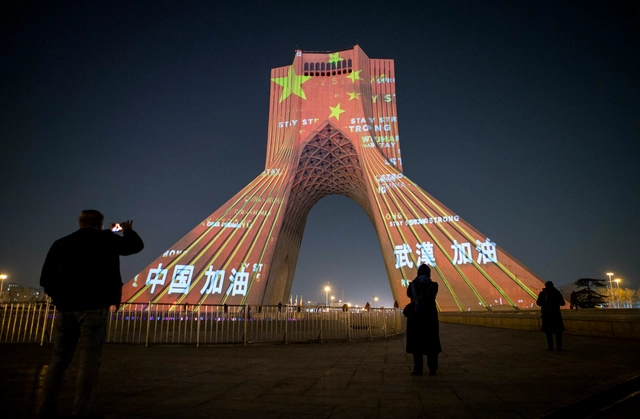
Buildings show normally slow responses to current social issues. However, in the case of the Coronavirus, dynamic media facades have started to send messages of empathy to the citizens of Wuhan. At first, the Chinese government used screens covering complete buildings to create powerful images of hope and solidarity. Later, some countries like the United Arab Emirates joined this effort while a majority of countries has not followed so far.
Known as “the architect of Detroit,” Albert Kahn (March 21, 1869 – December 8, 1942) was one of the most prolific architects in US history, with over 60 buildings listed on the National Register of Historic Places. In a career spanning 50 years, Kahn’s body of work contained building types ranging from housing complexes to office buildings to aquariums and styles encompassing Beaux Arts, Georgian and Art Deco. Kahn’s factories for Ford and Packard Motors helped to establish the industrial aesthetic of Detroit and stood in contrast to the similarly inspired Bauhaus movement taking place in Germany.
The Coronavirus pandemic has been taking over the news for a few months now, and has imposed unimaginable changes on the daily lives of the world’s entire population. Although the situation is worrying, and rather devastating in some cases, being aware of the virus's behavior and understanding ways to avoid it seems to be the best way to deal with the crisis. COVID-19 is a respiratory disease that spreads through droplets in the air. What makes it especially dangerous is its high rate of contagion, as the virus has the ability to survive outside the human body, in the air, and on surfaces such as metal, glass and plastics, if they were not properly disinfected. But how does the virus behave on each of these materials? [Latest Update: July, 2020]
With most of our lives spent indoors, the space we occupy has a major role in our psychological behavior. Environmental psychology or Space psychology is, in fact, the interaction between people and the spaces they inhabit. Lighting, colors, configuration, scale, proportions, acoustics, and materials address the senses of the individual and generate a spectrum of feelings and practices.
From inducing warmth and safety, defining well-being, or creating a positive and efficient working environment, space can have a whole lot of impact on how we act or on what we feel; therefore, design and creative measures should be considered according to the social and psychological needs of the occupants.
.jpg?1585232852&format=webp&width=640&height=580)
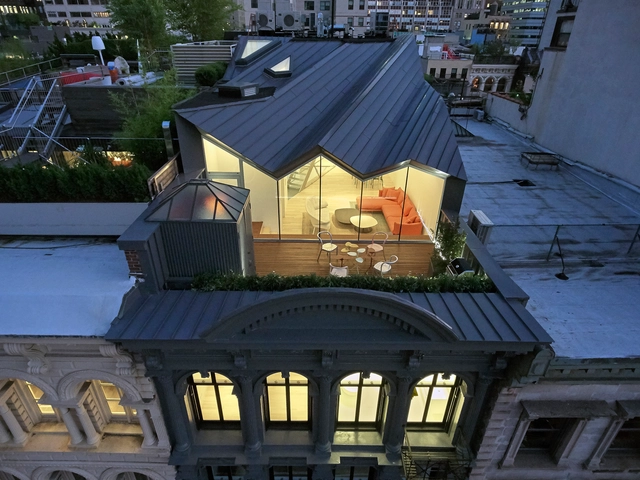
.jpg?1585197773 "15 Union Square West / ODA Architecture + Perkins Eastman Architects. Image © Robert Granoff")
_Frank_Oudeman_19.jpg?1585198175 "15 Renwick / ODA New York. Image © Frank Oudeman")




.jpg?1556896868 "© Ishita Sitwala. ImageDesign Work Group")



















.jpg?1583859382&format=webp&width=640&height=580)



.jpg?1583859382)
_0849.jpg?1584707510&format=webp&width=640&height=580)