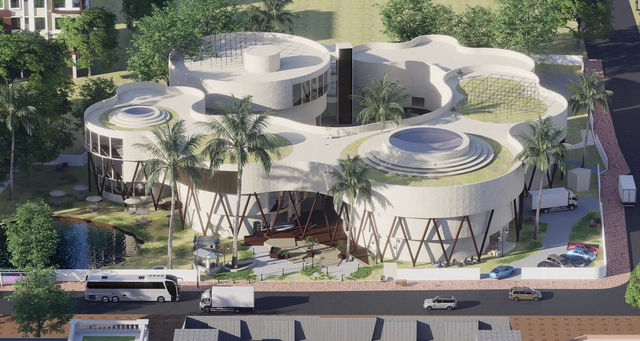
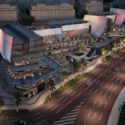
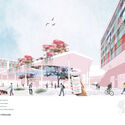
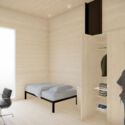
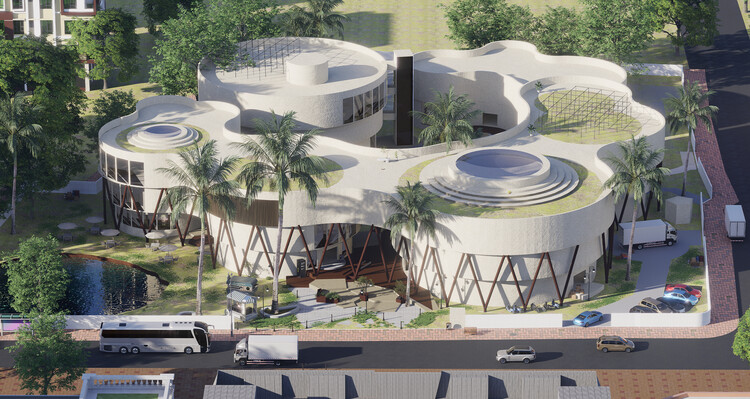
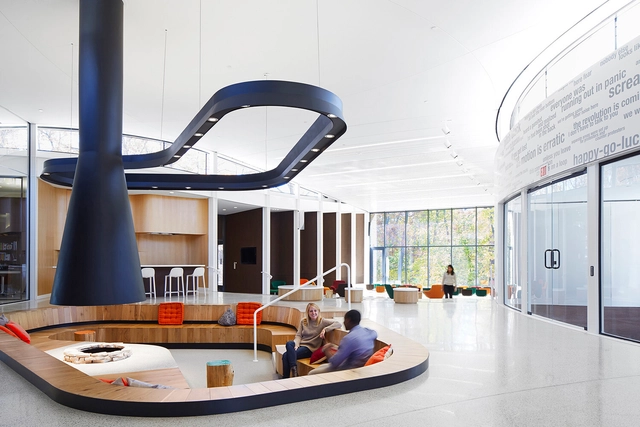
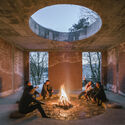
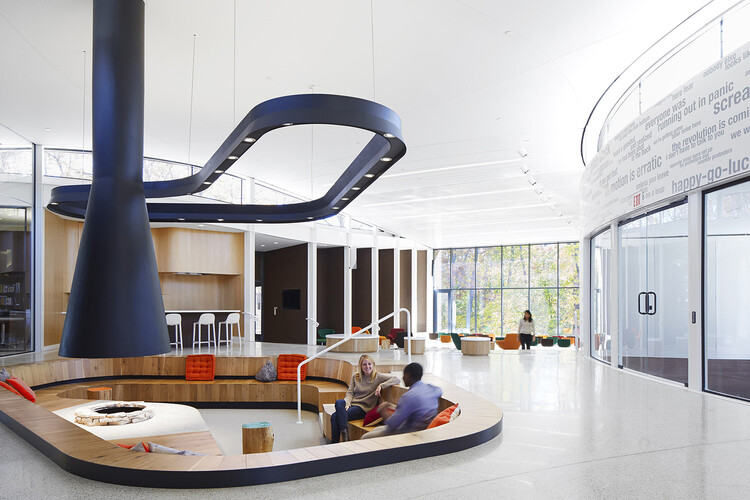
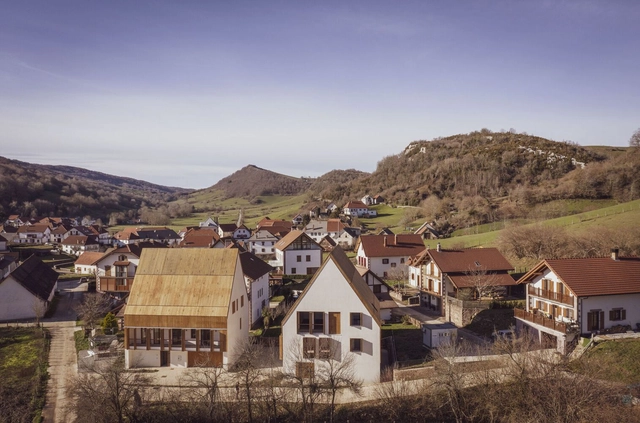
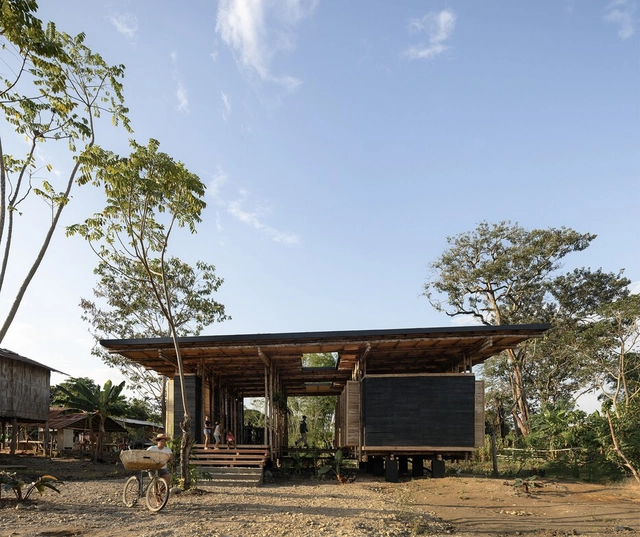
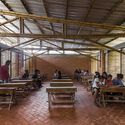
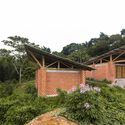
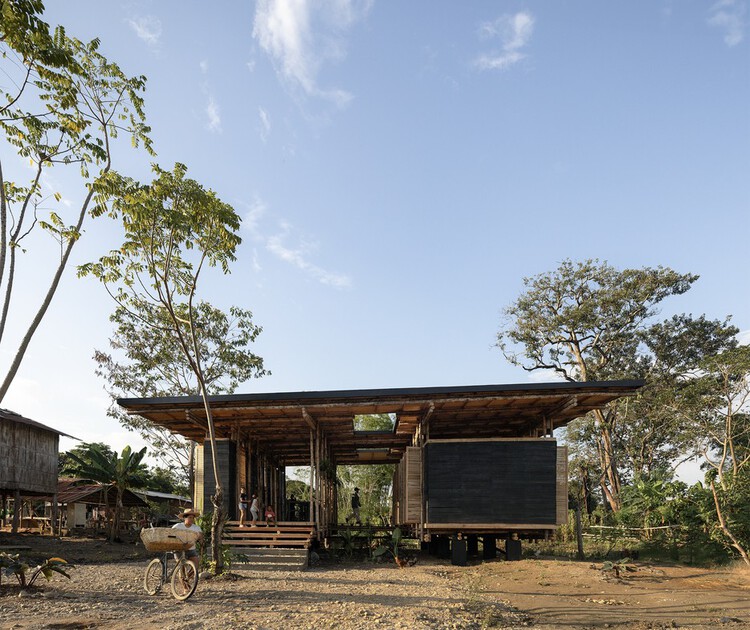
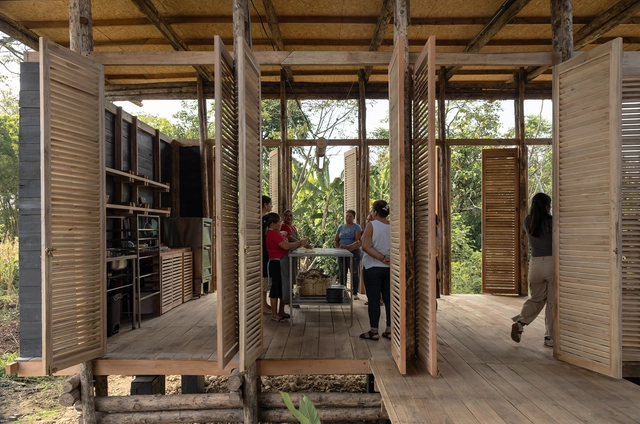
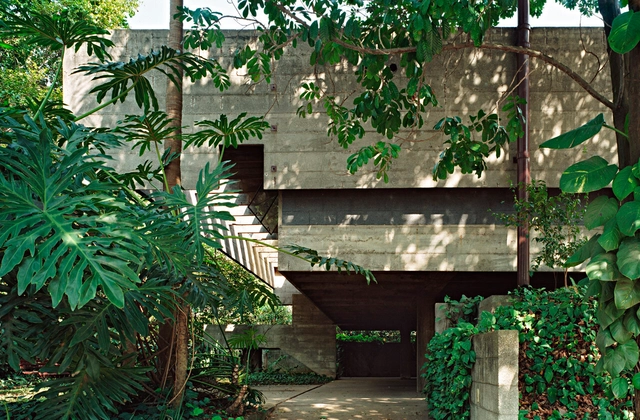
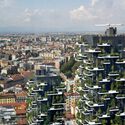
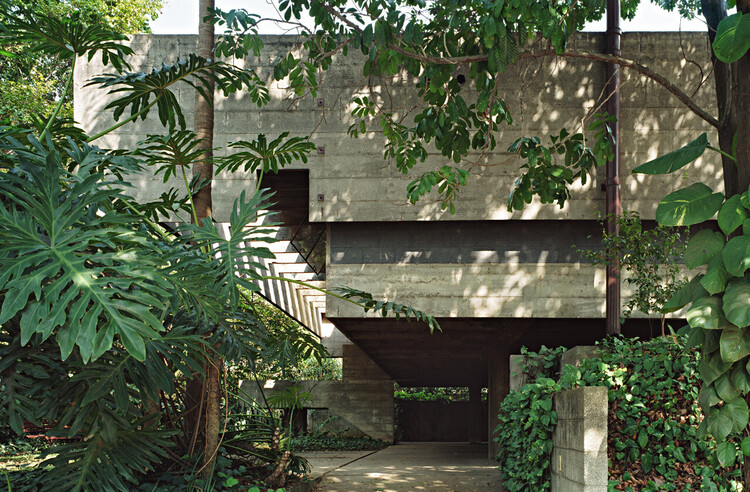
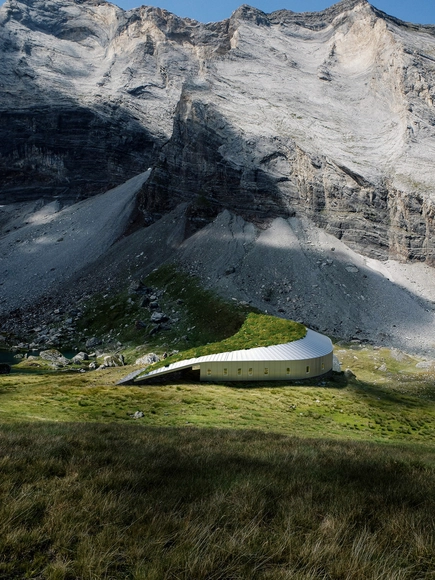
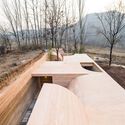
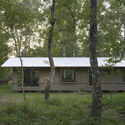
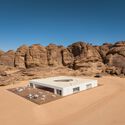
From forest-inspired offices in Sweden to jungle-nest clubhouses in Tulum, mixed-use architecture continues to evolve as a tool for integrated living. As cities grow and our expectations of public, private, and commercial space shift, designers are increasingly rethinking how different functions including work, play, rest, learning, can coexist in a single architectural language. These projects suggest that buildings and projects no longer need to silo activities, but rather choreograph them to reflect the rhythms of everyday life.
This collection, submitted by the ArchDaily community, presents a global spectrum of approaches to mixed-use design, from large-scale masterplans to conceptual theses. What ties them together is a commitment to spatial overlap, ecological sensitivity, and reimagined programs that prioritize user experience. Whether it's a student dormitory in Tehran, a public plaza in Cairo, or a community hub in Texas, each project embraces complexity to create spaces that are alive with interaction, transformation, and meaning.
Architecture is going through transformative times, and so are the platforms that shape how we understand it.
Earlier this year, I addressed you directly to share our vision for 2025: a commitment to reaffirm ArchDaily's mission, elevate our editorial voice, and strengthen our role as a trusted, critical resource for architects worldwide. That message marked the beginning of a new chapter, one grounded in relevance, clarity, and purposeful action.
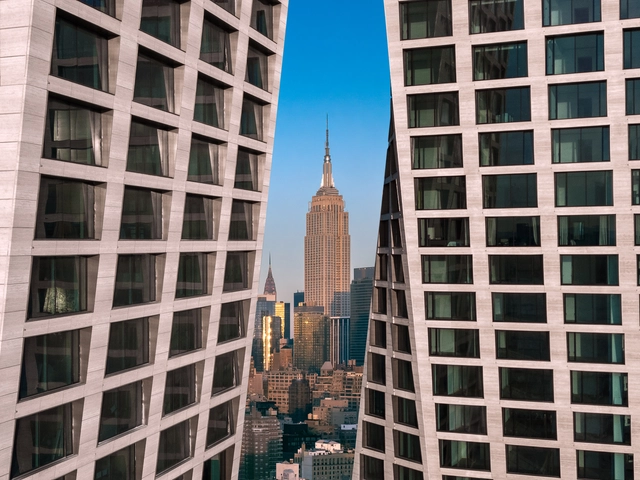
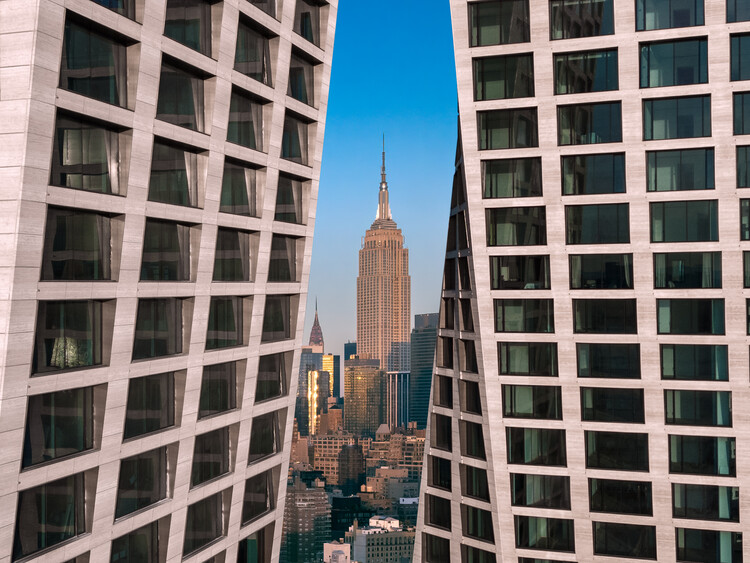
In the complex ecosystem of architectural development, where innovative concepts meet market realities, a distinct role exists to bridge diverse professional interests and realize impactful spaces. Elisa Orlanski Ours exemplifies this function. This is the domain of Elisa Orlanski Ours, a designer, educator, and industry leader. As Chief Planning & Design Officer at Corcoran Sunshine Marketing Group, Elisa founded her department two decades ago. Now, her extensive portfolio spans condominium skyscraper master plans and individual branded villas across continents, including significant New York City developments like Hudson Yards and 220 Central Park South, as well as international developments in collaboration with prominent architectural firms like SHoP Architects, BIG, Herzog & de Meuron, Adjaye Associates, and SO-IL. Her strategic perspective on bringing projects from schematic phase to final sale provides valuable insights into the industry's intricate workings. ArchDaily's Managing Editor, Maria-Cristina Florian, had the opportunity to discuss these critical topics with Elisa in the following interview.
Fireplaces have profoundly shaped architectural design, influencing how spaces are organized, experienced, and perceived. More than merely functional elements, they represent symbols of power, community, comfort, and culture, tracing humanity's evolving relationship with the built environment. From the primitive hearths that characterized early human settlements to the sophisticated ecological designs of contemporary architecture, fireplaces have reflected broader cultural, social, and technological changes, serving as enduring focal points in the spatial narrative of architecture. Scholars have frequently explored the intimate relationship between architecture and fire. Luis Fernández-Galiano, in his seminal work "Fire and Memory: On Architecture and Energy" argues that architecture fundamentally mediates the relationship between humanity and energy. By understanding how these structures have shaped spaces, symbolized cultural values, and driven technological innovation, we gain deeper insight into architecture's complex interplay between form, function, and meaning.
Andanzas y visiones españolas is the book in which Miguel de Unamuno collects his experiences during excursions through Spain's cities and countryside, accompanied by friends and colleagues. More than a precise geographical description, the text consists of narratives in which each region and every feature of the territory leaves a deep imprint on his thought. The literary discourse actively weaves the diversity of setting, climate, and contextualism as foundational threads, presenting the territory not only as a physical place but also as a space for reflection and contemplation. This attentive engagement with the landscape—so diverse within Spanish architecture—also resonates in the built environment, fostering in contemporary practice a sensitive adaptation to the country's varied climatic conditions, both through design strategies and material choices.
https://www.archdaily.com/1031789/context-responsive-architecture-in-spain-7-projects-highlighting-material-strategiesEnrique Tovar
Romullo Baratto's architectural journey began early, influenced by a family environment steeped in engineering and architectural practice. Growing up surrounded by blueprints and models, he developed a foundational appreciation for the technical and creative aspects of the built environment. While his academic path led him to explore film and writing alongside architecture, these multidisciplinary interests naturally converged in editorial work. Starting as a freelance translator for ArchDaily, Romullo's alignment with the platform's mission led him to join as Editor for the Brazilian site, where he guided the publication to become the first media outlet to receive the prestigious FNA Award.
Now Project Manager at ArchDaily Global, Romullo leads flagship initiatives such as the Building of the Year Awards and ArchDaily New Practices. He approaches editorial work with a commitment to elevating projects and narratives that offer fresh perspectives and provoke meaningful discourse—eschewing mere trend-chasing in favor of critical, nuanced storytelling that deepens professional understanding.
Rural areas have long played a foundational role in the social and economic development of nations. Until the 18th century, they were the primary sites of production and social organization. However, the Industrial Revolution brought profound structural shifts that reshaped this landscape. Industry took center stage, anchoring itself in urban environments and establishing a hierarchical, binary view of rural versus urban, agriculture versus industry. Within this new paradigm, two opposing narratives gained prominence: one predicted the decline of rural life in the face of urbanization and economic progress; the other envisioned its persistence and eventual renewal. Today, it is clear which of these predictions has come to pass.
At the Bruder Klaus Field Chapel, designed by Peter Zumthor, the construction process involved the direct participation of residents from the small Swiss village of Mechernich. Using an internal formwork made of vertically placed wooden logs, concrete was prepared in small batches and poured manually, day after day, forming layers marked by subtle variations in the mix and application. At the end of the process, the wooden structure was reduced to ashes, leaving the chapel's interior impregnated with traces of fire and revealing a dark, tactile surface. The result was a quiet and deeply meaningful space, where collective action, time, and material transformation became part of the architecture. Centered on locally available resources and manual techniques, this construction method highlights how the choice of materials and building system can shape the experience of a space, reveal the time invested, and embed the culture of a place into the very matter of architecture. In doing so, it offers an example of how construction itself can become a regenerative act, restoring meaning, connecting communities, and honoring material cycles.
Mute, a global manufacturer of adaptable architecture solutions for modern workplaces, has opened its new headquarters in the Ambassador office building in Warsaw, managed by Hines. Covering more than 840 m², it is the first office in Europe built entirely using a modular system — one that can be freely reconfigured without generating renovation waste or CO₂ emissions.
In 1982, at a conference on earth building in Tucson, Arizona, an unusual presentation challenged everything architects thought they knew about rural resources. Instead of focusing on construction techniques, the presenter, architect Pliny Fisk III, spread out a series of hand-drawn maps that revealed something extraordinary - rural Texas wasn't resource-poor, as conventional wisdom suggested, but material-rich beyond imagination. The maps showed volcanic ash perfect for lightweight concrete, caliche deposits stretching across vast territories, and mesquite forests that could supply both hardwood flooring and insulation. The revelation redefined prevailing notions of value in architecture.
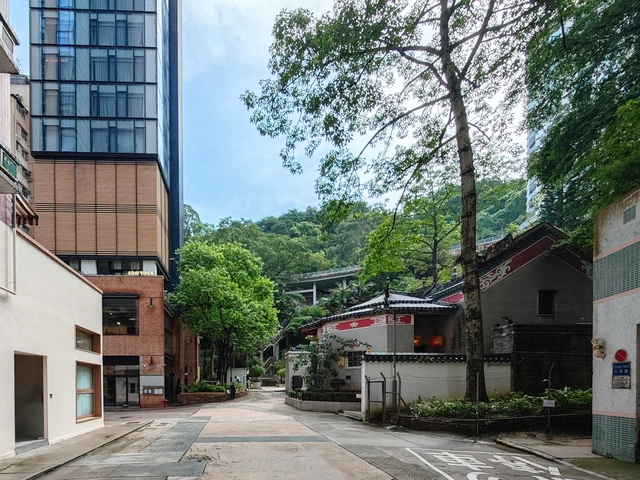
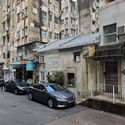
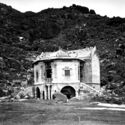
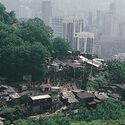
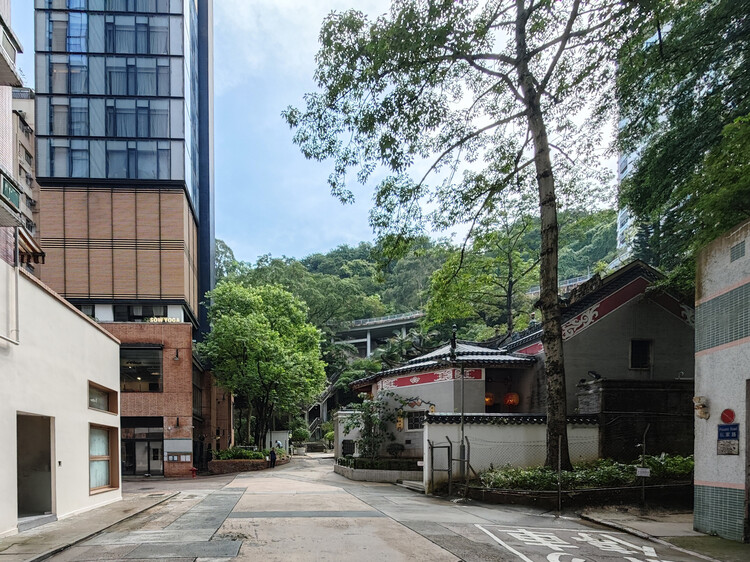
One notable example is Tai Hang, among the earlier settlements established by the Hakka people in Hong Kong. Originally located along a water channel that flowed from the nearby mountains to the sea, the area was once a vital washing site for villagers—hence its name, which literally means "Big Drainage." Before extensive land reclamation, Tai Hang sat quite close to the shoreline. Today, it lies nearly 700 meters inland.
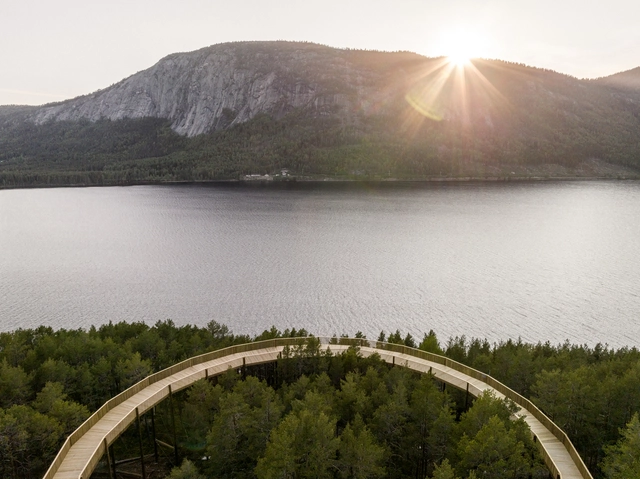
Scandinavian design has long been admired for its minimalist aesthetic and functionality, which places value in the simple things, deeply rooted in the concept of Hygge. This reverence goes beyond interior design and extends also to the natural world, resulting in high-quality architecture and landscape installation design that enhances human connection to untouched environments. Rather than imposing grand structures upon the environment, the Scandinavian approach is one of subtle and precise intervention. These projects are not meant to dominate but to enter into a dialogue with the existing landscape, using thoughtful design to potentiate its inherent shape, color, and texture. The goal is to complement and enhance, creating spaces that serve a functional purpose while simultaneously deepening the visitor's connection to their surroundings.
Christele Harrouk's path into architecture was shaped by the complex and ever-changing environment of her Lebanese upbringing—a place marked by contradictions, transformation, and resilience. Although her entry into architecture wasn't planned, the discipline quickly became a profound lens through which she understands the world and its complexities. Combining her passion for writing with her architectural and urban design expertise, Christele discovered a unique voice at the intersection of these fields, embracing editorial work as a powerful platform to influence discourse and amplify diverse narratives.
As Editor-in-Chief of ArchDaily, Christele is deeply committed to shaping architectural discourse through thoughtful curation. She looks for projects and stories that engage profoundly with context, culture, and social realities—seeking those that do more than present architecture as mere form or function. For her, the value lies in content that challenges prevailing narratives, amplifies marginalized voices, and fosters critical conversations across global communities.
Seeking to create a fluid dialogue between architecture and its surrounding landscape, the study of topography embodies an awareness and exploration of the use of materials, self-sufficient strategies, low-maintenance solutions, and landscape designs that integrate into the natural environment and minimize the environmental impact of projects. Beyond recording variations in elevation, sun orientation, prevailing winds, or drainage slopes of the terrain, several architects in Argentina demonstrate a strong interest in developing architectural solutions capable of adapting to natural geographies and restoring the bond between nature and the human being.
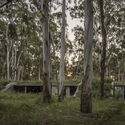
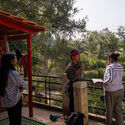
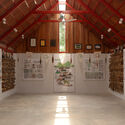
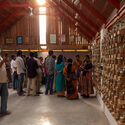
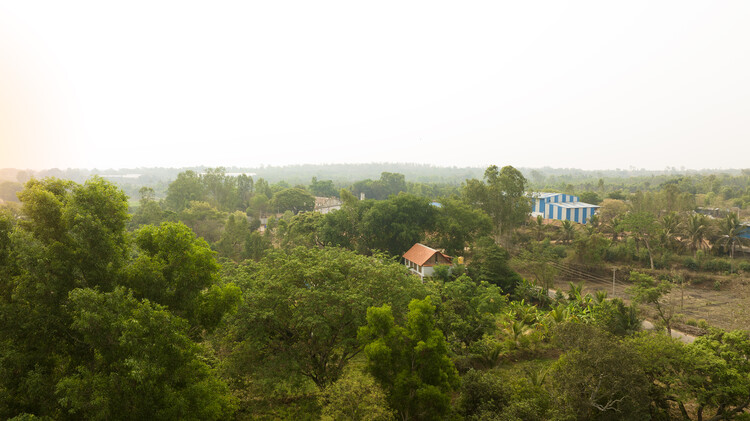
Located on a farm in southern India, the Rice Museum occupies the upper floor of Syed Ghani's home, nestled in the verdant agricultural landscape of Mandya — a region shaped by brick structures, expansive greenery, and ancestral farming knowledge. Syed Ghani, a farmer, historian, and museologist, has dedicated himself to preserving indigenous rice varieties through seed conservation, proliferation, and educational initiatives. With the support of local farmers, he has helped recover more than 1,000 native paddy (rice) varieties, safeguarding an essential part of India's agricultural heritage.
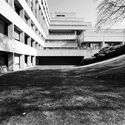
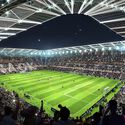
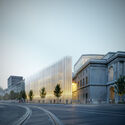
As cities worldwide navigate evolving social, environmental, and cultural priorities, recent project announcements showcase how architecture is increasingly conceived as both civic infrastructure and a catalyst for collective identity. From Populous' new stadium design in Thessaloniki that blurs the lines between sport and urban life, to HENN's transparent cultural stage in Augsburg that invites community participation, these projects illustrate architecture's expanding role beyond its immediate function. In Luxembourg, Schmidt Hammer Lassen's work for the European Investment Bank reimagines institutional spaces through sustainability and heritage, while SLA and GHD's new island community in Toronto pushes forward nature-based, climate-adaptive urbanism. This edition ofArchitecture Now brings together diverse yet interconnected efforts to shape how architecture can support long-term ecological, cultural, and civic impact.
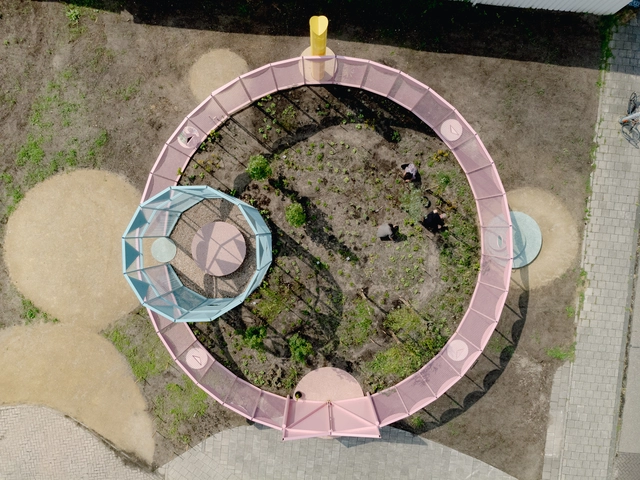
NDSM Lusthof / Studio Ossidiana. Image Courtesy of Studio Ossidiana, Riccardo de Vecchi
As climate instability reshapes design priorities, architecture is increasingly drawn into ecological debates not as a spectator but as a participant. Among the concepts gaining traction is rewilding, a practice rooted in the restoration of self-sustaining ecosystems through the reintroduction of biodiversity, the removal of barriers, and the rebalancing of human presence in the landscape. Though often associated with conservation biology, rewilding also opens up new spatial and architectural imaginaries — ones that challenge conventional notions of permanence, authorship, and use.
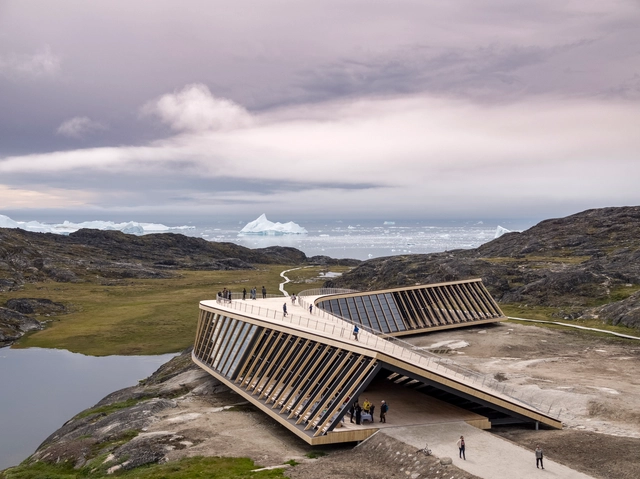
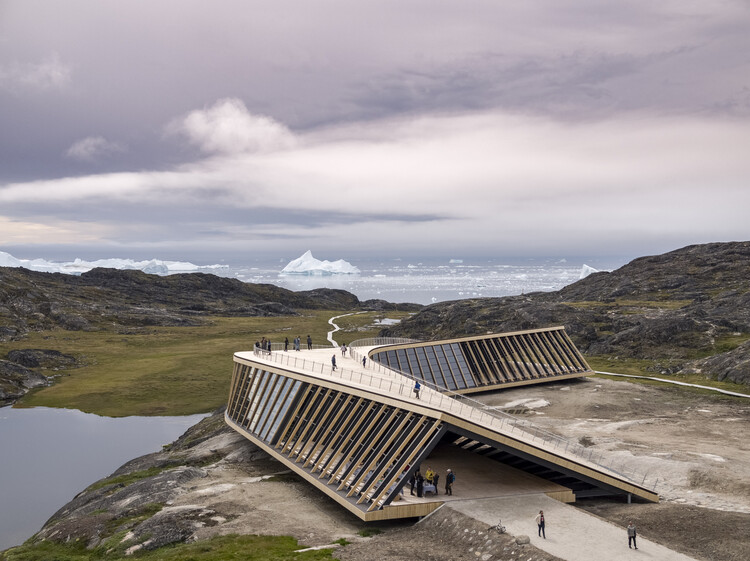
Destinations like ecological reserves, national parks, and historic sites rank among the most visited places worldwide. Motivated by different desires — from aesthetic appreciation to a longing for connection with nature — visitors are drawn to locations marked by historical importance, scenic beauty, or architectural significance. In this context, it becomes essential for the institutions responsible for preserving and managing these sites to adopt thoughtful mediation strategies — both in terms of communication and spatial design. One such strategy is the creation of visitor centers: architectural structures that not only receive guests but also educate and guide them. These buildings act as interfaces between the site and its audience, translating the ecological, historical, and cultural values of the place into architectural form.
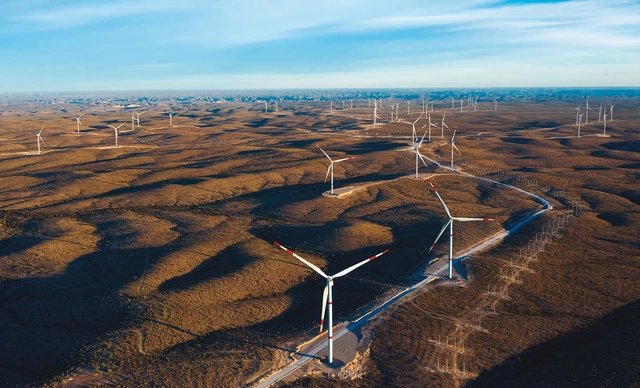
Enel, a global leader in renewable energy, launched "WinDesign", an international contest where talented professionals and students, in the domain of engineering, architecture and design, are invited to imagine and design new wind turbines. The goal is to develop turbines projects that blend more seamlessly into the landscapes that host them, thereby supporting a wider role for them in the energy transition.
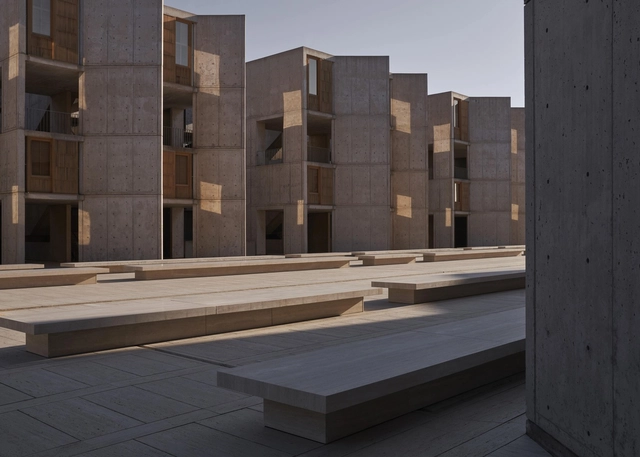
Jonas Salk Institute for Biological Sciences (1959-65). Image Courtesy of Form Portfolios
In the history of modern architecture, Louis I. Kahn is regarded as the undisputed master of monumentality in the United States. At the height of his career, Kahn managed to create a unique type of architecture, often awe-inspiring, but avoiding overdone grandiosity, expressing its constructive system, yet avoiding structural exhibitionism, steeped in history but developed with a new language and system of forms. His interest in light as a functional element and the specific qualities of materials extended beyond his buildings, in all the objects he created to populate them following their intrinsic spirit. To celebrate this legacy, Form Portfolios has now launched "Monumental Modernism," the first collection of lighting, objects, and furniture modeled after those discovered in Louis I. Kahn's buildings.
Neither a passing trend nor a permanent threat: the initial alarm is fading. Artificial intelligence is increasingly being adopted as a strategic tool which, when integrated responsibly, can be highly valuable—especially in participatory urban design processes focused on children and youth.
To explore this intersection of technology, cities, and new generations, we spoke with Dolores Victoria Ruiz Garrido, architect and founder of Little Architects, a program she created over a decade ago at the Architectural Association (AA) in London. With more than 15 years of experience in participatory urbanism, she emphasizes that AI can be a powerful tool when used ethically and purposefully—particularly to enrich education and community-focused design processes. But she warns: "The city cannot be understood from the screen—it must be grasped through the body, the walk, and wonder. Before generating stunning or visually beautiful images to transform the city, we must teach how to read it: to observe, understand, and emotionally connect with it."
The trajectory of glass in architecture reflects the technological evolution of humankind. For centuries, it was a fragile, opaque material, restricted to small openings in churches or aristocratic residences, limited in size, with uneven transparency and a largely secondary role. With the Industrial Revolution and advances in manufacturing processes, this condition changed dramatically. From artisanal and imperfect stained glass, we now have a wide range of architectural applications, from fully glazed skyscraper facades to translucent pedestrian bridges, lightweight roofs, smart partitions, and movable elements. One of the most surprising uses, once thought to be impractical, is the direct interaction of glass with large volumes of water. Today, we see pools with transparent walls or floors that project out from buildings, float above streets, or visually merge with their surroundings, creating striking sensory experiences. A remarkable feat, especially considering that for a long time, glass was considered too fragile for submerged environments.
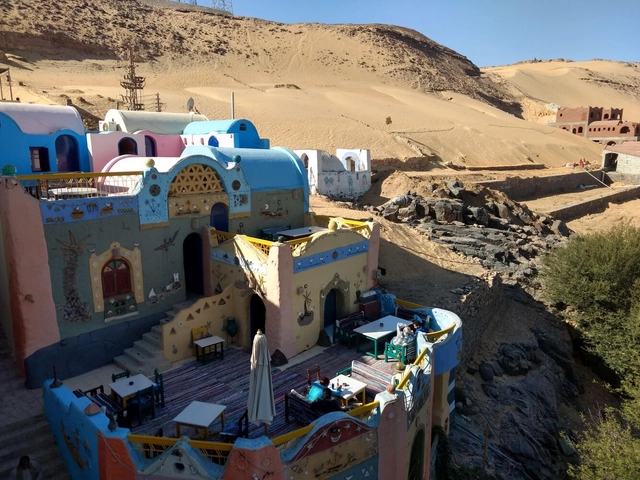
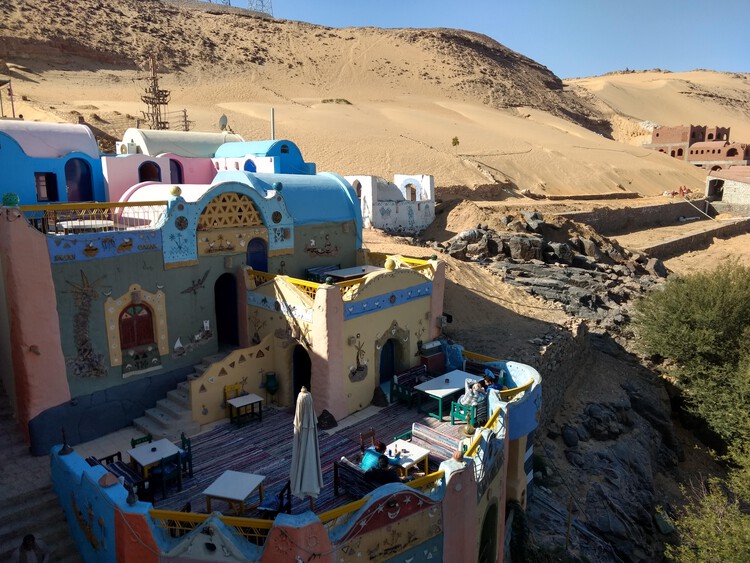
The colorful houses of Aswan in the south of modern-day Egypt attract tourists who venture that far up the River Nile. Accessed by small river boats, islands like Suheil West are the homes of Nubian communities, some of whom had had to relocate after the building of the Aswan High Dam in the 1960s. Behind the picturesque views of plastered walls covered in murals and motifs, perched on rocky hills overlooking the Nile, is a construction technique used locally for centuries. It uses locally sourced materials, conserves nature, and regulates internal temperatures against the heat in the day and the cold at night.