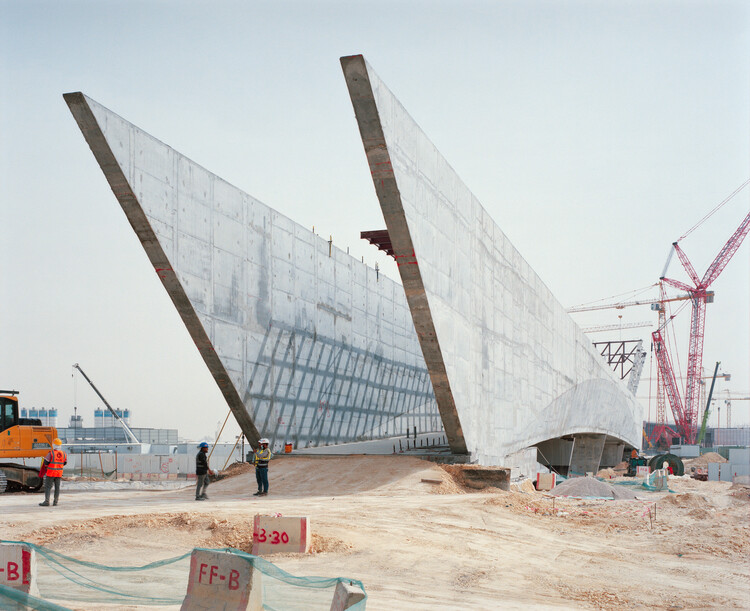
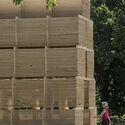
Across China, a legacy of vast industrial structures stands decommissioned, as a direct result of the nation's economic shift to different forms of industry. These buildings are defined by their colossal height and deep structural capacity. Today, they present an architectural challenge for contemporary urban renewal and a new topic for heritage preservation. As they become absorbed by growing urban developments, architects are tasked with translating them into functional, public-facing assets. Thus, recent interventions are capitalizing on defining elements such as furnaces and chimneys to help reposition these massive complexes as critical urban landmarks.
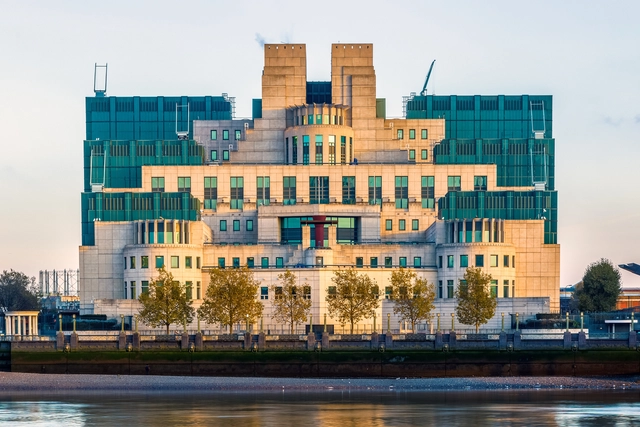
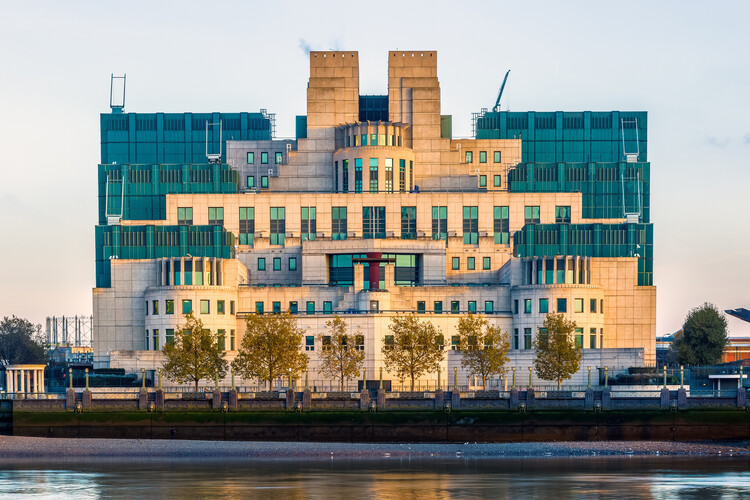
Farrells, the London-based architecture and urban design practice, announced earlier today the death of its founder, architect Sir Terry Farrell. The firm highlighted Farrell's commitment to questioning architectural convention and his advocacy for more responsible, contextual, and community-driven approaches to urban development, seeking creative alternatives to wholesale demolition and rebuild. His death follows that of his early collaborator Nicholas Grimshaw, with whom he founded the Farrell/Grimshaw Partnership in 1965. Together they produced functionalist, modern buildings defined by their structural clarity, before Farrell established his independent voice as one of the leading figures of British Post-Modernism, designing some of the movement's most recognisable works, including London's MI6 Building and the TV-am studios in Camden.
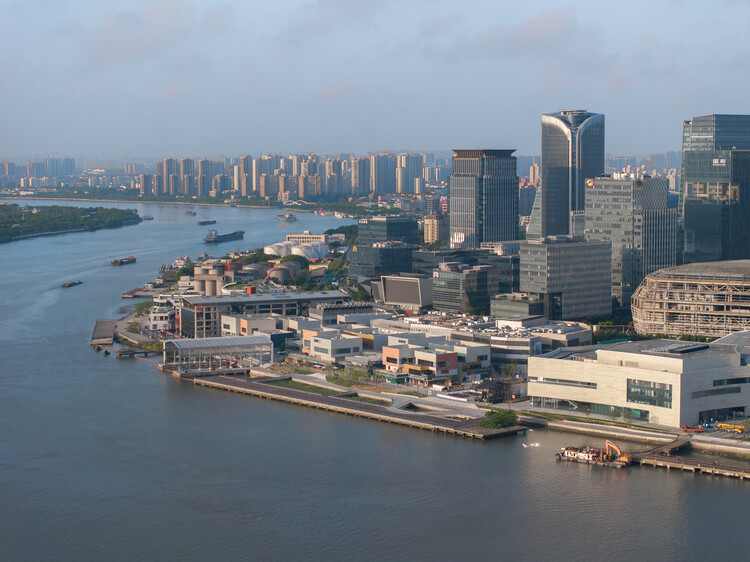
Amidst global economic adjustments and a domestic focus on high-quality development, Shanghai has implemented a strategic shift in its urban development approach—moving from 'incremental expansion' to 'connotative enhancement.' Guided by the concept of a "people-oriented city", Shanghai has elevated urban construction from mere physical space aggregation to a comprehensive endeavor aimed at optimizing functional quality, revitalizing spatial vitality, and boosting residential resilience through urban renewal initiatives. This transformation is framed not merely as a response to resource constraints but also as an intentional approach to urban development principles. Its core proposition lies in: under the policy framework of strictly controlling incremental land use, how to unleash development potential through the "reproduction" of existing spaces.
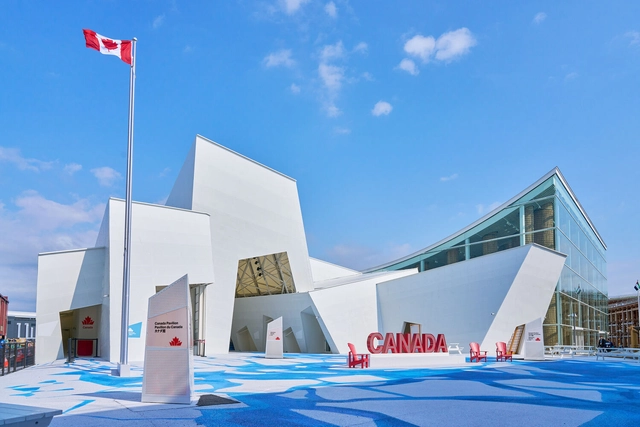
The Canada Pavilion at Expo 2025 Osaka features interactive exhibits and installations that present the country's innovation, culture, and diversity. Designed under the creative direction of Robert Lepage, the pavilion offers an immersive experience aimed at introducing Canada's values and capabilities to a global audience. Additionally, it aims to showcase Canadian innovation, resources, investment, and education to the broader Indo-Pacific region. Centered around regeneration, the design is in line with the broader theme at the Expo: "Designing the Future Society for Our Lives."
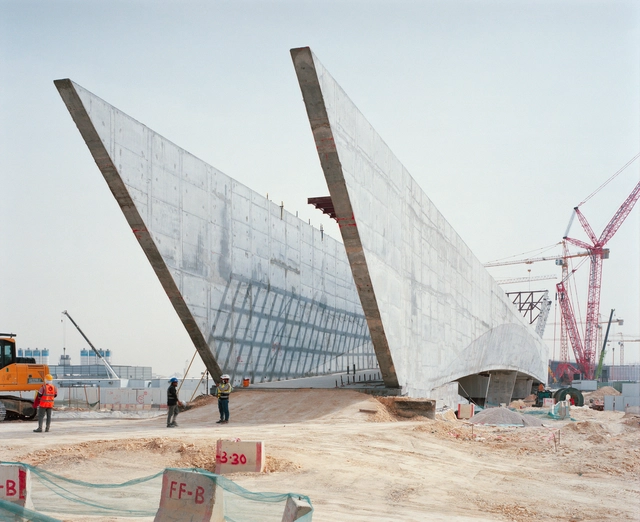
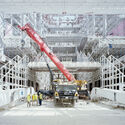
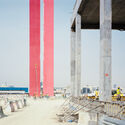
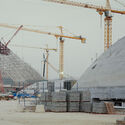
Barcelona-based architecture studio Bofill Taller de Arquitectura was commissioned to design the Royal Arts Complex (RAC) by the Royal Commission for Riyadh City in 2019. Currently under construction, the 320,000-square-meter building complex comprises thirteen structures, each contributing to the promotion of artistic expression. The project is located within King Salman Park, a 13.3-square-kilometer park being developed on the site of Riyadh's former airport. The broader development includes mixed-use projects to transform the area into a major recreational district. The overall masterplan also features a stadium by Populous, planned for the FIFA 2034 World Cup.
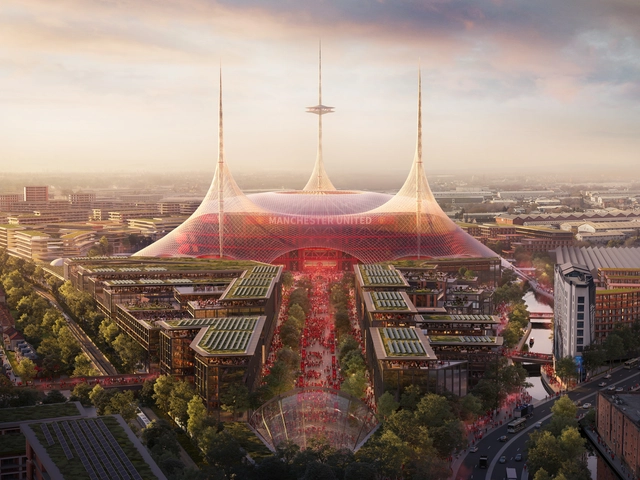
Aerial render. Image Courtesy of Foster + Partners
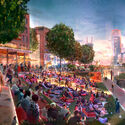
In September 2024, Foster + Partners announced its appointment by Manchester United for the development of a master plan for the Old Trafford Stadium District. The centerpiece of the master plan is a new stadium, set to become the largest football venue in the United Kingdom with a capacity of 100,000 seats. This week, the firm unveiled images of the stadium design along with surrounding public spaces, including parks, mixed-use developments, an open-air cinema, and a renovated train station. These images contain the illustrative concepts that will become the basis for more detailed feasibility, consultation, and planning work as the project enters new stages.
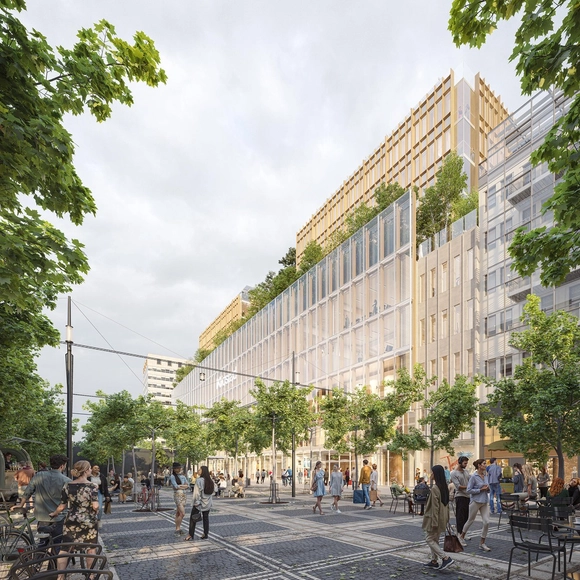
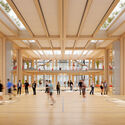
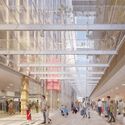
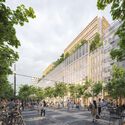
Renzo Piano Building Workshop (RPBW), in collaboration with Holger Meyer Architekten, has won the competition for the new Midstad project in Frankfurt. Led by Joost Moolhuijzen and Erik Volz, the design reimagines the future of European city centers as resourceful and multifunctional. The project involves a 35,000 m² rehabilitation of an existing department store on the Zeil in Frankfurt's city center, integrating a six-story mass timber extension and a mixed-use, community-driven program. The project involves reconstruction during ongoing operation, partial demolition, and the expansion of the existing department store.
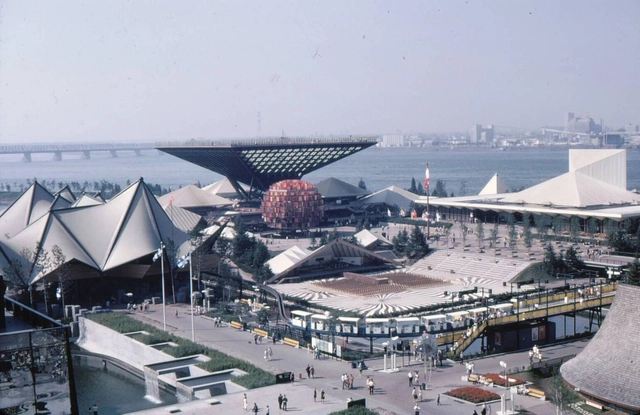
Canada's Expo 67 stands as one of the most successful world expos ever held, setting records and leaving an enduring impact on Montreal's urban landscape. As part of Canada's 100 years celebrations, the event provided an opportunity for the city to showcase its cultural and technological achievements on a global platform. With over 50 million visitors in just six months, it shattered attendance records, including an astonishing 569,500 visitors in a single day. An unprecedented feat for a world fair at the time. Now, 58 years later, and with the Osaka Expo 2025 set to showcase how to design the future society for our lives, it is worth revisiting the legacy of Expo 67 and exploring the urban transformations it brought to Montreal.
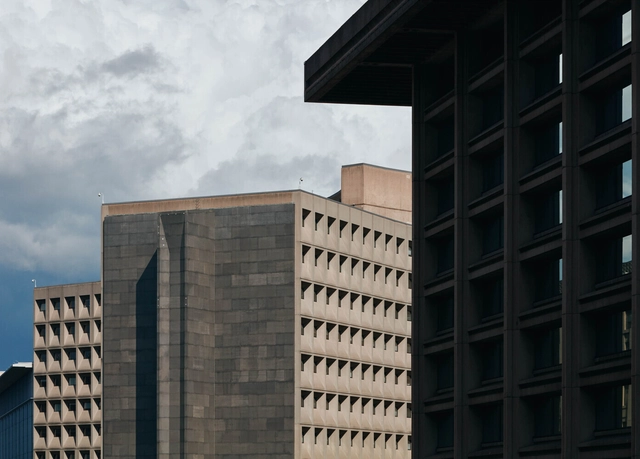
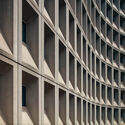
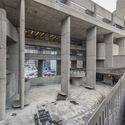
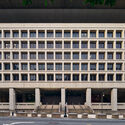
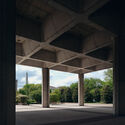
Brutalist architecture in the United States is a monument to collective postwar optimism and reassurance that the city and federal governments are in authority. Conceived as an embodiment of strength and efficiency, Brutalist structures were quickly adopted for the architectural language of civic and governmental institutions in the mid-to-late twentieth century in the United States. Towering monoliths of raw concrete rose across the nation, projecting an image of institutional permanence while simultaneously provoking debate over their social and psychological impact.
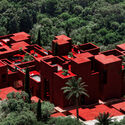
Red Sol Resort in Dhërmi. Image Courtesy of Ricardo Bofill Taller de Arquitectura
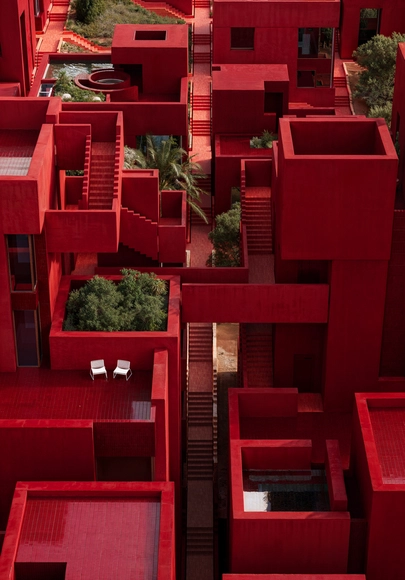
Architecture has been at the center of a transformation process in Albania, particularly significant in Tirana, its capital city. In 2017, the winning project for the Tirana 2030 Masterplan was unveiled, designed by Stefano Boeri Architetti, UNLAB, and IND [Inter.National.Design] as part of a competition organized by the Ministry of Urban Development. Aiming to give Tirana a new metropolitan dimension while promoting and preserving green spaces, the strategy integrates a system of open spaces, natural elements, and strategic projects at key points in the city. The multidisciplinary Catalan firm Bofill Taller de Arquitectura has contributed to this transformation with two mixed-use towers in Tirana and a resort project in the coastal town of Dhërmi, reflecting the distinctive aesthetic of Ricardo Bofill's work.
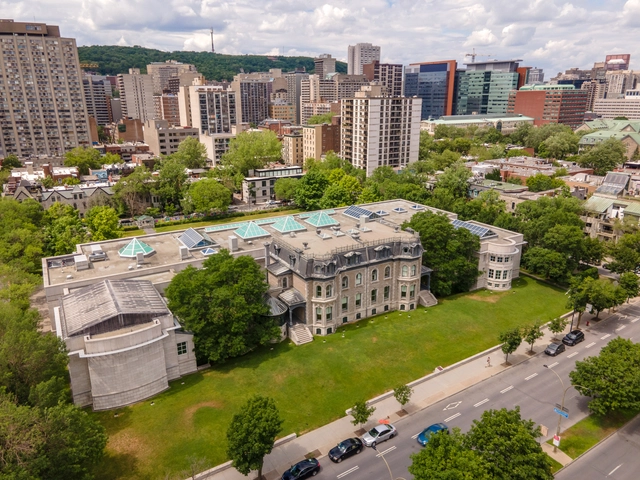
Phyllis Lambert has been a key figure in the preservation of Canada's cultural heritage. As an architect and advocate for heritage conservation, Lambert has left an indelible mark in Montreal and other cities worldwide. Her contributions to Montreal's architectural scene can't really be judged in terms of individual buildings, but rather in terms of the city as a whole. She not only cofounded the Canadian Center for Architecture (CCA), but also helped reshape the way cities like Montreal think about heritage and the importance of community voices in urban planning.
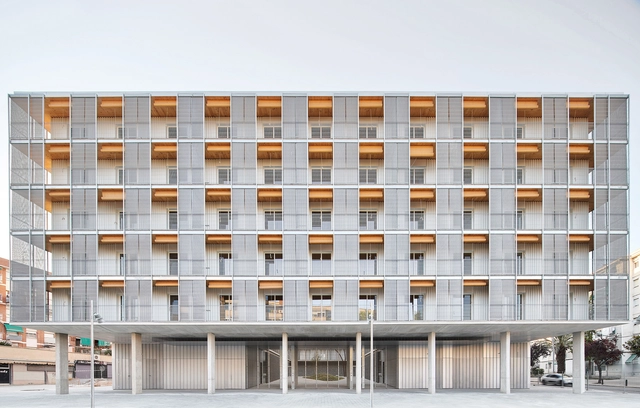
Modulus matrix -85 social housing in Cornellà, Barcelonaby Peris + Toral Arquitectes. Image Courtesy of RIBA
The Royal Institute of British Architects (RIBA) awarded its 2024 International Prize to Modulus Matrix, an 85-unit social housing development in Cornellà, near Barcelona. Designed by Peris + Toral Arquitectes, the six-story timber-framed building is a notable example of innovative social housing design. Its modular structure, based on a 3.6m x 3.6m grid inspired by traditional Japanese homes, creates a flexible and adaptable living space. The design prioritizes cross-ventilation, dual orientation, and a central communal courtyard, fostering social interaction and community building.
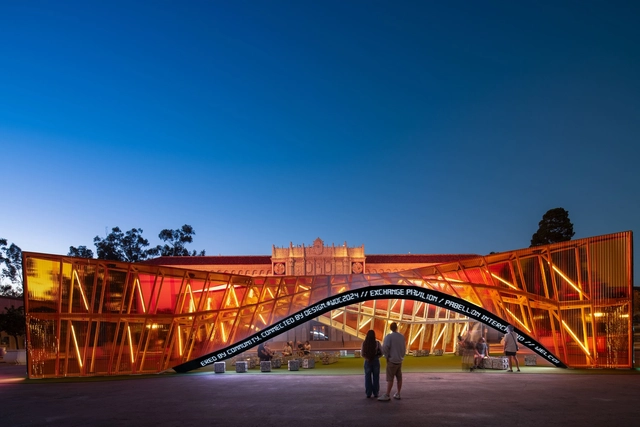
Global conferences, events, and exhibitions have profoundly influenced the evolution of architecture and design, serving as catalysts for innovation, new ideas, and pivotal debates. Some gatherings, like the historic Congrès International d'Architecture Moderne, have impacted the field. In contrast, others, such as the Venice Biennale and the World Design Capital (WDC), continue shaping the architectural landscape through periodic editions. Initiated in Turin, Italy, the WDC celebrates a different city every two years as a hub of design reflection and creativity. In the latest edition, the binational region of Tijuana-San Diego made history as the first cross-border WDC, emerging as a creative epicenter with a rich, innovative program that warrants special attention.
https://www.archdaily.com/1023090/tijuana-san-diego-as-a-creative-beacon-exploring-the-world-design-capitals-growing-influenceEnrique Tovar
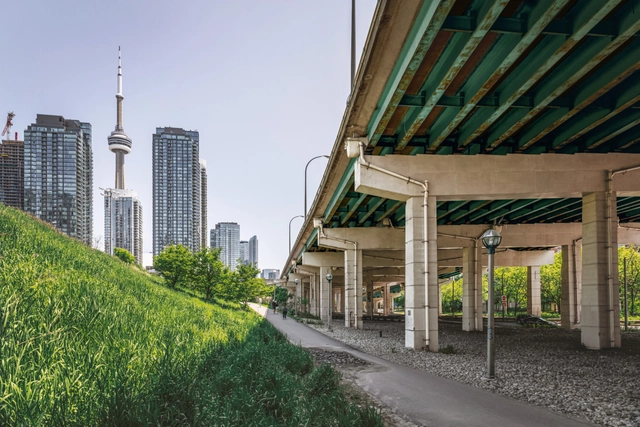
New York-based office Field Operations, renowned for their work on Seattle's waterfront and New York's High Line, along with Toronto's Brook McIlroy, have been tasked with transforming underutilized lands beneath the Gardiner Expressway in Toronto. The project was launched by The Bentway Conservancy, in partnership with the City of Toronto, and represents the second phase of the development aiming to revitalize underutilized spaces along the expressway. The initiative set out to transform three large traffic islands between Dan Leckie Way and Spadina Avenue into an 11,500-square-meter public space for recreation and community activities.
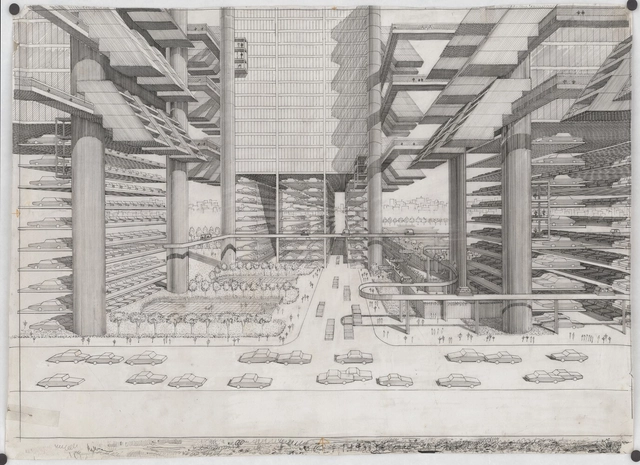
The Metropolitan Museum of Art has opened a major exhibition focused on the diverse and innovative career of Paul Rudolph, a second-generation Modernist architect whose work stands alongside luminaries such as Eero Saarinen and I.M. Pei. Titled "Materialized Space: The Architecture of Paul Rudolph," the exhibition is on display from September 30, 2024, to March 16, 2025, covering a wide spectrum of Rudolph's architectural contributions, from his experimental houses in Florida, through civic projects, to visionary urban megastructures and mixed-use skyscrapers.
Along India's southwest coast dotted with a mix of colonial architecture and ancient heritage, the city of Kochi stands as a relic of foreign influence. A previously colonized town by the Portuguese, Dutch, and British now breathes new life into its built landscape. Across the world, in the German city of Kassel, the scars of World War II are etched into the environment, deep under its revived cultural soul. Both Kochi and Kassel, though worlds apart in geography and history, shared a commonality: the power of art and festivals to heal. In the aftermath of historical trauma, these cities found renewal in the creative expression of artists from around the globe.
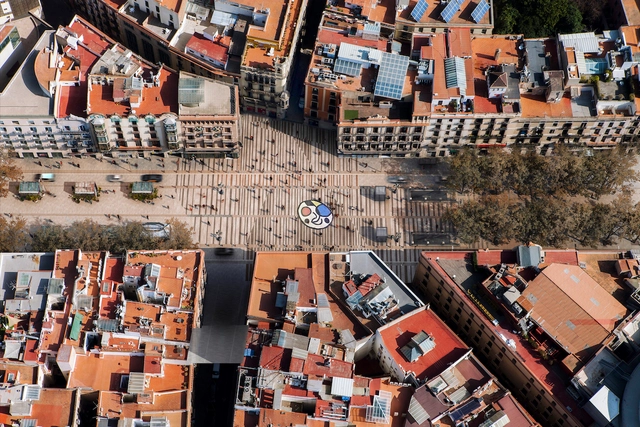
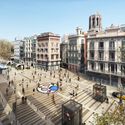
Rendering of the proposed La Rambla redevelopment project. Image Courtesy of Barcelona City Council, under policy of fair use
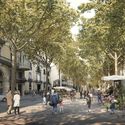
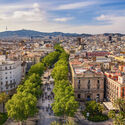
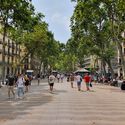
La Rambla, a 1.2-kilometer-long promenade in Barcelona, was established in 1766 along the old city walls. Embraced by locals, it became the only spacious area for strolling in a city of narrow streets and grew into a central meeting place for all social classes. Over time, leisure and cultural sites, like the Gran Teatre del Liceu and Boqueria Market, emerged, making it a vibrant, cultural hub. In 2017, Barcelona's local government launched a competition for the revitalization of this beloved urban space. Km_ZERO, a 15-member interdisciplinary team that also relied on the input of community groups was declared the winner. Now the first phase of the urbanization process has been almost completed, led by Lola Domènech and Olga Tarrasó. A hundred trees still remain to be planted in this phase, postponed due to drought conditions. The entire project is expected to be finished in 2027.
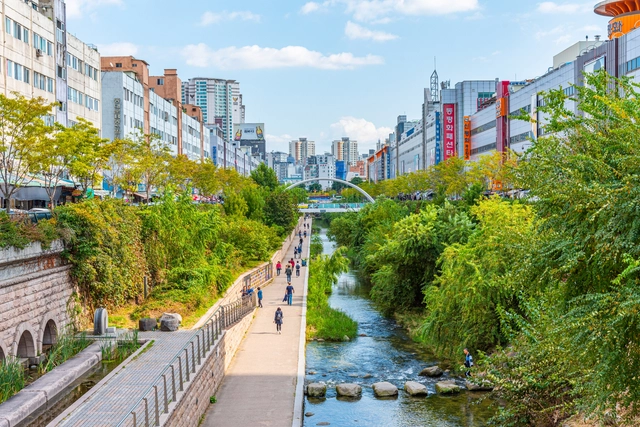
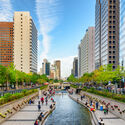
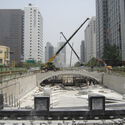
Cheongye Stream, known as Cheonggyecheon (청계천) in Korean, runs eastward through the heart of Seoul, passing through 13 neighborhoods in four districts of the capital of South Korea. Throughout its history, the stream played different roles in the city until it was covered by an elevated highway in the 1970s. For over 30 years, this natural artery remained hidden. It was not until 2003 that the city government launched a restoration project to reintegrate this urban waterway into the city fabric, revitalize the local economy, and revive the area's history and culture. The revitalization efforts were led by Mikyoung Kim Design. Since the project's completion in 2005, it quickly became one of Seoul's most visited tourist attractions. Moreover, it has become a focal point for ample urban research, with many studies offering positive assessments of the impact it had on Seoul's urban, economic, and ecological context.