1. ArchDaily
  2. SANAA

SANAA: The Latest Architecture and News

Rethinking the Flat Datum: Designing Space with Incline and Intent

Subscriber Access | 

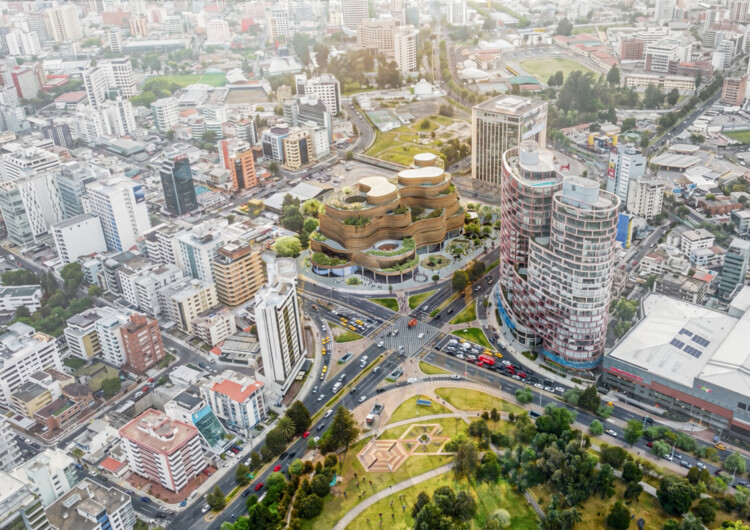
Historically, architecture and the built environment have insisted on creating flat, hard surfaces. In earlier eras, walking without paved ground meant mud-caked shoes, uneven footing, tripping hazards, standing water after rain, and high maintenance. Hence, as we shaped cities, we prioritized a smooth, continuous, solid horizontal datum. The benefits are real: easier walking, simpler cleaning, and straightforward programming—furniture, equipment, and partitions all prefer a level base. This universal preference for building on flat ground remains the norm and, for many practical reasons, will likely continue to be.

What's less recognized is that making a truly flat surface is surprisingly difficult—and many well-executed "flat" floors aren't perfectly flat at all. They are often gently sloped, calibrated to precise gradients for drainage. While interior spaces do not always require this, many ground floors and wet areas do incorporate subtle inclines as a safeguard—whether for minor flooding or to manage water that overflows from the street or plumbing when one of the discharge systems is malfunctioning.

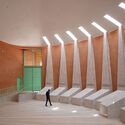
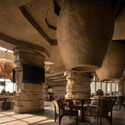
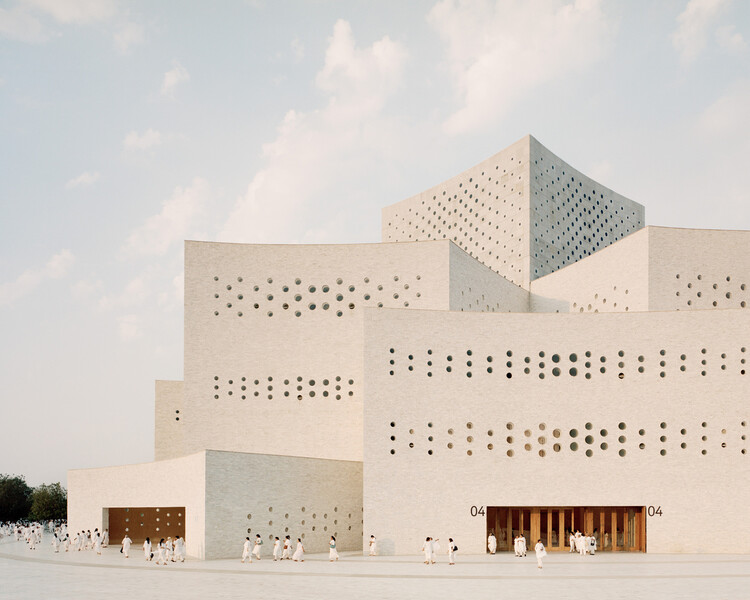
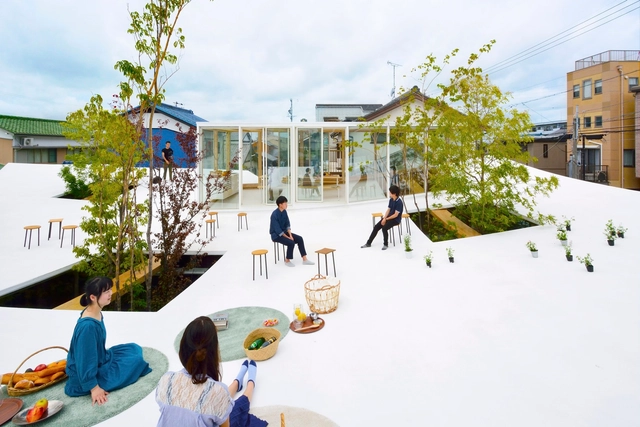
Rethinking the Flat Datum: Designing Space with Incline and Intent - Imagen 1 de 4Rethinking the Flat Datum: Designing Space with Incline and Intent - Imagen 2 de 4Rethinking the Flat Datum: Designing Space with Incline and Intent - Imagen 3 de 4Rethinking the Flat Datum: Designing Space with Incline and Intent - Imagen 4 de 4Rethinking the Flat Datum: Designing Space with Incline and Intent - More Images+ 49

SANAA Unveils Images of the Design for Taichung Art Museum and Library Complex in Taiwan

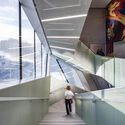
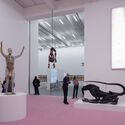
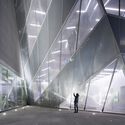
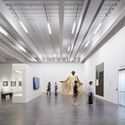
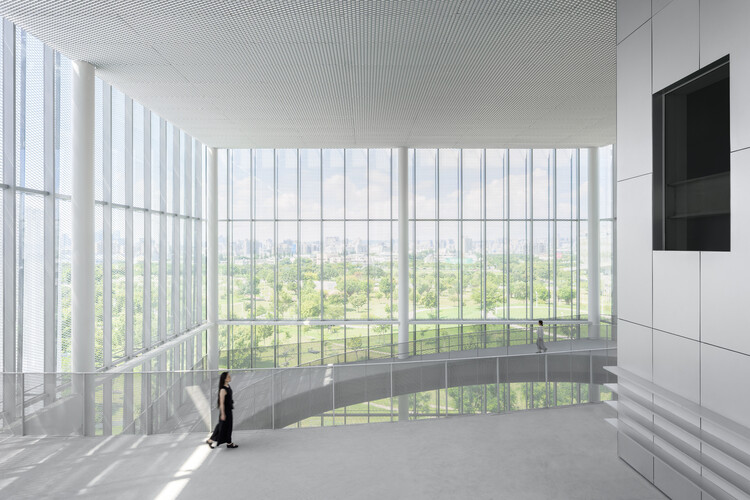
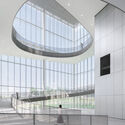
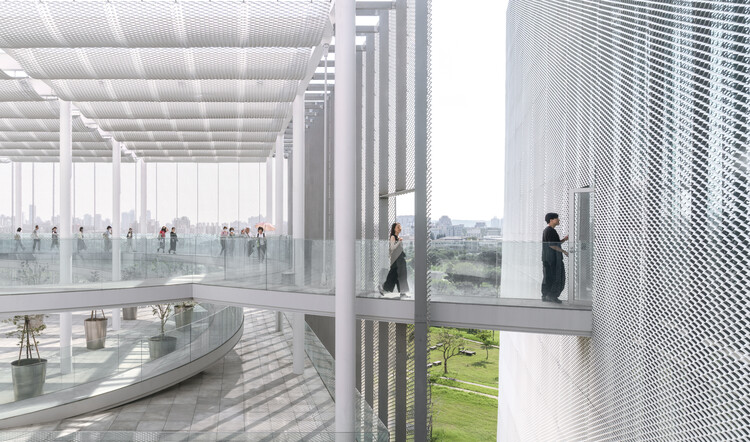
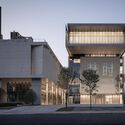
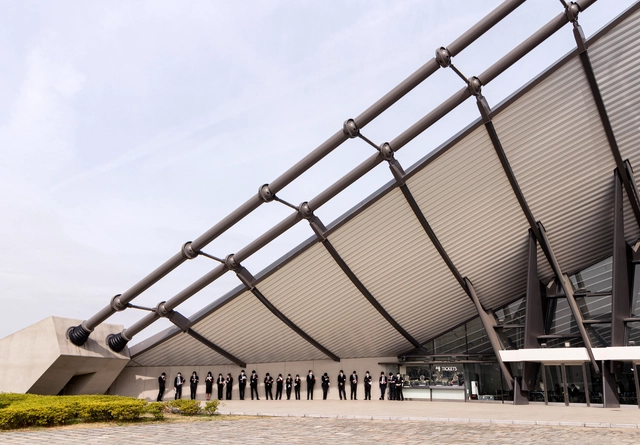
SANAA, led by architects Kazuyo Sejima and Ryue Nishizawa, has unveiled its design for the Taichung Art Museum in central Taiwan. The new institution is scheduled to open on December 13, 2025, as part of the Taichung Green Museumbrary project, developed in collaboration with local firm Ricky Liu & Associates. Conceived as a major cultural initiative, the project combines a contemporary art museum, library resources, and public parkland. It aims to create a new institutional model for Taichung, one that supports artistic exchange and public programming while positioning the city as an international cultural hub.

SANAA Unveils Images of the Design for Taichung Art Museum and Library Complex in Taiwan - Featured ImageSANAA Unveils Images of the Design for Taichung Art Museum and Library Complex in Taiwan - Image 1 of 4SANAA Unveils Images of the Design for Taichung Art Museum and Library Complex in Taiwan - Image 2 of 4SANAA Unveils Images of the Design for Taichung Art Museum and Library Complex in Taiwan - Image 4 of 4SANAA Unveils Images of the Design for Taichung Art Museum and Library Complex in Taiwan - More Images+ 9

From Salt Factory to Art Museum: The Story Behind the Schaudepot in Essen, Germany

Subscriber Access | 

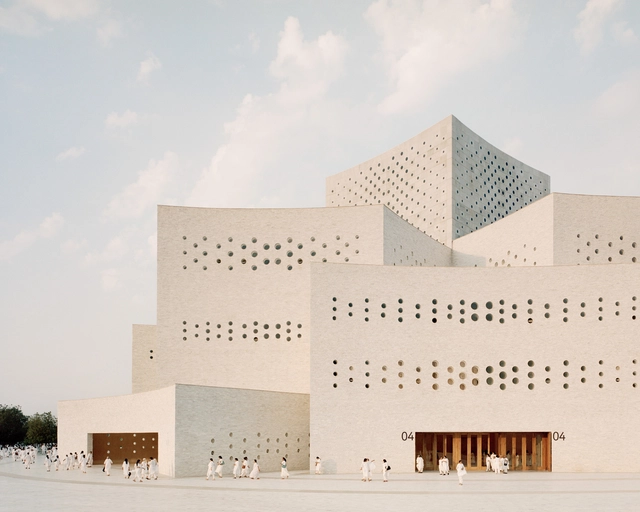
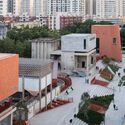
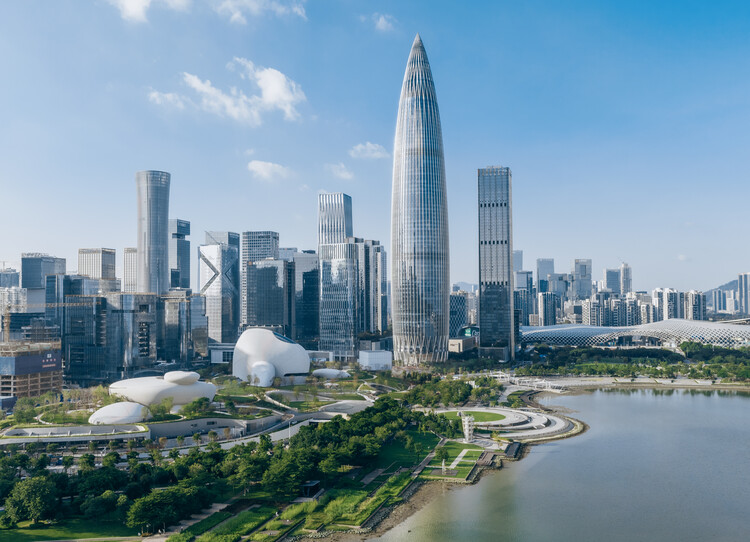
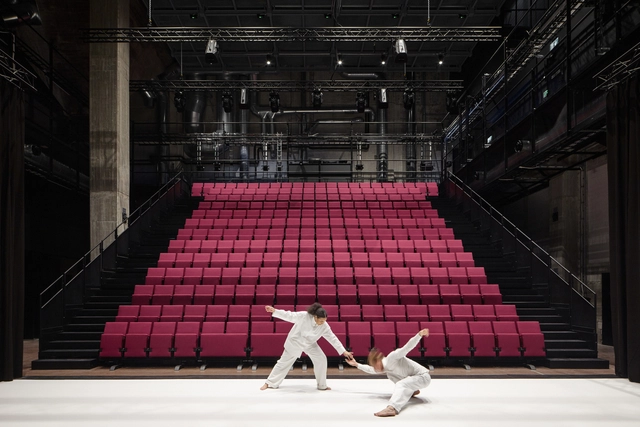
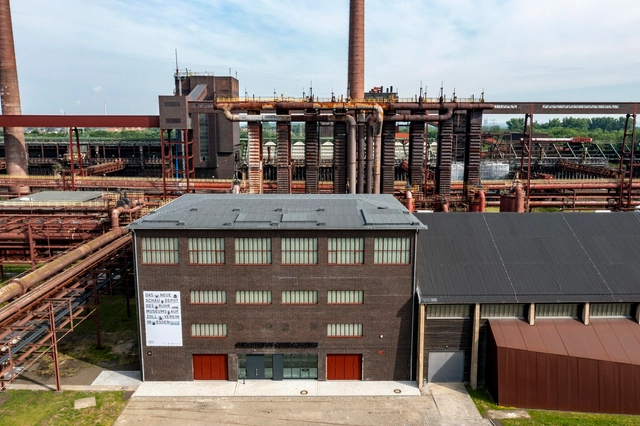
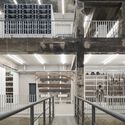
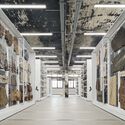
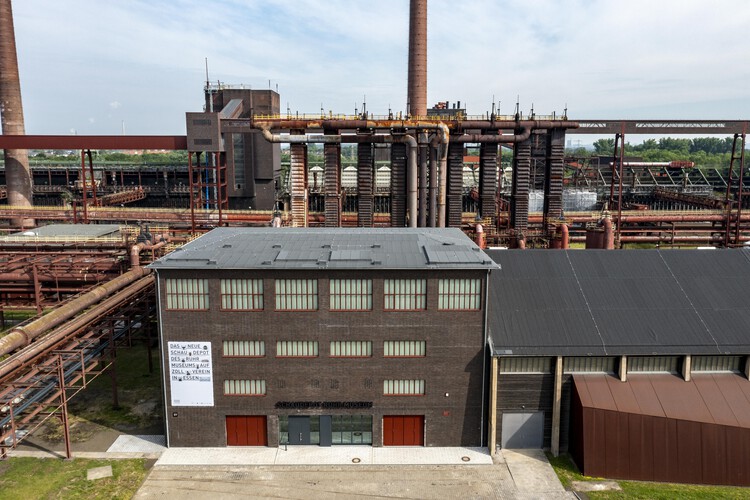
Once the largest coal mine in Europe, the Zollverein complex in Essen, Germany, has undergone a remarkable transformation over the past twenty-five years. What was once a landscape of abandoned industrial facilities is now a laboratory of contemporary architecture, featuring works by Rem Koolhaas, Norman Foster, and SANAA. Their interventions bridge the site’s industrial past with its imagined future. Spanning 100 hectares, the UNESCO World Heritage site has become a global model of adaptive reuse, redefining what it means to preserve industrial heritage. Within this context stands the Ruhr Museum and its enigmatic art repository, the Schaudepot. Located in the complex’s former salt factory, the museum impresses not only with its collection but also with its architecture, which transforms a 1960s industrial building into a vibrant cultural venue.

Because of its historical and architectural relevance, the project is featured in the 2025 edition of Open House Essen, under the theme “Future Heritage.” The initiative explores which spaces might shape our future architectural legacy and asks pressing questions: What should we preserve? What should we adapt? And how can we design a future that is both livable and fair?

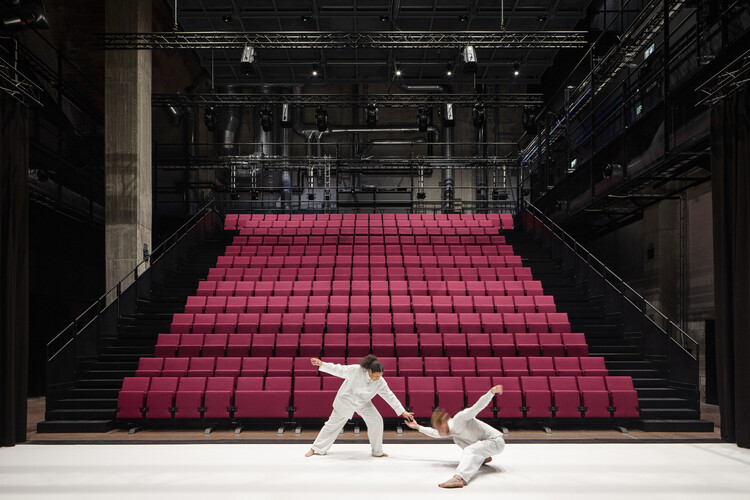
From Salt Factory to Art Museum: The Story Behind the Schaudepot in Essen, Germany - Imagem 1 de 4From Salt Factory to Art Museum: The Story Behind the Schaudepot in Essen, Germany - Imagem 2 de 4From Salt Factory to Art Museum: The Story Behind the Schaudepot in Essen, Germany - Imagem 3 de 4From Salt Factory to Art Museum: The Story Behind the Schaudepot in Essen, Germany - Imagem 4 de 4From Salt Factory to Art Museum: The Story Behind the Schaudepot in Essen, Germany - More Images+ 14

The New Museum Expansion by OMA to Open in Fall 2025 with Exhibition on Humanity

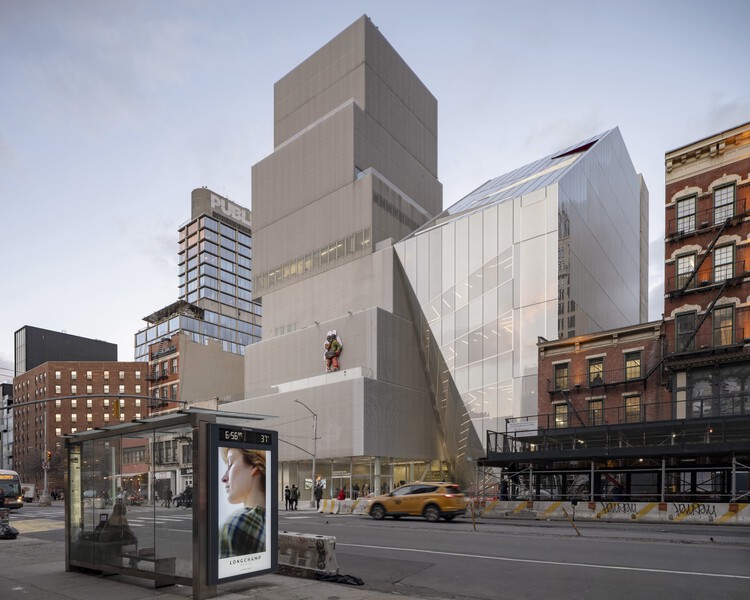
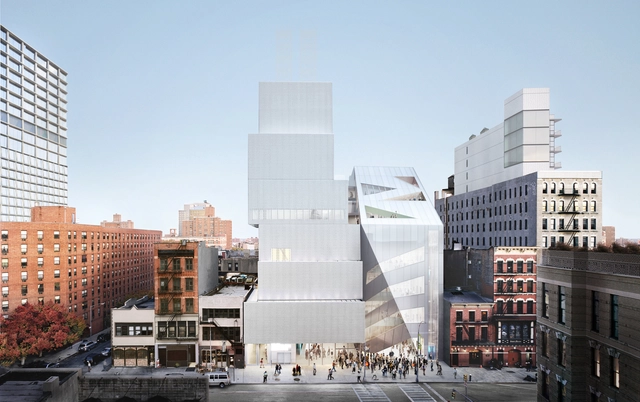
The New Museum is the only museum in New York City dedicated exclusively to contemporary art. From its beginnings as a one-room office on Hudson Street to the inauguration of its first freestanding building on the Bowery, designed by SANAA in 2007, it has evolved into a center for exhibitions, research, and documentation on international living artists. In 2017, Shohei Shigematsu and Rem Koolhaas of OMA were selected to design the New Museum's expansion. The first design images were released in 2019. This year, the Museum announced that its 60,000-square-foot expansion, designed in collaboration with Cooper Robertson, will open in fall 2025 with an exhibition exploring the very definition of humanity.
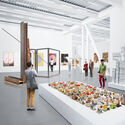
The New Museum Expansion by OMA to Open in Fall 2025 with Exhibition on Humanity - Image 1 of 4The New Museum Expansion by OMA to Open in Fall 2025 with Exhibition on Humanity - Image 2 of 4The New Museum Expansion by OMA to Open in Fall 2025 with Exhibition on Humanity - Image 3 of 4The New Museum Expansion by OMA to Open in Fall 2025 with Exhibition on Humanity - Image 4 of 4The New Museum Expansion by OMA to Open in Fall 2025 with Exhibition on Humanity - More Images+ 4

Exploring the Impact of Genetic Algorithm: An Interview with Luke Fox from Foster + Partners on Alibaba's Shanghai Office Building

Subscriber Access | 

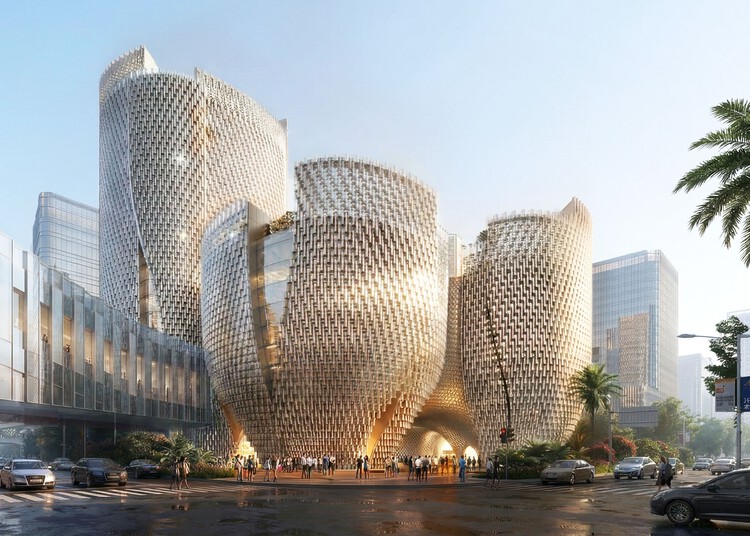
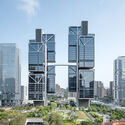
As humanity enters the AI-driven intelligent era, technology platform enterprises adopt more open and flexible modes of operation. Collaborative spaces such as creative incubators and informal exchange areas have become key places for practicing their operational philosophies. In the design of headquarters buildings, companies aim to engage with the public more deeply and convey their corporate culture and spirit, in addition to fulfilling daily office functions. Alibaba's new headquarters in Shanghai is located in the "Global Waterfront Lifestyle Demonstration Zone," at the heart of the West Bank Cultural Corridor. Positioned by the river and near the West Bank Media Port, Financial City, and other industrial hubs, the site integrates art with industrial heritage, bringing a unique historical and contemporary vibrancy to the area. The architecture around the park is "star-studded," with forward-thinking designs from renowned architectural firms worldwide. The three buildings of Alibaba Xuhui Riverside Campus, designed by SANAA, Foster + Partners, and SOM, are introducing new concepts and visions to Xuhui Riverside.
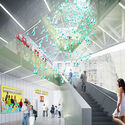
Exploring the Impact of Genetic Algorithm: An Interview with Luke Fox from Foster + Partners on Alibaba's Shanghai Office Building - Arch Daily InterviewsExploring the Impact of Genetic Algorithm: An Interview with Luke Fox from Foster + Partners on Alibaba's Shanghai Office Building - Arch Daily InterviewsExploring the Impact of Genetic Algorithm: An Interview with Luke Fox from Foster + Partners on Alibaba's Shanghai Office Building - Arch Daily InterviewsExploring the Impact of Genetic Algorithm: An Interview with Luke Fox from Foster + Partners on Alibaba's Shanghai Office Building - Arch Daily InterviewsExploring the Impact of Genetic Algorithm: An Interview with Luke Fox from Foster + Partners on Alibaba's Shanghai Office Building - More Images+ 11

SANAA Founders Kazuyo Sejima and Ryue Nishizawa Awarded the 2025 Le Prix Charlotte Perriand

Kazuyo Sejima and Ryue Nishizawa, founders of the renowned architecture firm SANAA, have been announced as the recipients of the 2025 Le Prix Charlotte Perriand by the Créateurs Design Awards. Announced today in Paris, France, the award honors exceptional contributions to modern architecture and design. Sejima and Nishizawa, known for their minimalist designs that integrate form, function, and the environment, continue to be recognized as innovators in the field, having been previously recognized with the prestigious Pritzker Architecture Prize in 2010. Sejima and Nishizawa will accept Le Prix Charlotte Perriand at the Créateurs Design Awards ceremony in Paris on January 18, 2025.

SANAA Founders Kazuyo Sejima and Ryue Nishizawa Awarded the 2025 Le Prix Charlotte Perriand - Image 1 of 4SANAA Founders Kazuyo Sejima and Ryue Nishizawa Awarded the 2025 Le Prix Charlotte Perriand - Image 2 of 4SANAA Founders Kazuyo Sejima and Ryue Nishizawa Awarded the 2025 Le Prix Charlotte Perriand - Image 3 of 4SANAA Founders Kazuyo Sejima and Ryue Nishizawa Awarded the 2025 Le Prix Charlotte Perriand - Image 4 of 4SANAA Founders Kazuyo Sejima and Ryue Nishizawa Awarded the 2025 Le Prix Charlotte Perriand - More Images+ 1

A Look Back at the 9 Japanese Architects Honored with the Pritzker Prize

Last week, Japanese architect and social advocate Riken Yamamoto was announced as the 2024 Pritzker Architecture Prize Laureate, becoming the 9th Japanese architect honored with the profession's most prestigious award. Throughout the 45-year history of the Pritzker Prize, Japan stands out as the nation with the highest number of laureates. While geography is not a criterion in the selection of the laureates, Japanese architecture consistently impresses with its interplay of light and shadow, the careful composition of spaces, soft transitions between interior and exterior, and attention to detail and materiality. An ingrained culture of building also celebrates diverse designs and encourages global dialogue and the exchange of ideas and best practices. Read on to rediscover the 9 Japanese Pritzker laureates and glimpse into their body of work.

A Look Back at the 9 Japanese Architects Honored with the Pritzker Prize - Image 1 of 4A Look Back at the 9 Japanese Architects Honored with the Pritzker Prize - Image 2 of 4A Look Back at the 9 Japanese Architects Honored with the Pritzker Prize - Image 3 of 4A Look Back at the 9 Japanese Architects Honored with the Pritzker Prize - Image 4 of 4A Look Back at the 9 Japanese Architects Honored with the Pritzker Prize - More Images+ 6

Kazuyo Sejima and Phyllis Lambert Are the Recipients of the 2023 Jane Drew and Ada Louise Huxtable Prizes Celebrating Women in Architecture

SANAA co-founder Kazuyo Sejima and influential Canadian architect Phyllis Lambert have been awarded the Jane Drew and Ada Louise Huxtable prizes, respectively, as a recognition of their work and commitment to design excellence and for raising the profile of women in architecture. The Jane Drew Prize for Architecture commends Kazuyo Sejima for her achievements as an architect, while the Ada Louise Huxtable Prize recognizes Phyllis Lamber’s contribution to the wider architectural industry. The two awards are presented by UK-based publications Architects’ Journal and The Architectural Review.

Kazuyo Sejima and Phyllis Lambert Are the Recipients of the 2023 Jane Drew and Ada Louise Huxtable Prizes Celebrating Women in Architecture - Image 1 of 4Kazuyo Sejima and Phyllis Lambert Are the Recipients of the 2023 Jane Drew and Ada Louise Huxtable Prizes Celebrating Women in Architecture - Image 2 of 4Kazuyo Sejima and Phyllis Lambert Are the Recipients of the 2023 Jane Drew and Ada Louise Huxtable Prizes Celebrating Women in Architecture - Image 3 of 4Kazuyo Sejima and Phyllis Lambert Are the Recipients of the 2023 Jane Drew and Ada Louise Huxtable Prizes Celebrating Women in Architecture - Image 4 of 4Kazuyo Sejima and Phyllis Lambert Are the Recipients of the 2023 Jane Drew and Ada Louise Huxtable Prizes Celebrating Women in Architecture - More Images+ 1

Reading Architecture in the Works of Venturi and SANAA

Architecture is never an accident. It is a carefully planned out scheme of patterns and styles that respond to natural surroundings, celebrate materiality, and/or are referential of stylistic movements throughout history- all a means of understanding why things are the way that they are. There are different ways to understand how to analyze architecture, through the use of diagrams, patterns, relationships, and proportions to name a few. To both architects and laypeople alike, there’s a subconscious desire for a decision-making structure in design. As a result, architecture has become an exercise in self-positioning- a microcosmic reflection of the world around us as seen in the designs we build.

Reading Architecture in the Works of Venturi and SANAA - Image 1 of 4Reading Architecture in the Works of Venturi and SANAA - Image 2 of 4Reading Architecture in the Works of Venturi and SANAA - Image 3 of 4Reading Architecture in the Works of Venturi and SANAA - Image 4 of 4Reading Architecture in the Works of Venturi and SANAA - More Images+ 3