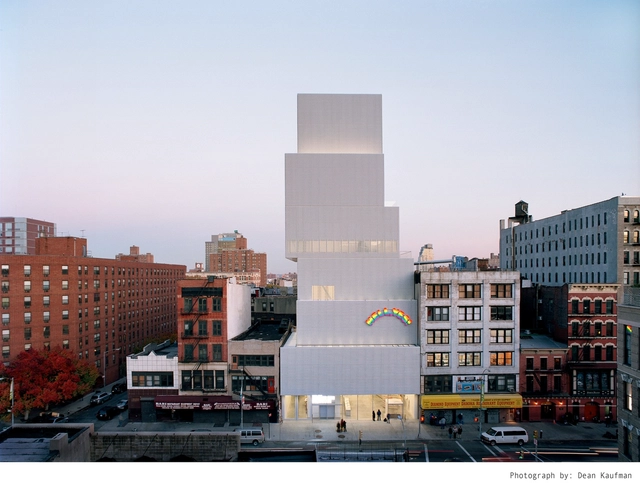
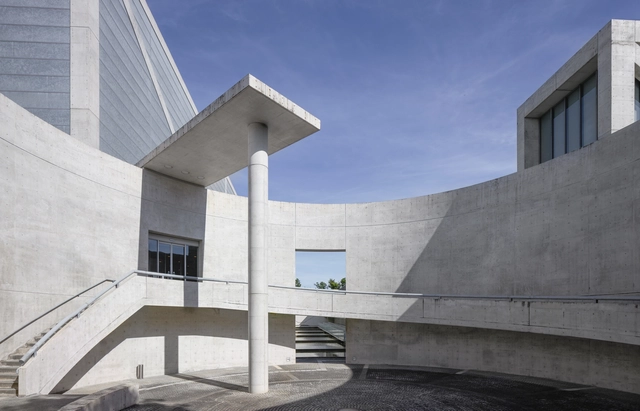
The Royal Institute of British Architects (RIBA) has announced that Japanese architects Kazuyo Sejima and Ryue Nishizawa, founders of the practice SANAA, will receive the 2025 Royal Gold Medal for architecture. Awarded on behalf of His Majesty the King, the medal is one of the highest honors in the field, recognizing what RIBA describes as SANAA's contribution to shaping contemporary architecture through simplicity, light, and refined design.
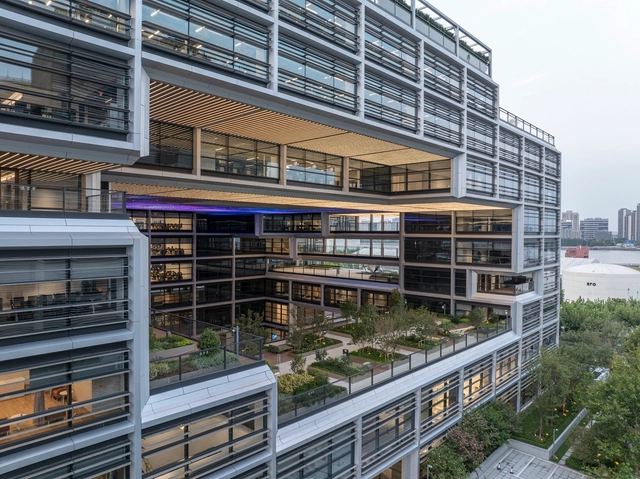
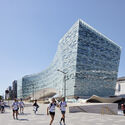
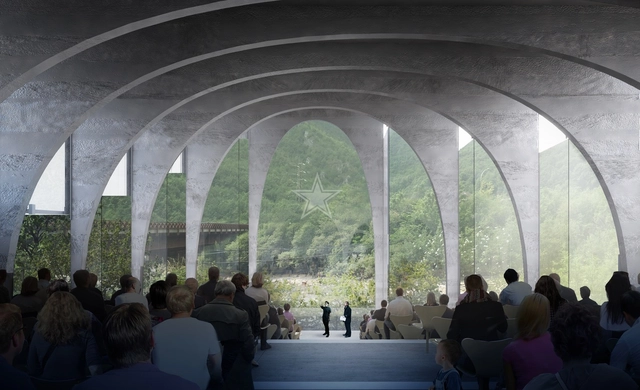
As humanity enters the AI-driven intelligent era, technology platform enterprises adopt more open and flexible modes of operation. Collaborative spaces such as creative incubators and informal exchange areas have become key places for practicing their operational philosophies. In the design of headquarters buildings, companies aim to engage with the public more deeply and convey their corporate culture and spirit, in addition to fulfilling daily office functions. Alibaba's new headquarters in Shanghai is located in the "Global Waterfront Lifestyle Demonstration Zone," at the heart of the West Bank Cultural Corridor. Positioned by the river and near the West Bank Media Port, Financial City, and other industrial hubs, the site integrates art with industrial heritage, bringing a unique historical and contemporary vibrancy to the area. The architecture around the park is "star-studded," with forward-thinking designs from renowned architectural firms worldwide. The three buildings of Alibaba Xuhui Riverside Campus, designed by SANAA, Foster + Partners, and SOM, are introducing new concepts and visions to Xuhui Riverside.
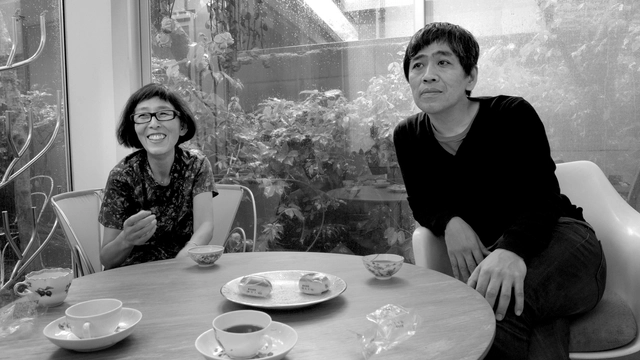
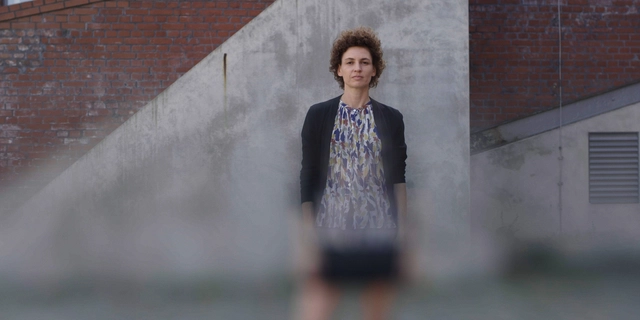
Beka & Lemoine’s Film Tokyo Ride Features Pritzker Prize Winner Ryue Nishizawa . Image Courtesy of Beka & Lemoine
Kazuyo Sejima and Ryue Nishizawa, founders of the renowned architecture firm SANAA, have been announced as the recipients of the 2025 Le Prix Charlotte Perriand by the Créateurs Design Awards. Announced today in Paris, France, the award honors exceptional contributions to modern architecture and design. Sejima and Nishizawa, known for their minimalist designs that integrate form, function, and the environment, continue to be recognized as innovators in the field, having been previously recognized with the prestigious Pritzker Architecture Prize in 2010. Sejima and Nishizawa will accept Le Prix Charlotte Perriand at the Créateurs Design Awards ceremony in Paris on January 18, 2025.
In 1900, Paris hosted its first Olympic games. It had been the second city to host them after the first Olympics in Athens. It was also the year of the Exposition Universelle, where the city would again showcase how it remade itself anew in less than 30 years. To this day, Paris remains a hub for all sorts of architectural innovation and development through bold designs that affect how people live and new materials and techniques. It fascinatingly juxtaposes grandeur and monumentalism with its predominately baroque, “second empire,” and art nouveau works; while also pushing for designs that strive for social living reforms such as in Le Corbusier’s experimental works or Lacaton & Vassal’s considerate interventions.
It’s this openness to the world that attracts not only millions of visitors a year but also innovators and architects who have set up shop in Paris and made it their second home. Once again, the city reworks itself as mass construction, renovation, and restoration sites culminate all over the city to host international athletes at the 2024 Olympics.
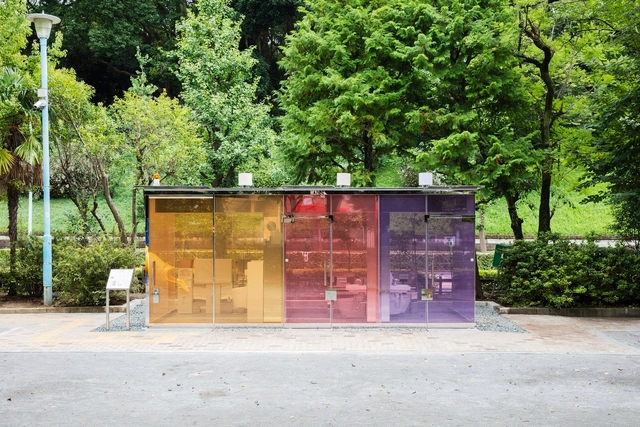
"A bathroom is a place where everyone is equal—there is no rich or poor, no old or young; everyone is part of humanity." This reflection was shared by Wim Wenders, exponent of New German Cinema and director of the filmPerfect Days (2023) when asked about the striking sets of his most recent work. Wenders selected Tokyo's public restrooms to craft a narrative that deeply explores themes of solitude, simplicity, and the beauty of everyday life.
The story follows Hirayama, a middle-aged man working as a public toilet cleaner in Tokyo. His life is simple and routine, yet filled with small pleasures and moments of reflection. This modest lifestyle contrasts with the technological, colorful, and innovative designs of the public restrooms he cleans every day.
Last week, Japanese architect and social advocate Riken Yamamoto was announced as the 2024 Pritzker Architecture Prize Laureate, becoming the 9th Japanese architect honored with the profession's most prestigious award. Throughout the 45-year history of the Pritzker Prize, Japan stands out as the nation with the highest number of laureates. While geography is not a criterion in the selection of the laureates, Japanese architecture consistently impresses with its interplay of light and shadow, the careful composition of spaces, soft transitions between interior and exterior, and attention to detail and materiality. An ingrained culture of building also celebrates diverse designs and encourages global dialogue and the exchange of ideas and best practices. Read on to rediscover the 9 Japanese Pritzker laureates and glimpse into their body of work.
SANAA co-founder Kazuyo Sejima and influential Canadian architect Phyllis Lambert have been awarded the Jane Drew and Ada Louise Huxtable prizes, respectively, as a recognition of their work and commitment to design excellence and for raising the profile of women in architecture. The Jane Drew Prize for Architecture commends Kazuyo Sejima for her achievements as an architect, while the Ada Louise Huxtable Prize recognizes Phyllis Lamber’s contribution to the wider architectural industry. The two awards are presented by UK-based publications Architects’ Journal and The Architectural Review.
Architecture is never an accident. It is a carefully planned out scheme of patterns and styles that respond to natural surroundings, celebrate materiality, and/or are referential of stylistic movements throughout history- all a means of understanding why things are the way that they are. There are different ways to understand how to analyze architecture, through the use of diagrams, patterns, relationships, and proportions to name a few. To both architects and laypeople alike, there’s a subconscious desire for a decision-making structure in design. As a result, architecture has become an exercise in self-positioning- a microcosmic reflection of the world around us as seen in the designs we build.
Once again in its eighth edition, the Prix Versailles 2022 awards have honored the best achievements in contemporary architecture. A total of 24 projects from different parts of the world have been highlighted paying tribute to innovation, creativity, the reflection of local heritage, eco-efficiency, and the values of social interaction and participation upheld by the United Nations and aligned with the principles of intelligent sustainability considering the ecological, social and cultural impacts that surround the projects.
As the new year begins, we look forward to the most exciting projects planned to open in 2023. The world's second-tallest tower is currently under construction in Malaysia; Egypt is almost ready to open its largest archeological museum, while MVRDV is currently renovating a large-scale brutalist landmark in Albania. Featuring internationally renown architectural offices such as Snøhetta, OMA, Studio Gang, Zaha Hadid Architects, BIG, along with the latest winner of the Pritzker Prize, Francis Kéré, the following selection presents projects from all around the world. They also range in scale and program, from international airports to sculptural arts galleries or museum expansions.
Several projects presented here have also featured in the previous year's compilation. Resource availability and labor issues generated by the pandemic have also continued to influence opening schedules, but with a diminishing impact. Following the predicted trends for 2023, more and more projects involve the adaptive reuse of existing structures. An underlying theme is visible in the increased interest in expanding artistic and cultural venues and integrating historical heritage into the expression of contemporary architecture.
From ending up by accident in architectural studies, to eventually falling in love with the complexity of the field and the multitude of its layers, Johanna Meyer-Grohbrügge was amazed by the dual nature of architecture; its intellectual aspect, and physical outcome. Founder of Meyer-Grohbrügge in Berlin, the architect, and her studio seek to spatialize content, create relationships, and find solutions for living together.
If you’ve been avoiding some of the latest news recently, here’s a quick update; European and North American countries have been facing one of the hottest recorded summers in modern history. Discussions over the climate crises have therefore been reignited and so has the role of the design and construction industry in providing solutions that would mitigate the experienced heat effects in our daily lives. While passive cooling solutions have always been used in some parts of the world, where local resources and vernacular builds are adapted to high temperatures, other regions are looking to technological and innovative manufacturing means that would maintain human comfort, aesthetic values, and energy efficiency/ cost.
Although early modernism with its signature high-rises and glass houses had made us think that glass enveloped buildings are mostly uncomfortable, over-exposed, and overheating settings; nowadays glass manufacturers are proving that glass, if well treated and well-placed, can be as versatile and efficient a material as one could want without compromising the visual comfort or the dwellers.
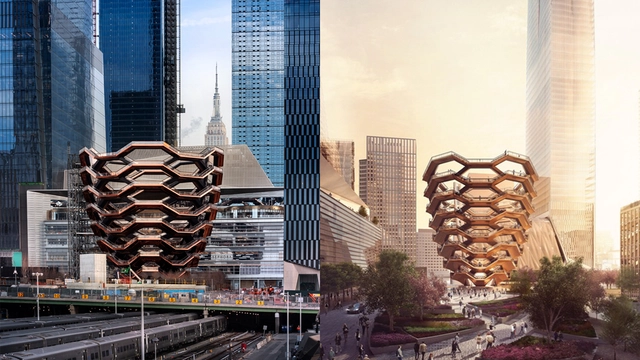
As the largest city in the United States, New York City is one of the most diverse and vibrant cities in the world, recognized by many as the center for global media, culture, fashion art, and finance. The city was founded in 1624 by settlers from the Dutch Republic and has since grown into “the city that never sleeps”.
While almost every style of architecture exists in New York City, the metropolis is most well known for its skyscrapers, both in historical styles such as Neoclassical and Art Deco and in their varied contemporary expressions. The first building to bring the world's tallest title to New York was the New York World Building, in 1890. Later, New York City was home to the world's tallest building for 75 continuous years, starting with the Park Row Building in 1899.
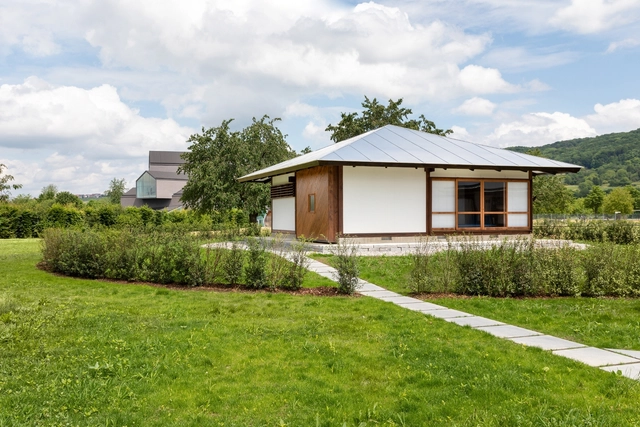
One of Japanese architect Kazuo Shinohara’s iconic architectures, designed under the so-called "First Style" has now been reconstructed on the Vitra Campus in Weil am Rhein. The Umbrella House, originally built in Tokyo in 1961, will serve as a venue for small gatherings on the campus, offering visitors insights on modern Japanese architecture. After the geodesic dome by Buckminster Fuller/George Howard in 1975, and a petrol station by Jean Prouvé in 1953, the project is the third historic building to be reconstructed on the Vitra Campus.
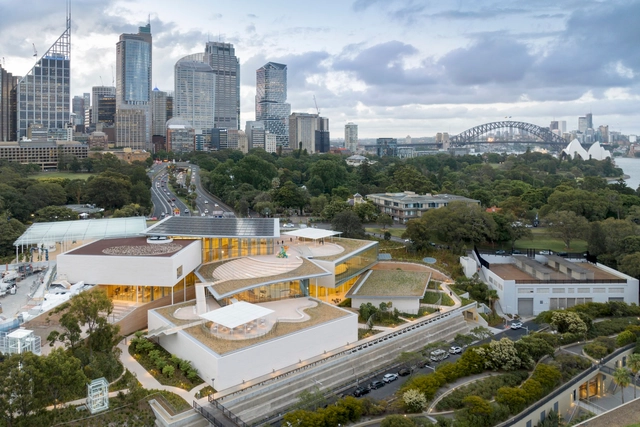
The Art Gallery of New South Wales expansion designed by SANAA is set to open to the public on December 3rd, 2022. The project, dubbed Sydney Modern Project and first revealed in 2019, is the most significant cultural development in the city in almost five decades since the opening of the Sydney Opera house. The new building designed by SANAA, together with Australian practice Architectus as executive architect, features a series of pavilions of various sizes and gallery volumes cascading towards the harbour. The structure that opens toward its surroundings is designed to provide a backdrop for 21st-century art.
It is nearly impossible nowadays not to present accompanying renders when proposing a new project. No matter the method, software or style that is used, it is a valuable reference that bares more practical weight than one might think. Not only can it be one of the closest possible representations of the architect's vision, if approved, it can also become a promise to clients, investors, and the general public.
When it comes to works from renowned architects, the render becomes a critical reference to the project participants and to the expectant community. A lot of details can be developed and considered when creating the images. In most cases, special attention is brought to the lighting, materials, and context in order to make the most accurate representation possible.
As the new year kicks off, we're taking a look ahead to the projects we're most looking forward to in 2022. With a mix of cultural and commercial programs, the designs are located across five continents, with many under construction for multiple years. Designed across a wide range of scales, they represent a mix of interconnected landscapes, museums, and new skyscrapers.