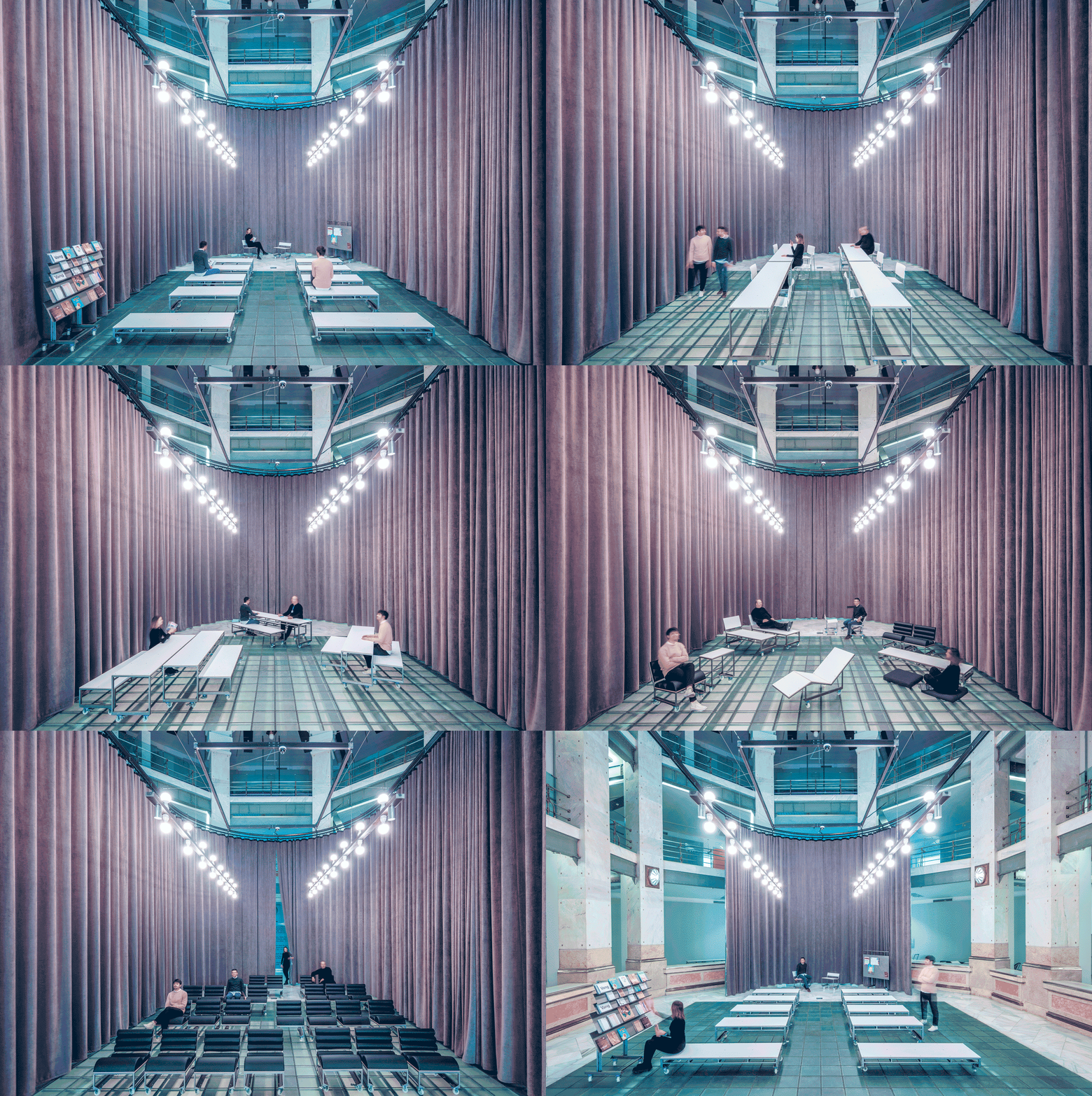
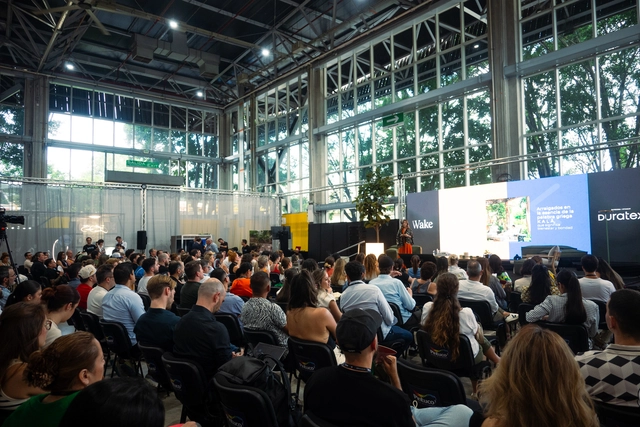
Walking into an electrical store can be intimidating. At first glance, all the lights are on, and the thousands of chandeliers and lamps are blinding. When you walk toward the shelves, you see dozens of options, shapes, colors, prices, and uses. On each package, informational tables display numbers that can seem confusing at first. Lumens, color temperature, wattage—there are many unfamiliar terms. Before defaulting to the cheapest option, only to find that it creates an uncomfortable or poorly balanced atmosphere, understanding a few key concepts can make a significant difference.
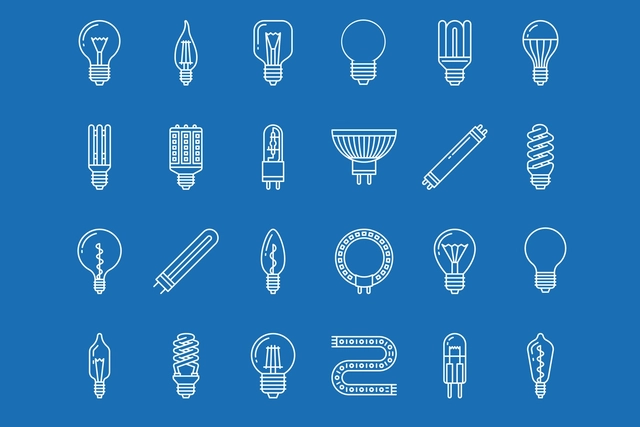
Lighting design plays a fundamental role in shaping how spaces are perceived and used, influencing comfort, atmosphere, and even productivity. Poorly designed lighting, on the other hand, can compromise these qualities. Rather than approaching lighting as a purely technical decision, it can be understood as an integral part of architectural design. To help clarify these choices, the following overview introduces the most common types of light sources and key concepts associated with them.
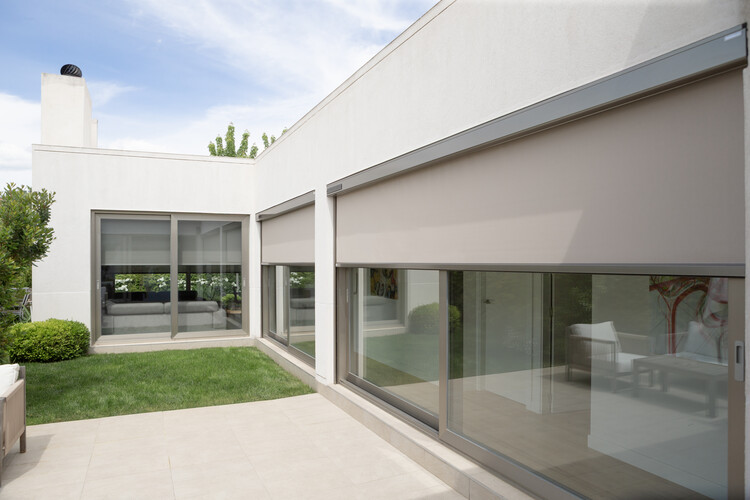
In South China, there is occasionally an urban myth—especially across Hong Kong, Shenzhen, and Guangzhou—about choosing a home that avoids western light. Over decades, the west-facing sun has proven to be a particularly difficult condition to live with: its low angle in the afternoon, its aggressive heat gain (especially in summer), and the way it penetrates deep into interiors. With global warming and longer, hotter seasons, that much-romanticized "afternoon glow" is increasingly experienced less as romance and more as glare, heat, and fatigue. Although this wisdom circulates as a community-driven rule of thumb, it carries an undeniable architectural clarity about building orientations: avoiding western light is not only about thermal comfort, but also about avoiding the sharpest, most intrusive form of direct illumination—light that strikes at the most unforgiving angle, washing surfaces, flattening depth, and turning rooms into high-contrast fields of discomfort.
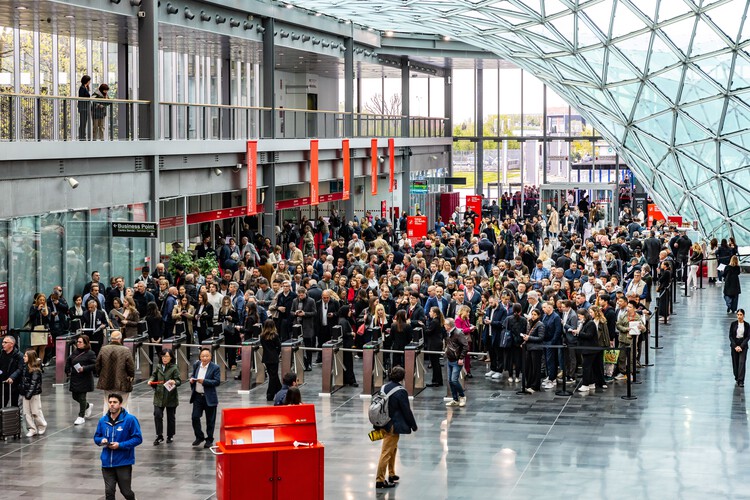
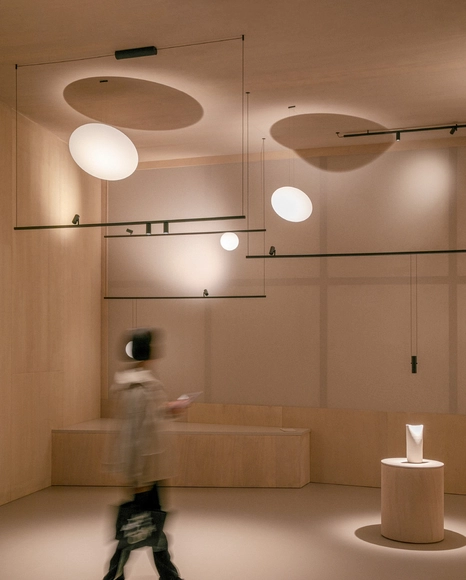
At Light + Building 2026 in Frankfurt, OPPLE Lighting marked its 30th anniversary with an architectural proposition rather than a retrospective. Presented under the theme "Hi Light!," the company unveiled Light as Cloud, a booth designed by OMA. The installation also served as the international debut platform for OLL, OPPLE's new high-end design brand. Rather than functioning as a conventional product display, the project positioned light as a spatial system—one that shapes architecture, circulation, and perception.
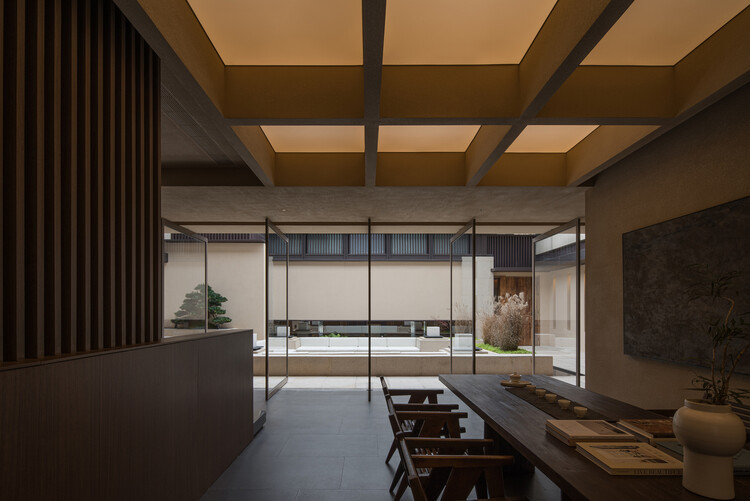
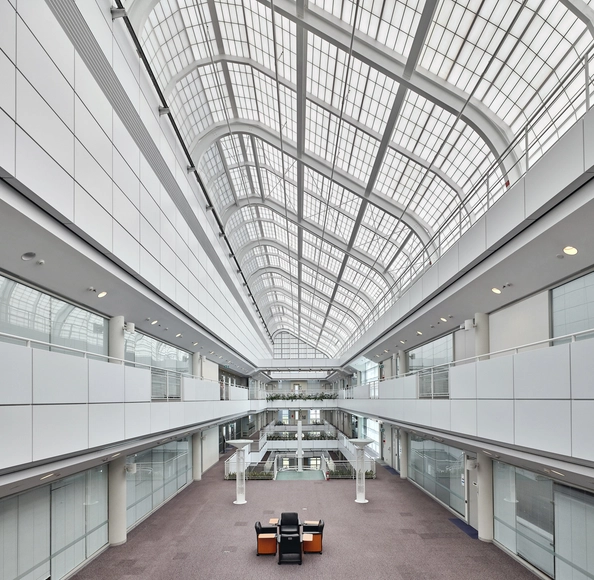
From the large industrial roofs and galleries of the 19th century to the contemporary atriums of museums and public buildings, glass has been a recurring material in shaping large and monumental interior spaces. More than a technological or engineering solution, these horizontal glazed planes introduce a distinct luminous quality: light that comes from above. Unlike lateral daylight entering through façades, zenithal light is more evenly distributed, reduces harsh shadows, and lends spaces a sense of continuity and openness that is difficult to achieve otherwise.
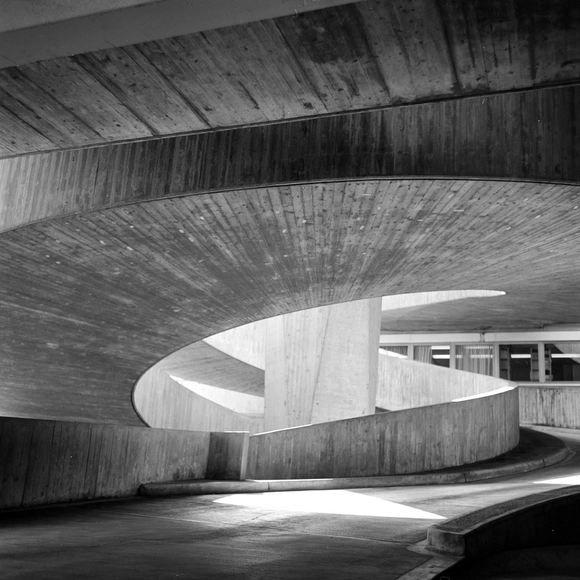
Taking a deeper look at the interplay of light and shadow in architecture seems to be a recurring topic on the agenda of many professionals in the field. Spaces of light and darkness are conceived to enhance circulation and spatial directionality, as well as to highlight the colors, textures, and forms of specific architectural elements. That said, the impact of natural light on building facades reveals the need to develop strategies that support energy savings, improve the thermal and visual comfort of interior spaces, and promote the reduction of carbon emissions. Considering light as another material in architecture, in what ways could its power contribute to the architectural experience?
Dedicated to high-end lighting specification, the UK's trade show LiGHT 25 will return to the Business Design Center in Islington, London, on November 19–20, 2025. Following LiGHT 24, which attracted more than 5,500 visitors, this year's edition will feature an expanded program of innovation, education, and networking opportunities. Key highlights for 2025 include the introduction of the Technical Zone, the return of the Associations Lounge, and a new large-scale immersive light art installation.
Innovation is at the core of architecture, expressed through new approaches to design, material experimentation, and, of course, ways of living. As a result, the conception of buildings and indoor spaces is constantly evolving. This evolution is especially evident in regions with a rich cultural heritage, such as Spain, where innovation reinterprets traditional ways of relating to space. This attentiveness to memory and daily life extends into interiors, where each intervention has the potential to actively reshape how people experience a space and open new possibilities for living and interaction.
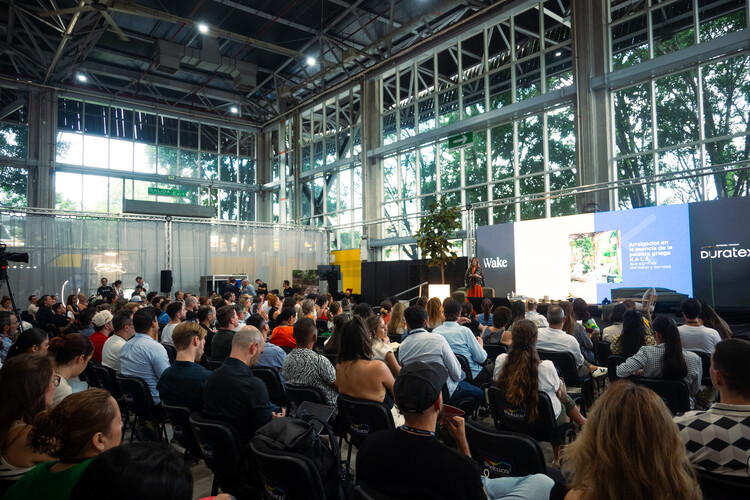
Asking questions is the first step toward challenging what we take for granted and opening up new possibilities for planning and building. These questions, valuable in themselves, gain new strength when shared and examined through different perspectives. As they intersect with the experiences of professionals and brands, they weave together viewpoints that enrich the discussion. Design fairs and events around the world have become spaces where these conversations gain momentum, fostering connections and encouraging collaborative dynamics. In this landscape, Colombia has emerged as a hub, serving as a platform that promotes architecture and design across Latin America and the Caribbean while bringing the region's voice to the global stage.
For over five decades, Swiss photographer Thomas Mayer has developed a serene, emotional, and documentary language for architecture. His lens captures the random and memorable moments of our built environment - reflections in the rain, long blue hours in Nordic summers, and the quiet darkness of sacred spaces. Recognized by ArchDaily as one of the top architectural photographers, Mayer carries an abundant fascination for light and space.
The 2025 edition of Milan Design Week took place from April 8 to April 13, 2025. During these five days, the city of Milan hosted special events, exhibitions, installations, and discussions centered on the creative disciplines, including the 63rd edition of the Salone del Mobile at Fiera Milano fairgrounds. Among the numerous activities, the event serves as an ideal opportunity to introduce the latest trends and showcase upcoming pieces from brands and designers worldwide. Among the new releases and product launches, the ArchDaily team identified a selection of products designed by architects, ranging from lighting and furniture systems to materials and small objects.
This week, Milan once again becomes the global center of the design industry as the 63rd edition of Salone del Mobile.Milano unfolds at Fiera Milano, Rho. Running from April 8 to 13, the event welcomes over 2,100 exhibitors from 37 countries across 169,000 square meters of sold-out exhibition space. With a focus on sustainability, global outreach, and cultural programming, Salone del Mobile.Milano 2025 continues to evolve as both a marketplace and a space for critical reflection on the future of design. Featuring a notable number of first-time participants, 168 new brands, and a return of 91 previous exhibitors, the Salone continues to act as a key platform for international dialogue, innovation, and industry exchange. The ArchDaily team is on site to follow this year's highlights and share updates throughout the week.
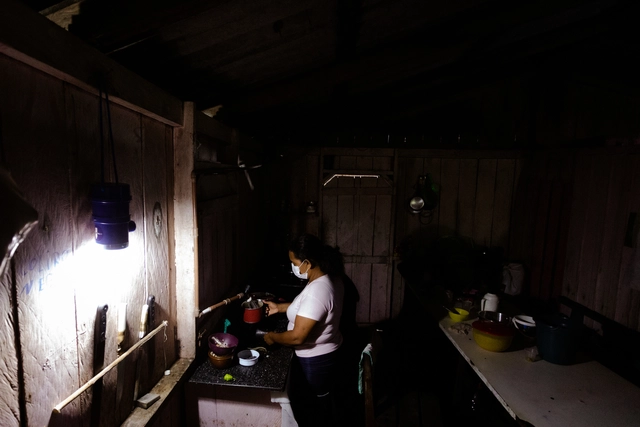
Sometimes, the simplest solutions are the most revolutionary and impactful. During Brazil's energy crisis in 2002, mechanic Alfredo Moser developed an accessible and effective way to illuminate indoor spaces during the day. Using only a PET bottle installed on the roof, filled with water and bleach, he harnessed the refraction of sunlight to bring brightness to spaces previously immersed in darkness. In self-built homes, where successive extensions often compromise natural light and ventilation, this solution makes a significant difference. Named the "Moser lamp," the invention produces illumination equivalent to a 60W bulb and gained worldwide recognition through various reports. Since then, the project has continued to evolve and adapt to the needs of modern communities, transforming lives through a solution that is as simple as it is highly intelligent.
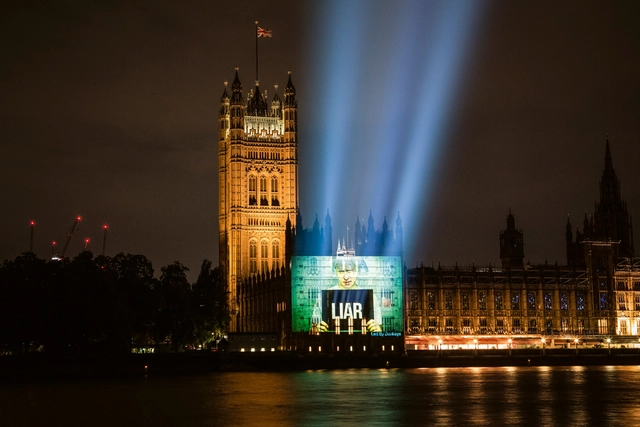
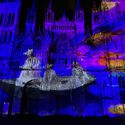
The creative fusion of art and activism in urban spaces has propelled the British collective Led by Donkeys into the spotlight, garnering millions of views for their interventions on social media. Their critical visual occupations - whether billboard messages during the day or large-scale projections at night - raise a compelling question: which medium holds the greater persuasive power? The book "Led by Donkeys: Adventures in Art, Activism and Accountability" offers a deep dive into their conceptual approach, charting their rapid evolution over six years. What began as a London-based response to Brexit has expanded into a global critique of political hypocrisy, addressing issues in Europe, the Middle East, and America. For Peter Weibel, former director of the ZKM Center for Art and Media in Karlsruhe, Germany, the innovative fusion of activism and art—or "Artivism"—represents the first new art form of the 21st century. Years of experience in environmental activism provided the group with crucial insights into the mechanics of political communication, the organization of public interventions, and the challenges of achieving meaningful societal change.
When designing and lighting a space, is the goal to fulfill a specific requirement or to be creative? Both perspectives hold merit; however, a unifying principle should always prevail: people must remain at the center of everything we do. Today, it is well understood that our environment significantly influences our well-being, affecting mood and performance, even in challenging contexts such as outer space. While this standpoint has encompassed anthropometric and biological aspects, new approaches are expanding design beyond the tangible. Lighting is now used to shape atmospheres that resonate deeply with our emotions.
https://www.archdaily.com/1022444/shaping-atmospheres-with-lighting-a-human-centered-approach-to-emotional-designEnrique Tovar
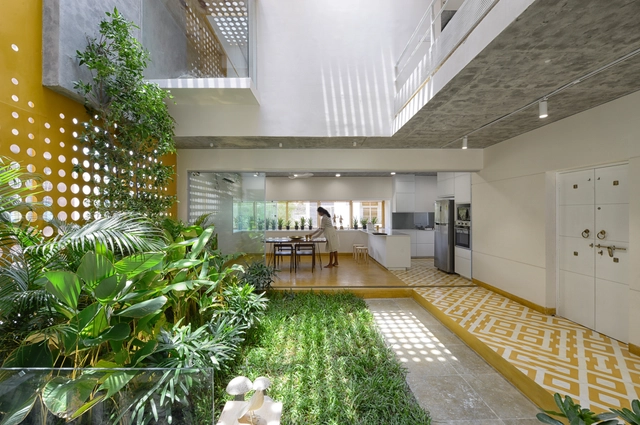
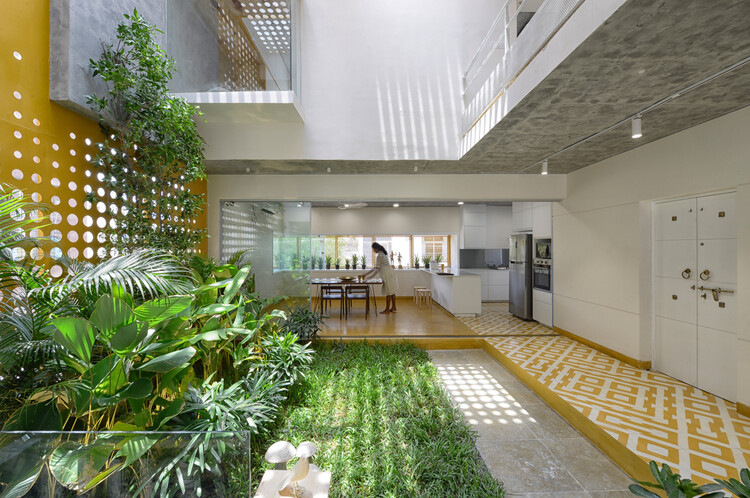
The Pantheon in Rome is a true architectural masterpiece and holds the title of the largest unreinforced concrete dome in the world. Among its most remarkable elements is the central oculus — an 8.2-meter-wide opening at the top of the dome that allows natural light to enter. This creates a dynamic play of light and shadow that shifts throughout the day, enhancing the grandeur of the structure. Beyond its practical function, the oculus establishes a symbolic connection between the earthly and the divine, reflecting the Pantheon's original purpose as a temple dedicated to all gods. In fact, toplighting, which introduces natural light from above through skylights, domes, or other upper openings, contrasts with traditional windows, which capture light horizontally. By capturing direct sunlight, toplighting provides soft, diffuse illumination, creating more welcoming environments with better energy efficiency and a positive impact on mood and productivity.
Barragán, Bofill, Graves, and Le Corbusier are architects renowned for their exceptional and sensitive use of color. In their approaches, color takes on an importance comparable almost to functionality, achieved through a nuanced and comprehensive perception of their context. But what is color? From a technical standpoint, it is a visual perception that arises from the interaction of light with our eyes and brain. However, when we explore its meaning on a more emotional and poetic level, it takes on a deeper significance. For Ricardo Bofill, color infuses life into architecture, while for Charles-Édouard Jeanneret, —better known as Le Corbusier—, it serves as a powerful tool to evoke emotions and create spatial illusions.
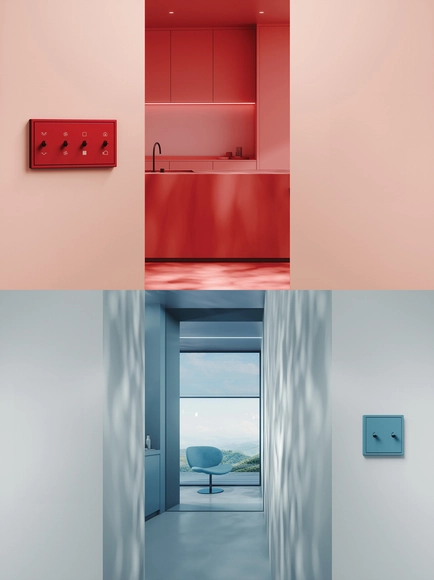
In 'Polychromie Architecturale' Le Corbusier argues that color is not only a decorative element but also a fundamental tool for creating environments and enhancing the functionality of architectural spaces. This idea, developed between 1931 and 1959, is articulated around a system composed of a range of colors, where each tone has its relevance and contributes to creating atmospheres that transcend mere architectural design. An example is JUNG's LS 1912 toggle switch range, which combines classic design with advanced control options and showcases the diverse hue variants of the 63 colors in Le Corbusier's color system.
https://www.archdaily.com/1021935/smart-and-retro-advanced-toggle-switches-harmonized-with-le-corbusiers-color-systemEnrique Tovar
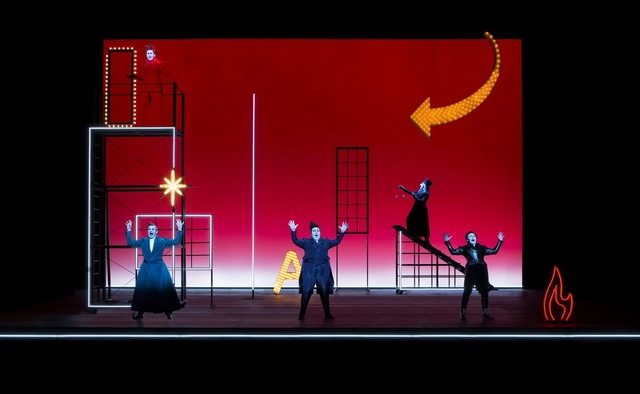
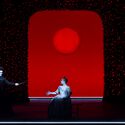
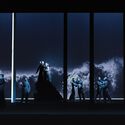
Robert Wilson embodies the roles of director, set designer, scenographer, lighting designer, and architect in a single figure. Internationally celebrated as a pioneer of stage lighting and honored with numerous prestigious awards, including the Golden Lion of the Venice Biennale and the Praemium Imperiale, Wilson, now in his eighties, continues to travel the world, staging remarkable productions. His use of light and color is marked by precision and minimalism, creating scenes that skillfully oscillate between stillness and drama. During rehearsals at the Düsseldorf Schauspielhaus, he elaborates on the interplay between stage and architecture, his creative process, and the profound impact of light on darkness.