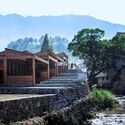
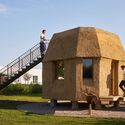
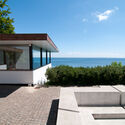
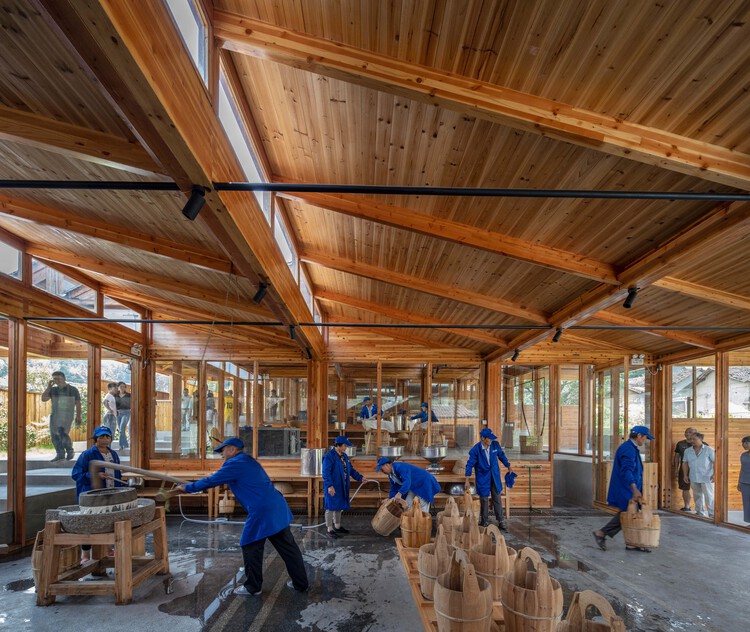
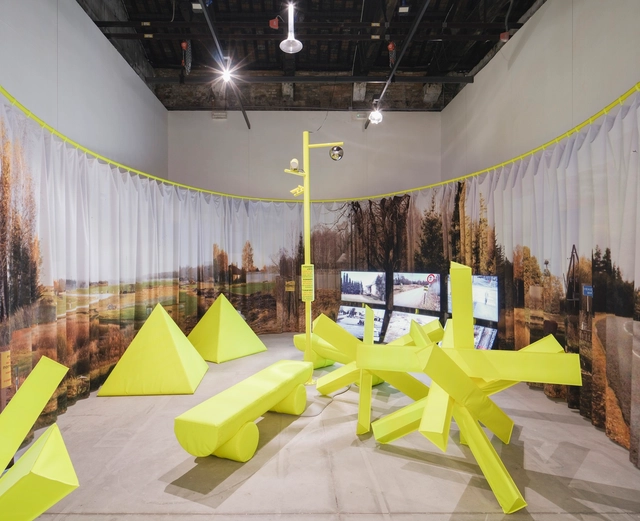
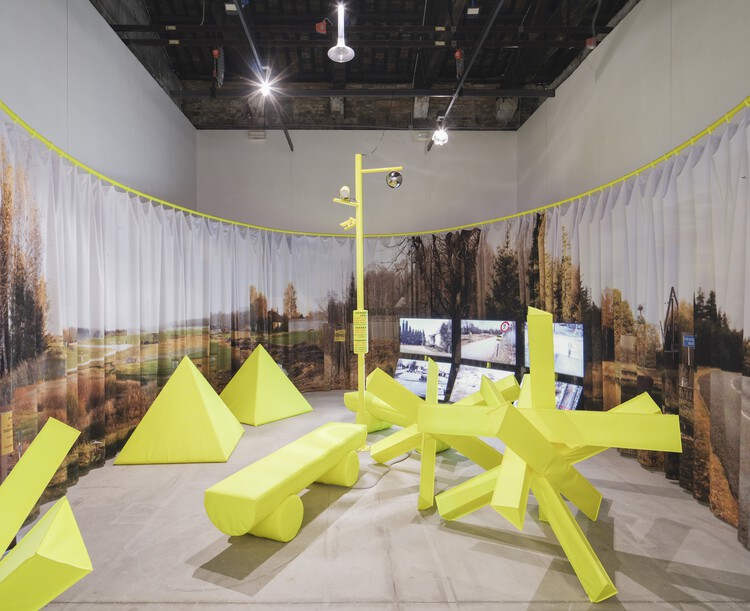
The Louisiana Museum of Modern Art will inaugurate, on January 22, 2026, the second exhibition in its Architecture Connecting series, focusing on the discipline's relationship with science and research across a wide range of fields, including biology, neuroscience, and anthropology. The first exhibition in the series, Living Structures (2024–2025), featured ecoLogicStudio, Atelier LUMA, and Jenny Sabin Studio, highlighting their work at the intersection of algorithms and nature and their development of methods that re-evaluate sustainable architecture and climate considerations. This second exhibition, titled Memoryscapes, explores the memories, stories, and traditions informing the working methodologies of Xu Tiantian's DnA_Design and Architecture (Beijing) and ATTA – Atelier Tsuyoshi Tane Architects (Paris).
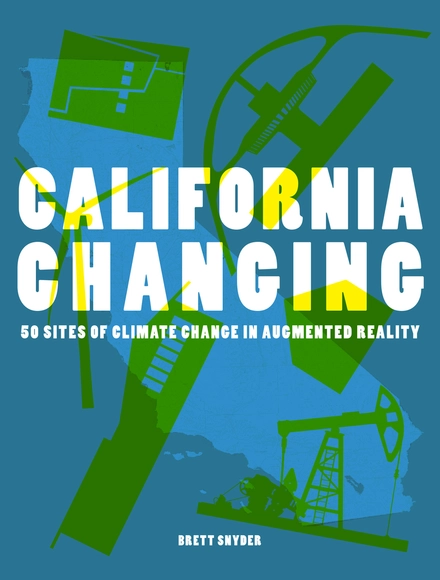
The state of California has emerged as a pioneering force in designing for climate change, yet it has also faced the devastating impacts of numerous climate-related disasters, including droughts, wildfires, and rising sea levels. This book offers a unique climate change tour, delving into architectural scale sites across the state. From innovative houses using sustainable techniques to historical locations ravaged by the combined forces of drought and wildfire, the book explores a range of poignant examples. The main visual contents are a set of architectural site illustrations that are each enhanced by an augmented reality component showcasing the interplay between past, present, and future scenarios. The publication caters to architects, landscape architects, planners, design enthusiasts and general audiences alike, fostering a curiosity about climate change and its relevance to our daily lives.
Visited by up to 500 guests annually, this number promises to increase with additional garden club registrations and publicity. Stunning photographs and the book’s elegant design take readers on an exquisite visual tour of the property and its development, including the origins and culture of its owners—Douglas Hamilton former president and chairman of The Walters Museum in Maryland and Tsognie Wangmo, the eldest child of the last king of Sikkim, shortly before the Himalayan royal kingdom was taken over by India.
Media Matters in Landscape Architecture makes a unique contribution to landscape architectural praxis for its explicit framing of “environmental media” in terms of its dual meaning within our discipline. In the sciences, environmental media are the materials of the natural world—soils, air, water, plants, microbes. Within STS and media studies, “environmental media” refers broadly to the relationship between environmental issues—such as pollution, biodiversity loss, climate change—and the creation and application of the tools, interfaces, and images, through which information about these issues is conveyed. This book focuses on how these two distinct understandings of environmental media coalesce within the discipline of landscape architecture and other spatial design fields. Authors from a wide range of disciplines—landscape architecture, media studies, science and technology studies, history of science, engineering, ecology, and architecture—examine how the creation and use of data, images, and models act as the mediums through which a particular understanding of “environment” or “landscape” arises. This framing of environmental media emphasizes the relationships among various design media and the specific material and social environments within which they operate.
Amid countless questions, reflections, and debates about rethinking what a hotel can be, current hotel architecture faces growing complexities that span user experience, environmental responsibility, and the relationship with local context. Contemporary hotel design shows a clear—and increasingly prominent—intention to blend seamlessly and harmoniously with its surroundings, building a sense of identity that responds to local cultures, traditions, and character. The interconnection with nature, along with the reinterpretation of hotels as spaces for engaging with their surroundings, creates a direct relationship that expands their boundaries beyond the history and origins of the many practices that have shaped—and continue to define—their local characteristics and philosophy of life.
In a time when many hotels are designed to look like destinations, the real challenge is to design hotels that grow from their destination. But how can large-scale urban projects be integrated into sensitive landscapes without overpowering them? How is it possible to build with density while preserving a sense of intimacy and create identity in places that already carry strong local character?
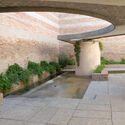
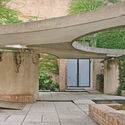
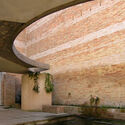
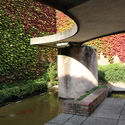
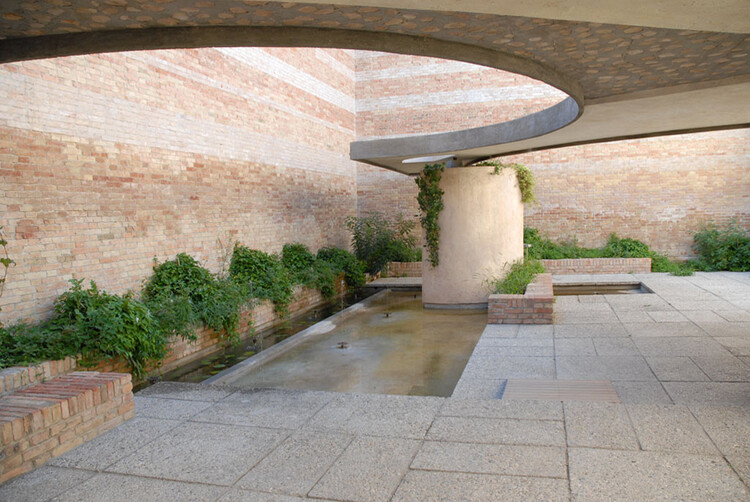
Giardino delle Sculture / Carlo Scarpa. Image by Jean-Pierre Dalbéra [Flickr under license CC BY-NC 2.0]
When we think of Venice, familiar images come to mind: Piazza San Marco, winding canals, and the reflection of Byzantine domes on still waters. Few, however, imagine that among those reflections lies a discreet chapter of Italian modernity — the architecture of Carlo Scarpa.
The ultimate accolades of World Building of the Year supported by GROHE, World Interior of the Year, Future Project of the Year and Landscape of the Year were announced today as hundreds of architects from across the world convened at a grand finale Gala Dinner at Miami Beach Convention Center in Florida. A host of Special Prizes, including the American Beauty Prize supported by the Royal Fine Art Commission Trust, were also announced at the closing event to celebrate the eighteenth edition of the festival. The announcement follows the final day of WAF, in which prize winners across all 43 categories have been competing for the winning titles.
https://www.archdaily.com/1036083/world-building-of-the-year-and-interior-of-the-year-revealed-at-world-architecture-festival-2025Enrique Tovar
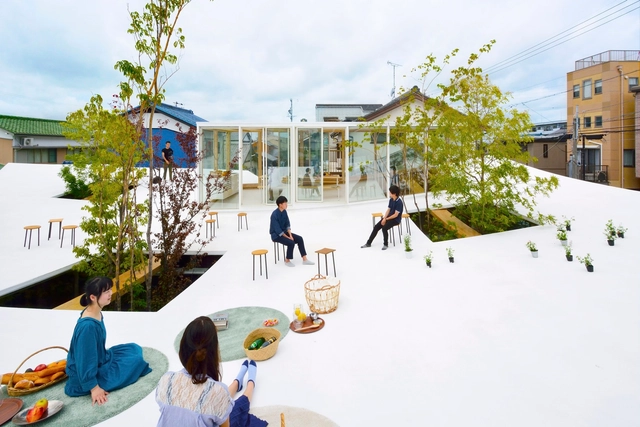
Office in Sanno / Studio Velocity. Image Courtesy of Studio Velocity
Historically, architecture and the built environment have insisted on creating flat, hard surfaces. In earlier eras, walking without paved ground meant mud-caked shoes, uneven footing, tripping hazards, standing water after rain, and high maintenance. Hence, as we shaped cities, we prioritized a smooth, continuous, solid horizontal datum. The benefits are real: easier walking, simpler cleaning, and straightforward programming—furniture, equipment, and partitions all prefer a level base. This universal preference for building on flat ground remains the norm and, for many practical reasons, will likely continue to be.
What's less recognized is that making a truly flat surface is surprisingly difficult—and many well-executed "flat" floors aren't perfectly flat at all. They are often gently sloped, calibrated to precise gradients for drainage. While interior spaces do not always require this, many ground floors and wet areas do incorporate subtle inclines as a safeguard—whether for minor flooding or to manage water that overflows from the street or plumbing when one of the discharge systems is malfunctioning.
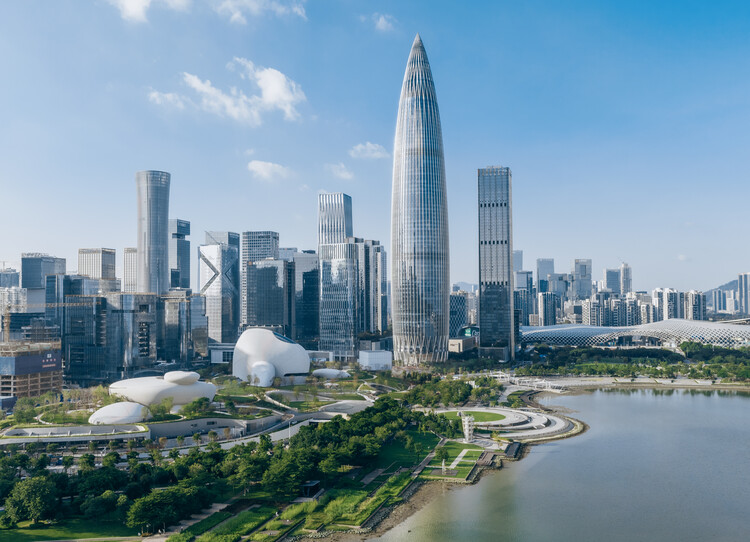
Shenzhen is China's first Special Economic Zone(SEZ), serving as a window for China's Reform and Opening-up and an emerging immigrant city. It has evolved into an influential, modern, and international metropolis, creating the world-renowned "Shenzhen Speed" and earning the reputation of the "City of Design." Architectural design stands as the most intuitive expression of Shenzhen's spirit of integration and innovation. Over the past decade (2015-2025), the development of urban architecture in Shenzhen has closely integrated with its open and inclusive urban character, ecological advantages of being nestled between mountains and the sea, and the local spirit of blending traditional culture with innovative technology, showcasing Shenzhen's unique charm and robust vitality across multiple dimensions.
Quarries can be seen as indelible abandoned scars of human resource extraction. Man-made spaces, perceived as voids, and material gain, have fundamentally shaped our accelerating built environment. All the while, the earth stands still as a silent witness. For decades, these open-pit mines have been viewed as a necessary consequence of consumerism and urban growth, their raw, imposing forms a testament to the large-scale extraction of materials essential for building our cities. However, a global architectural movement is now emerging to engage with these existing forms, transforming these subtractive spaces into sites of innovation, collaboration, and renewed purpose.
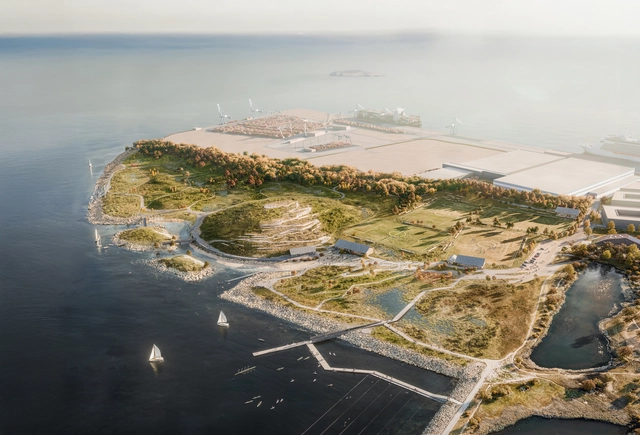
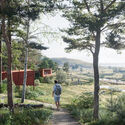
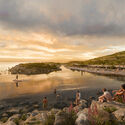
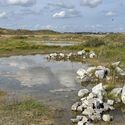
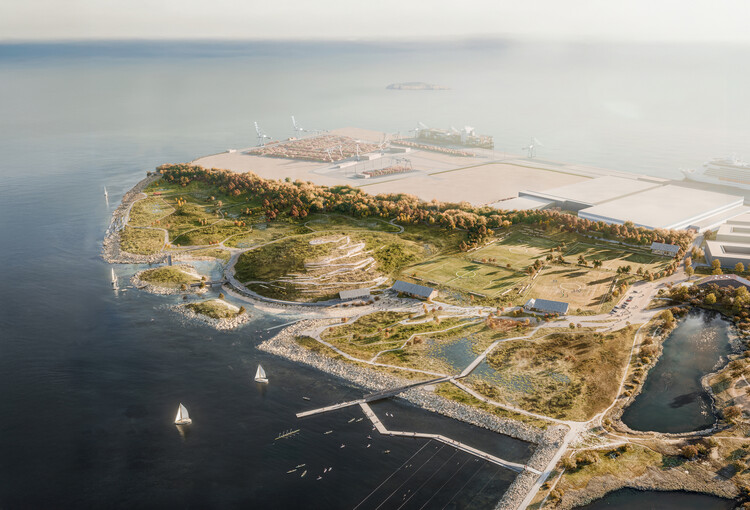
The City of Copenhagen has announced Team SLA as the winner of a design competition to create a new, large-scale urban park in Nordhavn. The project, titled "Nordør – New Park", was designed by Team SLA and By & Havn, and envisions a 30-hectare (75-acre) coastal nature park. Led by the design studio SLA, Team SLA includes VITA Engineers, Urban Agency, Aaen Engineering, Pihlmann Architects, Buro Happold, Kerstin Bergendal, Holdbart, and Aiming Spaces.
A "nature park" is a protected area where conservation is balanced with sustainable development and human use. It often encompasses human-shaped cultural landscapes and integrates strategies for regional development, supporting local communities and promoting the conscious use of the land. This framework allows the proposal to be understood as a platform for recreation, eco-tourism, environmental education, research, and regional growth.
The preservation of the environment and the harmonious integration of the built and natural elements are fundamental principles in contemporary architecture. Various design strategies are employed to achieve this balance, ranging from the revival of vernacular techniques to the use of advanced technologies. However, this concern goes beyond the choice of specific construction systems or innovative materials; it also manifests in the design approach that ensures the preservation of the site's natural elements. In this context, we present 15 homes designed to protect local trees, showcasing how architectural decisions can adapt to nature rather than impose on it.
Series 8670 Casement Window. Image Courtesy of Western Window Systems
Windows have long held an ambivalent role in architecture, as they both define and enclose interiors while simultaneously creating a link to the outdoors. This dual function goes beyond simply meeting construction needs or providing daylight, directly influencing how occupants experience and engage with the views. The 20th century saw the introduction of materials such as steel, aluminum, and glass, which enabled different types of windows with thinner frames and expansive panes, enhancing transparency and reinforcing the visual connection with the surrounding setting.
American architects such as Frank Lloyd Wright and Philip Johnson explored these possibilities to harmonize architecture with landscape. In Fallingwater House, windows and terraces seamlessly connect the house to the waterfall and surrounding forest, whereas the Glass House's minimal framing nearly dissolves the boundary between interior and exterior, bringing the natural environment to life inside the house. Through its evolution, windows have become an element that unites space, materials, and perception, opening new pathways for exploring the relationship between architecture and its environment.
https://www.archdaily.com/1034016/framing-interiors-and-landscapes-in-aluminum-and-glass-to-master-the-viewEnrique Tovar
An architecture degree may provide a vast curriculum, but many of the skills needed for a project lie outside the discipline. This is especially true for urban-scale projects. They demand expertise in areas like traffic studies, structural calculations, landscape design, and technical installation forecasting. These are often seen as "complementary" but are, in fact, fundamental to the overall design.
In a country like Portugal, with a relatively small but geographically diverse territory, the challenge of connecting different parts of the territory – whether to cross a river or link one level of a city to another – is a constant one. Its largest metropolitan areas, such as Lisbon and Porto, share a rugged geography of steep valleys and hills. These features led to the development of elevators and funiculars, like the Santa Justa Lift and the Bica Funicular in Lisbon, and the Guindais Funicular in Porto. Today, besides improving urban mobility, they have become tourist landmarks.