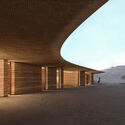
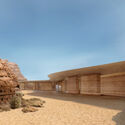
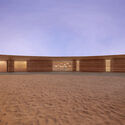
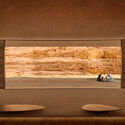
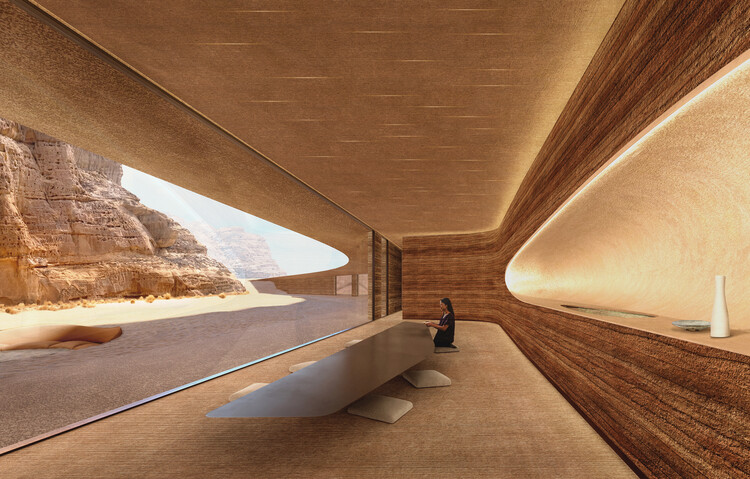
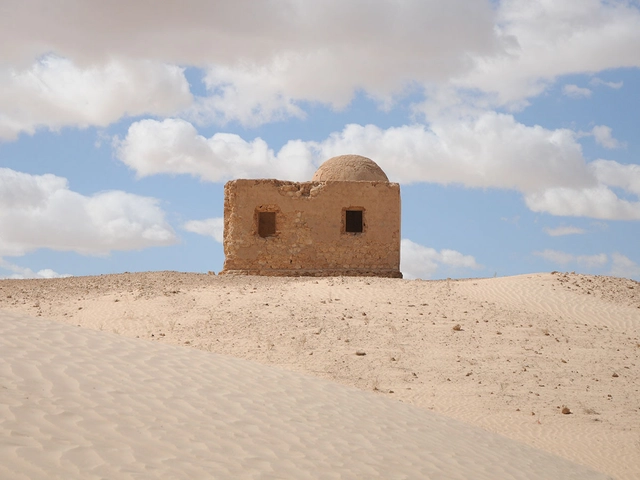
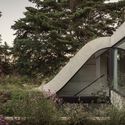
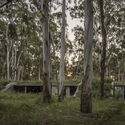
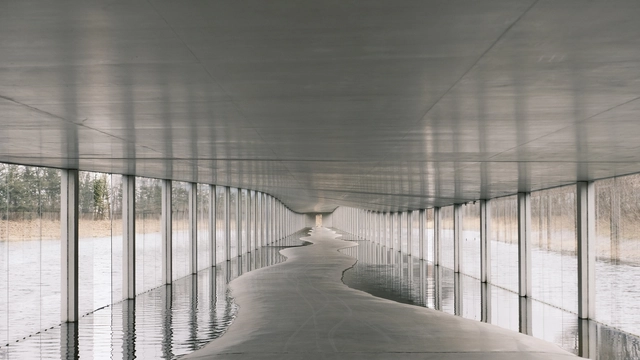
Lina Ghotmeh — Architecture recently revealed images of the AlUla Immersive Living project, a proposed dwelling envisioned to emerge from the desert landscape of Saudi Arabia. Its form is shaped by the site's light and wind, rooted in climate, and positioned between rock and dune. The design follows the concept of a shelter belonging as much to the desert as to its inhabitants, and behaving as a "living landscape." The structure is conceived with thick rammed-earth walls, contrasted by open platforms that frame the sky. It is presented as a statement of architecture intended "not to dominate but to host," providing refuge without severing connections, reflecting Lina Ghotmeh's position at the intersection of context, craft, and care.
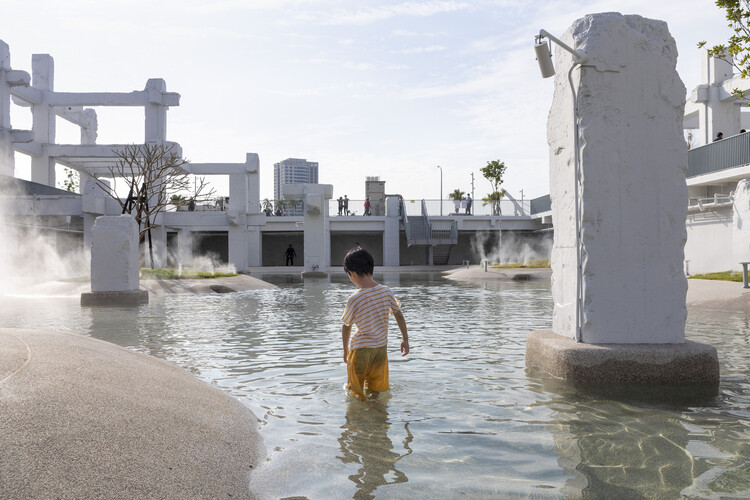
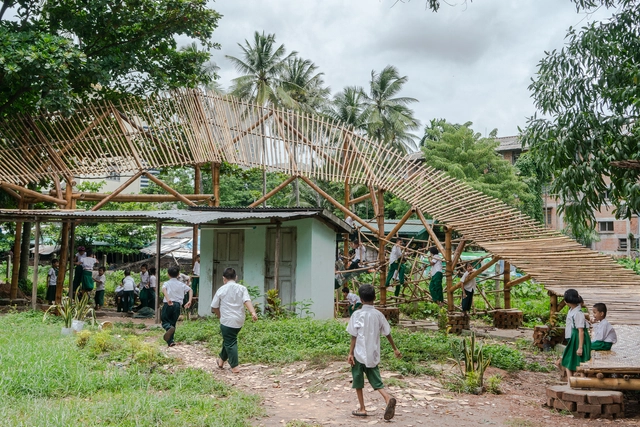
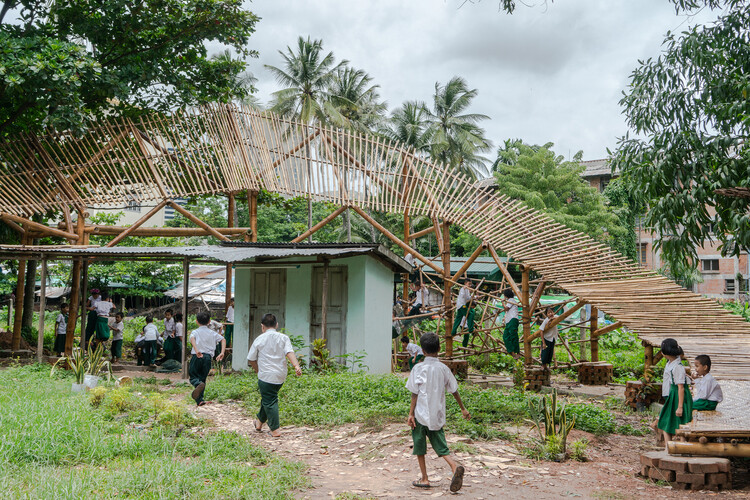
How do nature and landscape dialogue within spaces designed for children? How are architecture and urban design capable of shaping natural atmospheres that integrate practices of play, participation, and exploration? From participatory projects that involve children in the design process to built environments that incorporate furniture adapted to their needs, the conception of spaces for childhood entails the creation of places for encounter, learning, and coexistence. At times, these spaces are able to strengthen the relationships between interiors and exteriors, connecting their users with nature and the surrounding environment. Depending on their cultures, customs, and histories of attachment to place, several contemporary projects deploy tools and strategies that integrate architecture, nature, and pedagogy to form broad experiences of learning, play, and discovery.
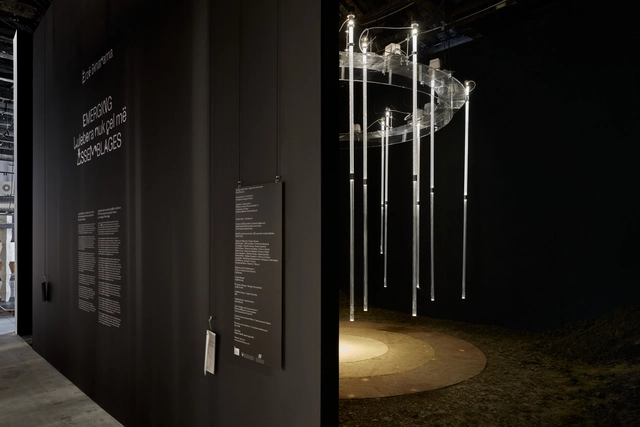
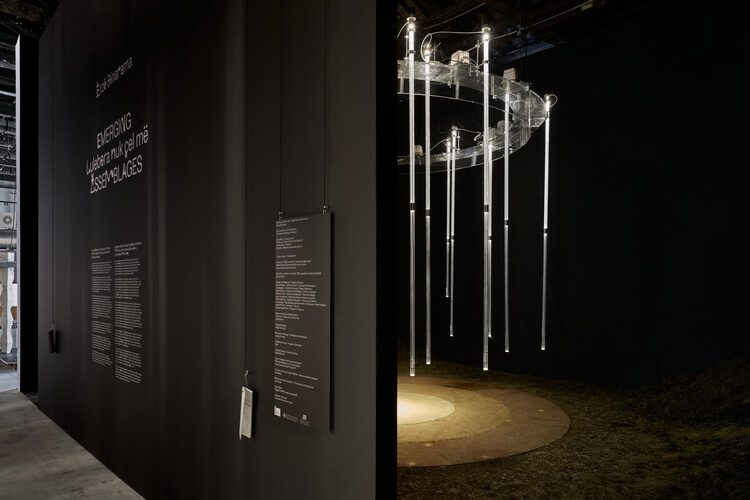
The Republic of Kosovo brings this year to the 19th Venice Architecture Biennale an exhibition titled Lulebora nuk çel më. Emerging Assemblages. The exhibit was commissioned by the National Gallery of Kosovo and curated by the architect, interdisciplinary designer, and researcher Erzë Dinarama. Reflecting on the country's shifting agricultural landscapes in the context of ecological uprooting and embodied knowledge systems under climate pressure, the installation offers a sensorial exploration of Kosovan fieldwork. Combining a range of local soil materials with a hanging olfactory calendar, the Pavilion invites visitors to imagine through touch and smell.
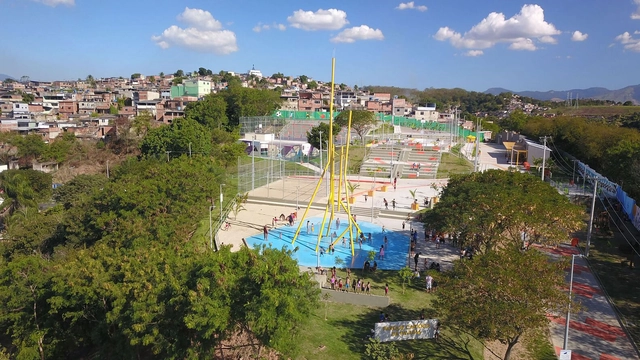
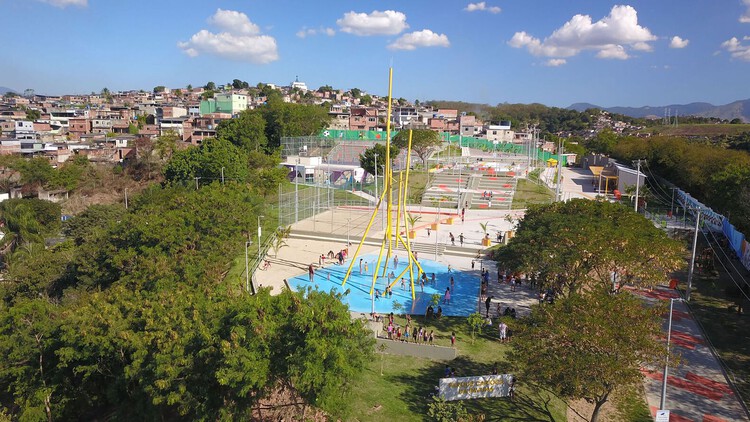
Urban playgrounds are evolving from simple swing sets and slides into dynamic, multi-faceted urban landscapes. These new designs are more than just places to play; they are thoughtfully integrated spaces that address urban challenges, promote community, and inspire creativity. A key trend is the intentional use of color and pattern. Designers are utilizing vibrant color zones to segment different functional areas, creating a visually dynamic experience that contrasts with natural surroundings. This approach can also be used to establish a cohesive urban identity, with thoughtful color palettes that complement the existing cityscape.
The Belgian Pavilion at the Venice Architecture Biennale 2025 presents a prototype that integrates landscape architecture into architectural interiors. Designed by Bas Smets in collaboration with Stefano Mancuso, the exhibition transforms the pavilion into a microclimate modeled after the understory of a subtropical forest, creating an indoor jungle that actively regulates temperature and humidity. The curatorial concept, supported by the Flanders Architecture Institute and its director, Dennis Pohl, promotes landscape thinking as an active design force rather than exterior decoration. In this video interview from Venice, Bas Smets and Dennis Pohl explain to ArchDaily editors how the project positions architecture as a platform for climate resilience and proposes a shift in design paradigms, from static images to evolving, living processes.
The 2025 Versailles Biennale of Architecture and Landscape (BAP! 2025) brings together global thought leaders in architecture to discuss the critical role the discipline plays in addressing climate change, sustainability, and evolving urban needs. Through a series of in-depth interviews with curators, architects, and designers from Paris, Mexico City, and Spain, the event provides a platform for diverse perspectives on how architecture can respond to contemporary challenges.
Curators Sana Frini and Philippe Rahm lead the charge in presenting an exhibition that explores how architecture can adapt to the environmental shifts forecasted for the near future. From sustainable practices to integrating cultural contexts, the conversations captured in these interviews highlight innovative approaches to creating spaces that are not only functional but deeply responsive to the changing climate and societal needs.
https://www.archdaily.com/1032518/architecture-for-a-changing-world-insights-from-the-2025-versailles-biennaleArchDaily Team
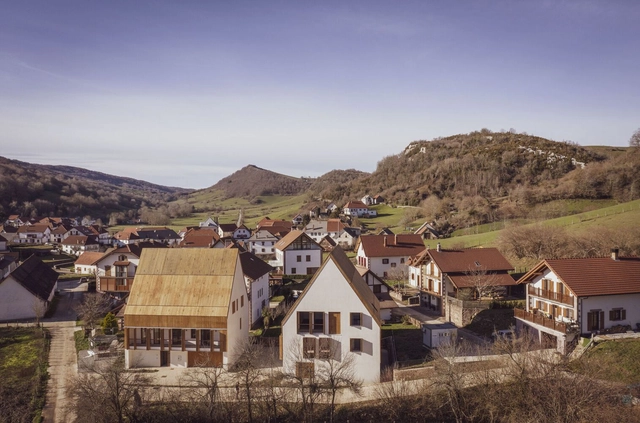
Andanzas y visiones españolas is the book in which Miguel de Unamuno collects his experiences during excursions through Spain's cities and countryside, accompanied by friends and colleagues. More than a precise geographical description, the text consists of narratives in which each region and every feature of the territory leaves a deep imprint on his thought. The literary discourse actively weaves the diversity of setting, climate, and contextualism as foundational threads, presenting the territory not only as a physical place but also as a space for reflection and contemplation. This attentive engagement with the landscape—so diverse within Spanish architecture—also resonates in the built environment, fostering in contemporary practice a sensitive adaptation to the country's varied climatic conditions, both through design strategies and material choices.
https://www.archdaily.com/1031789/context-responsive-architecture-in-spain-7-projects-highlighting-material-strategiesEnrique Tovar
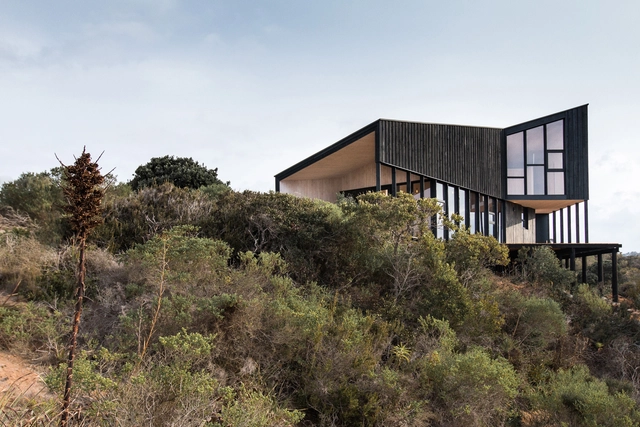
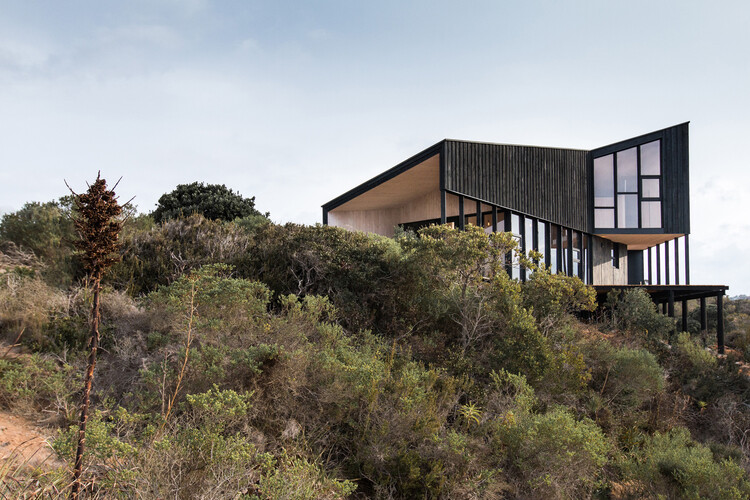
Seeking to create a fluid dialogue between architecture and its surrounding landscape, the study of topography embodies an awareness and exploration of the use of materials, self-sufficient strategies, low-maintenance solutions, and landscape designs that integrate into the natural environment and minimize the environmental impact of projects. Beyond recording variations in elevation, sun orientation, prevailing winds, or drainage slopes of the terrain, several architects in Argentina demonstrate a strong interest in developing architectural solutions capable of adapting to natural geographies and restoring the bond between nature and the human being.
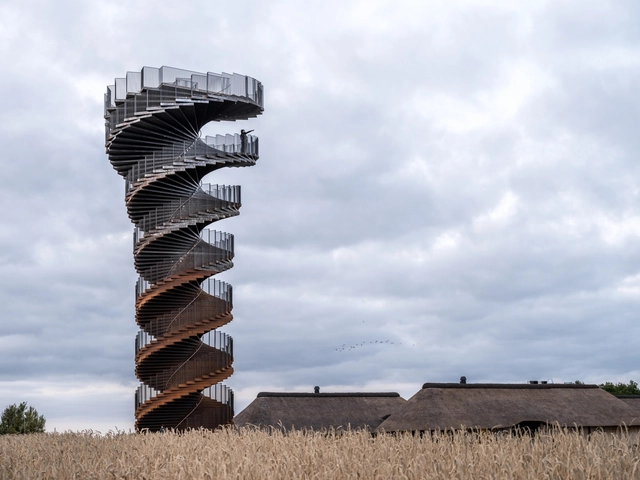
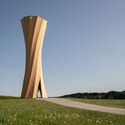
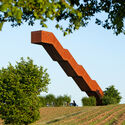
The desire to see the world from above transcends cultures and time — an almost instinctive impulse to seek new horizons, gain perspective, and momentarily step outside everyday life. Observation towers embody that desire: built in forests, mountains, urban parks, or coastal landscapes, they invite us to pause, look closely, and discover the surroundings in a quiet or playful way. These structures offer more than just views; they offer experiences. As we climb their steps or ramps, our bodies take part in a ritual of transition — from ground to sky.
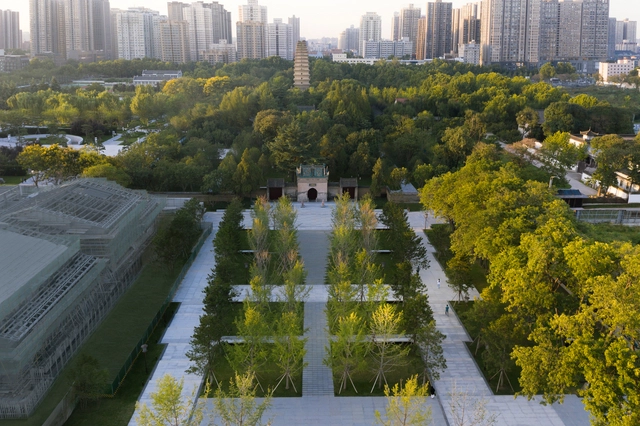
Urban green spaces are considered one of the most appropriate and accessible ways to mitigate the effects of rising temperatures in urban environments. As the global climate warms, cities worldwide face more frequent and extreme heat waves, putting their citizens at risk. Many cities are employing strategies for reducing the impact of urban heat islands, which are generated when natural land cover is replaced with surfaces that absorb and retain heat, such as pavements and buildings. This raises the temperature by several degrees compared to the surroundings. Cities have their micro-climate, influenced by this phenomenon combined with a series of often overlooked factors. For a climate strategy to be efficient, all factors need to be taken into consideration.
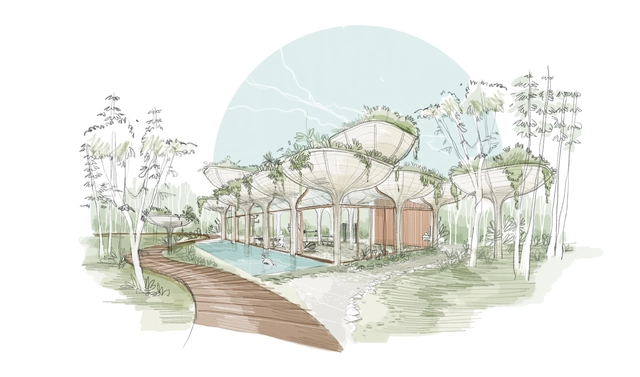
At a time when architectural practice is increasingly tied to climate and context, the boundary between the built and the natural has become a critical site of experimentation. This month's unbuilt selection gathers eight conceptual projects that work with the edges of landscape. In Ramia by João Teles Atelier, the architecture draws directly from the metaphor of a seed breaking through soil, using wood, concrete, and water to create a sensorial route through Tulum's ecology. Meanwhile, Mobius Pier by X Atelier loops gently over the river edge, becoming both infrastructure and observation point. Similarly, Il mare degli Umbri approaches the threshold differently, restoring the historic shoreline of Lake Trasimeno and reintroducing local wetland ecologies. Each project in this collection reflects a unique position: some treat the edge as a spatial experience, others as a regulatory line, and others still as a point of cultural or ecological return.
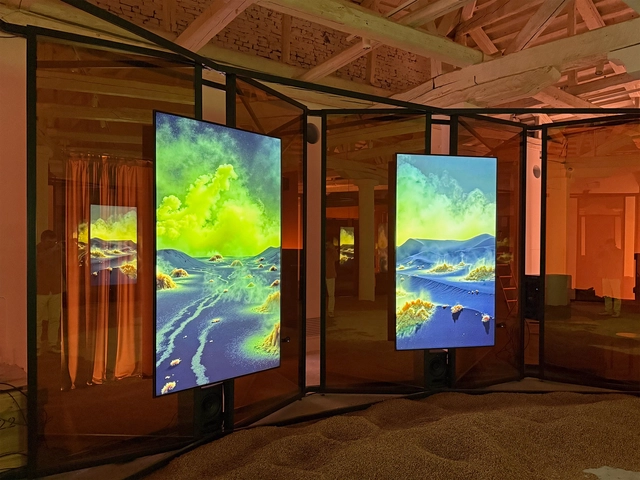
Titled Paraíso, hoje. [Paradise, today.], the exhibition representing Portugal at the 19th International Architecture Exhibition – La Biennale di Venezia addresses architecture as a cultural construction of landscape. Curated by architects Paula Melâneo, Pedro Bandeira, and Luca Martinucci, landscape architect Catarina Raposo, and video artist Nuno Cera, it offers an immersive installation featuring videos created using new digital technologies and artificial intelligence, along with an Atlas of images. Together, they construct a critical exploration of the proposed theme, the allegory of a "Paradise." This year, the Portuguese exhibition changed location, moving from Palazzo Franchetti to the Fondaco Marcello building, next to Venice's Grand Canal. It will remain open to visitors and host a series of debates until 23 November 2025.
Public spaces are more than just physical voids in the urban fabric—they are stages for social interaction, cultural expression, and collective memory. In times of social fragmentation and environmental stress, these spaces can serve as catalysts for healing, offering safe environments where communities can reconnect. Through thoughtful design and participatory processes, public space interventions can rebuild trust, promote mental well-being, and foster a renewed sense of belonging among community members.
The exhibition is based on the observation that France is expected to experience a temperature rise of +4°C by the year 2100. Its current temperate climate is projected to shift toward a subtropical one. In response, the exhibition turns to warmer latitudes for architectural models that can inform how to build today in France—and in other regions currently considered temperate—an architecture capable of withstanding this increase in heat.
https://www.archdaily.com/1028990/sana-frini-and-philippe-rahm-announce-participants-for-the-2025-versailles-biennale-of-architecture-and-landscapeArchDaily Team
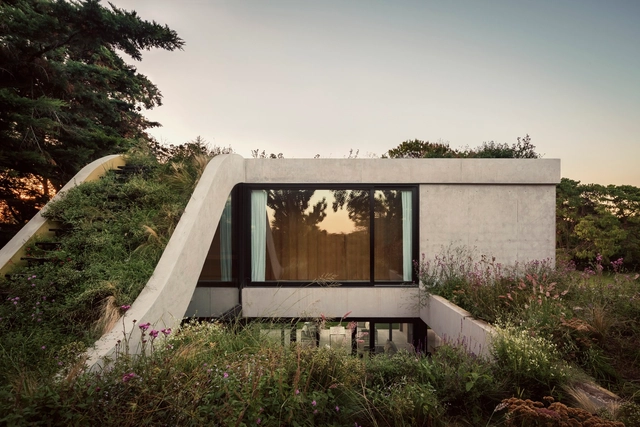
Integrating natural elements into architectural design has long been a fundamental pursuit in creating comfortable, sustainable environments that enhance both individual well-being and the relationship between buildings and their surrounding context. In areas with vast landscapes, incorporating natural elements is essential for seamlessly connecting architecture with its site. Conversely, in dense urban environments dominated by built structures, introducing greenery becomes also increasingly vital, reintroducing nature into the so-called "concrete jungle."
However, beyond conventional landscape features—such as water fountains, green walls, gardens, or courtyards—architects are redefining what it means to build with nature. The focus has shifted toward deeply integrating architecture with its natural surroundings, creating immersive spatial experiences that blur the boundaries between the built and the organic - in a way, "taming" nature. When successfully executed, these designs go beyond fostering well-being or promoting a healthy lifestyle; they evoke a profound sense of tranquility, power, and harmony, transforming the way we perceive and inhabit space.
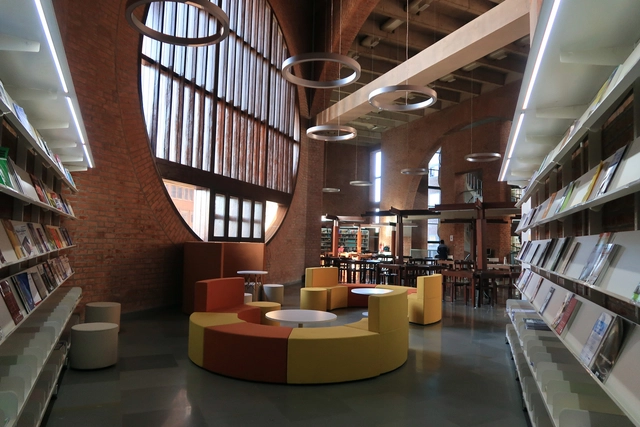
India today is a country of 1.4 billion people requiring every type of building imaginable—hospitals, colleges, housing, and more. Championing sensibility and practicality in design is Brinda Somaya, an internationally acclaimed architect, urban conservationist, and academician, recently named an honorary member of the 2025 class of Fellows of the American Institute of Architects. Her work demonstrates a careful response to cultural contexts enriched with a grounded understanding of functionality, transforming them into modern relics. A four-decade career has built her portfolio that spans architecture, master-planning, and historic preservation - a constantly unfolding legacy.
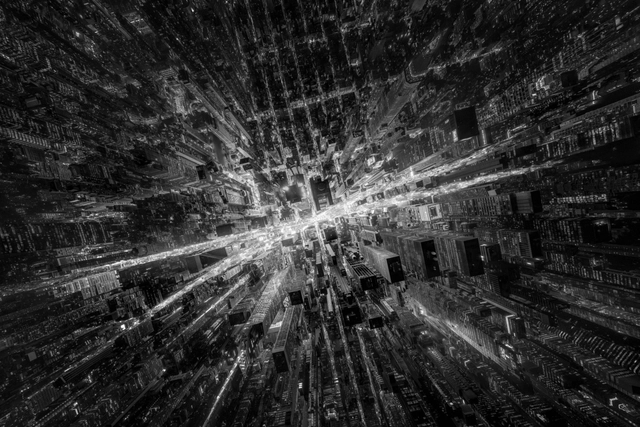
Now in its 18th edition, the Sony World Photography Awards serve as a global platform for both established and emerging artists, offering an annual glimpse into contemporary photography. This free-to-enter competition provides exposure across 10 categories, including Architecture, Landscape, Travel, and Street Photography. Each category awards a winner, features a shortlist of selected works, and culminates in the title of Open Photographer of the Year. For the 2025 Open competition, participants were invited to submit their strongest single images from 2024, with a focus on capturing and distilling a singular moment while evoking a broader narrative.