1. ArchDaily
  2. Kengo Kuma and Associates

Kengo Kuma and Associates: The Latest Architecture and News

Understanding Soft Architecture: The Shift from Monument to Moment

Audio available

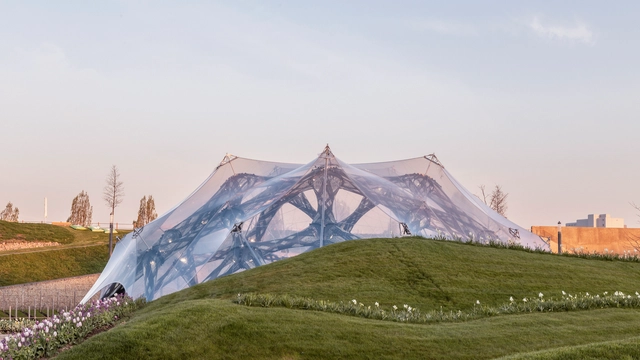
In recent years, architecture has increasingly embraced adaptability, flexibility, and responsiveness as core design principles. This evolution reflects a shift from traditional notions of static, permanent structures to dynamic environments that can adjust to changing needs and conditions. Central to this transformation is the concept of "soft architecture", which leverages pliable materials and innovative systems to create spaces that are functional, sustainable, and user-centric. Soft architecture takes shape through membranes that breathe, façades that move, structures that inflate or fold, and surfaces that bend rather than break. It involves designing for transformation — not only in how a building performs environmentally, but also in how it can accommodate shifting functions, user interactions, or temporary occupations. This approach to building challenges traditional notions of durability and control, proposing instead a more responsive and open-ended architecture. It reflects a growing awareness that buildings, like the societies they serve, must be able to evolve.
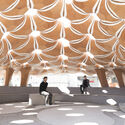
Understanding Soft Architecture: The Shift from Monument to Moment - 1 的图像 4Understanding Soft Architecture: The Shift from Monument to Moment - 2 的图像 4Understanding Soft Architecture: The Shift from Monument to Moment - 3 的图像 4Understanding Soft Architecture: The Shift from Monument to Moment - 4 的图像 4Understanding Soft Architecture: The Shift from Monument to Moment - More Images+ 53

Earth Day 2025: Our Agency in Rethinking Sustainability Across Cities, Scales, and Sectors

Subscriber Access | 

On Earth Day 2025, observed annually on April 22, we are once again reminded of the urgent environmental and sustainability challenges that face our planet—challenges that continue to evolve alongside global economic, political, and cultural shifts. The building and construction industry remains one of the most critical sectors in the effort to manage and reduce global carbon emissions. This year, these issues are being addressed through increasingly diverse lenses, calling for more holistic and integrated approaches. It's vital that we view sustainability not as a one-size-fits-all solution, but as a multi-scalar effort—one that spans from large-scale urban development and strategic planning, to the advancement of sustainable materials, and even to temporary, thought-provoking interventions like exhibitions and installations. In doing so, we reaffirm our commitment to reducing our collective carbon footprint, while shaping a built environment that promotes human well-being and planetary health.

Earth Day 2025: Our Agency in Rethinking Sustainability Across Cities, Scales, and Sectors - 1 的图像 4Earth Day 2025: Our Agency in Rethinking Sustainability Across Cities, Scales, and Sectors - 2 的图像 4Earth Day 2025: Our Agency in Rethinking Sustainability Across Cities, Scales, and Sectors - 3 的图像 4Earth Day 2025: Our Agency in Rethinking Sustainability Across Cities, Scales, and Sectors - 4 的图像 4Earth Day 2025: Our Agency in Rethinking Sustainability Across Cities, Scales, and Sectors - More Images+ 23

Kengo Kuma & Associates Completes the Qatar Pavilion at Expo Osaka 2025

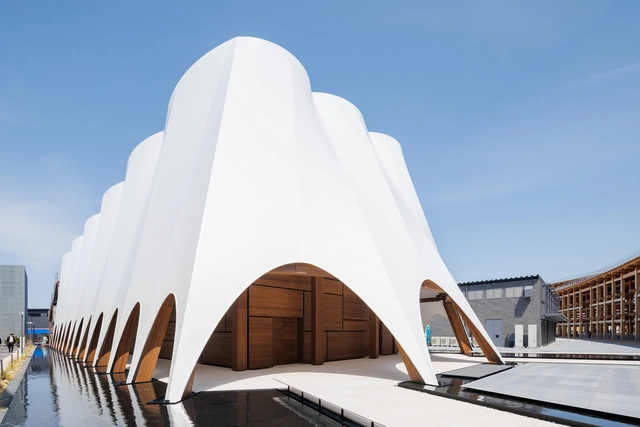
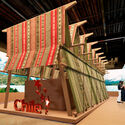
The State of Qatar has just opened its national pavilion's doors at Expo Osaka 2025. Designed by Kengo Kuma & Associates in collaboration with Qatar Museums, the pavilion blends traditional craftsmanship from Qatar and Japan while highlighting the two countries' connection to the sea, which is understood as a hub of resources and a medium for trade and knowledge exchange. The exhibition will be on view until October 13, 2025, aiming to showcase Qatar's innovations across diverse fields.

Kengo Kuma & Associates Completes the Qatar Pavilion at Expo Osaka 2025  - Image 1 of 4Kengo Kuma & Associates Completes the Qatar Pavilion at Expo Osaka 2025  - Image 2 of 4Kengo Kuma & Associates Completes the Qatar Pavilion at Expo Osaka 2025  - Image 3 of 4Kengo Kuma & Associates Completes the Qatar Pavilion at Expo Osaka 2025  - Image 4 of 4Kengo Kuma & Associates Completes the Qatar Pavilion at Expo Osaka 2025  - More Images+ 11

Kengo Kuma’s Portugal Pavilion for Expo 2025 Osaka Opens as a Tribute to the Ocean

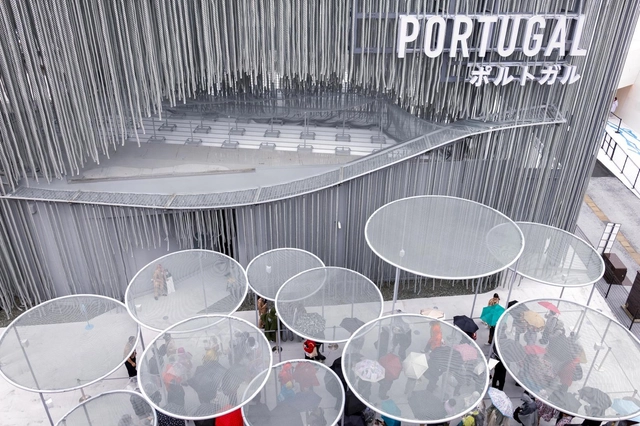
The Portugal Pavilion at Expo 2025 in Osaka embraces the theme "Ocean, The Blue Dialogue", offering visitors an immersive exploration of the ocean as a life-giving resource and a cornerstone of sustainability. Designed by Japanese architect Kengo Kuma, the Pavilion aims to reflect Portugal's deep historical, cultural, and economic connections to the sea, creating an architectural and narrative journey that bridges past, present, and future. The pavilion has recently been inaugurated in the in the "Empowering Lives" zone, next to the Bahrain Pavilion, designed by Lina Ghotmeh Architecture and the Austrian Pavilion by BWM Architects.

Kengo Kuma’s Portugal Pavilion for Expo 2025 Osaka Opens as a Tribute to the Ocean - Image 1 of 4Kengo Kuma’s Portugal Pavilion for Expo 2025 Osaka Opens as a Tribute to the Ocean - Image 2 of 4Kengo Kuma’s Portugal Pavilion for Expo 2025 Osaka Opens as a Tribute to the Ocean - Image 3 of 4Kengo Kuma’s Portugal Pavilion for Expo 2025 Osaka Opens as a Tribute to the Ocean - Image 4 of 4Kengo Kuma’s Portugal Pavilion for Expo 2025 Osaka Opens as a Tribute to the Ocean - More Images+ 14

Expo 2025 Osaka: 8 Must-See National Pavilions

Subscriber Access | 

Opening on April 13th, 2025, Expo 2025 Osaka gathers countries and organizations from around the world under the theme "Designing Future Society for Our Lives." Located on the manmade island of Yumeshima, the event is expected to attract millions of visitors with a focus on innovation, sustainability, and cross-cultural exchange. The overall masterplan is led by Japanese architect Sou Fujimoto, who envisions a circular structure known as the Grand Roof, or the "Grand Ring." Measuring 1.5 kilometers in diameter, the floating canopy will connect the national and thematic pavilions below, functioning as a symbol of unity and collaboration while offering shaded walkways and event spaces.

Expo 2025 Osaka: 8 Must-See National Pavilions - Image 1 of 4Expo 2025 Osaka: 8 Must-See National Pavilions - Image 2 of 4Expo 2025 Osaka: 8 Must-See National Pavilions - Image 3 of 4Expo 2025 Osaka: 8 Must-See National Pavilions - Image 4 of 4Expo 2025 Osaka: 8 Must-See National Pavilions - More Images+ 11

Kengo Kuma and Studio Gang Among Shortlist for Nelson-Atkins Museum Expansion in Kansas City, United States

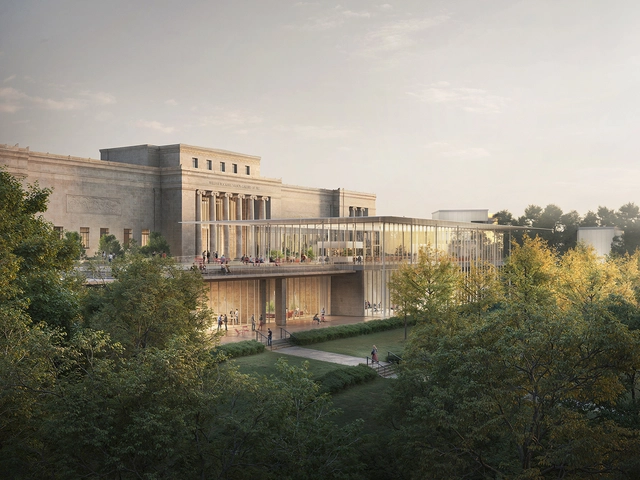
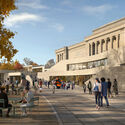
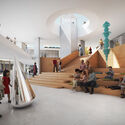
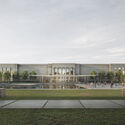
The Nelson-Atkins Museum of Art in Kansas City, United States, has reached a critical moment in its expansion project, revealing six finalist designs that propose new ways to engage visitors, integrate the museum with its surroundings, and create an open and inviting cultural space. The shortlisted teams - Kengo Kuma & Associates, Renzo Piano Building Workshop, Selldorf Architects, Studio Gang, Weiss/Manfredi, and WHY Architecture - bring a range of approaches, each responding to the museum's architectural legacy and evolving role within Kansas City.

Kengo Kuma and Studio Gang Among Shortlist for Nelson-Atkins Museum Expansion in Kansas City, United States - Image 1 of 4Kengo Kuma and Studio Gang Among Shortlist for Nelson-Atkins Museum Expansion in Kansas City, United States - Image 2 of 4Kengo Kuma and Studio Gang Among Shortlist for Nelson-Atkins Museum Expansion in Kansas City, United States - Image 3 of 4Kengo Kuma and Studio Gang Among Shortlist for Nelson-Atkins Museum Expansion in Kansas City, United States - Image 4 of 4Kengo Kuma and Studio Gang Among Shortlist for Nelson-Atkins Museum Expansion in Kansas City, United States - More Images+ 7

Kengo Kuma, Lina Ghotmeh, and Snøhetta Among the Finalists for the New Kistefos Museum Gallery Competition in Norway

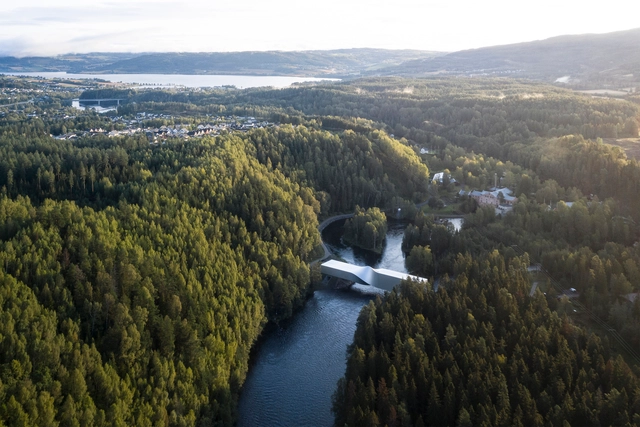
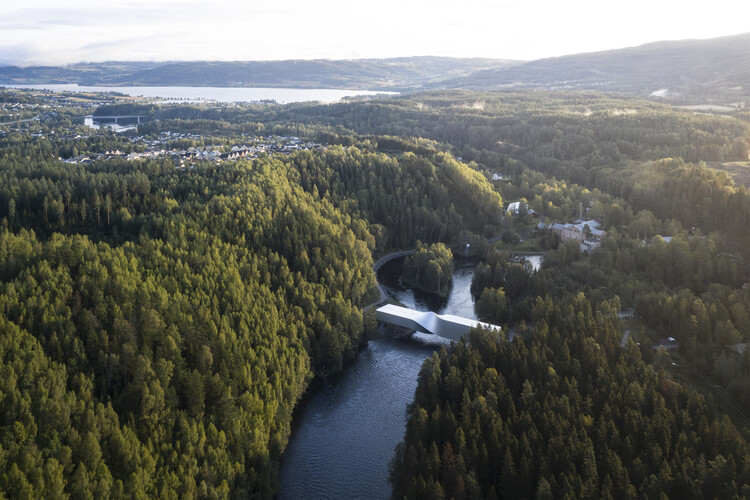
In the autumn of 2024, the Kistefos Museum Foundation invited 28 architectural firms to participate in a prequalification process to design a new site-specific standalone gallery. Scheduled to open in 2031, the new museum building will house the art collection of the museum's founder, Christen Sveaas. The gallery will join Kistefos' sculpture park, which features 55 works by international artists such as Yayoi Kusama, Olafur Eliasson, Fernando Botero, and Anish Kapoor, as well as an industrial museum and BIG's award-winning art gallery, The Twist. Additionally, a new visitor center, designed by the Oslo-based architectural firm Lund Hagem, is set to open in 2026.

Kengo Kuma, Lina Ghotmeh, and Snøhetta Among the Finalists for the New Kistefos Museum Gallery Competition in Norway - Image 1 of 4Kengo Kuma, Lina Ghotmeh, and Snøhetta Among the Finalists for the New Kistefos Museum Gallery Competition in Norway - Image 2 of 4Kengo Kuma, Lina Ghotmeh, and Snøhetta Among the Finalists for the New Kistefos Museum Gallery Competition in Norway - Image 3 of 4Kengo Kuma, Lina Ghotmeh, and Snøhetta Among the Finalists for the New Kistefos Museum Gallery Competition in Norway - Image 4 of 4Kengo Kuma, Lina Ghotmeh, and Snøhetta Among the Finalists for the New Kistefos Museum Gallery Competition in Norway - More Images

Osaka Architecture City Guide: 23 Projects Showcasing Japan’s Design Legacy and Innovation

Subscriber Access | 

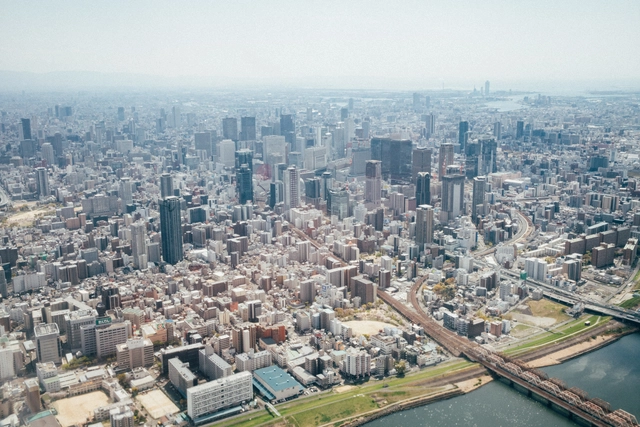
Osaka, Japan's third-largest city, is a vibrant blend of tradition and modernity, making it a compelling destination for architecture enthusiasts. Known historically as the "nation's kitchen" for its role as a mercantile hub, Osaka is also a city of cultural and architectural diversity. Its landmarks range from the historic Osaka Castle to striking contemporary developments, each reflecting Japan's evolving urban identity.

As the host city for the highly anticipated Expo 2025, Osaka is poised to showcase its architectural prowess on a global stage. The city's skyline features innovative works by renowned architects and urban planners, including cutting-edge cultural centers, transportation hubs, and waterfront redevelopments. With contributions from celebrated Japanese architects such as Tadao Ando, Kengo Kuma & Associates, and Takenaka Corporation, alongside international figures like Dominique Perrault, Renzo Piano Building Workshop, and Pelli Clarke & Partners, Osaka seamlessly blends modernity with tradition, creating a unique architectural identity that reflects its past while looking boldly to the future.

Osaka Architecture City Guide: 23 Projects Showcasing Japan’s Design Legacy and Innovation - Image 1 of 4Osaka Architecture City Guide: 23 Projects Showcasing Japan’s Design Legacy and Innovation - Image 2 of 4Osaka Architecture City Guide: 23 Projects Showcasing Japan’s Design Legacy and Innovation - Image 3 of 4Osaka Architecture City Guide: 23 Projects Showcasing Japan’s Design Legacy and Innovation - Image 4 of 4Osaka Architecture City Guide: 23 Projects Showcasing Japan’s Design Legacy and Innovation - More Images+ 19

“The Kind of Architecture I Try to Achieve Is a Rainbow:” In Conversation With Kengo Kuma

In my 2008 interview with Kengo Kuma in Manhattan—the Tokyo-based architect was in town for a lecture at Cooper Union and to oversee the construction of a house renovation in nearby Connecticut— he summarized the intention of his work for me, "The closest image to the kind of architecture I try to achieve is a rainbow." The architect designs his buildings as a chef would prepare a salad or a florist arrange a bouquet of flowers—by carefully selecting ingredients according to their size, shape, and texture. He then tests whether they should touch, overlap, or keep a distance to let the airflow pass through. The process is closer to a trial-and-error scientific experiment rather than an artistic exercise in projecting visionary forms and images. Although his buildings surely look strikingly artistic and utterly breathtaking. They are both precise and loose, primitive and refined, material and transient. The architect's fascination with materiality is startling, and despite having completed many dozens of buildings all over the world over the course of his distinctive career, in our conversation last month over Zoom, Kuma told me, "I stand at the beginning of a long process of material exploration."

“The Kind of Architecture I Try to Achieve Is a Rainbow:” In Conversation With Kengo Kuma - Image 1 of 4“The Kind of Architecture I Try to Achieve Is a Rainbow:” In Conversation With Kengo Kuma - Image 2 of 4“The Kind of Architecture I Try to Achieve Is a Rainbow:” In Conversation With Kengo Kuma - Image 3 of 4“The Kind of Architecture I Try to Achieve Is a Rainbow:” In Conversation With Kengo Kuma - Image 4 of 4“The Kind of Architecture I Try to Achieve Is a Rainbow:” In Conversation With Kengo Kuma - More Images+ 27

ArchDaily's Best Architectural Projects of 2024

Throughout the year, ArchDaily's team of curators works on expanding and populating our project library. Located all around the world, each curator carefully considers the best works emanating from their respective regions in an effort to have a diverse representation of the most inspiring and innovative built works. The team looks to new rising practices, new technologies, and the vernacular revival of traditional construction techniques. Seeking socially driven initiatives, as well as major works by renowned architects, the overall offers a holistic view of the built world today and is relayed through the yearly project review.

ArchDaily's Best Architectural Projects of 2024 - Image 1 of 4ArchDaily's Best Architectural Projects of 2024 - Image 2 of 4ArchDaily's Best Architectural Projects of 2024 - Image 3 of 4ArchDaily's Best Architectural Projects of 2024 - Image 4 of 4ArchDaily's Best Architectural Projects of 2024 - More Images+ 96

Beijing Architecture City Guide: 28 Projects to Understand Contemporary Architecture in a 3,000-Year-Old City

Subscriber Access | 

Beijing, as the cultural and political center of China, embodies a rich architectural language that bridges history and modernity, tradition and innovation, showcasing the city's profound depth and diversity. From monumental landmarks like CITIC Tower and Daxing International Airport to the hidden courtyard renovations nestled within the city's historic hutongs; from the dramatic revitalization of the Shougang industrial site to the refined transformations of Baiziwan and Baitasi, Beijing's architectural achievements continue to captivate and inspire. Every space tells a unique story of the city, blending heritage with contemporary vibrancy.

In this city, memories are preserved, and vitality thrives. Let us step into Beijing, rediscovering the "new Beijing" within the "old Beijing" through the lens of its architecture, and experience the depth of time and the pulse of the city in its dynamic spaces.

Beijing Architecture City Guide: 28 Projects to Understand Contemporary Architecture in a 3,000-Year-Old City - Image 10 of 4Beijing Architecture City Guide: 28 Projects to Understand Contemporary Architecture in a 3,000-Year-Old City - Image 11 of 4Beijing Architecture City Guide: 28 Projects to Understand Contemporary Architecture in a 3,000-Year-Old City - Image 12 of 4Beijing Architecture City Guide: 28 Projects to Understand Contemporary Architecture in a 3,000-Year-Old City - Image 17 of 4Beijing Architecture City Guide: 28 Projects to Understand Contemporary Architecture in a 3,000-Year-Old City - More Images+ 25

From Modernism to Multiculturalism: The Historical Evolution of Student Housing

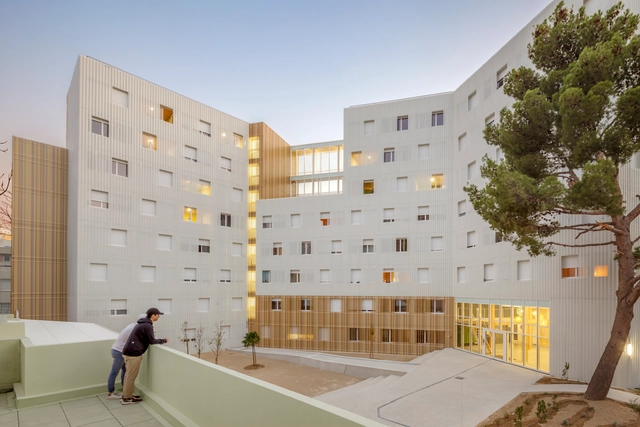
Student housing has undergone a remarkable transformation over the last century. Once seen as a utilitarian necessity, providing shelter and basic amenities for students, this architectural typology has evolved to address increasingly complex societal, cultural, and urban demands. Starting with Le Corbusier's modernist approach at the Cité Universitaire in Paris, student housing has reflected broader trends in architecture, urbanism, and social change.

Today, these buildings must cater to a highly diverse and transient population, navigating the pressures of affordability, density, and the evolving living standards of young adults. With rapid urbanization and increasing student mobility, universities now face the challenge of designing housing that is not only functional but also adaptable to different cultural and social contexts. This has led to more flexible, innovative solutions that promote both privacy and community living.

From Modernism to Multiculturalism: The Historical Evolution of Student Housing - Image 1 of 4From Modernism to Multiculturalism: The Historical Evolution of Student Housing - Image 2 of 4From Modernism to Multiculturalism: The Historical Evolution of Student Housing - Image 3 of 4From Modernism to Multiculturalism: The Historical Evolution of Student Housing - Image 4 of 4From Modernism to Multiculturalism: The Historical Evolution of Student Housing - More Images+ 55

Art Galleries Integrated into the Urban Fabric: 12 Projects Bringing Art and Culture to Neighborhoods

Subscriber Access | 

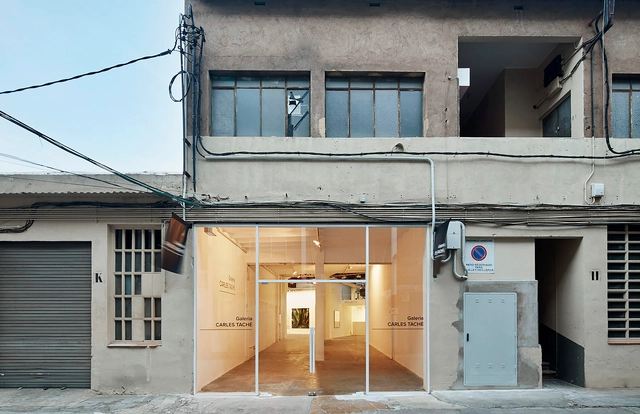
The relationship between art and humanity dates back to the origins of civilization. Museums have become spaces where vast collections of art and artifacts narrate the history of time, humankind, cities, and countless stories about cultures and societies. Over the years, the museum's role has evolved, taking on different forms and scales, including the modern-day art gallery. The importance of art and culture in contemporary cities and neighborhoods is undeniable. However, galleries serve multiple roles in integrating art and culture into daily life. Why are these spaces valuable to communities? How do they support emerging artists? How can galleries revitalize neighborhoods?

Art Galleries Integrated into the Urban Fabric: 12 Projects Bringing Art and Culture to Neighborhoods - Image 1 of 4Art Galleries Integrated into the Urban Fabric: 12 Projects Bringing Art and Culture to Neighborhoods - Image 2 of 4Art Galleries Integrated into the Urban Fabric: 12 Projects Bringing Art and Culture to Neighborhoods - Image 3 of 4Art Galleries Integrated into the Urban Fabric: 12 Projects Bringing Art and Culture to Neighborhoods - Image 4 of 4Art Galleries Integrated into the Urban Fabric: 12 Projects Bringing Art and Culture to Neighborhoods - More Images+ 38

Kengo Kuma Named New Lead Designer for Global War on Terrorism Memorial in Washington, D.C.

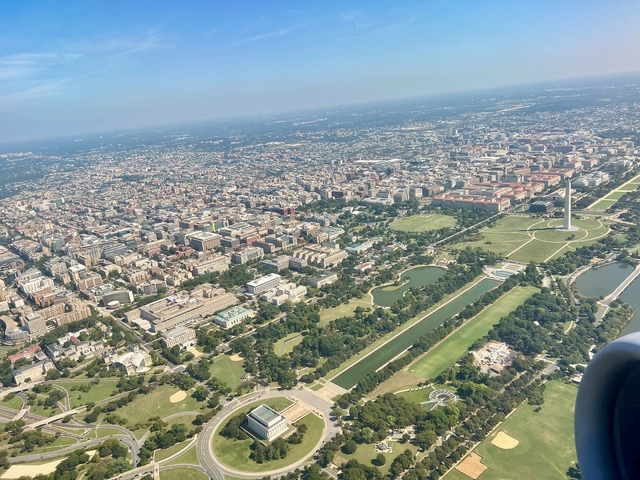
In a surprising development, internationally renowned architect Kengo Kuma has been named the new lead designer for the highly anticipated Global War on Terrorism Memorial on the National Mall in Washington, D.C. The announcement follows the departure of previous designer Marlon Blackwell, who was originally selected in July 2023.

Step by Step: Exploring 12 Projects Featuring Staircase or Terraced Roof Designs

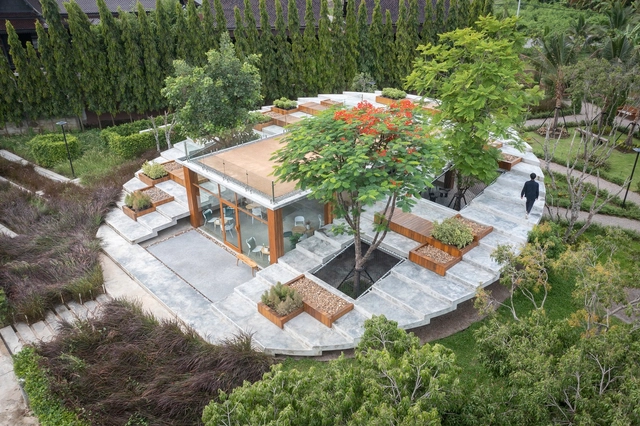
Pitched roofs and terraced lots or hillsides are some of the oldest, yet still highly functional, solutions for rainwater dispersal, redirection, and erosion management. While most constructions today still opt for traditional pitched or flat roofs, advancements in construction materials and techniques are leading to greater design exploration and layout variations. This has resulted in a rise in green roofs, passive insulation solutions, and more innovative uses of rooftops. One particular case has been the recurrence of the staircase or terraced roofs that often bring about a smooth continuity with the site and provide additional functional spaces to the project.

Step by Step: Exploring 12 Projects Featuring Staircase or Terraced Roof Designs - Image 1 of 4Step by Step: Exploring 12 Projects Featuring Staircase or Terraced Roof Designs - Image 2 of 4Step by Step: Exploring 12 Projects Featuring Staircase or Terraced Roof Designs - Image 3 of 4Step by Step: Exploring 12 Projects Featuring Staircase or Terraced Roof Designs - Image 4 of 4Step by Step: Exploring 12 Projects Featuring Staircase or Terraced Roof Designs - More Images+ 34

Transforming Urban Spaces: How to Reintegrate Large-Scale Infrastructure Projects?

Large-scale infrastructure projects often aim to connect distant locations within urban areas, facilitating quicker transportation, logistics, and commercial activities along their routes. However, while these projects link distant destinations, their substantial physical presence can significantly affect local communities. This may result in the disconnection and disengagement of previously connected neighborhoods, the disruption of public spaces, and generally negative outdoor experiences caused by noise, pollution, and lack of attention and maintenance to these infrastructures.

Nevertheless, several successful built environment projects have re-integrated contentious infrastructure into the community through thoughtful design of outdoor spaces, with Paris' Coulée verte René-Dumont being one of the first examples and New York's High Line being one of the most prominent examples. The High Line demonstrates how well-conceived outdoor projects can address the alienation caused by extensive infrastructure, foster community reconnection, serve as cultural and economic hubs, and even spur further economic redevelopment, as in Hudson Yards.

Transforming Urban Spaces: How to Reintegrate Large-Scale Infrastructure Projects? - Image 1 of 4Transforming Urban Spaces: How to Reintegrate Large-Scale Infrastructure Projects? - Image 5 of 4Transforming Urban Spaces: How to Reintegrate Large-Scale Infrastructure Projects? - Image 4 of 4Transforming Urban Spaces: How to Reintegrate Large-Scale Infrastructure Projects? - Image 2 of 4Transforming Urban Spaces: How to Reintegrate Large-Scale Infrastructure Projects? - More Images+ 24

Architecture Beyond Humanity: Designing for Non-Human Species

Are humans the only stewards of the built environment? For many architects and planners, spaces are designed with a focus on the needs, comfort, and health of humans. A spatial ordering, in constructed spaces and the urban fabric, designates humans as the default, singular user in this scenario. However, as much as humans have influenced the trajectory of the world, other species play a crucial role in designing, forming, and maintaining the urban landscapes of the twenty-first century.

Architecture Beyond Humanity: Designing for Non-Human Species - Image 1 of 4Architecture Beyond Humanity: Designing for Non-Human Species - Image 2 of 4Architecture Beyond Humanity: Designing for Non-Human Species - Image 3 of 4Architecture Beyond Humanity: Designing for Non-Human Species - Image 4 of 4Architecture Beyond Humanity: Designing for Non-Human Species - More Images+ 30

International High-Rise Award 2024/25: Discover the 31 Nominated Projects

Deutsches Architekturmuseum (DAM) has announced the International High-Rise Award 2024/25. Selected from more than 1,000 new high-rises worldwide dating from the past two years, the nominated projects are located in 13 counties from 5 continents. In autumn, the five finalists will be announced, followed by the winner announcement scheduled for November 12, 2024. The main objective of the award is to highlight good practices in the ongoing trend of mixed-use high-rises.

With the increase in the construction of high-rises, special features such as the introduction of greenery in the design, unusual shapes, or the construction of clusters of towers, have become the new normal. DAM’s research this year also shows a growing eco-awareness, as the focus in high-rise construction is increasingly on the use of existing buildings. While the majority of tall buildings continue to be erected in China, followed by the USA, Australia, and Singapore have emerged as new hubs of high-rise architecture.

International High-Rise Award 2024/25: Discover the 31 Nominated Projects - Imagen 1 de 4International High-Rise Award 2024/25: Discover the 31 Nominated Projects - Imagen 2 de 4International High-Rise Award 2024/25: Discover the 31 Nominated Projects - Imagen 3 de 4International High-Rise Award 2024/25: Discover the 31 Nominated Projects - Imagen 4 de 4International High-Rise Award 2024/25: Discover the 31 Nominated Projects - More Images+ 29