1. ArchDaily
  2. HOK

HOK: The Latest Architecture and News

Designs Unveiled for New York City's Penn Station by PAU and HNTB-HOK

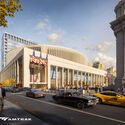
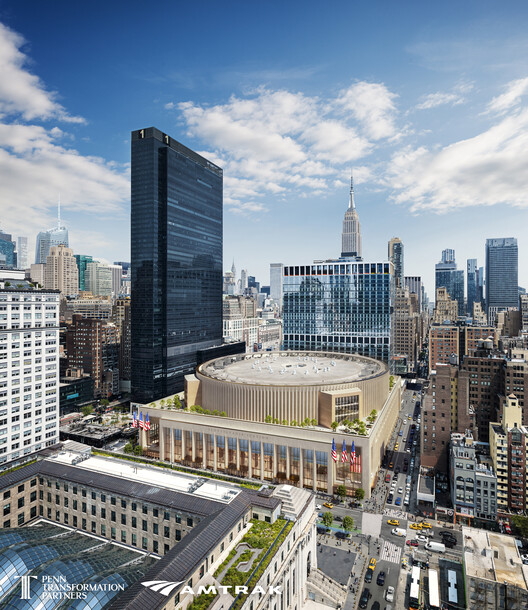
The Practice for Architecture and Urbanism (PAU), in collaboration with HNTB and HOK, has been selected as the design team for the redevelopment of New York City's Penn Station. The project is part of an ongoing effort to reorganize and expand one of the busiest rail transportation hubs in North America, aiming to improve passenger circulation, increase capacity, and upgrade the station's existing infrastructure. Design and development work is currently underway, with construction anticipated to begin in 2027. Located in Midtown Manhattan, Penn Station occupies the site of the original Pennsylvania Station, designed by McKim, Mead & White and completed in 1910.

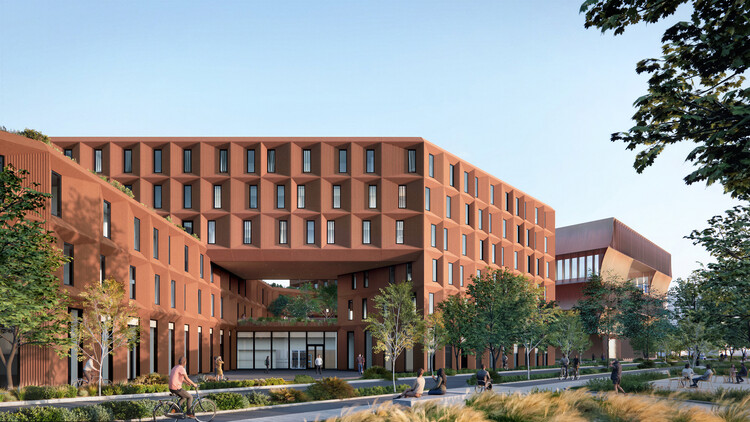
Designs Unveiled for New York City's Penn Station by PAU and HNTB-HOK - Image 1 of 4Designs Unveiled for New York City's Penn Station by PAU and HNTB-HOK - Image 2 of 4Designs Unveiled for New York City's Penn Station by PAU and HNTB-HOK - Image 3 of 4Designs Unveiled for New York City's Penn Station by PAU and HNTB-HOK - Image 4 of 4Designs Unveiled for New York City's Penn Station by PAU and HNTB-HOK - More Images+ 8

Discover the Full List of Stadiums Hosting the 2026 FIFA World Cup in the United States, Mexico, and Canada

Subscriber Access | 

The FIFA World Cup 2026 will take place from June 11 to July 19, 2026, across North America, with matches hosted at 16 venues in Canada, Mexico, and the United States. For the first time, the tournament is being co-hosted by three countries: 11 venues in the United States, 3 in Mexico, and 2 in Canada. Since the 2018 FIFA Congress selected the venues to host the 2026 World Cup, the three North American countries have been working to deliver the tournament. This edition will be the first to feature 48 competing teams, expanded from 32. Unlike the 2022 Qatar World Cup, which required the construction of entirely new stadiums, the three host countries already have the necessary infrastructure in place, though several venues are taking the opportunity to upgrade their facilities, including Mexico City's Estadio Azteca, Arlington's AT&T Stadium, and Toronto's BMO Field.
Discover the Full List of Stadiums Hosting the 2026 FIFA World Cup in the United States, Mexico, and Canada - Image 1 of 4Discover the Full List of Stadiums Hosting the 2026 FIFA World Cup in the United States, Mexico, and Canada - Image 2 of 4Discover the Full List of Stadiums Hosting the 2026 FIFA World Cup in the United States, Mexico, and Canada - Image 3 of 4Discover the Full List of Stadiums Hosting the 2026 FIFA World Cup in the United States, Mexico, and Canada - Image 4 of 4Discover the Full List of Stadiums Hosting the 2026 FIFA World Cup in the United States, Mexico, and Canada - More Images+ 13

Baku Architecture City Guide: 15 Projects Reframing Azerbaijan’s Capital

Subscriber Access | 

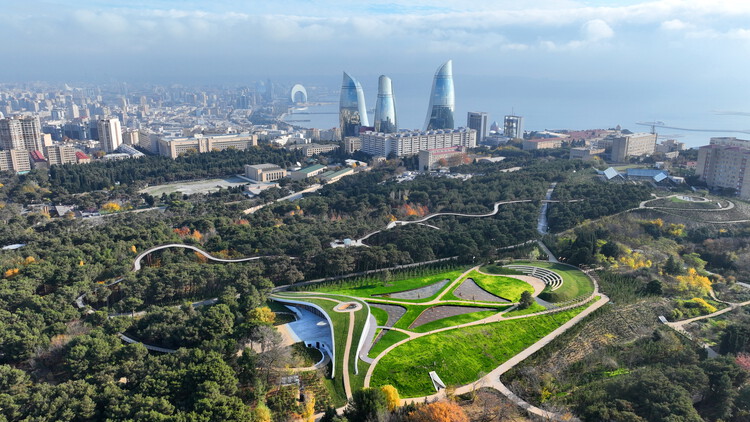
Some cities grow through continuity, others construct themselves through moments of acceleration. Baku, in Azerbaijan, seems to operate somewhere in between. Its historic core, the Icherisheher, still holds a spatial logic that resists expansion: dense, enclosed, defined by proximity and repetition. But just beyond its walls, the city begins to shift. Scale increases, distances expand, and the relationship between buildings becomes less about continuity and more about visibility.

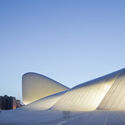
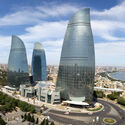
Over the past two decades, Baku has been the site of a deliberate effort to construct an image of itself. Oil wealth provided the means, but architecture became one of its primary tools. Projects such as the Heydar Aliyev Center by Zaha Hadid Architects or the Flame Towers are symbols of this transformation, their forms designed to circulate as much through media as through the city itself. They are precise, controlled, and highly resolved objects. But they also introduce a different urban logic, one that privileges singularity over continuity and positions architecture as an agent of representation.

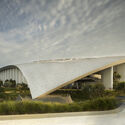
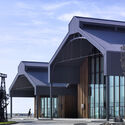
Baku Architecture City Guide: 15 Projects Reframing Azerbaijan’s Capital - Image 1 of 4Baku Architecture City Guide: 15 Projects Reframing Azerbaijan’s Capital - Image 2 of 4Baku Architecture City Guide: 15 Projects Reframing Azerbaijan’s Capital - Image 3 of 4Baku Architecture City Guide: 15 Projects Reframing Azerbaijan’s Capital - Image 4 of 4Baku Architecture City Guide: 15 Projects Reframing Azerbaijan’s Capital - More Images+ 12

How to Design with the Rain: Architectural Strategies for Rainwater Collection across Climates

Subscriber Access | 

As climate variability intensifies, extreme storms are becoming more frequent in some regions while water scarcity deepens in others. Architects are increasingly pressed to reconsider how buildings engage with rainfall as an environmental force and a design resource. How can architecture move beyond shedding the excess water to actively collect, store, and reuse it? What would it mean to treat rainwater as a material that shapes resilient and meaningful spaces?

How to Design with the Rain: Architectural Strategies for Rainwater Collection across Climates - Image 1 of 4How to Design with the Rain: Architectural Strategies for Rainwater Collection across Climates - Image 2 of 4How to Design with the Rain: Architectural Strategies for Rainwater Collection across Climates - Image 3 of 4How to Design with the Rain: Architectural Strategies for Rainwater Collection across Climates - Image 4 of 4How to Design with the Rain: Architectural Strategies for Rainwater Collection across Climates - More Images+ 64

Riyadh Architecture City Guide: 16 Projects from Heritage to Urban Expansion

Subscriber Access | 

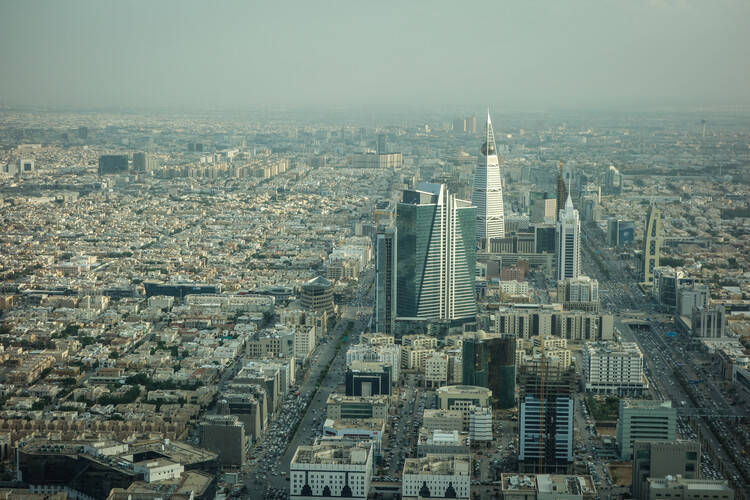
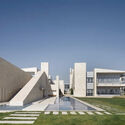
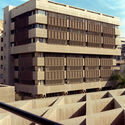
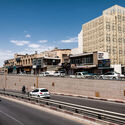
Once a Najdi settlement defined by mudbrick walls and courtyard houses, Riyadh has undergone one of the most radical urban transformations of the 20th and 21st centuries. The discovery of oil reserves, the consolidation of political power, and the rapid expansion of infrastructure reshaped the city from a regional capital into a sprawling metropolis almost within a single generation. As a result, Riyadh's urban fabric is marked by discontinuities, fragments of vernacular architecture coexist with mid-century institutional modernism, and a rapidly evolving contemporary skyline.

In recent decades, this layered condition has been further intensified by large-scale development strategies and cultural investment programs that position architecture as a tool for redefining national identity. International practices have played a decisive role in shaping key institutions, infrastructures, and landmarks, while local studios increasingly contribute projects that reinterpret climate, materiality, and social space within a contemporary framework.

Riyadh Architecture City Guide: 16 Projects from Heritage to Urban Expansion - Image 1 of 4Riyadh Architecture City Guide: 16 Projects from Heritage to Urban Expansion - Image 2 of 4Riyadh Architecture City Guide: 16 Projects from Heritage to Urban Expansion - Image 3 of 4Riyadh Architecture City Guide: 16 Projects from Heritage to Urban Expansion - Image 4 of 4Riyadh Architecture City Guide: 16 Projects from Heritage to Urban Expansion - More Images+ 17

Architecture Now: International Projects by HOK, COLL-BARREU, and Knight Architects Reshape Public Space

Subscriber Access | 

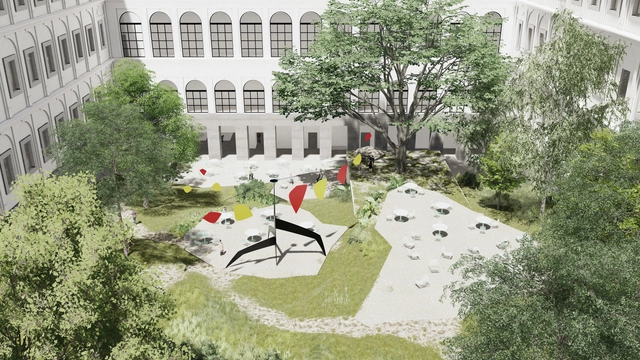
This month's architecture news spotlights a global wave of adaptive reuse, large-scale infrastructure, and public realm transformation. From airport expansions to museum reconfigurations, architects worldwide are rethinking how civic spaces serve communities in the 21st century. Notable developments include Sasaki, SLA, and MVVA being shortlisted to reimagine Toronto's Downsview Airport into a pedestrian-oriented public corridor, and HOK's 2.8 million-square-foot expansion of Dulles International Airport to accommodate future growth while honoring Saarinen's original vision. In Melbourne, Fraser & Partners received planning approval for a heritage-led redevelopment of the Boiler House precinct, while COLL-BARREU ARQUITECTOS completed a subtle reconfiguration of public access at Madrid's Reina Sofía Museum. Finally, in Canada, Knight Architects revealed the "Motion" design for the Alexandra Bridge replacement, an arching structure shaped by ecological references and inclusive public space. Read on for the latest updates shaping architecture today.

Architecture Now: International Projects by HOK, COLL-BARREU, and Knight Architects Reshape Public Space - Image 1 of 4Architecture Now: International Projects by HOK, COLL-BARREU, and Knight Architects Reshape Public Space - Image 2 of 4Architecture Now: International Projects by HOK, COLL-BARREU, and Knight Architects Reshape Public Space - Image 3 of 4Architecture Now: International Projects by HOK, COLL-BARREU, and Knight Architects Reshape Public Space - Image 4 of 4Architecture Now: International Projects by HOK, COLL-BARREU, and Knight Architects Reshape Public Space - More Images+ 4

Educational Spaces as Cultural and Civic Hubs in the Middle East: 7 Projects Redefining Public Engagement

Subscriber Access | 

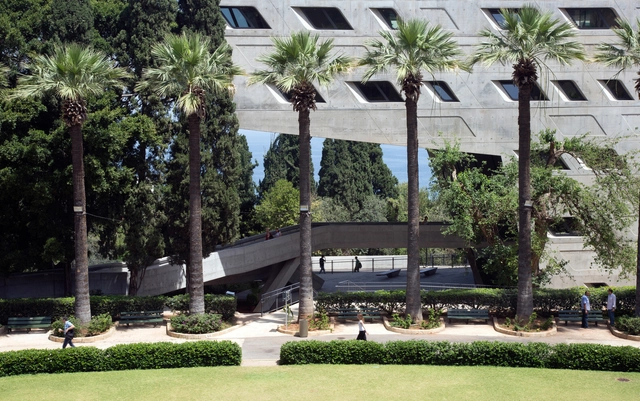
Education has long been a driving force in the Middle East, shaping knowledge, encouraging innovation, and strengthening cultural identity. In recent years, educational architecture in the region has expanded beyond its academic function, evolving into public gathering spaces and cultural hubs. These institutions are designed not only for learning but also for dialogue, research, and collaboration, often integrating open courtyards, multi-use public areas, and architectural elements that reflect local heritage. Whether through their physical openness, adaptability, or connection to the urban environment, these spaces reinforce the idea that universities and research centers are essential to civic life.

Educational Spaces as Cultural and Civic Hubs in the Middle East: 7 Projects Redefining Public Engagement - Image 1 of 4Educational Spaces as Cultural and Civic Hubs in the Middle East: 7 Projects Redefining Public Engagement - Image 2 of 4Educational Spaces as Cultural and Civic Hubs in the Middle East: 7 Projects Redefining Public Engagement - Image 3 of 4Educational Spaces as Cultural and Civic Hubs in the Middle East: 7 Projects Redefining Public Engagement - Image 4 of 4Educational Spaces as Cultural and Civic Hubs in the Middle East: 7 Projects Redefining Public Engagement - More Images+ 7

DIALOG and HOK Redesign Calgary's Scotia Place: A Celebration of Community and Indigenous Heritage in Canada

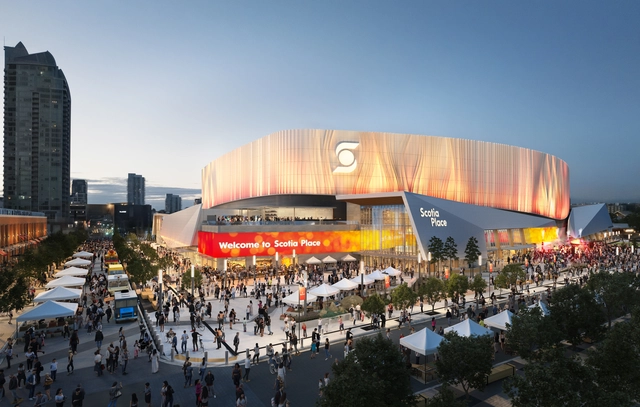
DIALOG and HOK have just revealed the redesign of Scotia Place, Calgary’s new event center in Canada. Set to become a hub of community and culture, Scotia Place is inspired by Indigenous ancestral lands and cultural significance, integrated these perspectives with the natural beauty of Calgary. Commissioned by the City of Calgary and the Calgary Sports and Entertainment Corporations, Scotia Place seeks to bring people together and activate the public realm.

DIALOG and HOK Redesign Calgary's Scotia Place: A Celebration of Community and Indigenous Heritage in Canada - Image 1 of 4DIALOG and HOK Redesign Calgary's Scotia Place: A Celebration of Community and Indigenous Heritage in Canada - Image 2 of 4DIALOG and HOK Redesign Calgary's Scotia Place: A Celebration of Community and Indigenous Heritage in Canada - Image 3 of 4DIALOG and HOK Redesign Calgary's Scotia Place: A Celebration of Community and Indigenous Heritage in Canada - Image 4 of 4DIALOG and HOK Redesign Calgary's Scotia Place: A Celebration of Community and Indigenous Heritage in Canada - More Images+ 7

Doha Architecture City Guide: 15 Contemporary Projects to Explore in the Capital City of Qatar

Subscriber Access | 

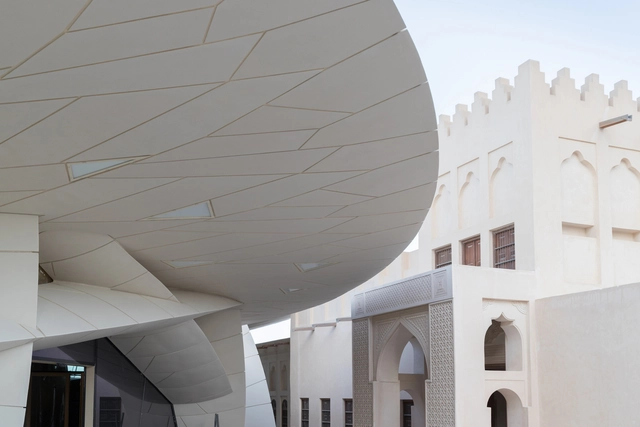
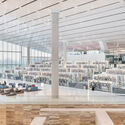
Doha is the capital of Qatar and the county’s most populated area, accommodating more people than the rest of Qatar combined. Located on the coast of the Persian Gulf, Doha is a relatively young city, founded in the vicinity of another settlement, Al Bidda, sometime during the 1820s. In recent years, the city has seen rapid population growth, an image reflected in the architectural landscape. During the 1960s and 1970s, many of the old districts in Doha were demolished to make space for new developments, while several schemes have been deployed to advocate for the preservation of the city’s cultural and architectural heritage.

In 2022, Qatar welcomed the FIFA World Cup Qatar 2022, one of the most anticipated sports events of the past year, held in an Arab country for the first time. With many stadiums built in or around Doha, the country prepared extensively for the event, yet concerns were raised due to the hot climate and the extensive adaptations needed to host a sporting event of this scale. In 2024, the city is hosting the inaugural edition of Design Doha 2024, a new Biennial showcasing over 100 Middle Eastern and North African designers, running from February 24 to August 5, 2024.

Doha Architecture City Guide: 15 Contemporary Projects to Explore in the Capital City of Qatar - Image 1 of 4Doha Architecture City Guide: 15 Contemporary Projects to Explore in the Capital City of Qatar - Image 6 of 4Doha Architecture City Guide: 15 Contemporary Projects to Explore in the Capital City of Qatar - Image 2 of 4Doha Architecture City Guide: 15 Contemporary Projects to Explore in the Capital City of Qatar - Image 3 of 4Doha Architecture City Guide: 15 Contemporary Projects to Explore in the Capital City of Qatar - More Images+ 13

Transforming Vacant Offices Into Dynamic Mixed-Use Hubs: Solutions for Unoccupied Buildings in U.S. Downtowns

Subscriber Access | 

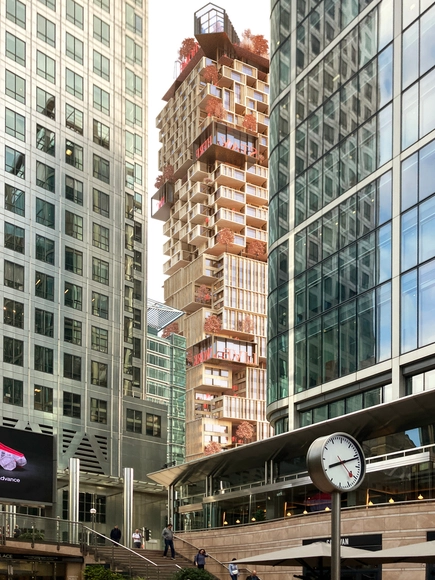
Unoccupied office buildings in major US cities are sending their downtowns into a so-called “urban doom loop.” With the widespread adoption of hybrid work, the influx of office-goers to central business districts has drastically dwindled. As a result, retail and restaurant businesses in these areas are struggling, urban transit systems are losing ridership, and city governments are grappling with the loss of tax revenue necessary to maintain public safety and sanitation. So, how can cities bring people back into their central business districts? While discussions on transforming offices into housing have given fruition significant city and federal incentives across the United States, what solutions exist for offices that aren't viable for such conversions?

Transforming Vacant Offices Into Dynamic Mixed-Use Hubs: Solutions for Unoccupied Buildings in U.S. Downtowns - Image 1 of 4Transforming Vacant Offices Into Dynamic Mixed-Use Hubs: Solutions for Unoccupied Buildings in U.S. Downtowns - Image 2 of 4Transforming Vacant Offices Into Dynamic Mixed-Use Hubs: Solutions for Unoccupied Buildings in U.S. Downtowns - Image 3 of 4Transforming Vacant Offices Into Dynamic Mixed-Use Hubs: Solutions for Unoccupied Buildings in U.S. Downtowns - Image 4 of 4Transforming Vacant Offices Into Dynamic Mixed-Use Hubs: Solutions for Unoccupied Buildings in U.S. Downtowns - More Images+ 1

Paying Tribute to the Influential Architects We Have Lost in 2023

As we step into the new year, we take a moment to reflect on the lasting impact of celebrated architects, designers, and curators who passed away in 2023. This past year witnessed the departure of influential figures who, through their talent and dedication, left an indelible mark on the built environment. Some embarked on their careers with bold gestures that reshaped architectural paradigms, while others worked quietly, placing a profound focus on the human experience or the invisible figures of out profession.

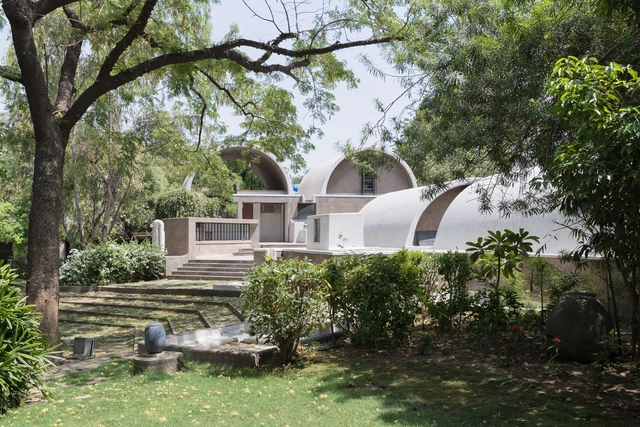
This reflective pause allows us to acknowledge the enduring legacy of personalities such as India's first Pritzker Prize Laureate, Balkrishna Doshi, the tireless women’s rights advocate Beverly Willis, the first curator of the Venice Architecture Biennale, Paolo Portoghesi, writer, critic and curator Jean-Louis Cohen, and many more.

Paying Tribute to the Influential Architects We Have Lost in 2023 - Image 5 of 4Paying Tribute to the Influential Architects We Have Lost in 2023 - Image 18 of 4Paying Tribute to the Influential Architects We Have Lost in 2023 - Image 43 of 4Paying Tribute to the Influential Architects We Have Lost in 2023 - Image 23 of 4Paying Tribute to the Influential Architects We Have Lost in 2023 - More Images+ 49

International Architecture Awards 2023 Announces Winners in Chicago, Illinois

For the 18th year, the International Architecture Awards has returned to celebrate outstanding architectural achievements globally. Based in Chicago, these awards feature exceptional new buildings, urban planning projects, and landscape architecture of 2023. Additionally, this month, the Chicago Architecture Biennial (CAB 5) is currently taking place in the city. Both the awards and the Biennial attempt to shed light on each country’s architectural, design, cultural, and social trends.

Since the inception of the International Architecture Awards in 2005, this annual program has served as a platform for celebrating contemporary architecture. Moreover, the awards institution believes in architecture’s potential to enhance the quality of life for individuals globally. This year, the selected winners span 48 countries, from Ethiopia to Tokyo and New York to Nova Scotia.

International Architecture Awards 2023 Announces Winners in Chicago, Illinois  - Image 1 of 4International Architecture Awards 2023 Announces Winners in Chicago, Illinois  - Image 2 of 4International Architecture Awards 2023 Announces Winners in Chicago, Illinois  - Image 3 of 4International Architecture Awards 2023 Announces Winners in Chicago, Illinois  - Image 4 of 4International Architecture Awards 2023 Announces Winners in Chicago, Illinois  - More Images+ 14

Designing for Water Scarcity: How Architects are Adapting to Arid Environments

An arid environment refers to specific regions characterized by a severe lack of available water and extremely dry weather conditions. More specifically, arid regions by definition, receive less than 25 centimeters of rain per year. In the immense vastness of arid environments, where extreme climates present significant challenges, the role of water in architecture takes on a new dimension.

For centuries, architects and designers dealing with harsh desert landscapes and the vital necessity of water have invented techniques, technologies, and new structures. Moreover, many creative approaches have been created to harness, collect, and cool water in arid environments. 

Designing for Water Scarcity: How Architects are Adapting to Arid Environments - Image 1 of 4Designing for Water Scarcity: How Architects are Adapting to Arid Environments - Image 2 of 4Designing for Water Scarcity: How Architects are Adapting to Arid Environments - Image 3 of 4Designing for Water Scarcity: How Architects are Adapting to Arid Environments - Image 4 of 4Designing for Water Scarcity: How Architects are Adapting to Arid Environments - More Images+ 3

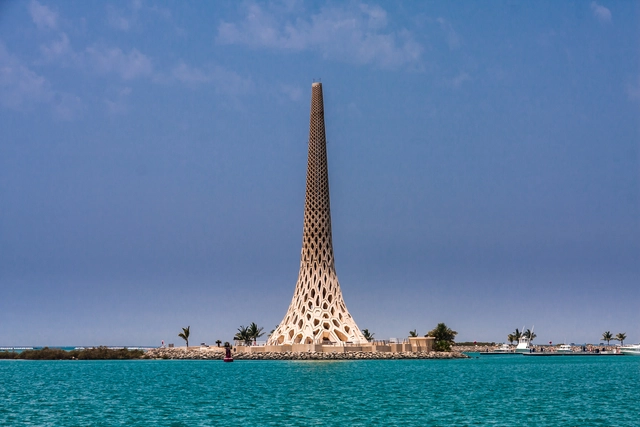
Abu Dhabi Architecture City Guide: 50 Years of City Making

Subscriber Access | 

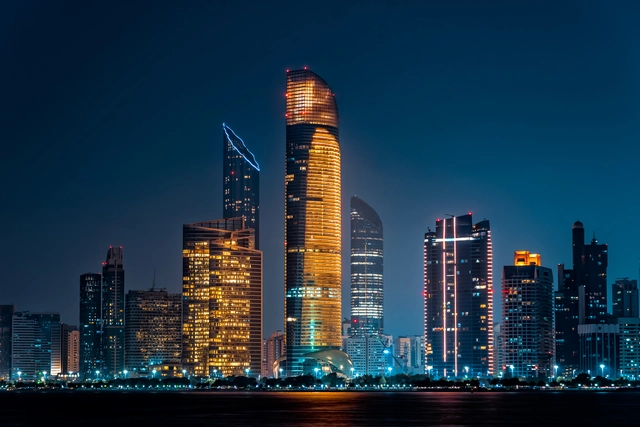
Capital city of the United Arab Emirates, the city of Abu Dhabi is located on an island in the Persian Gulf, connected to the mainland by a short bridge. Home to the local and federal government offices, as well as to the President of the UAE, Abu Dhabi was formerly an undeveloped town with only local significance that transformed into a large metropolis, at a record speed of development and urbanization.

Japanese architect Katsuhiko Takahashi created the master plan of the city in 1967, with a target population of 40,000. Encouraged in the Abu Dhabi Plan 2030, tall skyscrapers symbolize nowadays its iconic architecture, as well as new developments of Al Maryah Island, and the Sheikh Zayed mosque initiated and constructed under the administration of the late President Sheikh Zayed, a pivotal figure in the development of the contemporary UAE.

Architect Bill Hellmuth, Chairman and CEO of HOK, Passes Away at the Age of 69

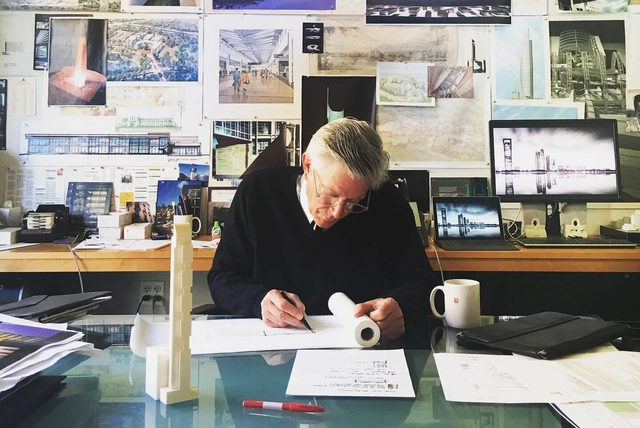
Architect William (Bill) Hellmuth, the chairman and CEO of HOK, passed away on April 6, 2023, after a long illness. Hellmuth was elected president of HOK in 2005, then CEO in 2016. He accepted the new role on the condition of remaining design principal for HOK’s Washington D.C. studio, as he enjoyed having a hands-on approach and working directly with clients and HOK project teams. One year later he was also named chairman of the firm, helping the office to raise its profile as an innovative and influential company within the design community.

Architect Bill Hellmuth, Chairman and CEO of HOK, Passes Away at the Age of 69 - Image 1 of 4Architect Bill Hellmuth, Chairman and CEO of HOK, Passes Away at the Age of 69 - Image 2 of 4Architect Bill Hellmuth, Chairman and CEO of HOK, Passes Away at the Age of 69 - Image 3 of 4Architect Bill Hellmuth, Chairman and CEO of HOK, Passes Away at the Age of 69 - Image 4 of 4Architect Bill Hellmuth, Chairman and CEO of HOK, Passes Away at the Age of 69 - More Images

Paying Tribute to the Influential Architects We Have Recently Lost

Subscriber Access | 

The profession of architecture is often marked by those individuals who employ their talent and resources to enable change and bring forth a vision for a better future. While some of them began their careers with bold gestures that captured the attention of the architectural world and changed paradigms, others worked in a more quiet manner, shifting the focus to the users of the space and asking themselves how they can best contribute to enriching the lives of those around them. 

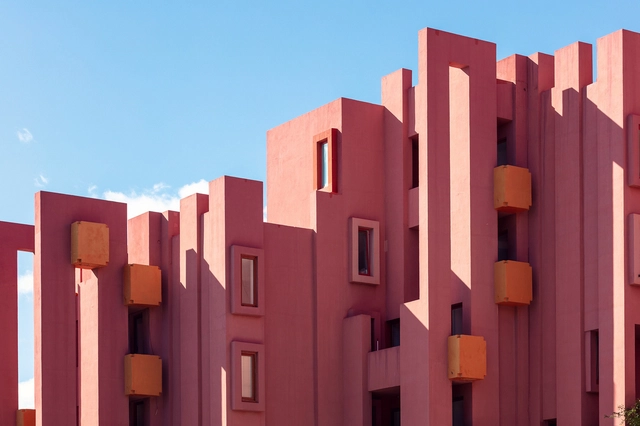
As the new year begins, we pause to look back to the architects who have passed away over the course of the last year but whose legacy and contribution to architecture outlive them. Among them, we remember Pritzker Prize laureate and pioneer of the High-Tech Richard Rogers, Post-Modern icon Ricardo Bofill, the thoughtful Gyo Obata, advocate and innovator Doreen Adengo, social housing pioneer Renée Gailhoustet and the many-sided Pritzker Prize laureate Arata Isozaki.

Kimberly Dowdell Chosen as AIA’s First Black Woman President

The American Institute of Architects has elected Kimberly Dowdell as the 100th president of the organization, making her the first Black woman to hold the position in AIA’s 165-year history. Delegates at the AIA’s annual meeting voted Dowdell to serve first as vice president for 2023. Afterward, she will become president in 2024.

During her campaign for president, Dowdell has expressed her support for minorities, while also making clear that she wants to be an AIA president for all. Her platform is based on four key areas of interest: supporting architects in practice, creating a sense of belonging and ensuring access to the architectural profession and education, addressing climate concerns, and designing for the future, considering rapid technological advances. “I firmly believe that the AIA has the power and potential to better serve our profession” she declared in a video made prior to the election.

BIG and HOK’s Timber Design Wins the Global Zurich Airport Competition

Dock A, the largest dock of the Zurich Airport, was the subject of international competition. BIG forms the winning team as design lead with HOK as aviation architect, 10:8 architects, engineer Buro Happold, timber experts Pirmin Jung, and aviation consultant NACO. Their design proposal centers on passenger experience and movement through the airport. A pared-back material palette reveals the loadbearing system of the building: V-shaped timber columns provide both a structural function and a distinctive identity true to its place and era, according to the jury.

BIG and HOK’s Timber Design Wins the Global Zurich Airport Competition - Image 1 of 4BIG and HOK’s Timber Design Wins the Global Zurich Airport Competition - Image 2 of 4BIG and HOK’s Timber Design Wins the Global Zurich Airport Competition - Image 3 of 4BIG and HOK’s Timber Design Wins the Global Zurich Airport Competition - Image 4 of 4BIG and HOK’s Timber Design Wins the Global Zurich Airport Competition - More Images+ 2