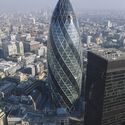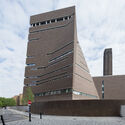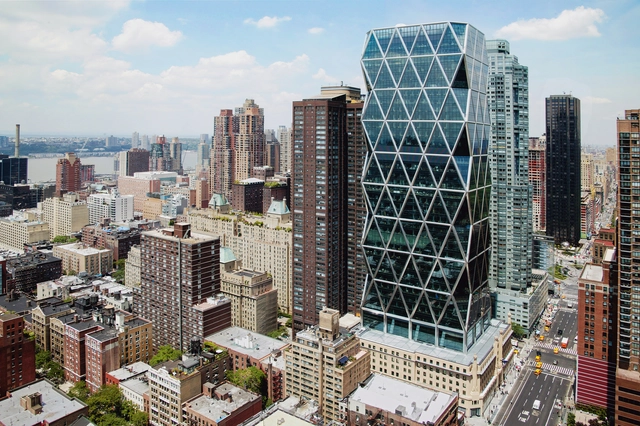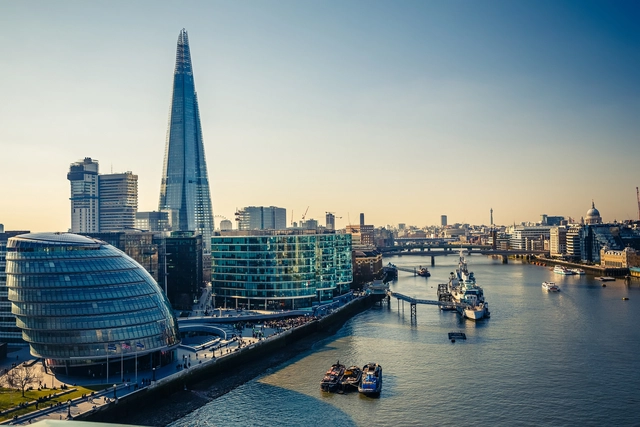
London’s architectural history is a rich tapestry that weaves together styles of various periods and influences. In the post-war era, the city experienced a surge in modern architecture, becoming a canvas for experimentation. New stylistic movements saw their expression crystalized through buildings such as Richard Rogers’ Lloyd’s Building, one of the most representative examples of High-Tech architecture, or the Barbican Estate, a large-scale housing estate that became the iconic structure for Brutalist architecture.
London’s contemporary architectural landscape continues to evolve, in part through the works of internationally-recognized architects such as Norman Foster, Zaha Hadid, and Thomas Heatherwick. This varied blend of styles, and ways of expression reflects the city’s ability to embrace architectural movements of global significance. As a center for innovation, London continues to attract established and emerging architects who shape its skyline and contribute to its international architectural discourse, with each new building offering a glimpse into the ever-changing nature of London’s urban fabric.
In a 2007 conference, Norman Foster stated: “As an architect you design for the present, with an awareness of the past, for a future which is essentially unknown." That talk was about the green agenda, which he termed the most important issue of the day, affirming that it is “not about fashion but about survival.” Admittedly, the rise in public interest in contemporary architecture that followed the creation of the Pritzker Prize in 1979 (Foster was the 1999 winner) has been focused on forms and personalities more than on substance. Philip Johnson, the first winner of the shiny award, made his view clear: “Architecture is art, nothing else.” Essays, magazines, and books have delighted in the foibles, verbal and sartorial, of celebrated architects, the hats, and eyeglasses of genius. Of course, figures like Frank Lloyd Wright and Le Corbusier did not wait for a prize to be famous, and it seems fitting that Wright’s literary alter-ego, Howard Roarke, would say: “Art is a selective re-creation of reality according to an artist’s metaphysical value judgments." The modern architect/artist as demiurge, responsible for fashioning and maintaining the universe: “…how like an Angel in apprehension, how like a God?”
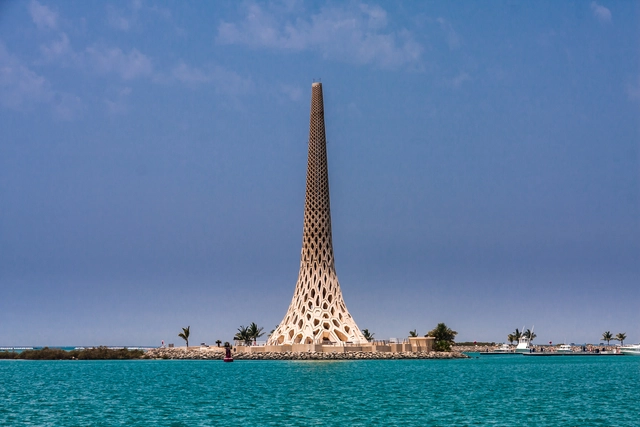
An arid environment refers to specific regions characterized by a severe lack of available water and extremely dry weather conditions. More specifically, arid regions by definition, receive less than 25 centimeters of rain per year. In the immense vastness of arid environments, where extreme climates present significant challenges, the role of water in architecture takes on a new dimension.
For centuries, architects and designers dealing with harsh desert landscapes and the vital necessity of water have invented techniques, technologies, and new structures. Moreover, many creative approaches have been created to harness, collect, and cool water in arid environments.
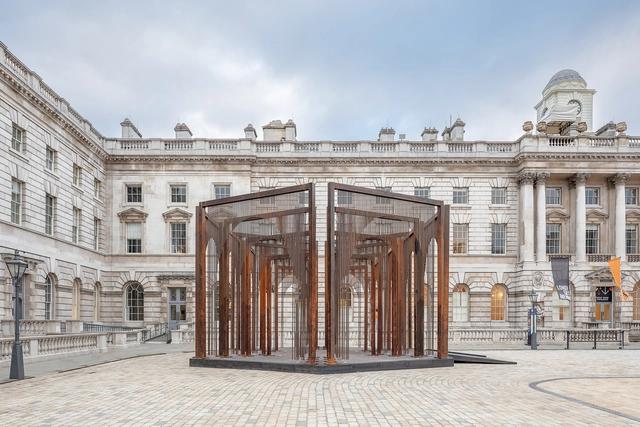
London Design Biennale has opened on June 1st, 2023, at Somerset House, bringing together participants from around the world to celebrate new forms of international cooperation through design. The Biennale, now in its fourth edition, will display more than 40 installations focused on the theme ‘The Global Game: Remapping Collaborations,’ chosen by this year’s Artistic Director, the Nieuwe Instituut, Instituut, led by Aric Chen. In addition to the national participants, the Eureka exhibition will showcase cross-disciplinary innovations from UK’s leading research centers.
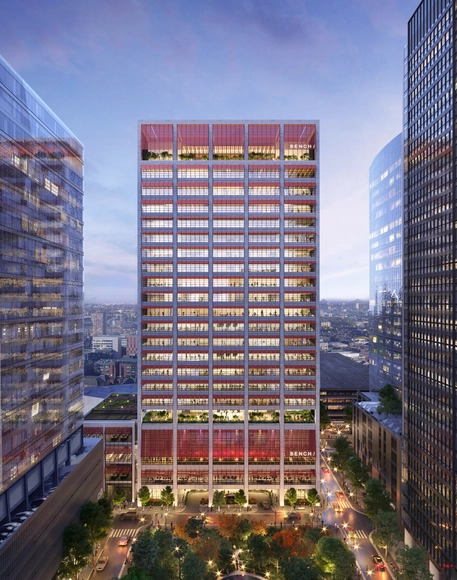
Foster + Partners’ project for BENCH, one of the Philippines’ leading clothing and lifestyle brands, has started construction in Manila. The 24-storey headquarters building offers offices, design studios, event spaces, and the necessary amenities to create an enjoyable environment for the company’s employees. Located on the east-west axis in the Bonifacio Global City, the building opens up the ground floor to create a visual connection to the green space surrounding it.
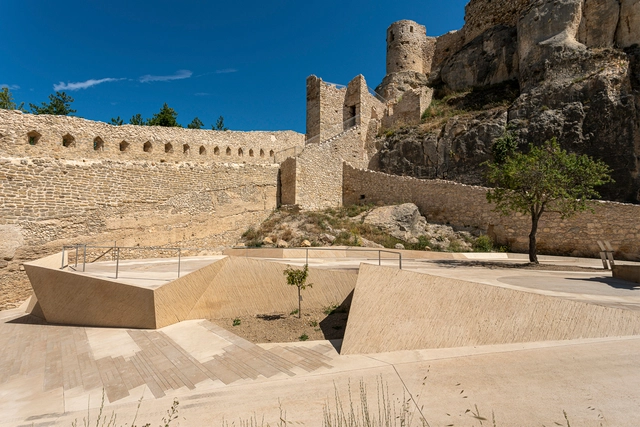
On the occasion of the sixth edition of the AHI European Heritage Intervention Award, the 26 selected projects within the categories of Built Heritage and Outdoor Spaces have been announced, among a total of 241 projects submitted from 28 different European countries.
With a career spanning across continents and over six decades, the work of the renowned architect Norman Foster is nothing short of extraordinary. His creative innovation and holistic approach have made him one of the world’s most influential and well-known architects. From the Apple Park campus in Cupertino, California, to the Reichstag in Berlin, the enclosed court of the British Museum in London to the Millau Viaduct in France, with his practice of Foster + Partners, he has created celebrated landmarks that stand out for their inventive modernity and for what he calls “a sustainable approach to the design of the built environment.”
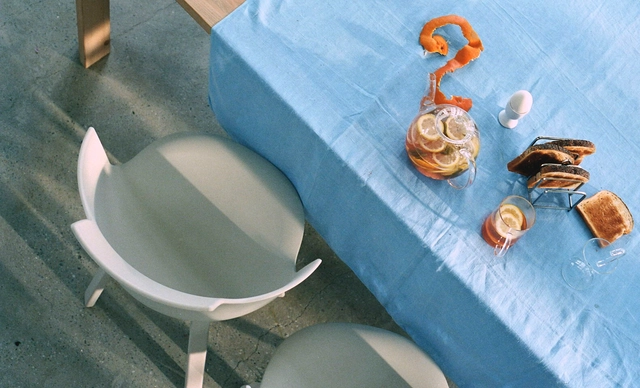
Social by Snohetta for Varier. Image Courtesy of Mishael Phillip Fapohunda
Milan Design Week is an annual festival that returned to Milan this April, with as a main event, The Salone del Mobile, which runs from April 18 to 23, 2023, at the Fiera Milano exhibition venue. Over 370,000 people attended the furniture fair this year, while thousands of design studios presented furniture, lighting, appliances, kitchen, bathroom, outdoor and workstation products. To highlight furniture and object design and the broader context of Milanese architecture and culture, many architectural offices collaborated with various businesses to make architect-designed items and construct architectural installations.
Reputable architects participated in the week-long event as they do every year, using products, furniture, and installations to share their expertise, address some of the most pressing issues facing the field, and demonstrate how their work can benefit the environment and society. Many firmly established architecture studios, from Foster + Partners, Mario Cucinella, and Hassell, designed various products. Furthermore, architects such as The New Raw, Snøhetta, and Studio Etienne Bastormagi have designed products focusing on efficient and sustainable systems that can inform future decision-making.
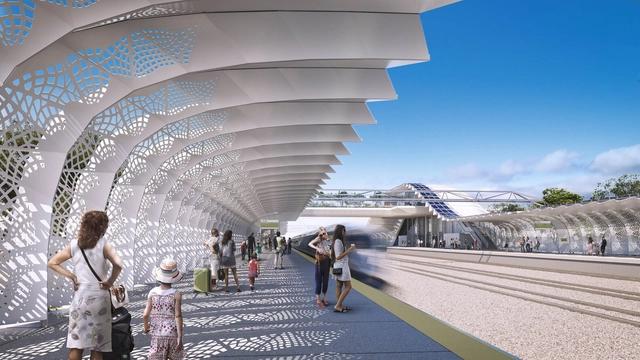
California High Speed Rail. Image Courtesy of Foster + Partners
Foster + Partners and Arup have chosen to work together to design the Merced, Fresno, Kings/Tulare, and Bakersfield stations that will service high-speed train passengers on the first 171-mile leg of California High-Speed train (CA HSR). The Central Valley stations will be the grand entrances to America's first high-speed rail stretch, marking an important step towards providing all Californians with sustainable, carbon-free transportation. Planning, architecture, and engineering for the four new stations, which will serve as design templates for stations planned for the whole 500-mile Los Angeles/Anaheim to San Francisco line, are being done jointly by Foster + Partners and Arup.
The California high-speed rail will connect the state's mega-regions, promote economic growth and a cleaner environment, foster job growth, and conserve agricultural and protected lands. With up to 200 mph speeds, the system can travel from San Francisco to the Los Angeles basin in less than three hours. The Authority is collaborating with regional partners to implement a state-wide rail modernization plan that will spend billions of dollars on local and regional rail lines.
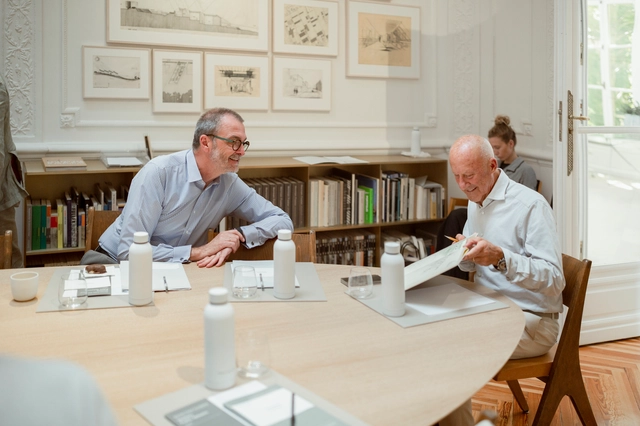
Christophe Levy, Scientific Director at Holcim and Lord Norman Foster. Image Courtesy of Holcim & Norman Foster Foundation
During the 2023 Architectural Biennale in Venice, Holcim and the Norman Foster Foundation will announce the start of their Essential Houses Research Project. Through this collaboration, the Norman Foster Foundation created necessary housing to give displaced communities safety, comfort, and welfare while allowing them to live in temporary settlements for over 20 years. To make sustainable buildings accessible to everyone, Holcim constructed these necessary homes using various green products, such as Elevate Insulation Boards and ECOPact low-carbon concrete.
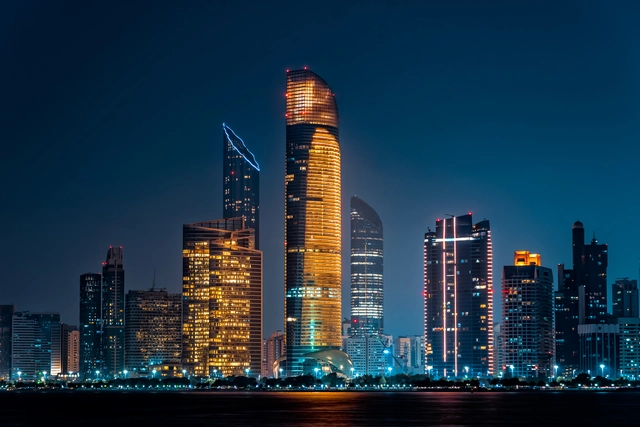
City night view of Abu Dhabi business district, United Arab Emirates. Image via Shutterstock | MDXB
Capital city of the United Arab Emirates, the city of Abu Dhabi is located on an island in the Persian Gulf, connected to the mainland by a short bridge. Home to the local and federal government offices, as well as to the President of the UAE, Abu Dhabi was formerly an undeveloped town with only local significance that transformed into a large metropolis, at a record speed of development and urbanization.
Japanese architect Katsuhiko Takahashi created the master plan of the city in 1967, with a target population of 40,000. Encouraged in the Abu Dhabi Plan 2030, tall skyscrapers symbolize nowadays its iconic architecture, as well as new developments of Al Maryah Island, and the Sheikh Zayed mosque initiated and constructed under the administration of the late President Sheikh Zayed, a pivotal figure in the development of the contemporary UAE.
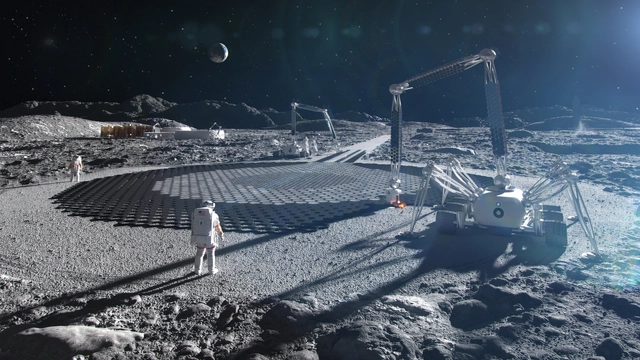
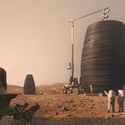
A new award from NASA will support ICON in developing construction technology that could be used on the Moon and Mars. Image Courtesy of ICON/BIG-Bjarke Ingels Group
From inflatable and 3D-printed structures to entire habitats, architecture plays an unprecedented role in space exploration missions. As NASA plans for long-term human exploration of the Moon and Mars under Artemis and CHAPEA missions, new technologies are required to meet the unique challenges of living and working in another world. In response, figures like Buckminster Fuller, Foster + Partners, SOM, and BIG-Bjarke Ingels Group, in collaboration with emerging businesses such as ICON and SEArch+, have nourished the architectural catalog in outer space.
In the latest update, NASA awarded Austin-based company ICON a contract to continue ICON's Olympus construction system in partnership with BIG-Bjarke Ingels Group. The project will help build infrastructures such as landing pads, habitats, capsules, and roads on the lunar surface and Mars, using extrusion-based additive construction technology (3D printing) and local materials like lunar regolith. The contract runs through 2028 and supports Artemis, a mission for long-term human exploration of the Moon.
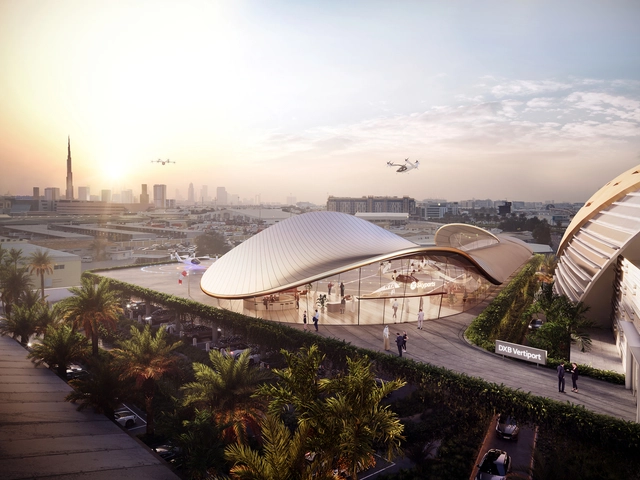
Vertiport Terminal, Dubai. Image Courtesy of Foster + Partners
Foster + Partners has developed a provisional concept design for a Vertiport terminal, located next to Dubai International Airport, in collaboration with Skysports Infrastructure, the leading designer and operator of Vertiport technology for advanced air mobility.
Skyports Infrastructure and Dubai's Highways and Transport Authority are now considering four initial locations, with the DXB vertiport being one of them (RTA). The locations are envisioned as part of an electric vertical take-off and landing (eVTOL) infrastructure network that will link Dubai's most populated and well-known places and offer high-speed, zero-emission transportation. The RTA's Dubai Metro network and Dubai International Airport are just two existing transportation hubs with which the vertiport network will interact. By 2026, the RTA and Skyports Infrastructure intend to have a network of vertiports ready for use for air taxi services.
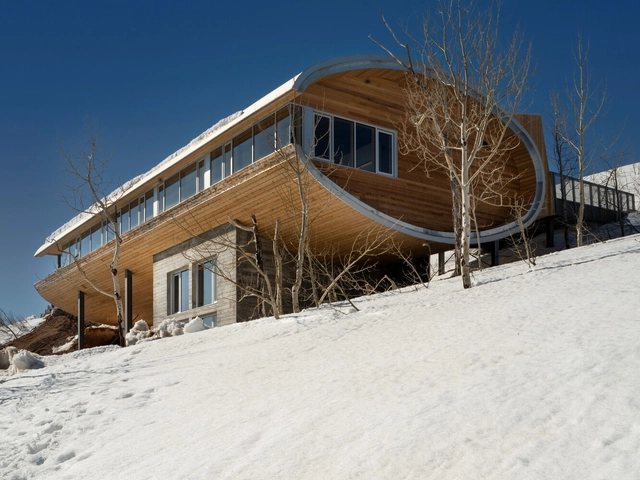
House at 9,000 feet, Intermountain Region of the United States. Image Courtesy of MacKay-Lyons Sweetapple Architects
The Canadian Wood Council has announced the winners of the 39th annual Wood Design & Building Awards program. The awards program honors and recognizes the remarkable contributions of architects worldwide who excel in wood design and construction. This year, the program attracted a record 181 nominations from 25 different countries, and 24 winning projects were chosen from the excellent pool of submissions.
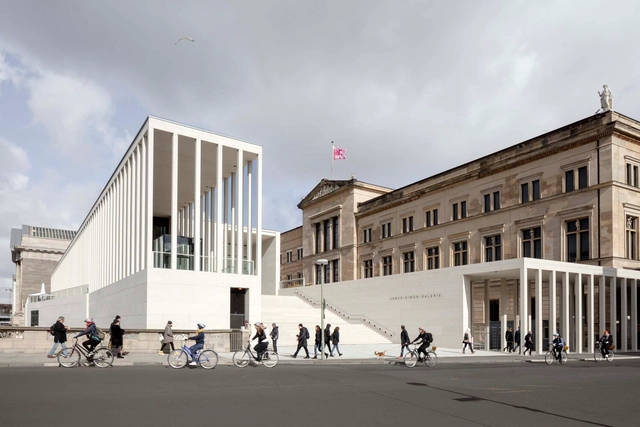
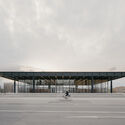
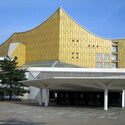
While the city of Berlin has a long history, dating back to the 13th century, its architecture and urban fabric has undergone the most significant changes during the last century, reflecting the impact of major historical events that took place in the German capital. During the early 20th century, Berlin transformed into a modern metropolis, marked through the construction of grand buildings and imposing structures to demonstrate the city’s growing economic and political power. The 1920s and 1930s saw the emergence of the Modernist movement, which, together with the Bauhaus school of architecture founded in 1919, influenced the image and urban fabric of Berlin.
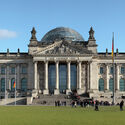
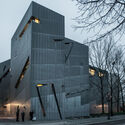
During the Second World War the city was heavily bombed, resulting in the destruction of many historical buildings. During the post-war period, reconstruction efforts focused on rebuilding infrastructure and housing, while the city remained divided until 1989, with the fall of the Berlin wall. After this period, Berlin witnessed a renewed interest in architecture and urban design. Interventions such as David Chipperfield’s Neues Museum aimed to rebuild historical monuments without erasing the markings of their difficult past. Other projects such as the renovation of the Reichstag had a different purpose. Norman Foster’s intervention intended to keep the image of this building but change its symbolism from a structure representative for the Nazi regime to one embracing the ideals of democracy and equality.
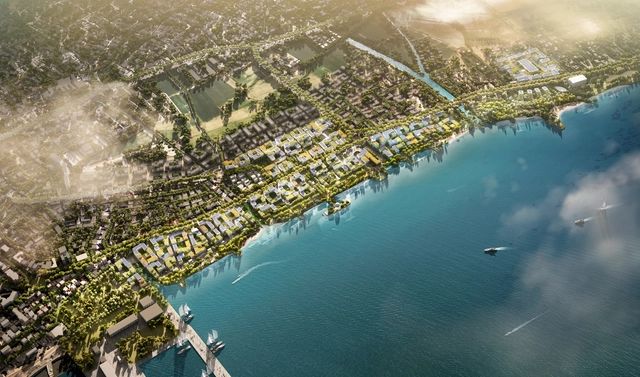
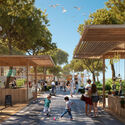
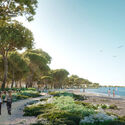
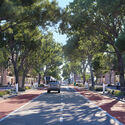
Foster + Partners, working in collaboration with Petrolina Group, has revealed the design of a new master plan to transform the seafront of Larnaca, Cyprus, into a sustainable and enjoyable area for the city residents, future generations, and new visitors. The resort town of Larnaca aims to redesign one of its main arteries, the Larnaca-Dhekelia Road, to become more pedestrian-friendly, along with its seafront. Foster’s proposal aims to enhance the land’s ecological value and to double the length of the waterfront accessible to the public.
Following two exciting weeks of nominations, ArchDaily’s readers have evaluated over 700 projects and selected 10 finalists for the Building of the Year Award China. Architects and enthusiasts participated in the nomination process, choosing projects that exemplify what it means to push architecture forward. These finalists are the buildings that have inspired ArchDaily readers the most, which also reveal the growing trend of Chinese architecture.