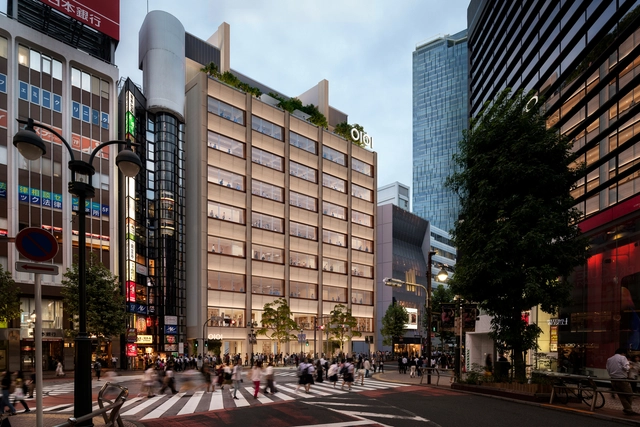
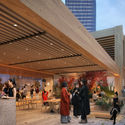
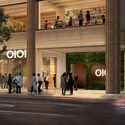
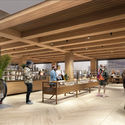
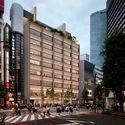
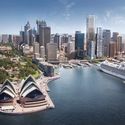
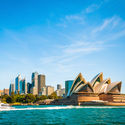
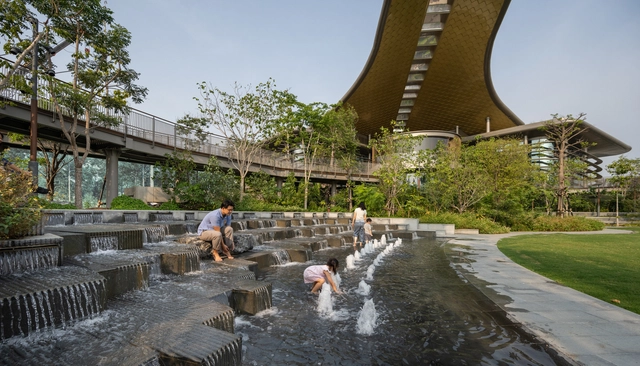
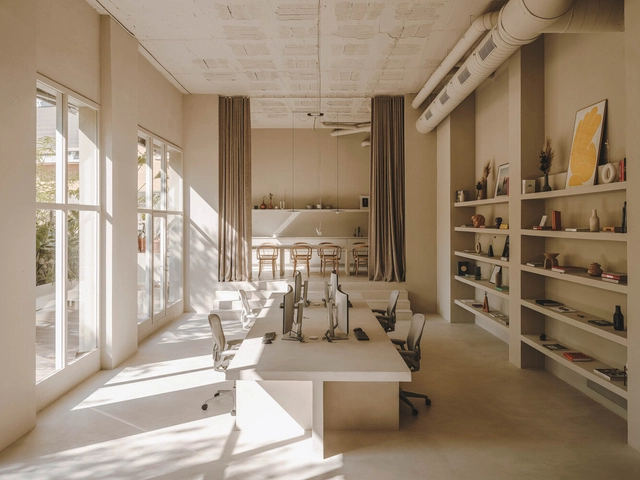
Foster + Partners has unveiled its latest commercial project on the world-famous Shibuya Crossing, in Tokyo, Japan. Dubbed the Shibuya Marui Department Store, the nine-storey retail development is set to become a new space for sustainable lifestyle brands, adopting the highest standards of sustainability and core principles of environmental responsibility and wellbeing. The timber structure's design and material selection will significantly reduce the embodied carbon of the building, while simultaneously creating a warm and open experience for visitors.
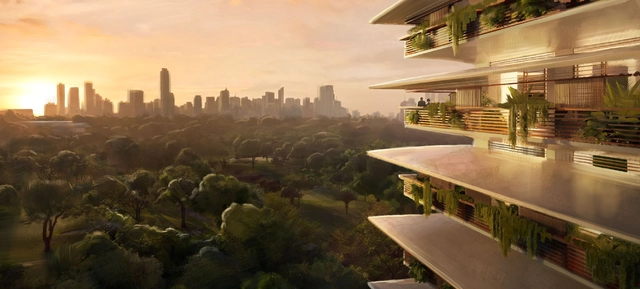
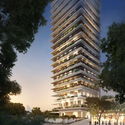
Foster + Partners has revealed the design of the BWDC Residential Tower, a luxury apartment building in Manila, the Philippines. The new tower combines the city’s vernacular architecture and traditional veranda lifestyle with modern high-rise living. The project is the firm's latest in the tropics which responds to the regions’ intense weather systems, mitigating high temperatures and humidity through passive design strategies.
The architecture of governments has long been tied to shared ideals. Built to reflect regional aspirations and communal organizations, parliaments are a unique type of design for legislative bodies. Generally speaking, they include various kinds of deliberative, consultative, and judicial assemblies. Exploring new ideas on the design of government buildings, parliaments are being reimagined to reflect contemporary life.
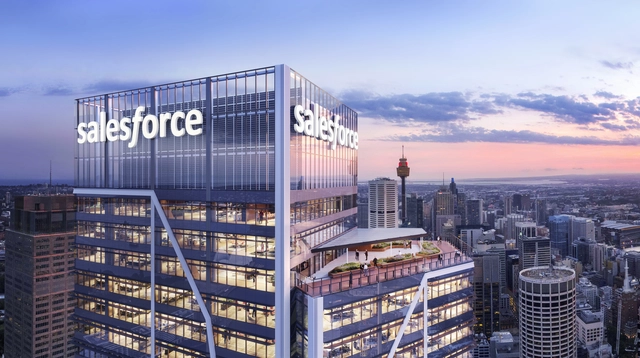
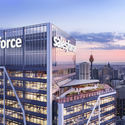
Foster + Partners' newest office tower in Sydney has topped out, marking the completion of the highest point for the 55-storey building. Salesforce Tower will serve as a centerpiece of the urban district’s reinvigorated masterplan, featuring an array of pedestrian pathways, retail shops, and cafes and bars, further promoting Sydney's identity as a unique cultural destination.
Foster + Partners revealed the design of a new skyscraper at 270 Park Avenue that will host JPMorgan Chase’s New York headquarters. The 60-story tower is set to be the city’s largest all-electric tower with net-zero operational emissions powered by renewable energy sourced from a New York State hydroelectric plant and is designed around high standards regarding wellness and hospitality. The project’s morphology creates extensive ground-level outdoor space with green areas and a public plaza, accompanied by various amenities geared towards the neighbourhood’s residents. Under construction since 2021, the project replaces SOM's Union Carbide Building, which became the tallest voluntarily demolished building in the world.
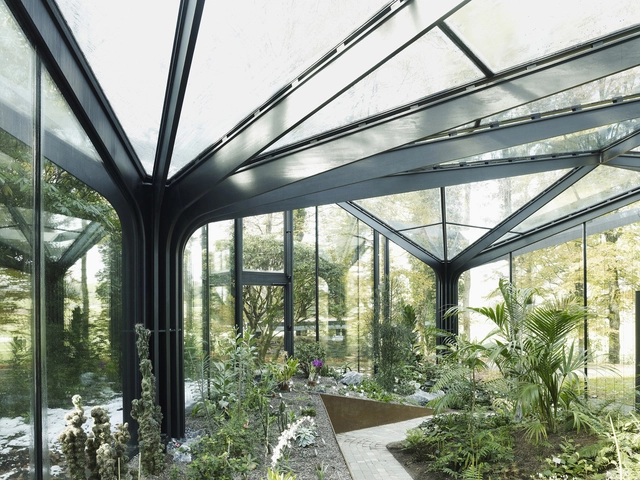
Few structures are as elegant and ingenious as greenhouses. Largely built with simple and straightforward designs, these minimalist shelters create airy and light-filled spaces that shape indoor climate. Dedicated to the cultivation of plants and crops, they are diverse projects combining programs and systems to emphasize sustainability, education and conservation. At their heart, greenhouses are about experience and discovery.
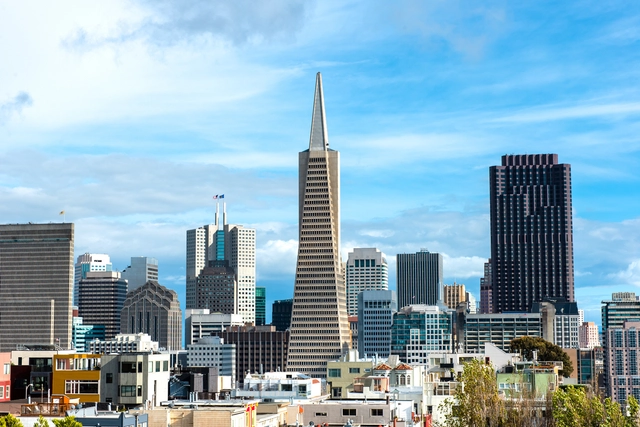
The Transamerica Pyramid, a landmark in the skyline of San Francisco, is undergoing a revitalization project led by Foster + Partners and luxury real estate developers SHVO. Built in 1972, the 48-story Brutalist-style project was designed by American architect William Pereira, and was the tallest building in San Francisco for nearly half a century. The renovation will be the largest in the building’s 50-year history, will also see the expansion and upgrade of the adjacent Three Transamerica (545 Sansome).
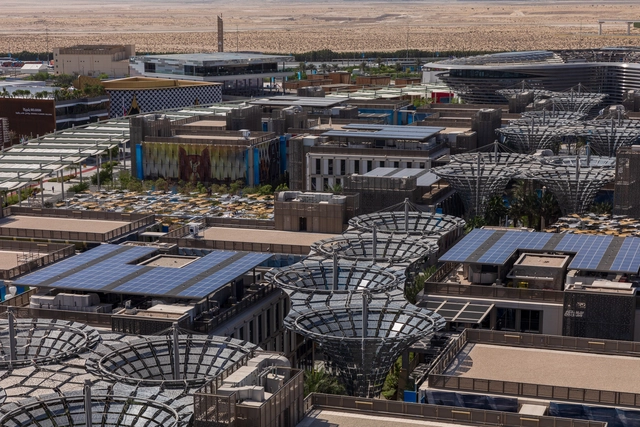
During the past two years spent photographing Expo 2020 Dubai, I was often asked by friends what exactly it was. To align with its closure on the 31st of March, I would like to address that question from two angles. Most readers will be aware that the expo is part of a tradition dating back to the 19th century - a Showcase for companies and countries, a tourist attraction, a testing ground for technical innovation. But it is also a collection of paradigm studies on opportunity, sustainability, and mobility, as well as a lucrative building project creating a new neighbourhood in the Emirates and a future means of dwelling. Perhaps this last frame of reference is the most interesting for it is what most distinguishes this expo from others.
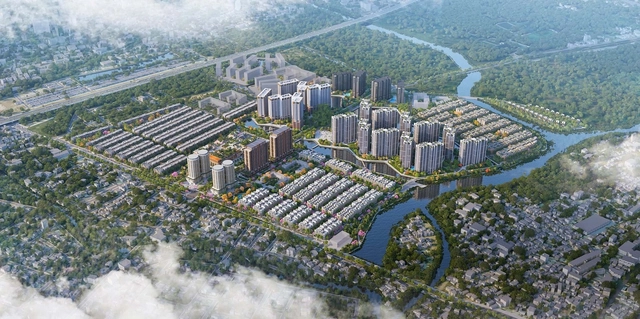
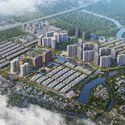
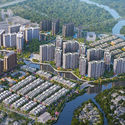
Foster + Partners has been chosen by Masterise Homes to serve as Architectural Advisors for the development of The Global City, an all-inclusive neighborhood in Ho Chi Minh City, Vietnam and the first of its kind in the country for the architecture office. The practice will provide innovative and sustainable design solutions for a fully-integrated master plan that features a full range of facilities, residential units, and connections to highways, major roads, and metro lines.
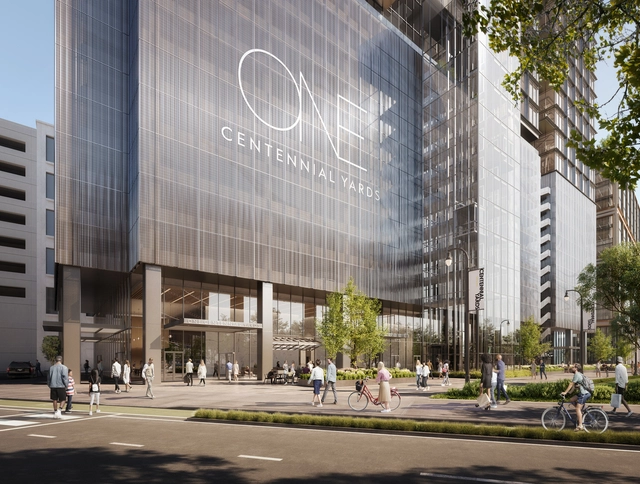
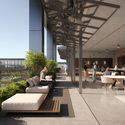
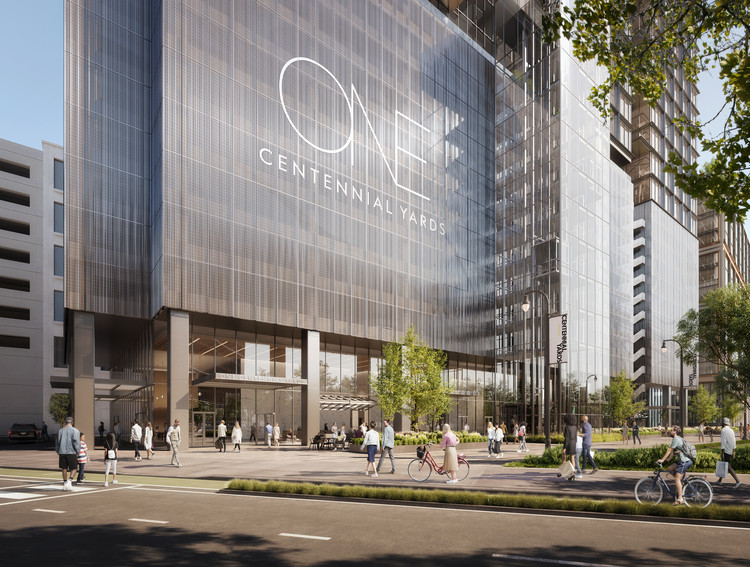
Skidmore, Owings & Merrill, in partnership with Atlanta’s Goode Van Slyke Architecture (GVSA), have unveiled Centennial Yards' first ground-up tower. Titled One Centennial Yards, the project will feature 28 stories and over 500,000 square feet of office space, 19,000 square feet of amenities, and 21,980 square feet of outdoor spaces, all aligned with the innovative, health, and wellness goals of the Foster + Partners designed master plan.
Helsinki seeks to transform the Makasiiniranta area into an extension of its pedestrian city centre through a competition that will reshape a significant part of its maritime façade. The two-phase competition has shortlisted nine international groups whose proposals were made available for public feedback under anonymity. As most of the former industrial areas of the city have been redeveloped, Makasiinirantais is the last part of the old harbour waiting to undergo transformation and the most significant one, as it is considered a nationally valuable environment.
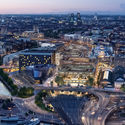
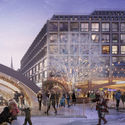
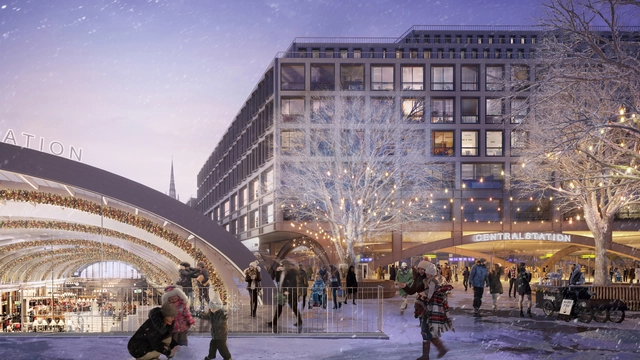
An integrated team led by Foster + Partners in collaboration with Marge Arkitekter have won a design competition for the redevelopment of Stockholm's central station, Sweden's largest transportation facility. The winning design aims to bring together several modes of transport in an integrated hub, while prioritizing pedestrian circulation and creating a new mixed-use urban district that combines old and new architecture.
With its quantifiable objectives and measurable performance, sustainability often passes as a technological challenge. Its primary language is that of data, equipment, and engineered systems, most often translated into a hyper-technologized layer hidden within a design upholding pre-existing aesthetic norms. As architecture is the image of society at one moment in time, how does the focus on sustainability translate into architectural language, further legitimatizing the efforts to establish an equitable relationship with the environment? Architecture serves as an expression of attitudes, and since sustainability has become a fundamental value, it is worth looking at whether or not it has produced an aesthetic transformation.
After the announcement of the selected projects in the categories of Airports, Campus, Railway Stations and Sports, followed by the announcement of the 70 Continental Winning Projects of the Prix Versailles 2021 in the categories of Shops, Shopping Centres, Hotels and Restaurants, there turned out to be a total of 94 new projects competing in the 2021 Prix Versailles World Final.
The city of Budapest, though Budapest Development Agency (BFK), launched an international design competition this autumn for the comprehensive renewal of the Budapest Nyugati Railway Station and its surroundings. The initiative seeks to expand the train station's capacity in order to reach Budapest's railway transport goals of doubling the number of trains on the suburban and metropolitan network. After an initial phase that attracted 36 participants, 12 practices were shortlisted for the second round of the competition, among which are Benthem Crouwel Architects, Grimshaw Architects, Zaha Hadid Architects, Foster + Partners, Kengo Kuma & Associates and Sweco.
The early stages of practicing architecture are often met with what many explain as "the slippery slope of being an architect", where expectations do not at all meet reality of the profession and gets worse as the experience progresses. With constant burnouts as a result of working overtime and on weekends on the account of “gaining experience”, extraordinary expectations, low wages, and physical and mental strains, the prestige of being an architect has evidently vanished with modern-day work conditions. So how can architects fight for their labor rights after years of exploitation and what is currently being done to ensure them?
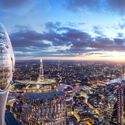
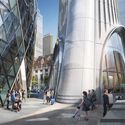
The UK government announced yesterday that planning approval will not be granted for Foster+Partners' Tulip tower. The decision letter published on behalf of the UK's housing secretary cites concerns over the design's embodied carbon and the possible negative impact on the surrounding architectural heritage. First revealed in 2018, the 305-metre tower would have become the tallest building in London's financial district.