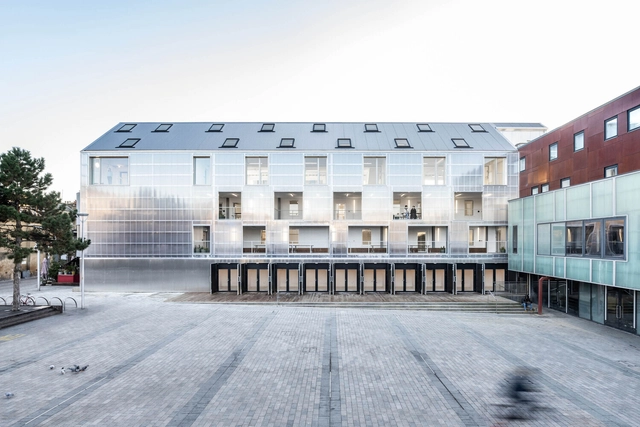
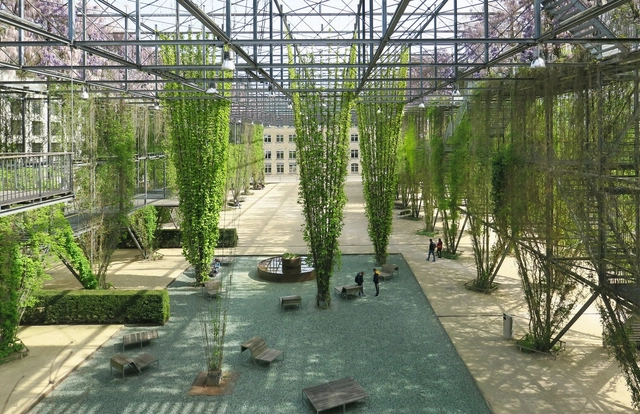
The main role of architecture is to create structures that protect us from the environment and create spaces that are safe and comfortable for all types of needs and activities. By providing shelter, architecture also shapes the way people interact with their surroundings. Building technologies of the past rarely managed, however, to create a complete separation between us and the outside world.
While impermeability was a desired outcome, the porous building materials available always allowed some water, wind, or outside particles to leak into the interior spaces. In contrast, modern technologies now allow for almost completely impermeable building envelopes, allowing for complete separation between indoors and outdoors, thus relying on engineered systems to regulate temperature, airflow, or humidity. This article explores the differences between these two contrasting approaches, exploring how building facades are equipped to regulate indoor comfort and its environmental impact.
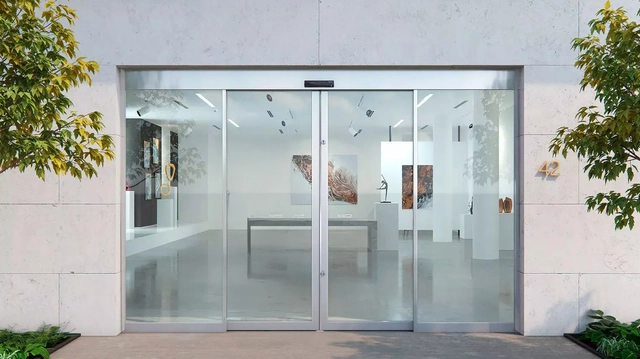
SL500 Sliding Door System. Image Courtesy of ASSA ABLOY
Throughout history, doors—and later automatic doors—have served a far greater purpose than merely marking an entrance or exit. They define thresholds, guide the flow of movement, and subtly shape the way people interact within a space. We can trace their evolution back to the 1st century, when Heron of Alexandria devised a steam-powered door—an early example of technology merging with architecture. Since then, contactless automatic door systems have incorporated technological advancements that enhance operation and redefine their role within buildings. Today, they are integrated across a range of building types and scales, acting as transitional elements that enhance comfort, energy efficiency, and the overall quality of indoor spaces.
https://www.archdaily.com/1029498/the-greener-future-of-automatic-door-systems-a-shift-in-design-and-performanceEnrique Tovar
Sustainability in architecture is often framed as a universal challenge, leading to standardized solutions that prioritize efficiency over context. However, architecture is inherently tied to its environment — buildings interact with climate, topography, and cultural history in ways that demand specificity. Instead of relying on standardized sustainability checklists, how can architecture embrace site-specific solutions? This conversation is deeply connected to the concept of Genius Loci, or the spirit of a place, introduced by Christian Norberg-Schulz and embraced by architects advocating for designs that resonate with their surroundings. It suggests that architecture should not be imposed upon a site but rather emerge from it, informed by its materials, climate, and cultural significance. This philosophy challenges the widespread application of generic sustainable technologies, instead proposing that sustainability must be inherently tied to the location in which it operates.
The United States is a country with an extensive history, its buildings holding onto legacies from later times. For their cultural significance, these structures are greatly celebrated and protected, however, they are also exempt from certain energy efficiency mandates. As cities push toward reaching climate goals, these mandates are under scrutiny. Preservationists argue that historic buildings deserve protection from potentially damaging retrofits. On the other hand, sustainability advocates bring up the need for energy efficiency improvements across all sectors of the built environment. The challenge lies in achieving a balance between the competing priorities - ensuring the maintenance of heritage and environmental responsibility.
The registration period for MICROHOME 2025 Competition is coming to a close. The competition offers a 100,000 EUR prize fund to celebrate cutting-edge, sustainable solutions for compact housing. Sponsored by Kingspan, this global competition invites architects, designers, and creative thinkers to redefine the concept of small-scale living.
Visit the competition page to register before the deadline on 13 February 2025.
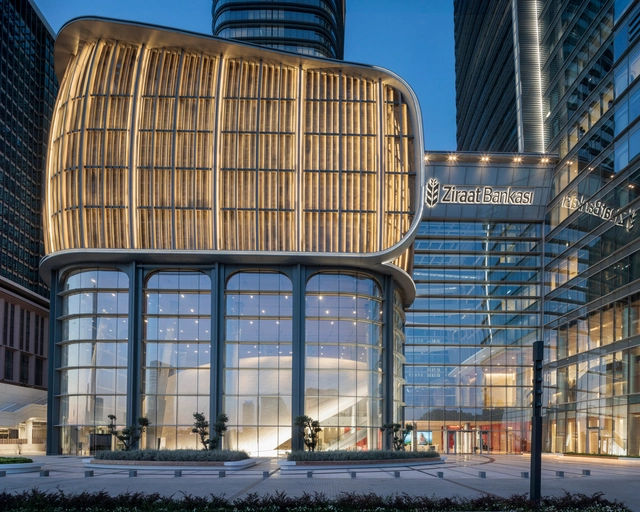
For almost four decades, ABB, the Swedish-Swiss multinational leader in electrical engineering, has been at the cutting edge of innovation and expertise. A standout initiative in their portfolio is the Frozen Music video series,a video series showcasing exceptional architectural projects and the architects who create them.As Katrin Förster, Global Key Account Manager at ABB, explains, 'When producing an episode for Frozen Music, I always begin by sending a bespoke questionnaire to the architect.'For Episode #24, a conversation with Mustafa Chehabeddine, Design Director at KPF, helped shape the narrative, emphasizing the formal and functional qualities of Ziraat Bank's new headquarters in Istanbul.
In the world of architecture, competitions often serve as platforms for creativity, experimentation, and problem-solving. For Daniel Rojas, Founding Partner of Wandrian Studios, winning the 2023-2024 MICROHOME competition, sponsored by Buildner and Kingspan, was a transformative moment. His project, Urban Residential Pods, addresses the global housing crisis by reimagining vacant office spaces as compact, sustainable homes.
Rojas' design strikes a balance between innovation, functionality, and sustainability, offering a glimpse into how architecture can address some of today's most pressing challenges. As the next edition of the competition approaches, Rojas shares insights into his winning project and offers advice to future participants.
Visit the MICROHOME competition site for details in the open 2025 edition and to register before the deadline on February 13.
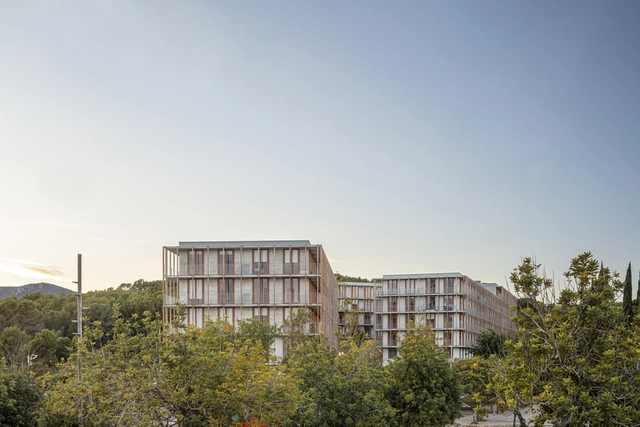
The housing crisis, the need for effective land management policies, and the growing demand for housing aid are global challenges, and Spain has taken significant steps to address these issues in recent years. While this effort is closely tied to rehabilitating obsolete buildings, it also tackles the challenges of densification and gentrification. These factors have prompted the exploration of new housing models and ways of living, leading to the development of affordable residential buildings designed to accommodate large numbers of inhabitants while maintaining high-quality living standards.
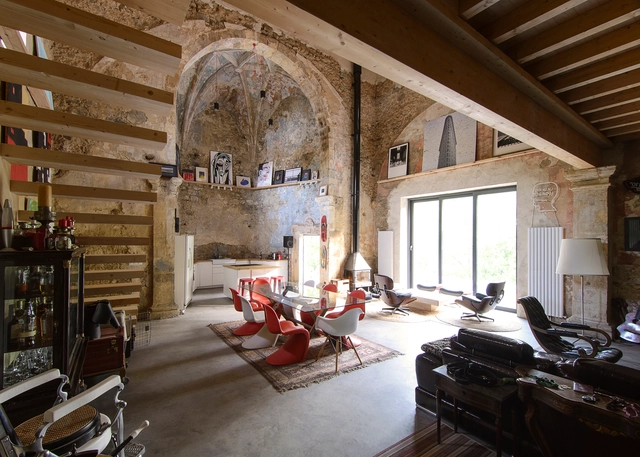
The architectural practice of reusing and refurbishing should be the first consideration when designing and reshaping our already overbuilt cities. Good architecture prioritizes this approach over demolition, as it can reduce costs, enhance environmental efficiency, and preserve functional structures that can continue serving their purpose for years.
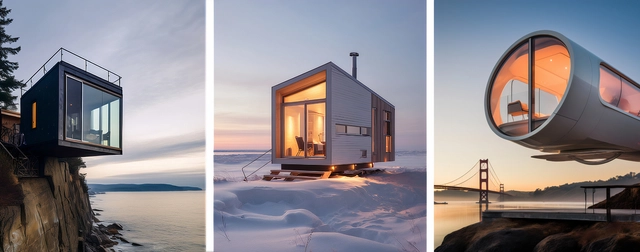
The MICROHOME 2025 Competition by Buildner is back, offering a record-breaking 100,000 EUR prize fund to celebrate cutting-edge, sustainable solutions for compact housing. Sponsored by Kingspan, this global competition invites architects, designers, and creative thinkers to redefine the concept of microhomes.
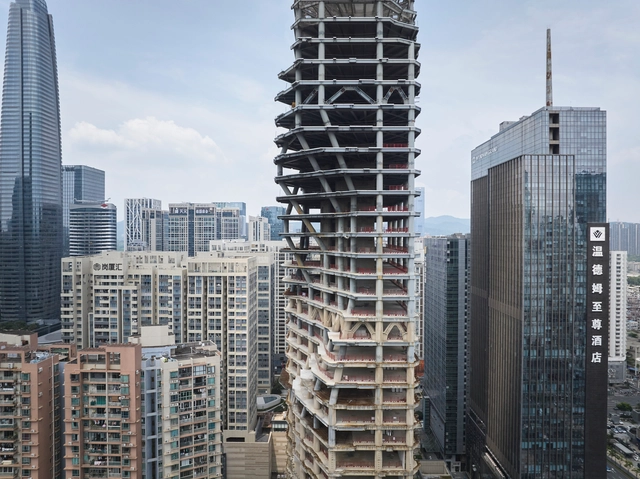
Construction has commenced on the Shenzhen Institute of Financial Technology tower, a 46-story building designed by Zaha Hadid Architects. Its design, situated on a narrow site in Shenzhen's Futian district, aims to respond to its urban context. The building's form, measuring 199 meters in height, incorporates setbacks placed to maximize sunlight penetration to surrounding streets and public areas. This design decision is further reflected in the façade's varying transparency and color, created by vertical and angled glazing mullions in black and bronze. Recent construction photographs reveal the topped-out tower, waiting to receive its envelope while temporarily showcasing openly its structure and interior organization.
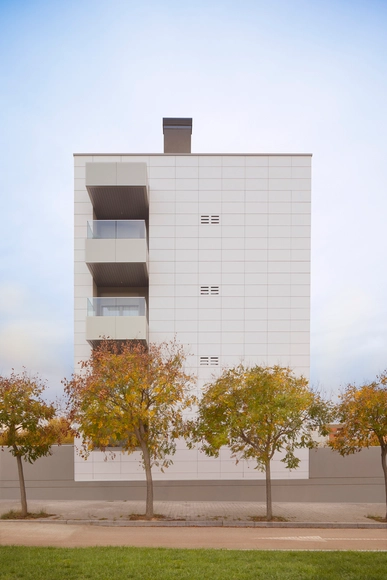
In a rapidly evolving urban landscape, the new residential building redefines the concept of community living. Gardea Residencial stands in one of the city of Zaragoza's 15 neighborhoods, Miralbueno, an area where residential developments have been built. The project exemplifies functional, sustainable design, realized through two linear blocks, each optimizing available space with a basement level, a ground floor, and additional two storeys—two in one block and three in the other. With its sleek design, this building brought to life by Tash&Partners features a ventilated façade made of extruded porcelain tiles by Faveker. These tiles, in addition to being recyclable, enhance sustainability and efficiency.
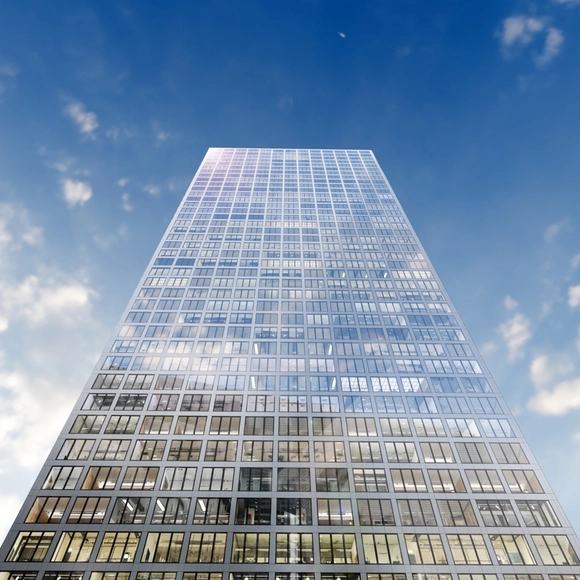
40-storey building utilizing ClearVue BIPV products, solar glazing, and solar cladding. Image Courtesy of ClearVue
People frequently claim that finding smart solutions to problems requires a creative approach that involves thinking outside the box. This premise has become a widely accepted idea in the field of technology, where numerous historical breakthroughs have emerged from innovative methods. Prominent examples in power generation include the discovery of the photovoltaic effect by Edmund Becquerel in 1839 and the development of the first commercial solar panel by Charles Fritts later that century. These milestones have enabled the integration of solar panels as essential components of clean energy generation within architecture, driving a significant shift toward renewable energy.
This shift is currently manifesting as a tipping point between power generation and the built environment, driven by a transition that promotes creative thinking and encourages new perspectives. Today, sustainable energy production extends beyond merely installing solar panels on roofs; it aims to integrate various building elements into the energy system. ClearVue's Building-Integrated Photovoltaics (BIPV) exemplifies this innovation by harnessing nearly all facade components as sources of power production. This vision opens new possibilities for the design of urban structures, promoting a more sustainable approach that aligns with contemporary needs.
https://www.archdaily.com/1022702/powering-up-through-the-facade-maximizing-energy-with-building-integrated-photovoltaicsEnrique Tovar
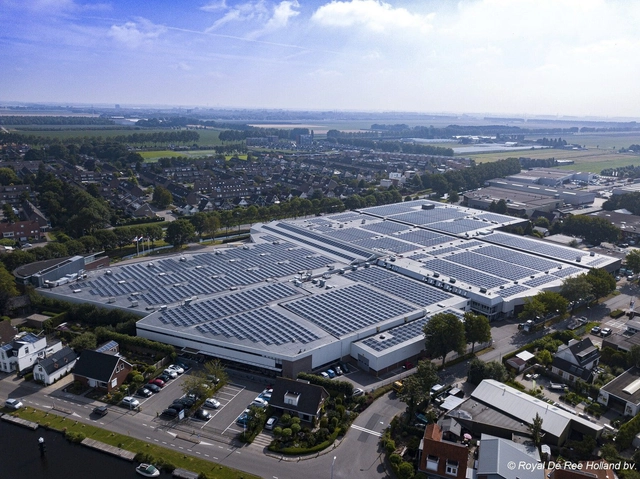
In just one hour, more solar energy hits the Earth than the world uses in a year—and solar roofs are here to harness it. These sleek, high-tech panels are revolutionizing how we think about energy, generating clean electricity that can cut your carbon footprint by up to 80% and save thousands on energy bills. Not only are solar panels becoming more efficient and durable, but they also blend seamlessly into modern architecture, turning homes into power plants.
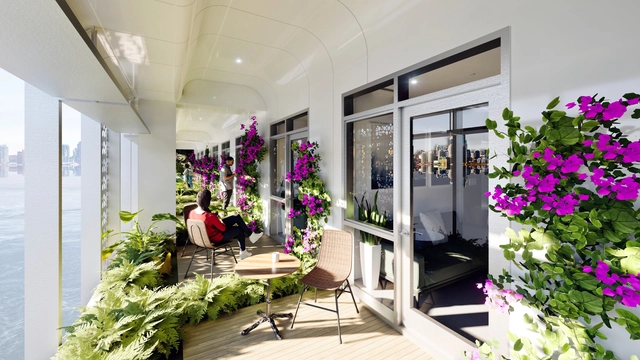
The relationship between architecture and naval design has been a fascinating interplay of form and function that has evolved significantly. Both disciplines have a shared history of innovation, aesthetics, and functionality that have informed and inspired each other. This "love affair" has seen architects drawing inspiration from boats, particularly in the modernist era when ships' streamlined, efficient designs influenced the aesthetic of buildings. Conversely, architectural principles have also been adapted to enhance the functionality and form of boats, demonstrating a reciprocal exchange that continues to shape both disciplines.
Space exploration isn’t merely a testament to human ambition or a quest for new territories and resources. Our ventures beyond Earth’s atmosphere are driven by a deeper purpose: to understand better our place in the cosmos and to pioneer innovations that can transform life on our home planet.
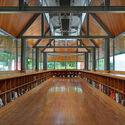
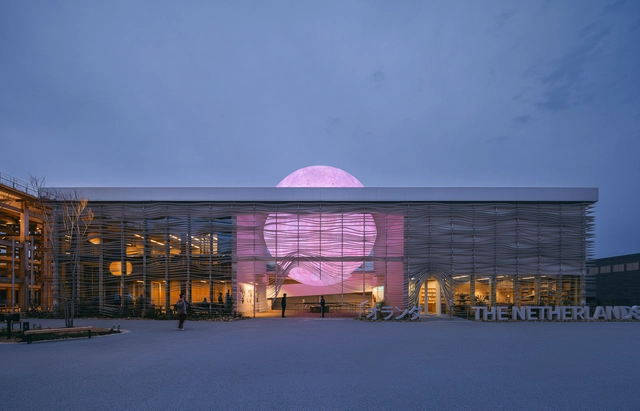
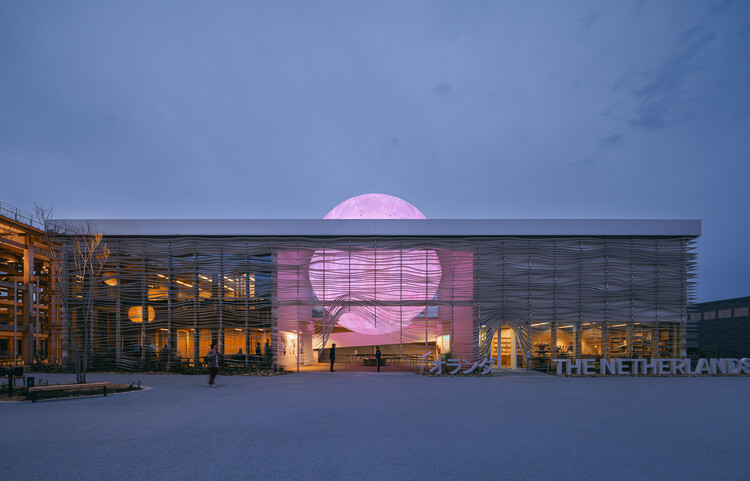
The Kingdom of the Netherlands's pavilion, presented at the Expo 2025 Osaka, Kansai, Japan, features the theme, "Common Ground: Creating a New Dawn Together," emphasizing the Netherlands' dedication to fostering mutual understanding to address global challenges. Designed by RAU Architects, the pavilion's circular design features a prominent illuminated sphere at its center, symbolizing a new era of unlimited clean energy, akin to a "man-made sun" signaling a future powered by sustainable resources.