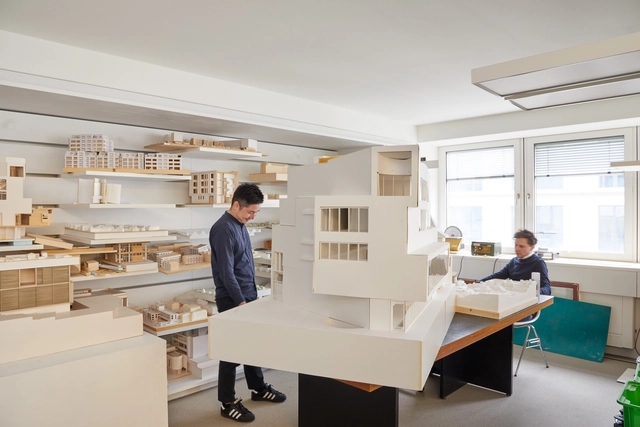
The vast majority of practitioners I've known over the years seek well-trained graduates who are ready on Day One to be productive employees. But that's not all an architectural education needs to deliver. Michael Monti—who for the past 20 years has served as executive director of the Association of Collegiate Schools of Architecture (ACSA), which represents 5,000 architecture faculty teaching more than 30,000 students—stresses that architectural education needs to rest on strong foundation of shared values and ethics in order for graduates to make meaningful contributions to what he describes as a "civilized life," promoting the dignity, freedom, health, and well-being of the people who interact with architecture every day.
https://www.archdaily.com/1021154/architecture-schools-are-responsible-for-educating-the-whole-studentMichael J. Crosbie
Masterplan Framework, designed by KPF. Image Courtesy of Plomp
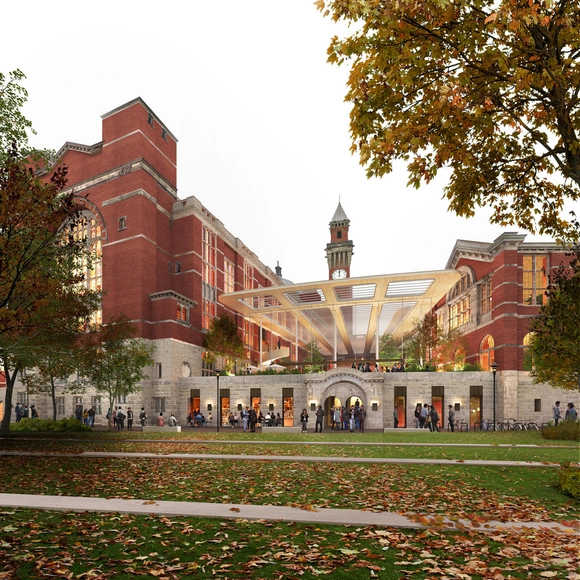
Kohn Pedersen Fox (KPF) has just unveiled its 2045 Campus Vision for the University of Birmingham, a plan designed to shape the future of the institution. This framework evaluates the university’s portfolio of over 300 buildings, identifying areas for retention, refurbishment, transformation, or replacement to support its goal of becoming a net-zero, future-ready university. Developed in collaboration with Ayers Saint Gross, the 2045 Campus Vision leverages data on building conditions, operational costs, environmental performance, and space utilization. In fact, this data-driven approach aims to help the university achieve its long-term objectives while maintaining its historical legacy.
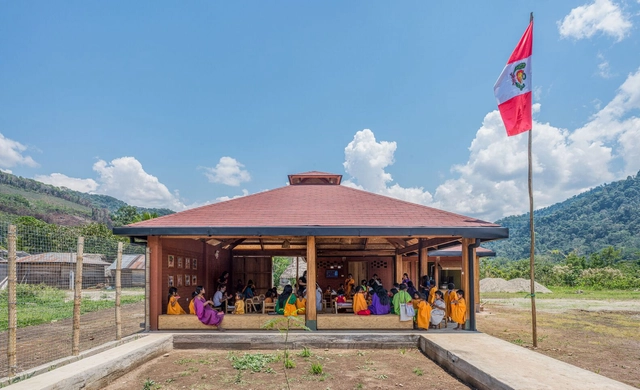
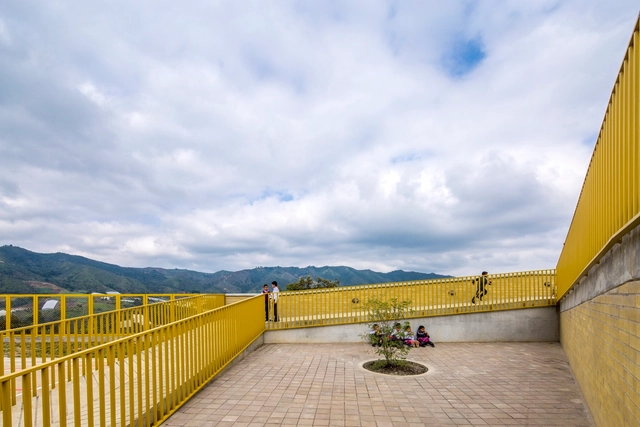
How is it possible to open educational spaces to the outdoors, and what are the appropriate conditions for their development? What bioclimatic strategies can be implemented to contribute to environmental comfort and the cultural preservation of communities? By conceiving outdoor learning spaces and blurring the boundaries between indoors and outdoors, the educational infrastructures projected by the Semillas association in the Peruvian jungle invite reflection on the opportunities for gathering, meeting, and community participation among students, families, and local residents. Linked to the site's uses and customs, this conception of space represents a way of living where the implementation of bioclimatic strategies, along with the use of local materials and construction techniques, come together to create an architecture connected to its environment and history.
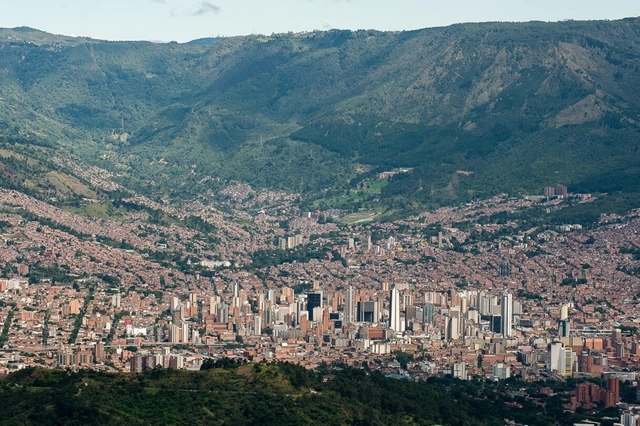
CityMakers, The Global Community of Architects Who Learn from Exemplary Cities and Their Makers, is working with ArchDaily to publish a series of articles about Barcelona, Medellin, and Rotterdam. The authors are the architects, urban planners, and/or strategists of the projects that have transformed these three cities, which are visited in the "Schools of Cities" and studied in the "Documentary-Courses" made by CityMakers. On this occasion, Alejandro Restrepo Montoya, Director of Urban Planning and Architecture of Medellín, presents his article "Environmental Urbanism and Urban Geographies, Medellín 2024-2027"
Medellín's urban plan focuses on answering how urban planning can improve people's quality of life. By developing its proposal, the city is promoting the social benefits that these urban planning practices can generate. Medellín emphasizes the use of natural and environmental conditions, such as valleys, streams, rivers, mountains, and hills, to develop urban planning criteria that address social needs.
Founded by architects Felipe Mesa and Federico Mesa, the Plan:b arquitectos studio is located in the city of Medellín, Colombia, bringing together building design, participation in academic activities, and the construction of concepts capable of connecting architecture with the urgent realities of everyday life. Understanding the architectural project as a provisional pact, permeable configuration, and positive expression of eco-social constraints, they have constructed a large number of buildings of various scales and programs since 2000, ranging from public, educational, and sports spaces to housing, offices, hotels, and installations.
I am by no means an expert on public-private partnerships. But for about 10 years, as the University of California Berkeley’s campus planner and then campus architect, I watched these developments play out in higher education—sometimes from a front-row seat, sometimes as a participant. During that time, this strategy, promoted with great enthusiasm and optimism, was touted as the answer to whatever problem arose. And yet the definition of a public-private partnership was slippery. The concept itself seemed to be all things for all people, depending on what was needed, who was recommending it, and what equivalents (if any) existed outside the university. The bandwagon continues to play today, making it ever more important to nail down the pros and cons of this development strategy, not only for colleges and universities, but for all public decision-making.
https://www.archdaily.com/1015830/are-for-profit-developments-consistent-with-the-values-of-a-public-universityEmily B. Marthinsen
The rise of generative AI has given every design educator sufficient reason to reconsider both what to teach and how to teach it. Training an architect is a long process, and mapping it onto an uncertain future is a daunting task. Researchers at OpenAI, DeepMind, Meta, and similar companies seem constantly surprised by the rapid development and sometimes unforeseen capabilities of their AI creations. If even the creators don’t know how fast the future will arrive, it would be hubristic for any of us to claim that AI will do X or AI won’t be able to do Y in the next decade, which is about how long it takes to really train an architect.
https://www.archdaily.com/1014830/how-ai-can-help-us-end-design-education-anachronismsEric J. Cesal
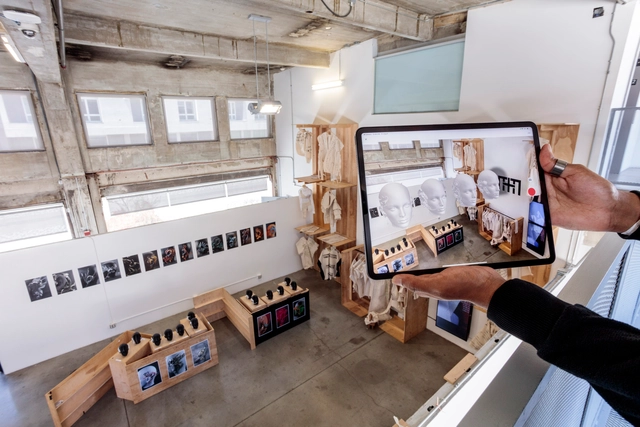
The discipline of architecture has undergone considerable change, primarily driven by advancements in the application of technology. Architects, long viewed as the futurists of the constructed world, are now utilizing progressive techniques and resources and expanding the use cases of technologies such as Augmented Reality (AR) and Virtual Reality (VR). This transition extends beyond professional practices into architectural education, bringing opportunities to redefine the approach of architects toward their craft.
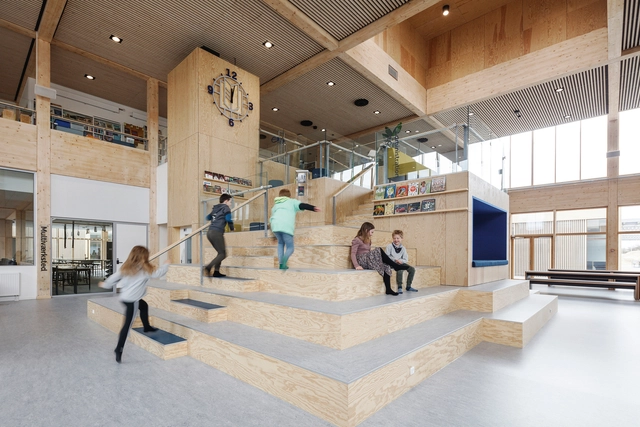
With spaces for children, “you have the opportunity to create architecture that in many ways is unformulated architecture. Children react to spaces completely spontaneously. It is almost an enhanced architecture”, says Dorte Mandrup. The implication is that design can contribute to forming critical thinking, encouraging autonomy, and responsibility, and helping forge future citizens. For the most part, the educational system and its spatial expression haven’t changed significantly in the last hundred years. Nonetheless, with access to information becoming ubiquitous, the focus is slowly moving from accumulating information to nurturing critical thinking, and new teaching methods open up a new area of architectural experimentation. The following explores the impact of space on learning, specifically in primary and secondary education, discussing how architecture could aid the educational process, becoming a teaching tool.
As this bloody year draws to a close, at a moment when the message “Peace on Earth” seems altogether mute, one might well ask: What power does architecture have? How can it address violence against innocent people, whose lives have been turned upside down? How does architecture respond to staggering cruelty? What can it say? Can it raise consciousness?
https://www.archdaily.com/1011673/in-warsaw-a-student-designed-architectural-response-to-dark-timesMichael J. Crosbie
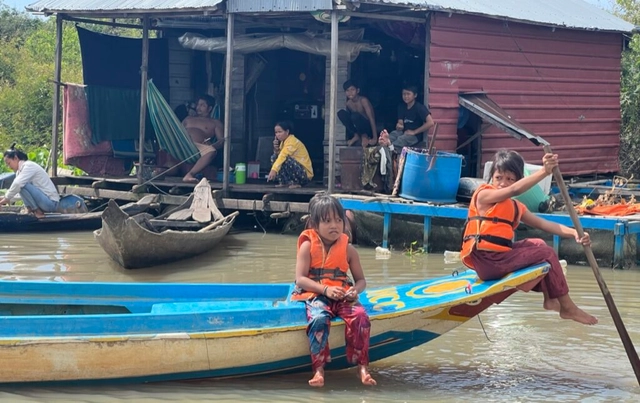
Lake Tonle Sap is a part of Cambodia’s inland water system that’s connected to the flooded forests that purify water and buffer communities from storms—an important benefit as climate change makes extreme weather more frequent. Every year from June to November, the Mekong Delta backs up into Lake Tonle Sap, creating water-depth fluctuations of up to 10 meters. The result is that land-based buildings are inundated during the rainy season, then refurbished and reoccupied again after the water recedes.
Under the titles of Optimism and Instability, this year’s global index score has returned to pre-Covid-19 days, highlighting that the world has fully recovered from the pandemic. Ranking living conditions in 173 cities based on stability, health care, culture and environment, education, and infrastructure, the survey suggests that nowadays, “life in cities is a bit better than at any time in the past 15 years”, although Stability scores dropped on average in 2023, due to worldwide clashes, political disruptions, social protests, inflation, and wars.
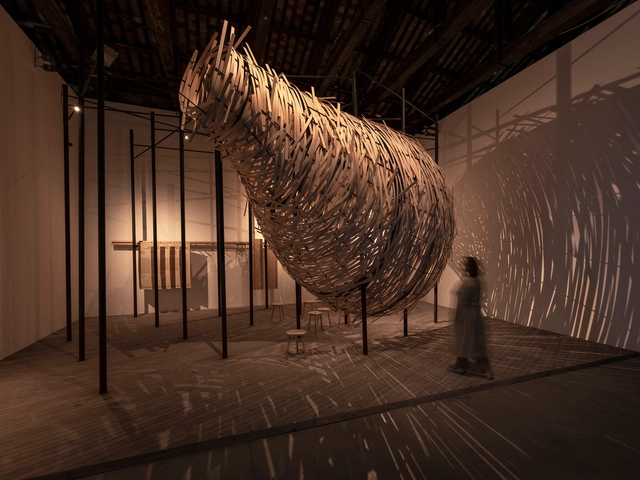
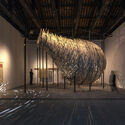
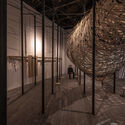
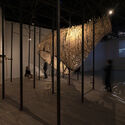
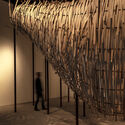
The Croatian Pavilion at the Venice Architecture Biennale 2023 celebrates the harmonious coexistence of the wild and domesticated, natural and man-made, and inanimate and living elements. Modeled after the Lonja Wetlands in Croatia, where communities that have adapted to the continuously shifting landscape have coexisted harmoniously for generations to create a dynamic habitat, the Pavilion is a hub for ongoing research into potential futures through educational experimentation and practice. The exhibition was curated by Mia Roth and Tonči Čerina, in collaboration with their design team: Luka Fatović, Vedran Kasap, Ozana Ursić, Niko Mihaljević, and Ivica Mitrović .“Same As It Ever Was” places a focus on the connections among actors from various backgrounds around the world.
Providing an overview of the profession and discipline of architecture can be a complex task given the diversity of people's backgrounds, personal interests, and experimentation techniques. Therefore, many processes related to architecture are based on speculation and innovation, taking the initiative to reimagine established limits. Architecture schools, such as École des Beaux-Arts, Vkhutemas, and Paulista School, were progressive schools of their time that developed their style led by experimental and curious minds. Thanks to these experimental processes, each developed its architectural style, characterized by factors such as philosophy, location, and the era in which the school was born.
Since its creation in Santa Monica in 1972, the Southern California Institute of Architecture (SCI-Arc) has been a world-renowned center of innovation and one of the few independent schools of architecture in the United States. It excels in challenging its students through various programs to stretch their imaginations by experimenting with non-traditional materials and approaches. Through the renowned Making+Meaning program, SCI-Arc provides an immersive introduction to students and creative professionals from diverse disciplines, who have the opportunity to explore the field of design and emphasize the fundamentals of experimentation and architecture. The return to face-to-face teaching this year infuses new energy into the program for both students and instructors, given the value of collaborating in a physical space for the development of studio-based projects.
https://www.archdaily.com/999398/immersive-learning-from-novice-to-designer-at-sci-arcs-architecture-programEnrique Tovar
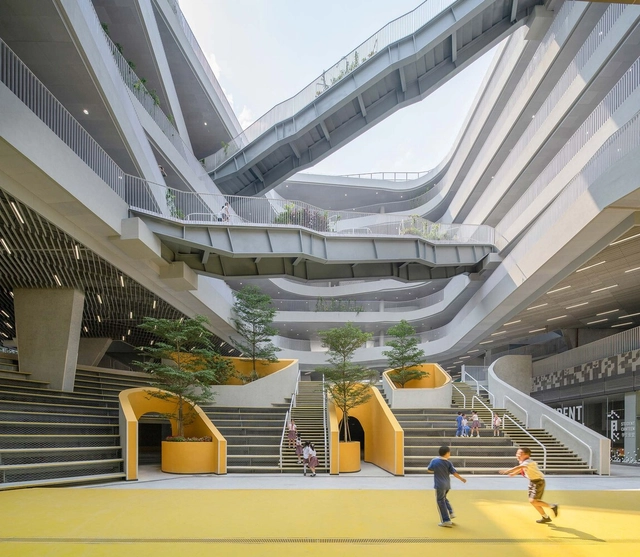
For many, schools and kindergartens represent the first contact with public architecture. They, together with every educational facility, serve as the foundation for learning and knowledge dissemination, playing an important role in shaping the formative years of children and young adults. In consequence, these buildings need to respond to the needs of different age groups, while creating functional and flexible spaces for learning, but also for play and unstructured interaction. Light and ventilation needs contribute to the complexity of these architectural programs. However, designing educational facilities presents opportunities for innovation and creative expression, as they are required to adapt continuously to the changing needs of students and faculty while creating a conductive environment for learning.
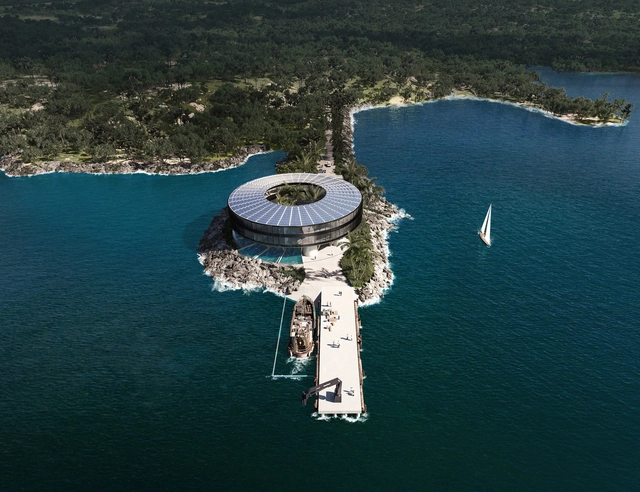
This week’s curated selection of Best Unbuilt Architecture highlights designs submitted by the ArchDaily community dedicated to cultural institutions. From a learning center created to offer the girls in Mozambique an equal opportunity to learn, play and connect, to a naval station redesigned as a research center on the coast of Puerto Rico, this selection features projects created to encourage learning, curiosity, and the exchange of knowledge and expertise. The article includes designs from both established and emerging architectural practices, including Moore Ruble Yudell, C+S ARCHITECTS led by Carlo Cappai and Maria Alessandra Segantini, Hello Wood, and snkh studio.
Most architects can relate to the feeling of being plunged into a deep devotion toward architecture. What starts out as a dream career becomes a nightmare for many. After a rigorous education, the experience of a tumultuous career journey can dishearten professionals. Twitter threads and LinkedIn posts have widely debated topics of long work hours and disparate pay, with not many solutions. Architects are constantly at war between profession and passion, a juxtaposition of love and despair. Perhaps, at the root of these problems is the colloquial definition of the noun ‘architect’.
Lesley Lokko by Jacopo Salvi. Image Courtesy of La Biennale di Venezia
On Friday, King Charles III has released the New Year Honours List 2023, recognizing those in the UK who have demonstrated exemplary service or achievements in their fields. Ghanian-Scottish architect, academic, and novelist Lesley Lokko is among those who have been named an Office of the Order of the British Empire (OBE) for her services to architecture and education. In December 2021, Lesley Lokko was announced as the Curator of the 18th International Architecture Exhibition - La Biennale di Venezia, which will be held from Saturday, 20 May to Sunday, 26 November 2023.