Architecture is a profession deeply dependent on the visual. It’s imagined, sold, critiqued and consumed almost entirely on the strength (or lack thereof) of drawings. We pick and prod at images presented at angles we’ll never be able to see, admiring the architectonic qualities of elements we’ll never actually experience.
https://www.archdaily.com/904318/this-week-in-architecture-more-than-visualKatherine Allen
What comes to mind when you encounter the term “sensory design”? Chances are it is an image: a rain room, a funky eating utensil, a conspicuously textured chair. But the way things actually feel, smell, even taste, is much harder to capture. This difficulty points to how deeply ingrained the tyranny of vision is. Might the other senses be the keys to unlocking broader empirical truths? Does the ocular-centric bias of art, architecture, and design actually preclude a deeper collective experience?
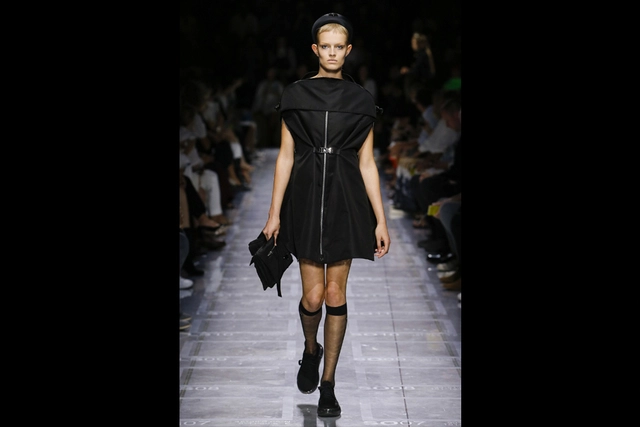
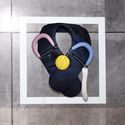
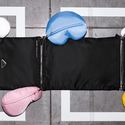
DS+R partner Elizabeth Diller has designed two new pieces for Prada's 2019 spring/summer womenswear collection. Created from Prada nylon as part of the Prada Invites project, the two pieces include a garment bag with utilitarian zippers and buckles and a raincoat that transforms from the same yoke style bag. The yoke style bag was also imagined as a lighter item for women to carry sketchpads, sandwiches and lipstick. The Prada invitation was made to expand the company's fascination with multifaceted representations of contemporary femininity.
Try as we might to inure ourselves to the opinions of others, recognition is a powerful thing. It brings with it a captive (and expectant) audience, not just of admirers but of kingmakers - or, cynically, those who see an opportunity to capitalize. For architects, this can be both a blessing and a curse. Many practices start with the motivation to pursue an idea or concept; as recognition becomes diluted to labels it becomes harder to understand what was distinguishing in the first place. This week saw the announcements of a numerous significant awards - and an interview with a practice determined to shake off the labels that come with recognition. Read on for this week’s review.
https://www.archdaily.com/902136/this-week-in-architecture-being-recognizedKatherine Allen
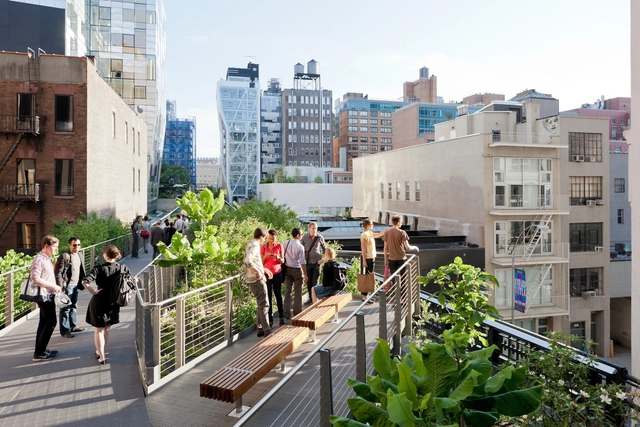
It is so refreshing to hear the words: “We do everything differently. We think differently. We are still not a part of any system or any group.” In the following excerpt of my recent conversation with Liz Diller and Ric Scofidio at their busy New York studio we discussed conventions that so many architects accept and embrace, and how to tear them apart in order to reinvent architecture yet again. In New York the founding partners of Diller, Scofidio + Renfro have shown us exactly that with their popular High Line park, original redevelopment of the Lincoln Center, sculpture-like Columbia University Medical Center in Washington Heights, and The Shed with its movable “turtle shell” that’s taking shape in the Hudson Yards to address the evolving needs of artists because what art will look like in the future is an open question.
For the last eight years, Moscow has hosted the Moscow Urban Forum, a yearly gathering for experts to reunite to discuss pressing issues of today’s metropolises. Some of the most renowned architects and urbanists, city mayors, government officials, economists, developers, academics, citizens and professionals from diverse fields and nationalities come together in the iconic Russian city and its important venues like Menage or VDNKh. But it was the presence of two of the world’s most influential men in their respective areas of influence which marked the importance of this year Moscow Urban Forum: Rem Koolhaas and Vladimir Putin.
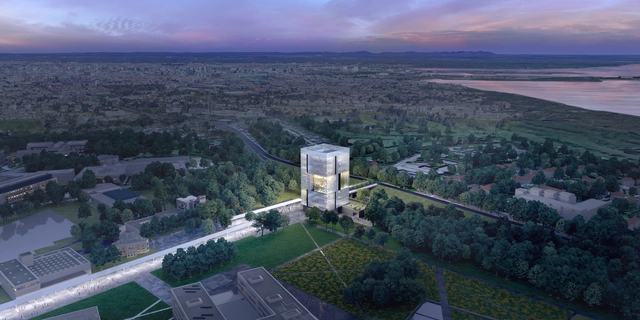
The project will include two major changes to UCD’s Belfield campus, located about 5 km from Dublin’s city center: a major update to the campus’ entry precinct along Stillorgan Road, as well as a new 8,000 square meter Centre for Creative Design, which will house UCD’s design studios.
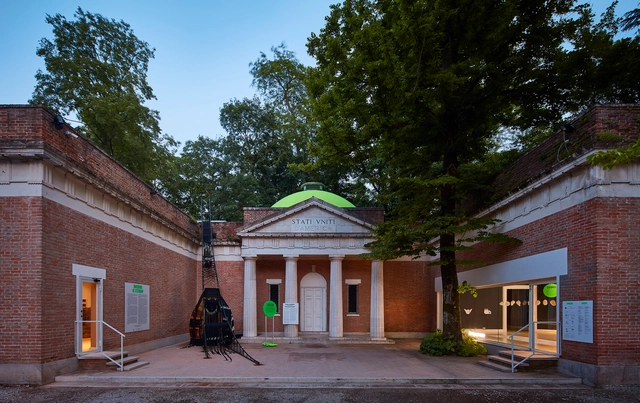
The pavilion representing the United States at this year’s biennale brings together the work of seven different transdisciplinary teams who each prepared an installation addressing the concept of citizenship at a different scale. Entitled Dimensions of Citizenship, the exhibition is intended to challenge the definition and conception of citizenship, examining issues and citing examples on the scale of the citizen, civitas, region, nation, globe, network and cosmos. The pavilion was commissioned on behalf of the US Department of State’s Bureau of Educational and Cultural Affairs by the School of the Art Institute of Chicago and the University of Chicago.
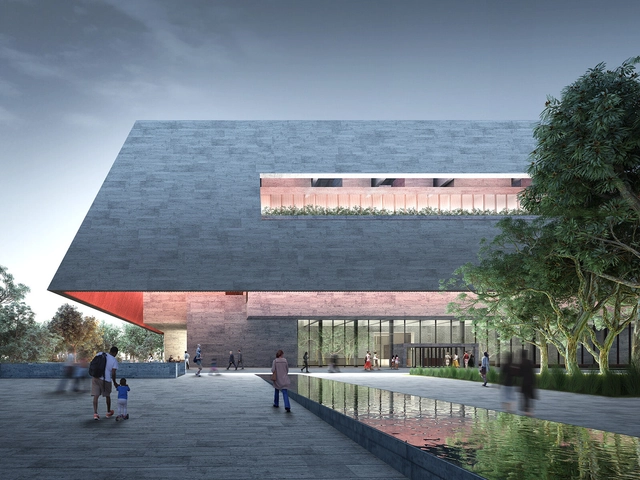
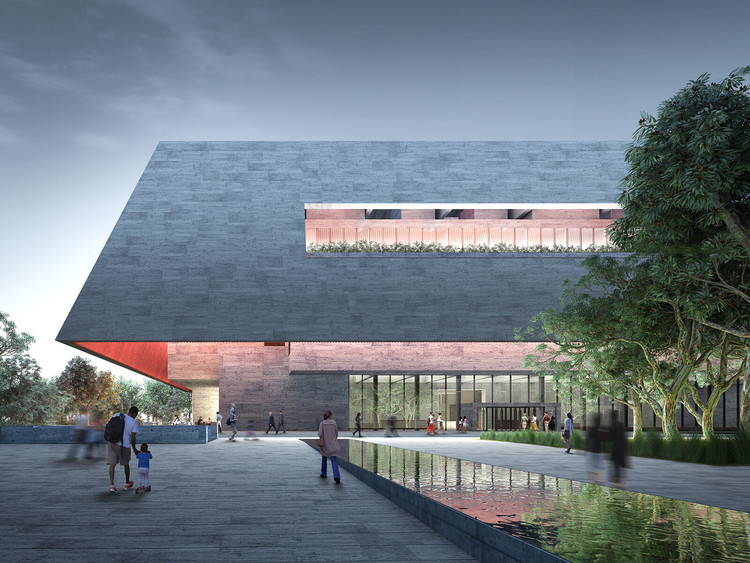
https://www.archdaily.com/895830/diller-scofidio-plus-renfro-and-woods-bagot-win-star-studded-competition-for-adelaide-contemporary-art-museumNiall Patrick Walsh
Diller Scofidio + Renfro has won an international competition for the design of a new V&A collection and research center to be located in the Queen Elizabeth Olympic Park in East London.
The Adelaide Contemporary is planned to transform the site of the former Royal Adelaide Hospital (oRAH), and will feature exhibition, research, and education spaces situated in a public sculpture park and community meeting place. The museum will also notably host the Gallery of Time, a first-of-its-kind space to exhibit Aboriginal art alongside art from Europe and Asia, inviting visitors to see Australian art in a global context. The six designs are now being displayed in an online gallery created by competition organizer Malcolm Reading Consultants, and in a public exhibition being held in Adelaide at the Art Gallery of South Australia.
Architect Elizabeth Diller of firm Diller Scofidio + Renfro has once again been named one of TIME’s most influential people in 2018. TIME Magazine’s annual ‘Time 100’ List recognizes the achievement of artists, leaders, activists, entrepreneurs, and athletes who are exemplary in their fields. Diller has been named to the category of “Titans,” along with Roger Federer, Oprah Winfrey, Jeff Bezos, Elon Musk and Kevin Durant. This is Diller’s second time on the list but the first time being honored as a "Titan."
Other honorees this year include Shinzo Abe, Justin Trudeau, Xi Jinping and Jimmy Kimmel.
What is the role of sound and acoustics in the work of leading architecture practices? In February this year, reSITE and MAAT in collaboration with Meyer Sound hosted RESONATE: Thinking Sound and Space, a conference focused exclusively on the intersection of architecture and sound.
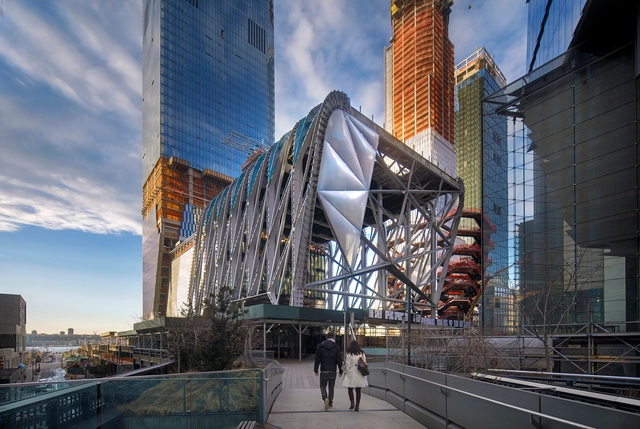
The Shed under construction as seen from the High Line, February 2018. Photo by Ed Lederman
New renderings and details of The Shed at Hudson Yards have been revealed as the structure’s ETFE panels continue to be installed ahead of its Spring 2019 opening date.
The new images show how some of the cultural venue’s interior spaces will look, including the galleries and the vast event space created when the wheeled steel structure is rolled out to its furthest extents. This space will be known as “the McCourt,” named after businessman Frank McCourt Jr, who donated $45 million to the project.
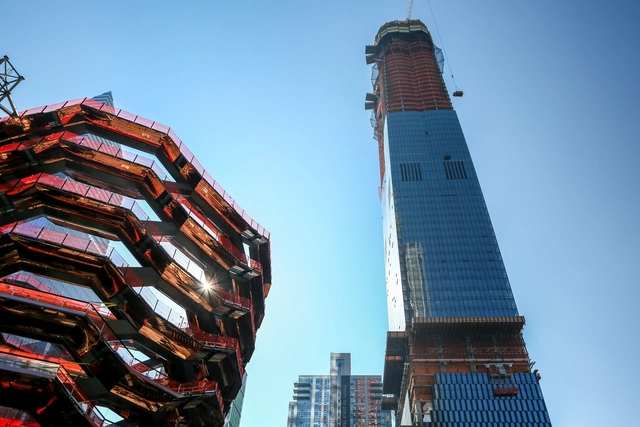
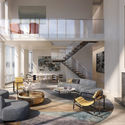
Hudson Yards’ first condominium tower, 15 Hudson Yards, has topped out at its full architectural height of 914 feet, with exterior cladding also more than halfway complete. Designed by Diller Scofidio + Renfro (the firm’s first true skyscraper) in collaboration with Rockwell Group and executive architects Ismael Leyva Architects, the tower will contain a total of 285 residences, half of which have already been sold.
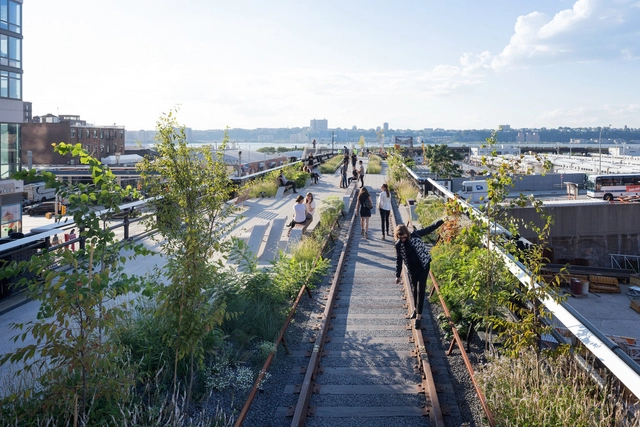
Eight long and prosperous years have passed since the first part of the New York High Line opened in 2009. As a prominent piece New York's architectural and urban identity, it is no wonder that it has been awarded the Harvard GSDVeronica Rudge Green Prize in Urban Design, recognising the ongoing efforts of the Friends of the High Line for their adaptivity to the changing context of the park and their support from the beginning for design excellence.
The jury was particularly inspired by the multidisciplinary project between James Corner Field Operations, Diller Scofidio + Renfro, and Piet Oudolf, spanning the public and private domains as a model of collaborative design. It was also commented on the social and political relevance of the High Line in saving a piece of American history from ruin and interacting through community outreach programs and a wider dissemination program for cities across the US.
Thinking broadly of architecture, the masterpieces of the past inevitably come to mind; buildings constructed to withstand the passage of time, that have found an ally in age, cementing themselves in the history of humanity. Permanence, however, is a hefty weight to bear and architecture that is, due to its program, ephemeral should not be cast aside as "lesser-than."
With nearly 100,000 votes cast during the last two weeks, we are happy to present the winners of the 2018 ArchDaily Building of the Year Awards. This peer-based, crowdsourced architecture award showcases projects chosen by ArchDaily readers who filtered thousands of projects down to the 15 best works featured on ArchDaily in 2017.










.jpg?1526657351&format=webp&width=640&height=580)