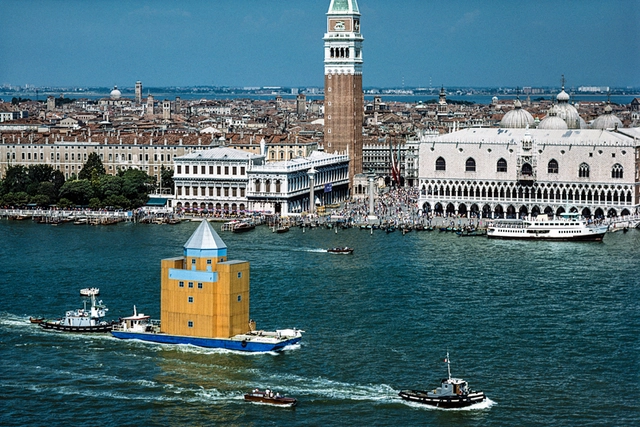
Teatro del Mondo, Venice 1979. Image by Antonio Martinelli
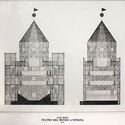
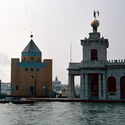
The first edition of the Venice Architecture Biennale took place in 1980, immediately revealing its role as a platform for images and ideas that would become essential references in contemporary architectural theory and practice. This disruptive character was embodied from the very beginning by the strangely familiar floating structure designed by Aldo Rossi, titled Teatro del Mondo. At once temporary and archetypal, the project introduced central themes that would shape Italian architectural discourse in the years that followed. To this day, it continues to inspire reflections on timelessness, imagination, and the memory embedded in cities.
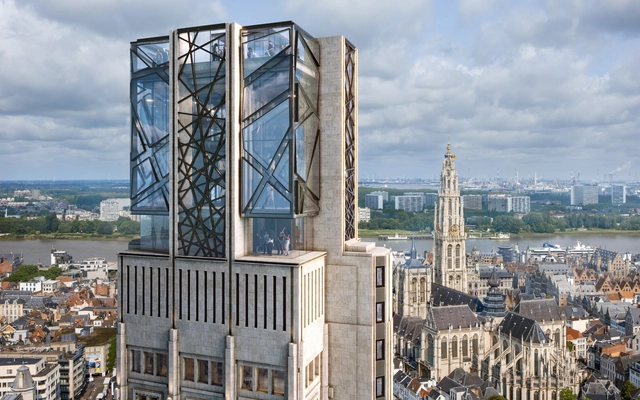
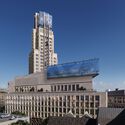
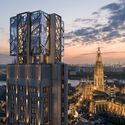
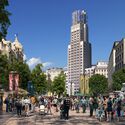
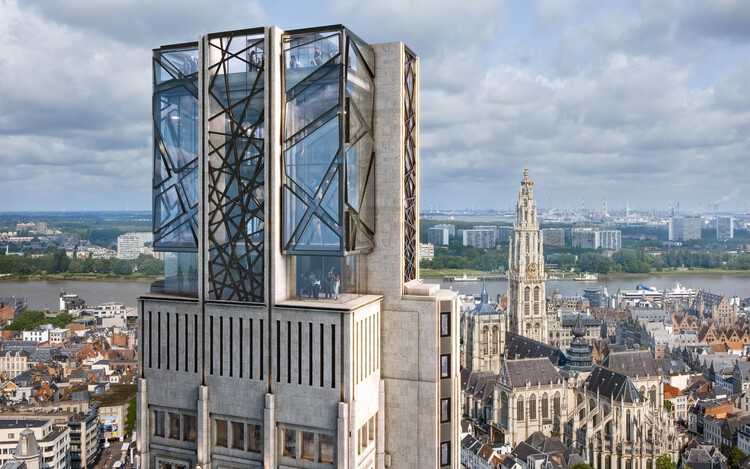
Studio Libeskind has released new images of the design for the transformation of the Boerentoren tower, one of Europe's earliest skyscrapers, located in the heart of Antwerp, Belgium. Developed in collaboration with Belgian architecture firm ELD, the project reimagines the 1932 Art Deco landmark as a new public cultural hub that will house The Phoebus Foundation's art collection. The design includes the addition of exhibition spaces, a panoramic viewing platform, a rooftop sculpture garden, and new restaurants and bars. According to the architects, the original architectural features will be preserved while introducing a new architectural feature, which they are calling the "Reimagined Crown." Initially announced in 2022, the project has now received preliminary approval from the Flemish Heritage Agency and the City of Antwerp.
The 2025 edition of Milan Design Week took place from April 8 to April 13, 2025. During these five days, the city of Milan hosted special events, exhibitions, installations, and discussions centered on the creative disciplines, including the 63rd edition of the Salone del Mobile at Fiera Milano fairgrounds. Among the numerous activities, the event serves as an ideal opportunity to introduce the latest trends and showcase upcoming pieces from brands and designers worldwide. Among the new releases and product launches, the ArchDaily team identified a selection of products designed by architects, ranging from lighting and furniture systems to materials and small objects.
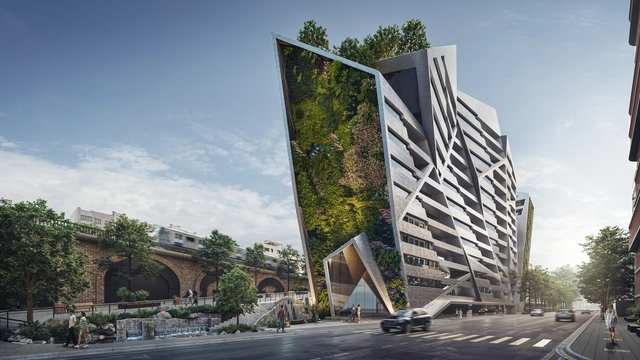
Following an international competition, Polish American architect Daniel Libeskind's firm, Studio Libeskind, in collaboration with La Compagnie de Phalsbourg, has been selected to design the flagship building for the Léon Blum district, adjacent to the future Line 15 station of the Grand Paris Express. The competition featured eight teams, including Snøhetta, Valode et Pistre, Stefano Boeri, Sou Fujimoto, and Jean-Paul Viguier. The winning project is a mixed-use building of over 20,000m², featuring a green wall and incorporating bio-sourced materials. The project is part of a broader urban development strategy for Issy-les-Moulineaux, an extra-wall area of Paris currently undergoing significant transformation.
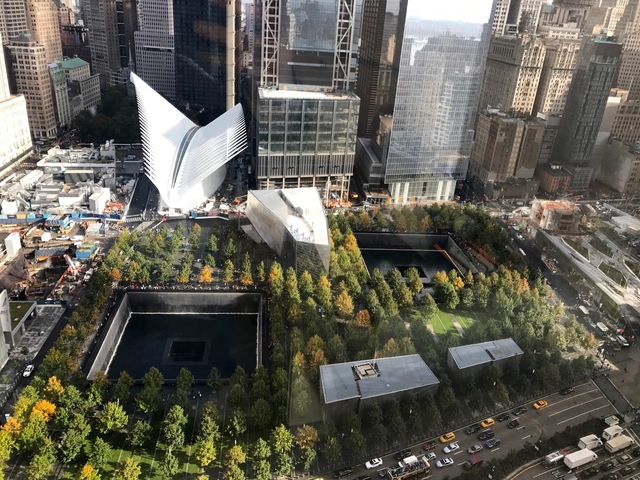
On the morning of September 11, 2001, two hijacked commercial jetliners struck the Twin Towers in Lower Manhattan, a third plane struck the Pentagon, and a fourth crashed in rural Pennsylvania. A total of 2.977 people were killed in the terrorist attacks. In the face of this unprecedented loss, the city of New York promised to rebuild Lower Manhattan as a lively neighborhood while honoring and maintaining the memory of this day. Thus began one of the largest reconstruction projects in New York City, a process that is still ongoing now, 23 years after the tragedy.
As far as history goes back, art and architecture have always been interrelated disciplines. From the elaboration of the Baroque movement to the geometric framework of modernism, architects found inspiration from stylistic approaches, techniques, and concepts of historic art movements, and translated them into large-scale habitable structures. In this article, we explore 5 of many art movements that paved the way for modern-day architecture, looking into how architects borrowed from their characteristics and approaches to design to create their very own architectural compositions.
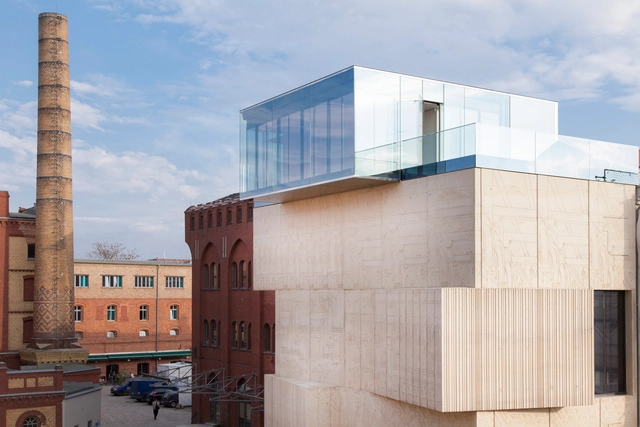
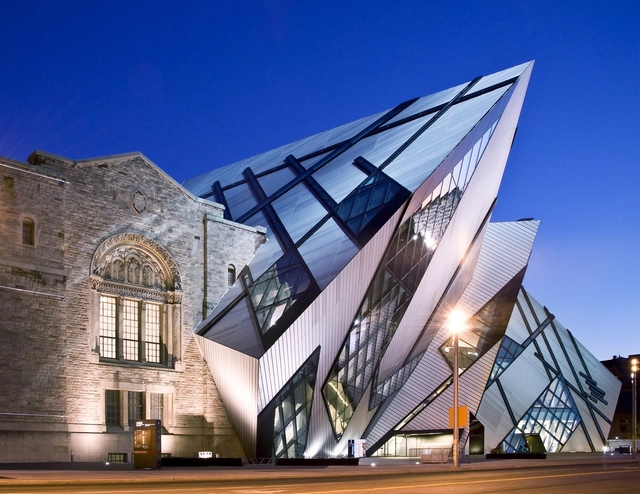
As cities grow and evolve, the question of preserving, rehabilitating, or adapting historic sites arises. The intervention in such buildings requires a delicate balance between honoring their heritage and meeting contemporary demands. Often, the most innovative and radical solutions emerge when architects attempt to renew a building while maintaining its original footprint and as many features as possible. They then create modern extensions that either harmonize or contrast with the original structure. This approach not only revitalizes the building but also celebrates the synergy between the past and present, including materials, construction technology, architectural movements, stories, and overall building quality. The layering of both old and new elements through harmony or contrast requires an intelligent and sensitive approach that gives the building a unique aesthetic and a new meaning.
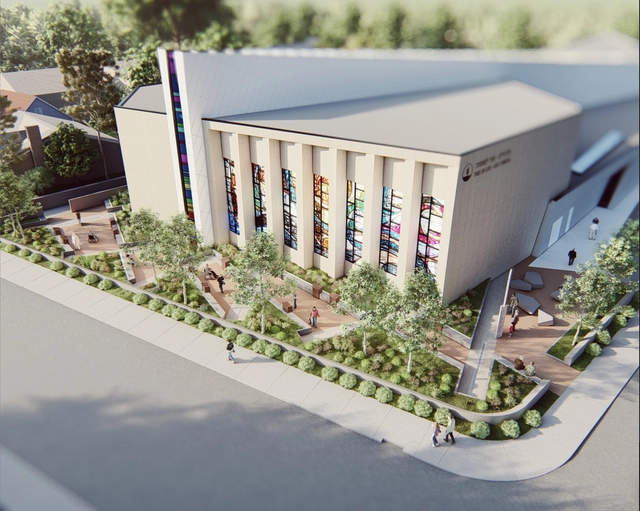
Studio Libeskind, working in close partnership with the Memorialization Working Group, has unveiled the preliminary design for the memorial for the 11 killed on 27 October 2018 at the Tree of Life Synagogue in Pittsburgh, United States. The design was developed in a process led by the victims’ families, communal leaders, and concretional representatives. The building’s official groundbreaking is expected in 2024.
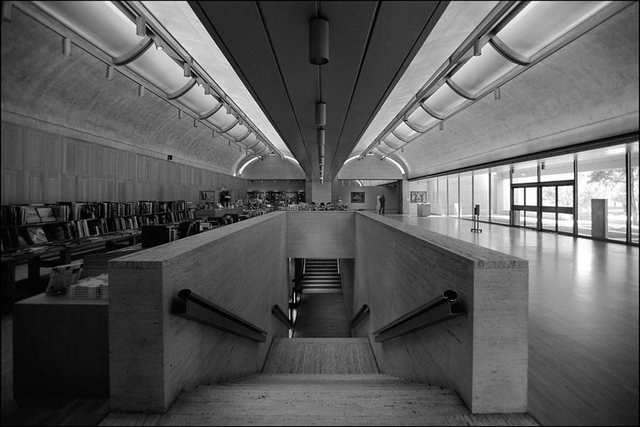
Kimbell Art Museum / Louis Kahn. Image Courtesy of Xavier de Jauréguiberry
AD Classics presents you with some of the greatest buildings of the past that have influenced and shaped architecture today. Throughout ArchDaily's 13 years, more than 200 classics were published, and for this edition, we have rounded up the top 20 most visited Architecture Classics to date.
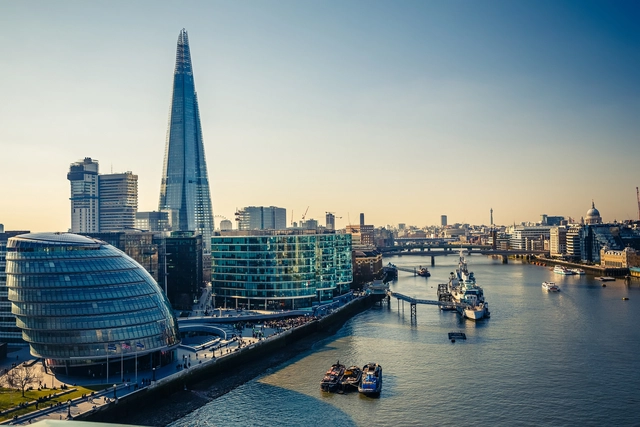
London’s architectural history is a rich tapestry that weaves together styles of various periods and influences. In the post-war era, the city experienced a surge in modern architecture, becoming a canvas for experimentation. New stylistic movements saw their expression crystalized through buildings such as Richard Rogers’ Lloyd’s Building, one of the most representative examples of High-Tech architecture, or the Barbican Estate, a large-scale housing estate that became the iconic structure for Brutalist architecture.
London’s contemporary architectural landscape continues to evolve, in part through the works of internationally-recognized architects such as Norman Foster, Zaha Hadid, and Thomas Heatherwick. This varied blend of styles, and ways of expression reflects the city’s ability to embrace architectural movements of global significance. As a center for innovation, London continues to attract established and emerging architects who shape its skyline and contribute to its international architectural discourse, with each new building offering a glimpse into the ever-changing nature of London’s urban fabric.
Museums reveal local and shared heritage. As cultural institutions embedded in the fabric of modern life, each museum serves as a window into history and human exchange. Made to promote understanding and provoke new ideas, these monumental buildings are inspired by spatial exploration. With some of the most influential museum projects in the world, Germany is home to a range of diverse institutions showcasing unique approaches to curating, taxonomy and spatial organization.
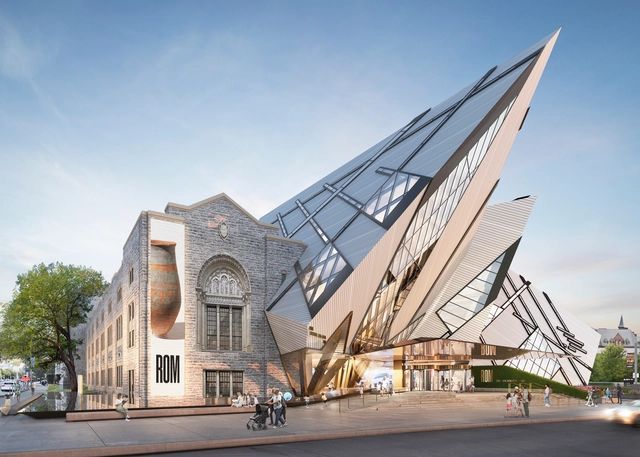
As Canada’s most populous location, Toronto has developed into a global powerhouse, both as an economic and cultural hub. This extends to the significant museums and arts facilities across Queen City. With one of the most unique landscapes and ground conditions in the country, Toronto was built on a large ravine system running throughout its urban fabric. Today, the city’s educational, arts, and cultural buildings are thriving.
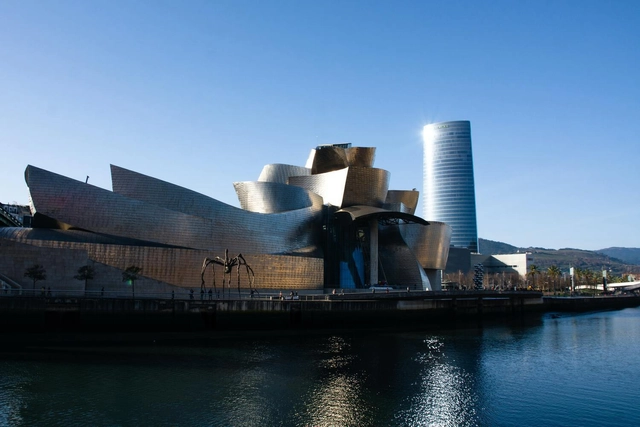
The Guggenheim Museum in Bilbao is celebrating its 25th anniversary this October 2022. Set on the edge of the Nervión River in the Basque Country, Spain, Frank Gehry's Guggenheim boosted the city's economy with its astounding success and changed the museum's role in city development. Twenty-five years on, the Bilbao Effect continues to challenge assumptions about urban transformations and inspires the construction of iconic pieces of architecture that uplift cities' status, calling investors and visitors.
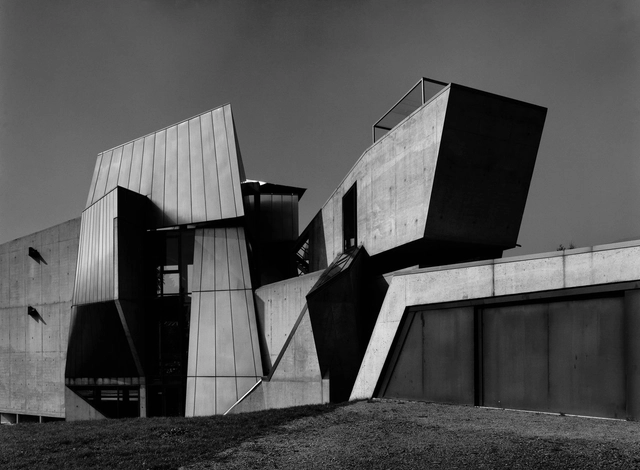
Günther Domineg’s Steinhaus . Image Courtesy of GERALD ZUGMANN
Domenig was one of Austria’s most radical architects and a major influence on many of architecture’s leading lights but remains widely unknown. A new exhibition aims to change that.
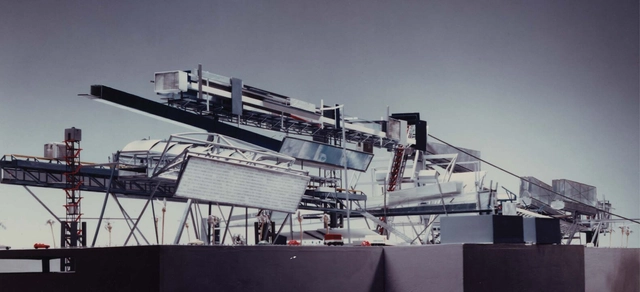
The marquee-busting title says it all: Joseph Giovannini’s Architecture Unbound is an ambitious attempt to explore the wilder shores of design and explain how and why maverick architects have dared greatly. It’s also a wide-ranging introduction to artists who laid the groundwork for architectural innovation a century ago; to the philosophers and theorists who mapped new ways of thinking, and to the complexities of chaos theory, parametric and software programs that have shaped exceptional buildings over the past few decades.
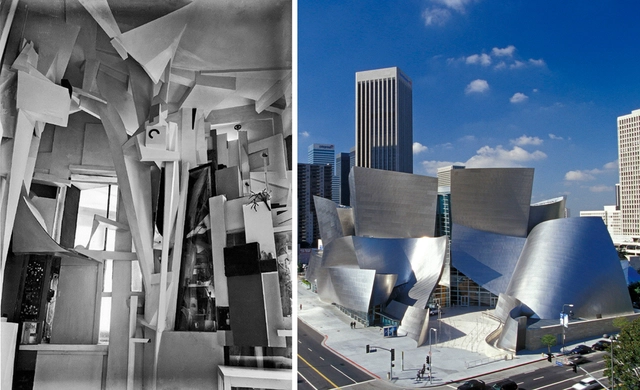
Historic art movements and their visual characteristics have considerably paved the way for modern day architecture. For years, architects have been borrowing techniques and stylistic approaches to create their own architectural compositions, merging both disciplines together. Cubism, one of the most influential styles of the twentieth century, and heavily criticized for its experimentation with its non-representational art approach, is perhaps the most significant architecture inspiration. Just as the radical art movement rejected the then-rooted concept that art should mimic nature, architects found themselves following suit and designing structures that borrow Cubism’s avant-gardist features, creating buildings that, to this day, stand as iconic landmarks of the practice.
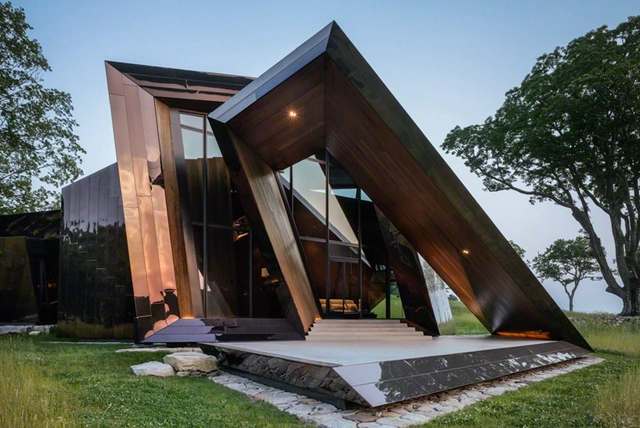
18.36.54 House, Connecticut. Image Courtesy of Nikolas Koenig
Polish-American architect, artist, professor, and set designer, Daniel Libeskind, founder of Studio Libeskind in 1989, believes that buildings are crafted with perceptible human energy, constructed with the intention to address the greater cultural context in which they are built. His commitment to expanding the scope of architecture reflects his profound interest and involvement in philosophy, art, literature, and music.
He addresses the notion of drawings being akin to a score, a piece of music that is interpreted by a like-minded community. Proportions, light, and materiality are all implicated in the drawing, and in this same way, buildings are also called to present space, atmosphere, and illuminate the practice.





















.jpg?1570002957 "La Muralla Roja / Ricardo Bofill. Image Courtesy of Ricardo Bofill")