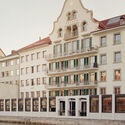
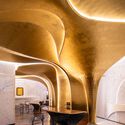
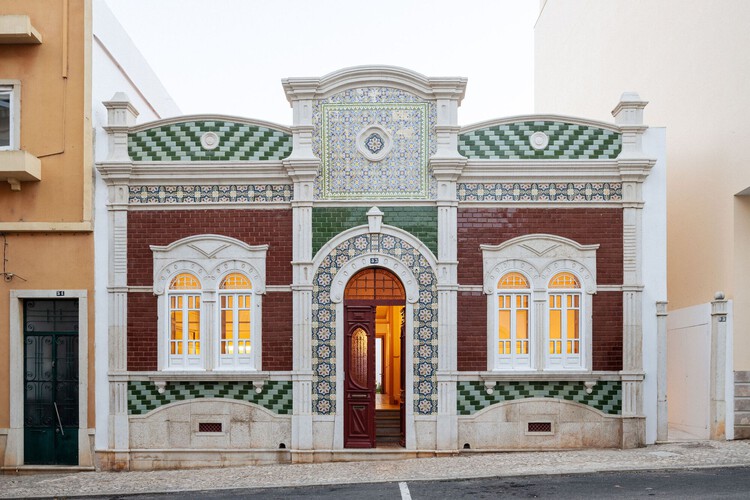
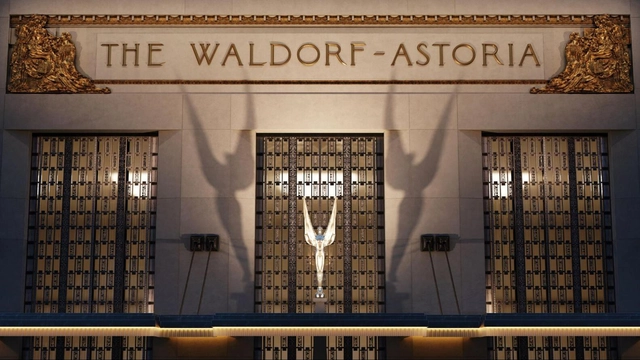
The quintessential symbol of Manhattan, Waldorf Astoria New York officially reopened for the public this year after an extensive renovation. Over its long history, the property has undergone numerous transformations, from its 19th-century beginnings to the modern landmark that stands between Park Avenue and Lexington Avenue.
Reimagining a building that pioneered modern hospitality—a jewel in New York's skyline—posed a challenge that required close collaboration between preservationists, 3D visualizers, architects, and designers. Together, they worked to preserve its protected architectural heritage while meeting contemporary expectations for craftsmanship and comfort.
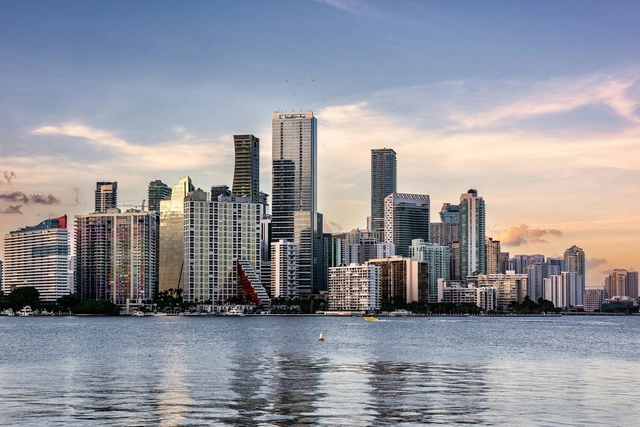
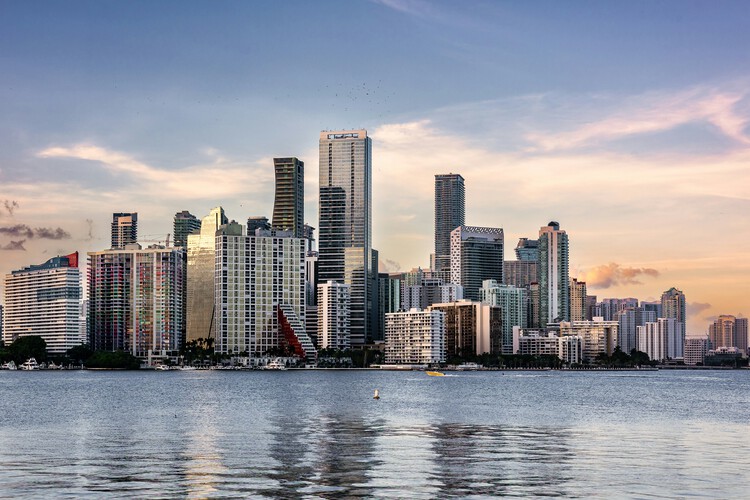
Stretching along the Atlantic coast at the southern tip of Florida, Miami is often introduced through postcard views of beaches, palm trees, and glass towers facing the water. Yet, behind this familiar image lies a city shaped by migration, tourism, and real estate cycles, where architecture has repeatedly been used to project new identities and reinvent the urban landscape. From early resort hotels and the Art Deco façades of South Beach to experimental high-rises and cultural institutions on the bay, the built environment offers a way to read how Miami negotiates climate, economy, and everyday life.
Over the past century, the city has grown through successive layers of development that remain visible in its streets and skylines. The streamlined geometry and pastel colors of the historic Art Deco District coexist with the exuberant forms of Miami Modern (MiMo) motels and postwar infrastructure along Biscayne Boulevard. Downtown and Brickell have transformed from low-rise business districts into dense clusters of residential and office towers, many designed by international firms working alongside local practices. At the same time, neighborhoods such as Little Havana, Allapattah, and Wynwood reveal how diasporic communities, industrial heritage, and creative industries occupy and adapt existing fabrics, often in contrast with the image-driven waterfront.
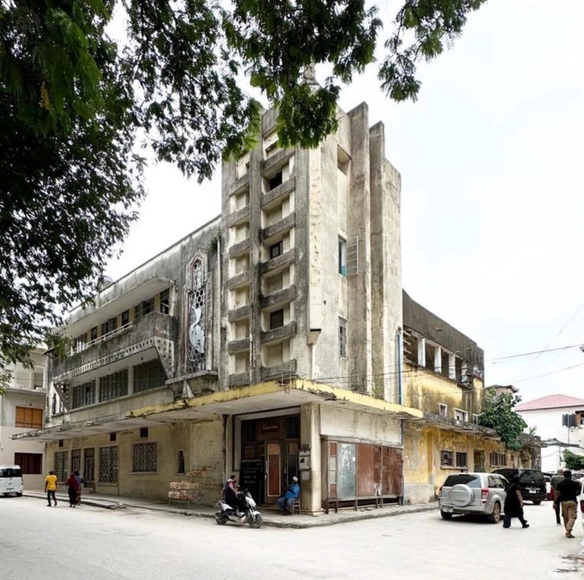
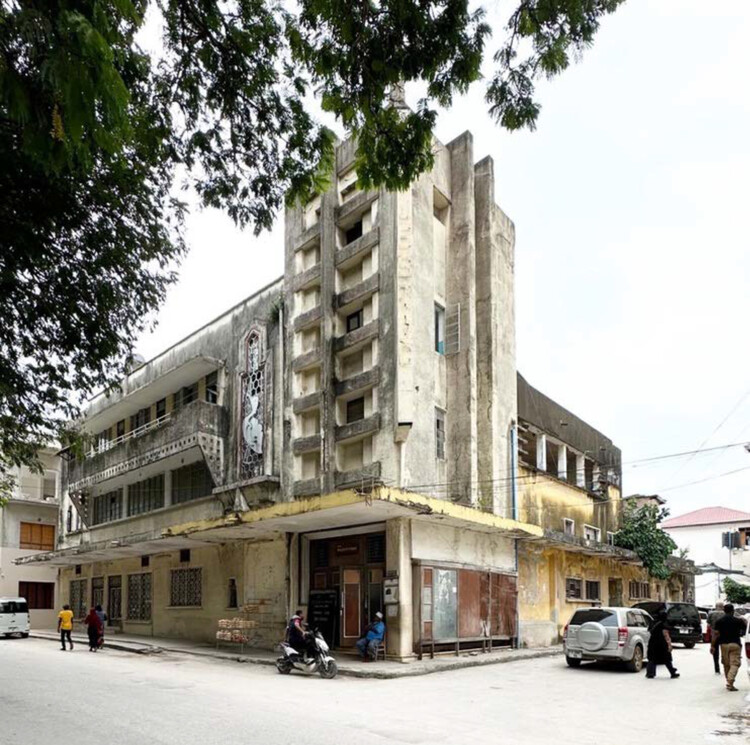
In historic Stone Town, the main city in Zanzibar, Tanzania, the story of one cinema building and its imminent restoration is reflective of the city's history and the narrative of cinemas generally. The early twentieth century saw the advent of cinema construction, peaking in mid-century, before declining against competition with multiplexes and home television. While many were demolished or irreparably altered, many also lay abandoned, like time capsules for a bygone era. They are a snapshot of the architecture styles and methods of their time, acting as a reminder of their role in their communities. Restoring and adapting a cinema like the Majestic is a recognition of its heritage and community value.
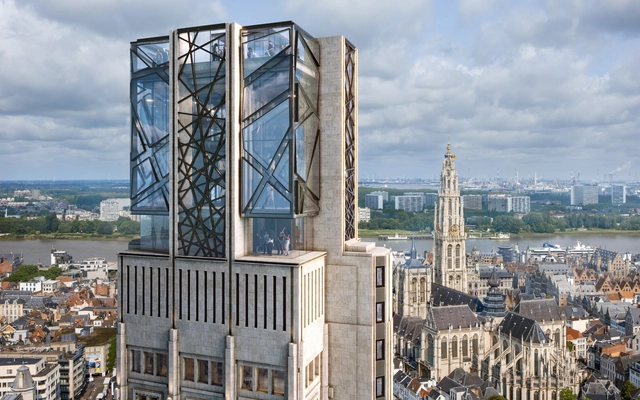
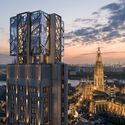
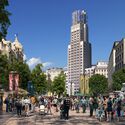
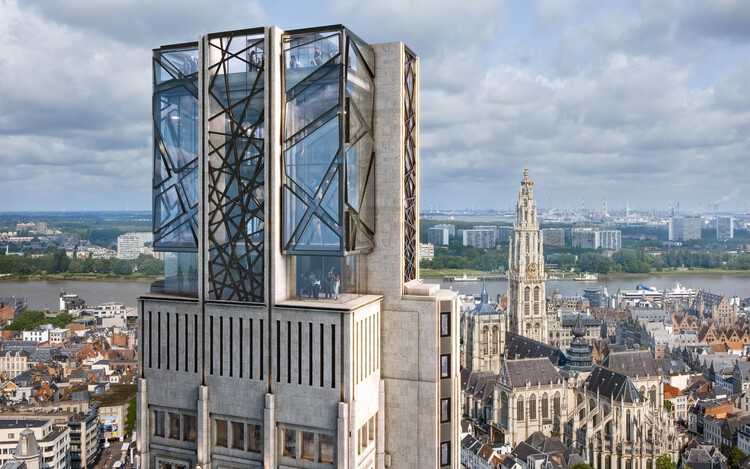
Studio Libeskind has released new images of the design for the transformation of the Boerentoren tower, one of Europe's earliest skyscrapers, located in the heart of Antwerp, Belgium. Developed in collaboration with Belgian architecture firm ELD, the project reimagines the 1932 Art Deco landmark as a new public cultural hub that will house The Phoebus Foundation's art collection. The design includes the addition of exhibition spaces, a panoramic viewing platform, a rooftop sculpture garden, and new restaurants and bars. According to the architects, the original architectural features will be preserved while introducing a new architectural feature, which they are calling the "Reimagined Crown." Initially announced in 2022, the project has now received preliminary approval from the Flemish Heritage Agency and the City of Antwerp.
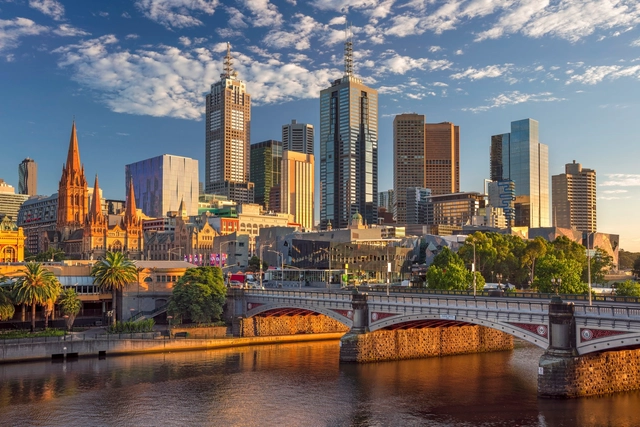
For the third year in a row, Melbourne has been selected as one of the top five most liveable cities in the world. The city is widely viewed as the leading architectural hub in Australia for its unique street culture and diverse design expression, with its layers and bold mix of architectural styles. From the very well-restored Victorian era edifices with their intricate ornamentation and detailing to the adjoining Contemporary landmarks, the city seems to achieve a nice balance of all typologies and design movements, while still being very inviting and engaging to its citizens.
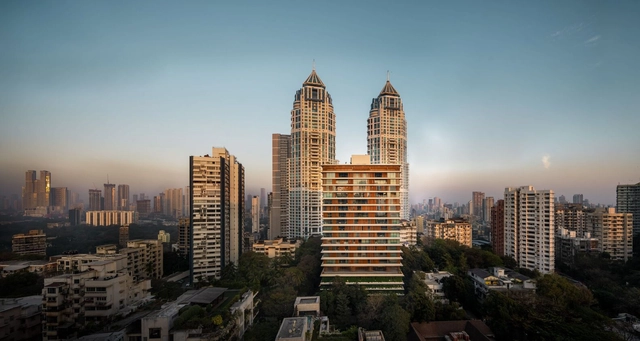
To a first-time visitor, Mumbai presents itself as a kaleidoscope of sensory overload. Architecturally, the peninsula city is host to numerous styles. Mumbai's architectural identity emerges from centuries of cultural exchange and colonial influence. What makes the experience unlike that of other historical cities is the density and the proximity in which juxtapositions occur.
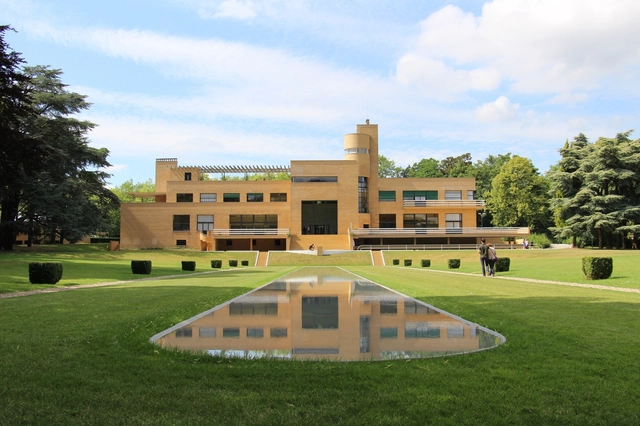
The Villa Cavrois stands as a powerful testament to early modernist architecture and the vision of architect Robert Mallet-Stevens. Built between 1929 and 1932 in Croix, France, this landmark residence was commissioned by Paul Cavrois, a prominent textile industrialist, to embody modern values and house his growing family. Mallet-Stevens' design merges Modernist ideals with a luxurious, functional aesthetic that breaks sharply from traditional styles, creating a space defined by clean lines, balanced proportions, and innovative materials.
More than just a family home, Villa Cavrois was designed as an architectural manifesto, presenting bold new ideas in residential design that would inspire generations. Its meticulously crafted layout, advanced technological features, and harmonious connection to the surrounding landscape positioned it as a symbol of modern living.
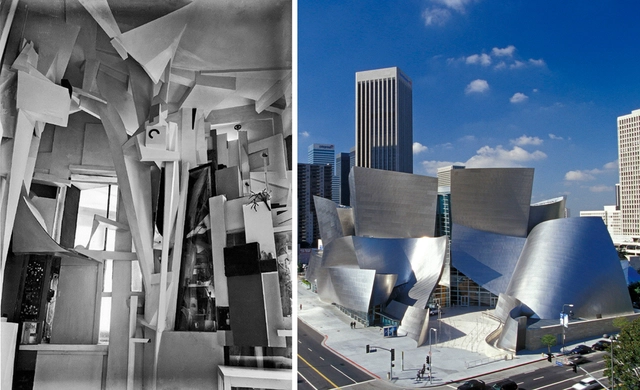
As far as history goes back, art and architecture have always been interrelated disciplines. From the elaboration of the Baroque movement to the geometric framework of modernism, architects found inspiration from stylistic approaches, techniques, and concepts of historic art movements, and translated them into large-scale habitable structures. In this article, we explore 5 of many art movements that paved the way for modern-day architecture, looking into how architects borrowed from their characteristics and approaches to design to create their very own architectural compositions.
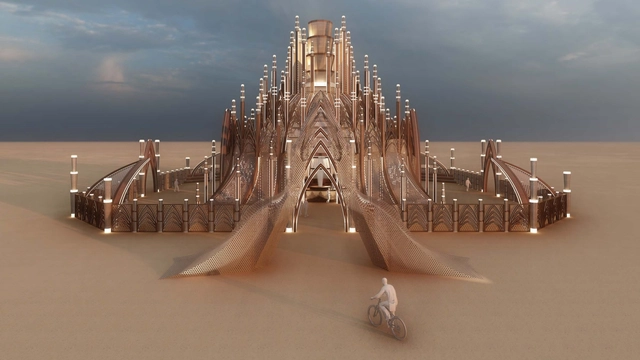
emple of Together by Caroline Ghosn, 2024. Design rendering by Maissa Sader. Image Courtesy of Burning Man
The annual festivalBurning Man has revealed the design of the 2024 Temple at Black Rock City, which will become the central installation during the festival happening between August 25th and September 2nd, 2024, in Black Rock Desert, Nevada. Titled “The Temple of Together,” the proposal is designed by Caroline Ghosn, the first BIPOC, female Temple lead artist. The proposal takes cues from neo-gothic religious architecture, combined with Art Deco styles and Lebanese Khaizaran weaving techniques to create a symbol of unity and respect. The design was selected following an international competition that seeks to find novel interventions that fit within the Burning Man tradition.
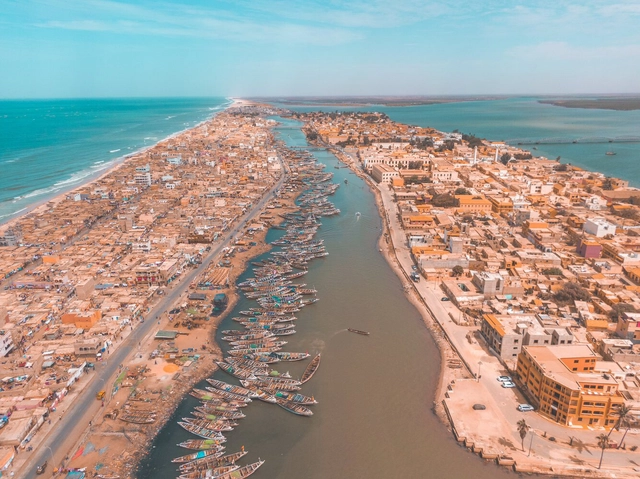
Located 270km north of Dakar, the capital of Senegal, and near the border with Mauritania, is the Island of Saint-Louis. It is a prominent colonial city in West Africa, known for its blend of Mediterranean architecture with a tropical climate. Saint-Louis was founded by the French Colony in 1659 as its first trading post on the Atlantic coast of Africa. It later became the capital of French West Africa (AOF) and Senegal. However, it lost this status in 1902, which led to its economic decline.
This complex history has made Saint-Louis a melting point for different layers of architecture and urbanism. The island showcases a grid urban form with double-storey villas, which is typical of 19th-century French colonial urbanism. Additionally, it features tropical courtyards, shaded balconies, 1920s art déco houses, and early '30s modern civic buildings. However, due to its economic and infrastructural isolation, this architecture and urban heritage have continuously degraded. Therefore, it seeks new interventions for the conservation, restoration, and re-adaptation of the city.
The history of 'neutral colors' is a fascinating journey through the evolution of human aesthetics and design sensibilities. Closely related to the makeup of materials organically found in nature, the color chorus of whites, grays, and earthy brown tones has played a pivotal role in artistic expression, fashion, interior design, and architecture for millenia. From the understated hues of early clay, straw, wood, or brick architectural structures to the now prevalent contemporary interior style, neutral colors have transcended cultural boundaries and continue to hold a special place in our visual landscape – offering a sophisticated elegance and versatility that has stood the test of time.
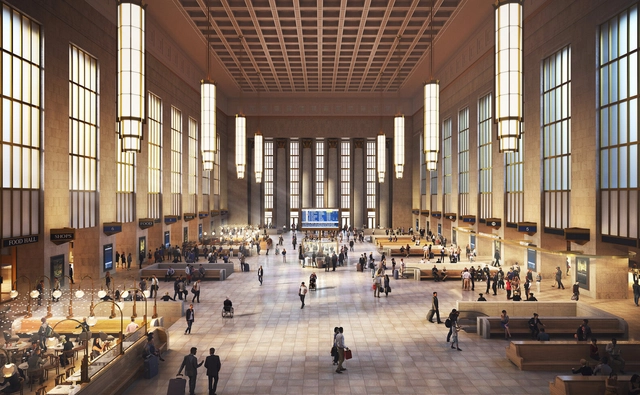
Almost a century after the iconic aesthetic emerged, Art Deco is finally having its comeback. As seen in new projects, interior spaces, and furniture around the globe, the glitz and glam that makes us long for the Roaring 20s of the early 20th century is now giving us a small taste of the Roaring 20s revival in the 21st century. As the distinct identity of Art Deco architecture and design has continued to inspire the world, what can we expect from new designs, and the preservation of existing ones?
Art has always been a means for people to connect with space, and art movements have served as a platform for exploring new relationships with architecture. By incorporating art into buildings and interior spaces, they have been transformed, resulting in a fusion that creates beautiful, inspiring, and spiritually uplifting environments. Throughout history, various art movements, such as the Renaissance in the 17th century, Baroque in the 18th century, and Art Nouveau, Art Déco, and Bauhaus in the early 20th century, have had a significant impact on architecture. Architects drew inspiration from the ideals, concepts, stylistic approaches, and techniques of these movements, using them to create large-scale habitable structures. As the home is a fundamental expression of an architectural movement and the simplest canvas to exhibit the artistic ethos of any particular era, studying the interior spaces of houses provides a detailed picture of art's influence on spatial organization, furniture design, product patterns, and user interaction.
Art Deco is an artistic and design style that emerged in Europe in the late 19th and early 20th centuries, reaching its peak in the 1920s and 1930s. Although it's difficult to identify a single origin for Art Deco, it's believed that the style developed as a reaction against the Arts and Crafts and Art Nouveau movements, which emphasized craftsmanship and naturalistic ornamentation. The style quickly spread throughout the world and had a major influence on architecture, interior design, fashion, and visual arts during the first half of the 20th century.
“A hundred times have I thought New York is a catastrophe, and fifty times: It is a beautiful catastrophe.” Le Corbusier. This architecture city guide celebrates Modernism in one of the world's greatest cities: New York. We embark on an architectural journey through nearly a century of innovative, revolutionary architecture: from early 20th century, revivalist Beaux-Arts; to machine-age Art Deco of the Inter-War period; to the elegant functionalism of the International Style; to the raw, exposed Brutalism characteristic of the Post-War years; and, finally, to the splendid forms of organic architecture. From world-renowned landmarks to undiscovered jewels, we invite you to explore the 2,028 blocks that make Manhattan an architectural mecca for citizens around the world.
Japan-based architectural office Kengo Kuma and Associates has unveiled the design for what will become the studio’s first residential tower in the United States. Located on the oceanfront of Miami Beach, the 18-story structure will accommodate private condominiums for hospitality brand Aman. The project is adjacent to the Versailles building, a 1940s Art Deco hotel currently under restoration by architect Jean-Michel Gathy. The Art Deco architecture of Miami’s Faena district has a unique rhythm, which, according to the architect, was translated into the geometry of the new building through its vertical and horizontal lines.
The luxury hotel, as an architectural typology, is distinctive. In effect, it's a self-contained community, a building that immerses the well-off visitor into their local context. Self-contained communities they might be, but these hotels are also vessels of the wider socioeconomic character of a place, where luxury living is often next door to informal settlements in the most extreme examples of social inequality.