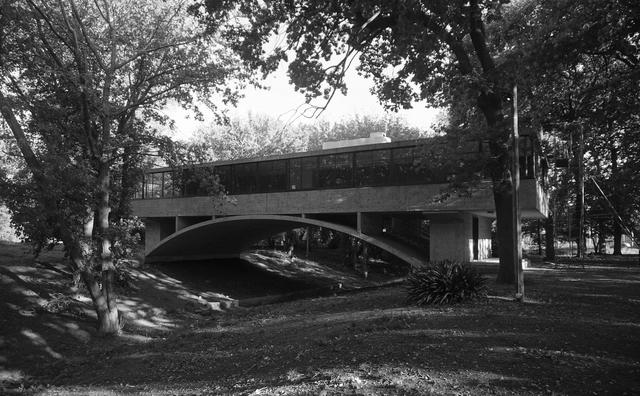
In the highlands of the Central Andes, one finds the "bofedales." Known by some as 'high Andean wetlands,' bofedales are ecosystems and landscapes crucial for water regulation and storage in the Andes. Moreover, they are natural infrastructures that constitute a material and immaterial heritage to address contemporary climate crises and to sustain local Andean communities, which have nurtured them for generations.
https://www.archdaily.com/1012952/bofedales-natural-infrastructures-and-andean-landscapesDiego Vivas
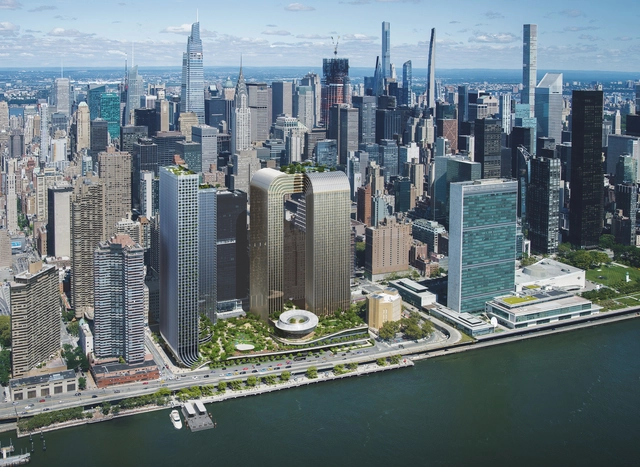
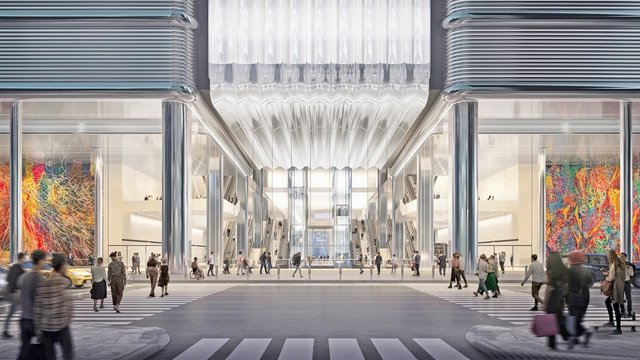
Located along Manhattan’s East River waterfront, the Freedom Plaza sets out to create a new civic and cultural hub, introducing a new open and green space in the crowded area, with plans to add an in-park Museum of Freedom and Democracy. Additionally, the scheme designed by BIG-Bjarke Ingels Group includes affordable housing units, two hotels, retail, and restaurants. Developed by Soloviev Group and Mohegan, the Freedom Plaza development reimagines one of the largest undeveloped plots in Manhattan, measuring 6.7 acres located south of the United Nations headquarters in the Midtown East neighborhood.
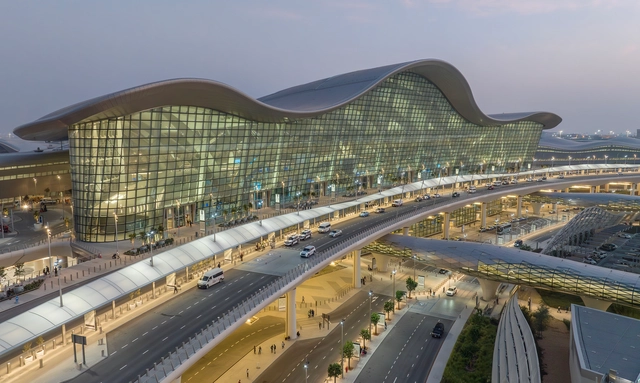
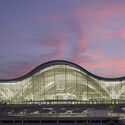
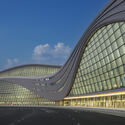
The Abu Dhabi International Airport has been officially renamed Zayed International Airport, Terminal A. Designed and executed by KPF, the revamped complex will accommodate up to 45 million passengers annually, doubling the airport’s capacity. Informed by the desert's natural landscape and Islamic culture's geometric motifs, the terminal was designed considering the Emirate’s surrounding context.
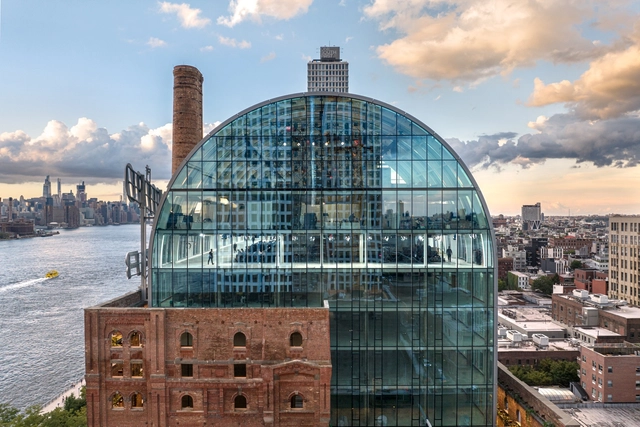
Domino Sugar Refinery / PAU - Practice for Architecture and Urbanism
In the same way that societies transform, times change, and cities evolve, industrial architecture modernizes and technifies, sometimes reaching a state of abandonment or ruin. Understanding its value as a built legacy and being vestiges of technological, social, and cultural changes, the renovation and/or conversion of numerous factories and industrial warehouses can lead to the revitalization, recovery, or growth of various areas in large cities, incorporating new uses and spaces for the enjoyment of their citizens.
Architecture is the design of spaces for human occupation. Despite architects’ skill in designing spaces to influence human behavior there often is a shortfall in anticipating and reacting to occupants’ behavior. To create environments that boost well-being, productivity, and social engagement, a symbiotic relationship between buildings and human behavior must be fostered. The intersection of architectural and anthropological studies forms an insightful framework for the design of physical spaces informed by human behavior and cultural context.
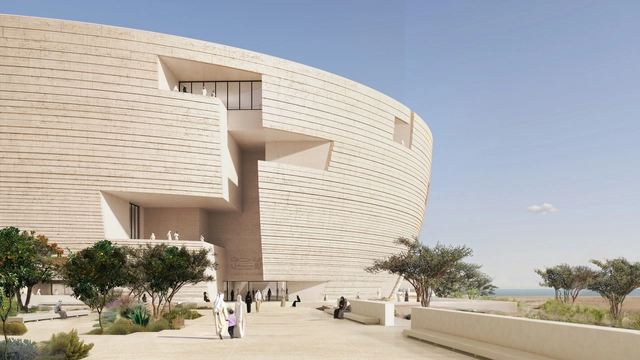
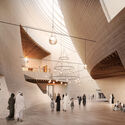
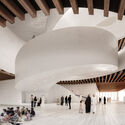
Qatar Museums has released renderings showcasing the future Lusail Museum, designed by Swiss architecture office Herzog & de Meuron. The museum will house one of the largest collections of Orientalist art, exploring the movement of people and ideas across the globe and over the centuries. The new institution also strives to provide opportunities for high-level study for scholars, academics, policymakers, and curators. Consequently, the building is conceived as “a vertically layered souk, or miniature city contained within a single building,” aiming to encourage conversations, debates, and meditation on global issues.
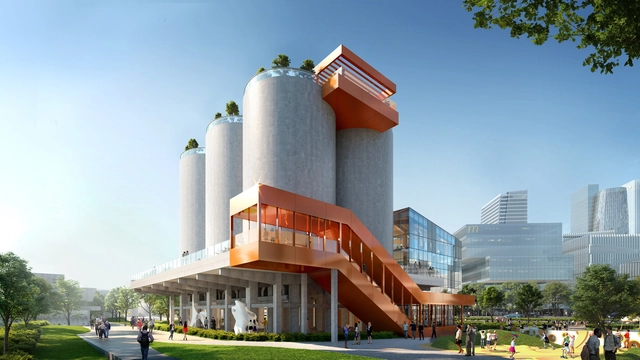
Courtesy of MVRDV | Ucharm | MVRDV Gate M West Bund Dream Cente
MVRDV has just introduced its comprehensive plan and architectural vision for the construction of the Gate M West Bund Dream Center in Shanghai. Formerly home to a cement plant factory, the design uses the existing structures for cultural programs and combines them with new structures to house new functions. The Dream Center aims to revitalize the riverbank area into a thriving cultural and recreational district.
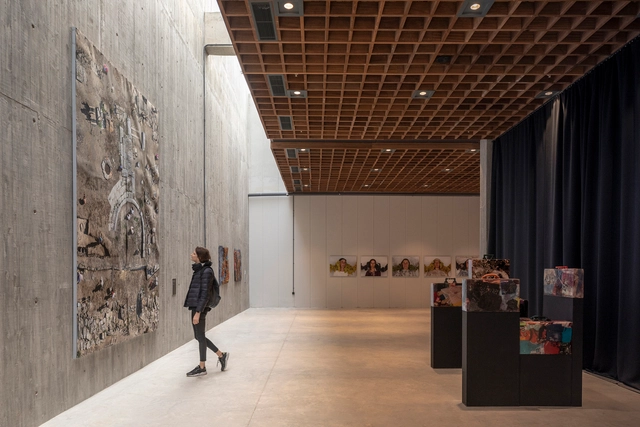
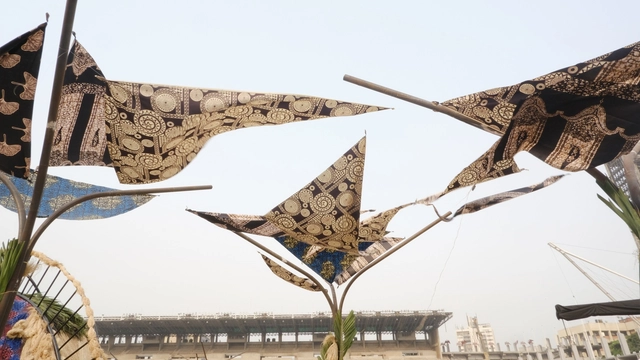
On the 3rd of February, this year's Lagos Biennial opened at the Tafawa Balewa Square, Lagos, an emblematic venue that was once the site of Nigerian independence celebrations in 1960. As the 4th edition of the art fair, it continues with its objective of using art to activate historic landmarks that have lost significance either through functional use or symbolic meaning to the residents of the former capital city.
The previous editions of the Biennial have explored various aspects of the city's architecture, its symbolic significance, political implications, sovereignty, ownership, notions of belonging, and its relationship with the public. This year, the theme of "Refuge" at the Tafawa Balewa Square takes this exploration even further. Curators Kathryn Weir and Folakunle Oshun highlight that this theme prompts the square to address the concept of a nation-state. It also brings together artists and architects from different disciplines to explore alternative approaches to constructing renewable communities and promoting climate justice.
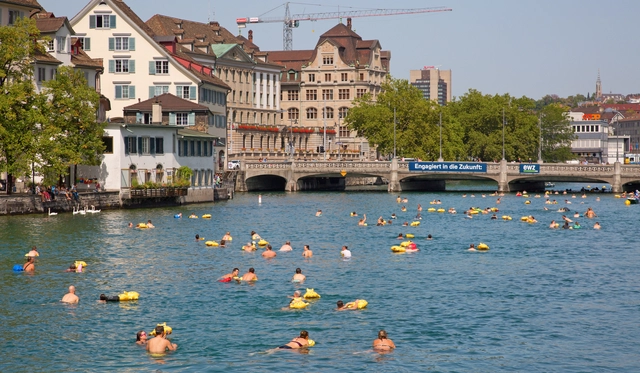
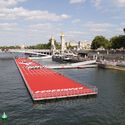
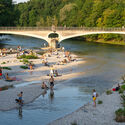
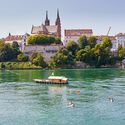
Throughout history, rivers played a crucial role in the social structures of cities. Along riverbanks, communities often congregated for socializing, swimming, and fishing. Swimming in rivers was a popular summertime activity enjoyed by people of all ages. Whether it was the Thames in London or the Seine in Paris, rivers were bustling with swimmers; integrated into urban lifestyles.
The Second Studio (formerly The Midnight Charette) is an explicit podcast about design, architecture, and the everyday. Hosted by Architects David Lee and Marina Bourderonnet, it features different creative professionals in unscripted conversations that allow for thoughtful takes and personal discussions.
A variety of subjects are covered with honesty and humor: some episodes are interviews, while others are tips for fellow designers, reviews of buildings and other projects, or casual explorations of everyday life and design. The Second Studio is also available on iTunes, Spotify, and YouTube.
This week David and Marina of FAME Architecture & Design share advice and tips for clients with a project that is small and/or has a tight budget. The two discuss the things to look out for when hiring an architect/designer, a contractor, and engineer; material and design constraints; client involvement; workflows; and more.
Living in cities built on geographical slopes is a unique and challenging experience. While these areas can offer panoramic views and impressive landscapes, the steep topography presents a series of challenges in terms of urban planning, structural safety, and socio-environmental risks. These cities require special care and solutions in the design of streets, buildings, and infrastructure, as well as an understanding that, for reasons of environmental safety and population well-being, not all areas should be occupied.
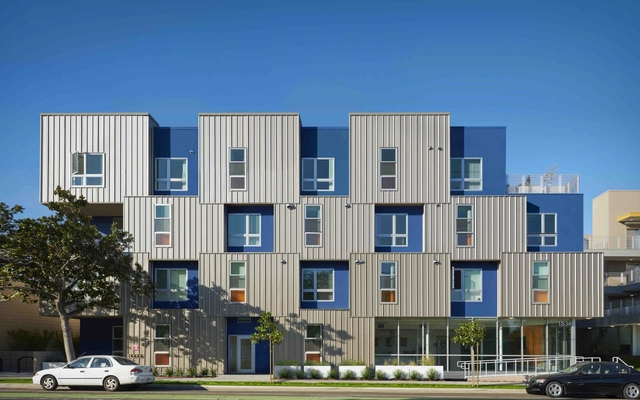
When Brenda Mendoza told an NPR reporter about her commute to work, she became the face of the housing crisis in Los Angeles today. Mendoza, a uniform attendant at a Marriott hotel, was living with her family in an apartment in Koreatown, where she had grown up, 10 minutes from her job. The landlord raised the rent, so she moved to a less costly place in Downey. When that rent also rose out of reach, she moved to Apple Valley, and now gets up at 3:30 a.m. to drive 100 miles to her job, dropping off her husband and son at their jobs on the way. She did not move to Apple Valley to invest in a house she could love. She simply found an equally unstable, but slightly more affordable, rental hours from her workplace.
Spanning continents and cultures, architecture-focused events serve as platforms for the gathering of diverse groups of professionals to share innovations and embark on dialogues regarding some of the most pressing matters faced by our profession. Embodying the spirit of collaboration, highlighting local cultures and practices, and fostering open debates, this year’s list of events covers a diverse range of biennales, forums, city-wide celebrations, international fairs, and awards.
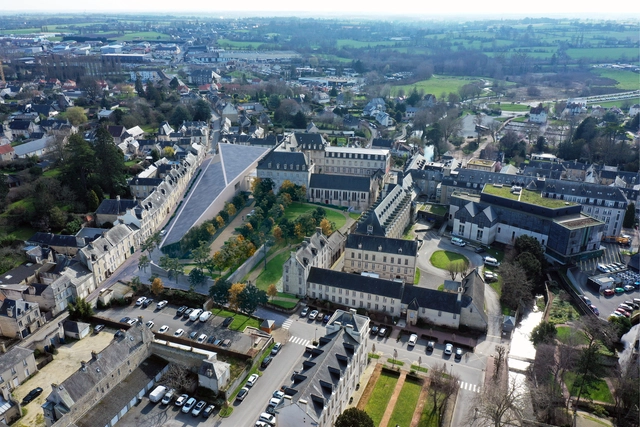
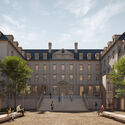
RSHP has unveiled the urban and architectural design for the new Bayeux Tapestry Museum. The intervention is created to house and display the Bayeux Tapestry, an embroidered cloth measuring 70 meters in length and depicting the events leading up to the Norman Conquest of England in 1066 and culminating in the Battle of Hastings. The almost 1000 years-old artifact is also included in UNESCO’s “Memory of the World” list. The project proposes a contemporary extension of the 17th-century seminary where the Musée de la Tapisserie de Bayeux is located.