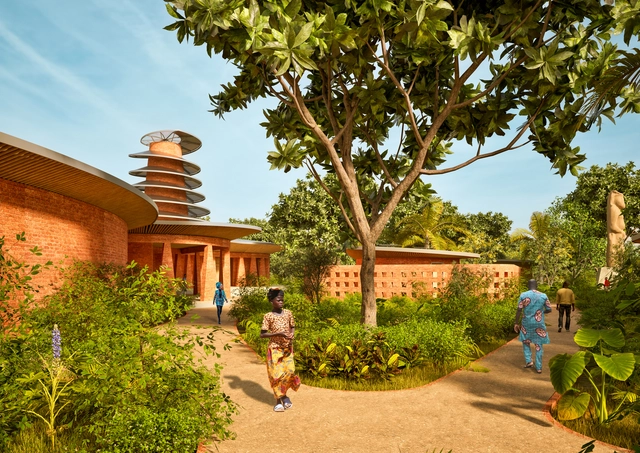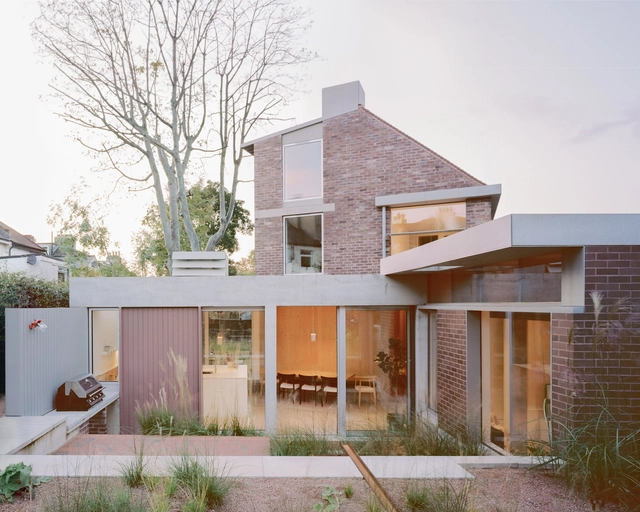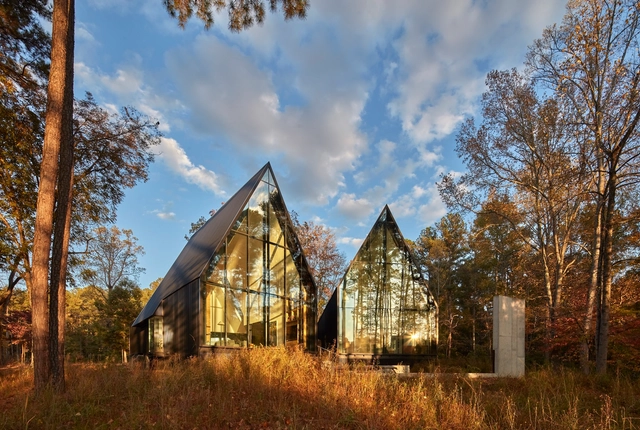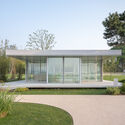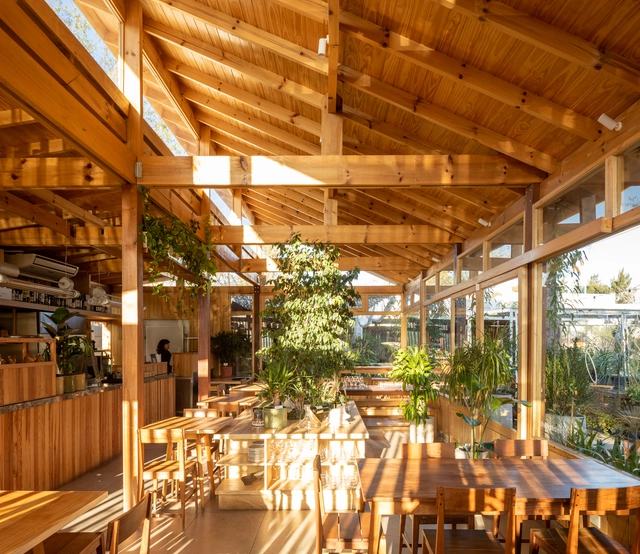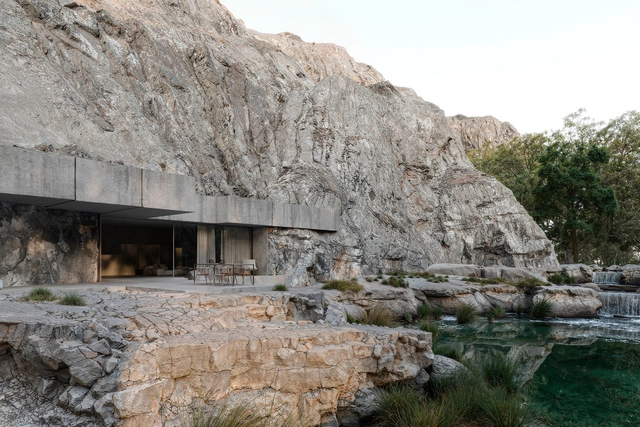
Environmental comfort is one of the aspects that contribute to the good performance of architecture. In project descriptions, the incidence of natural lighting and ventilation is often highlighted as advantageous characteristics that add to the aesthetics and functioning of the program. In a way, environmental comfort is part of the building's function, not necessarily linked to the activities that take place inside the construction but plays a role in its development.

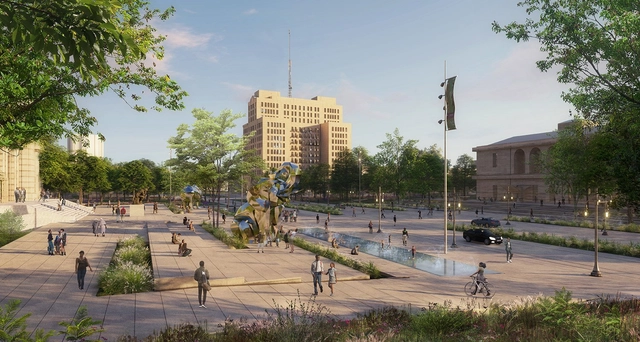
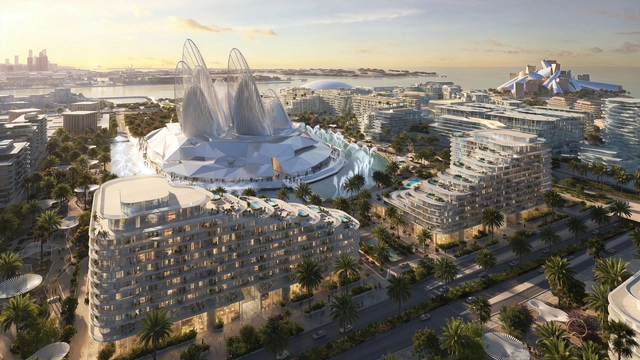
Al Khuwair Muscat Downtown - ZHA . Image Courtesy of Oman Ministry of Housing and Urban Planning
Zaha Hadid Architects have unveiled a large-scale project for the redevelopment of the Al Khuwair waterfront in downtown Muscat, the capital of Oman. The $1.3bn project covers an area of 3.3 million square meters. It aims to revitalize the area through sustainability-led design principles to accommodate the expected population growth, which is expected to almost double by 2040. The plans are developed in collaboration with Buro Happold to incorporate and transform the existing buildings on site, introduce coastal and climate resilience measures, and create an efficient transit-oriented infrastructure.
Pioneering advanced construction and large-scale 3D Printing, ICON was selected as ArchDaily’s Best New Practices of 2021 due to its boundary-breaking technology that is advancing capability in the built environment. The Texas-based startup has just unveiled various toolkits and products to modernize construction processes further. Dubbed “Domus Ex Machina,” the event showcased a range of innovations, such as an AI Architect created for home design and construction, a digital library containing over 60 pre-designed home plans, a new eco-friendly building material, and a robotic printed facilitating multi-story construction. Together, these developments aim to offer a quicker, more environmentally friendly way to build high-quality, affordable housing globally.
Bamboo, renowned for its strength and eco-friendliness, often faces a formidable adversary: insects and fungi. Despite its resilience, these pests can compromise its durability over time. However, there exists a simple yet effective solution to bolster bamboo's longevity and sturdiness. In this article, we unveil the Vertical Soak Diffusion (VSD) method—a budget-friendly approach that ensures your bamboo projects stand the test of time.
As a highly transparent material that stands up to all but the most extreme of weather conditions, is easily formed into any size or shape, and, once formed, will last for thousands of years, glass is still one of the most innovative and crucial materials used in architecture. Although contemporary building practices allow us to form huge, glittering skyscrapers of glass that rise hundreds of meters into the air, the ancient material’s original purpose – to welcome light into weathertight and secure interiors – remains its most important more than a thousand years on.
As important as glass is to almost every typology of architecture in the form of windows, when it comes to the roof of a building, the use of glass is not so simple. We’ve understood the power and danger of combining light and glass ever since we saw a magnifying glass used to concentrate the heat of sunlight into incredibly high temperatures in children’s cartoons. Under a glass roof, the solar gain can make for uncomfortable internal environments without the correct protective precautions.
Last week, Japanese architect and social advocate Riken Yamamoto was announced as the 2024 Pritzker Architecture Prize Laureate, becoming the 9th Japanese architect honored with the profession's most prestigious award. Throughout the 45-year history of the Pritzker Prize, Japan stands out as the nation with the highest number of laureates. While geography is not a criterion in the selection of the laureates, Japanese architecture consistently impresses with its interplay of light and shadow, the careful composition of spaces, soft transitions between interior and exterior, and attention to detail and materiality. An ingrained culture of building also celebrates diverse designs and encourages global dialogue and the exchange of ideas and best practices. Read on to rediscover the 9 Japanese Pritzker laureates and glimpse into their body of work.
Foster + Partners has just unveiled the designs for the Xicen Science & Technology Center at the heart of the Yangtze River Delta Region in Shanghai,China. The project is strategically located along the Shanghai – Huzhou development axis, ensuring connectivity to the city center through high-speed rail links. Drawing inspiration from the timeless allure of the surrounding water towns, the center blends new and existing waterways to create a community featuring residential, commercial, and recreational spaces.
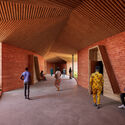
Jingdezhen Imperial Kiln Museum_View to the vaulted foyer of the auditorium. Image
On April 4 – 6, the international conference FABRICATE 2024will be held at the Royal Danish Academy in Copenhagen. Since its inception in 2011, FABRICATE has established itself as a global forum for new radical possibilities for architecture and welcomed thousands of participants from practice, industry, and research.
In this third article we meet architect Zhu Peiwho is the founding Director of Studio Zhu Pei and Dean of the School of Architecture at Central Academy of Fine Arts in Beijing. The text is an excerpt from the upcoming FABRICATE 2024 book and is based on an interview conversation led by Co-chairPhil Ayres between Zhu Peiand architect Cristiano Ceccato, Director of Zaha Hadid Architects. The book will be published on the opening night of the FABRICATE 2024 conference.
Rendering of Dia Beacon’s south landscape. Image Courtesy of Studio Zewde, 2024
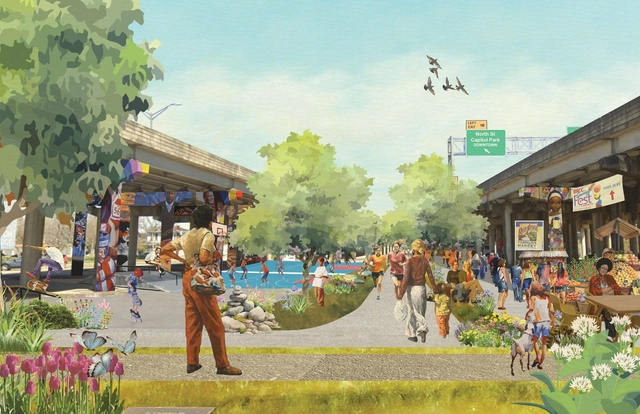
Dia Art Foundation announced a major landscape project to reimagine the land at Dia Beacon, New York. Commissioned landscape architect Sara Zewde of Studio Zewde aims to go beyond the simple arrangement of attractive plants and integrate ideas of ecology, culture, and people into the design. Taking over the museum’s 32-acre campus, the project will create an expanded outdoor park, free to access for visitors and locals alike, complete with native meadows, sculptural landforms, and winding pathways. The project, which has been recently extended to also include the museum’s eight back acres, is expected to open to the public in 2025.
Zaha Hadid Architects (ZHA) has just begun renovating the iconic Schuylkill Tower in Monaco. Originally built in 1963, the tower currently stands tall as Monaco’s first-ever high-rise. ZHA conducted a feasibility study evaluating its development prospects and the scope of necessary renovations. This led to ZHA’s collaboration with local firm Square Architecte to revitalize and expand the iconic structure, set to be completed in May 2027.
Last week, Japanese architect and social advocate, Riken Yamamoto, was selected as the 2024 Pritzker Architecture Prize Laureate, the 53rd honoree of the Pritzker Architecture Prize, and the ninth architect from Japan to receive this recognition. With a body of built works that spans five decades, ranging from private residences to large-scale housing complexes, educational institutions, and civic spaces, scattered around Japan, China, South Korea, and Switzerland, Yamamoto's architecture is focused on building community and blurring the boundaries between the public and private spheres. In a series of videos produced by the Pritzker Prize, the architect goes back to the fundamentals and discusses the threshold system, transparency, community, and the landscape.
Rising demands for energy efficiency, technical functionality, and interior comfort in buildings necessitate the development of more efficient building envelope constructions. The building envelope serves as a mediator between a building's exterior and interior. In today's architectural landscape, it performs a multitude of functions to enhance the building's performance. These functions include building control systems, energy supply (such as gas and electricity), and heating, ventilation, and air conditioning (HVAC), among others. These elements primarily determine the functionality, efficiency, and safety of building spaces. Given that the nature of building envelopes heavily depends on these services, how can they serve as primary frameworks for building design development?
The principles of the circular economy have been most influential and applicable to the construction industry. Emphasizing the efficient use of resources, models around reuse and recycling of components and materials are increasingly being pioneered by global architecture practices. The concept of "design for disassembly" has emerged as an innovative approach especially in the case of building facades. Striking a balance between the demands for new infrastructure and the transition towards sustainability requires a review of traditional facade design throughout its lifecycle.
LXK Office and Residential Campus. Image Courtesy of MVRDV
MVRDV has just begun construction on the LXK Office and Residential Campus in Berlin. Situated in Friedrichshain, near Berlin Ostbahnhof, the development spans approximately 61,200 sqm and boasts city center views from its green rooftops and terraces. Designed as two buildings, a horizontal band encircles the middle of either structure, serving as a distinctive landmark in Berlin.
This curated collection unfolds the narratives of some of the most compelling architectural projects by women from the Global South. From the unique streets of Dubai to the rural landscapes of Niger, each project serves as a testament to the power of architecture to transcend gender boundaries and create meaningful designs that connect people and their surroundings.
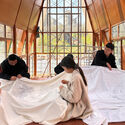
Architecture – once it moved out from under its cavernous beginnings – started off largely nomadic. For a long time, the shade of trees and moveable tents made from animal skin were utilized instead of more permanent dwellings to meet nomadic lifestyles and basic survival needs. These early portable structures were primarily supported by wooden frames and were used by various ancient civilizations, including the Bedouins in the Arabian Peninsula and the Native American tribes in North America. The advent of woven cloth some 40,000 years ago made the dwellings even lighter and easier to transport, a boon to nomadic cultures around the globe.
Though tents have remained popular since then in recreational contexts and as a staple of the architectural form, contemporary architecture has rediscovered the principle of draping fabric and taken its development further – not just for temporary structures, but for permanent buildings and installations, too. Advanced and durable materials have turned fabric into a facade and roof alternative that has sparked a highly specialized sector within the construction industry and created some of the most intriguing exteriors around the globe.
The Second Studio (formerly The Midnight Charette) is an explicit podcast about design, architecture, and the everyday. Hosted by Architects David Lee and Marina Bourderonnet, it features different creative professionals in unscripted conversations that allow for thoughtful takes and personal discussions.
A variety of subjects are covered with honesty and humor: some episodes are interviews, while others are tips for fellow designers, reviews of buildings and other projects, or casual explorations of everyday life and design. The Second Studio is also available on iTunes, Spotify, and YouTube.
This week David and Marina of FAME Architecture & Design discuss whether or not architects are optimists. Many claim to be, but are they? The two cover in what ways architects are optimists, when architects are pessimists, how to be an optimist and how it impacts one’s work, being a realist, and more.
https://www.archdaily.com/1014329/the-second-studio-podcast-being-an-optimistic-architectThe Second Studio Podcast