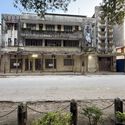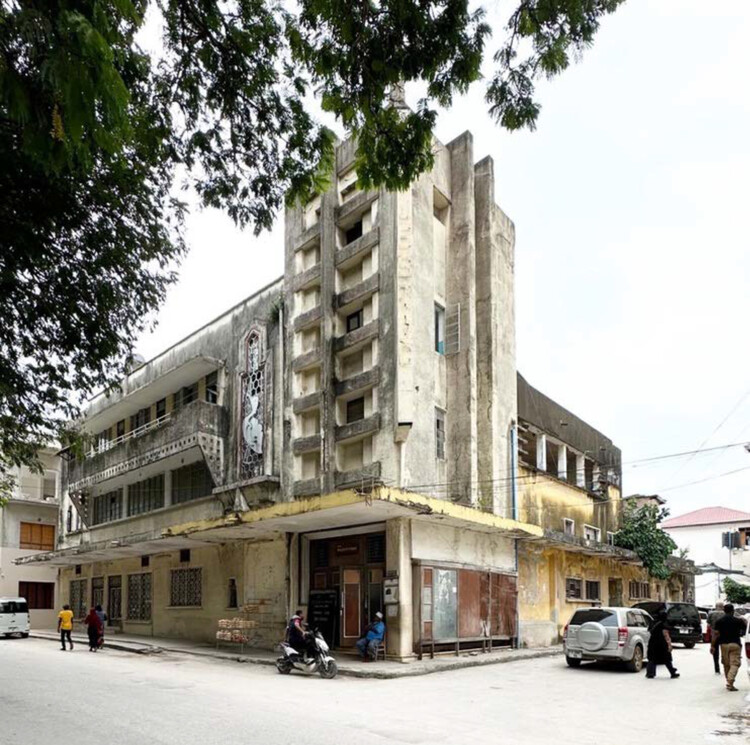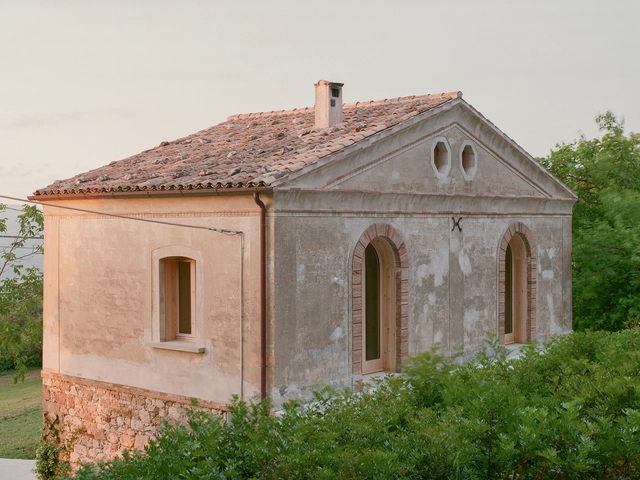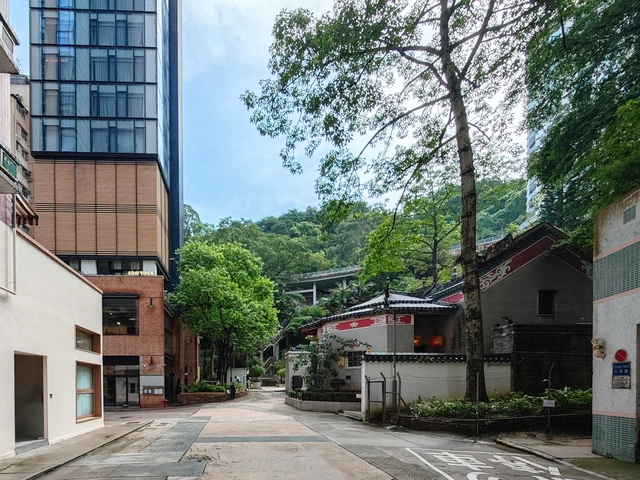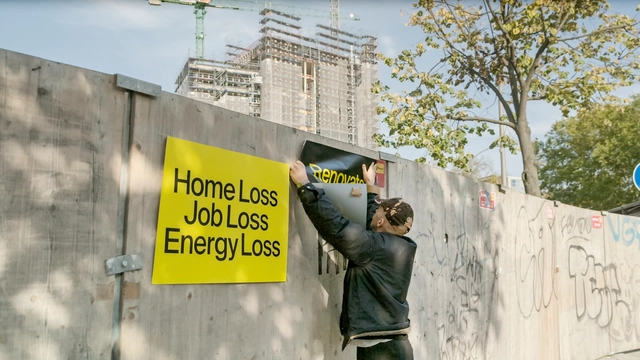
The Los Angeles City Council has approved the revised Citywide Adaptive Reuse Ordinance (Citywide ARO), which is planned to take effect in 2025. Building on the success of the 1999 ordinance, which facilitated the creation of over 12,000 housing units in Downtown LA, the updated policy aims to address the city's ongoing housing crisis and repurpose underutilized buildings.
Amidst the traditional streets of Antwerp, where centuries-old townhouses stand as remnants of a historic European city, a stark white volume quietly asserts its presence. Maison Guiette, designed by Le Corbusier in 1926, is an anomaly in its surroundings — a bold statement of modernity in a context that had not yet embraced it.
While today it is overshadowed by the architect's more famous works, this house holds a unique place in history: it was Le Corbusier's first built project outside France, a precursor to his later architectural experiments, and a manifestation of his emerging Modernist principles. Despite its modest scale, it was a manifesto in built form — a house that encapsulated the essence of an architectural revolution.
The use of technology has become vital in the documentation and conservation of heritage, especially in difficult or urgent circumstances. After many landmarks of the historic city of Palmyra were destroyed during Syria's war in 2015, conservators built three-dimensional digital models of the destroyed city to aid its future reconstruction. The destruction of the Buddhas of Bamiyan in Afghanistan in 2001 with very little prior documentation prompted action in the documentation of vulnerable monuments, such as the establishment of CyArk. More recently, detailed digital surveys and a heritage BIM model were essential in the restoration of Notre-Dame Cathedral in Paris after it was devastated by fire in 2019.
In many cultures, fire is a sacred element used in rituals of rebirth and renewal. It carries a dual symbolism, being both a creator and a destroyer—capable of illuminating paths or consuming everything in its wake. In Greek mythology, for example, Prometheus stole fire from the gods and gave it to humanity, marking it as a symbol of progress, knowledge, and creative power. However, fire also evokes destruction, as seen in biblical tales like that of Sodom and Gomorrah, where it was used as divine punishment. This duality was also evident in the 2019 fire at Notre-Dame Cathedral, which devastated its historic structure. The disaster sparked a wave of solidarity and led to unprecedented technological advancements, with restoration efforts utilizing digital tools such as laser scanning and Building Information Modeling (BIM) to recreate intricate details and preserve architectural heritage.
The World Monuments Fund (WMF) has announced its 2025 World Monuments Watch, highlighting 25 sites facing significant challenges. This biennial program, launched in 1996, aims to raise awareness and mobilize action for the preservation of cultural heritage worldwide. The 2025 list includes diverse locations across five continents and, notably, the Moon, representing the need to protect artifacts from humanity's first lunar missions. The selection process involved over 200 nominations, revealing regional trends such as climate change impacts in Sub-Saharan Africa and urbanization challenges in Asia and the Pacific.
Phyllis Lambert has been a key figure in the preservation of Canada's cultural heritage. As an architect and advocate for heritage conservation, Lambert has left an indelible mark in Montreal and other cities worldwide. Her contributions to Montreal's architectural scene can't really be judged in terms of individual buildings, but rather in terms of the city as a whole. She not only cofounded the Canadian Center for Architecture (CCA), but also helped reshape the way cities like Montreal think about heritage and the importance of community voices in urban planning.
On Tuesday morning, wildfires erupted in the Pacific Palisades, one of Los Angeles' wealthiest neighborhoods. The catastrophic fire left a significant mark on the infrastructure and neighborhoods of Los Angeles, resembling a war-torn landscape by the morning of January 8, 2025. Iconic locations along Sunset Boulevard transformed into scenes of devastation, with charred buildings. Over 2,000 structures have been destroyed, displacing tens of thousands of residents and sparking urgent appeals for access to homes for medication retrieval. Several hotels in Los Angeles have been taking in displaced residents.
The Getty Foundation's Conserving Black Modernism initiative, launched in 2022, represents a pivotal effort to preserve and celebrate the architectural contributions of African American architects in the Modernist movement. This initiative, a partnership with the National Trust for Historic Preservation's African American Cultural Heritage Action Fund, aims to address historical oversight and ensure the legacy of these trailblazing architects is protected for future generations. Over three funding cycles from 2023 to 2025, the program supports conservation planning, professional training, and storytelling to highlight the cultural and architectural significance of these sites.
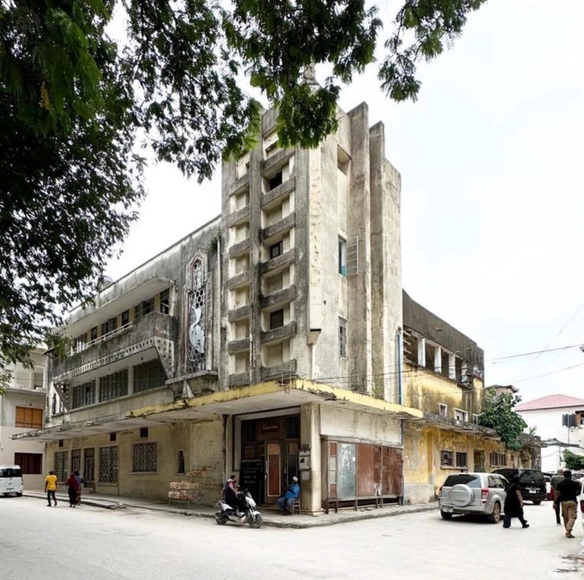
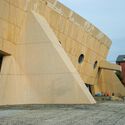
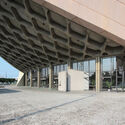
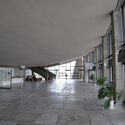
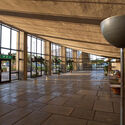
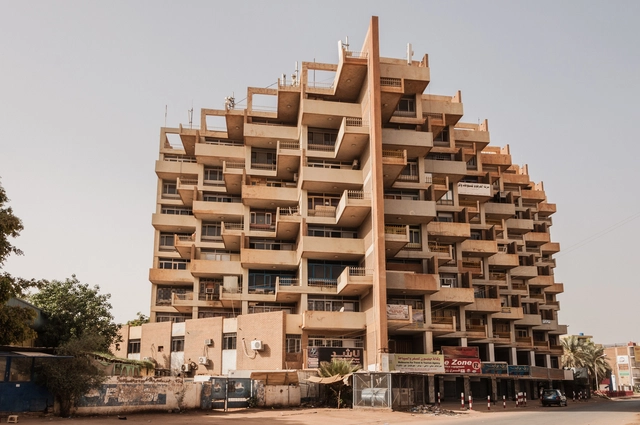
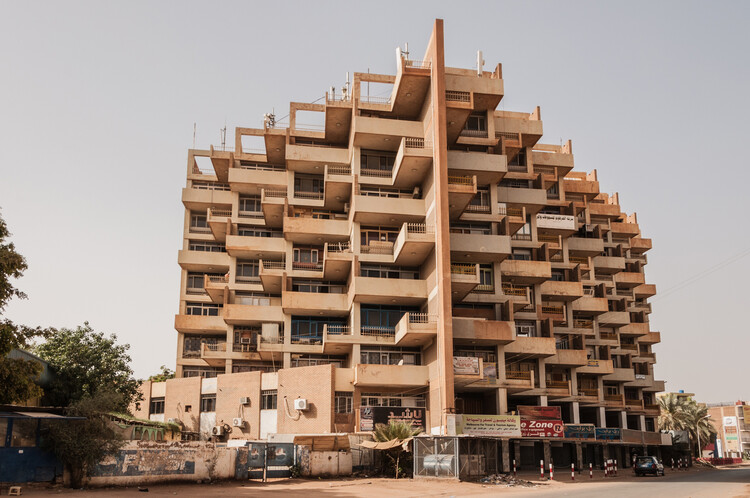
The mid-twentieth century marked a transformative period for Africa as 29 countries achieved independence between 1956 and 1964, signaling the dawn of the nation-state across the continent. This era resonated with a spirit of liberation and progress, paralleling the global movements of that time, such as the establishment of international organizations like the United Nations (1945) and the Organization of African Unity (1963). Within this context, Modernist architecture emerged as a powerful symbol of national identity, ambition, and the collective aspiration for a brighter future. As newly independent nations sought to define themselves apart from their colonial pasts, the adoption of Modern Movement principles facilitated the construction of key infrastructures, such as convention centers, parliament buildings, and hotels, as well as the development of architectural education, as native-trained architects begun to either replace or cooperate with foreign-born professionals.
This article inaugurates a new series titled Rediscovering Modernism in Africa, aiming to explore the architectural legacy of the Modern Movement in Africa, highlighting its role in nation-building and the evolution of architectural education, while shedding light on the architects and movements that shaped this transformative era.
The City of London Corporation has approved a £191 million funding package for the first phase of the Barbican Centre's five-year renewal program. The initiative is aimed at addressing critical repairs and upgrades to this Grade II-listed venue, including improvements to accessibility, energy efficiency, and overall functionality of its aging infrastructure. The Barbican Renewal began in 2021 with an international competition for the multi-disciplinary design team to lead the efforts. In 2022, Allies and Morrison, Asif Khan Studio, and Buro Happold were selected, in collaboration with specialists in sustainability, heritage, landscaping, lighting design, acoustics, and more.
Notre Dame Cathedral reopened on December 7th, 2024, welcoming visitors for the first time since the 2019 fire. The restoration of Notre Dame Cathedral was a massive undertaking, led by chief architect Philippe Villeneuve, assisted by Rémi Fromont and Pascal Prunet. The project involved approximately 2,000 craftspeople, 250 companies, and about $900 million, demonstrating the immense scale and complexity of the work on a tight deadline. Despite the major milestone of opening before the end of the year, the restoration works are not yet complete, as they are scheduled to continue through 2026.
The Notre Dame Cathedral in Paris has officially reopened, five years after a devastating fire destroyed its roof and spire and threatened the integrity of the entire structure. The reopening ceremony took place on Saturday evening with a two-hour sermon, attended by global leaders and dignitaries. The ceremony also represented the first opportunity to witness the result of the estimated €700 million ($739 million) restoration, a process that included the thorough cleaning of the stone interiors, revealing a glistening white gothic interior.
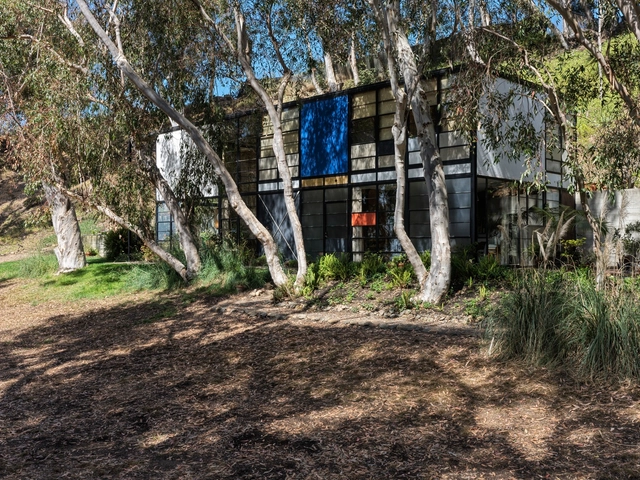
Studio Aalto and its garden area have just been officially granted protection by the Uusimaa Centre for Economic Development, Transport, and the Environment. Originally constructed in 1955 as an architect's office, with an extension in 1962-63, it holds major significance as the workspace where Alvar Aalto's acclaimed architecture was conceived. Additionally, the Studio reflects the architectural-office design ethos of the 1950s and 60s. Its interiors, including layers of furniture accumulated over decades, remain intact and are integral to the site's protected status, marking it as the first Aalto location in Finland to be listed in this way.
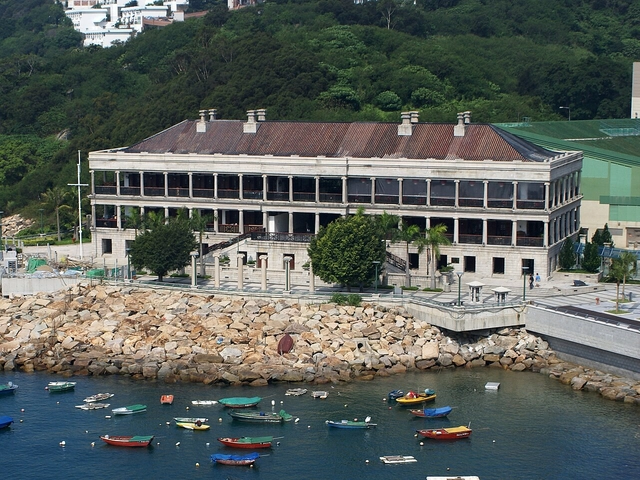
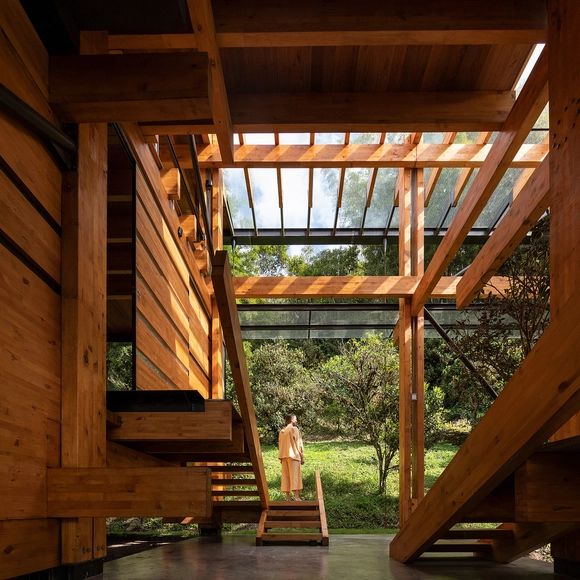
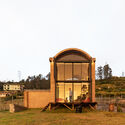
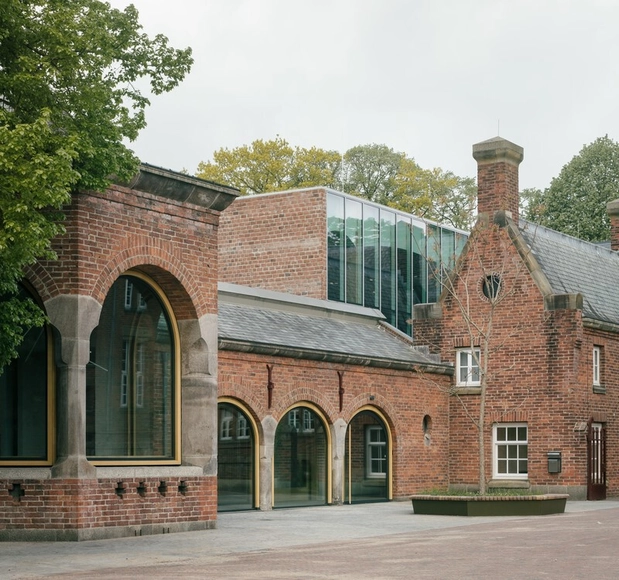
Architectural grafting, a concept recently popularized by Jeanne Gang inThe Art of Architectural Grafting, presents a transformative approach to urban regeneration and sustainability. Drawing inspiration from botanical and horticultural practices — where new growth is added to existing plants for enhanced resilience — this architectural method integrates new structures with existing ones, allowing them to coexist and adapt. Rather than pursuing demolition, grafting prioritizes adaptation, extending the life of buildings while safeguarding their cultural and historical significance.

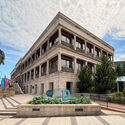
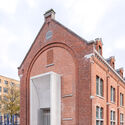
While Studio Gang has played a pivotal role in advancing this method, architectural grafting embodies a broader principle that architects have long used to enhance sustainability, conserve resources, and honor heritage. Across scales — from individual buildings to urban landscapes —grafting reshapes the relationship between past and present, adapting existing structures for contemporary needs while addressing environmental demands. By reimagining historic buildings for modern use, this approach fosters a sustainable evolution of cityscapes.
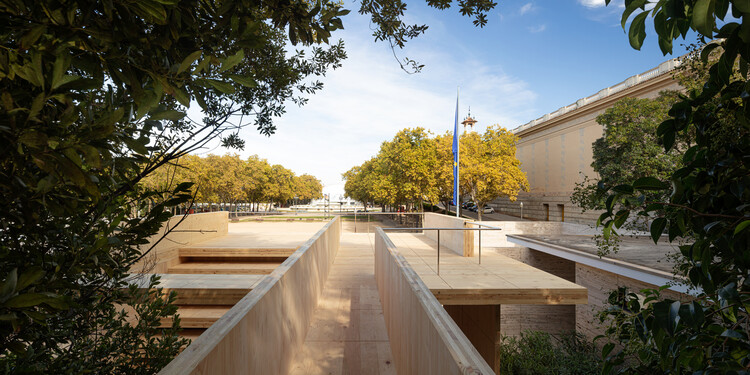
In this roundup, ArchDaily consolidates this year's transformative updates in cities worldwide, organized into thematic clusters that capture the evolving nature of urban design and policy in 2024. Projects like the extensive renovations of Barcelona's La Rambla and the preservation efforts around Chicago's historic skyscrapers highlight preservation of urban heritage, while initiatives in Venice and Los Angeles respond to overtourism and housing pressures, balancing livability with growth. Meanwhile, ambitious master plans have been announced, including the revitalization of industrial sites in Tallinn and Connecticut, reflect how cities are reimagining their urban fabric. Finally, post-disaster rebuilding in Kharkiv and Türkiye underscores the urgency of resilience-driven design, ensuring that cities can endure and evolve even in challenging times. Together, these updates offer a glimpse into the global forces reshaping urban landscapes
WXCA Architectural Design Studio has unveiled its design for a new museum aiming to honor the 1918-1919 patriotic uprising and victory of the people of Greater Poland. Situated near the historic St. Adalbert's Hill, home to an 800-year-old church, the museum is set to become a significant cultural and historical site. In addition to its preservation of history, the museum aims to offer the people of Poznań a contemporary public space to highlight this collective heritage. WXCA architects won the 2019 competition for the museum design and urban concept. The project began construction in early 2024 and is expected to open to the public in 2026.