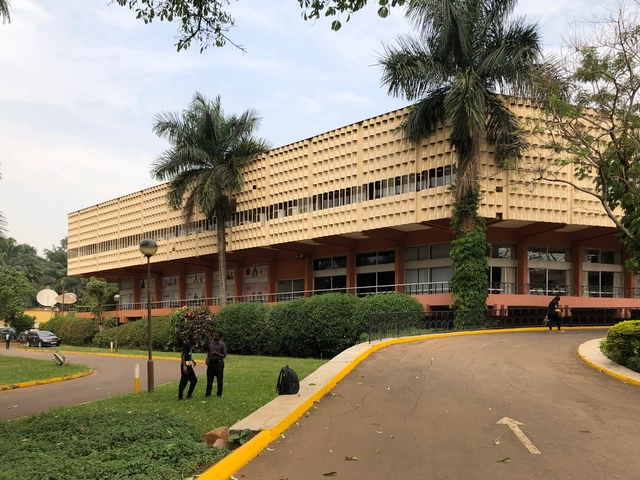
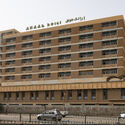
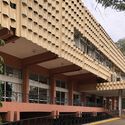
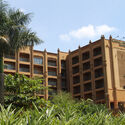
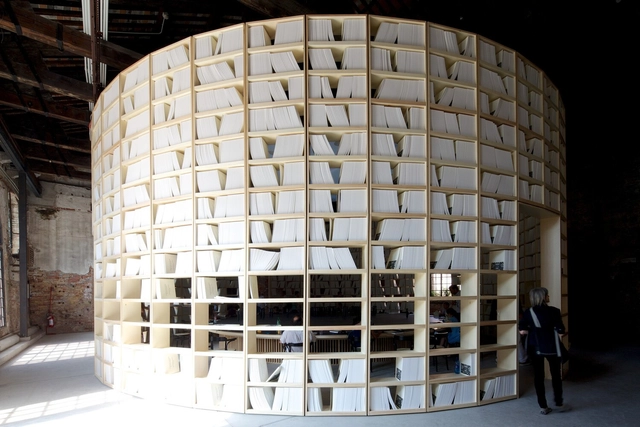
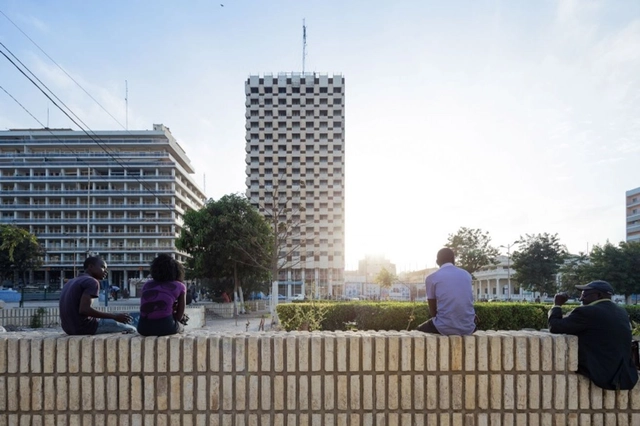
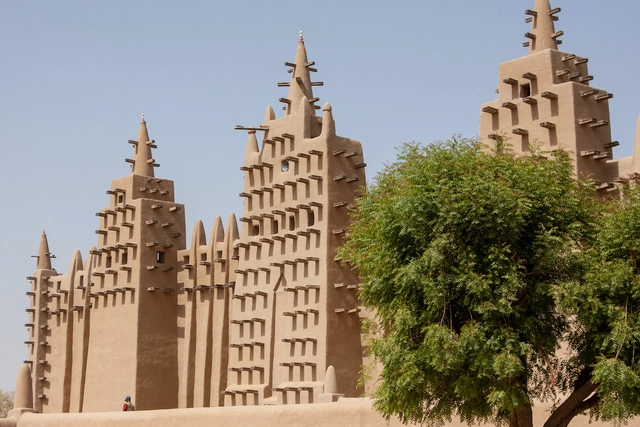
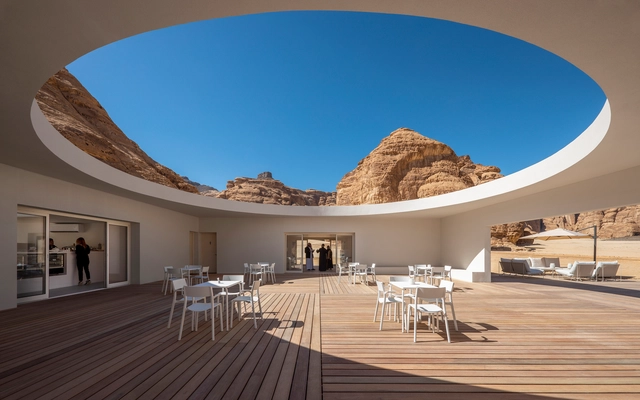
The middle of the Twentieth Century saw the independence of most countries on the African continent. Those euphoric times brought forward-looking sentiments and a wish to break with the past. As an architectural movement, Modernism was ideal for the day, and newly independent countries had extensive building programs to assert themselves as fully functioning nations.
Hotels are one type of building that illustrates the complex architectural and political history of the times. Some were built specifically to host international delegations, others to boost tourism, while some were built as strong leaders' wishes. Although a marginal building type, several hotels across Africa stand as physical records of important parts of their respective country's history. Following an exploration of the histories of West Africa's Modernist Hotels, this second article turns to East Africa to uncover the ways in which this understated typology relates to larger histories of independence and national identity.
The Tamayouz Excellence Award has announced George Arbid, Lebanese architect and educator, and the founding director of Beirut's Arab Center for Architecture, as the recipient of the prestigious Mohamed Makiya Prize for Architecture 2024. Also known as the Middle Eastern Architectural Personality of the Year Award, this accolade honors Arbid's efforts in documenting, researching, and advocating for the modern architectural heritage of the Arab region. The Mohamed Makiya Prize, established in 2014 to honor the eminent Iraqi architect Dr. Mohamed Saleh Makiya, celebrates those who have profoundly influenced architecture and the built environment across the region.
The middle of the Twentieth Century saw the independence of most countries on the African continent. Those euphoric times brought forward-looking sentiments and a wish to break with the past. Modernism, as an architectural movement, was ideal for the day, and newly independent countries had extensive building programs to assert themselves as fully functioning nations.
Hotels are one type of building that illustrates the complex architectural and political history of the times. Some were built specifically to host international delegations, others to boost tourism, while some were built as strong leaders' wishes. Although a marginal building type, several hotels across Africa stand as physical records of important parts of their respective country's history.
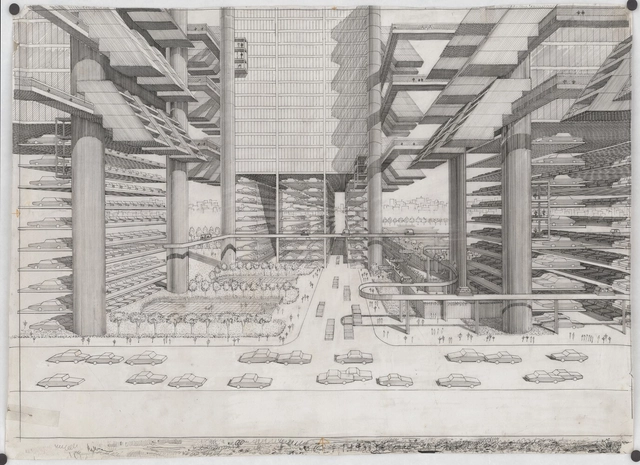
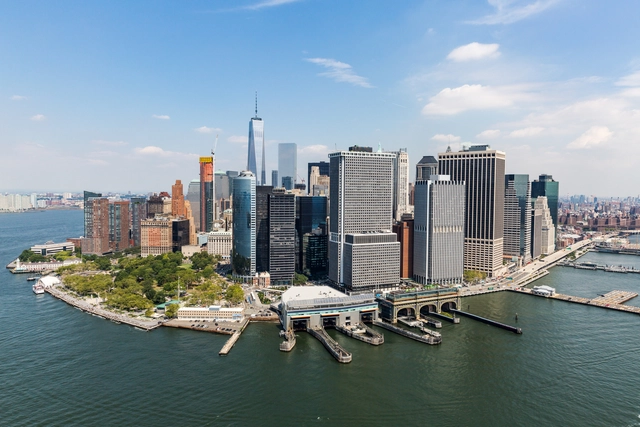
Perspective drawing of the Lower Manhattan Expressway / City Corridor project (unbuilt), New York ca. 1967–72. The Museum of Modern Art, New York, Gift of the Howard Gilman Foundation (1290.2000). Image Courtesy of The Met
The Metropolitan Museum of Art has opened a major exhibition focused on the diverse and innovative career of Paul Rudolph, a second-generation Modernist architect whose work stands alongside luminaries such as Eero Saarinen and I.M. Pei. Titled "Materialized Space: The Architecture of Paul Rudolph," the exhibition is on display from September 30, 2024, to March 16, 2025, covering a wide spectrum of Rudolph's architectural contributions, from his experimental houses in Florida, through civic projects, to visionary urban megastructures and mixed-use skyscrapers.
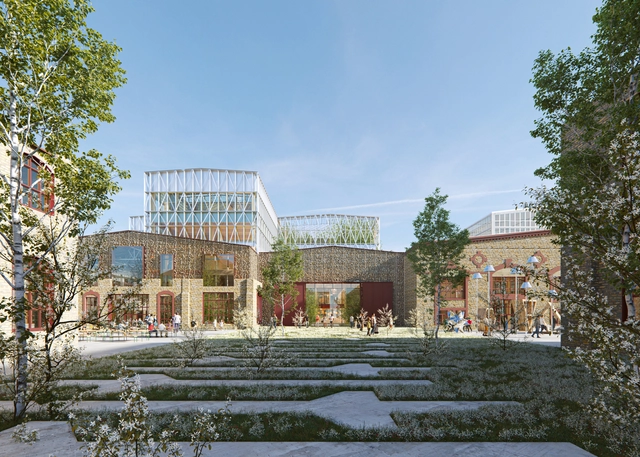
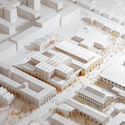
Danish architecture firm Cobe has announced a new project to transform the historic 'Krulli' steelworks, a large-scale former industrial site in Estonia's capital, into a mixed-use city district. The strategy for the project is developed to optimize for material reuse, as materials, components and even entire buildings have been evaluated for their potential to be reintegrated into the scheme. This way, the decommissioned industrial area provides the foundation for an innovation hub, maintaining its history while adapting to the necessities of modern workspaces and city life.
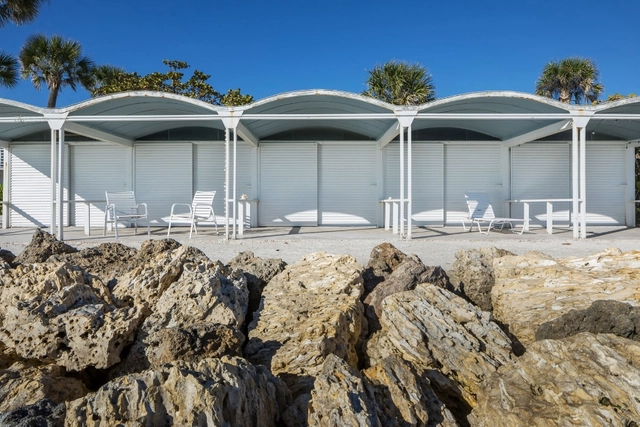
Sanderling Beach Club, Photograph by Francis Dzikowski, Archives of the Paul Rudolph Heritage Foundation.. Image via the Paul Rudolph Institute of Modern Architecture, under policy of fair use
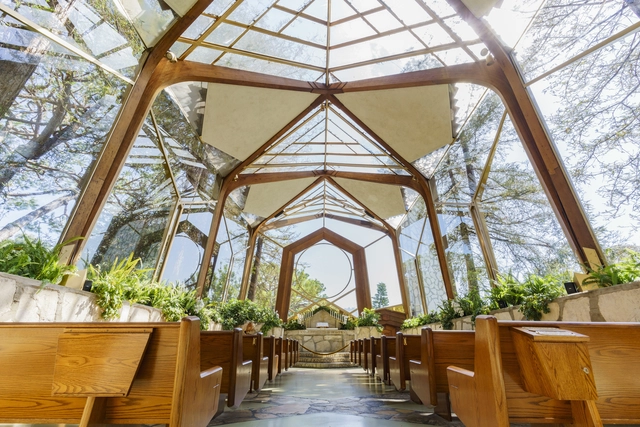
The Wayfarers Chapel, known locally as "The Glass Church," was designed by Lloyd Wright, the eldest son of architect Frank Lloyd Wright, and completed in 1951. Located in the Palos Verdes peninsula in Los Angeles, its design aimed to blend the lines between architecture and nature, with large-span glass panels opening up to space toward the redwood canopies. Last year, the structure was designated a national historic landmark. Now, due to “accelerated land movement” in the area, the structure, which has been closed off to the public since February, was announced to be disassembled to protect it from further damage.
On April 10, 2024, the New York Landmarks Conservancy bestowed the Preservation Leadership Award to author and urbanist Roberta Brandes Gratz. A longtime preservation activist, Gratz served on the City’s Landmarks Preservation Commission. She also led the successful effort to restore the Eldridge Street Synagogue, now the Museum at Eldridge Street. The following is a slightly edited version of the speech Gratz delivered at the 34th annual Lucy C. Moses Preservation Awards.
Rehabilitation involves repairing, renovating, altering, or reconstructing any building or structure. It addresses the need to significantly improve a building's failing features, primarily through strengthening or replacing elements to restore the structure's optimal performance. The impact of building rehabilitation on the physical environment is significant. It is a sustainable strategy for preserving the built environment and mitigating the construction industry's impact on climate change.
However, its social impact is also considerable when viewed as a fundamental framework for sustainable outcomes. Rehabilitation can serve as a model that brings community members together for inclusive repair and restoration of structures. This positively affects communal life quality, social integration, environmental sustainability, and community perception of local architecture.
Architecture has always centered on permanence and ephemerality. Defined by material conditions, how we build is closely tied to what we preserve and how we conceptualize the future. Furthering international cooperation in education, the arts, the sciences, and culture, UNESCO is an organization that continues to examine the relationship between history and growth, preservation, and change. As architecture, landscapes, and cities become threatened by the climate crisis and unrest, cultural context becomes paramount.
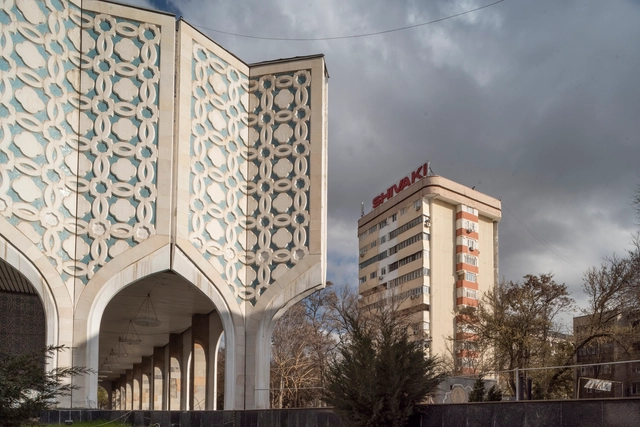
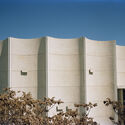
Exhibition Hall of the Union of Artists, Tashkent, Uzbekistan, 2022. Image Courtesy of Armin Linke
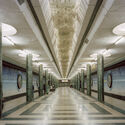
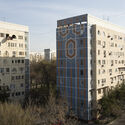
Tashkent, the capital city of Uzbekistan, stands as one of the most populous cities in Central Asia. Situated in the northeastern part of the country, near the border with Kazakhstan, Tashkent has been profoundly shaped and influenced by diverse cultures throughout its history. The most significant transformation of its urban landscape occurred during the Soviet era when the city was rebuilt as a model Soviet city, following the 1966 earthquake that caused substantial damage. During this reconstruction, architects from various regions of the Soviet Union collaborated with local experts, resulting in a unique form of architectural modernism that harmoniously integrated elements of Islamic architecture, indigenous creativity, and cutting-edge engineering achievements of that era. At that time, Tashkent held the esteemed status of a prominent international city in the East.
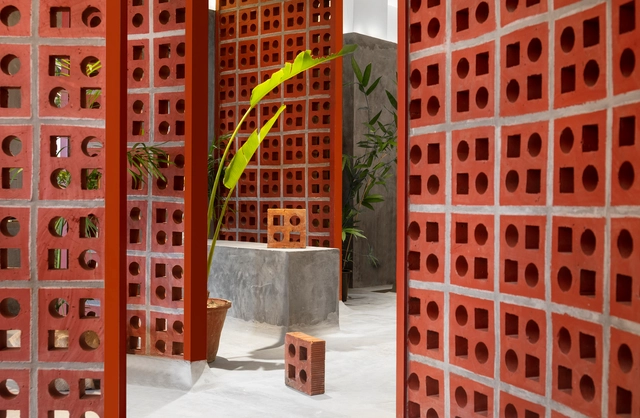
There is often an intricate relationship between architecture and the environment. Each part of the world has defined its own architectural techniques based on its unique climatic conditions. However, environmental concerns in the 21st century provoked new techniques, implementing solutions to preserve natural resources and provide thermal comfort. While some opted for a futuristic approach with mechanical and technologically-advanced solutions, others decided to go back in time and explore how civilizations protected their people, architecture, and environment when they had nothing else to resort to but the environment itself. In this article, we look at how Musharrabiyas found their way back into modern-day architecture as significant vernacular features.
George Smart is an unlikely preservationist, almost an accidental one. The founder and executive director of USModernist, a nonprofit dedicated to the preservation and documentation of modern houses, Smart worked for 30 years as a management consultant. “I was doing strategic planning and organization training,” he says. “My wife refers to this whole other project as a 16-year seizure.” Recently I spoke with Smart about his two websites, the podcast, the house tours his organization conducts, and why documentation is such a power preservation tool.
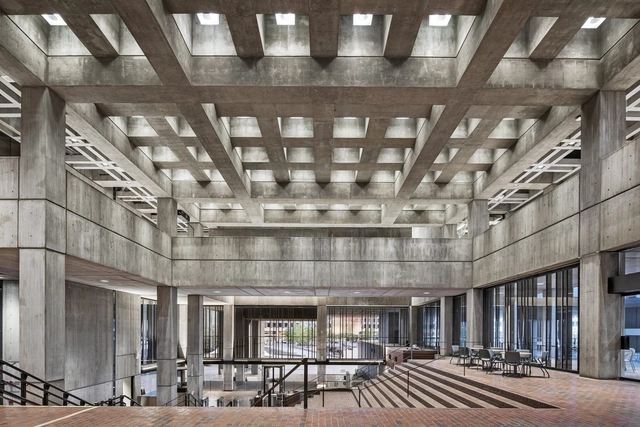
Boston City Hall. Image Courtesy of Reed Hilderbrand
It’s true that all trends are circular, and what was once seen as old and outdated becomes new and modern again- in fashion, music, art, and especially architecture. From the mid 20th century, brutalist architecture rose in popularity before reaching its peak in the mid-1970s, when it was disregarded for being too stylistic and non-conforming to the needs of clients who wanted their buildings to feel timeless. But the love for these concrete beasts is facing a resurgence, and a renewed appreciation for this architectural style is on the rise.
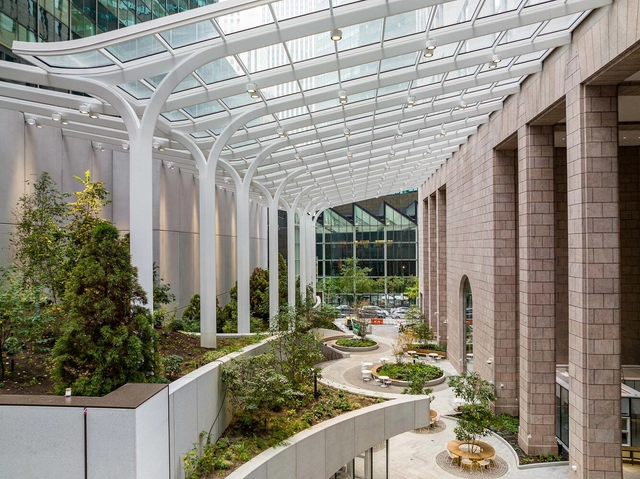
550 Madison Avenue (née the AT&T Building, more recently Sony Plaza) is among the more recognizable figures on New York’s skyline. Designed by architect-provocateur Philip Johnson, the 37-story skyscraper stands out thanks to its curious headgear: a classical pediment broken by a circular notch, inviting frequent comparisons to the top of a Chippendale grandfather clock. A singular, if largely inoffensive presence on today’s icon-heavy streetscape, the design was positively shocking on its debut in 1979, when Johnson himself appeared on the cover of Time holding a model of the project, then still four years from completion. The image heralded the arrival of something new in American architecture: the fading of the flat-crowned Modernist towers of the midcentury and the onset of the Postmodernist wave.
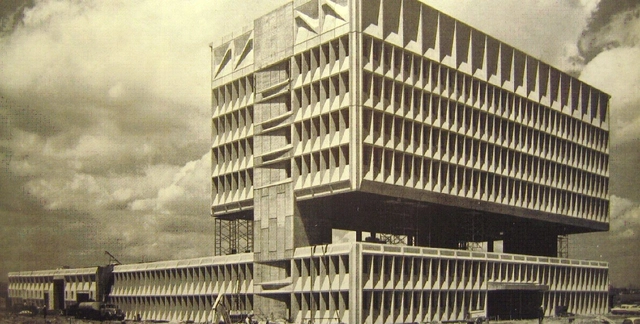
Theodore Prudon, the founding president of Docomomo US, recently stepped down as the organization’s head. (Robert Meckfessel is the new president.) “Docomomo” is shorthand for the group’s mission: the documentation and conservation of buildings, sites, and neighborhoods of the Modern movement. Prudon has had a storied career as a preservationist, architect, and educator, heading his own practice and teaching at Columbia University. In October, he was presented with the Connecticut Architecture Foundation’s Distinguished Leadership Award at the newly reborn Marcel Breuer building in New Haven, which began its life in 1970 as the Pirelli Tire Building and is now the Hotel Marcel (designed, planned, and developed by architect Bruce Redman Becker).
https://www.archdaily.com/992013/theodore-prudon-modernism-has-never-been-a-popular-movementMichael J. Crosbie
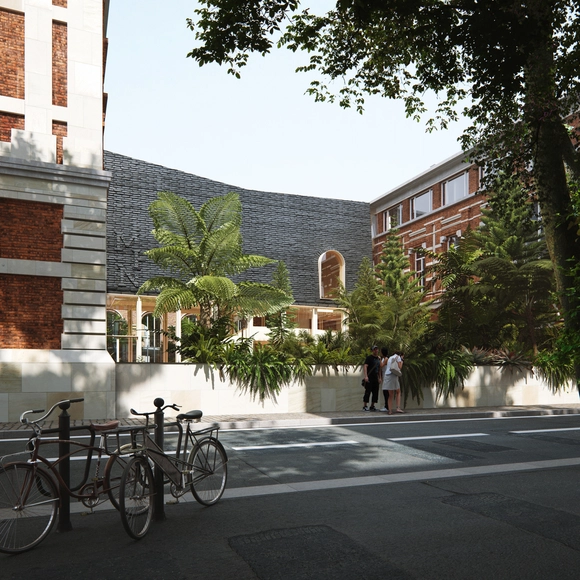
The Natural History Museum Of Lille in France will undertake a significant architectural transformation for its 200th anniversary. Snøhetta, selected to restore and modernize the complex, with a transdisciplinary team featuring the scenographer Adeline Rispal and the landscape architects of Taktyk, imagines a renovation that will support the city's ambition to combine urban renewal with the preservation of the city's historic architecture. Planned for completion in 2025 and with a total of 7,500 m², the restoration will accommodate flexible exhibition areas, more extensive storage, and gardens.