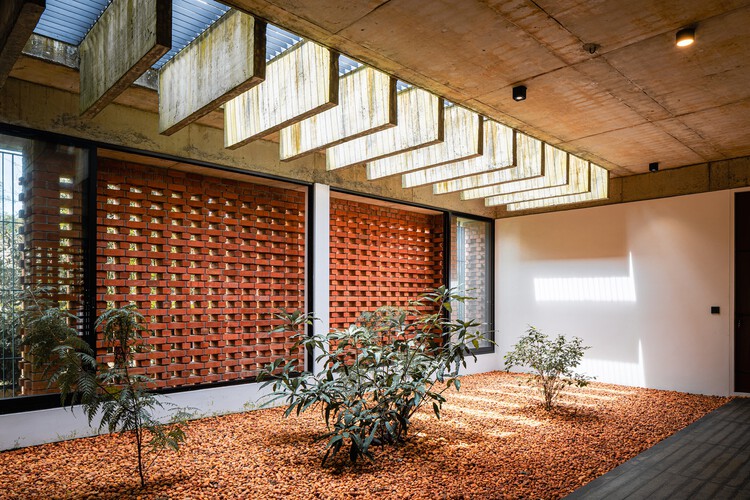
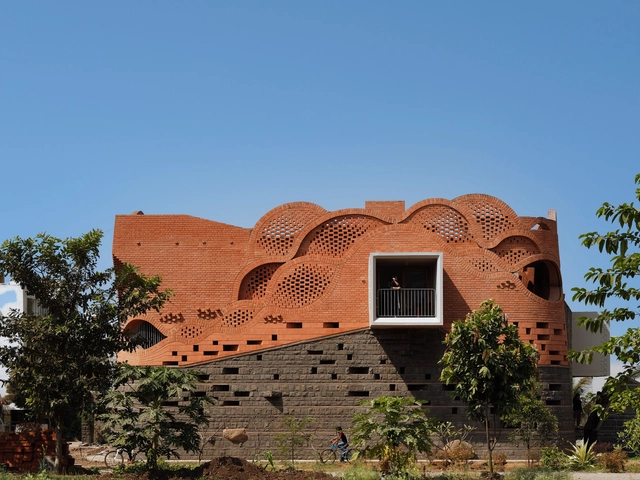
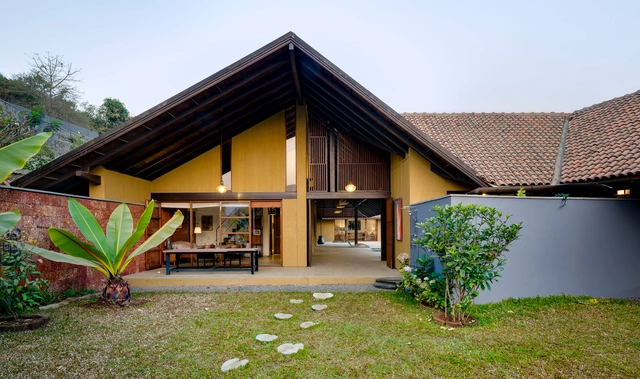
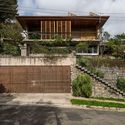
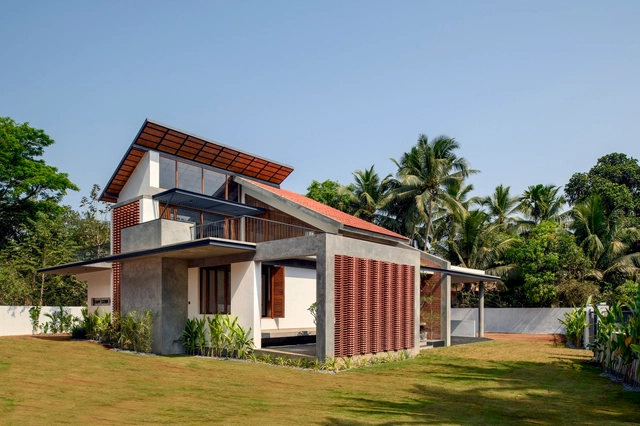
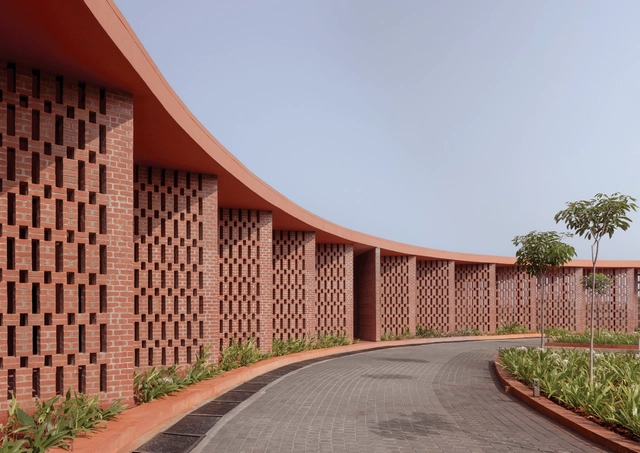
A brick façade does more than define the façade of a house. When designed as a porous screen, it becomes an intermediary between inside and outside, shaping the atmosphere and environmental conditions of the spaces behind it. Across contemporary Indian residential architecture, brick jali — a perforated or lattice brick screen — has been reinterpreted with a contemporary sensibility, drawing on vernacular architectural elements.
As the year culminates, it's once again time for the ArchDaily team of curators to reflect on the best-performing projects of 2025 and consider what readers were most interested in. Through this diverse overview, we assess the cross-continental similarities and differences in trends and construction development. This year brought us many grand cultural and public spaces by Lina Ghotmeh, BIG, Zaha Hadid Architects, DnA, and Serie Architects, who populated events like Expo Osaka and the Venice Biennale, as well as a surprising number of museums and public or landscape works in China and the rest of the Asian continent. However, while these were sought-after projects, the leading works remained, unsurprisingly, residential projects.
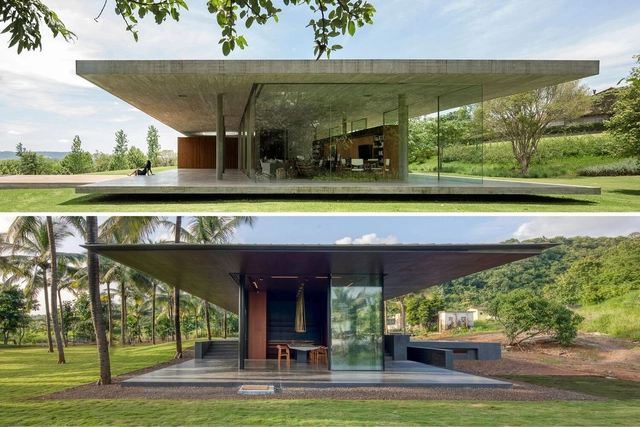
More specifically, the houses that were most viewed on the ArchDaily global site were concrete houses that bore considerable injections of greenery and landscape focus. They propose layouts highlighting voids and double heights, as well as inner courtyards or large openings to the exterior. While some references did suggest traditional or vernacular elements, modernist revivals were still predominant. Material trends are much more tame, with a recurrence of raw concrete use, as wood and stone were common accent elements. Still, the more interesting thing about the works this year is the efforts brought by architects in situating and setting the projects within their surroundings, bringing special attention to landscape and how projects merged with nature.
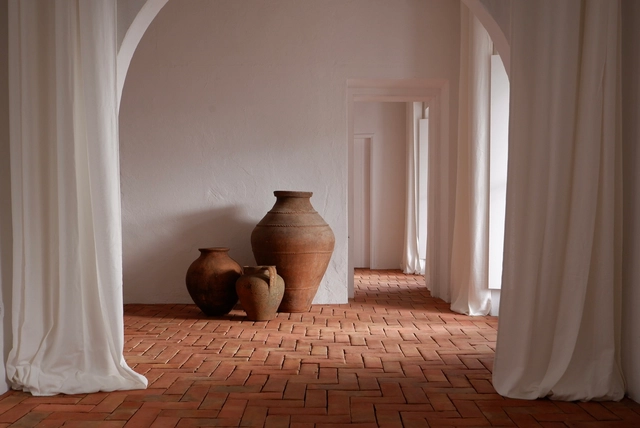
Earth-based flooring materials comprise natural elements such as clay, sand, silt, lime, and organic fibres. They offer both structural performance and sensory engagement when used in both outdoor and interior spaces. Due to their thermal properties, durability, and sustainable qualities, these materials have evolved from vernacular construction techniques into high-value architectural elements that are always being reinvented and optimized. There are several types of earthen floorings, each offering unique benefits, and they are increasingly used in interior settings.
It shouldn't be too surprising that architectural concepts were traveling around the globe long before the online spread of information. While many regions share certain historical events and hence references (such as colonization and the mid-20th-century independence movement/ turn of political systems), others might have simply developed parallel solutions to similar climates and material availability. Additionally, it was only natural that with the dissemination of a more uniform architectural pedagogy acquired while studying abroad, followed by the internet boom, we would find almost twin projects from every corner of the world. While these might look nearly identical from some angles, they might bear different layers and stories. Then again, they might also display the same reasoning and prompts shared by counterparts from across the seas.
When we think about cities, we often assume the orthogonal grid is the norm: neat, predictable, and rational. However, many urban areas around the world, notably those shaped by hills and uneven terrain, defy this convention. In cities like Lisbon, in Portugal orthogonal grids appear only in flatter zones such as Baixa, while surrounding areas like Alfama adapt organically to topography. These areas create more layered, irregular, and visually dynamic urban forms. Yerevan in Armenia, offers another urban example of this adaptation: the Cascade Complex transforms a steep hill into a terraced public space that connects different city levels while framing panoramic views. For other countries, this response to topography becomes even more critical. Cities like Tegucigalpa in Honduras or Valparaiso in Chile are defined by steep, irregular terrain that requires architects to engage deeply with the land. Designing in these contexts, especially for residential projects, demands technical adaptation and a contextual understanding that allows the slope to become a generative element in the design process.
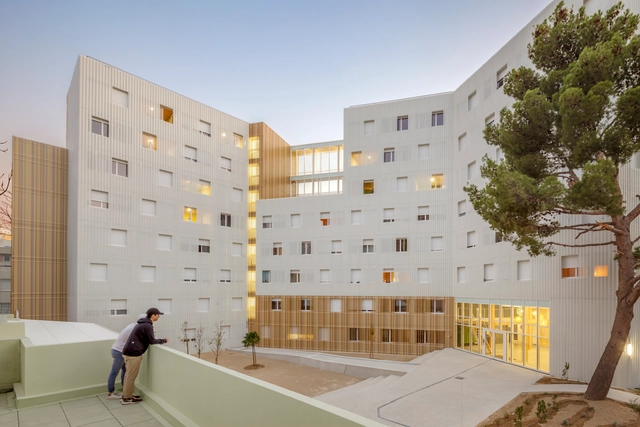
Student housing has undergone a remarkable transformation over the last century. Once seen as a utilitarian necessity, providing shelter and basic amenities for students, this architectural typology has evolved to address increasingly complex societal, cultural, and urban demands. Starting with Le Corbusier's modernist approach at the Cité Universitaire in Paris, student housing has reflected broader trends in architecture, urbanism, and social change.
Today, these buildings must cater to a highly diverse and transient population, navigating the pressures of affordability, density, and the evolving living standards of young adults. With rapid urbanization and increasing student mobility, universities now face the challenge of designing housing that is not only functional but also adaptable to different cultural and social contexts. This has led to more flexible, innovative solutions that promote both privacy and community living.
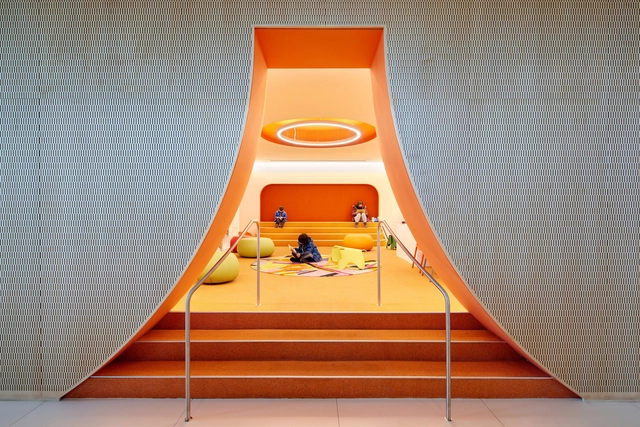
What is the vision for a 21st-century library? How can architecture professionals foster the interest of new and future generations in reading? Globally, the rapid growth of communication technologies, along with the increase in available information and the constant need to update knowledge, brings with it new educational approaches, cultural practices, and community activities that involve the creation of more dynamic spaces capable of adapting to different functions simultaneously. The connection with play, the integration of other uses, or even the incorporation of new technologies typically play a central role in the interiors of contemporary libraries designed for a young audience.
South Asia has undergone notable transformations across economic, political, social, and various other spheres. Mirroring these patterns of societal change are the architectural practices across this region. The modern nation-states of South Asia – Afghanistan, Bangladesh, Bhutan, India, Maldives, Nepal, Pakistan, and Sri Lanka – share similar histories and a future characterized by rapid economic development and urbanization. However, each region exhibits distinct nuances concerning the present and potential state of architectural praxis, informed by their socio-cultural contexts and emerging political climates.
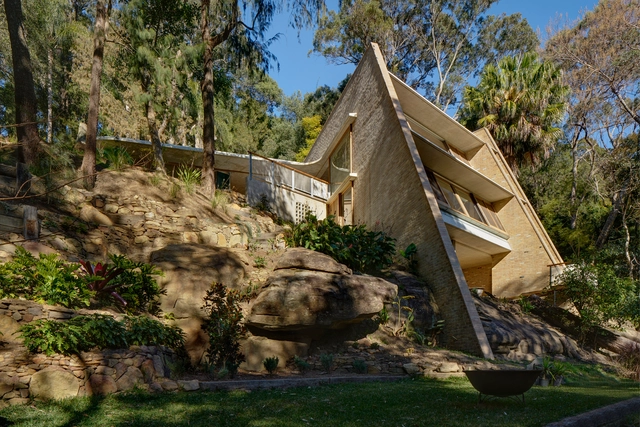
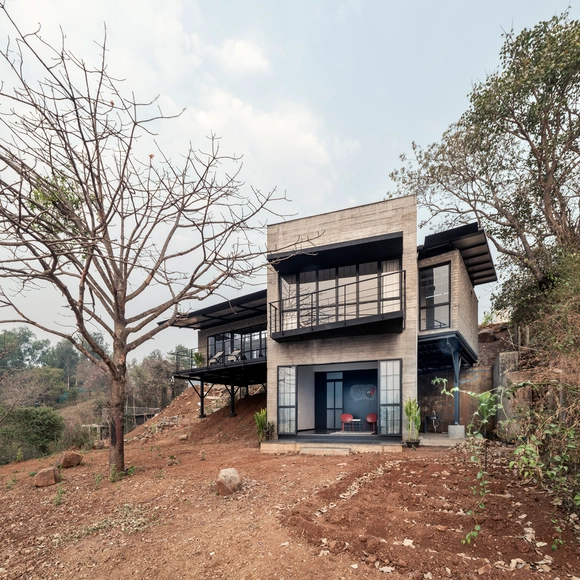
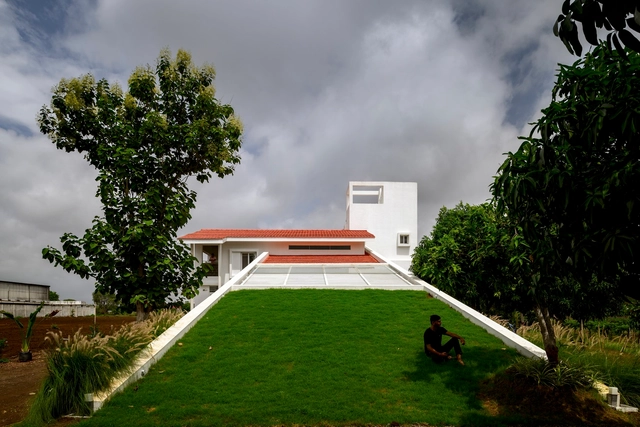
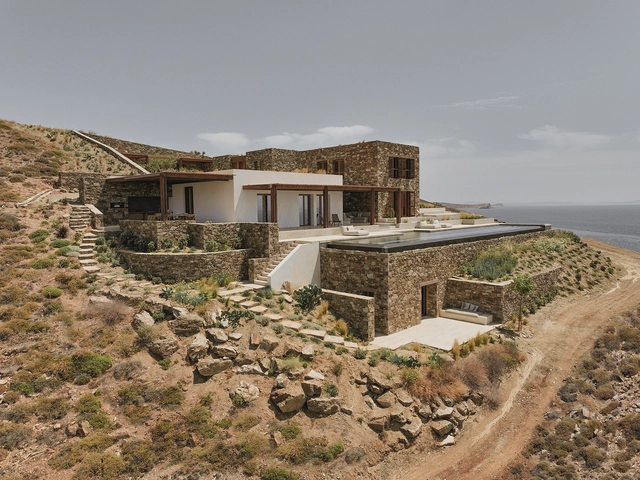
Sloped terrain offers a tantalizing prospect for developers. With breathtaking views over either natural or urban landscapes, often without the realistic possibility of being overlooked by future development, a parcel of land on a slope provides a high reward. However, whether it’s the extra excavation involved to cut and fill or cantilever out on a flat surface, the complications of water drainage, or the loss of light and difficulty of access at the front of the property, building on sloped terrains is not without its difficulties.
But it’s not necessarily the angle of the site that’s most at fault, it’s the shape of the building. By splitting up a multi-story structure and repositioning – possibly even disconnecting – each level, projects designed to comply with the existing topography by applying multiple ground levels can reduce the amount of excavation required. The split floor plan can also help to improve access and natural light and increase both interior and exterior space.