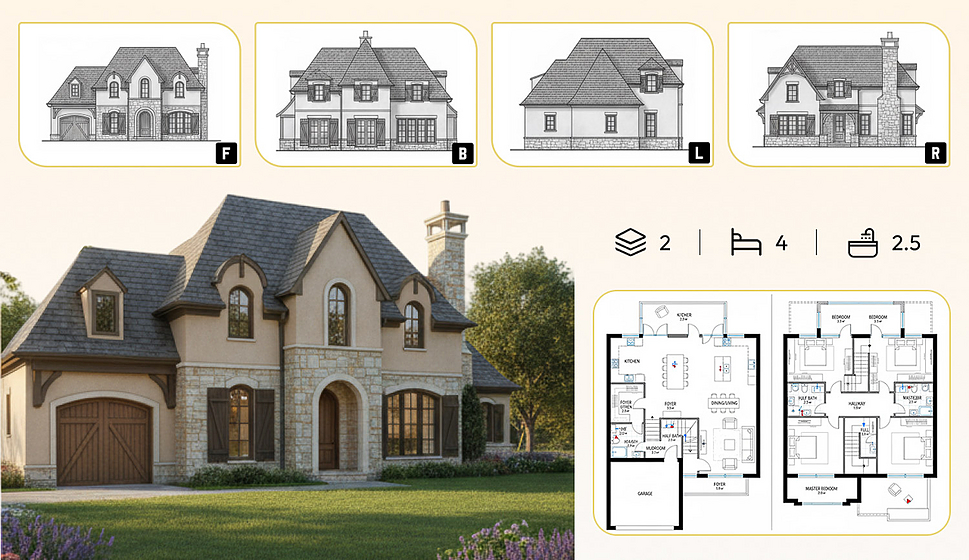
This guide covers a workflow that moves from project parameters to generated floor plans, 3D perspective views, exterior design exploration, and site context visualization, using AI tools in place of preliminary CAD and rendering work.
This guide covers a workflow that moves from project parameters to generated floor plans, 3D perspective views, exterior design exploration, and site context visualization, using AI tools in place of preliminary CAD and rendering work.
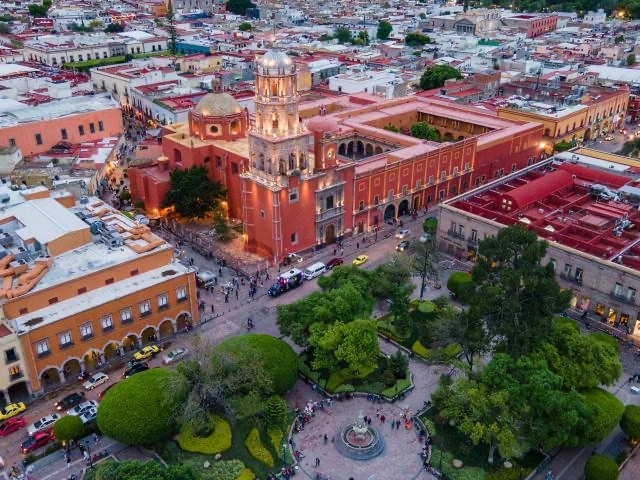
As the world rapidly urbanizes, cities are becoming home to a new generation of leaders and changemakers. Youth are at the center of this transformation, especially in regions like Africa, Asia, and the Americas. On Monday, October 7, the United Nations Human Settlements Programme (UN-Habitat) invites everyone interested in sustainable urban development to celebrate World Habitat Day, which this year centers on the theme "Engaging youth to create a more inclusive urban future."
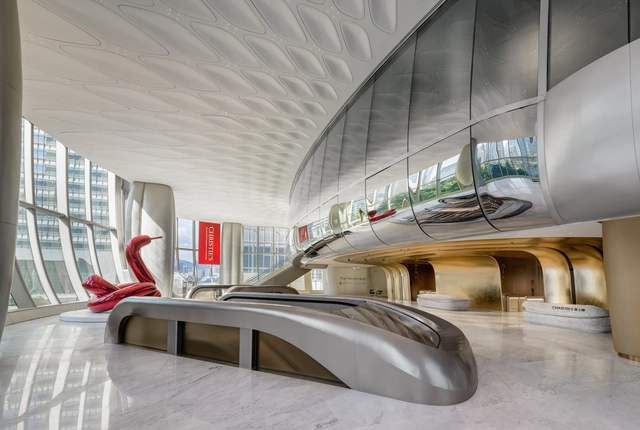
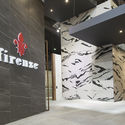
In Central, the bustling hub of Hong Kong's commercial, financial, cultural, and entertainment activities, what kind of synergy can emerge between a landmark skyscraper and a world-renowned art auction house? Can they break free from the traditional convention-center framework of art auctions to pioneer an entirely new spatial and operational model? Christie’s, one of the world's oldest art auction houses, has made a bold and successful attempt at its new Asia-Pacific headquarters in Hong Kong's landmark building, The Henderson—
The design strategy and spatial features of the new Asia-Pacific headquarters center on four key elements:
1. Large-scale motorized movable walls
2. Automated lighting and smart building control systems
3. A vertical gallery
4. Open-plan workspaces
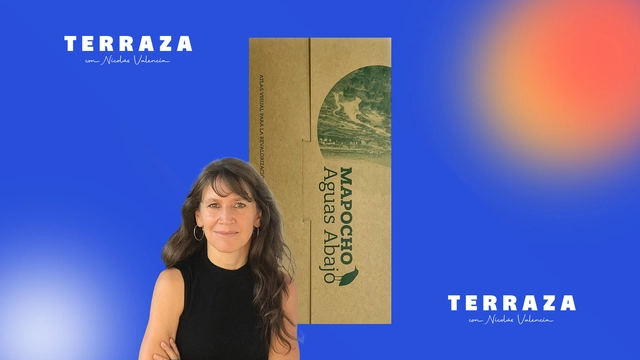
On this week's episode of the TERRAZA podcast, Nicolás Valencia speaks with Chilean architect Sandra Iturriaga about the book Mapocho Aguas Abajo (Ediciones ARQ), a publication developed by the Mapocho 42K Lab at the Pontificia Universidad Católica de Chile that proposes revaluing the heritage and landscape of the downstream stretch of the Mapocho River in Santiago, Chile.
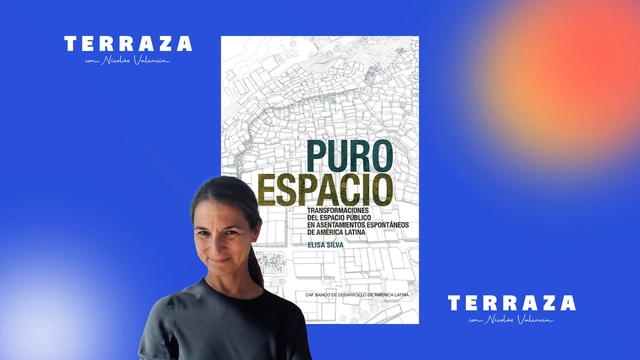
This week on the TERRAZA podcast, Nicolás Valencia talks with Venezuelan-American architect Elisa Silva about her book, "Pure Space: Public Space Transformations in Latin American Spontaneous Settlements" (Actar Publishers), an analysis of a series of public space interventions in communities across Mexico, Colombia, Venezuela, Brazil, Argentina, Peru, and Chile.
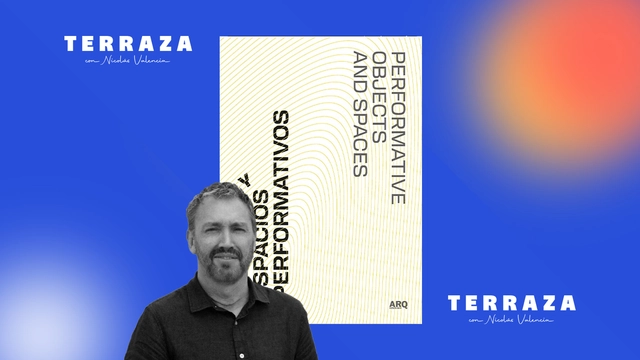
Nicolás Valencia talks this week on the TERRAZA podcast with Chilean architect Rodrigo Tisi about his book Objetos y espacios performativos (Ediciones ARQ), research that examines key moments to observe, explain, and establish the possibilities of certain performance practices in academia and creative environments.
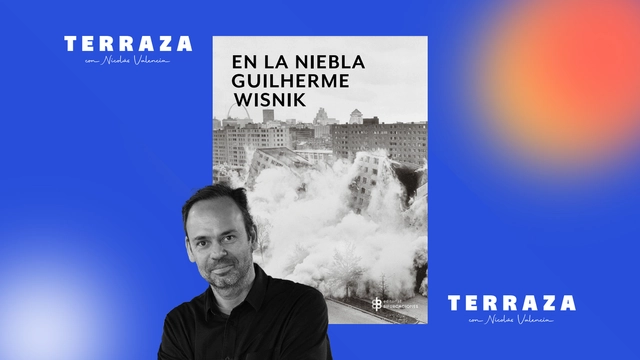
This week on the TERRAZA podcast, Nicolás Valencia talks with Brazilian architect and critic Guilherme Wisnik about his book En la niebla (Editorial Bifurcaciones), a series of essays where fog serves as a metaphor for the state of uncertainty in today's world, weaving together contemporary debates on space, art, and politics.

Choosing between vinyl and laminate flooring is no longer necessary, as resilient hybrid flooring combines the best features of both materials. Kiwi is a natural flooring made of 80% wood, utilizing a premium impregnation technology that makes it 100% waterproof. This product features 80% wood, while the remaining 20% is composed of plant-based resins. Consequently, it is 100% PVC-free, making it an entirely eco-friendly choice.
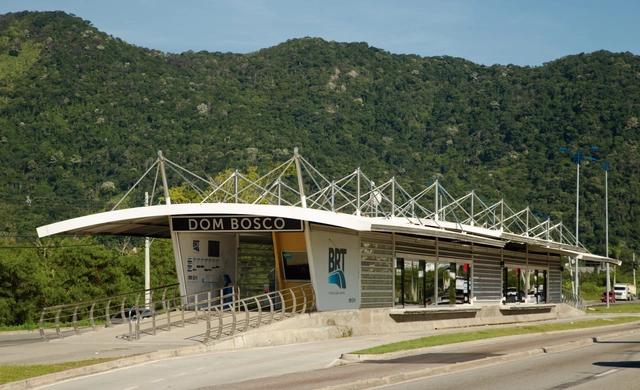
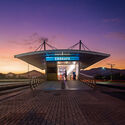
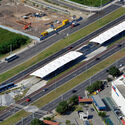
Jozé Candido is an architect and urban planner from Rio de Janeiro with extensive experience in the public sector, particularly in transportation. His design for the BRT (Bus Rapid Transit) stations in Rio de Janeiro was recognized as a "Gold Standard BRT" in 2013 by the ITDP. The BRT is a public transit system that crosses the city in the center-west direction and was implemented in Rio de Janeiro between 2012 and 2024.
Urban mobility architecture and its infrastructure — stations, terminals, pedestrian overpasses, etc. — are spaces of collective, daily use for the population of Brazilian metropolises. Aiming to expand knowledge and repertoire regarding these spaces, this interview explores the technical, political, and logistical challenges faced during the design and implementation of the BRT in the city, as well as the legacy of Jaime Lerner. The following interview highlights the impact of this project on urban development, transit modal integration, and the role of architecture in the functionality and sustainability of transportation systems.

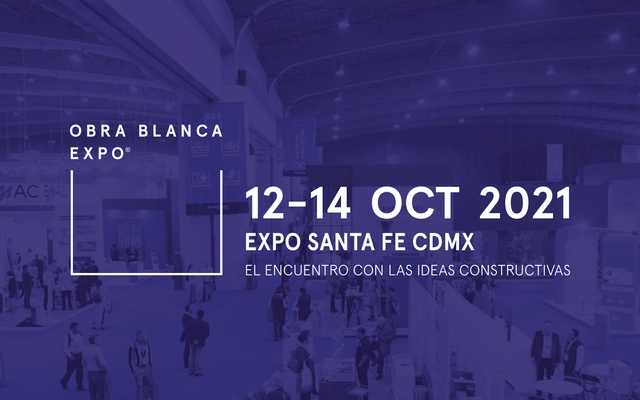
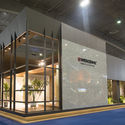
Conceived as an initiative to meet the construction sector's demand for all types of finishes, the Obra Blanca exhibition is set to celebrate its second edition. Designed as a meeting point for both professionals looking to showcase their products and those seeking to compare different finishing options, this specialized trade show will focus on the visitor experience and the professionalization of an increasingly comprehensive and sophisticated industry.

Dear readers,
I am thrilled to share a very important milestone with all of you. Today, August 3, 2021, ArchDaily Mexico celebrates its 9th anniversary! Indeed, nine years ago, with great excitement and high expectations, we launched the Mexican edition of ArchDaily—already the most visited architecture website in the world. Our mission remained to deliver inspiration, knowledge, and tools, but with a dedicated focus on this country's architects, who over these years have enabled us to continue serving as their primary tool for international and Mexican architectural inspiration and knowledge.

As part of the annual celebrations hosted by the CEMEX Awards, the recipient of the Arq. Marcelo Zambrano Scholarship has been announced, reaffirming the commitment to fostering the continued development of architecture in Mexico. CEMEX awards the Arq. Marcelo Zambrano Scholarship in honor of the exemplary career, professional dedication, and leadership of architect Marcelo Zambrano, aiming to support young Mexicans in pursuing postgraduate studies at prestigious international universities.
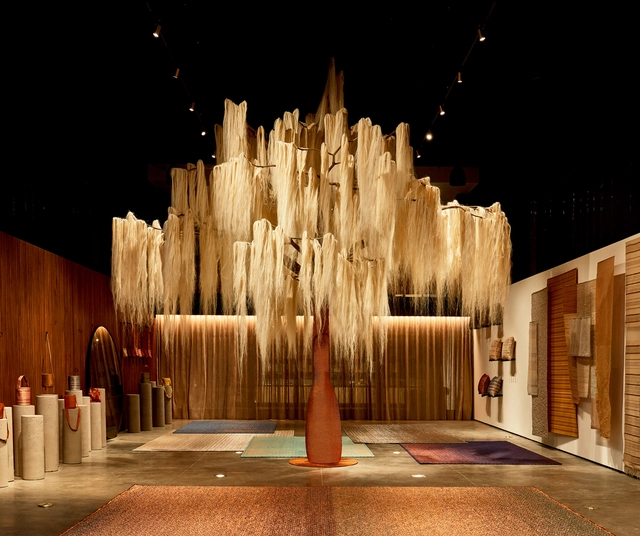
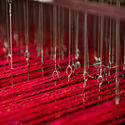
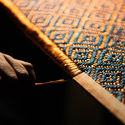
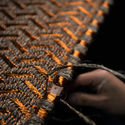
Built in collaboration with the architecture firm Colette Studio, the showroom for Verdi, a textile studio from Colombia, Bogotá, invites visitors to immerse themselves in a phenomenological experience that bridges textile tradition and contemporary industry. The exhibition space is not only designed with the studio's moving family and cultural legacy in mind, but also reflects the company's belief that exceptional, sustainable craftsmanship is one of today's ultimate luxuries.
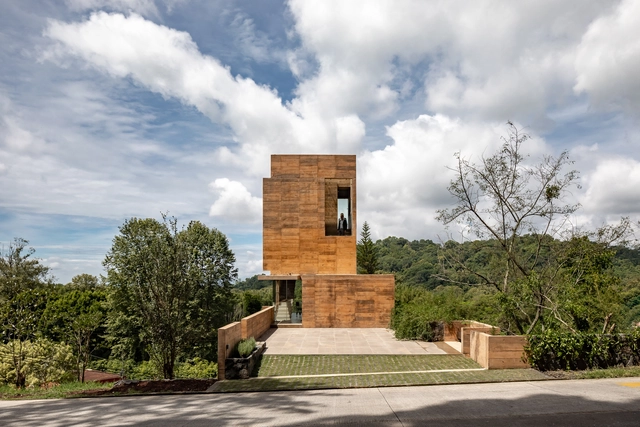
As part of the 10th anniversary celebration of the award, Interceramic announced the winners of the Tenth Edition across its various categories and the "2021 Architecture Lifetime Achievement Award." The initiative aims to recognize and promote projects that best reflect contemporary design and express the current state of architecture and interior design, as well as reward creativity in the use of Interceramic ceramic materials.
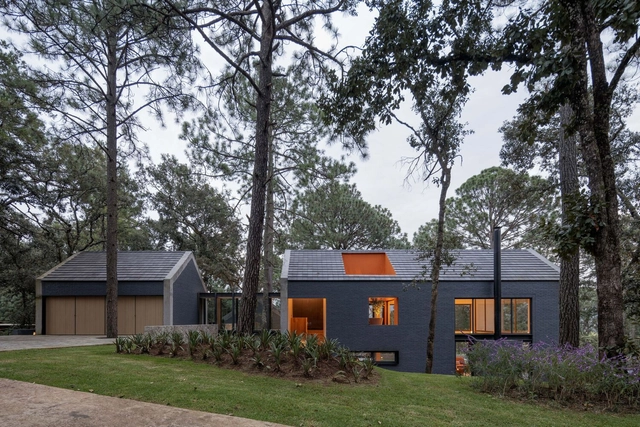
In a year defined by physical distancing, social media has taken on an even greater role in how we connect and stay informed. Our Instagram accounts have broken reach records, bringing our audience the very best of our website's content: projects, articles, interviews, and news from the architectural world, inspiring new ideas and tools for a better future for our cities.
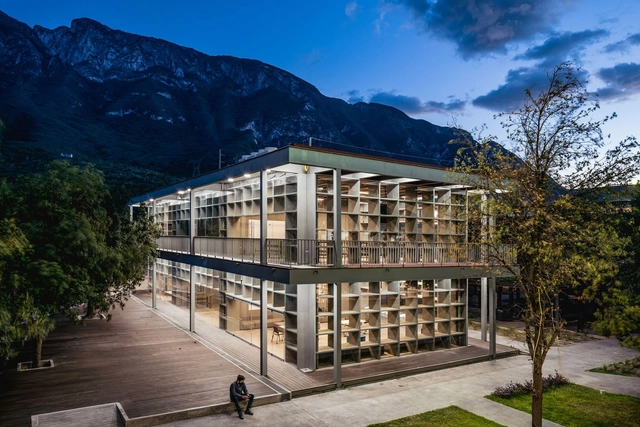
On Thursday, October 28, as part of the Nuevo Léon Architecture Biennale, the XXI Professional Calli Awards ceremony took place. Honorable mentions, Crystal Calli awards, and silver and gold medals were presented, representing the most prestigious recognitions awarded by the Association of Architects to the best academic and professional projects developed over the last two years.
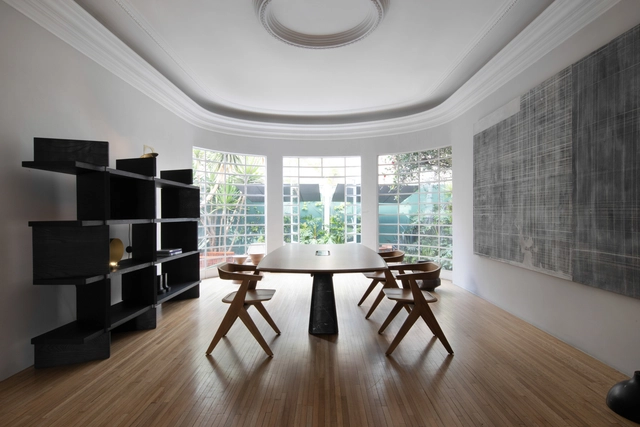
As part of a new initiative, ESRAWE is transforming its Mexico City showroom into a platform that promotes collaboration among the designers and creatives it works with. This inaugural exhibition seeks to capture the essence of the synergy that defines their working method, featuring iconic pieces from VISSIO, EWE, and Héctor Esrawe's own work, alongside high-design furniture from ESRAWE Studio and young designers like Manu Bañó. Additionally, they are presenting their partnership with Galería Arróniz, showcasing a selection of national and international artists. Read on to discover the full collections.
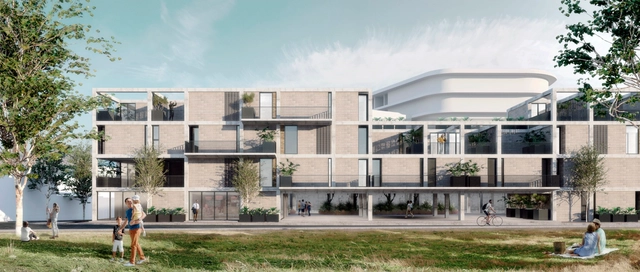
In August of this year, the Municipal Housing Institute of León (IMUVI), in collaboration with the León Association of Architects (Colegio de Arquitectos de León AC), invited students and professionals to participate in the Third Ideas Competition for the development of conceptual proposals for a social housing complex in the Las Américas neighborhood in León, Guanajuato. The competition aimed to develop an intra-urban social housing project integrated with the immediate public spaces and green areas, maximizing land use through feasible and sustainable proposals.
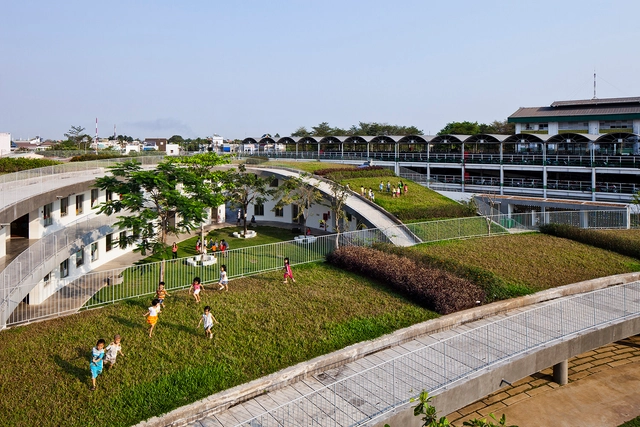
In the face of an unprecedented climate crisis, green roofs are increasingly establishing themselves as a global architectural trend, providing multiple social, economic, and environmental benefits in urban areas. Following the example of pioneering models like Copenhagen's, cities around the world are replacing gray roofs with green ones in an effort to move toward a more sustainable and healthy future. As a result, integrating green roofs has become a recurring practice in projects aiming to address the inherent challenges of the contemporary city.
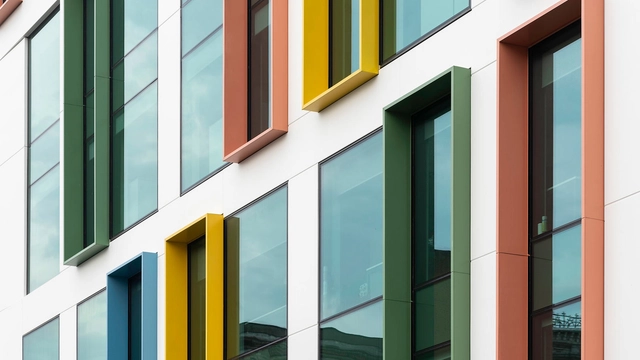
Sustainability and the efficient use of natural resources have become fundamental requirements for every architectural project. In this new context, ongoing research and studies have led to the emergence of new materials and construction systems aimed at sustainable development. A recurring example is the ventilated facade, which ensures a building's envelope is safe, efficient, sustainable, and durable by subtly and effectively integrating air renewal. Its ease of installation, contribution to the building's overall structure, and sustainable composition make it a compelling alternative for all types of projects.
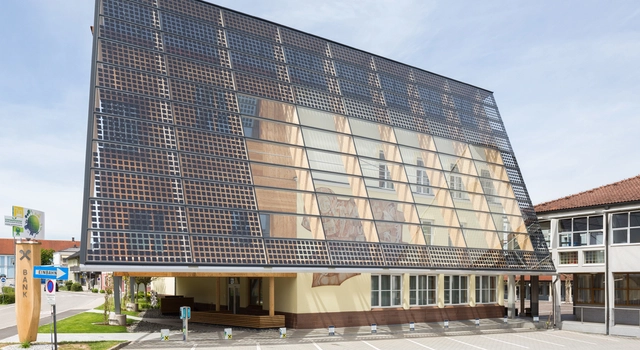
The climate crisis is driving architects to integrate solar energy as an essential component of architecture right from the start of the design process. Consequently, companies have been prompted to develop new products that go beyond conventional photovoltaic panels installed on roofs or additional support structures.
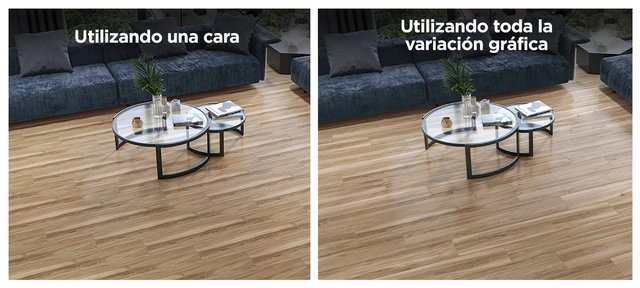
Representation is the medium through which architects express their ideas; the better a project is represented, the easier it is to convey its intent to the viewer. In most cases, a simple and concise representation helps to manifest a project's core ideas. However, new technologies provide us with tools that, beyond helping us express and highlight an intent, allow us to convey the quality of the designed environment more realistically.

Mexican architect José Luis Cortés has been appointed President of the International Union of Architects (UIA) for the 2021-2023 term. José Luis Cortés graduated from the Monterrey Institute of Technology in Mexico and completed studies in Urban Planning in Copenhagen, Denmark, and at the Massachusetts Institute of Technology (MIT) in the United States. He previously served as president of the Federation of Colleges of Architects of the Mexican Republic (FCARM) (2017-2018) and is currently a member of the UIA Council for Region III.
.jpg?1620226413&format=webp&width=640&height=580)
The School of Architecture at the Universidad Intercontinental (UIC) has announced the winners of the 20th Academic Competition of Architecture Schools. This edition saw record-breaking participation in the number of students and projects compared to previous years, and for the first time in two decades, achieved international reach with the participation of a university from Ecuador.
_2.jpg?1629819988&format=webp&width=640&height=580)
.jpg?1629390332 "© Carla Luisa Escoffié Duarte")
_2.jpg?1629819988)
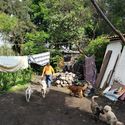
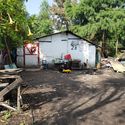
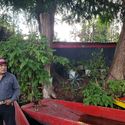
One of the greatest challenges facing our cities today is reconciling two priority objectives that, at times, seem irreconcilable: reducing inequality and addressing the effects of climate change. On one hand, our planet is at a critical juncture where no action should be underestimated. Urban growth always comes at the expense of green spaces, which is why we must control our settlements. Yet, it is also a fact that certain environmental regulations, besides being ineffective at achieving their intended goals, have discriminatory effects on the most marginalized sectors. It is often these very groups that face the most rigorous enforcement of environmental administrative requirements, as well as penalties for non-compliance. Is there a way out of this apparent dichotomy?




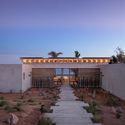

.jpg?1639602926 "CRA House / Estudio MMX. Image")