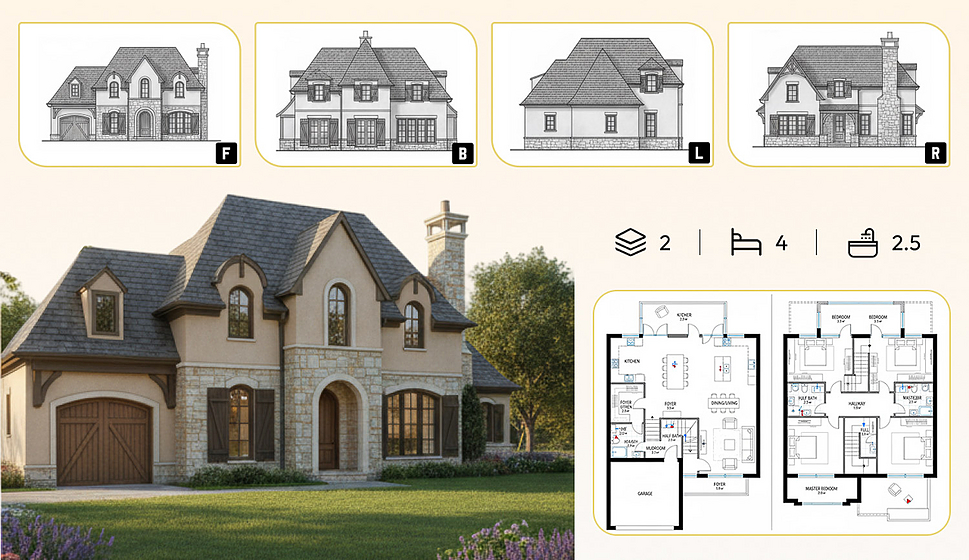
This guide covers a workflow that moves from project parameters to generated floor plans, 3D perspective views, exterior design exploration, and site context visualization, using AI tools in place of preliminary CAD and rendering work.
This guide covers a workflow that moves from project parameters to generated floor plans, 3D perspective views, exterior design exploration, and site context visualization, using AI tools in place of preliminary CAD and rendering work.

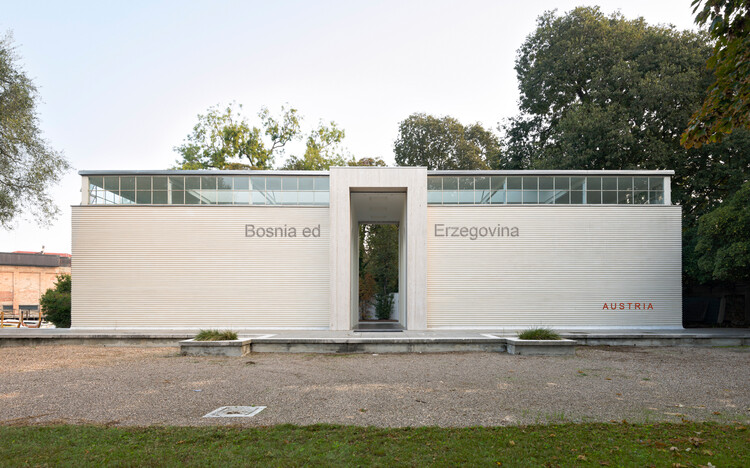
Austria has announced Koncesija / Konzession / Concession(e) as its contribution to the 20th International Architecture Exhibition – La Biennale di Venezia. Curated by architects Adna Babahmetović and Ajna Babahmetović together with curator Sebastian Höglinger, the project proposes temporarily granting the Austrian Pavilion to Bosnia and Herzegovina through a cooperative concession. Selected through Austria's open competition process, the pavilion examines questions of national representation, diplomacy, and architectural exchange by responding to the absence of a Bosnian national pavilion in the Giardini, where the Biennale's historic national pavilions are located.

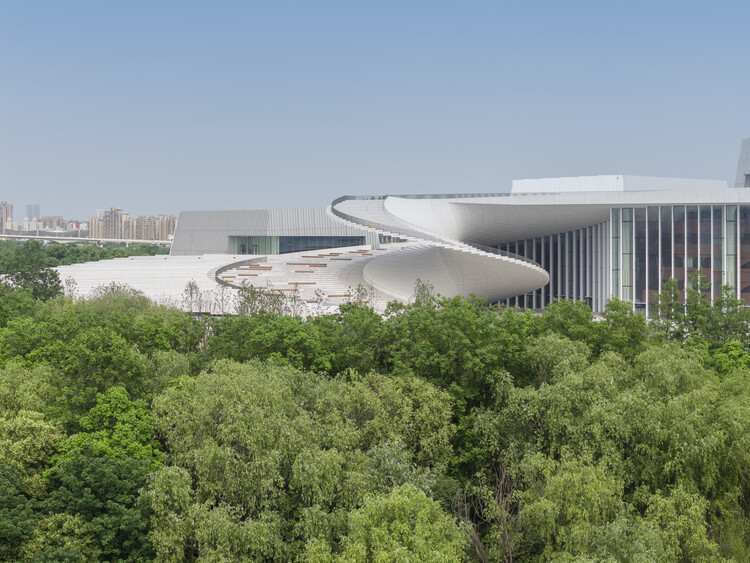
Snøhetta's Shanghai Grand Opera House has entered its final construction phase. Preparations are underway for the building's official opening on October 17, 2026, kicking off a performance season featuring 82 performances across 47 acclaimed productions. Snøhetta's spiralling design for the new cultural venue was selected via an international competition in 2016. In 2019, the architecture firm, along with East China Architectural Design & Research Institute (ECADI), Theatre Projects, and Nagata Acoustics, was formally commissioned to deliver the building from concept to completion. The project was originally set to be completed in 2025, as part of a broader cultural master plan aimed at reinforcing Shanghai's role as an international centre of culture and innovation.

Two years after receiving the complete archive of Paulo Mendes da Rocha, Portugal's Casa da Arquitectura inaugurated its Digital Building last weekend. Marking the institution's shift toward the inescapable virtual world, the project consists of digitizing the archive accumulated since the organization was founded in 2017.
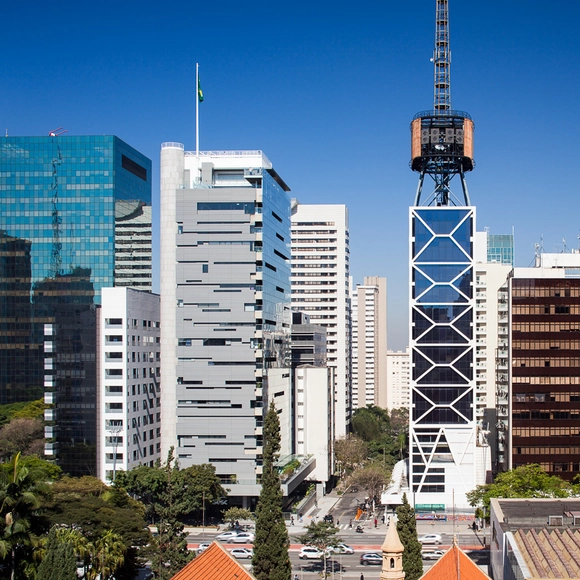
The 13th edition of the Architecture Biennial, organized by IAB-São Paulo, will open on May 27. It emerges from a reality of intense transformations brought about by the Covid-19 pandemic worldwide, which demanded major efforts to reorganize urban, social, and professional dynamics for survival.
Travessias (Crossings), the theme of this edition, recognizes that the pandemic reinforces socio-spatial inequalities that were already established, not only in Brazil but globally, understanding that these structures undergo physical and symbolic fragmentations rooted in violent processes of colonization and historical erasure. As a result, they trigger numerous manifestations of oppression – such as racism, sexism, ableism, and coloniality – in Brazil and other territories.

The canals of Amsterdam, the capital of the Netherlands, span more than 100 kilometers and are not immune to plastic pollution. However, a clever invention has arrived in the city to address this issue: “The Great Bubble Barrier,” a technology that creates bubbles in the water to make collecting plastic waste easier.

The Global Designing Cities Initiative (GDCI) released its Global Street Design Guide to help urban planners with the challenging task of including all users of urban spaces in their designs. The publication became a benchmark and has now inspired a dedicated companion guide focused on children. The guide Designing Streets for Kids (translated into Portuguese as Desenhando Ruas para Córiaças) is already available in several languages, including Portuguese.

Brazilian architects Mário Rubem Costa Santana and Rafael Lamary Silva Santos received a special mention in the Children's House competition in Senegal, organized by the Kaira Looro organization. The competition sought proposals for a "space aimed at preventing child malnutrition" in Sub-Saharan Africa.

The 13th International Architecture Biennial enters its final week of activities—ending on Sunday, July 17—and brings very special attractions for those who have already visited or have yet to experience the Biennial.
Between July 8 and 17, the event features debates, conferences, short film screenings, a cycling tour, and much more, in this first in-person edition since the pandemic. The exhibition has been running since May 27 at Sesc Avenida Paulista and Centro Cultural São Paulo.
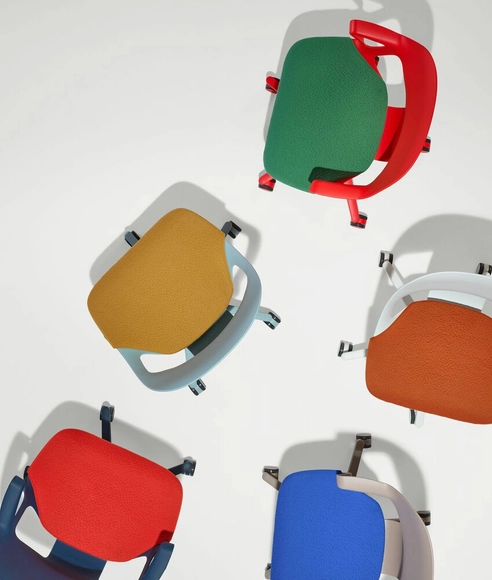
Around the world, people continue to adapt to new ways of working, making the search for suitable furniture and equipment for both home and work environments more relevant than ever. At the same time, finding options that balance personal aesthetics and style with functionality is essential.
Herman Miller, a global leader in innovative design and furniture solutions, has announced the launch of an office chair inspired by the iconic Eames Shell chair. Design firm Studio 7.5 and Herman Miller have teamed up once again to reveal their latest collaboration: the Zeph chair.
Periodically, we have witnessed how the coasts of Quintana Roo have suffered from severe sargassum algae blooms, representing a major problem for local residents who, year after year, dedicate themselves to exhaustively cleaning the beaches during the April-August season. Various media outlets have reported that the cause of the sargassum is still unknown; however, some theories link it to climate change and variations in the Atlantic Ocean. Currently, the non-governmental organization Red de Monitoreo del Sargazo de Quintana Roo (Quintana Roo Sargassum Monitoring Network) monitors sargassum presence in the region. According to its latest alert level system, there are 22 locations with an excessive presence of this macroalgae, and the same number considered abundant.
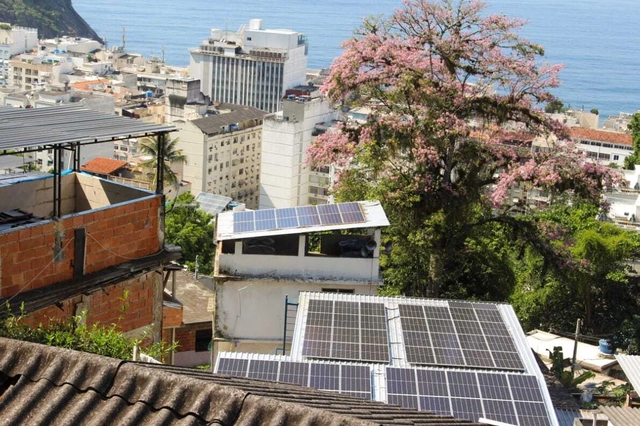
An initiative in the Rocinha community in Rio de Janeiro will provide professional training for residents in the solar energy market and install two photovoltaic plants in the community (at Acadêmicos da Rocinha and Igreja Batista), directly benefiting the NGOs Rocinha Recicla and Pedrinho Social through local energy generation.
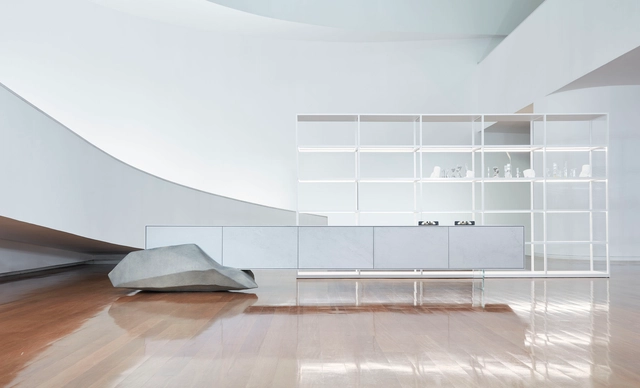
"Light and movement allow us to achieve anything that is recognized as beautiful." This quote by Álvaro Siza Vieira, the universally acclaimed Portuguese architect, captures his philosophy. His work guides the relationship between built space and its surroundings, creating true works of art that prioritize nature. In furniture design, the approach can be similar. The intervention can indulge in the status of art, redefining meaning and joining new dialogues as if framed in a museum setting.
Driven by this provocation, Dell Anno presents an approach for its 2022 campaign that further strengthens its DNA of connecting architecture, art, and fashion. Titled Singular Dell Anno, the campaign draws a parallel with the sublime work of the Portuguese architect, paying tribute to his legacy of simplicity and architectural sophistication, which earned him global recognition and made him a major architectural influence today.
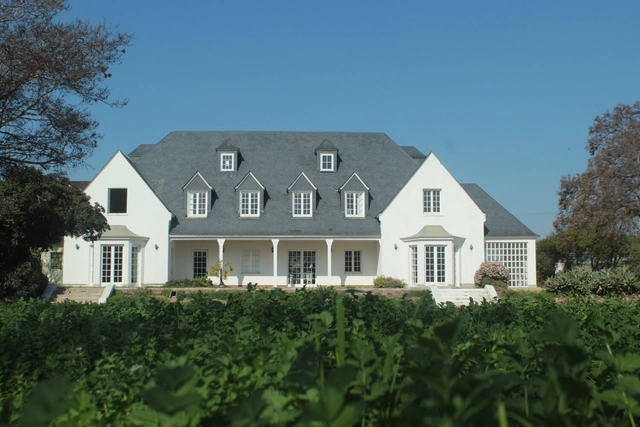
In 2016, in the commune of Limache in Chile's Valparaíso region, tunnels connecting to various parts of the city—including the CCU brewery—were discovered beneath a hatch in the gardens of the landmark Eastman Mansion. Prompted by uncertainty over why they were built, an investigation was launched, with the findings behind the project's origins finally revealed in 2021.
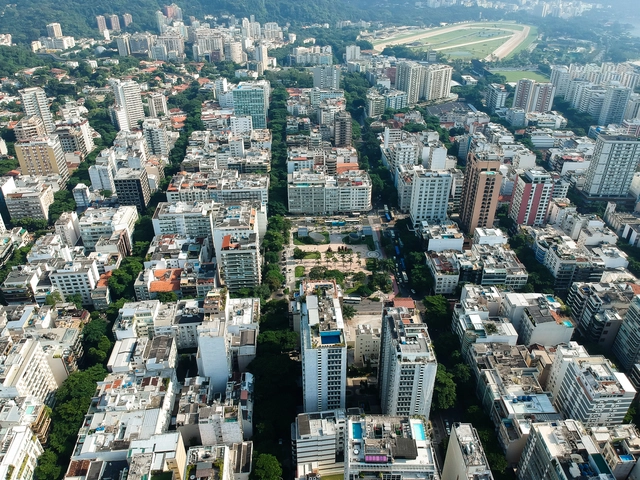
In an effort to improve air quality and the health of Rio's residents, the Rio de Janeiro City Hall is launching the Low Emission District. Measures to reduce greenhouse gas emissions will be implemented across an area of just over two square kilometers in the city center.
The district's implementation will be carried out in phases through 2030. The first phase, which is currently underway, consists of revitalizing 35,000 square meters of public space in the city center and monitoring air quality and GHG emissions. It is expected to be completed in 2024.
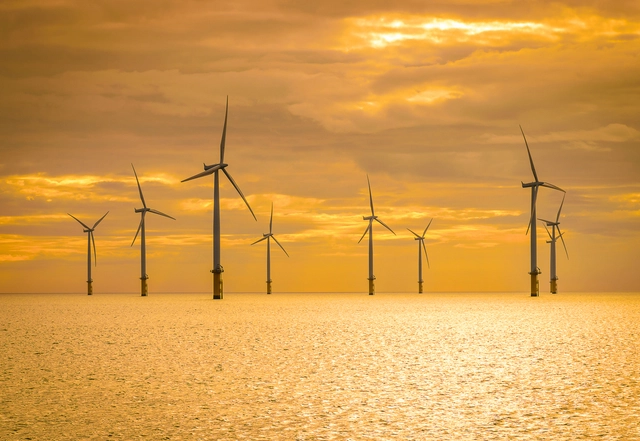
On Wednesday, August 17, the Senate Infrastructure Services Committee approved a bill establishing a regulatory framework for offshore energy generation—including wind, solar, or tidal—in Brazil's open seas, lagoons, and other bodies of water. The Bill (PL) 576/2021 regulates authorizations for harnessing offshore energy potential. Authored by Senator Jean Paul Prates (PT-RN), the bill was approved in a final vote by the committee and will now proceed to the Chamber of Deputies for review.
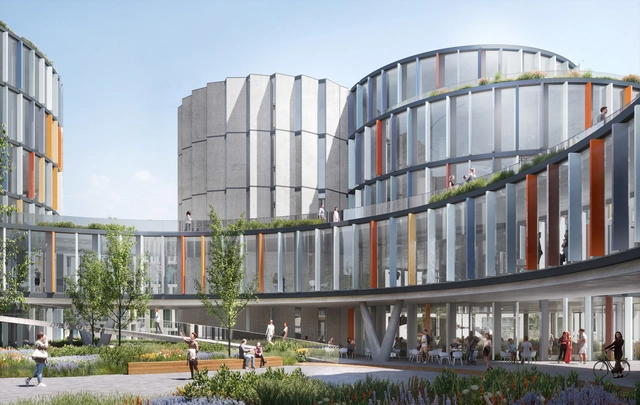
In the northern area of Greater Buenos Aires, Nordelta has been developing a new urban project across its 1,700 hectares for around 30 years. Initially conceived for low-density residential use, it now also includes medium- and high-density housing, educational, recreational, and service facilities, as well as production and supply hubs, among others. Area Beta is located in the southern part of Nordelta, designed to complement this mixed-use and service urban sector.
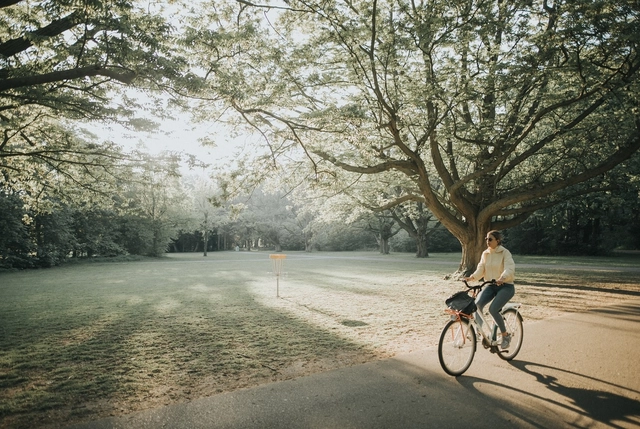
Those interested in purchasing low- or zero-emission transportation options can now access a new line of credit. This month, Banco do Brasil (BB) launched the BB Crédito Mobilidade line, which will finance items such as bicycles, kick scooters, electric or manual scooters, and motorcycles under 125cc, with repayment terms of up to five years.
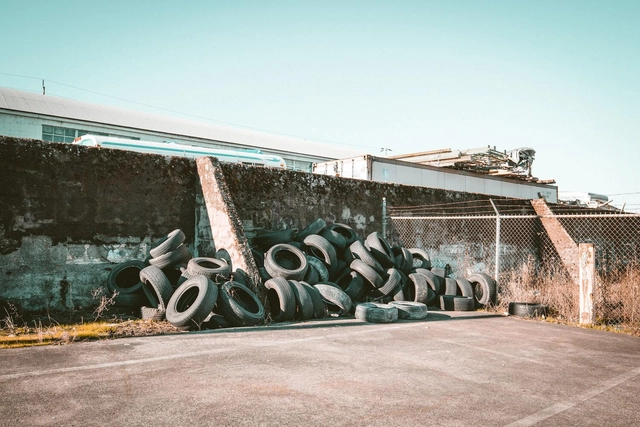
Rubber from discarded tires can replace 100% of conventional aggregates used in manufacturing concrete. This is what engineers at RMIT University in Melbourne, Australia, have discovered. The concrete made with the material meets building codes and promises to boost the circular economy.
This “greener concrete” uses rubber from discarded tires instead of gravel and crushed stone. According to the team that developed the material, the new concrete is lighter and promises to significantly reduce manufacturing and transportation costs.
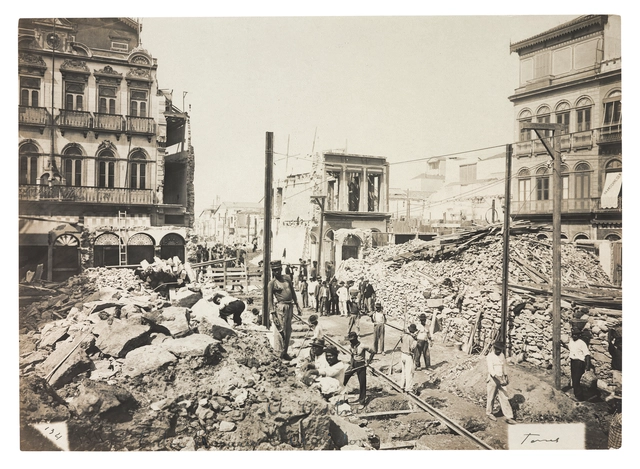
On September 13, IMS Paulista opens the exhibition Moderna pelo avesso: fotografia e cidade, Brasil, 1890-1930. With free admission, the exhibition features photography from some of the country's major capitals—Porto Alegre, São Paulo, Rio de Janeiro, Belo Horizonte, Recife, and Belém—during the First Brazilian Republic, from 1889 to 1930. The exhibition documents radical urban reforms that took place during this period, addressing the tensions and contradictions of these processes, which altered landscapes and the ways people lived in and moved through cities.
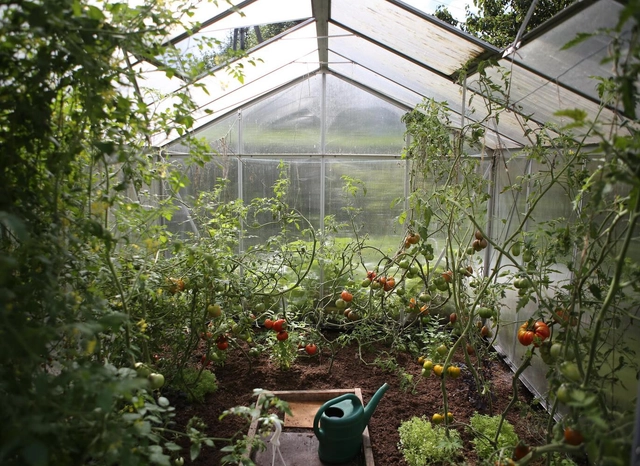
Rio de Janeiro will host the world's largest urban garden, according to the organizers of the Hortas Cariocas program. The municipal government-funded initiative aims to promote "food sovereignty, generating self-sufficiency through organic products, and creating gardens in municipal schools and communities across Rio."
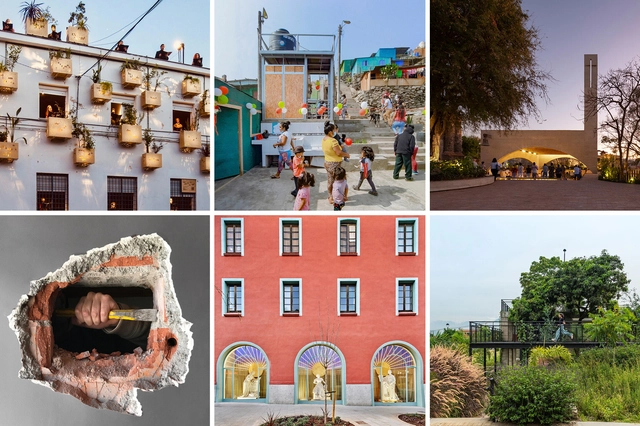
The 12th Ibero-American Biennial of Architecture and Urbanism (BIAU) announced today on its website the winners of its four categories: Works, Actions on the Margin, Publications, and Academic Programs.
A total of 9 works and 20 projects were named winners in this edition of the BIAU, an event organized by the Government of Spain through the Ministry of Transport, Mobility, and Urban Agenda (MITMA) via the General Directorate of Urban Agenda and Architecture. The biennial will take place within the framework of the MEXTRÓPOLI Architecture and City Festival in Mexico City from September 21 to 25.
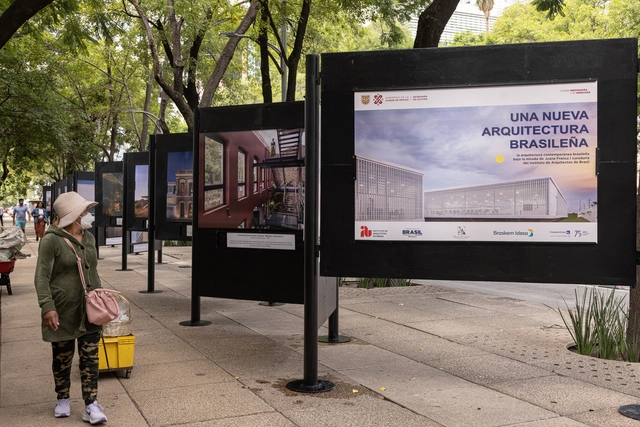
In early September, the Brazilian Embassy in Mexico launched the exhibition Una nueva arquitectura brasileña, curated by the Institute of Architects of Brazil (IAB) and featuring photography by Joana França. The exhibition is held entirely in a public space on Avenida Paseo de la Reforma, one of Mexico City's most prominent thoroughfares. Approximately one million people are expected to pass by the site during the exhibition run.

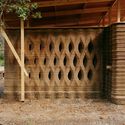
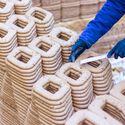
Combining new and old construction techniques, researchers from the Institute for Advanced Architecture of Catalonia (IAAC) have built a small earthen structure using 3D printing. It is the first project of its kind in Spain.
“This prototype represents a bridge between the past – vernacular earth architecture – and the future – large-scale 3D printing technology – which will not only help reshape the architecture of the future, but will also be highly useful in addressing the current climate and housing crisis worldwide,” states the Institute.
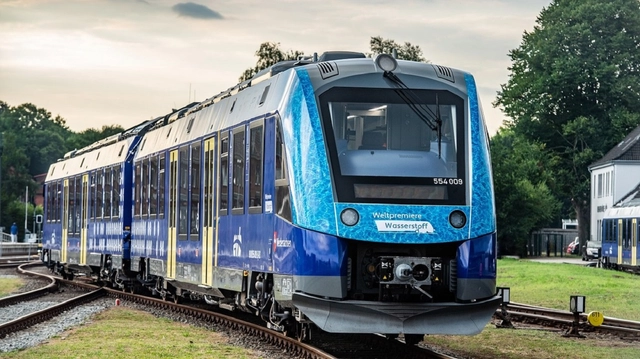
The world’s first hydrogen-powered passenger train service has begun operations in Germany. The 100% hydrogen-fueled rail line debuted in the small town of Bremervörde, near Hamburg. A total of 14 trains will replace diesel locomotives across nearly 100 kilometers of track in the northern part of the country. In addition to Bremervörde, the regional line serves the cities of Cuxhaven, Bremerhaven, and Buxtehude.