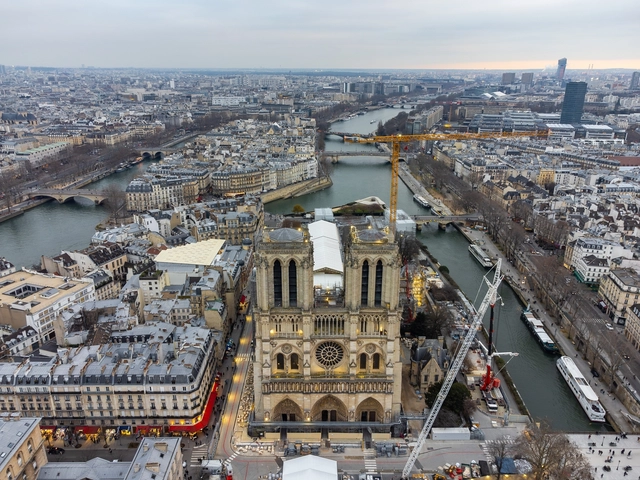
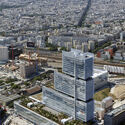
Notre Dame Cathedral reopened on December 7th, 2024, welcoming visitors for the first time since the 2019 fire. The restoration of Notre Dame Cathedral was a massive undertaking, led by chief architect Philippe Villeneuve, assisted by Rémi Fromont and Pascal Prunet. The project involved approximately 2,000 craftspeople, 250 companies, and about $900 million, demonstrating the immense scale and complexity of the work on a tight deadline. Despite the major milestone of opening before the end of the year, the restoration works are not yet complete, as they are scheduled to continue through 2026.
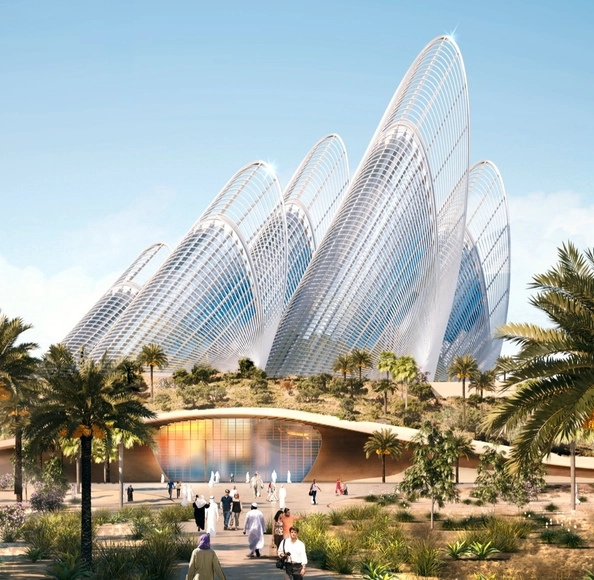
Sheikh Zayed National Museum / Foster + Partners. Image Courtesy of Foster + Partners
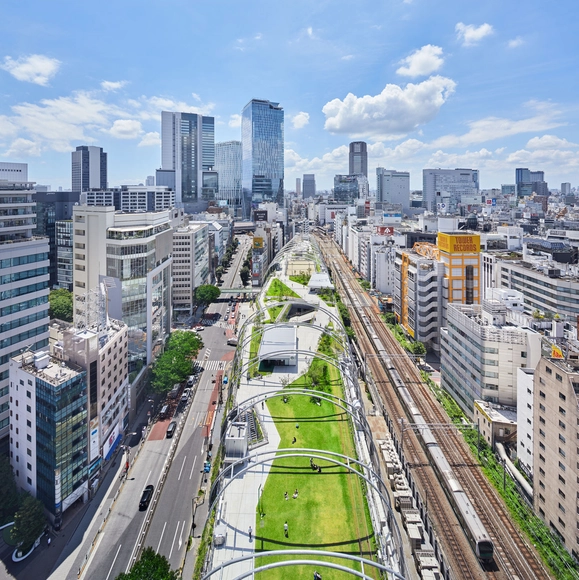
As 2024 comes to an end, the architectural world looks ahead to 2025, a year set to unveil transformative projects across the globe. From cultural landmarks in Asia, such as Sou Fujimoto's "Grand Ring" for Expo 2025 Osaka and MAD Architects' Hainan Science Museum in China, to dynamic urban developments like OMA's Harajuku Quest in Tokyo and David Chipperfield's Elbtower in Hamburg, these projects reflect a commitment to innovation, sustainability, and preserving cultural heritage.
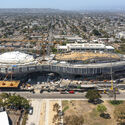
In North America, Studio Gang's Shirley Chisholm Recreation Center in Brooklyn and the Lucas Museum of Narrative Art in Los Angeles highlight architecture's role in fostering community connections. Meanwhile, Europe anticipates Shigeru Ban's hybrid residential tower in Antwerp and Kengo Kuma's Visitor Center at Albania's Butrint National Park, showcasing the intersection of contemporary design and local context. As these projects take shape, they offer a glimpse into architecture's power to redefine spaces and inspire communities.
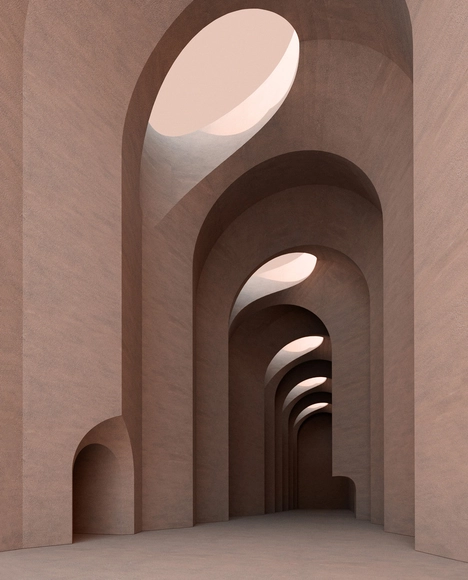
Pantone Color Institute has selected PANTONE 17-1230 Mocha Mousse as the Color of the Year 2025. The warm, brown hue, reminiscent of chocolate mousse and latte coffee, aims to bring a sense of comfort, intimacy, and elegance. This represents a versatile hue that can be combined in a multitude of pallets, from monochromatic earthy shades to mixtures of soft pastels, or even exotic combinations of vibrant colors balanced out with the rich yet subdued tone of Mocha Mousse.
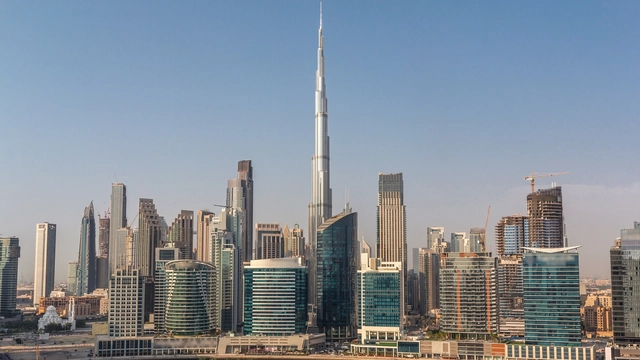
Humanity has become obsessed with breaking its limits, creating new records only to break them again and again. In fact, our cities’ skylines have always been defined by those in power during every period in history. At one point churches left their mark, followed by public institutions and in the last few decades, it's commercial skyscrapers that continue to stretch taller and taller.
The Council on Tall Buildings and Urban Habitat (CTBUH) has developed its own system for classifying tall buildings, stating that the Burj Khalifa (828 m.) is the world’s tallest building right now. Read on for the 25 tallest buildings in the world today.
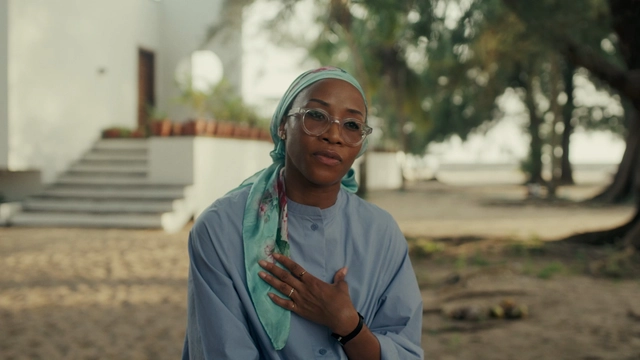
“Women in Architecture” documentary: Tosin Oshinowo. Image Courtesy of SkyFrame
Architecture is a discipline where theory and practice meet, transforming abstract ideas into spaces that shape and respond to human lives and identity. For Nigerian architect and curator Tosin Oshinowo, this dynamic is at the core of her work. As the founder of Oshinowo Studio and curator of the 2023 Sharjah Architecture Triennial, she has carved a unique path in contemporary architecture by blending cultural specificity, climate consciousness, and global relevance.
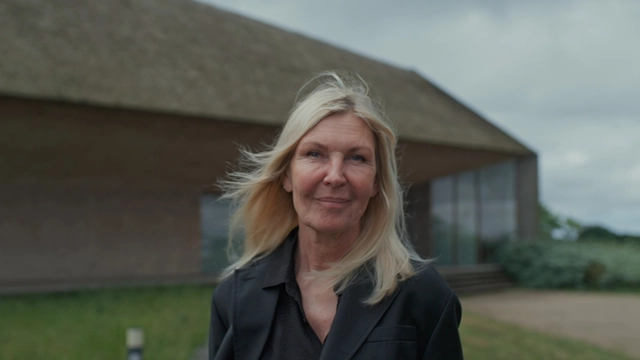
Buildings are deeply interconnected with their surroundings—the climate, culture, landscape, and the lives of their occupants. For Dorte Mandrup, a renowned Danish architect, context is more than a mere consideration; it is the driving force behind her designs. Her work demonstrates a profound curiosity about the people who will inhabit her buildings and the unique stories embedded within each site. Her buildings aren't just structures; they're thoughtful responses to their surroundings, without aiming to disappear within them.
Dorte Mandrup is featured, alongside Tosin Oshinowo, in the second installment of the documentary Women in Architecture, released November 12, 2024. Produced by Sky-Frame in collaboration with ArchDaily and directed by Boris Noir, the film builds upon the first episode, which highlighted Toshiko Mori, Gabriela Carrillo, and Johanna Meyer-Grohbrügge, offering a continued exploration of diverse perspectives within architecture.
For a while now, ArchDaily has been striving to enhance your experience – exploring how to dive deeper into its content and reshape the ways in which it is delivered. What additional value can be brought to both new and established members of the community that enhances what ArchDaily represents?
The result: ArchDaily Plus – a membership plan offering a completely fresh user interface and exclusive new features while simultaneously supporting the continued delivery of tools and knowledge essential for everyone involved in creating a better-built environment. It provides even more daily inspiration while keeping critical information freely accessible (projects, news, in-house articles not older than six months).
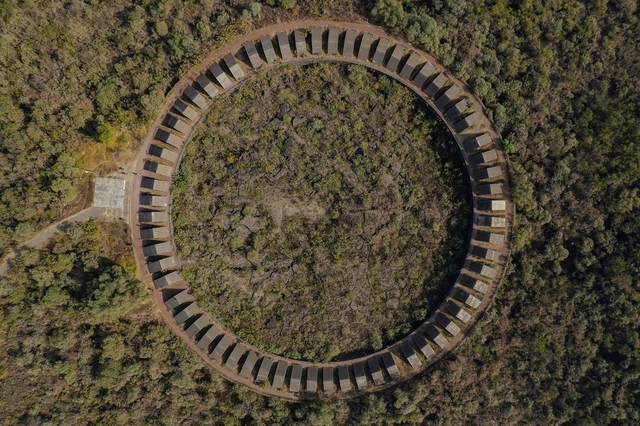
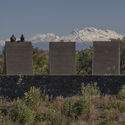
Espacio Escultórico de la UNAM. Image Cortesía de Andrés Cedillo
Integrating contemporary art with the landscape in a dialogue between human creation and the natural environment, the Sculpture Space of the National Autonomous University of Mexico (UNAM) represents one of the most important public artworks in Latin America. Both the Sculpture Space and the Pedregal de San Ángel Ecological Reserve at UNAM in Mexico City have recently been awarded the Carlo Scarpa International Prize for Gardens 2023-2024, granted by the Benetton Foundation for Studies and Research based in Treviso, Italy. They were recognized for their high natural, historical, and cultural value as works of preservation and collective art that emerged from a lava surface where new neighborhoods and UNAM’s University City were developed.
In an era marked by rapid urbanization, climate emergencies, and evolving societal needs, architecture has a complex role to play and a responsibility to engage actively yet sensibly with cultural, political, and economic considerations. In this context, Níall McLaughlin stands out for his balanced approach rooted in historical contexts, yet aware and responsive to contemporary challenges. His studio, Niall McLaughlin Architects, embraces a dialogue-centric approach, fostering a collaborative environment. ArchDaily's senior editor Maria-Cristina Florian had the chance to sit down with Níall McLaughlin and discuss his perspective on the role of architecture in today's society and the emerging challenges of architectural education.
"We think we are diverse, and we think we have equality, but is that really the case?"
Highlighting the stories of female architecture shaping the built environment, the documentary "Women in Architecture", by Boris Noir returns for a second chapter. Initiated by Sky-Frame, in collaboration with ArchDaily, this installment of the docu-series delves into the stories of Dorte Mandrup and Tosin Oshinowo, drawing a parallelism between both of their lives and focusing on their distinct paths and challenges. Stay tuned for the online screening on November 12th at 7:30 am EST, 12:30 pm CET on ArchDaily.
For centuries, burial practices across various cultures have connected honoring the deceased to the earth, with cemeteries firmly grounded in the soil as a symbol of eternal peace. Yet, as discussed in one of our articles, No More Room for the Living or the Dead: Exploring the Future for Burials in Asia, land shortages in densely developed urban areas present significant challenges to traditional burial practices, especially as societies like Japan face an aging population. Given these spatial constraints, how can above-ground cemeteries and columbariums be designed to provide a dignified, tranquil resting place while respecting cultural values?
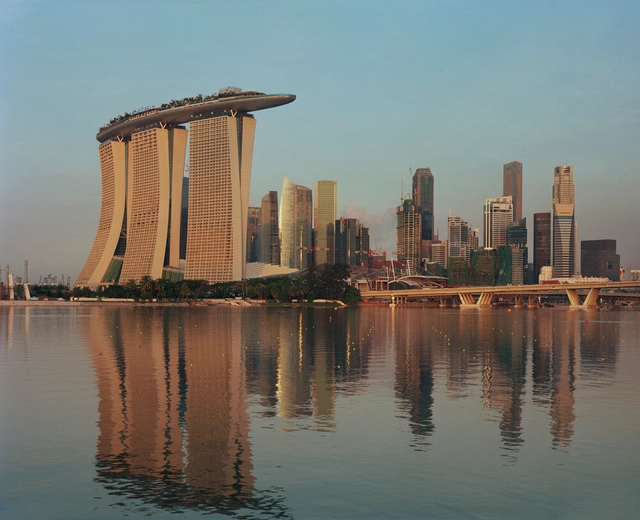
Courtesy of Safdie Architects | Marina Bay Islands
Nestled in the heart of Southeast Asia, Singapore stands as a beacon of sustainable urbanization. According to the 2016 Green City Index, the city-state of Singapore was the greenest city in Asia at one point. Renowned as the "City in a Garden," Singapore has intertwined lush greenery, verdant parks, and new environmental policies into its urban fabric/ After gaining independence in 1965, the city-state stands as a testament to how urban life can integrate with nature.
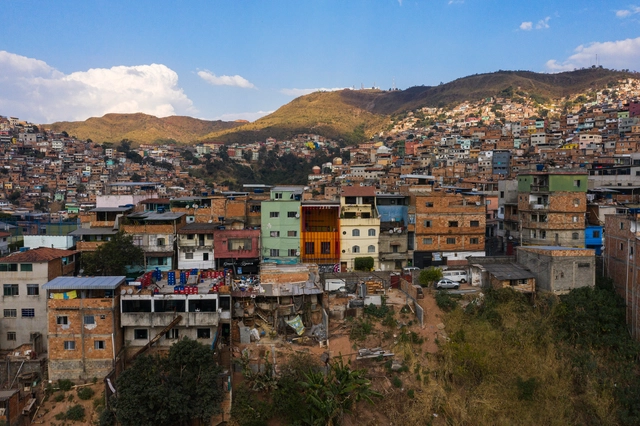
In Belo Horizonte’s Aglomerado da Serra, Brazil’s third-largest favela complex with 50,000 residents, the Lá da Favelinha Cultural Center stands out as a vibrant hub of art and education. Founded in 2015 by the multifaceted artist Kdu do Anjos, the striking red building that stands out in the outskirts has gained recognition in both national and international architectural circles, earning several prestigious awards Yet, the recent renovation by Coletivo LEVANTE—honored as one of the Best New Architectural Practices of 2024—represents far more than vivid colors and bold design. It symbolizes the creativity and potential of the community itself. As a space for support and inspiration, Lá da Favelinha reflects a collective, democratic vision that merges the community’s dreams with the dedication of its founders.
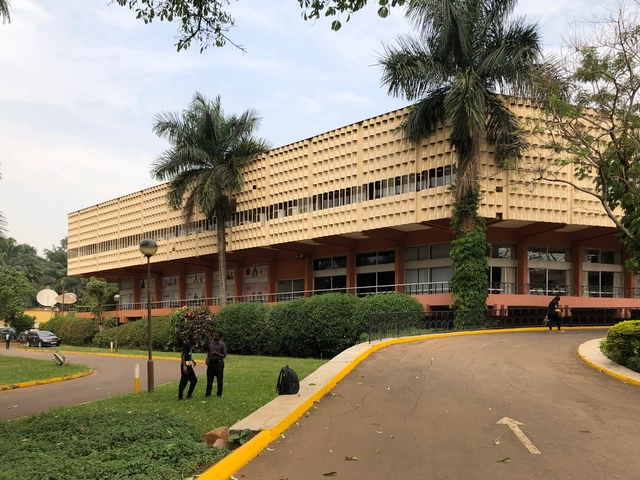
The middle of the Twentieth Century saw the independence of most countries on the African continent. Those euphoric times brought forward-looking sentiments and a wish to break with the past. As an architectural movement, Modernism was ideal for the day, and newly independent countries had extensive building programs to assert themselves as fully functioning nations.
Hotels are one type of building that illustrates the complex architectural and political history of the times. Some were built specifically to host international delegations, others to boost tourism, while some were built as strong leaders' wishes. Although a marginal building type, several hotels across Africa stand as physical records of important parts of their respective country's history. Following an exploration of the histories of West Africa's Modernist Hotels, this second article turns to East Africa to uncover the ways in which this understated typology relates to larger histories of independence and national identity.
In recent years, Public-Private Partnerships (PPPs) have become a significant model for delivering large-scale infrastructure projects around the world. These partnerships bring together the strengths of both the public sector, represented by governments or municipalities, and the private sector, combining their resources, expertise, and investment power. In the context of architecture and urban development, PPPs are increasingly being used to address the complex needs of growing cities, helping to finance, build, and maintain critical projects that would be difficult for either sector to accomplish alone. But what exactly are PPPs, and how do they function in the built environment? This article explores the concept of PPPs, providing examples from across the globe to illustrate how these partnerships are shaping the future of urban spaces, sometimes beyond commercial gains. Furthermore, by exploring the different projects, the article aims to develop a framework around PPPs' positive and negative potential impacts.
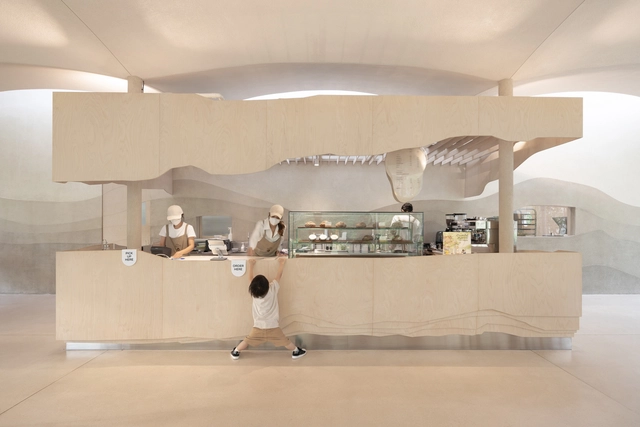
Coffee culture continues to thrive in the contemporary world, with a noticeable shift from the dominance of chains & franchise stores to a growing market for prosumer coffee. As more and more coffee consumers become prosumers, individuals who both produce and consume, they are turning coffee-making into a hobby, even a ritual, and are expecting coffee shops to keep up. Consumers are becoming more knowledgeable, paying close attention to the source and type of beans, brewing methods, and equipment. They also appreciate the design of coffee machinery, not just for its functionality but for its aesthetics, efficiency, and space management. This surge in interest, especially in Asia, has led to changes in coffee shops' operations. Many individual coffee shops, responding to the rise in consumer spending power and interests, are motivated to focus on creating unique, immersive experiences for an ever-growing marketable audience.
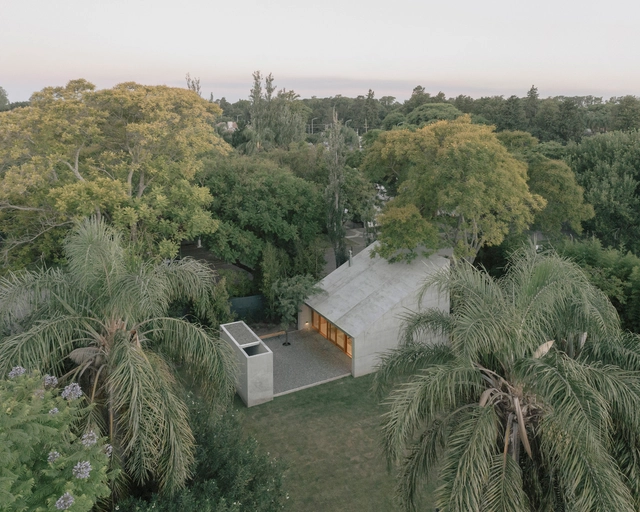
In densely populated cities, the demand for more living space has led to a growing trend in home extensions. With limited opportunities for new construction and a desire to preserve historical urban fabric, homeowners are increasingly looking for innovative ways to expand their homes. Home extensions offer a practical solution to modern needs, allowing residents to stay in familiar neighborhoods and maintain their ties to the community.
There are several approaches to these renovations. Home additions take various forms, ranging from isolated rooms with specific functions near the main house, to volumes directly attached to the original structure. These extensions can be built on the ground floor or take advantage of vertical space by constructing additional levels on the existing building.