Paula Pintos

Architect based in Buenos Aires. Since 2019, she has been part of the content team at ArchDaily. As an editor, she has been involved in developing architectural narratives and criticism, as well as in architectural curation, communications, and interviews, while collaborating with architects worldwide to showcase their work online.

BROWSE ALL FROM THIS AUTHOR HERE

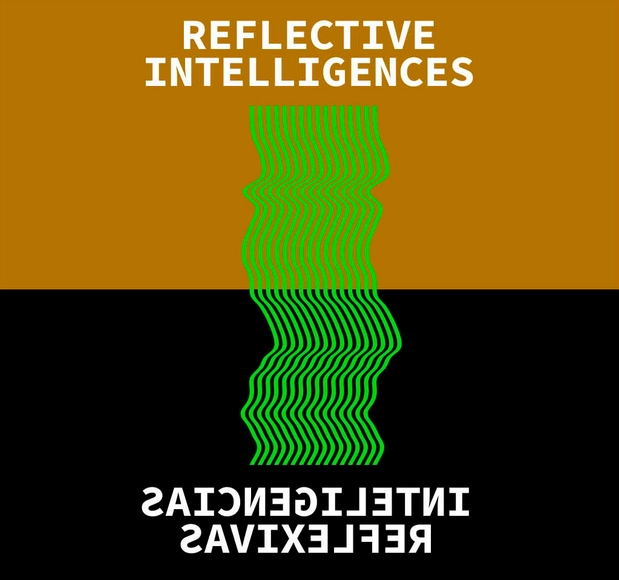
'Reflective Intelligences': Chile’s Pavilion at the Venice Biennale Explores the Political Significance of the Roundtable on Architecture and Its Relationship with AI

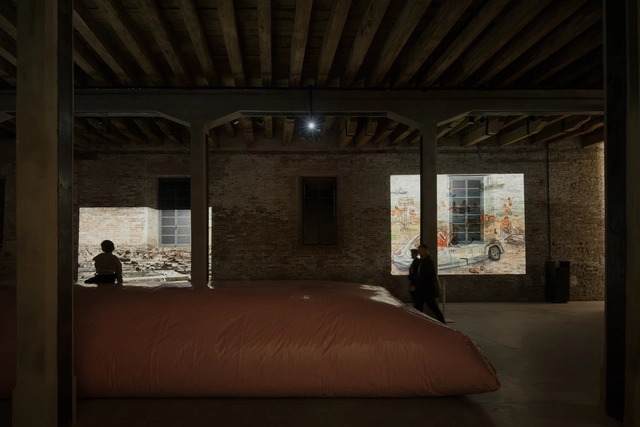
Out of 45 participating submissions for Chile's Pavilion at the 2025 Venice Architecture Biennale, the winning proposal has been recently announced. 'Reflective Intelligences,' the curatorial project by Serena Dambrosio, architect, researcher, and lecturer at Universidad Diego Portales; Nicolás Díaz Bejarano, architect, researcher, lecturer, and PhD candidate in Architecture and Urban Studies at Pontificia Universidad Católica de Chile; and Linda Schilling Cuellar, architect, urban designer,educator and doctoral candidate at the Centre for Research Architecture at Goldsmiths University.

'Reflective Intelligences': Chile’s Pavilion at the Venice Biennale Explores the Political Significance of the Roundtable on Architecture and Its Relationship with AI - Image 1 of 4'Reflective Intelligences': Chile’s Pavilion at the Venice Biennale Explores the Political Significance of the Roundtable on Architecture and Its Relationship with AI - Image 2 of 4'Reflective Intelligences': Chile’s Pavilion at the Venice Biennale Explores the Political Significance of the Roundtable on Architecture and Its Relationship with AI - Image 3 of 4'Reflective Intelligences': Chile’s Pavilion at the Venice Biennale Explores the Political Significance of the Roundtable on Architecture and Its Relationship with AI - Featured Image'Reflective Intelligences': Chile’s Pavilion at the Venice Biennale Explores the Political Significance of the Roundtable on Architecture and Its Relationship with AI - More Images+ 2

David Martínez Ramos of Práctica Arquitectura: Exploring a Timeless Architecture with Memory and Sensitivity

Subscriber Access | 

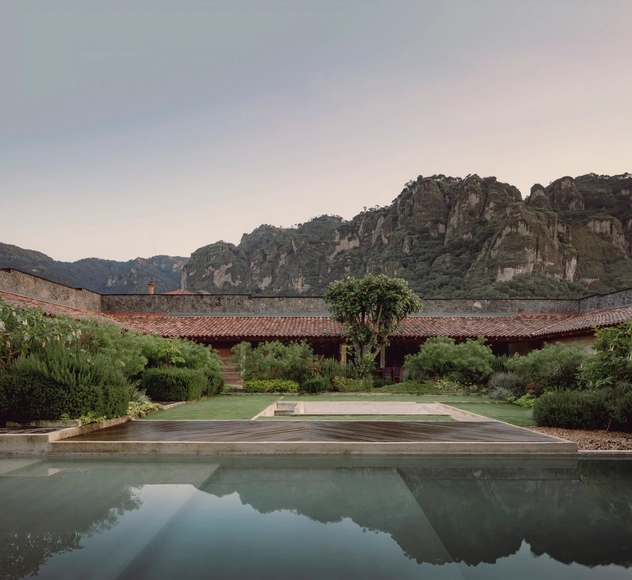
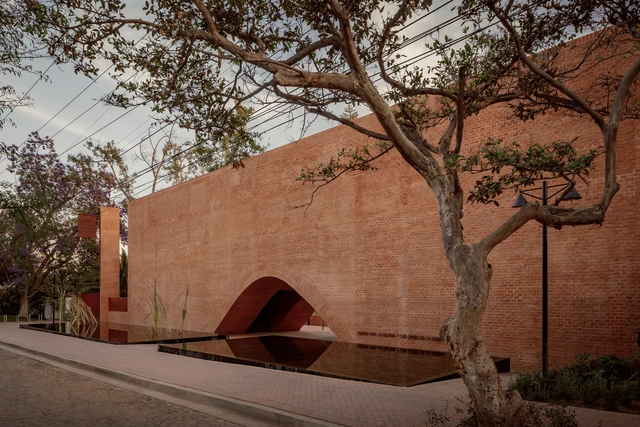
Recently selected to participate in the upcoming 2025 edition of the Latin American Architecture Biennial in Pamplona, Práctica Arquitectura has established itself as a young and promising firm in the region, specifically in Mexico. Their architectural work focuses on materializing projects that achieve a high level of sensitivity, both for those who inhabit them and for their immediate surroundings, whatever they may be. In close connection with landscapes and terrains, their projects come to life through a design that carefully considers materials, structures, and details, while ensuring a sensory and emotional experience in the spaces they create.

David Martínez Ramos of Práctica Arquitectura: Exploring a Timeless Architecture with Memory and Sensitivity - Image 1 of 4David Martínez Ramos of Práctica Arquitectura: Exploring a Timeless Architecture with Memory and Sensitivity - Image 2 of 4David Martínez Ramos of Práctica Arquitectura: Exploring a Timeless Architecture with Memory and Sensitivity - Image 3 of 4David Martínez Ramos of Práctica Arquitectura: Exploring a Timeless Architecture with Memory and Sensitivity - Image 4 of 4David Martínez Ramos of Práctica Arquitectura: Exploring a Timeless Architecture with Memory and Sensitivity - More Images+ 8

Artist Studios and Creative Workspaces: 8 Latin American Projects that Blend Work, Living, and Exhibition Spaces

Subscriber Access | 

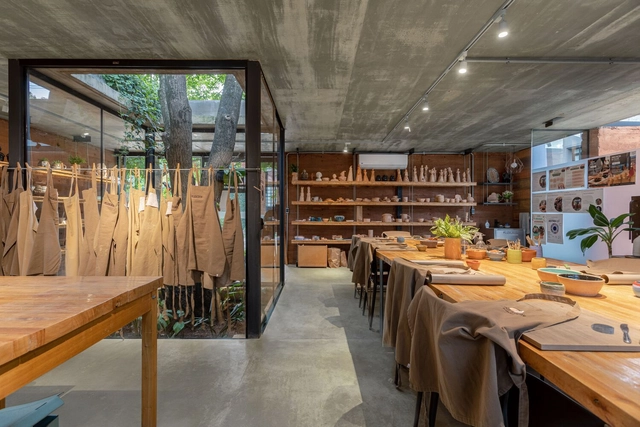
In recent years, working from home has become increasingly common, creating a need for domestic spaces that accommodate both professional and personal life. This is especially true for artists, where the integration of living and working spaces is essential. Often, these spaces must also serve as areas for exhibiting artistic production, such as paintings, sculptures, ceramics, and more.

This fusion of work and living environments has influenced architectural and interior design trends, prioritizing flexibility, multifunctionality, and aesthetics that foster both creativity and comfort. Open-plan layouts, modular furniture, and adaptable lighting solutions are now key elements in designs that support the seamless coexistence of work and personal life.

Artist Studios and Creative Workspaces: 8 Latin American Projects that Blend Work, Living, and Exhibition Spaces - Image 1 of 4Artist Studios and Creative Workspaces: 8 Latin American Projects that Blend Work, Living, and Exhibition Spaces - Image 2 of 4Artist Studios and Creative Workspaces: 8 Latin American Projects that Blend Work, Living, and Exhibition Spaces - Image 3 of 4Artist Studios and Creative Workspaces: 8 Latin American Projects that Blend Work, Living, and Exhibition Spaces - Image 4 of 4Artist Studios and Creative Workspaces: 8 Latin American Projects that Blend Work, Living, and Exhibition Spaces - More Images+ 22

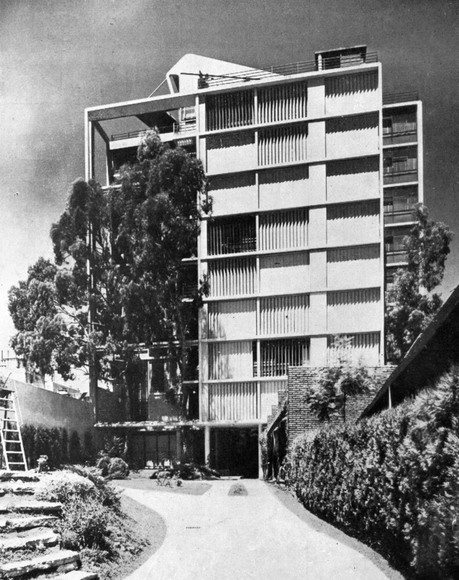
Adapting Modernism in Argentina: The Case of Grupo Austral and Los Eucaliptos Building

At the intersection of the inevitable influence of the international modern movement and Argentinian architectural tradition, the Grupo Austral emerges as a collective of architects proposing a reinterpretation of Le Corbusier's rationalism, adapting it to the particularities of the local context. In this framework, we can speak of an international architecture that is not merely incorporated but can be considered "appropriated" architecture, meaning it is rooted in Argentina's climatic conditions, lifestyles, and local materials. This leads us to question: How does European architecture correspond with the local? Is it the product of similar situations or a process of transferring architectural images, as has happened throughout history? Is it a mix of both factors? Can we talk about appropriated architecture?

Adapting Modernism in Argentina: The Case of Grupo Austral and Los Eucaliptos Building - Image 1 of 4Adapting Modernism in Argentina: The Case of Grupo Austral and Los Eucaliptos Building - Image 2 of 4Adapting Modernism in Argentina: The Case of Grupo Austral and Los Eucaliptos Building - Image 3 of 4Adapting Modernism in Argentina: The Case of Grupo Austral and Los Eucaliptos Building - Image 4 of 4Adapting Modernism in Argentina: The Case of Grupo Austral and Los Eucaliptos Building - More Images+ 7

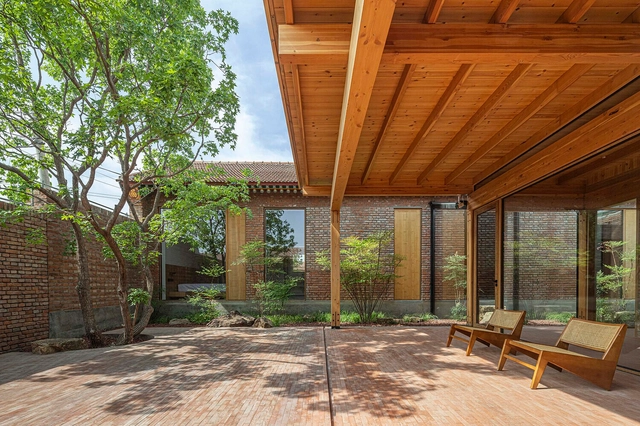
Contemporary Yet Traditional Courtyards: Enhancing Living Spaces in 10 Chinese Residential Projects

Courtyards have long been a fundamental aspect of traditional Chinese architecture, serving as central spaces around which domestic life is organized. These spaces play a vital role in creating a harmonious living environment, offering benefits that range from regulating indoor temperatures to enhancing social interactions and fostering a close connection with nature.

Contemporary Yet Traditional Courtyards: Enhancing Living Spaces in 10 Chinese Residential Projects  - Image 1 of 4Contemporary Yet Traditional Courtyards: Enhancing Living Spaces in 10 Chinese Residential Projects  - Image 2 of 4Contemporary Yet Traditional Courtyards: Enhancing Living Spaces in 10 Chinese Residential Projects  - Image 3 of 4Contemporary Yet Traditional Courtyards: Enhancing Living Spaces in 10 Chinese Residential Projects  - Image 4 of 4Contemporary Yet Traditional Courtyards: Enhancing Living Spaces in 10 Chinese Residential Projects  - More Images+ 26

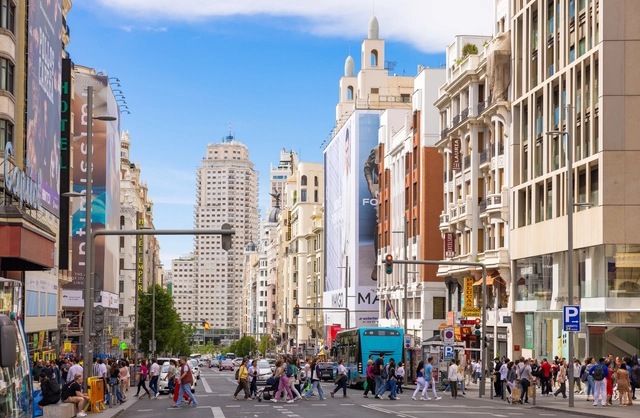
Madrid: A Vibrant Confluence of History, Modernity, and Sustainable Urban Regeneration

Subscriber Access | 

It is almost impossible to talk about Madrid, the Spanish capital, which, in addition to its obvious tourist appeal and its leadership as the most visited city in the country—followed by Barcelona—is inseparable from its long history and evolution up to the present day. In 2024, Madrid welcomed over 11.2 million visitors, accounting for approximately 11.9% of the total tourists who came to Spain that year. Much of the city's identity, the uniqueness of each of its neighborhoods, and the new areas developed over the years are deeply linked to growth that, although planned and modernized in many aspects, has managed to preserve the diverse character that defines its urban essence.

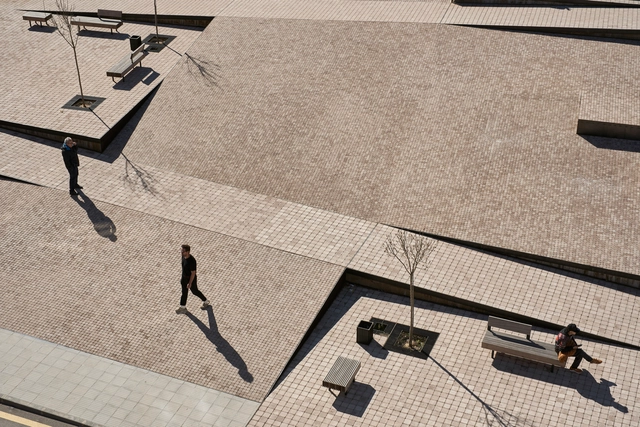
Insights on the Architecture of Public Space as a Driver of Transformation: A Journey Through 10 Projects in Spain

Subscriber Access | 

Spain boasts a vast diversity of natural and urban landscapes, where public space plays a leading role. Its relevance has grown in recent years, solidifying it as a key axis for interaction. Beyond its architectural and landscape qualities, public space offers visitors and citizens high-quality environments that contribute to improving living conditions, whether, in an urban park, a pedestrian axis within the city, or a space simply meant for being in a natural setting and connecting with the territory.

Insights on the Architecture of Public Space as a Driver of Transformation: A Journey Through 10 Projects in Spain - Image 1 of 4Insights on the Architecture of Public Space as a Driver of Transformation: A Journey Through 10 Projects in Spain - Image 2 of 4Insights on the Architecture of Public Space as a Driver of Transformation: A Journey Through 10 Projects in Spain - Image 3 of 4Insights on the Architecture of Public Space as a Driver of Transformation: A Journey Through 10 Projects in Spain - Image 5 of 4Insights on the Architecture of Public Space as a Driver of Transformation: A Journey Through 10 Projects in Spain - More Images+ 12

Social Modern Housing in Spain: Addressing the Crisis with Adaptable and Sustainable Solutions

Subscriber Access | 

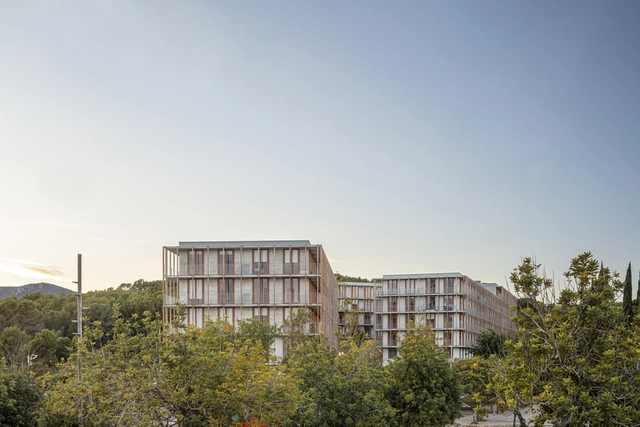
The housing crisis, the need for effective land management policies, and the growing demand for housing aid are global challenges, and Spain has taken significant steps to address these issues in recent years. While this effort is closely tied to rehabilitating obsolete buildings, it also tackles the challenges of densification and gentrification. These factors have prompted the exploration of new housing models and ways of living, leading to the development of affordable residential buildings designed to accommodate large numbers of inhabitants while maintaining high-quality living standards.

Social Modern Housing in Spain: Addressing the Crisis with Adaptable and Sustainable Solutions - Image 1 of 4Social Modern Housing in Spain: Addressing the Crisis with Adaptable and Sustainable Solutions - Image 2 of 4Social Modern Housing in Spain: Addressing the Crisis with Adaptable and Sustainable Solutions - Image 3 of 4Social Modern Housing in Spain: Addressing the Crisis with Adaptable and Sustainable Solutions - Image 4 of 4Social Modern Housing in Spain: Addressing the Crisis with Adaptable and Sustainable Solutions - More Images+ 16

The 'Siestario' Project Representing Argentina at the 2025 Venice Architecture Biennale

The Argentinian Pavilion at 19th Venice Architecture Biennale 2025 showcases 'Siestario,' the winning project by architects Juan Manuel Pachué and Marco Zampieron, with Brian Ejsmont as a collaborator. Both architects, graduates of the Faculty of Architecture, Planning, and Design at the National University of Rosario, are also co-founders of Cooperativa, a space dedicated to organizing architecture competitions. Currently, Pachué and Zampieron practice professionally and teach in the city of Rosario, Argentina.

The 'Siestario' Project Representing Argentina at the 2025 Venice Architecture Biennale - Image 1 of 4The 'Siestario' Project Representing Argentina at the 2025 Venice Architecture Biennale - Image 2 of 4The 'Siestario' Project Representing Argentina at the 2025 Venice Architecture Biennale - Image 3 of 4The 'Siestario' Project Representing Argentina at the 2025 Venice Architecture Biennale - Featured ImageThe 'Siestario' Project Representing Argentina at the 2025 Venice Architecture Biennale - More Images+ 12

Estudio Rare: An Architecture of Experimentation Through Art

Selected as one of ArchDaily's Best New Practices 2024, Estudio Rare defines itself as an interdisciplinary experimental space. Based in Córdoba, Argentina, its three founding partners, Agustín Willnecker, Iván Ferrero, and Mateo Unamuno, met while studying at the Faculty of Architecture of the National University of Córdoba. With a young but notable trajectory, the Rare team offers a free and dynamic perspective on design, architecture, and construction. Their works, regardless of scale or commission, demonstrate a close relationship with art, reflecting the diverse interests and personal backgrounds of each team member and their collaborators.

Estudio Rare: An Architecture of Experimentation Through Art - Image 1 of 4Estudio Rare: An Architecture of Experimentation Through Art - Image 2 of 4Estudio Rare: An Architecture of Experimentation Through Art - Image 3 of 4Estudio Rare: An Architecture of Experimentation Through Art - Image 4 of 4Estudio Rare: An Architecture of Experimentation Through Art - More Images+ 15

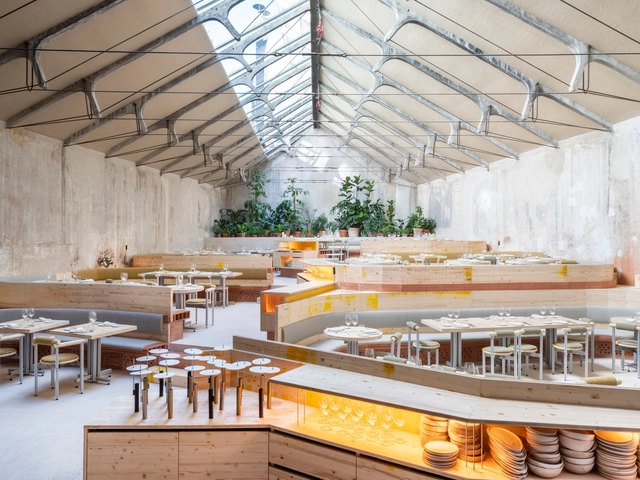
Bars, Cafés, and Shops in Madrid: The Role of Design in Creating Urban Tourism Highlights

Subscriber Access | 

The post-pandemic world has undergone transformations in various aspects, including urban tourism and new modes of travel. With the rise of remote and freelance work, many people now have the freedom to move between cities without needing to establish a permanent residence. This has turned bars, restaurants, and cafés into more than just spaces for consumption: they are now temporary offices and, in many cases, settings for a variety of activities.

On the other hand, shops and retail spaces have evolved to offer more than just the sale of products or services. They have become part of a holistic consumer experience, fostering an emotional connection with users.

Bars, Cafés, and Shops in Madrid: The Role of Design in Creating Urban Tourism Highlights - Image 1 of 4Bars, Cafés, and Shops in Madrid: The Role of Design in Creating Urban Tourism Highlights - Image 2 of 4Bars, Cafés, and Shops in Madrid: The Role of Design in Creating Urban Tourism Highlights - Image 3 of 4Bars, Cafés, and Shops in Madrid: The Role of Design in Creating Urban Tourism Highlights - Image 4 of 4Bars, Cafés, and Shops in Madrid: The Role of Design in Creating Urban Tourism Highlights - More Images+ 21

Reflections and Dialogues on the Climates of Contemporary Habitat: The13th Ibero-American Biennial of Architecture and Urbanism in Lima, Peru

Subscriber Access | 

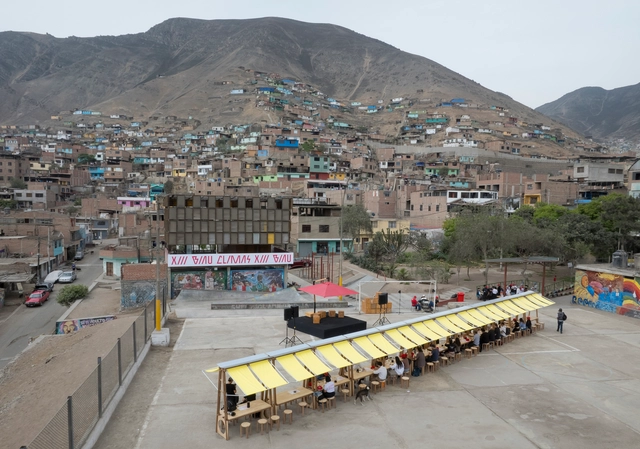
Amid the dynamism and speed that characterize our life in the contemporary world, especially concerning our cities and built environments, it is inevitable to recognize the importance of preserving spaces for pause and reflection, essential for addressing and discussing the key issues of architecture and urbanism that our society urgently needs today. The latest edition of the 13th Ibero-American Biennial of Architecture and Urbanism, held from December 2 to 6 in Lima, Peru, provided a unique gathering for such reflections and dialogues. Under the theme 'CLIMATES: Actions for the Good Living,' the event brought together architects and key figures from the field, who, during a week of roundtable discussions and conferences, focused on the challenges of global contemporary habitation, especially those shared between Spain and Latin America, thus serving as a bridge of knowledge between both contexts.

Reflections and Dialogues on the Climates of Contemporary Habitat: The13th Ibero-American Biennial of Architecture and Urbanism in Lima, Peru - Image 1 of 4Reflections and Dialogues on the Climates of Contemporary Habitat: The13th Ibero-American Biennial of Architecture and Urbanism in Lima, Peru - Image 2 of 4Reflections and Dialogues on the Climates of Contemporary Habitat: The13th Ibero-American Biennial of Architecture and Urbanism in Lima, Peru - Image 3 of 4Reflections and Dialogues on the Climates of Contemporary Habitat: The13th Ibero-American Biennial of Architecture and Urbanism in Lima, Peru - Image 4 of 4Reflections and Dialogues on the Climates of Contemporary Habitat: The13th Ibero-American Biennial of Architecture and Urbanism in Lima, Peru - More Images+ 13

Latin American Architecture Biennial 2025: Meet the 14 Selected Emerging Practices

Subscriber Access | 

The Latin American Architecture Biennial (BAL), which has gained significant relevance in the contemporary architectural scene, will celebrate its ninth edition next year. This meeting gathers emerging Latin American architecture studios in Pamplona, Spain, to share their work, fostering dialogue and debate about the current state of the discipline, as well as acting as a bridge between the Latin American continent and the Spanish context. In this edition, Costa Rica will be the guest country, accompanied by Honduras, El Salvador, Panama, Guatemala, and Nicaragua. As part of this invitation, there will be an exhibition and specific seminars dedicated to analyzing the situation of architecture in these countries.

Latin American Architecture Biennial 2025: Meet the 14 Selected Emerging Practices - Image 1 of 4Latin American Architecture Biennial 2025: Meet the 14 Selected Emerging Practices - Image 2 of 4Latin American Architecture Biennial 2025: Meet the 14 Selected Emerging Practices - Image 3 of 4Latin American Architecture Biennial 2025: Meet the 14 Selected Emerging Practices - Image 4 of 4Latin American Architecture Biennial 2025: Meet the 14 Selected Emerging Practices - More Images+ 9

Interior Courtyards: An Effective Strategy to Improve Space Quality in 15 Residential Projects

Subscriber Access | 

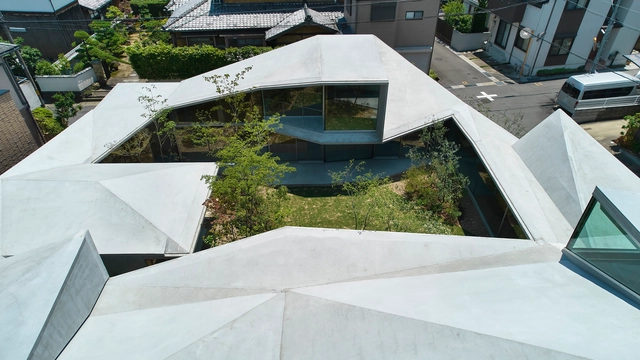
There are many advantages to incorporating interior courtyards in residential projects, both in urban contexts and in more natural surroundings. In both cases, they are a key element in improving the quality of the home's interior space in various ways. Whether in the form of a central cloister, side courtyards, or through perforated slabs and the addition of skylights, these spaces play a vital role in creating a harmonious living environment, offering benefits ranging from the regulation of interior temperature to enhancing social interactions and fostering a close connection with nature.

Interior Courtyards: An Effective Strategy to Improve Space Quality in 15 Residential Projects - Featured ImageInterior Courtyards: An Effective Strategy to Improve Space Quality in 15 Residential Projects - Image 10 of 4Interior Courtyards: An Effective Strategy to Improve Space Quality in 15 Residential Projects - Image 11 of 4Interior Courtyards: An Effective Strategy to Improve Space Quality in 15 Residential Projects - Image 16 of 4Interior Courtyards: An Effective Strategy to Improve Space Quality in 15 Residential Projects - More Images+ 15

In Conversation with Studio Muoto's Gilles Delalex on Their Architecture of Endless Possibilities

Subscriber Access | 

The architecture of Studio Muoto is one that encompasses endless definitions of what architecture should be, but most importantly, of what architecture can become. The scope of work of the Paris-based practice founded in 2003 by Gilles Delalex and Yves Moreau includes projects in the fields of architecture, exhibition design, urban planning, teaching, and research. All of this has led to an architecture of minimal structures that age gracefully, an architecture that evolves and adapts with time, and that is sustainable economically and environmentally.

In Conversation with Studio Muoto's Gilles Delalex on Their Architecture of Endless Possibilities - Image 1 of 4In Conversation with Studio Muoto's Gilles Delalex on Their Architecture of Endless Possibilities - Image 2 of 4In Conversation with Studio Muoto's Gilles Delalex on Their Architecture of Endless Possibilities - Image 3 of 4In Conversation with Studio Muoto's Gilles Delalex on Their Architecture of Endless Possibilities - Image 4 of 4In Conversation with Studio Muoto's Gilles Delalex on Their Architecture of Endless Possibilities - More Images+ 11

Rural Rebellion : Exploring the Works of Christoph Hesse Architects Through the Lens of Time

Subscriber Access | 

The Aedes Architectural Forum in Berlin presents over the next two months the trajectory and works of Christoph Hesse Architects. The exhibition, titled "Rural Rebellion," focuses on the studio's architectural projects that address the challenges of working in rural areas, particularly in Korbach—Hesse's hometown—and other villages across Germany. It highlights how the practice reimagines and reinterprets traditional building methods, translating them into contemporary contexts while emphasizing a collective and collaborative approach to architecture.

Rural Rebellion : Exploring the Works of Christoph Hesse Architects Through the Lens of Time - Image 1 of 4Rural Rebellion : Exploring the Works of Christoph Hesse Architects Through the Lens of Time - Image 2 of 4Rural Rebellion : Exploring the Works of Christoph Hesse Architects Through the Lens of Time - Image 3 of 4Rural Rebellion : Exploring the Works of Christoph Hesse Architects Through the Lens of Time - Image 4 of 4Rural Rebellion : Exploring the Works of Christoph Hesse Architects Through the Lens of Time - More Images+ 26

Architectural Practice as an Exploration of Contemporary Living: Discover the Work of the Argentine Studio IR Arquitectura

Subscriber Access | 

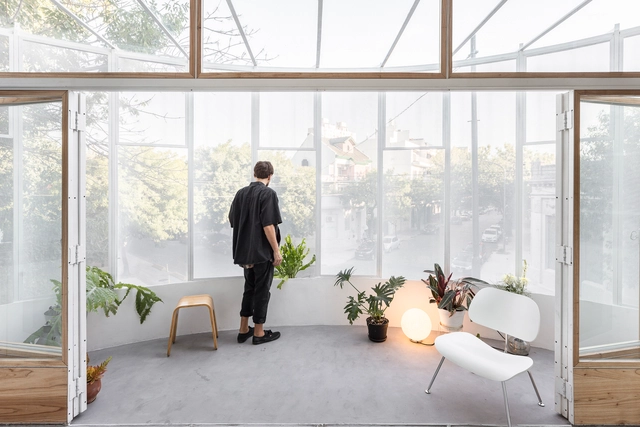
IR Arquitectura is not just a studio; it defines itself as a platform for exploration that integrates architectural practice with tangential topics such as the city, landscape, technology, and sustainability. Founded by Luciano Intile and Enrico Cavaglià, and based in Buenos Aires, Argentina, IR Arquitectura is an interdisciplinary collective comprising architects, designers, and professionals from various fields. Together, they tackle projects of varying scales and natures, seizing each opportunity to explore new solutions and strategies for contemporary living, particularly in urban contexts and in close connection with the environment.


Architectural Practice as an Exploration of Contemporary Living: Discover the Work of the Argentine Studio IR Arquitectura - Image 1 of 4Architectural Practice as an Exploration of Contemporary Living: Discover the Work of the Argentine Studio IR Arquitectura - Image 8 of 4Architectural Practice as an Exploration of Contemporary Living: Discover the Work of the Argentine Studio IR Arquitectura - Image 7 of 4Architectural Practice as an Exploration of Contemporary Living: Discover the Work of the Argentine Studio IR Arquitectura - Image 6 of 4Architectural Practice as an Exploration of Contemporary Living: Discover the Work of the Argentine Studio IR Arquitectura - More Images+ 17

The XIII Ibero-American Biennial of Architecture and Urbanism: Discover the 10 Awarded Projects

Subscriber Access | 

From December 2 to 6, the XIII Ibero-American Biennial of Architecture and Urbanism (BIAU) will be held in Lima, Peru, under the theme CLIMATE: Actions for Good Living. Since 1998, the BIAU, promoted by the government of Spain through the Ministry of Housing and Urban Agenda (MIVAU), in collaboration with the Higher Council of the Colleges of Architects of Spain and with the support of the ARQUIA Foundation, aims to disseminate good practices in architecture and urbanism in Ibero-America, fostering a space for discussion around contemporary challenges shared between Spain and Latin America. Weaving bridges of knowledge between both continents, the BIAU opens its doors once again, now in Lima.

The XIII Ibero-American Biennial of Architecture and Urbanism: Discover the 10 Awarded Projects - Image 1 of 4The XIII Ibero-American Biennial of Architecture and Urbanism: Discover the 10 Awarded Projects - Image 2 of 4The XIII Ibero-American Biennial of Architecture and Urbanism: Discover the 10 Awarded Projects - Image 3 of 4The XIII Ibero-American Biennial of Architecture and Urbanism: Discover the 10 Awarded Projects - Image 4 of 4The XIII Ibero-American Biennial of Architecture and Urbanism: Discover the 10 Awarded Projects - More Images+ 8