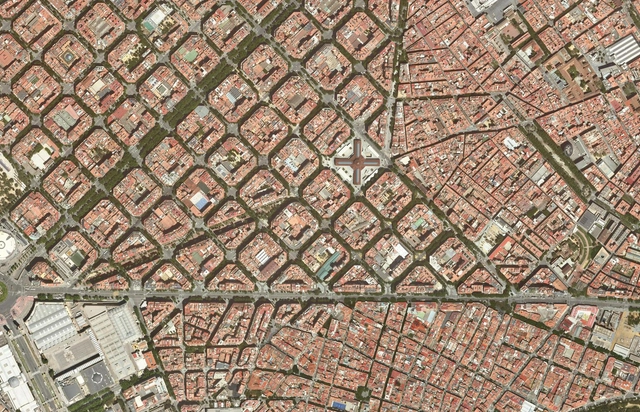
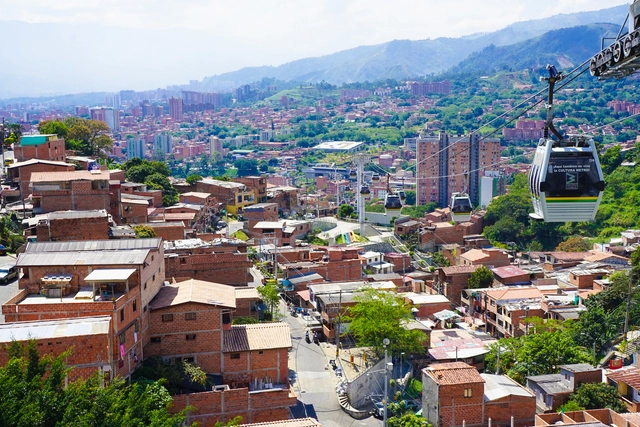
As the world witnesses an unprecedented exodus from rural to urban areas, cities face a monumental challenge: how to accommodate a constantly growing population? This phenomenon, characterized by rapid population growth and increasing density, puts pressure on resources, infrastructure, and urban services. As significant problems demand even larger solutions, it becomes necessary, more than ever, to rethink the tools at our disposal. In this challenging context, the rise of emerging technologies such as the Internet of Things (IoT), data analytics, and artificial intelligence (AI) presents itself as a light at the end of the tunnel. These technologies, initially conceived to simplify everyday tasks and facilitate communication, are potential instruments that enable an effective response to contemporary urban challenges.
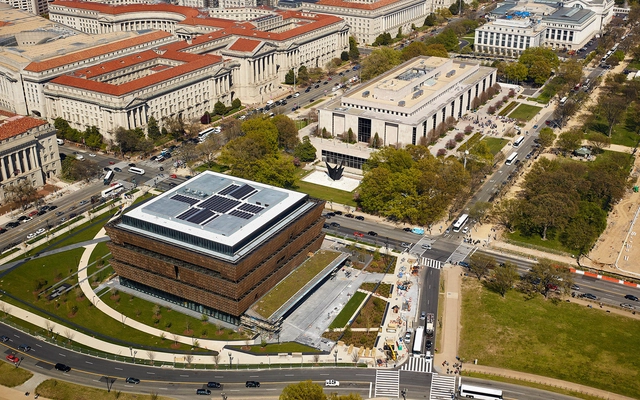
National Public Radio officials thought they had a solid plan. Over a decade ago, they began to create new offices in the NoMa neighborhood of Washington, D.C., to consolidate 800 employees in three buildings. The $201 million adaptive reuse of an old warehouse plus a new seven-story tower opened in 2013 with soaring ceilings, a 24-hour wellness center, a gourmet café staffed by a resident chef, and dozens of bike racks to encourage cycling. There’s only one problem: hardly anyone works there now.
At least three-quarters of densely packed cubicles that dominate entire building floors sat eerily unoccupied during a tour for the American Institute of Architects annual convention, held in June, and it wasn’t because reporters were out covering stories. Due to work-at-home policies, few writers and editors take advantage of the building’s $44 million in top-shelf audio and multimedia equipment, 14 studios, and six recording booths.
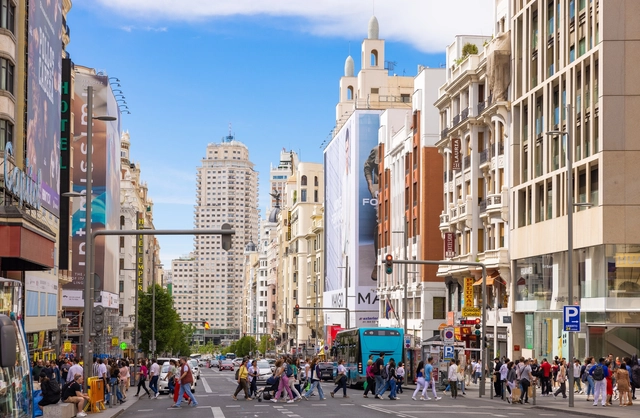
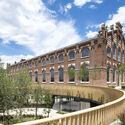
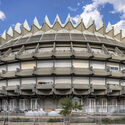
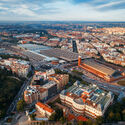
Madrid, the vibrant capital of Spain, offers a blend of tradition and modernity, reflected in its diverse architectural heritage. This rich past is etched into the old façades, expansive public spaces, and historic religious institutions that define much of Madrid’s character today. The city’s continuous architectural renewal, reflected in both respectful restorations and innovative new constructions, highlights Madrid’s commitment to preserving its heritage while embracing modernity.
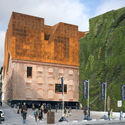
In the 20th century, Madrid embraced modernity, influenced by movements such as Rationalism, the International Style, and Brutalism. Today, Madrid is a showcase for contemporary design, where contemporary projects by renowned architects coexist with its historical legacy. Structures like the CaixaForum by Herzog & de Meuron and Jean Nouvel’s Reina Sofía Museum exemplify the city’s interest in architectural explorations
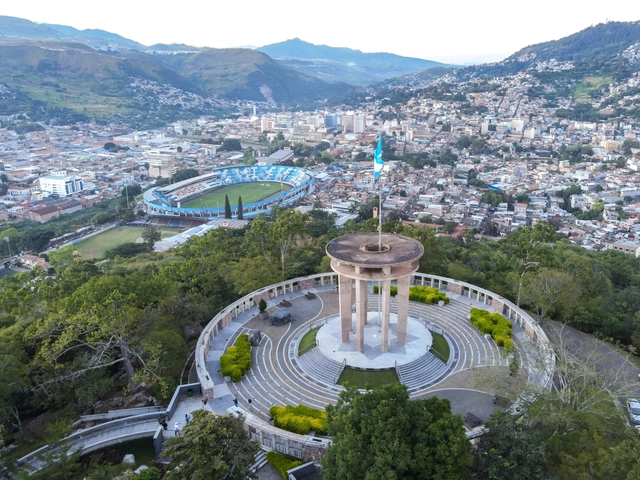
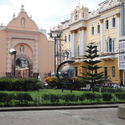
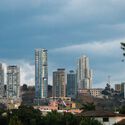
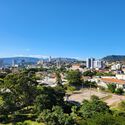
In the first decades of the XXI century, Honduras experienced higher levels of crime and violence compared to its other Central American neighbors. This situation caused the country to be largely avoided by most visitors and investors. However, it didn’t stop Tegucigalpa, its capital city, from experiencing an explosion of residential and office developments which are currently reshaping its skyline. Defined by a unique topography, and tropical weather, the city served as a testing ground for modernist urban principles that contributed to the transformation of a small mining town into one of the largest metropolises in Central America.
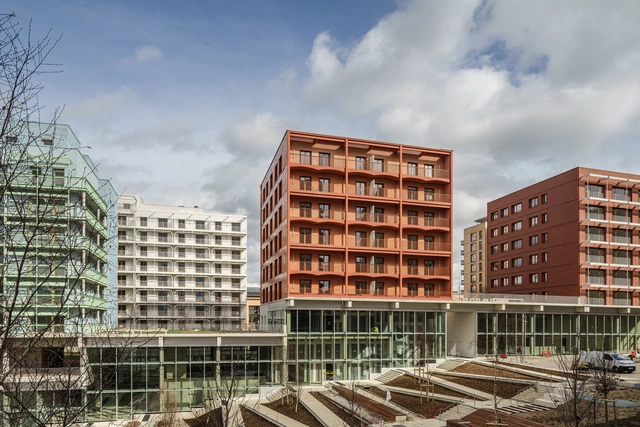
The first Olympic village was built for the 1924 Summer Games in Paris. Before this, athletes stayed in hotels, hostels, schools, headquarters, and even on the ships that brought them to the host cities. Pierre de Coubertin, co-founder of the International Olympic Committee (IOC), proposed the idea of an Olympic village. He realized it would be more cost-effective to house athletes in temporary structures rather than hotels. He believed the village would also create a sense of community among the international competitors.
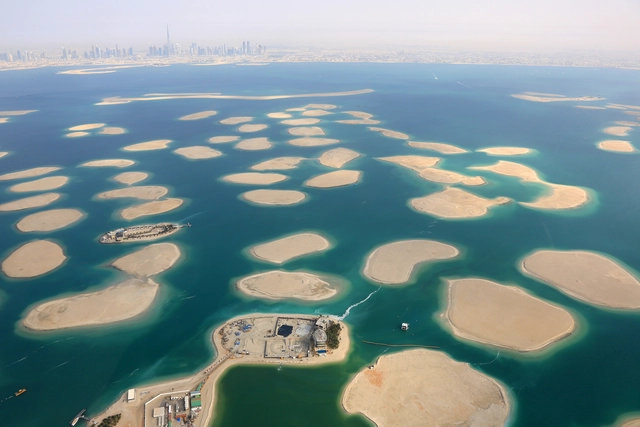
Contrary to common belief, artificial islands have a lengthy historical background in many regions worldwide. This heritage dates back to the reclaimed islands in Ancient Egypt, the hundreds of Stilt crannogs found in Scottish and Irish lakes and waterways, and the ceremonial islands constructed during the Aztec Empire. By definition, an artificial island is an island that has been constructed by humans rather than formed through natural processes. Artificial islands can be built for many different reasons, and these reasons are only increasing as the world faces the looming issue of space scarcity.
In the past, these islands were intended for ceremonial or agricultural purposes, often verging on solutions for urban space. More recently, the islands have been built to mitigate overcrowding, reclaim land, provide new urban expansions, and meet infrastructure and industrial needs. Artificial islands also have certain strategic advantages and economic gains and can lead to geopolitical benefits. However, these types of projects come at a significant cost to our ecosystem, harming the environment in severe and vast ways.
When addressing accessibility in architecture, codes set the baseline, while design defines the ceiling. Although numerous guidelines exist, creating spaces for everyone goes beyond mere adherence to standards. It requires a deep understanding of the environment and a broad perspective, recognizing that what we design will be used by people with diverse bodies, abilities, and conditions far beyond those traditionally considered typical users.
Furthermore, designing environments poses the challenge of inclusivity, ensuring that individuals who do not fit the standard profile—such as people with disabilities, pregnant women, those using assistive devices, and individuals of varying ages, body types, etc—are not excluded. The principles of Universal Design, established in 1997 by the NC State University College of Design and led by Ronald L. Mace, offer a transformative perspective in this context. This approach influences various design fields, including the built environment, products, and communications. When applied to architecture, it fosters the creation of spaces that work for everyone, minimizing the need for adaptations or specialized design.
https://www.archdaily.com/1019661/how-do-the-7-principles-of-universal-design-help-us-create-better-architectureEnrique Tovar
Recent news headlines from the African continent show a variety of urgent issues affecting urban centers: severe flooding threatens Kenya's capital, Nairobi; the light rail system in Addis Ababa, Ethiopia, is faltering after a successful start. Meanwhile, in Egypt's capital, Cairo, new infrastructure and housing expenditures proved too steep and necessitated a government bailout. African cities face a plethora of problems but they also hold the potential to improve countless lives. As South America shares stark similarities in its history with that of Africa, it could provide both a point of reference and a positive example for tackling these concerns at an urban level.
For decades, the construction industry followed a familiar rhythm: design came first, materials followed. The pressing need for sustainable buildings has shattered this routine. Material selection is no longer an afterthought, but a critical decision made at the outset, with the potential to dramatically reduce a project's environmental footprint. This shift is even more crucial given the construction industry's appetite for raw materials – a staggering 3 billion tons extracted annually. To navigate this new landscape, digital material libraries and data-driven evaluation are emerging as powerful tools, creating a culture where materiality takes center stage to shape a more sustainable built environment.
Graduate Thesis 2023 Merit Award project by Mackenzie Champlin with advisor Ramiro Diaz Granados
For over 50 years, SCI-Arc has driven students to advance design stewardship in new directions. Renowned for its avant-garde approach and its commitment to pushing the boundaries of architecture, SCI-Arc's Master of Architecture 1 (M.Arch 1) program exemplifies these qualities through a uniquely structured and forward-thinking curriculum. Fostering technical expertise and critical discourse, the M.Arch 1 program propels graduates to lifelong success in not only architecture but also in leading creative fields like AI, gaming, virtual reality, and film-based world building.
As major cities continue to develop, we face intriguing challenges regarding the preservation and adaptive reuse of significant buildings, sites, and artifacts. This poses a complex question that involves political history, architectural theory, and cultural significance. Adaptive reuse extends beyond architectural and spatial designs; it allows cities and communities to reflect, reevaluate, and reinterpret their history from different perspectives. However, unlike books and words, buildings may not withstand the test of time themselves and serve as firsthand evidence of the stories they tell. How should we question ourselves on what to preserve and demolish? How can communities be involved in the active restoration or adaptation of historic buildings?
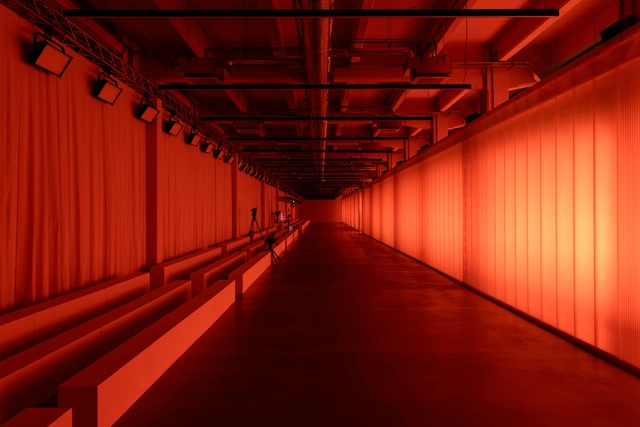
Named one of ArchDaily’s Best New Practices of 2024, (ab)Normal is redefining the boundaries of contemporary inspiration, architecture, and design. This Milan-based interdisciplinary studio, led by architects Mattia Inselvini, Davide Masserini, and Luigi Savio, aims to seamlessly merge architecture, product design, and creative direction into a cohesive practice. Founded in 2017 alongside Marcello Carpino, (ab)Normal's work spans various domains, including art, culture, design, interiors, and fashion. Their projects traverse multiple scales and formats, moving between the virtual and tangible, ephemeral and permanent, speculative and commercial, while integrating iconic elements with nods to popular culture and focusing on the implications of technological progress. Acting as Creative Director for the built environment, (ab)Normal operates across scales and formats, moving between the virtual and tangible, ephemeral and permanent, performative and static.
New York City’s skyline tells the tale of the region’s dated relationship with architectural innovation and style. Among the many materials that cloak the city’s built environment, terracotta has a distinct significance. The clay-based material was a prominent feature in buildings from the late 1800s to the 1920s and, after a brief pause, is experiencing a resurgence with contemporary design. The revival pays homage to The Big Apple’s architectural heritage while leading a movement for sustainable materials in the city.
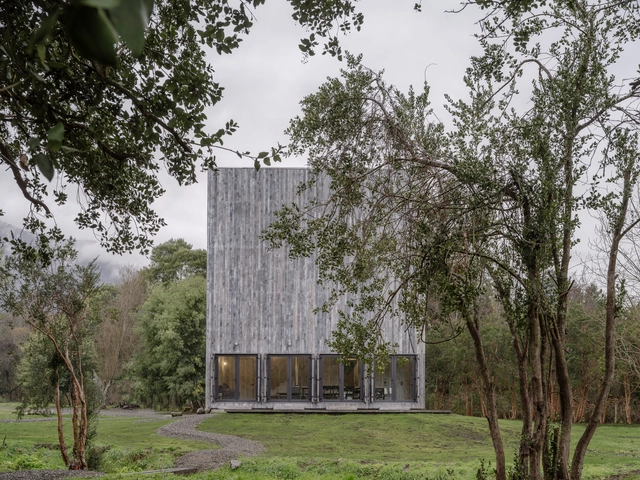
The use of wood in Chilean house construction reflects the utilization of a renewable resource available in the country. Moreover, it can be an extremely sustainable material when produced and processed under certain conditions, as it can have a very low carbon footprint. It is characterized by its warmth, resistance, and durability as a construction system.
Every fresh design idea needs a unique design solution. Even the greatest concept needs help and support to turn it into something tangible and beautiful, and a fully formed experience.
The 5,500 m2 MODplus facility in Thiva, Greece, incorporates a design studio and state-of-the-art factory, with a team devoted to tailor-making premium furniture for homes, hospitality, retail, and contemporary workspaces internationally. It is a hub for problem-solving and innovative production, with departments devoted to woodwork, vacuum form shaping, industrial paint applications, metalwork, upholstery, and polyurethane molding. The company has spent years developing relationships with customers, creating totally unique experiences through furniture. Each project they have worked on to date has been a dialogue, helping designers bring to fruition something that may start out as an abstract idea.
https://www.archdaily.com/1019145/tailor-made-furniture-for-unique-design-in-hotels-homes-and-retail-spacesMark C. O'Flaherty
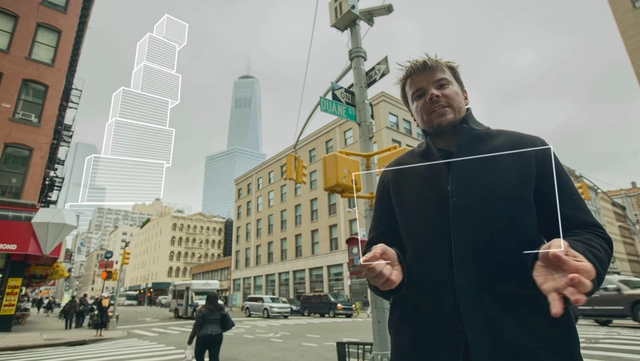
2 World Trade Center Video Clip / BIG, Squint/Opera. Image Courtesy of BIG
Architectural presentations to clients typically include renders, diagrams, and drawings. Interpreting these and envisioning the final product requires imagination and architectural insight to fill in the gaps and visualize a final product. BIG and Squint/Opera, a partnership between an architectural powerhouse and a creative digital studio, explore innovative methods to convey spatial and architectural design beyond traditional means. They reimagine architectural storytelling beyond static 2D visuals through cutting-edge video production and immersive technology, enabling clients and the general public to fully experience their futuristic visions of city planning and architectural design. Their notable collaborations include the video production for the Toyota Woven City Project and the creation of the VR collaborative design tool HyperForm.
In a conversation with ArchDaily, Daniel Sundlin, partner at BIG, and Matt Quinn, Commercial Director at Squint/Opera, discuss their insights on the future of architectural digital storytelling.
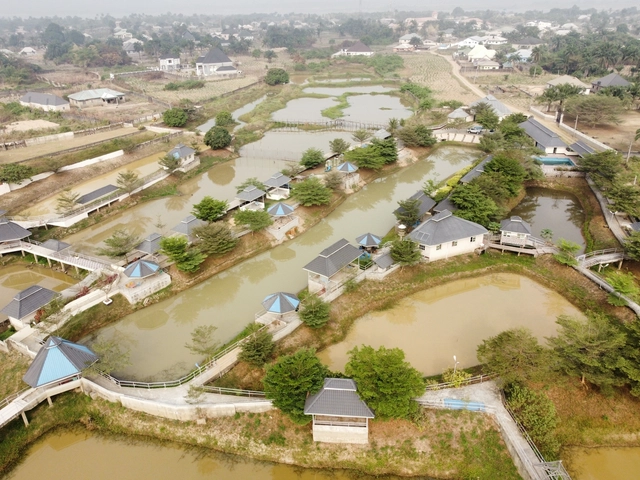
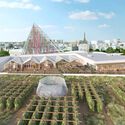
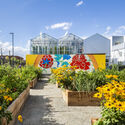
A recent report from Nigeria’s Ministry of Agriculture predicts that at least 31.5 million citizens may experience a food and nutrition crisis between June and August of this year. This alarming data highlights the severity of the food crisis that has progressively escalated over the last few years. The high prices of fruits and vegetables and their dwindling supply in local markets are already evident, as major staples disappear from food tables. This situation portends a bleak future for Nigeria as most people struggle to make ends meet, even in better times.
https://www.archdaily.com/1019622/urban-farming-a-sustainable-pathway-out-of-nigerias-unfolding-food-crisisMathias Agbo, Jr.
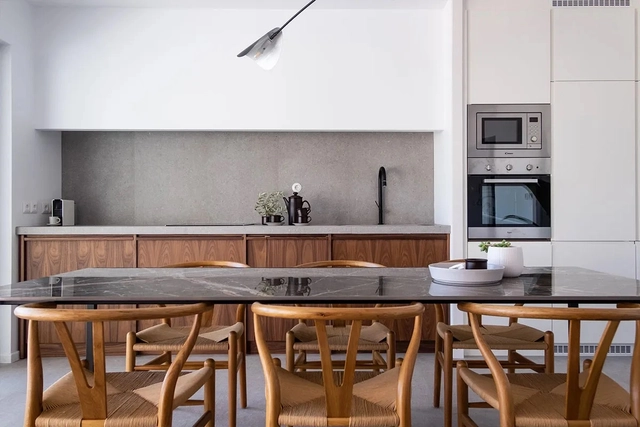
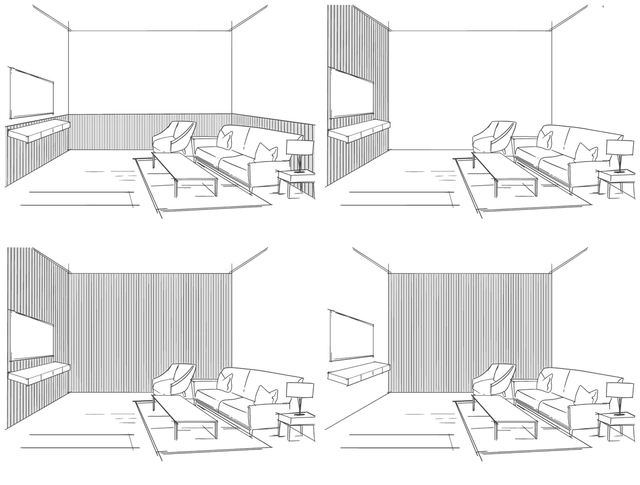
How we perceive space is a crucial aspect of architecture and interior design, profoundly influencing our interaction with the environment. Consequently, spatial perception is shaped by elements such as furniture arrangement, lighting, color choices, and materials. The latter is particularly significant, as the same material can be employed in various ways, resulting in atmospheres with unique characteristics.
Fluted cladding is a good example of the potential for variations in material use. These are milled MDF surfaces with a linear pattern designed to decorate interior walls and ceilings. They can be applied to a variety of surfaces, though they should only be used in areas not exposed to humidity. The system is notable for its ability to accentuate space through different configurations. Depending on their arrangement and type of fluting, these configurations can modify the spatial experience by highlighting, directing, enveloping, and achieving visual balance in homes, offices, commercial spaces, and more.
https://www.archdaily.com/1019443/how-to-use-fluted-cladding-on-interior-wallsEnrique Tovar