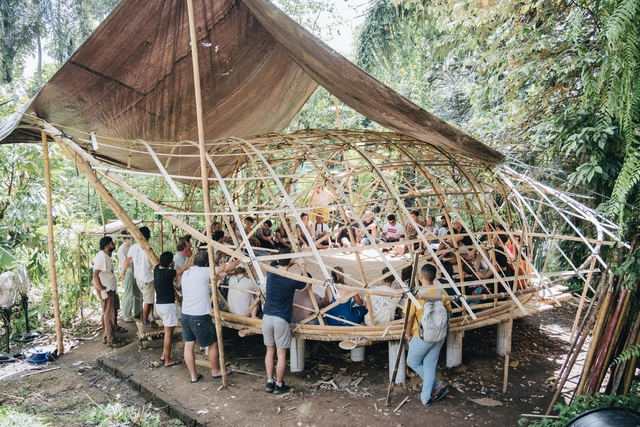
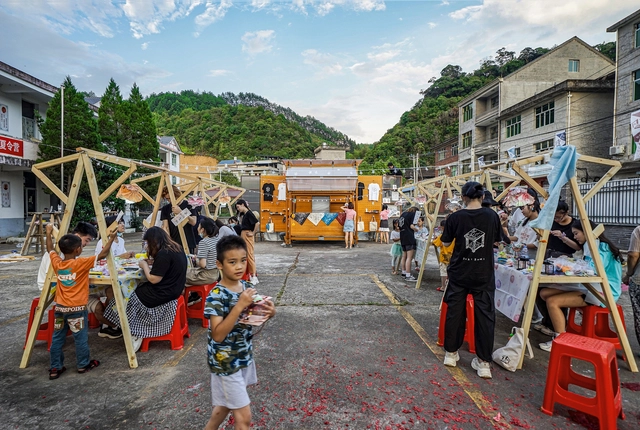
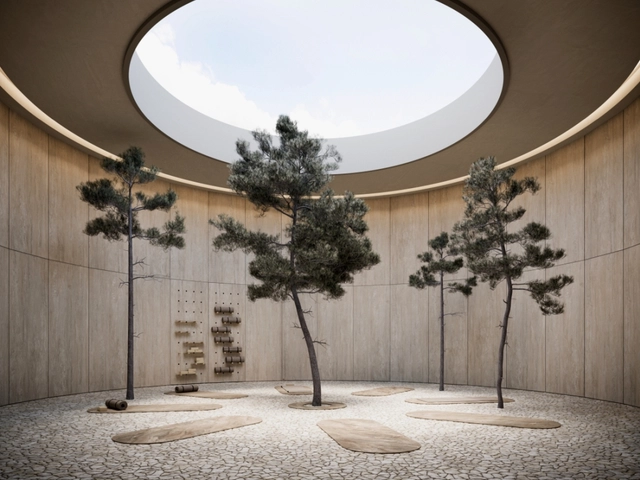
The Kul Kul Farm was born with the purpose of sharing knowledge of how to design, build, grow, make, and create with nature in mind. Promoting values that respect and care for the Earth while strengthening community bonds, the farm has become a beacon of sustainability and connection with the natural environment. In 2015, Maria and Orin started this project with the intention to inspire and empower both local Balinese and tourists to live a life more connected to the natural world. Although they initially promoted their values through permaculture, they soon realized the world was ready and hungry for the knowledge, skill, and inspiration to design homes and spaces connected to nature, and a whole new movement had started to grow in their own backyard—the bamboo movement.
https://www.archdaily.com/1019173/the-kul-kul-farm-and-bamboo-u-empowering-people-to-build-a-better-world-with-bambooMaría Clara Falquez
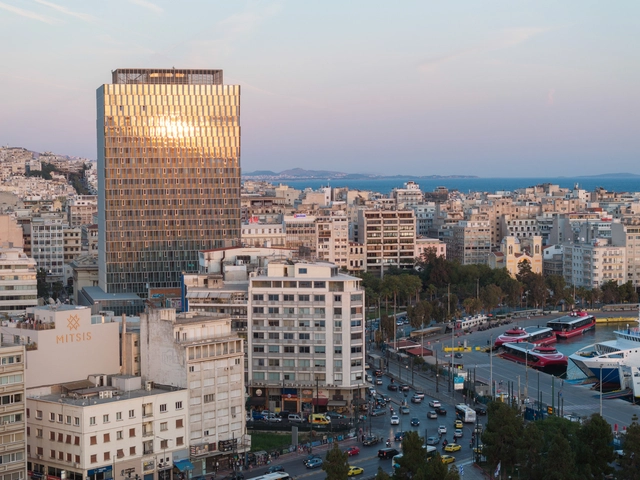
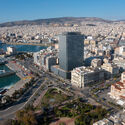
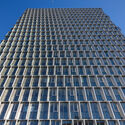
The landmark of Piraeus, located in the heart of the largest passenger port in Europe, began construction in 1972 but remained unfinished and vacant for decades. Finally completed in 2023, after an international competition, it now stands as Greece's first green and digital skyscraper. The architectural firm PILA took on the design of the facades, while the office ASPA-KST designed the commercial spaces, and the new general architectural study was entrusted to Betaplan. After over four years of renovation, Piraeus Tower officially opened its doors to tenants and visitors on June 4th with a night of celebrations, establishing itself as a bustling hub and injecting vitality into the area.
Renowned for its advanced approach to architectural education, SCI-Arc's Master of Architecture 2 (M.Arch 2) program stands out as a transformative experience for aspiring architects. Tailored for students with a background in architecture, the M.Arch 2 curriculum is a two-year intensive program designed to foster creativity, technical expertise, and critical thinking, preparing graduates for a dynamic and evolving professional landscape. Students in SCI-Arc’s M.Arch 2 program build a worldwide professional network of peers, faculty, and professionals, opening doors to collaboration, mentorship, career opportunities, and meaningful contributions on a global scale. SCI-Arc’s M.Arch 2 alumni have achieved some of the highest honors and recognition possible for architecture and design.
CityMakers, The Global Community of Architects Who Learn from Exemplary Cities and Their Makers, is working with ArchDaily to publish a series of articles about Barcelona, Medellin, and Rotterdam. The authors are the architects, urban planners, and/or strategists of the projects that have transformed these three cities, which are visited in the "Schools of Cities" and studied in the "Documentary-Courses" made by CityMakers. On this occasion, Alejandro Restrepo Montoya, Director of Urban Planning and Architecture of Medellín, presents his article "Environmental Urbanism and Urban Geographies, Medellín 2024-2027"
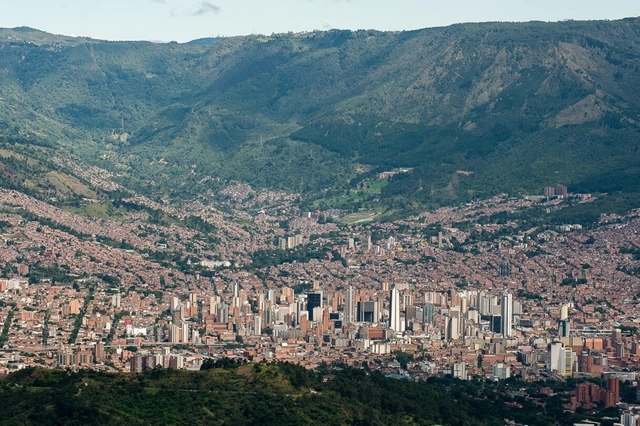
Medellín's urban plan focuses on answering how urban planning can improve people's quality of life. By developing its proposal, the city is promoting the social benefits that these urban planning practices can generate. Medellín emphasizes the use of natural and environmental conditions, such as valleys, streams, rivers, mountains, and hills, to develop urban planning criteria that address social needs.
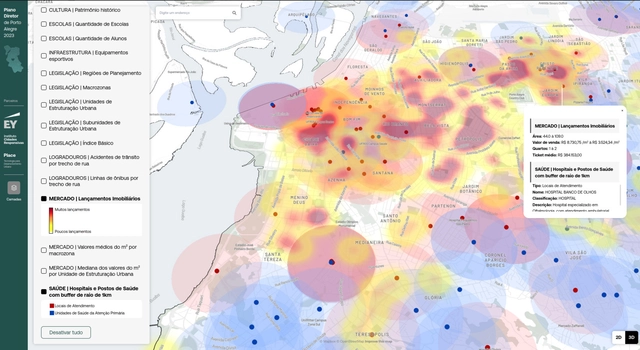
Musicians, advertisers, and renowned chefs are just some of the professionals who initially found inspiration and training in architecture before changing course. Beyond designing buildings, architecture promotes a comprehensive view of space, aesthetics, and functionality—all valuable skills in various fields. Architects are trained to think creatively and solve complex problems, applying this expertise to the development of all kinds of projects. With the help of technology and artificial intelligence tools, this field can expand even further. Contemporary urban development, in particular, faces complex challenges that require innovative solutions. An example of architects venturing into different areas beyond design or construction sites is the OSPA Group, based in Porto Alegre, Brazil. Although it began as an architecture firm, over the years it evolved to include three main vertical activities, each playing a crucial role in urban development: the Responsive Cities Institute, Urbe.me, and Place.
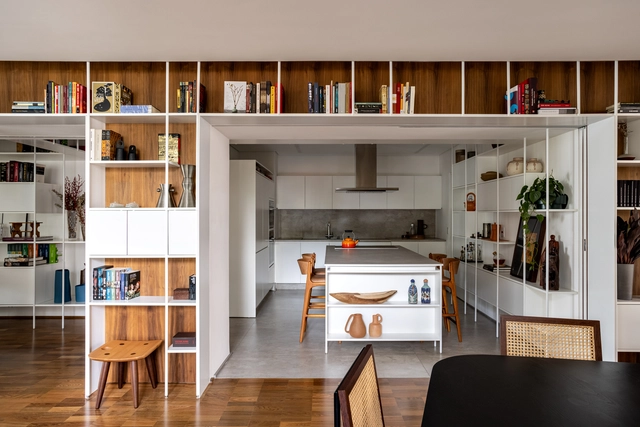
Beyond the wide variety of landscape, environmental, economic, social, and cultural particularities that distinguish each region of Latin America, the renovation of interior spaces that make up domestic life generally focuses on achieving the greatest possible integration of environments along with providing flexibility, spaciousness, and better conditions for ventilation and natural lighting. Seeking to revalue unused spaces and/or give them a second life, renovations aim to transform the ways of living through strategies capable of involving the restoration of materials, the preservation of structures, the maintenance of installations, and more.
In the whirlwind of daily life, a large majority of urban centers transform to accommodate new functions and/or needs demanded by their populations, seeking to improve, renovate, or update the infrastructures, equipment, networks, and spaces that enable community life. Although times change, and with them, many buildings that once served important protective or sheltering functions start to become obsolete. However, the heritage they leave behind reflects the passage of time and provides a living testimony of their history, contributing to the consolidation of identity and the recognition of a sense of belonging.
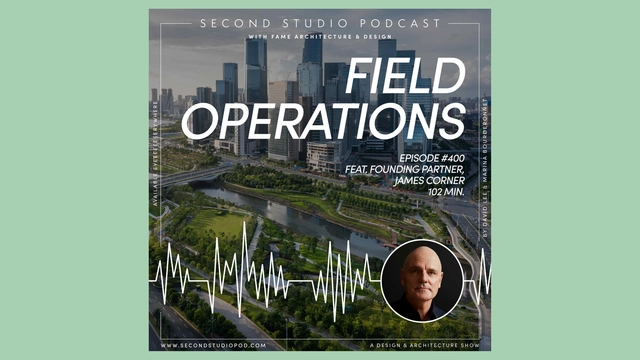
The Second Studio (formerly The Midnight Charette) is an explicit podcast about design, architecture, and the everyday. Hosted by Architects David Lee and Marina Bourderonnet, it features different creative professionals in unscripted conversations that allow for thoughtful takes and personal discussions.
A variety of subjects are covered with honesty and humor: some episodes are interviews, while others are tips for fellow designers, reviews of buildings and other projects, or casual explorations of everyday life and design. The Second Studio is also available on iTunes, Spotify, and YouTube.
This week David and Marina of FAME Architecture & Design are joined by James Corner, Founding Partner of Field Operations to discuss his background; early interests; education in landscape architecture and urban design; the value of urban design; the difference between architecture and landscape architecture; design competitions; Field Operations' practice structure; the Highline Project; and more.
https://www.archdaily.com/1019416/the-second-studio-podcast-james-corner-founding-partner-of-field-operationsThe Second Studio Podcast
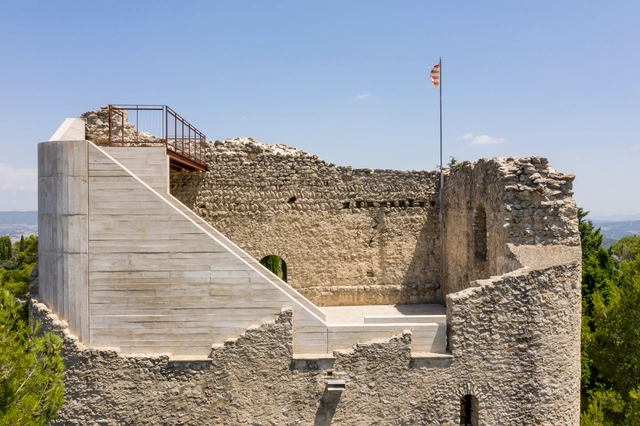
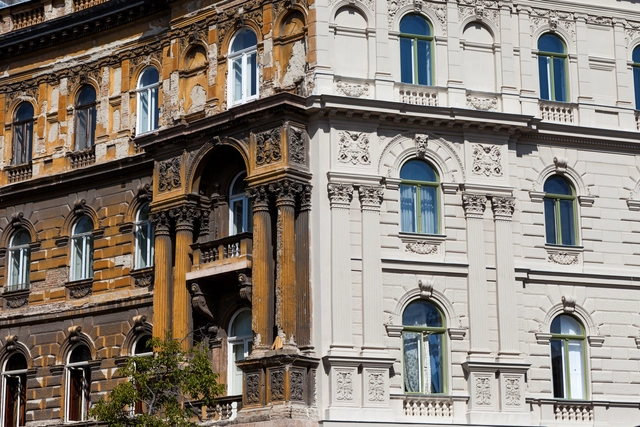
Listed buildings are important architectural testaments to a society's rich and diverse history. Formally recognizing these buildings protects their significant architectural elements from alterations and demolitions while creating socio-economic avenues to aid their conservation. However, these buildings also run at risk of being alienated from new materials and modern building systems that allow them to function optimally today.
Integrating new materials and building services without interfering with the building’s original character is a unique design challenge. Whether adding new materials during structural renovations or integrating modern fire protection systems, there is a need for sensitivity and balance. This applies to various elements of listed buildings, including walls, floors, roofing, and façades, ensuring they are future-proofed for an extended lifespan.
Courtesy of SCHOOL OF ARCHITECTURE AND URBAN PLANNING, NANJING UNIVERSITY
Reading a book is commonly seen as an individual activity, yet libraries have evolved to offer more than just book-lending services in the digital age. Public libraries have transformed into contemporary community centers, offering various social engagement opportunities while utilizing minimal urban space. Emphasizing the importance of building a sense of community, these institutions prioritize connecting individuals with common interests.
Kazuki Masaki: Culture and Landscape. Image Courtesy of SCI-Arc
SCI-Arc’s Master of Science in Synthetic Landscapes (M.S. Synthetic Landscapes) program offers an innovative and interdisciplinary approach to landscape architecture, blending ecological thinking with advanced design technologies. This one-year postgraduate program prepares students to address complex environmental challenges through creative and sustainable design solutions, helping students to develop the curiosity critical for creativity. It offers a culture of advanced design scholarship that questions traditional models of research and practice. Here's a detailed look at the program's curriculum:
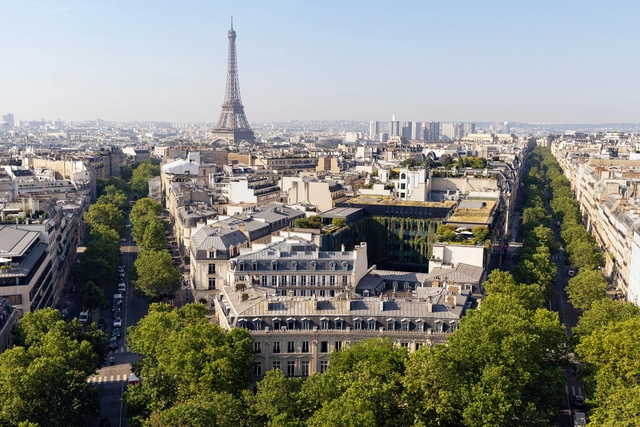
In 1900, Paris hosted its first Olympic games. It had been the second city to host them after the first Olympics in Athens. It was also the year of the Exposition Universelle, where the city would again showcase how it remade itself anew in less than 30 years. To this day, Paris remains a hub for all sorts of architectural innovation and development through bold designs that affect how people live and new materials and techniques. It fascinatingly juxtaposes grandeur and monumentalism with its predominately baroque, “second empire,” and art nouveau works; while also pushing for designs that strive for social living reforms such as in Le Corbusier’s experimental works or Lacaton & Vassal’s considerate interventions.
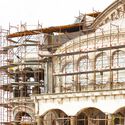
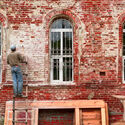
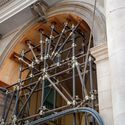
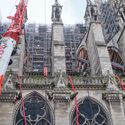
It’s this openness to the world that attracts not only millions of visitors a year but also innovators and architects who have set up shop in Paris and made it their second home. Once again, the city reworks itself as mass construction, renovation, and restoration sites culminate all over the city to host international athletes at the 2024 Olympics.
The relentless drumbeat of climate disasters in the headlines—scorching heat waves, raging wildfires, historic floods, crippling droughts—are no longer a series of anomalies. As a grim new reality across much of the globe, these extreme weather events, driven by human-induced climate change, are becoming more frequent and severe. In short, they are clearly symptomatic of a broader and more pervasive environmental crisis.
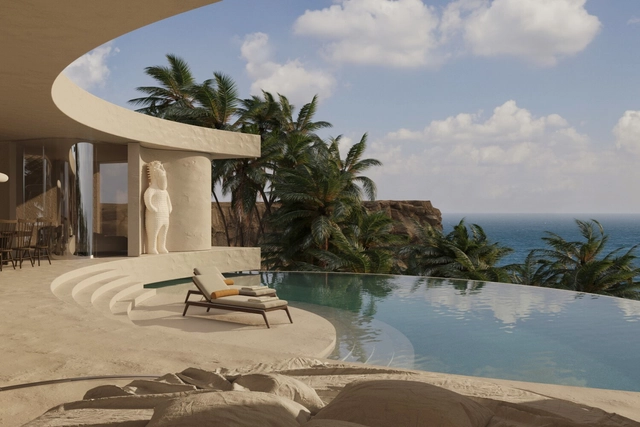
Tourist facilities such as resorts and hotels are often an engaging case study for architects and architecture enthusiasts, as they strive to combine functional and accessible design with locally-influenced cultural expressions. These structures often require unique solutions to meet the diverse needs of guests, including comfort, aesthetics, and functionality. Their design and construction also impact local economies and environments, providing opportunities for architects to contribute to sustainable tourism and community development.
This week's curated selection of Best Unbuilt Architecture highlights projects submitted by the ArchDaily community that offer tourist accommodation in unique settings, including the beaches of the Caribean, the Caucasus mountain range in Georgia, the urban setting of Oslo, or the wine-making region of Puglia in Italy. Featuring projects from emerging and established architectural offices such as WilkinsonEyre, Oppenheim Architecture, Powerhouse Company, or 3GATTI, the selection showcases architectural designs that reimagine tourist facilities and reflect the diversity of their environmental and cultural contexts.
Third prize, Main category: Agata Gała of blank studio, Poland
Awards and prizes are vital to professional ecosystems in supporting talent and new ideas; for the design industry, competitions encourage creative minds to leap beyond the bounds of practicality to imagine the future, solve problems and build new communities. Expanding impact with international breadth and egalitarian opportunities, competitions often provide space for emerging talents and students, providing support, mentorship and experience to develop their careers and process.
For Polish ceramics manufacturer Ceramika Paradyż, hosting the Paradyż Designers Competition brings together all of these values, alongside an innovative way to challenge how its products can function. This year, the third edition challenged architects and designers to craft imaginative digital designs using a new series of sintered stones, TRI-D. The natural product, a baked composite of quartz, feldspars, clays or kaolins, performs as an alternative to natural stone; extraordinarily durable, tiles retain their aesthetic from the surface to the cross section, making them ideal for worktops, windowsills and fireplaces, yet in fact, the possibilities are endless.
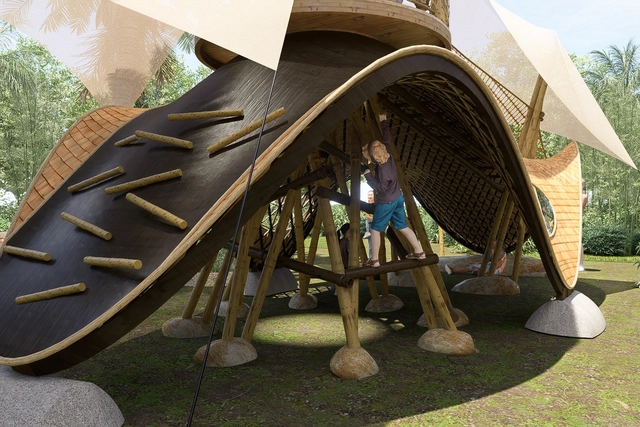
Early this year, Bamboo U and IBUKU launched The Bamboo Playground Design Contest, inviting architects, designers, and creative minds to submit innovative proposals for a sustainable and visually captivating playground for children exclusively constructed using bamboo. The aim of this contest was to explore the versatility of bamboo as a construction material, showcasing its potential for sustainable, aesthetically pleasing, and functional designs.
Bamboo U is an education enterprise that has grown out of the center of the world's bamboo-building movement in Bali, Indonesia. Together with renowned design firm IBUKU, they have been pioneering bamboo architecture for 10+ years, sharing everything they know about bamboo design and sustainable architecture.
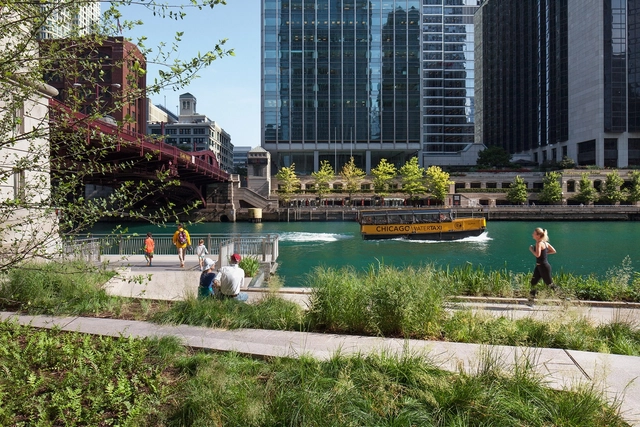
Chicago's urban history is a dynamic saga of innovation, resilience, and architectural prowess. From its early days as a bustling trade hub on Lake Michigan's shores to its transformation into a global metropolis, the Windy City has continually reinvented itself. Iconic events like the Great Chicago Fire of 1871 catalyzed a wave of architectural ingenuity and today, contemporary architects like the city’s own Jeanne Gang and SOM continue to shape its skyline with groundbreaking designs, while sustainable projects and adaptive reuse of historic buildings showcase the city's commitment to blending heritage with forward-thinking urban development. Whether it's the sleek Aqua Tower or the vibrant Riverwalk, Chicago continues to stand as a testament to the endless possibilities of urban innovation and design.
One of the city's most notable achievements is its role as the birthplace of the skyscraper. In the late 19th century, architects like Louis Sullivan and Daniel Burnham pioneered the use of steel-frame construction, allowing buildings to reach unprecedented heights. This innovation not only transformed Chicago's skyline, but also set a precedent for urban centers worldwide, positioning the city as a global leader in architectural design.