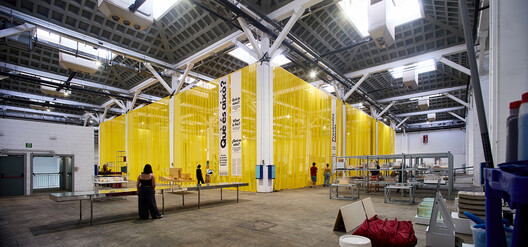
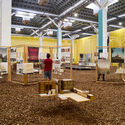
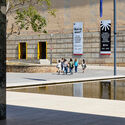
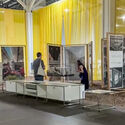
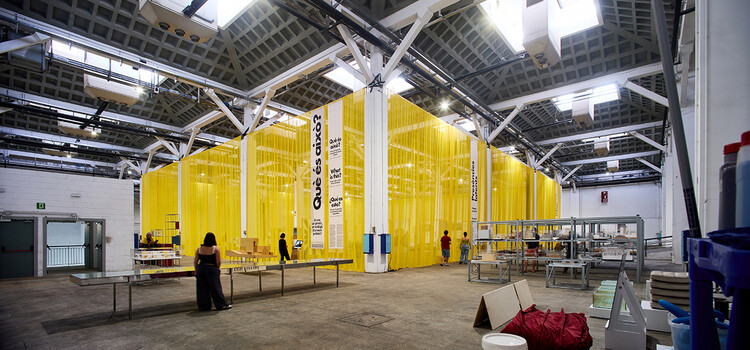
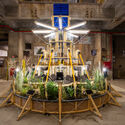
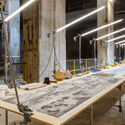
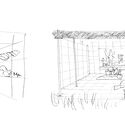
The exhibition What is This? A Spa, a Gym, a Zoo for Tiny Animals? is on view at the Palau Victòria Eugènia in Barcelona from May 11 to July 5, 2026. Organized by the Fundació Mies van der Rohe and curated by Anna Sala and Ivan Blasi, the exhibition presents the institution's archive through a new curatorial framework, bringing together architectural models, drawings, documents, films, and records of artistic interventions that have taken place at the Barcelona Pavilion since 1986. Open daily with free admission, the exhibition invites visitors to engage with the archive as both a historical collection and an evolving record of architectural discourse.
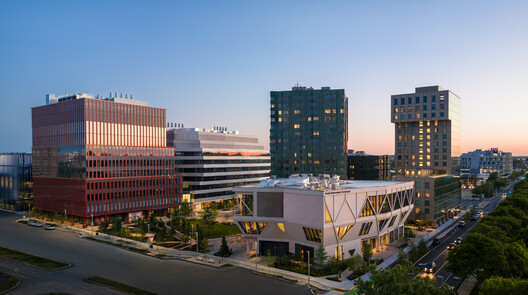
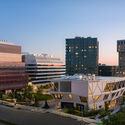
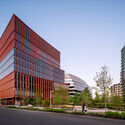
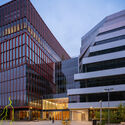
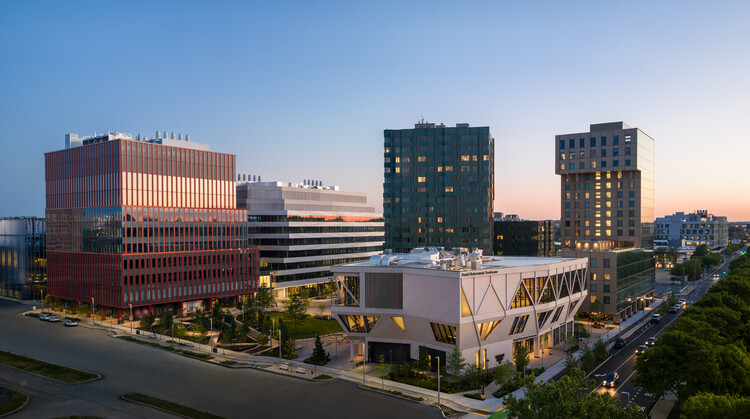
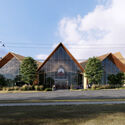
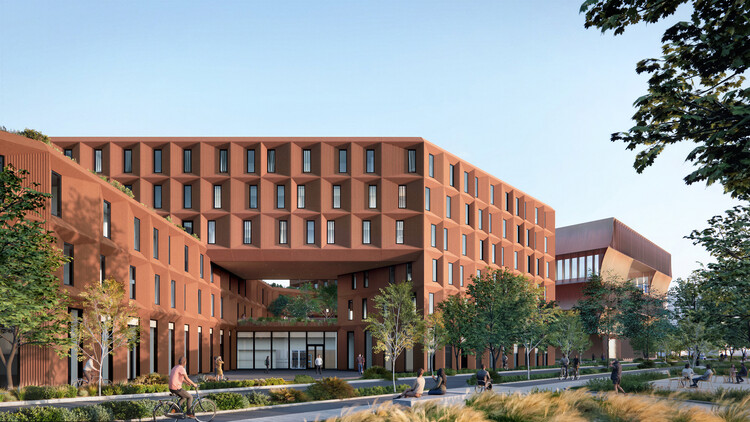
International firms Studio Gang and Henning Larsen have completed the first phase of the Enterprise Research Campus (ERC), a 14-acre mixed-use district in Boston's Allston neighborhood. Located on the southwest end of the ERC, the campus is intended to serve as a hub for creativity, science, and entrepreneurship. Its recently inaugurated two-building complex, spanning 47,380 sqm, was designed to serve Greater Boston's scientific community. The two firms began collaborating on the project in 2019 with the co-design of a strategic framework plan, breaking ground on One Milestone in 2023.
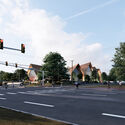
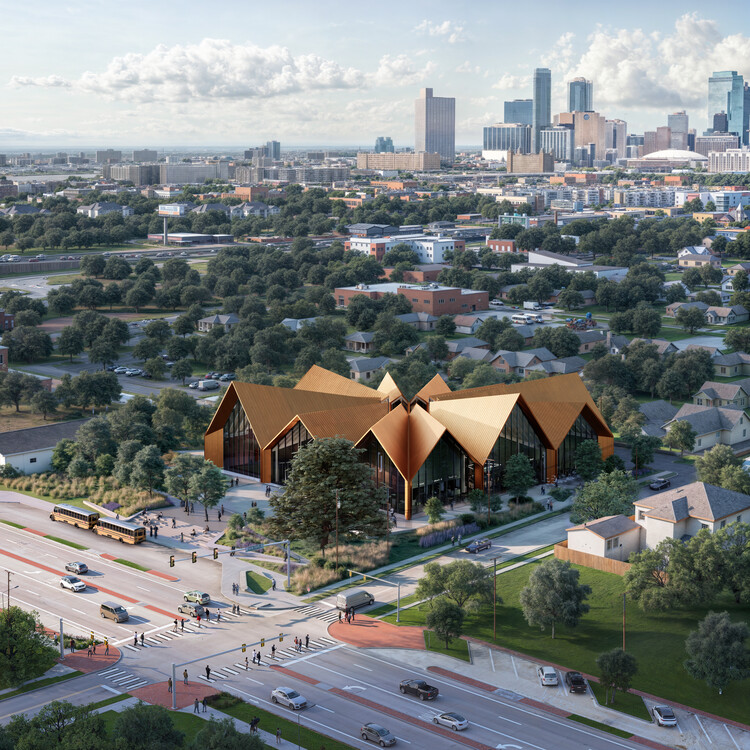
Bjarke Ingels Group (BIG) has unveiled new images of the National Juneteenth Museum, offering a closer look at the design of the 72,000-square-foot institution planned for Fort Worth, Texas. Designed in collaboration with Alligood Song Architecture and architect of record KAI Enterprises, the project is scheduled to begin construction in fall 2026 and will serve as a national center dedicated to preserving the history and legacy of Juneteenth. Led by activist Dr. Opal Lee, widely recognized as the "Grandmother of Juneteenth," the museum combines exhibition spaces with community-oriented programs intended to support both cultural preservation and neighborhood revitalization.
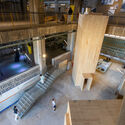
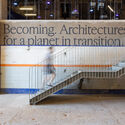
The UIA 2026, the 29th edition of the triennial international event for architectural dialogue organised by the International Union of Architects, has opened its doors on Sunday, June 28th, with an inaugural event held at Three Chimneys, a former power plant in Sant Adrià de Besòs. Each Congress focuses on a pressing topic relevant to the profession, articulated through a central theme. The topic for 2026 is "Becoming. Architectures for a Planet in Transition," calling for a broad and critical overview of the possible futures of architecture. The event runs through July 2, 2026, as a distributed event across multiple venues and urban contexts. With a multidisciplinary approach, Barcelona, the UNESCO World Capital of Architecture 2026, is set to become a global laboratory and hub for debating forthcoming ecological, social, material, and cultural transitions.
Three decades after it first hosted the event, Barcelona once again becomes the host of the global disciplinary debate. The UIA World Congress of Architects 2026 Barcelona aims to bring together 10,000 professionals, students, and institutional representatives from more than 130 countries. Discussions address topics such as the climate emergency, the housing crisis, the circularity and sustainability of materials, and the evolution of public space at large and small scales, as well as more specific topics such as the future role and responsibility of architectural awards or conferences dedicated to the DANA floods in Valencia. The daily program will be marked by two plenary sessions each day, at the start (09:00) and at the end (16:45).
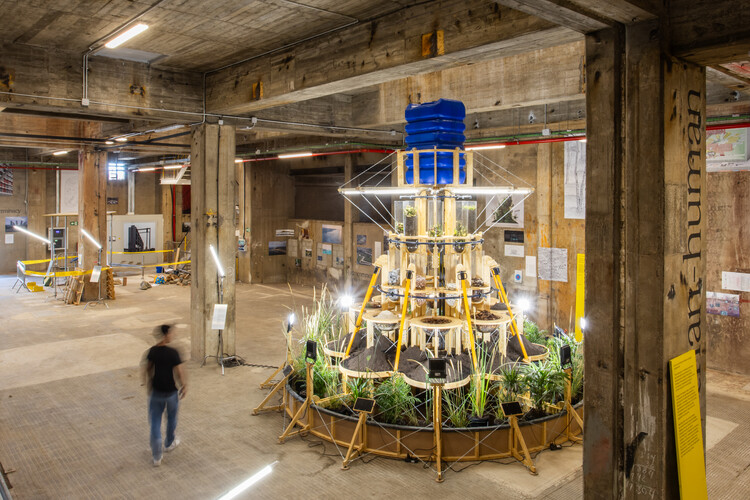
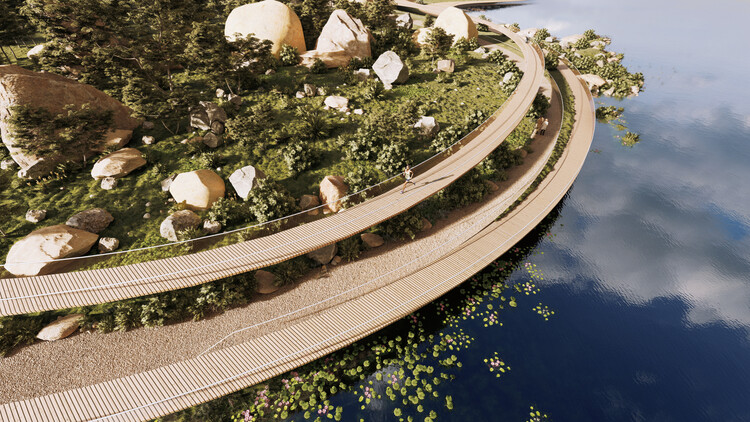
Faced with the reality that climate change is making cities increasingly unlivable, citizens are confronted with the choice of either leaving or transforming their environments. The unbuilt projects compiled in this article offer transformative alternatives for more livable cities, combining construction, architectural, and landscape design strategies across urban parks and suburban interstitial spaces. As ecological laboratories, they incorporate a multispecies perspective into the design process, adopting a concept of time better suited to the development of ecosystems.
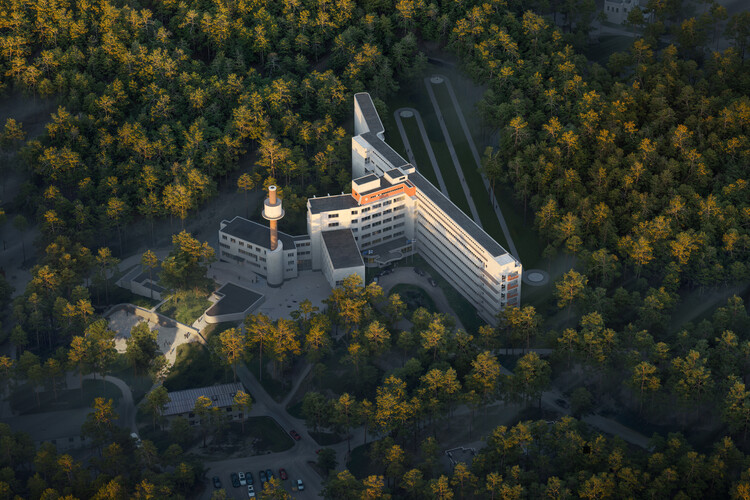
Aino and Alvar Aalto's Paimio Sanatorium is a recognized example of modern architecture for healing, representing a patient-centered approach to hygienism that treated the building itself as a medical instrument. Built between 1929 and 1933, it was designed as a nature-oriented tuberculosis sanatorium, later used as a hospital, and today operates as a tourist attraction. The property comprises the main building together with fourteen additional structures, granted protection in Finland in 1993 under the Finnish Building Protection Act. The complex was included on UNESCO's tentative list in 2004 and is part of the "Aalto Works" nomination, with a decision expected in July 2026. Snøhetta has developed a masterplan representing a new vision for the modernist complex, reimagining it as a destination combining hospitality, wellness, cultural spaces, and arenas for international dialogue.
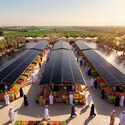
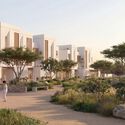
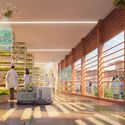
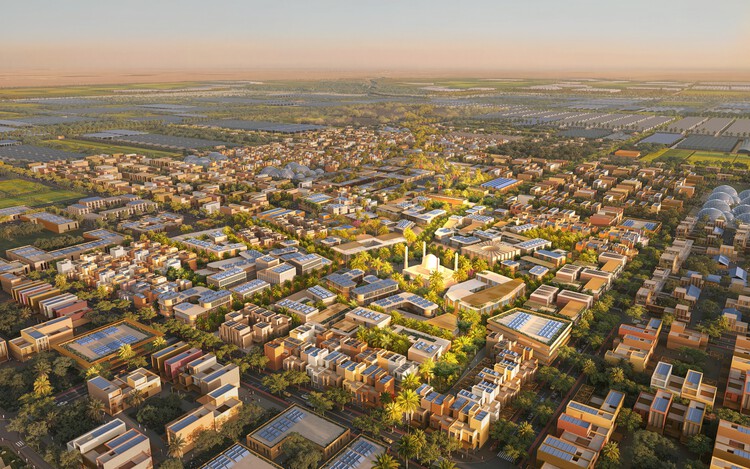
Foster + Partners, in collaboration with Dar Al-Handasah, has revealed the master plan for Al Najd Agricultural City in Dhofar, southern Oman. Covering approximately 54 million square feet, the development is conceived as a self-sustaining agricultural and urban settlement designed to respond to the region's environmental conditions and agricultural landscape. Commissioned by the Ministry of Housing and Urban Planning and the Ministry of Agriculture, Fisheries, and Water Resources, the project forms part of the objectives outlined in Oman Vision 2040, which seeks to strengthen food security, diversify the national economy, and support sustainable development initiatives.
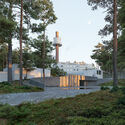
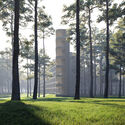
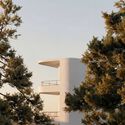
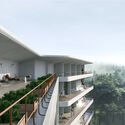
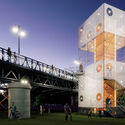
From projects and institutions that reinforce the relationship between art and architecture to initiatives seeking new approaches to persistent urban and ecological challenges, this week's developments reflect a broader effort to reconsider established frameworks and expand the role of design in contemporary society. Whether through adaptive reuse, policy innovation, artistic experimentation, or critical research, architects and cultural organizations are exploring how existing systems can be transformed to address emerging realities. These questions resonate across new architectural projects that translate environmental conditions and civic aspirations into built form. In Chicago, the completion of the Obama Presidential Center positions architecture as a vehicle for public memory, while in Albania, OODA's Lighthouse reinterprets local landscapes and traditions through a tower overlooking the Adriatic coast. Meanwhile, Heatherwick Studio's proposed AlUla Manara visitor centre responds to the conditions of Saudi Arabia's desert landscape, combining scientific research and tourism within a destination dedicated to observing the night sky.
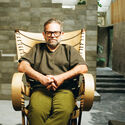
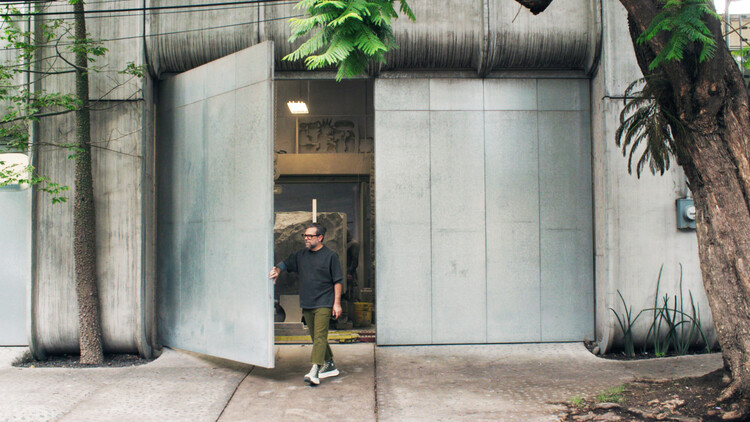
Mexican sculptor Pedro Reyes has developed a multidisciplinary practice that spans sculpture, architecture, social engagement, and activism. Trained as an architect, Reyes approaches sculpture as both a material and a collective process, combining traditional stone carving with participatory projects that address contemporary social issues. His work frequently explores transformation, whether through physical materials or community action, positioning sculpture as a tool for reimagining social realities. In a 2025 interview with Louisiana Channel, Reyes discusses the influence of architecture on his artistic practice, the concept of "social sculpture," and the importance of preserving craft traditions in an increasingly automated world.
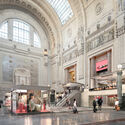
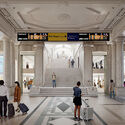
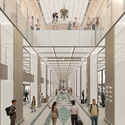
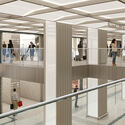
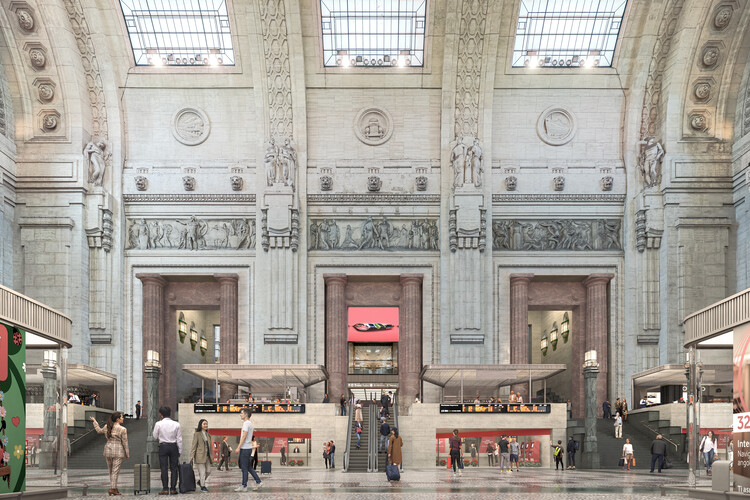
Milano Centrale is the main train station in northern Italy and the second-largest station in Italy behind Roma Termini. The building was officially opened on July 1, 1931, replacing the city's first central station, which opened in 1864. The construction was intended to showcase the power of then-Prime Minister Mussolini's fascist regime, with a notorious scale, massive arches, and an imposing facade. Following a private competition promoted by Grandi Stazioni Retail, Park, an Italian interdisciplinary collective, was selected to redesign the station's ground floor and mezzanine levels, transforming the historic city landmark into a contemporary urban platform.
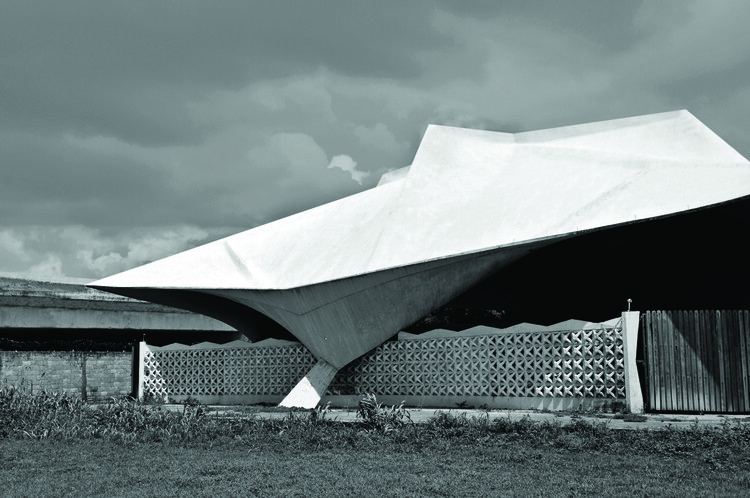
Alex Martínez Suárez, “View of Erwin Cott and Manuel Salvador Gautier, Capilla del Hogar Escuela Salesiana de Haina, Santo Domingo, República Dominicana, built 1965,” 2013. From the 2026 grant to Alex Martínez Suárez for the publication “Concrete under the Sun: Brutalism in the Dominican Republic”. Image Courtesy of Alex Martínez Suárez
The Graham Foundation has announced the recipients of its 2026 Grants to Individuals program, awarding a total of $506,000 to 54 projects that investigate architecture through exhibitions, films, publications, and research initiatives. Selected from more than 600 submissions to the Foundation's September 2025 application cycle, the grants support work by 86 architects, artists, curators, designers, filmmakers, historians, scholars, and writers, reflecting a broad range of interdisciplinary approaches to the built environment and its cultural, social, and political dimensions.
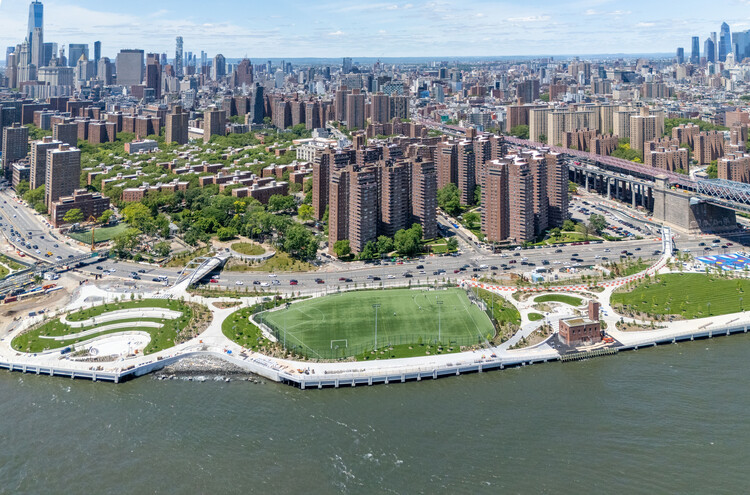
The New York City local government is one of the largest of its kind, with hundreds of city agencies and elected offices. The Mayor, city agencies, the city council, the comptroller, the public advocate, the borough presidents, and community boards organize to provide services and improve the quality of life in the biggest city in the United States and a primary tourist destination. Like other metropolises in the world, urban developers and authorities in New York are facing common challenges: the atmospheric effects and permanent consequences of the climate crisis, the saturation of transport systems, the lack of housing units, and barriers to accessing adequate housing. During June, the New York City mayor's office announcements addressed traffic and mobility, sports events, immigration, and extreme heat. In recent months, a series of policies have been announced to address a larger problem: ensuring access to housing for a greater number of people through government action.
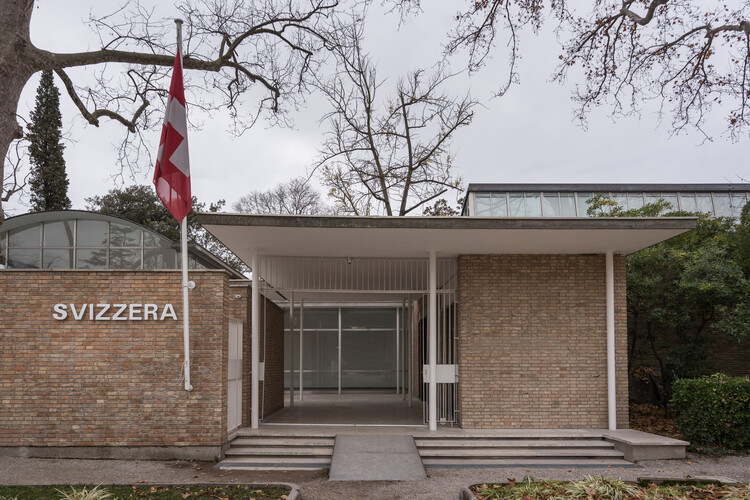
Architect and urbanist Paola Viganò has been selected by Pro Helvetia to curate the Swiss Pavilion at the 20th International Architecture Exhibition – La Biennale di Venezia. Chosen following a unanimous recommendation from the selection jury, Viganò's proposal explores water as a territorial, ecological, and political condition, taking Switzerland's role as "Europe's water tower" as its conceptual point of departure. Developed with StudioPaolaViganò and an interdisciplinary team, the project examines water not only as a resource but also as a subject, a legal entity, and a force that shapes landscapes, infrastructures, and the built environment.
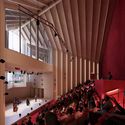
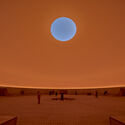
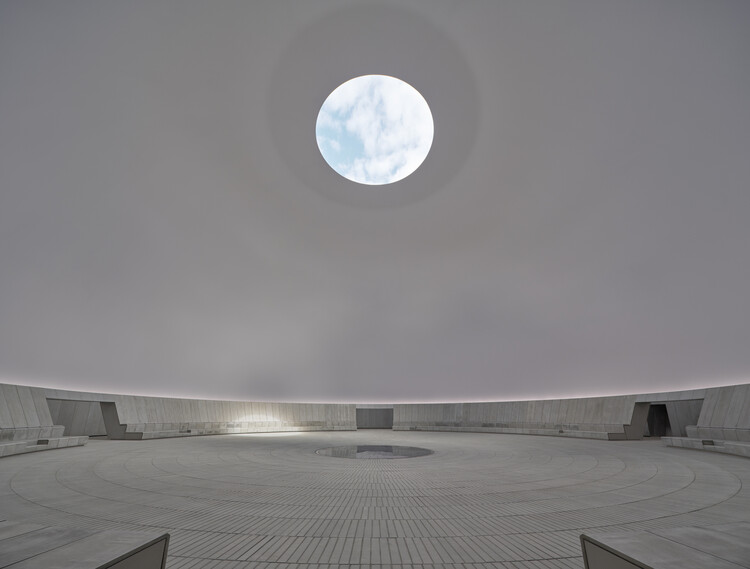
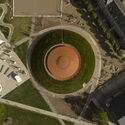
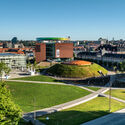
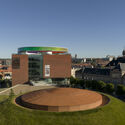
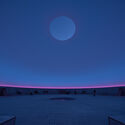
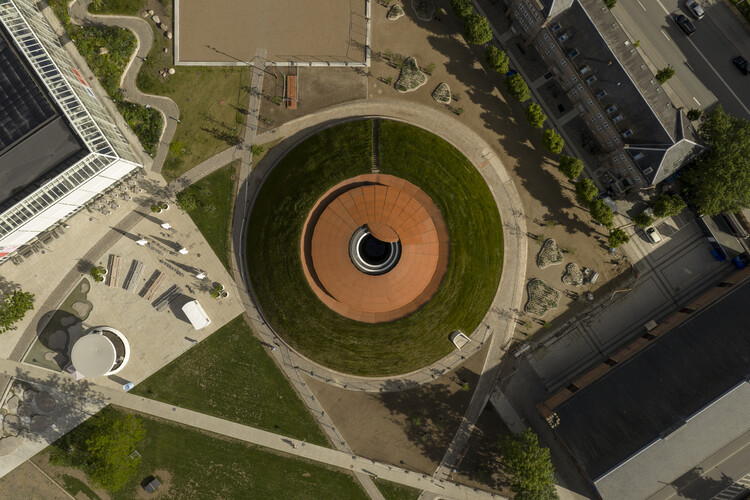
Denmark's ARoS AarhusArt Museum has unveiled As Seen Below – The Dome, a new Skyspace by American artist James Turrell that completes The Next Level, the museum's approximately 4,000-square-metre underground expansion designed by Schmidt Hammer Lassen. Opened to the public on 19 June 2026, the project marks the culmination of more than two decades of collaboration between the City of Aarhus, ARoS, and the Danish architecture practice, following the completion of the museum building in 2004 and the addition of Olafur Eliasson's Your Rainbow Panorama in 2011. Located beneath the redesigned Musikhusparken in central Aarhus, the installation forms the centerpiece of the museum's latest expansion and adds a new large-scale work by Turrell to its collection.
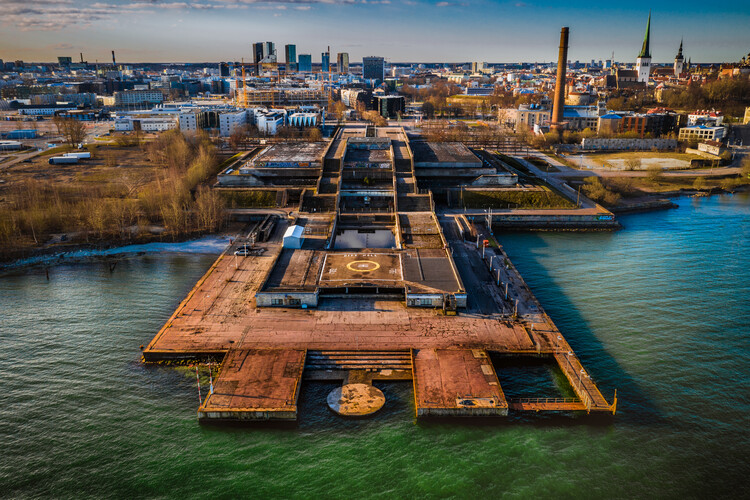
Following its 7th edition in 2024, an event centered around the theme "Resources For a Future," the Tallinn Architecture Biennale is coming back in 2026 with the question of "How Much?" Organised by the Estonian Centre for Architecture and curated by Stuudio TÄNA, Mark Aleksander Fischer, and Mira Samonig. From September 9 to November 30, 2026, the biennale will explore the relationship between constraint, cost, and architecture, often in the margins of the architectural discourse but inevitably shaping the built environment, to ultimately unlock new ways of understanding the meaning of value, affordability, and responsibility in architecture. The organization recently released the full program of exhibitions, workshops, concerts, family events, and films for TAB 2026, addressed to both architects and the general public.