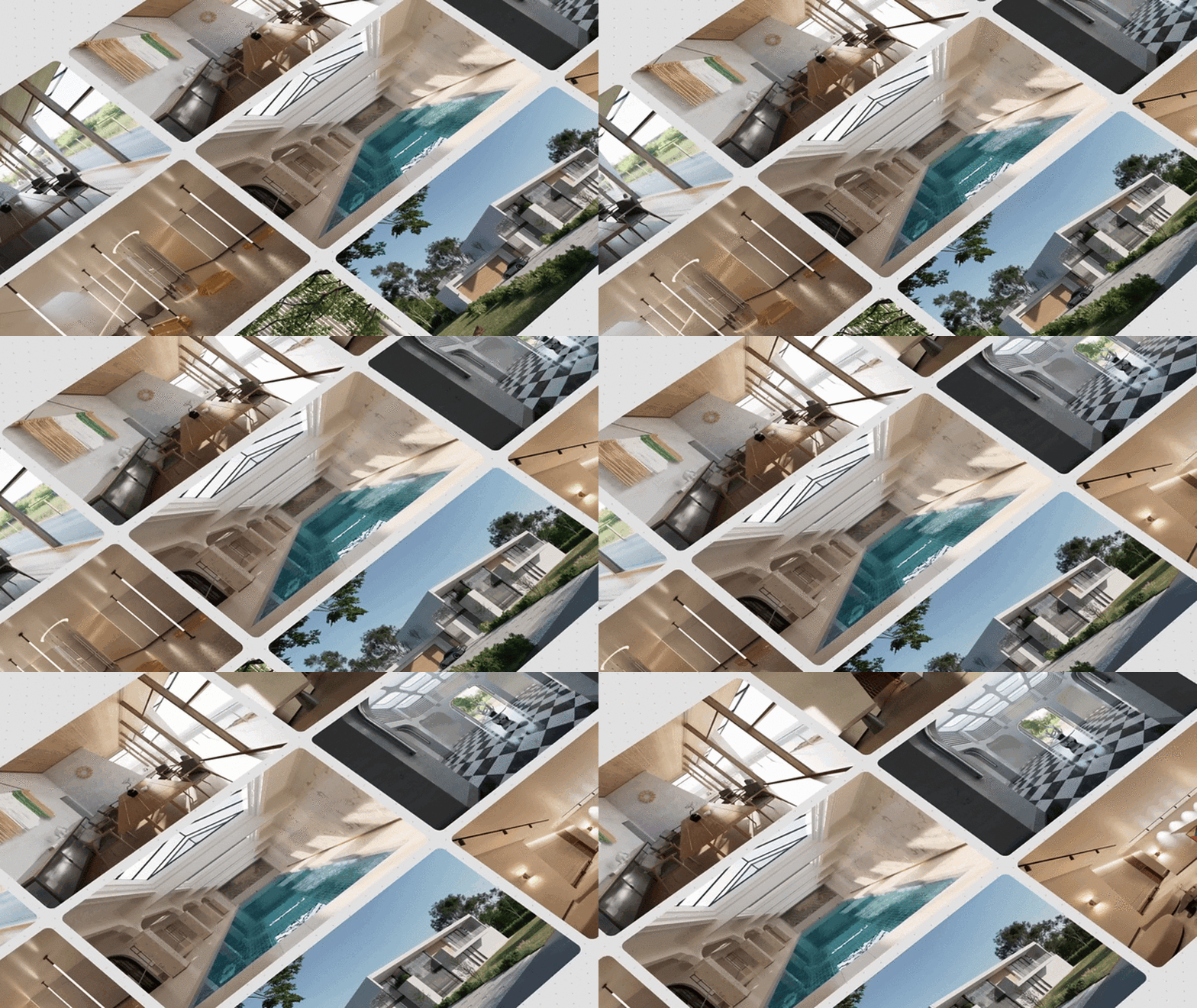
How to visualize architectural concepts in SketchUp using D5 Lite for faster design exploration.
How to visualize architectural concepts in SketchUp using D5 Lite for faster design exploration.

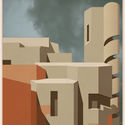
Architecture can be understood through many prisms but is often seen solely as the response to material demands - housing, leisure, commerce, etc. But perhaps no space is more emotionally and symbolically loaded than that of sacred spaces. Designing spaces for worship (religious or otherwise) can be one of the most creative and liberating tasks of this profession. These spaces transcend the terrestrial plane of mere material to become part of a universe of subjectivity and faith.
We present below a series of illustrations of such spaces by André Chiote, featuring famed architectural works by designers such as Gottfried Bohm, Oscar Niemeyer, and Peter Zumthor.
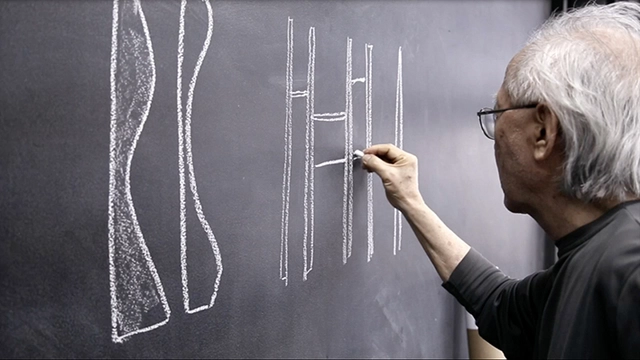
An overview of the work of Ruy Ohtake, spanning from his early career as a recent graduate to his current projects, will be featured in two exhibitions in São Paulo. While the Museu da Casa Brasileira exhibits about 40 projects, either built or under construction, curated by Agnaldo Farias, the Instituto Tomie Ohtake showcases his work as a designer, featuring approximately 25 pieces selected by curators Fábio Magalhães, Marili Brandão, and Priscyla Gomes.
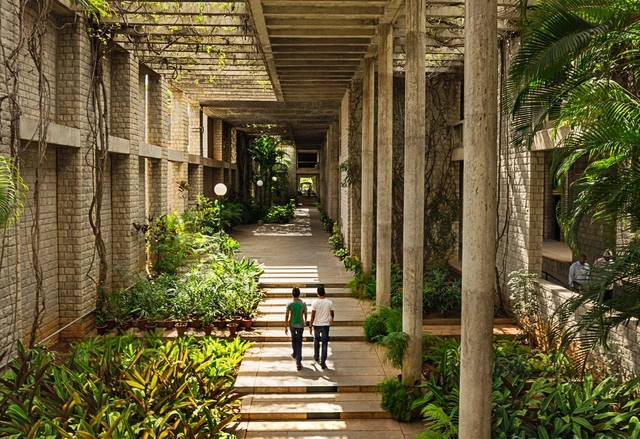
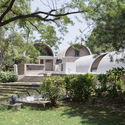
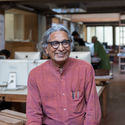
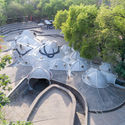
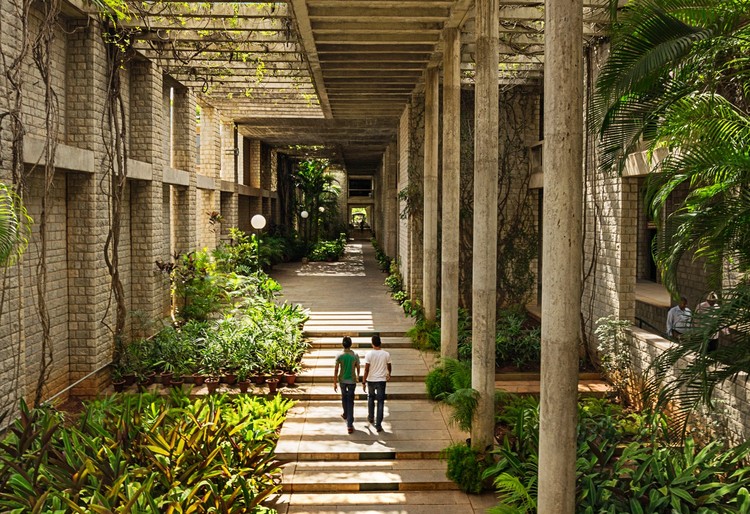
The Vitra Design Museum has announced a new exhibition exploring the work of Pritzker architect Balkrishna Doshi. Titled Architecture for the People, the museum will present the first international retrospective about Balkrishna Doshi outside of Asia. The goal of the exhibition is to open Doshi’s work to a global audience and show how the architect’s work has redefined modern Indian architecture to shape a new generations of architects.
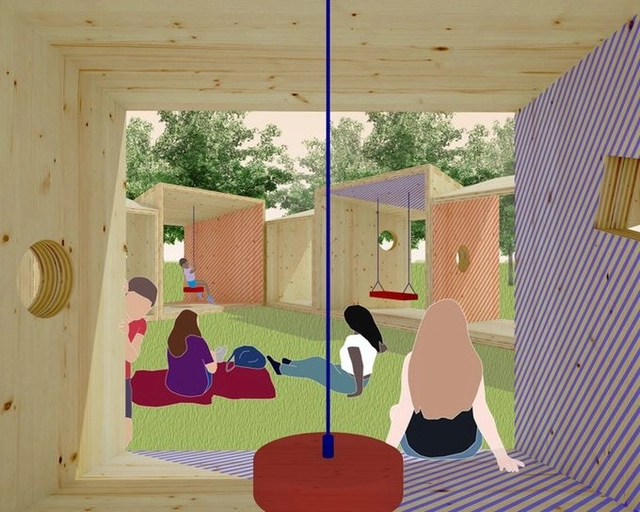
The New York chapter of the American Institute of Architects has announced “Salvage Swings” by Somewhere Studio as the winner of the 2019 City of Dreams competition. The temporary art structure is now the subject of approvals and fundraising, with the goal of constructing the scheme on Roosevelt Island in the summer of 2019.
The pavilion, to be branded the “City of Dreams Pavilion,” utilizes scrap cross-laminated timber panels recovered from a construction project at the University of Arkansas, repurposing them in an “inviting summer pavilion” featuring 12 framed swing modules.
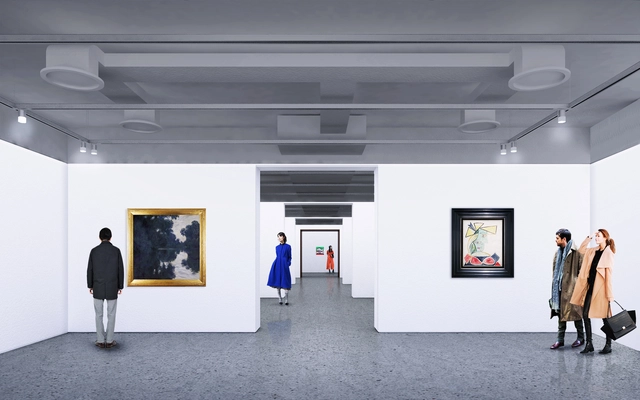
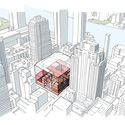
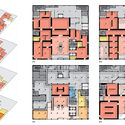
Renowned auction house Sotheby’s has unveiled a dramatic OMA/Shohei Shigematsu-designed expansion and re-imagination of their New York City headquarters. Together with OMA Associate Christy Cheng, Shigematsu has redesigned the headquarters to include vast new exhibition galleries for fine art, precious objects, luxury goods, and more. Comprising 40 galleries of varying size across four floors, the new space will increase Sotheby’s exhibition space from 67,000 square feet to 90,000 square feet.
In the proposal, nine galleries will facilitate discreet private sales for dedicated small objects such as watches and jewelry. Three two-story spaces will be set aside for exhibitions, along with a 150-foot-long space for full collections, according to The New York Times. The new space will include “dynamic repertoire” of "spatial conditions", including a white cube, double height, enfilade, corridor cascade, octagonal, and an L-shaped space.
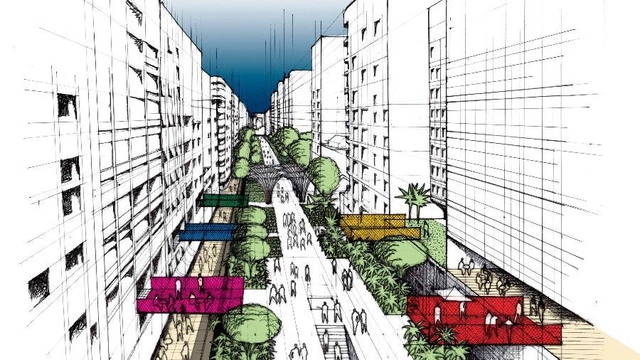
The long-standing debate over the future of the João Goulart Overpass—the famous Minhocão, which cuts through downtown São Paulo toward the city's West Zone—has finally come to an end. Current mayor Bruno Covas has decided to transform the massive structure into an elevated park, modeled after several others around the world that followed the example of the High Line in New York City.
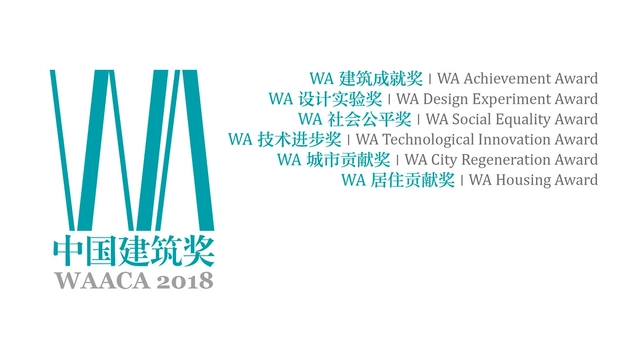
WA Awards for Chinese Architecture (WAACA) was established by World Architecture magazine in 2002, and was awarded biennially. The mission of WAACA is to encourage and introduce completed works addressing the national conditions of China with innovative values. It aims at enlivening the academic atmosphere of Chinese architectural community, promoting the prosperity of Chinese architectural design, enhancing the quality of Chinese architecture, contributing to the public understanding and recognition of architectural industry in China, and introducing Chinese architects and architectures to the world.
In 2014, the seventh cycle of WA Awards for Chinese Architecture expanded to a larger range, with increased the categories of the awards, and identifying more clearly the value appeal of each award. By encouraging more types of projects to participate in the selection, WAACA intends to introduce more outstanding Chinese architectural works to the Chinese society and the world.
Oct 12th, 2018, when 2018 WAACA was held in Beidaihe, the jury selected 59 entries in total for Winners, Highly commended and Shortlisted projects of WA Achievement Award, WA Design Experiment Award, WA Social Equality Award, WA Technological Innovation Award, WA City Regeneration Award and WA Housing Award from a total of 354 valid entries on the basis of their independent judgment.
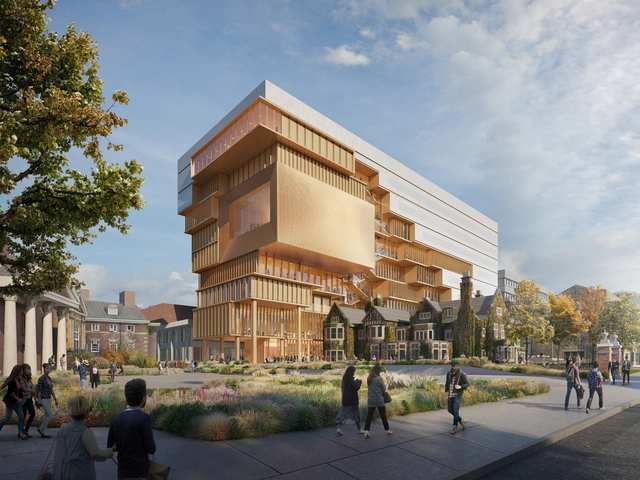
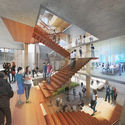
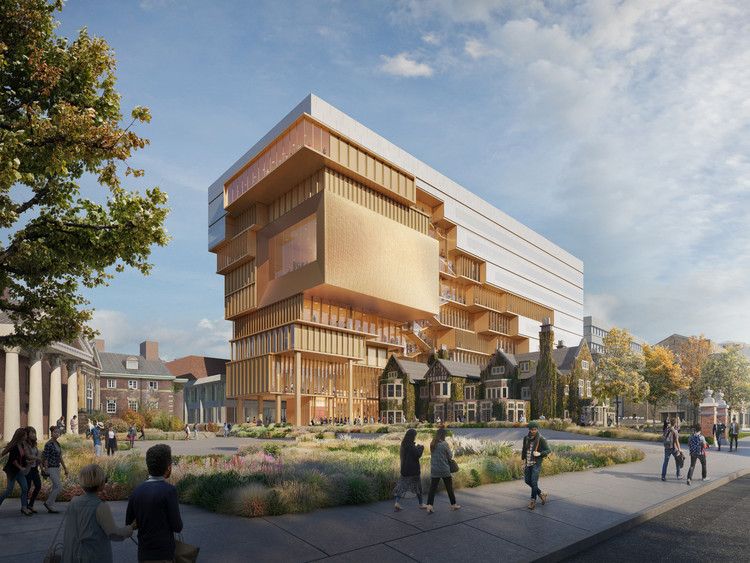
Diller Scofidio + Renfro have revealed the design for 90 Queen’s Park, a new education and cultural building for the University of Toronto in Canada. The project will combine a range of classrooms and public spaces to house the University of Toronto's School of Cities for its urban-focused research, educational and outreach initiatives. The nine-story building will become a new gateway to the campus with views across the Toronto skyline.


The Conservation and Restoration Service of the Alhambra in Granada is working on the wall of the Fuentepeña ravine, located in the sector known as ‘Cuesta del Rey Chico,’ to stabilize a section that collapsed in the early hours of Friday, February 8.
The Board of the Alhambra and Generalife announced this on its official Twitter account. According to the director of the Board, Reynaldo Fernández Manzano, the wall was built in 1915 by the architect and conservator of the Alhambra, Modesto Cendoya. The wall was constructed using poor materials that gradually deteriorated over time, and plans were already in place for its demolition and reconstruction. Following the sudden collapse, the Conservation and Protection Service will rebuild it with the original materials in a first phase before undertaking the comprehensive project.
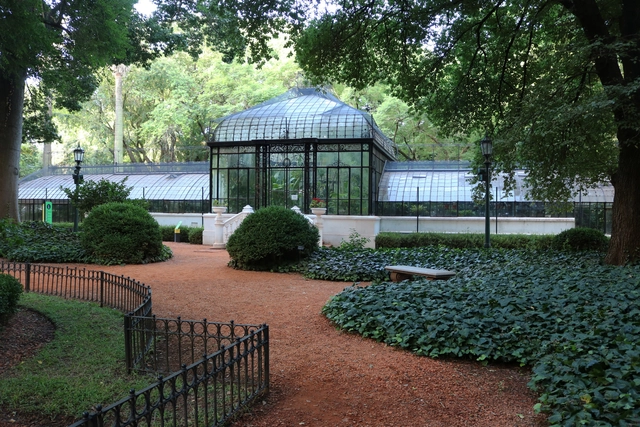
In the heart of Palermo, a large iron and glass structure houses species whose origins date back to distant eras predating the dinosaurs. This is the main greenhouse of the Carlos Thays Botanical Garden in Buenos Aires.
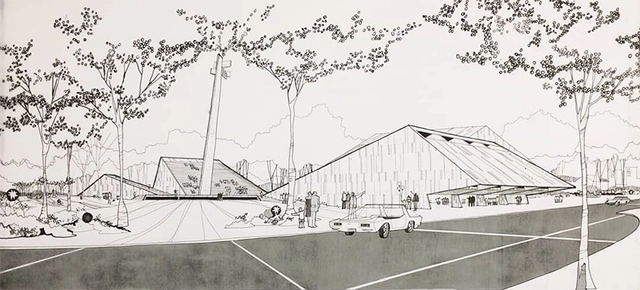
The designer of large-scale projects such as the Sociedade Harmonia de Tênis club in São Paulo, the Centro de Convivência Cultural in Campinas, and Parque Cecap in Guarulhos, São Paulo architect Fabio Penteado (1929-2011), who would have turned 90 this coming June, will have his work revisited in an exhibition in Portugal.
Curated by Francesco Perrotta-Bosch, Irradiações opens on February 23 at Casa da Arquitectura, located in Matosinhos, a city in the Porto region. The exhibition will feature five radial-patterned projects developed by the architect in the 1960s, highlighting his attention to the collective and public dimensions of space.
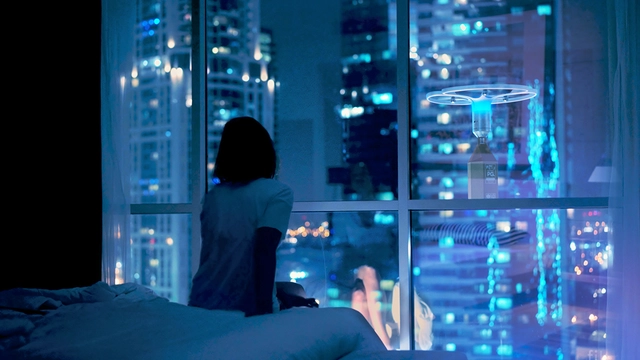
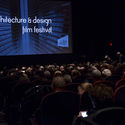
The Architecture & Design Film Festival is returning this year from March 13-17 in Downtown Los Angeles. ADFF:LA offers a curated program of 24 films, director Q&As, and a series of discussions on architecture and design. The festival was created to celebrate the creative spirit that drives architecture and design. From events and films to panel discussions, ADFF has become the nation’s largest film festival devoted to architecture.
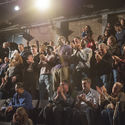
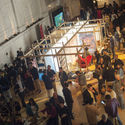
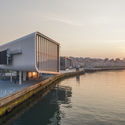

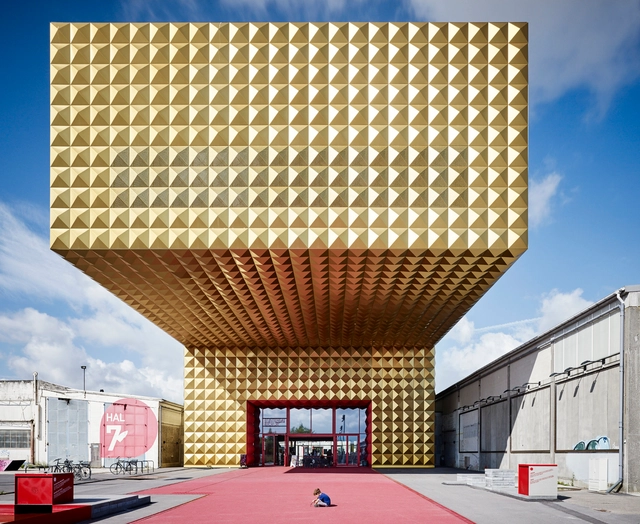
The American Institute of Architects Los Angeles Chapter has announced the winners of their 2019 Architectural Photography Awards. The 18 images, awarded in the Honor, Merit, and Citation tiers, were selected from 450 submissions of stellar quality, a two-fold increase on the 2018 edition.
The awards were founded as a “celebration of the use of architecture as a subject to make art, rather than a photograph as a documentational tool.” Recognizing the individuals driven to communicate the works of architects, the awards “celebrate the photographer’s eye, skill, and talent in expressing the transcendent nature of space."

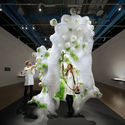
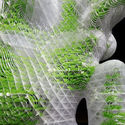
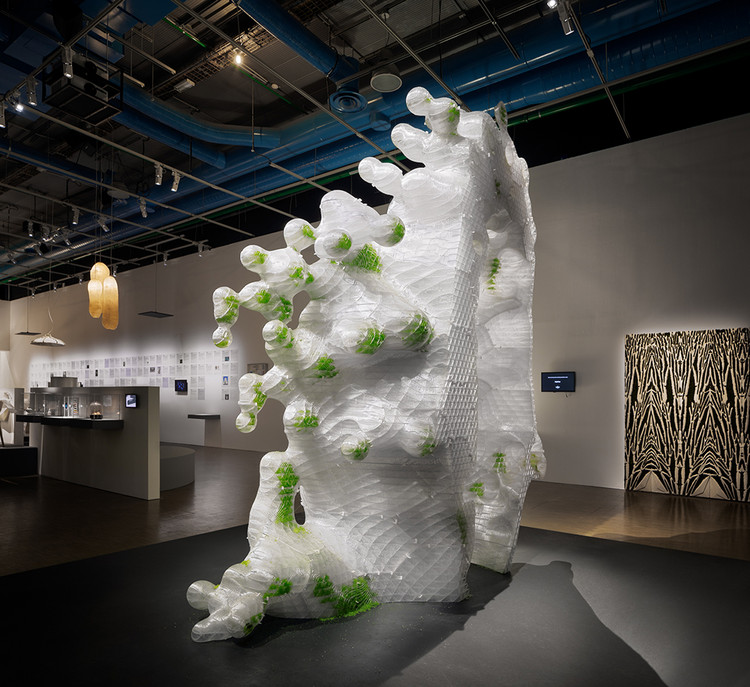
The renowned Centre Pompidou in Paris is to open its doors to two living sculptures, embodying the future forms of spatial intelligence. The exhibition, titled “La Fabrique du vivant” [The Fabric of the Living], will feature “H.O.R.T.U.S. XL Astaxanthin.g” by ecoLogicStudio in collaboration with Innsbruck University - Synthetic Landscape Lab, CREATE Group / WASP Hub Denmark - University of Southern Denmark, and "XenoDerma" by Urban Morphogenesis Lab directed by Claudia Pasquero at The Bartlett UCL.
Running from February 20th to April 15th, the exhibition will examine the notion of “living” in a digital era, where new interactions are emerging between the fields of life science, neuroscience, and synthetic biology. Permeating the entire urbanscape, this global, digital apparatus “encompasses miniaturization, distribution, and intelligence of manmade urban networks of in-human complexity, engendering evolving processes of synthetic life on Earth.”
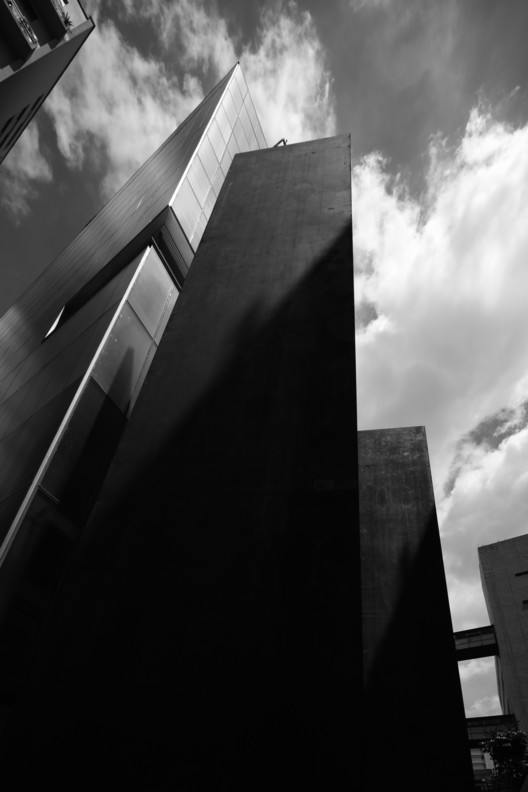
One of the most influential contemporary artists, American sculptor Richard Serra will have their first public artwork in Latin America installed in São Paulo. The headquarters of the Instituto Moreira Salles on Avenida Paulista will permanently house the sculpture Echo, created specifically for the cultural center, which will be open to the public free of charge starting next Saturday in the institute's outdoor garden.
.jpg?1550610731&format=webp&width=640&height=580)
Six “Winter Stations” have been installed along Toronto’s beachfront, injecting new life into the shoreline during the Canadian city’s winter months. Completed as a result of the annual Winter Stations design competition, the six projects responded to this year’s theme of “Migration,” which sought installations that engaged with “complex social issues that surround humanity’s shaping of our global society, the flight of animals and the exchange of ideas."
Four professional and two student designs were constructed this year along Toronto’s Beach community. Bold structures sitting on the site of lifeguard stations dotted along the beach, the stations have been designed by teams from Mexico, Poland, Boston, and Toronto.

Danish studio Henning Larsen has won the competition to develop a 15.5-hectare urban masterplan south of Gothenburg, Sweden. Designed for 3000 residents, the project represents a community model that was made to refocuse urban energy around green foundations. Named Humlestaden, the masterplan encompasses Gothenburg’s Västra Frö-lunda district, former home of the Pripps brewery. The project is made to reimagine the historic Garden City model and reframe city life through a green lens.

The book is simply another design tool—indispensable to many, but of limited use to others. When I speak of books, I am not referring to the common association with literature (novels, poetry, fiction, …), which are also useful within the abstract and diffuse design process. Enric Miralles, for instance, used to turn to verses by Lorca or the creative world of Queneau to anchor those early design intuitions. Yet I am not referring to this kind of reading, which is equally recommended, but rather to what is specific to our profession—to our unique and sharp gaze. Architects look for inspiration in books, but it is only when they reflect their thoughts on paper that they reveal their true, intangible nature.
Architects are fortunate to have access to a wide variety of print subgenres. These range from deep written reflections on the discipline to illustrative volumes of architectural images, construction details, plans, and drawings. We are shaped by what we see; that is undeniable. Consequently, this entire wealth of knowledge stays with us throughout the design process, surfacing unpredictably as we address the challenges that arise. Simply turning to a book can open doors along this design path, just as it can close others. We navigate by intuition, but we are always guided by parameters established from the very beginning. Looking for external references in books and magazines is a difficult exercise at first, as the siren song of countless sources can lead us astray. Knowing how to choose these references and initial guidelines will outline a clear, feasible path where the design becomes more manageable, accessible, and adaptable to future changes.
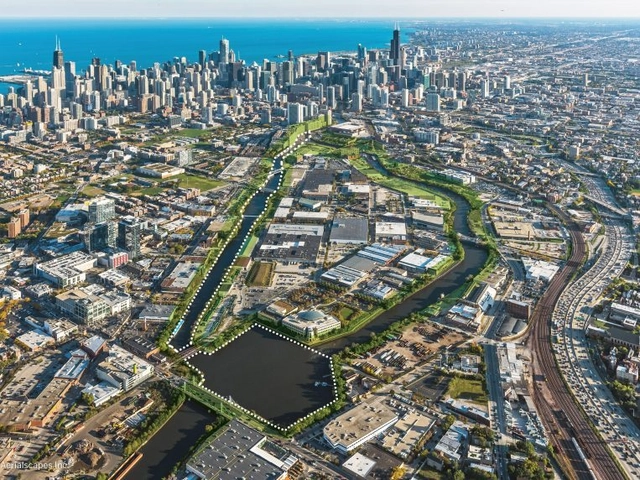
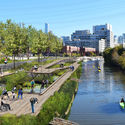
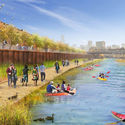
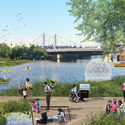
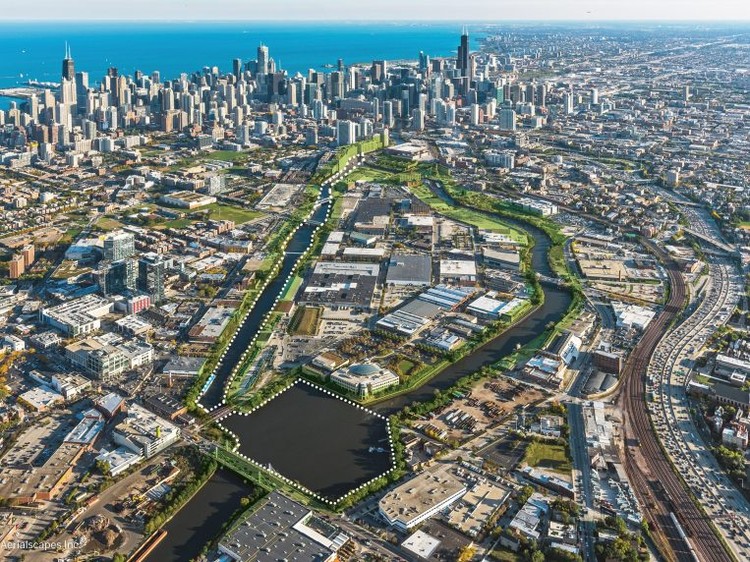
SOM has revealed their design for the world’s first floating eco-park along the Chicago River. Called Wild Mile Chicago, the project is sited between Chicago and North avenues along the east side of Goose Island. A group of ecologists and activists called Urban Rivers is working with the city to realize the plan. The mile-long project is being created with government officials and private developers to include new wildlife, recreational and educational additions to the river’s North Branch.

Reiulf Ramstad Architects will inaugurate a new exhibition series “In the World of an Architect” at The Utzon Center, focusing on “architecture and design created in the tension field between local and global.” The exhibition will consist of a number of spatial installations spread across five rooms, setting out the concept of “Nordic” and appreciating the importance of the architects’ standpoint.
Rather than cancel the importance of a regionally-based building tradition in a globalized profession, the exhibition invites a more diverse, nuanced understanding of what it means to be a Nordic architect in a globalized era.
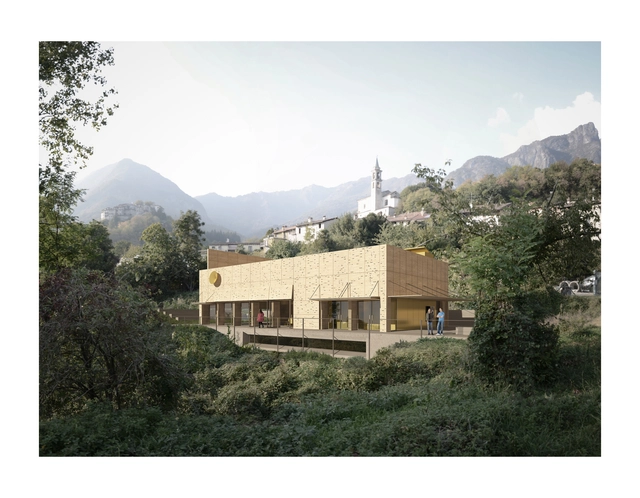
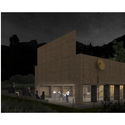
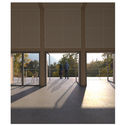
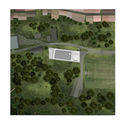
Milan-based Studio PARE has won a competition for the design of a small concert hall in Valsolda, Lake Lugano, Italy. The competition called for a new space to house the 40-person Valsolda Philharmonic Orchestra, with Studio PARE responding with a scheme inspired by the music box: a mechanical device prevalent in the 19th century which could generate melodies without the need for live musician.

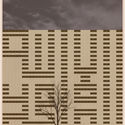
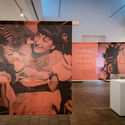
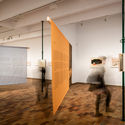
The Fundació Joan Miró presents Lina Bo Bardi Drawing, the first exhibition to focus specifically on the role of drawing in the life and work of the Italian-born Brazilian architect.
The exhibition features a carefully selected collection of a hundred drawings from the Instituto Lina Bo e P. M. Bardi, bearing witness to the importance of drawing in all the stages of Bo Bardi’s multifaceted career. The project has been curated by another architect, Zeuler Rocha Lima - also an artist, researcher, and international expert on Bo Bardi - with support from the Fundació Banco Sabadell.
.jpg?1550588629&format=webp&width=640&height=580)
In April, UMAPaz is offering a course aimed at individuals who want to learn more about sustainability applied to architecture and construction projects, including small renovations. With an introductory approach, it seeks to clarify concepts of sustainable construction for anyone interested in the topic, without requiring prior knowledge.
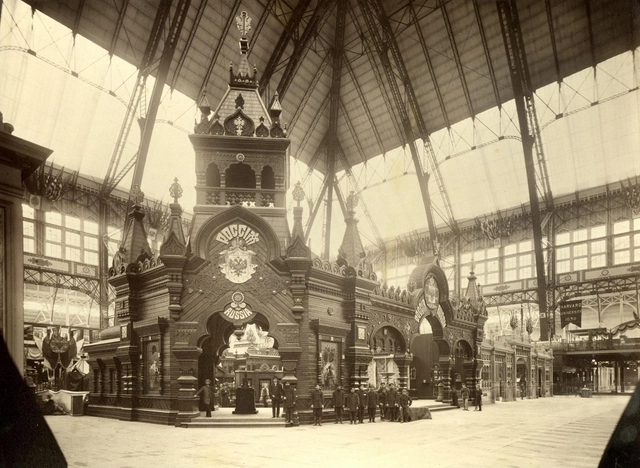
Hulu has announced that they will be adapting a story of H.H. Holmes, America’s first documented serial killer, into a television series on the 1893 World’s Columbian Exposition in Chicago. Based on the nonfiction book The Devil in the White City by Erik Larson, the series will explore murder and architecture around the so-called “Murder Castle." The show will feature the labyrinthine structure that Holmes built and stories around architect Daniel H. Burnham's infamous World Expo.








.jpg?1550503634 "© Instituto Lina Bo e P. M. Bardi. Image Courtesy of Fundació Joan Miró, Barcelona")
_jpeg_copy.jpg?1550503683 "© Instituto Lina Bo e P. M. Bardi. Image Courtesy of Fundació Joan Miró, Barcelona")
