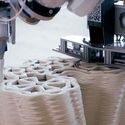
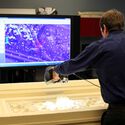
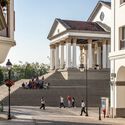
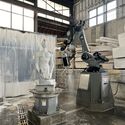
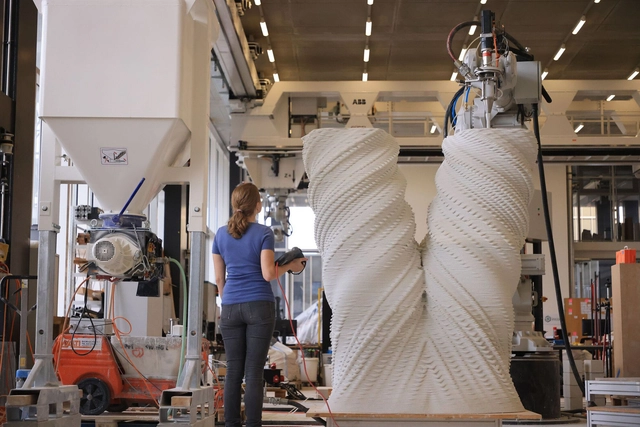
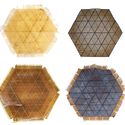
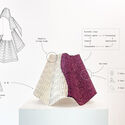
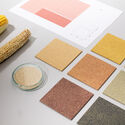
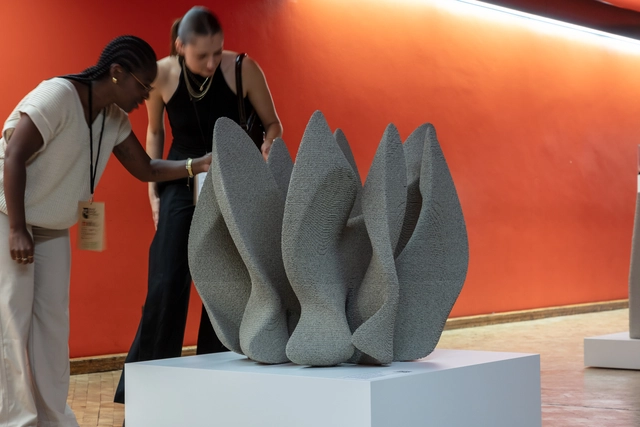
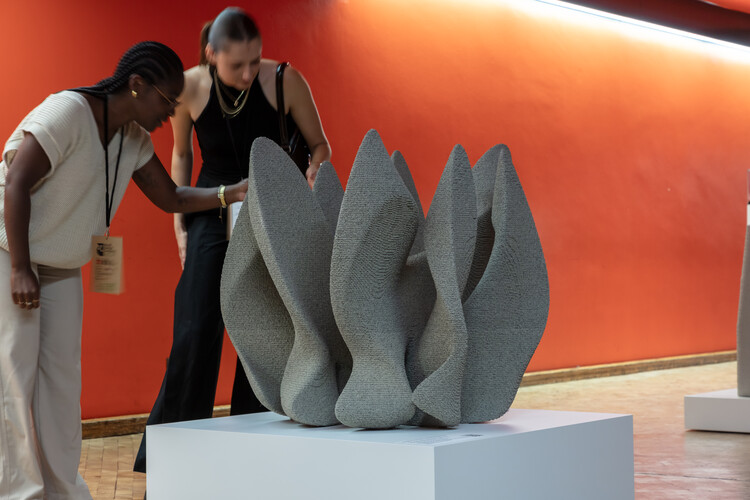
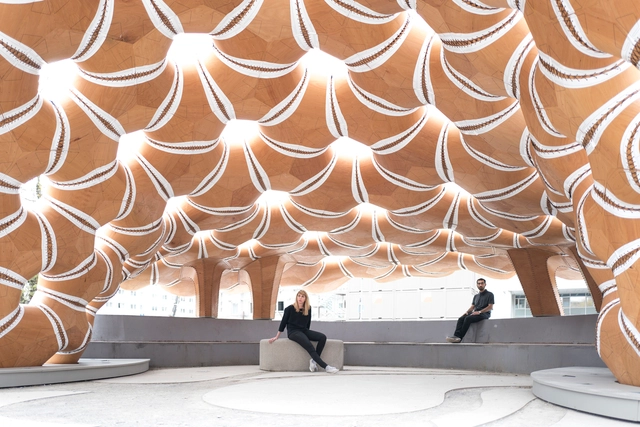
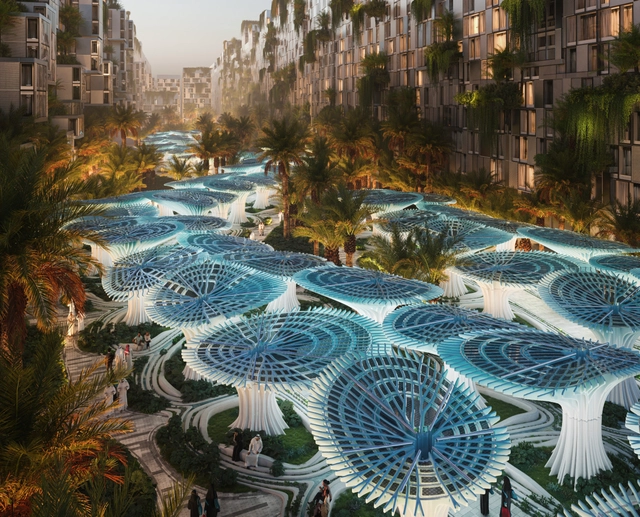
Architectural ornamentation has been a recurrent subject of debate across the industry for decades. A practice that was largely abandoned during the Modernist movement could now be standing on a platform that might, again, allow its resurgence, due to the current convergence of robotics, artificial intelligence (AI), and digital fabrication. Technology has seemingly removed the primary obstacle to decorative detail: the high cost of skilled manual labor. However, this new technical capacity demands a critical examination: What does ornamentation truly represent, and what do we gain or lose by resurrecting it through algorithmic design?
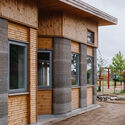
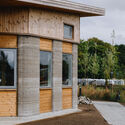
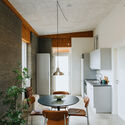
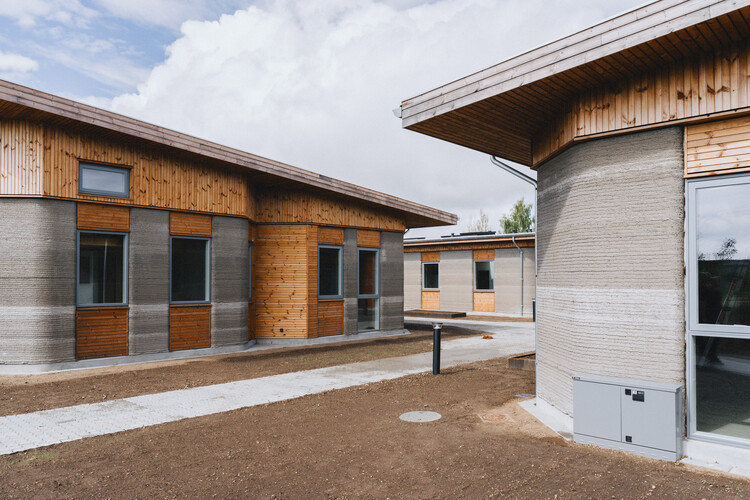
3DCP Group has completed Skovsporet, a 3D-printed student housing development in Holstebro, Denmark, designed by SAGA Space Architects in collaboration with MS+. Located near VIA University College, the project comprises 36 ground-level apartments distributed across six building clusters, covering a total area of 1,650 square meters. Constructed over 12 months, Skovsporet applies large-scale 3D concrete printing at the scale of a residential development, combining printed structural elements with conventional construction methods. The project was developed for NordVestBO and is scheduled to receive its first students this month.
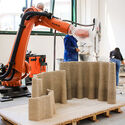
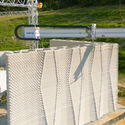
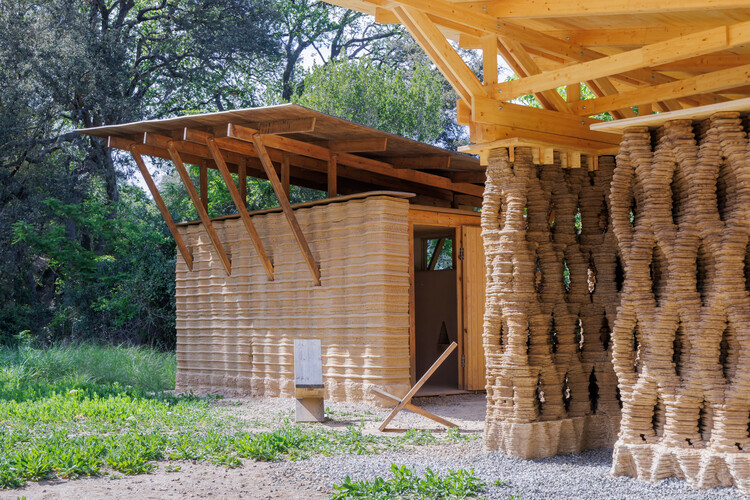
In 2021, a collaboration between the Italian architecture studio Mario Cucinella Architects and WASP, an Italian 3D-printing company, led to the development of TECLA: a house 3D-printed entirely from raw earth. Five years later, the technology behind it has grown, quietly spreading across several continents and design practices. By controlling the speed, angle, and path of the extruder nozzle, architects are able to create more than just walls. Throughout the years, they have been experimenting with how to shape the 3D-printed material into detailed surface motifs, reintroducing relief, texture, and intricate patterns directly into the structure. In this way, they are attempting to bridge earth-building traditions with digital computation, in an era where code is starting to influence form and material expression in architecture.
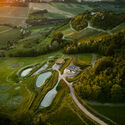
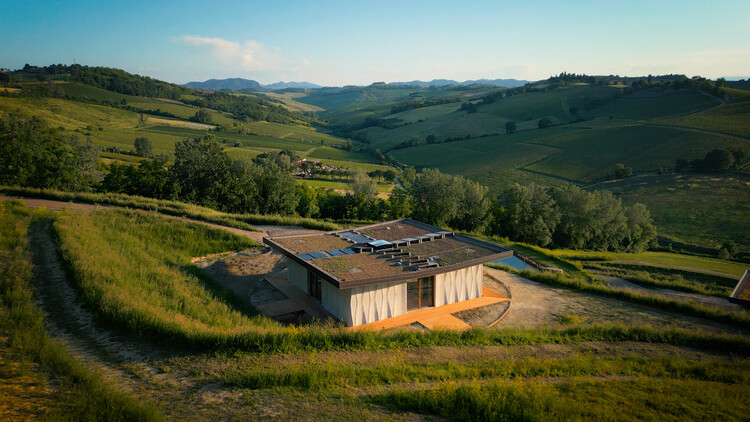
Shamballa: Laboratory for Sustainable Living. Itaca, 2026. Image Courtesy of WASP
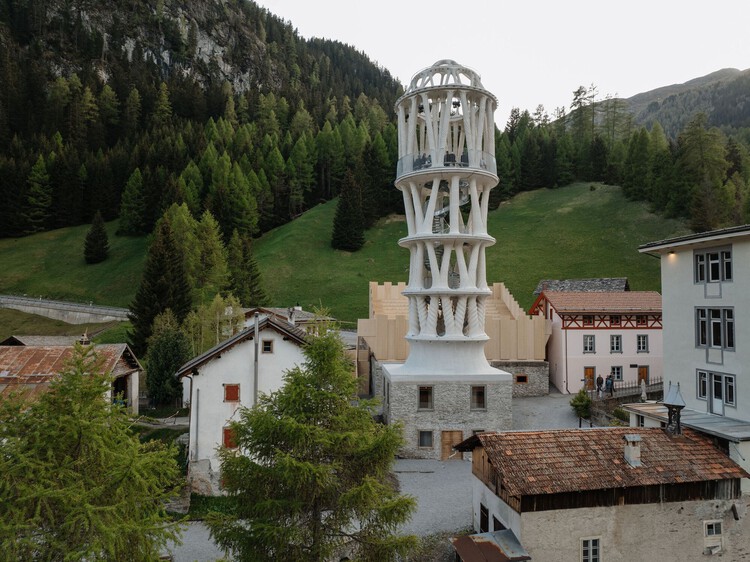
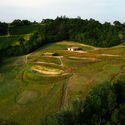
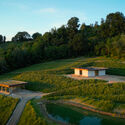
Shamballa, an 8-hectare open-air laboratory and research site dedicated to sustainable living and advanced architectural 3D printing, was inaugurated on June 8, 2026, in the hills of the Emilia-Romagna region in northern Italy. The project is a collaboration between WASP, a 3D printing technology company, and Olfattiva, an aromatherapy and botanical perfumery company, hosting a makers laboratory, a medicinal botanical garden, and "Itaca," a self-sufficient farm built using 3D printing. The building was designed as a model for 3D-printed construction, representing a certified and replicable structure. The outdoor areas host research and development centers, forming an experimental "ecosystem" to develop new ideas in bio-construction and sustainable living, along with automated gardens, rainwater harvesting systems, and initiatives focused on micro circular economies.
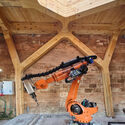
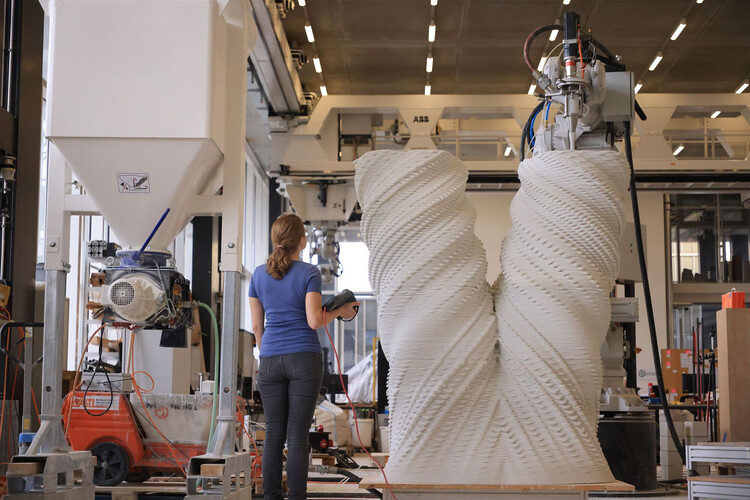
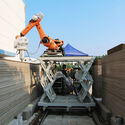
By exploring the art of robotics in construction, advances in architectural technologies are increasingly shaping multiple aspects of human life. From robotic arms and drones to robots that move across large surfaces and even 3D printing robots, their use in construction is accelerating research and the development of new working methods, as well as structural and material experimentation. In collaboration with multiple disciplines and spanning various facets of architecture, the role of robots in the contemporary landscape demonstrates a potential that extends beyond merely automating processes or reducing construction times and costs. This raises the question: Are we building architecture to serve technology, or technology to serve architecture?
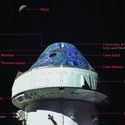
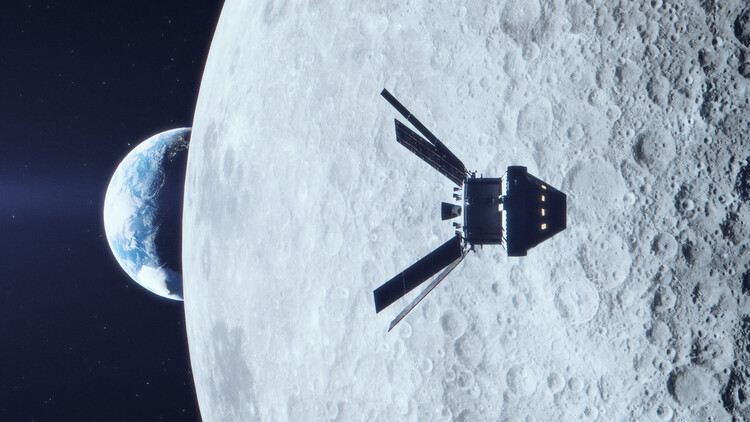
Artist representation of Orion's lunar flyby. Image via NASA under license CC BY-NC-ND 2.0
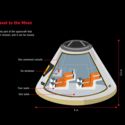
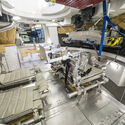
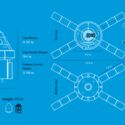
It was July 1969, and people on planet Earth were about to witness a historical moment for humanity: the first time a human being stepped on the surface of the Moon aboard the Apollo 11 mission. After this event, NASA landed five more times on the lunar surface, with the last one being Apollo 17 in 1972. Since then, humans have not attempted to return to the Moon until this year, 2026, when they will launch the Orion spacecraft as part of the Artemis II Mission. Planned to set off between February and April 2026, Orion will not yet land people on the Moon, instead it will make a flyby, in order to allow testing of the software and systems. This will set the base for an actual human landing on the Moon's South Pole as part of Artemis III sometime between 2027 and 2028, eventually opening a brand new era in Extraterrestrial architectural design.
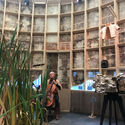
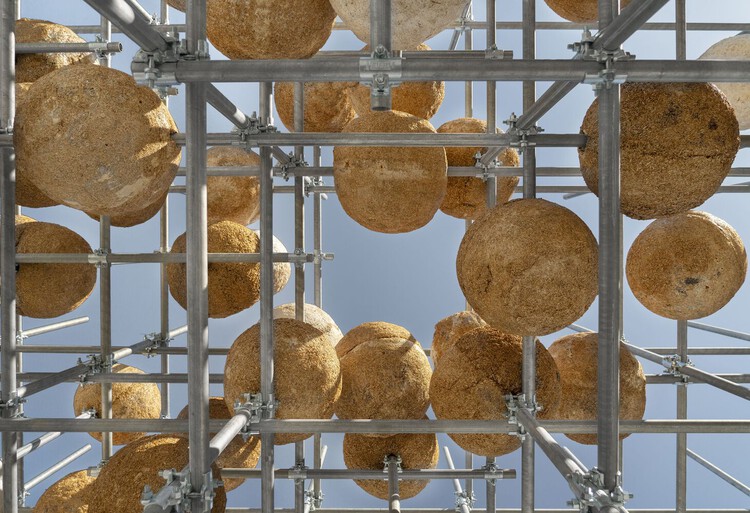
Architecture has entered a pivotal moment. As cities continue to grow under the weight of climatic and social pressures, the materials and systems that shape them are being redefined. Artificial intelligence and robotics, once used to accelerate construction processes, are now being rethought as tools for cultivation. Printed structures that grow, breathe, and decay. Cultivation, in this context, refers to designing with biological materials, where growth and decay are active parameters, merging digital precision with ecological intelligence. This evolution shows the shift from efficiency to empathy, where architecture becomes an agent of active repair. The introduction of mycelium and other natural materials into 3D printing presents a new paradigm in architecture: the logic of the living. A place where computation and fabrication meet biological adaptability.
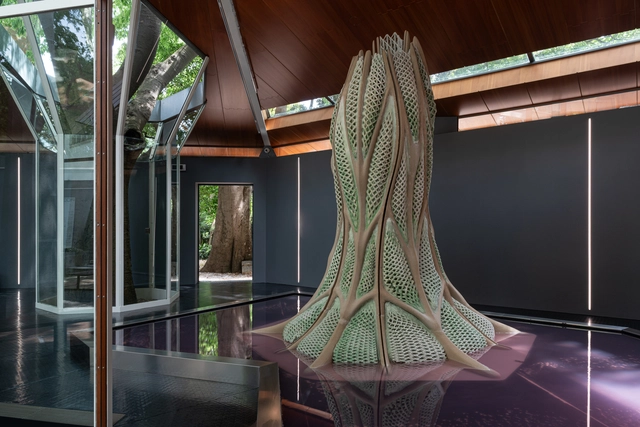
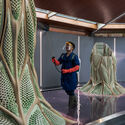
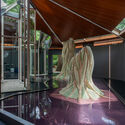
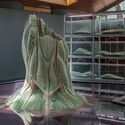
AI and robotics, once associated with industrial efficiency, are now opening new ways of designing. Early examples, such as ICON's 3D-printed housing prototypes, focused on speed and automation but offered little response to their surroundings. Newer projects, such as the MycoMuseum at the 2025 Venice Architecture Biennale, reinterpret these tools through a biological lens. Instead of shaping concrete, they cultivate living materials, marking a shift from pure optimization toward regeneration.
What is architecture? For some, its traditional role is to bring together imagination, technical knowledge, and problem-solving, allowing architects to design and construct while balancing ideas with the means to realize them. From the stone and wood of early buildings to the steel and concrete of the 20th century, each era demanded not only an understanding of form but also of the properties and potential of the materials in use. This grasp of materials has always been a core part of the creative process, though its scope was limited by the know-how and technologies available.
Over time, that balance has begun to shift. Architects have moved from merely using materials to actively designing them, applying scientific principles and experimenting with biological, chemical, and computational processes. This evolution has expanded the possibilities of architecture, intersecting nature, technology, and art, while pushing the role of the architect into a more experimental, science-driven dimension, where the manipulation and creation of materials becomes central to the creative act rather than merely a means to achieve forms or structures.
Zaha Hadid Architects' design for a digitally fabricated marine habitat in the North Lantau Marine Park conservation zone in Hong Kong was recently presented at the World Design Congress exhibition in London. The event took place at the Barbican Centre between September 9 and 10, one of the world's most recognized examples of Brutalist architecture. Its theme, "Design for Planet," called on designers and commissioners of design to take on their most critical brief to date: to design a regenerative future in the face of climate change and to examine design's role as a tool for environmental action. In this context, Zaha Hadid Architects presented Nereid, a digitally fabricated habitat developed with advanced 3D printing technologies by D-Shape, aimed at supporting the natural regeneration of marine ecosystems.
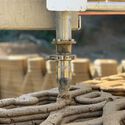
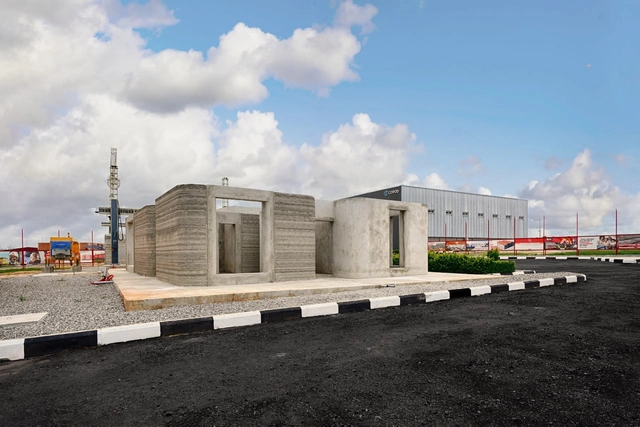
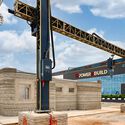
According to the World Bank, the Angola National Urbanization and Housing Program (PNUH), launched in 2008, aimed to build one million new housing units. However, by 2024, it had delivered only approximately 220,000. Power2Build, an Angolan construction startup, estimates the current housing deficit in Angola at around three million homes, with the situation particularly critical in Luanda, one of the fastest-growing cities on the African continent. With an entirely Angolan multidisciplinary team, Power2Build aims to contribute to reducing this deficit through the use of automated 3D concrete printing technology. Implemented on-site with large-scale construction printers from Danish company COBOD, the system is expected to accelerate construction timelines and improve building quality. Large-scale cement-based 3D printing eliminates the need for traditional molds by precisely placing or solidifying specific volumes of material in sequential layers using computer-controlled positioning. The process involves three key stages: data preparation, material preparation, and printing.
The future of the architecture industry holds countless possibilities, as research in the domain progresses. One innovation is the ability for structures to be rendered acoustically invisible, absorb earthquake energy, or harvest electricity from the sounds around them. Qualities of this nature can help redefine the functionality and sustainability of buildings. Architects and scientists are at the forefront of this creation. What makes this possible are metamaterials that could offer alternative methods of designing good buildings.
The Canada Council for the Arts presents Picoplanktonics at the Canada Pavilion as part of the 19th International Architecture Exhibition – La Biennale di Venezia, which will run until November 23, 2025. Developed by the Living Room Collective, the installation engages with ongoing global ecological challenges through a speculative, research-driven approach to design, featuring 3D-printed architectural structures embedded with living cyanobacteria capable of carbon sequestration. Developed through a four-year collaboration led by Andrea Shin Ling and a group of interdisciplinary contributors, the project investigates the potential of co-constructing built environments with living systems.
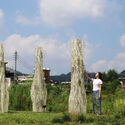
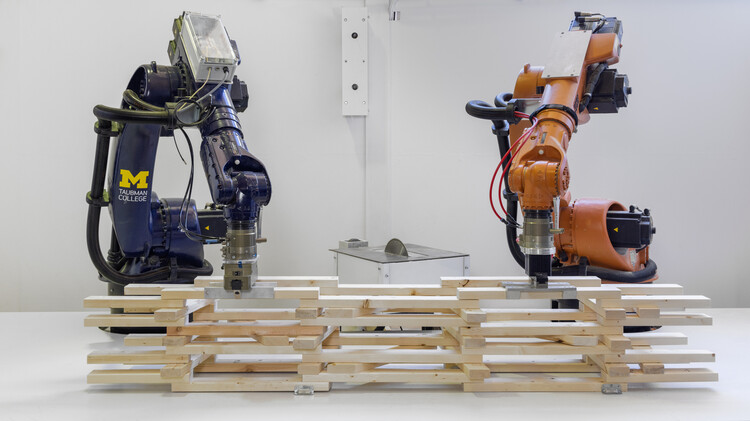
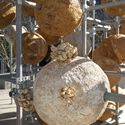
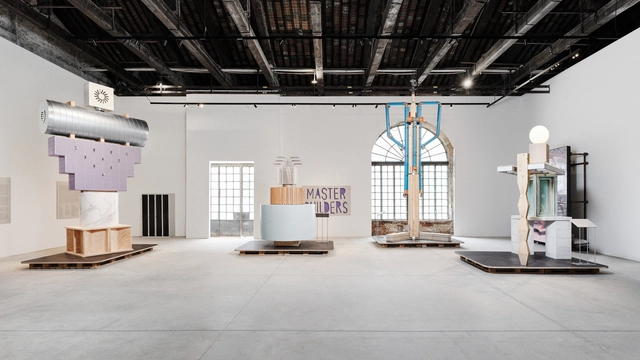
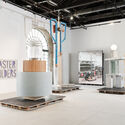
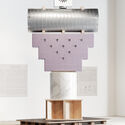
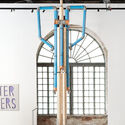
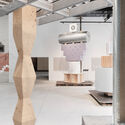
The Slovenian Pavilion at the 19th International Architecture Exhibition – La Biennale di Venezia presents Master Builders, a project curated by Ana Kosi and Ognen Arsov and organized by the Museum of Architecture and Design (MAO). The project addresses the evolution of construction technology, encompassing robotics, prefabrication, artificial intelligence, 3D printing, and other emerging tools, while drawing attention to a notable paradox within this technological shift, and also emphasizing that the quality of the built environment continues to rely heavily on the tacit knowledge of skilled craftsmen. By constructing a series of totems, the project examines the collaborative dynamics between architect and craftsman, revealing how this relationship shapes the material realization of architecture.
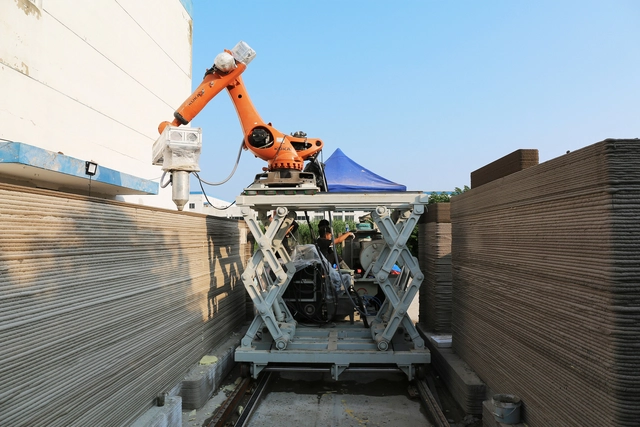
Impresión de paredes exteriores. Image Cortesía de XWG Archi Studio at Tsinghua University
According to the analysis firm Gartner, 3D printer sales surged by 75% around 2014, nevertheless, the technology continues to experience significant growth. While there are multiple debates in the field of architecture about whether 3D printing can be considered craftsmanship or if it is feasible to mix local materials with 3D printing, its implementation from academia aims to create new experiences, research, and knowledge that contribute to its development and practical application. Now, how might the integration of 3D printing in academia provoke future changes in the construction industry? And how could education in architecture and design encourage collaboration with other disciplines to create new applications across different fields?
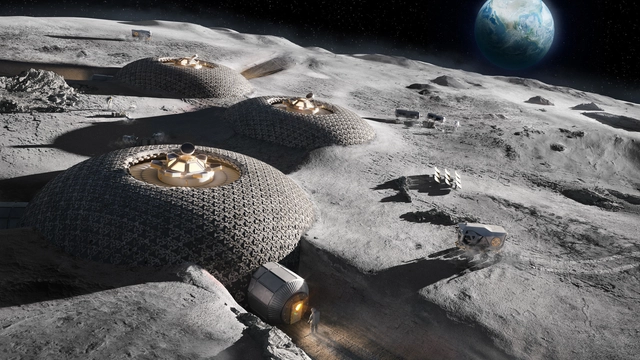
NASA Lunar Outfitting Render. Image Courtesy of Foster + Partners
For three weeks, from March 28 to April 20, 2025, the John F. Kennedy Center for the Performing Arts in Washington, D.C. will host the art festival "EARTH to SPACE: Arts Breaking the Sky." Curated by Alicia Adams, Vice President of International Programming, and Gilda Almeida, Director of International Programming, the festival includes a full agenda of performances, film screenings, talks, panels, and exhibitions. As part of the festival, Foster + Partners has designed an exhibition titled "From Earth to Space and Back," inviting visitors to imagine a future where humans have experienced life on Mars, where exploring new worlds is within reach, and where technological advancements in space revolutionize life on Earth. The festival is based on the idea that imagining life in space can inspire solutions for living on Earth, a perspective reflected in the projects presented by Foster + Partners.
Named one of ArchDaily's Best New Practices in 2024, MEAN* (Middle East Architecture Network) is redefining the architectural landscape of the region by merging computational design, digital fabrication, and material research with local heritage. Founded in 2016, the studio takes a forward-thinking approach, developing site-specific architectural solutions that balance technological innovation with cultural continuity. Their work spans projects of various scales, from experimental furniture like the Mawj Chair to urban-scale interventions such as The Adaptive Majlis, a digitally fabricated reinterpretation of traditional cooling and social spaces. By integrating advanced tools like parametric design, AI, and 3D printing with local materials, MEAN* is crafting a new architectural language that reflects both the aspirations of the future and the depth of the past.
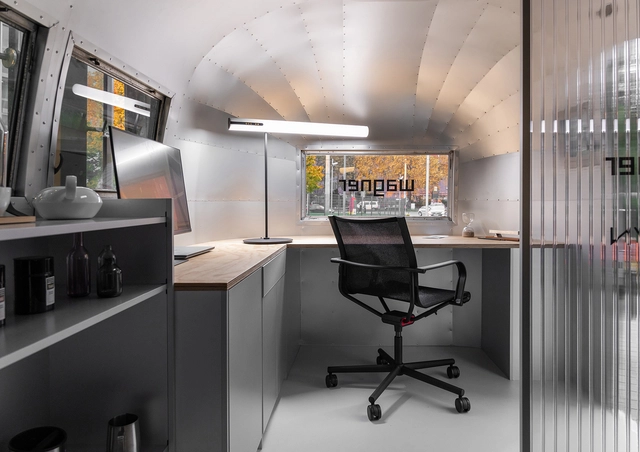
Wagner hits the road in 2025 with the Airstream Roadshow, an immersive experience that inspires new perspectives on office spaces. Under the motto 'It's time for bespoke interior design,' the traveling exhibition highlights the iconic 1962 Airstream Bambi, converted into a mobile working space to showcase Wagner's D2 bespoke interior system, designed by renowned studios Gonzalez Haase AAS and Stefan Diez. As the Airstream travels across Germany, design enthusiasts are invited to explore the lightweight aluminum construction and witness live 3D printing in action.
From the Colosseum's vast arches to the Pantheon's perfect dome, Roman architecture fused engineering precision with expressive form. These buildings reshaped the urban life of antiquity but also left traces that continue to guide contemporary design. Yet much of the knowledge behind their construction has been lost or obscured over time, like the geometry, the proportions, and methods. Today, new technologies are helping to recover that hidden layer of architectural intelligence, offering fresh perspectives on how Romans built with such ingenuity.