The Holcim Foundation for Sustainable Construction has announced the 20 winning projects of the 2025 Holcim Foundation Awards, recognizing contributions to sustainable design and construction across five regions: Asia Pacific, Europe, Latin America, the Middle East and Africa, and North America. This year's selection spans a broad range of scales, from a 200-square-meter semi-permanent school in a Kenyan forest to major urban regeneration initiatives in Madrid, Dhaka, and Shenzhen, reflecting the diversity and reach of sustainable architecture today. This year introduces a new Grand Prize format, replacing the traditional Gold, Silver, and Bronze rankings. Each region will now honor one Grand Prize winner, emphasizing excellence without comparison and acknowledging the diverse approaches to sustainability.
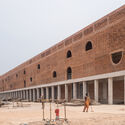
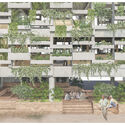
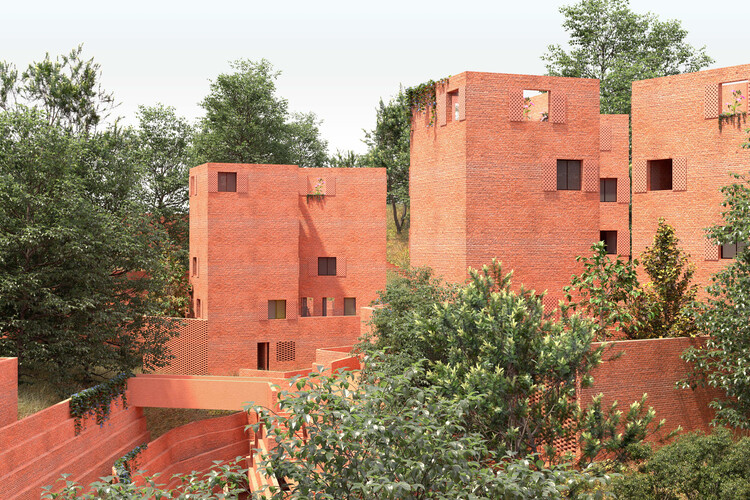
The Holcim Foundation's four goals, Uplifting Places, Healthy Planet, Thriving Communities, and Viable Economics, along with its guiding principles of being Holistic, Transformational, and Transferable, continue to shape the jury process. The regional juries were chaired by Sou Fujimoto (Asia Pacific), Kjetil Trædal Thorsen (Europe), Sandra Barclay (Latin America), Lina Ghotmeh (Middle East and Africa), and Jeanne Gang (North America).
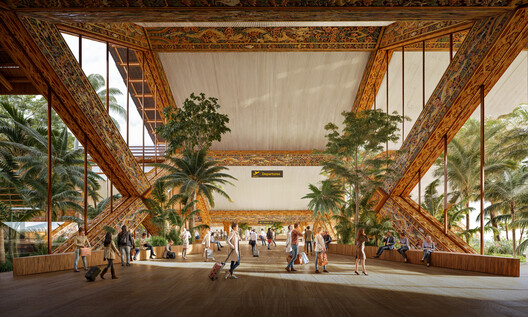
All winners will be celebrated at the 2025 Holcim Foundation Awards Ceremony, taking place in Venice on November 20, 2025. The event will bring together leading figures from architecture, design, and construction, with the announcement of the five regional Grand Prizes serving as the evening's highlight. ArchDaily joins the Holcim Foundation as the official media partner for this year's ceremony and will host a live stream, providing a global audience the opportunity to watch the announcements in real time and learn about the recognized projects in sustainable construction. Registration to access the live feed of the Holcim Awards 2025 Ceremony is now open.
Related Article
Holcim Foundation for Sustainable Construction Announces Finalists for the 2023 International Holcim AwardsRead on to discover the list of Holcim Awards 2025 Finalists arranged in regions, along with their short descriptions.
Asia Pacific
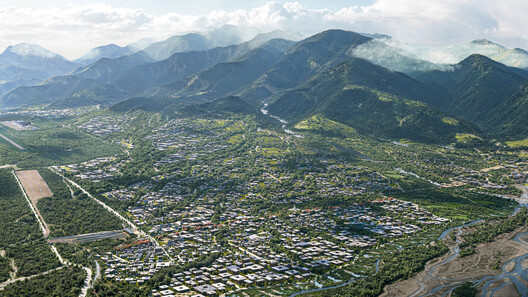
Gelephu Mindfulness City
Bhutanese-inspired sustainable city integrating heritage and ecology in Gelephu, Bhutan, by BIG Bjarke Ingels Group
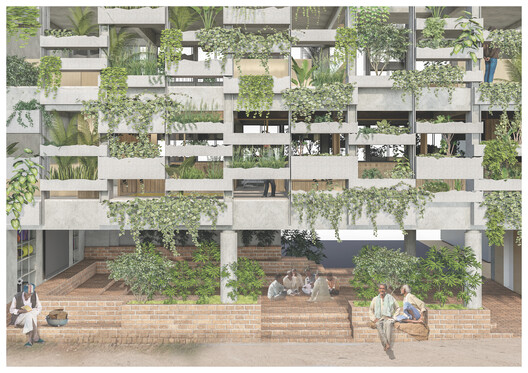
Healing Through Design
Community-focused sustainable health center in Bengaluru, India, integrating recycled materials, passive cooling, and green spaces, by The Agami Project / A Threshold.
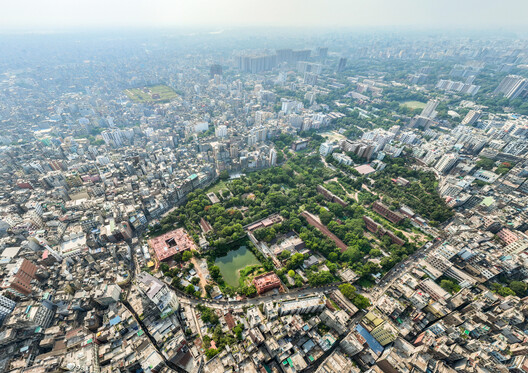
Old Dhaka Central Jail Conservation
Adaptive reuse of a historic site in Dhaka, Bangladesh, into a sustainable public space, integrating vernacular architecture, passive cooling, and community engagement, by Form.3 Architects.
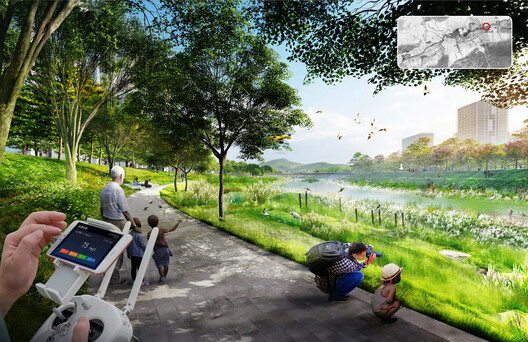
Pingshan River Blueway Landscape
40-kilometer riverfront in Shenzhen, China, transformed into a sustainable recreational corridor integrating native vegetation, cultural heritage, and climate-resilient design, by Sasaki Associates, Inc.
Europe
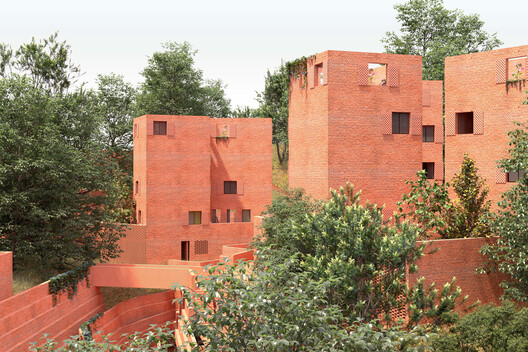
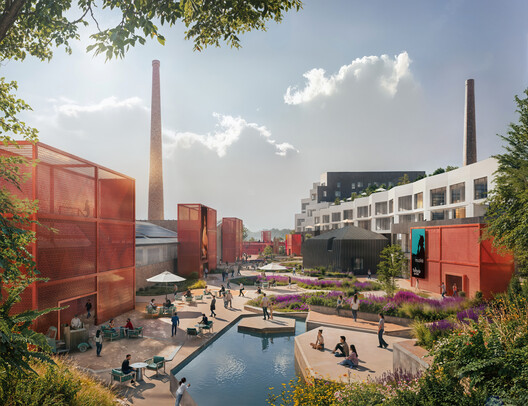
Art Tek Tulltorja
Adaptive reuse of a former brick factory in Pristina, Kosovo, into a sustainable art and technology hub with solar energy, recycled materials, and community-focused public spaces, by Rafi Segal A+U, Office of Urban Drafters, Org Permanent Modernity, and Studio RevArt.
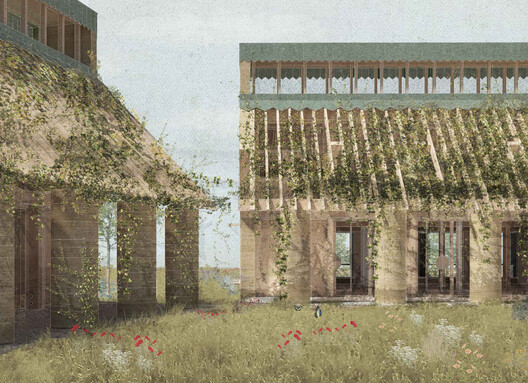
School in Gaüses
Sustainable rural school in Girona, Spain, combining passive cooling, local materials, and outdoor learning with biodiversity-focused gardens, by TEd'A Arquitectes.
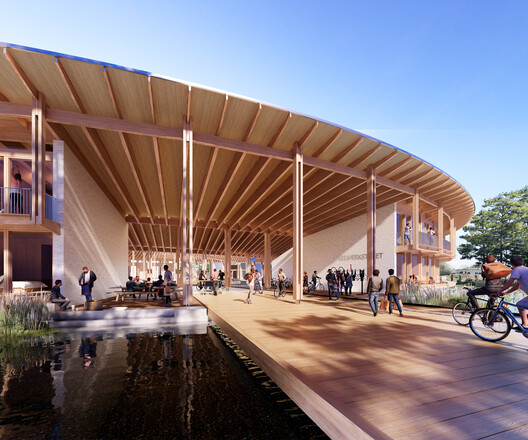
The Crafts College
Educational building on Herning's urban fringe, Denmark, combining passive design, recycled materials, and community-focused spaces, by Dorte Mandrup.
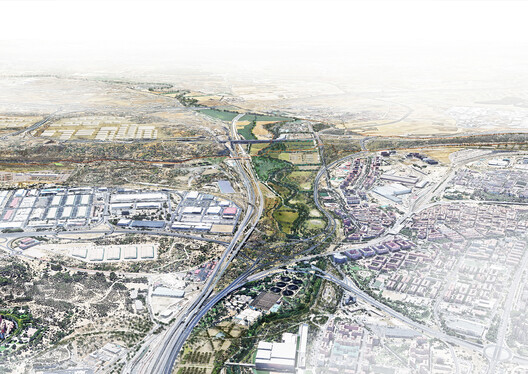
The Southern River Parks
Revitalization of 1,081 hectares along Madrid's Manzanares-Gavia rivers, integrating habitat restoration, sustainable microclimates, and pedestrian-friendly public spaces, by Aldayjover Architecture and Landscape.
Latin America
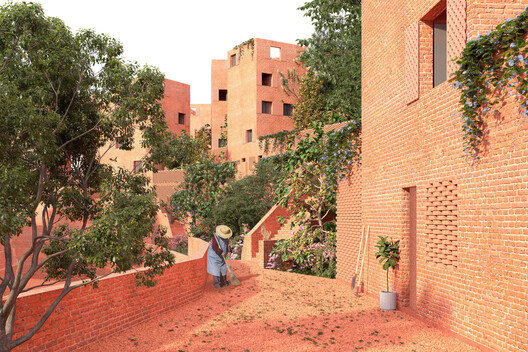
Barrio Chacarita Alta Housing
Participatory housing and public space upgrade in Asunción, Paraguay, combining incremental construction, local materials, and stormwater-managed parks, by MOS Architects & Adamo Faiden.
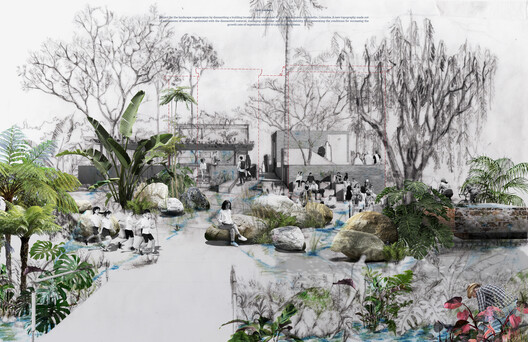
Return of the Lost Gardens
Restoration of a historic stream into a multi-tiered sustainable garden at Universidad EAFIT in Medellín, Colombia, integrating native vegetation, stormwater management, and educational spaces, by CONNATURAL.
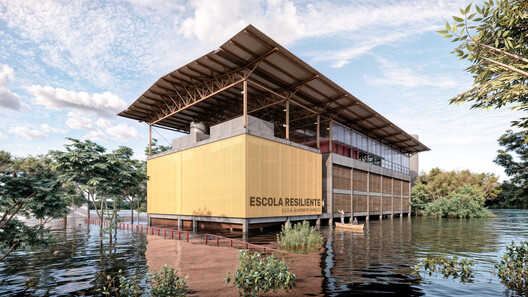
Schools for Flood-Prone Areas
Flood-resilient school in Porto Alegre, Brazil, with elevated classrooms, open-air ground floors, and multipurpose rooftop terraces, combining local materials and passive strategies, by Andrade Morettin Arquitetos Associados and Sauermartins.
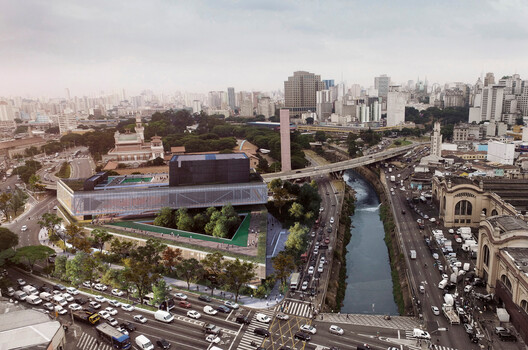
Sesc Parque Dom Pedro II
Cultural and civic center in São Paulo, Brazil, reclaiming a derelict site with terraced public facilities, passive cooling, and inclusive spaces, by UNA Arquitetos.
Middle East & Africa
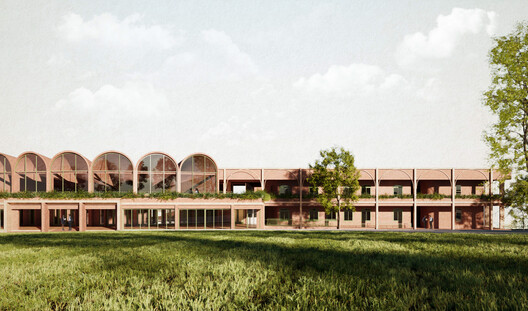
Brookside Secondary School
Educational campus in Asaba, Nigeria, combining locally made clay bricks, traditional vaulting and brickwork, and passive design strategies to enhance comfort, biodiversity, and community engagement, by Studio Contra.
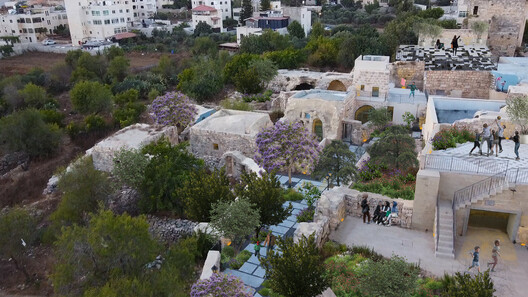
Qalandiya: the Green Historic Maze
Revitalization of Qalandiya's historic village center in the Palestinian Territory, using traditional stone masonry, native materials, and passive strategies to create resilient, community-oriented public spaces, by Riwaq – Centre for Architectural Conservation.
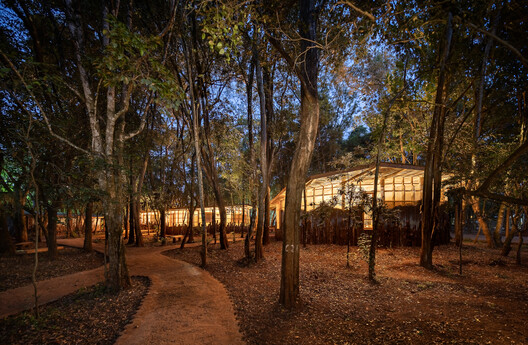
Waldorf School
Experimental educational campus in Nairobi, Kenya, integrating modular classrooms, locally sourced materials, and passive strategies within a protected forest, by Urko Sánchez Architects.
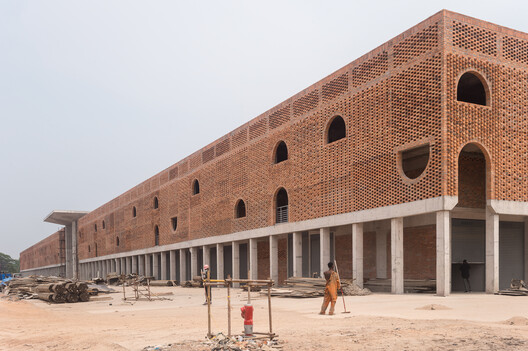
Zando Central Market
Redeveloped civic market in Kinshasa, Democratic Republic of the Congo, using terracotta bricks, patterned façades, and rainwater-harvesting courtyards to improve safety, ventilation, and community engagement, by Think Tank Architecture.
North America
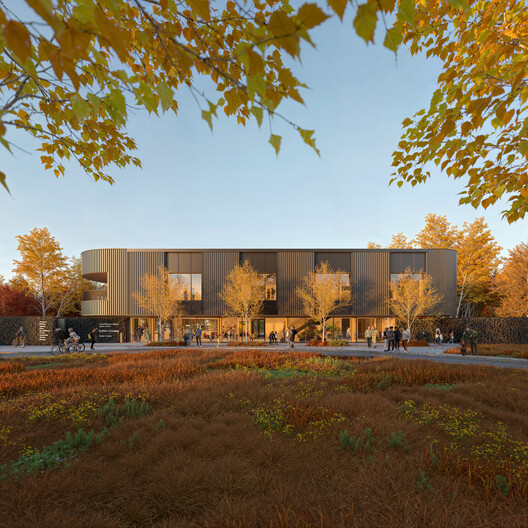
Buffalo Crossing Visitor Centre
Triangular mass-timber visitor center in Winnipeg, Canada, combining Passive House design, Indigenous collaboration, and ecological restoration to connect community and nature, by Stantec Architecture.
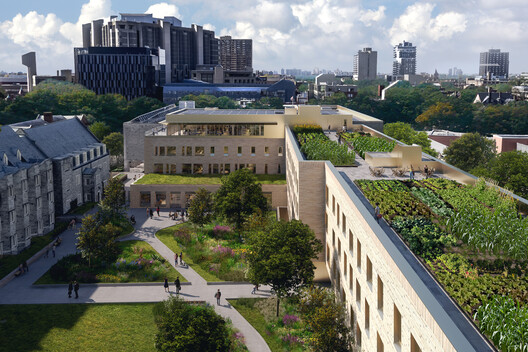
Lawson Centre for Sustainability
Campus infill at Trinity College, Toronto, Canada, integrating mass timber, passive design, green roofs, and urban farming to enhance biodiversity, accessibility, and community engagement, by Mecanoo Architecten.
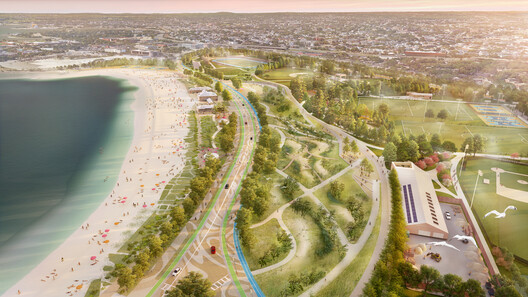
Moakley Park
Resilient waterfront park in Boston, USA, integrating coastal marsh restoration, stormwater management, and native plantings to enhance biodiversity and public access, by Stoss Landscape Urbanism.
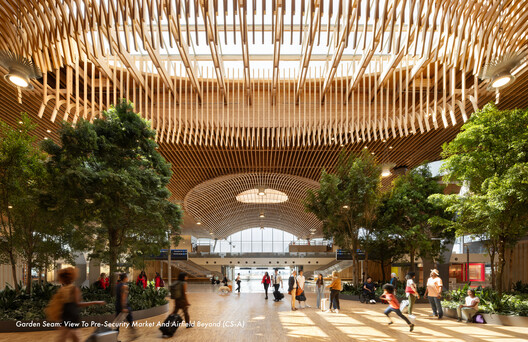
Portland Intl. Main Terminal
Airport terminal expansion in Portland, USA, featuring mass-timber construction, passive daylighting, and biophilic design to reduce carbon impact and enhance passenger experience, by ZGF.