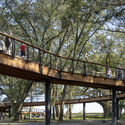
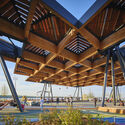
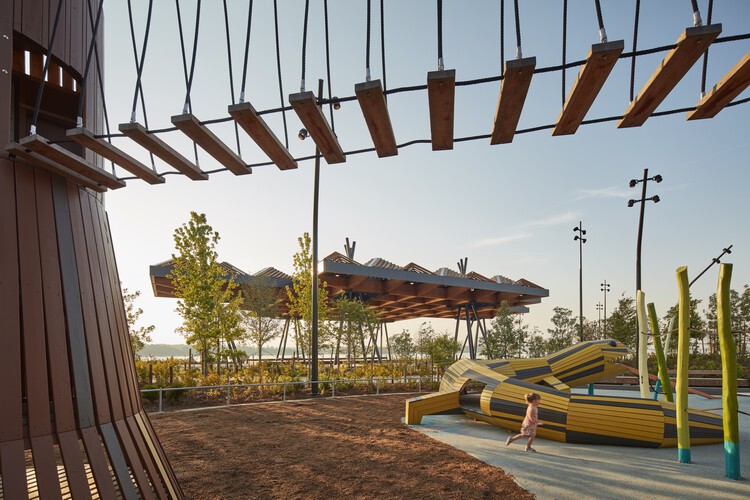
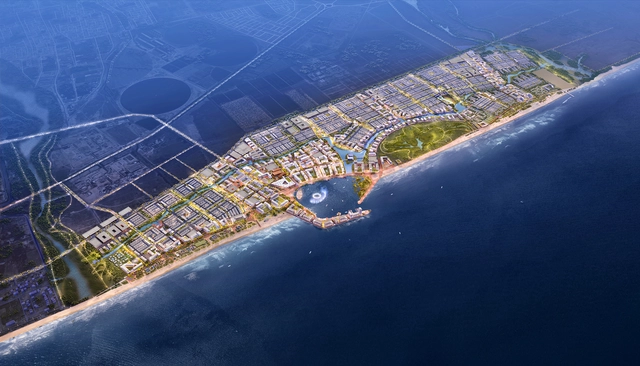
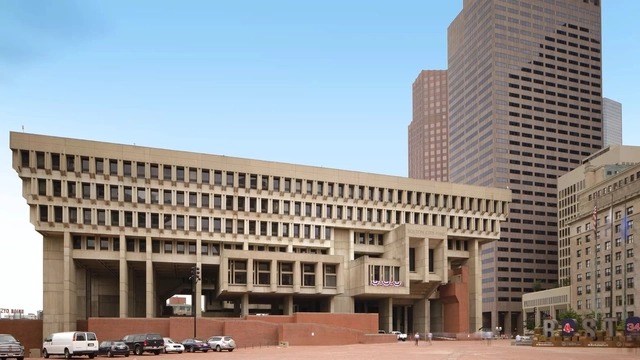
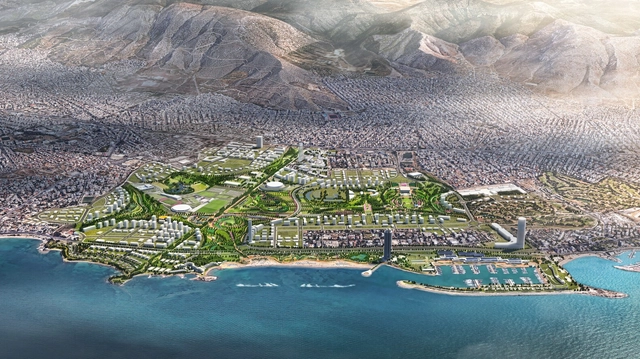
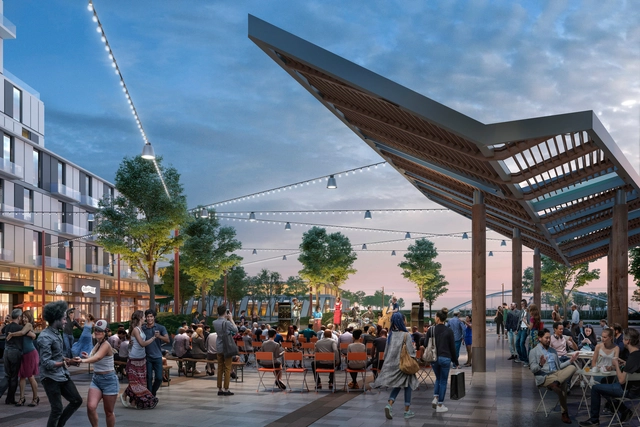
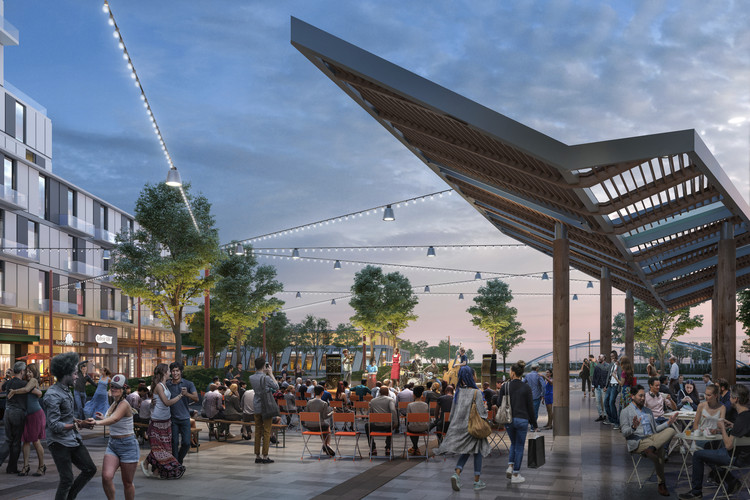
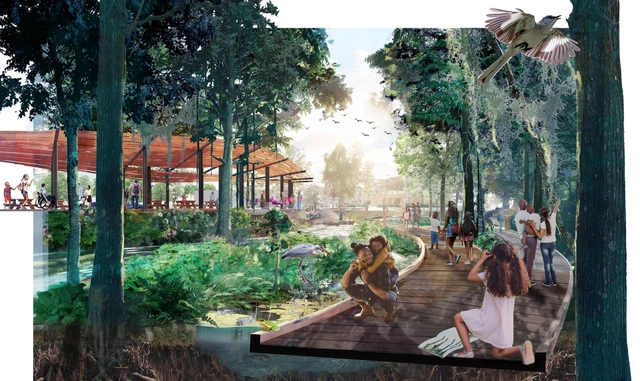
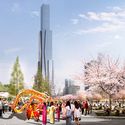
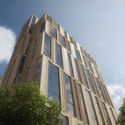
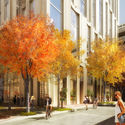
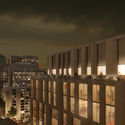
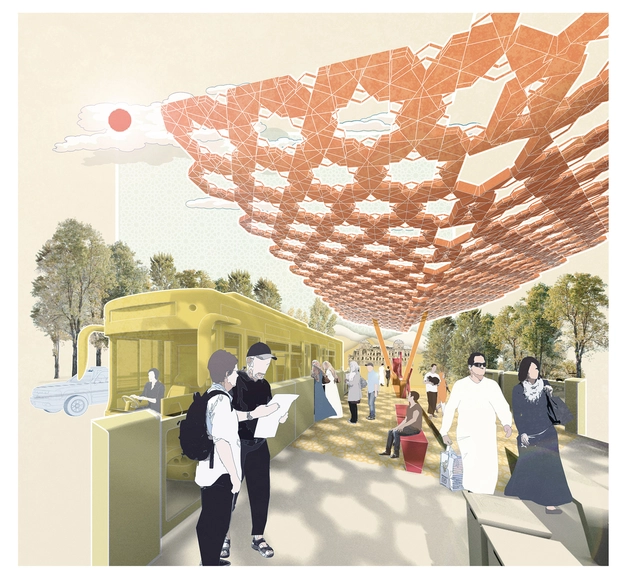
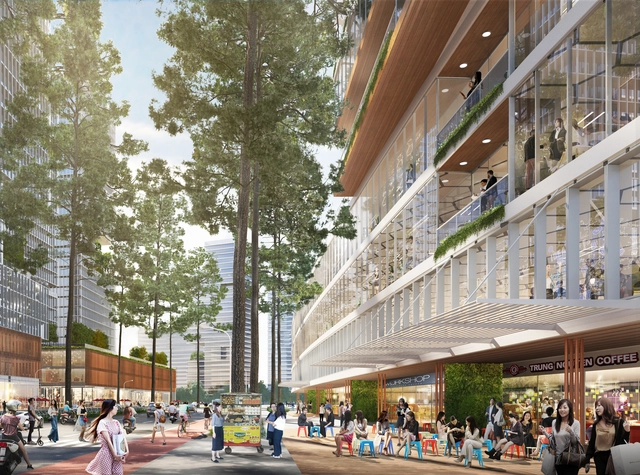
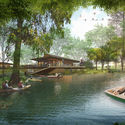
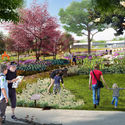
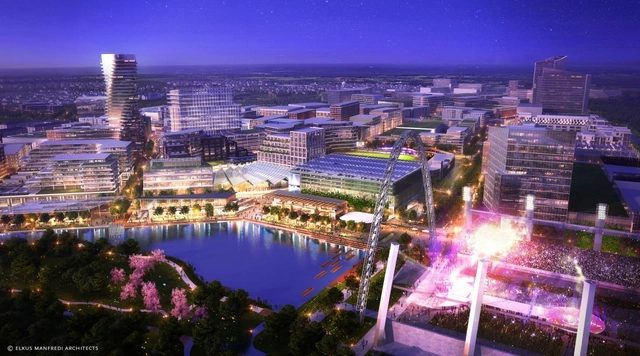
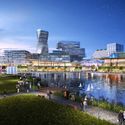
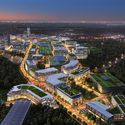
Overall Framework Render. Image Courtesy of Sasaki
Salalah is Oman's largest logistics port and its second-largest city. Located within a two-hour flight from Dubai and a 90-minute flight from Muscat, the city attracted over one million tourists in 2024. As part of the Oman Vision 2040 investment plan, Oman's Ministry of Housing and Urban Planning has commissioned Sasaki to develop a master plan for redesigning the city's waterfront. The plan includes renovating the city's coastal public spaces and constructing new housing and infrastructure to accommodate projected growth. The project is part of a broader initiative to double tourism's contribution to the nation's GDP by 2030, with on-site construction set to begin later this year, in 2025.
The Athens International Airport was decommissioned in 2001, leading to two decades of work for the local government to establish funding and a governance mechanism to transform the 600 acres of unused space into Europe's largest coastal park. The site has a layered history, from prehistoric settlements to the construction of the airport in the 20th century and the site being used for as an Olympic venue in 2004. Architecture office Sasaki is leading the design to transform the site again and create the Ellinikon Metropolitan Park, a restorative landscape and climate-positive design that will serve as a park, playground, and cultural center for the city of Athens. Developers are planning to break ground early next year.
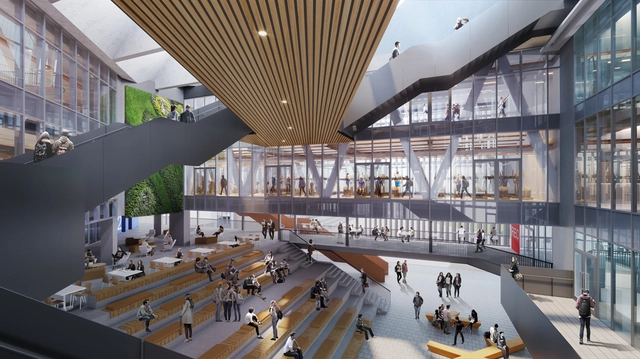
El centro recreacional, de bienestar y vida estudiantil de la Universidad de Lima. Image Cortesía de Sasaki
Over the past few years, educational campuses around the world have been confronted with various trends and challenges of change, such as pandemic adaptation, climate crisis, the responsibility for sustainable design and online teaching. SasakiArchitecture, with offices in Boston, Denver and Shanghai, specialises in planning educational campuses around the world. With a broad portfolio of projects at various scales of intervention, recent projects in the United States, China, Mexico and Peru stand out.
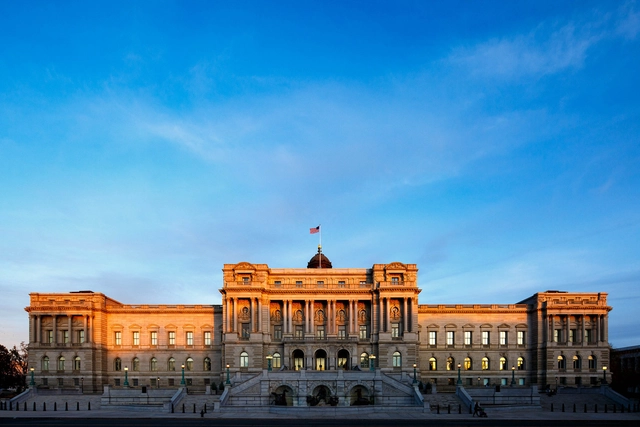
Digital literacy is not a topic architects usually consider. For Aliza Leventhal, Head of the Technical Services Section, Prints & Photographs Division at the Library of Congress, the processes of literacy and design go hand-in-hand. Previously the corporate librarian and archivist for Sasaki, Aliza is leading national conversations on everything from born-digital design files and archiving to institutional memory and knowledge sharing. Today, she's working with architects and designers to reimagine digital workflows for future access and ideation.
Celebrating community, three interdisciplinary leaders of design firm Sasaki are building space for change. Defining the future through collective, contextual, and values-driven projects, they are showing how working together produces greater impact. Following the belief that better design comes through open exchange and deep engagement, each of these women are creating more sustainable and inclusive futures.
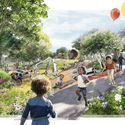
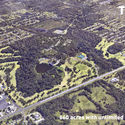
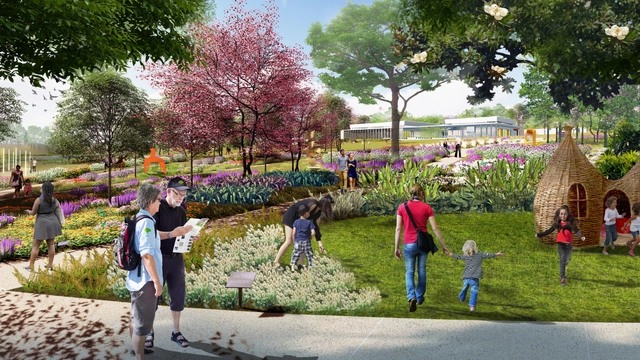
Interdisciplinary design practice Sasaki has unveiled new details of the 660-acre Greenwood Community Park and Baton Rouge Zoo Master Plan. The Parks and Recreation Commission of East Baton Rouge Parish (BREC) approved the first phase of the plan to move into design and implementation, and since then the team reached out to over 4,000 Baton Rougians over the course of nine months. The masterplan and park proposal aims to be reflective of the community’s needs as they imagine a new future together.
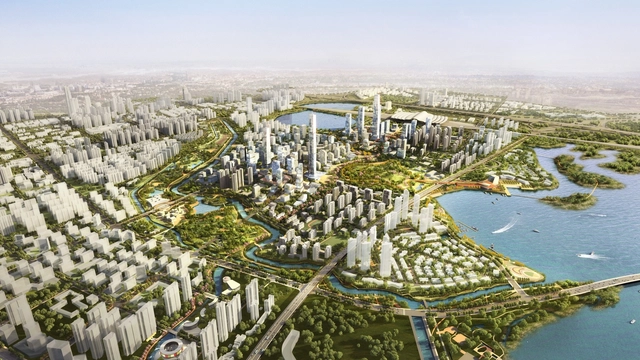
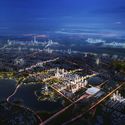
Designed by Sasaki in collaboration with an interdisciplinary team including Arup, JLL, and the Wuhan Planning Institute, the Wuhan Yangchun Lake Business District master plan was approved by the city. Imagining “a progressive yet realistic vision for the district”, the project, a landscape-forward urban blueprint, will define Wuhan’s next generation of growth.
Höweler + Yoon Architecture and Sasaki have announced the groundbreaking for new construction on 212 Stuart Street, in the historic Bay Village neighborhood in downtown Boston. The residential tower is a 19-story building containing 126 units with two townhouses and retail space on the ground level.
Imagined by Sasaki, the Kabul Urban Design Framework creates a vision of what the city can become. The project generates a set of guidelines that can transform the Afghan capital into a model of sustainable, equitable, and resilient development.
Sasaki has been selected by the government of Ho Chi Minh City to conceive the innovation district in the eastern part of the city, in collaboration with enCity, an international planning practice based in Singapore and Vietnam.
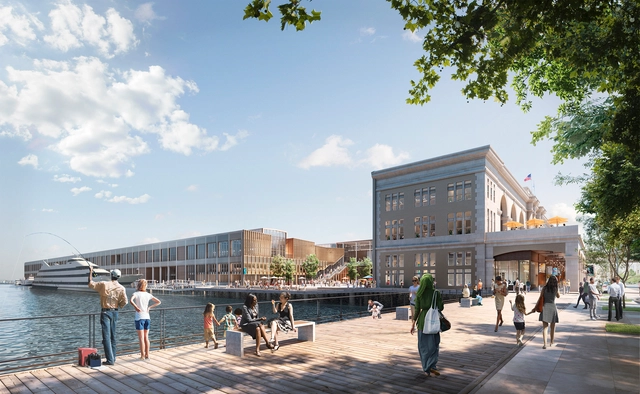
Schmidt Hammer Lassen has announced details of their second U.S. project: the Seaport World Trade Center in Boston, Massachusetts. An adaptive reuse project that will bring new life to Boston’s Commonwealth Pier, the 68,500-square-meter mixed-use project seeks to reactivate a historic maritime hub to create a new waterfront destination.
The largest pier building in the world when completed in 1901, the Commonwealth Pier will be reactivated with the introduction of new materials, increased daylight, and new points of connectivity. The exercise in adaptive reuse will contain flexible office space, dynamic event space, new retail, dining, and public amenities.
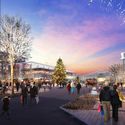
https://www.archdaily.com/911496/schmidt-hammer-lassen-revitalizes-bostons-commonwealth-pier-through-adaptive-reuseNiall Patrick Walsh
With the aim to create the self-proclaimed "Central Park of Lakeland," global design firm Sasaki is converting Bonnet Springs Park in Central Florida from a former CSX railyards property to an ecological hub. Initially, a vacant brownfield, the site is currently undergoing environmental remediation to tackle the years of industrial damage, with plans to be open to the public by 2020.
One year on from the Chicago Riverwalk’s completion, designers Sasaki Associates have released mesmerizing footage of the Riverwalk from a new perspective. Using a drone to give an overview of the project, the video captures the successful integration of the Riverwalk into the urban landscape as it changes shape and form, defining a unique experience for the public. Global design firm Sasaki led the team as prime consultant on the last two phases of the Riverwalk, working in close collaboration with local firm Ross Barney Architects.
“Smart cities” are the latest urban phenomenon popping up across the globe. Among the newest being realized will be Union Point, a masterplan with a commitment to innovation located just south of Boston, USA.
What is a “smart city?” It is a city in which embeds multiple data collection technologies within the city in hopes of providing a supportive and competitive advantage to the city’s residents and business. Officials then use this data to make their cities safer, healthier, and more efficient. Cities are not geniuses quite yet, but the “smart city” is rethinking the way cities are run.
Once largely viewed as a fringe activity belonging to passionate extremists, protest is now—in the wake of a controversial new administration’s ascension to power in the US and a heightened interest in politics globally—a commonplace occurrence, with a much broader participant base in need of places to gather and move en masse. This revitalized interest in protest was perhaps most visible on one particularly historic occasion: on January 21st, 2017, a record-breaking 4.2 million people took to the streets across the US to exercise their first-amendment rights.
Women’s marches took place on the frozen tundra (we have photographic evidence from a scientist in the Arctic Circle) and even in a Los Angeles cancer ward. But for the most part, these protests happened in the streets. In the first few months of 2017, the streets of our cities suddenly took center stage on screens across the world. From Washington to Seattle, Sydney to San Antonio, Paris to Fairbanks, broad boulevards and small town main streets were transformed from spaces for movement to places of resistance. From the Women’s March on Washington to April’s People’s Climate March, protestors are looking for space to convene and advocate for the issues that matter most to them.
https://www.archdaily.com/873608/8-ways-we-can-improve-the-design-of-our-streets-for-protestGina Ford and Martin Zogran