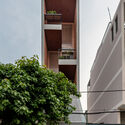
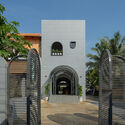
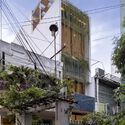
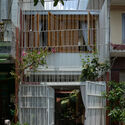
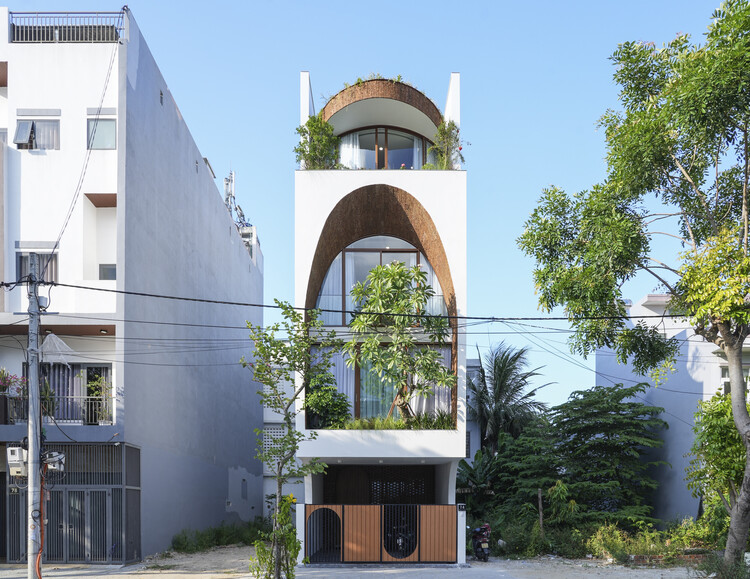
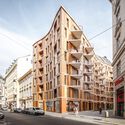
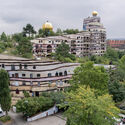
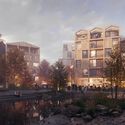
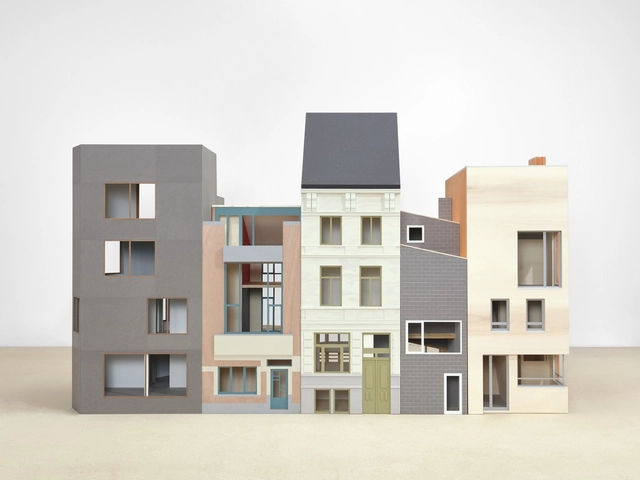
In Vietnam, the tube house has almost become a vernacular form in densely populated cities like Hanoi and Ho Chi Minh City. This typology originated from ancient façade taxes and as a strategic response to urban land scarcity and optimization of street frontage for commerce. Their traditional structure typically relies on the front façade for daylight and ventilation. People living there often face the challenge of designing in a space defined by the deep plots, limited street frontage, and close neighboring buildings, restricting natural light and airflow. To counter this fundamental lack of perimeter exposure, Vietnamese architects usually employ several strategies oriented towards internal environmental manipulation. This curated collection explores tube houses under 100 m2, where their small size increased the need for absolute spatial economy and the verticalization of function, which directly influenced design decisions across all projects.
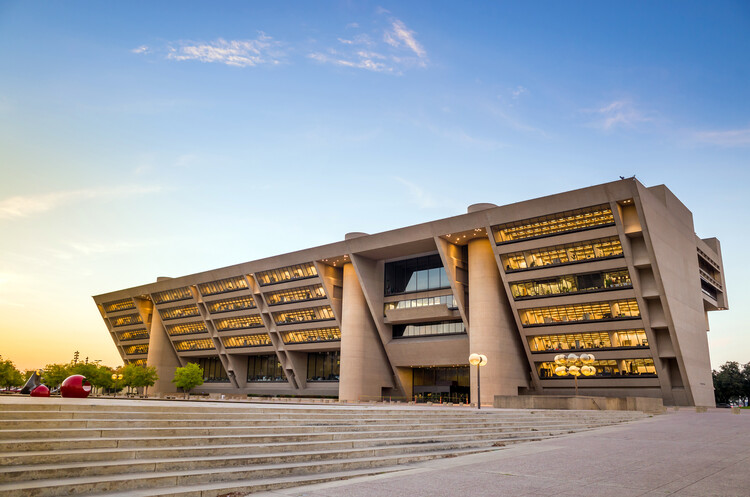
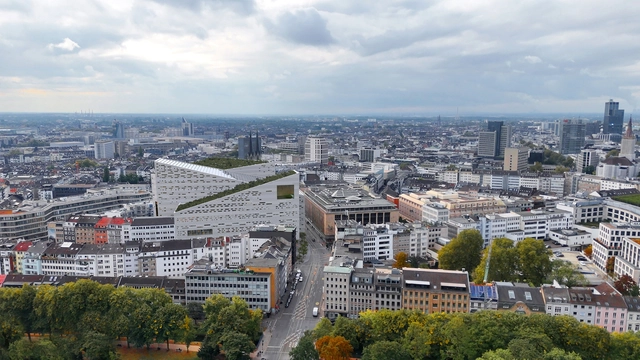
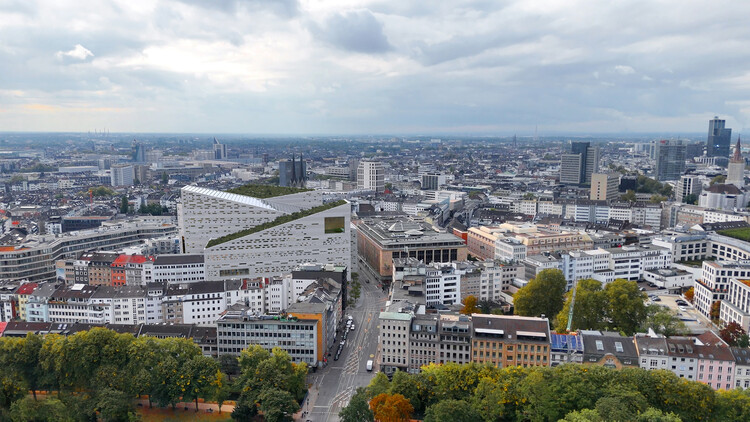
Across cultural districts and civic centers, this week's architectural developments highlight how institutions and city governments are reshaping their futures amid shifting environmental, social, and economic pressures. New museum and opera projects signal ongoing commitments to expanding public cultural infrastructure, while the debate surrounding Dallas' modernist City Hall illustrates the tensions that arise when questions of heritage meet rising maintenance demands and redevelopment pressures. At the same time, municipalities are advancing new regulatory tools to confront climate challenges, from electrification standards in Sydney and Boston to mobility restrictions and emerging forms of urban diplomacy. These developments reflect an increasingly complex landscape in which architectural environments evolve through a combination of cultural ambition, environmental targets, and shifting models of public decision-making.
The 18th Istanbul Biennial, organized by the Istanbul Foundation for Culture and Arts (İKSV), has opened its first phase to visitors and will remain on view until November 23, 2025. Curated by Christine Tohmé under the title "The Three-Legged Cat," the biennial is envisioned as a three-year process unfolding between 2025 and 2027. The second phase, scheduled for 2026, will focus on establishing an academy and collaborating with local initiatives through a series of public programs. The third and final chapter in 2027 will bring together the accumulated encounters through exhibitions and workshops.
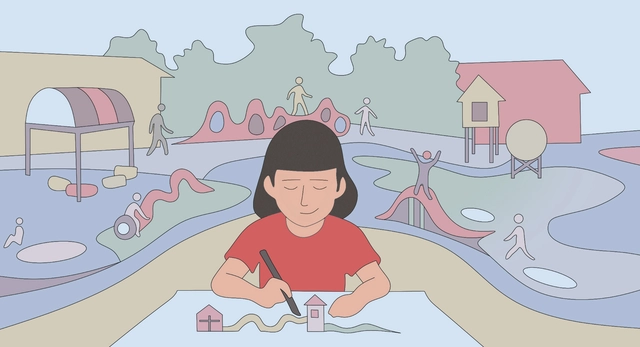
Neither a passing trend nor a permanent threat: the initial alarm is fading. Artificial intelligence is increasingly being adopted as a strategic tool which, when integrated responsibly, can be highly valuable—especially in participatory urban design processes focused on children and youth.
To explore this intersection of technology, cities, and new generations, we spoke with Dolores Victoria Ruiz Garrido, architect and founder of Little Architects, a program she created over a decade ago at the Architectural Association (AA) in London. With more than 15 years of experience in participatory urbanism, she emphasizes that AI can be a powerful tool when used ethically and purposefully—particularly to enrich education and community-focused design processes. But she warns: "The city cannot be understood from the screen—it must be grasped through the body, the walk, and wonder. Before generating stunning or visually beautiful images to transform the city, we must teach how to read it: to observe, understand, and emotionally connect with it."
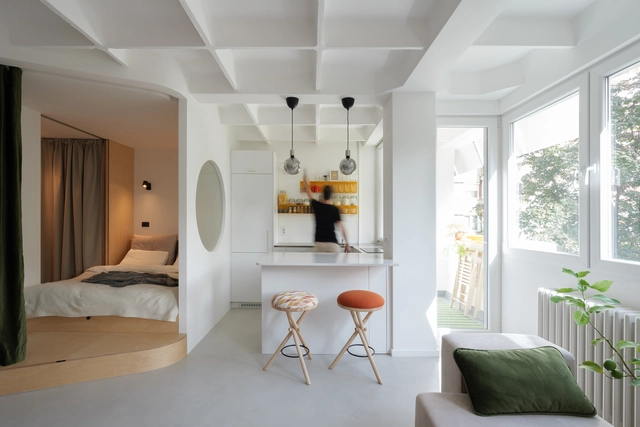
Living in densely populated cities is a reality for many. While the benefits of urban living—such as proximity to amenities, infrastructure, job opportunities, and lifestyle—remain highly valued, homes have seen a significant reduction in square footage. The trend toward smaller apartments has become increasingly common, with interior design playing a fundamental role. Reducing square meters demands efficient use of space and smart floor plan layouts. However, far from generating dull spaces, creativity in design has led to interesting architectural solutions that condense high-quality living into what is often called a micro apartment or studio, studios of 40m2 or under.
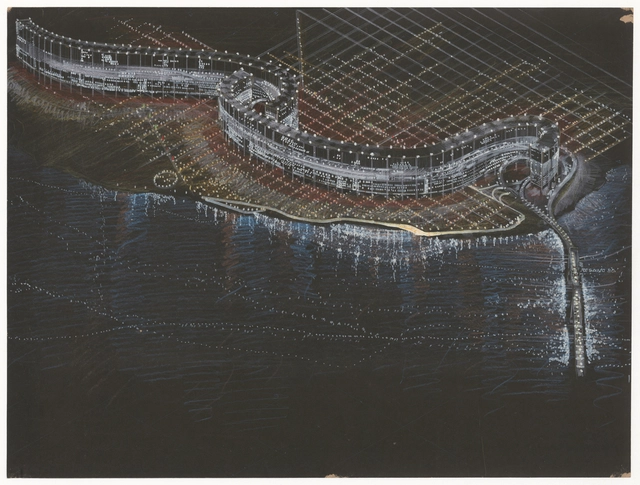
Through his unbuilt projects, built works, and research, Amancio Williams's ideas emerge as the result of a deep understanding of the most advanced trends of his time reflecting on architectural design, urbanism and city planning. By exploring various themes, concepts, and even materials, he aims to create a personal universe that interprets the present as something future-oriented, both international and distinctly Argentine. His proposal "La ciudad que necesita la humanidad" presents linear and layered buildings raised 30 meters above ground, incorporating everything from office spaces to roads and magnetic trains on different levels of a single structure. The Amancio Williams archive at the Canadian Centre for Architecture in Montreal documents Williams' career as an architect and designer from the 1940s to the late 1980s. The fonds documents his work for over 80 architectural, urban planning and design projects, as well as the administration of his architecture practice and his professional activities. Including drawings and sketches, presentation models, photographic materials, such as photographs of models, finished project (when realized), reference images, photographic reproduction of plans, and site photographs, the archive is available to consult offering more details.
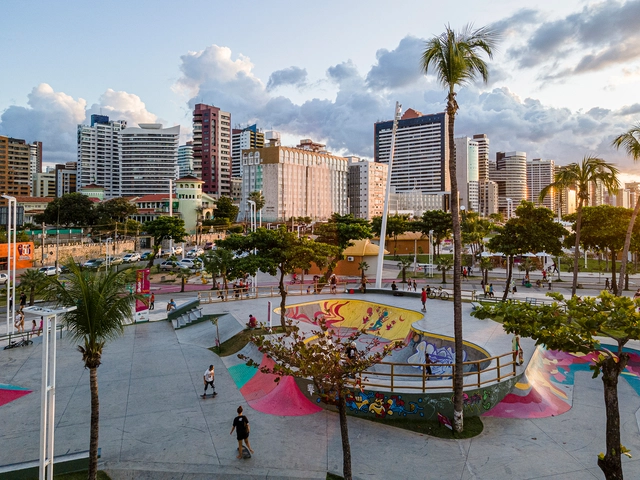
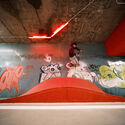
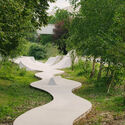
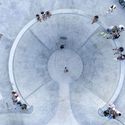
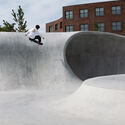
How is it possible to achieve emotional well-being in public spaces? What role do public spaces play in promoting urban well-being? Considering that sports practices can be a vital component in creating healthy public spaces, skateboarding, one of the most globally recognized urban activities, offers an alternative for building opportunities for the physical, recreational, social, cultural, and even professional development of multiple generations.
What urban and social transformations do our cities require today? How can urban planning and design contribute to improving the experience of their inhabitants in urban spaces? As Andreea Cutieru explains, urban acupuncture refers to the improvement of social and urban issues through precise interventions capable of revitalizing specific areas of cities and consolidating urban planning strategies. The +VIDA program represents a comprehensive strategy for urban and social transformation in territories, strategically focused on vulnerable populations in the Colombian Caribbean. It encourages the collective construction of cities through the exchange of knowledge, intelligence, and expertise, with the aim of transforming the habitat in an integrated manner.
"O beautiful, for spacious skies, for amber waves of grain, has there ever been another place on earth where so many people of wealth and power have paid for and put up with so much architecture they detested as within thy blessed borders today?"
Tom Wolfe wrote this in his 1981 book From Bauhaus to Our House. The conflict between modern and traditionaldesign has barely abated since, as is evident in this recent article. In the U.S., modern buildings are often met with community aversion, for familiar reasons: their perceived coldness and lack of contextual sensitivity, the impact on local character, and the loss of historical continuity. But on another level, the critique against modern design finds even more purchase on the larger scale: the city. Modern U.S. cities reek of traffic congestion and pollution, social inequality and gentrification, a loss of community and cultural spaces, and a lack of usable open space.
https://www.archdaily.com/1020898/contemporary-architecture-and-the-modern-cityGerhard W. Mayer
Cities, like people, are dynamic and constantly evolving to keep pace with and adapt to the social, economic, and environmental changes of their time. Similarly, the vision of how the ideal city should be planned has been influenced by each era’s realities and prevailing thoughts.
Industrialization, the increasing migration of people from rural to urban areas, population growth, the development of new materials and construction technologies, the dominance of automobiles as a means of transportation, and, more recently, the search for alternative ways of occupying and moving through cities have all impacted urban planning theories throughout history. These influences have shaped the structure of modern cities—with their successes and challenges.
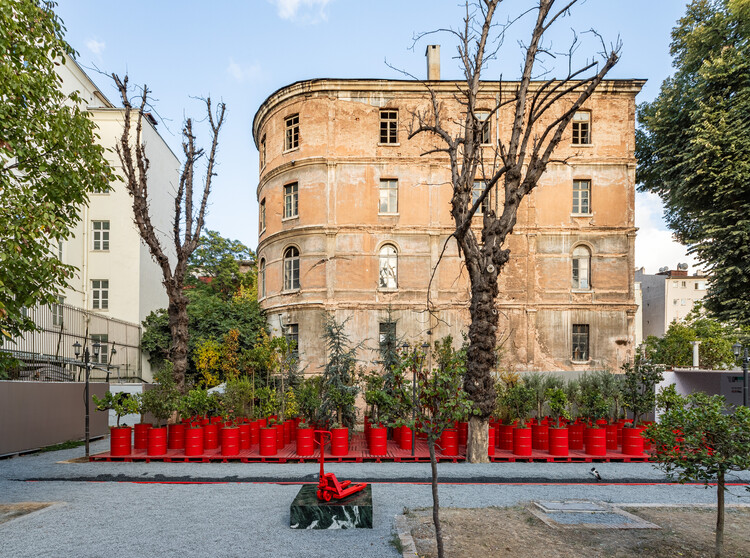
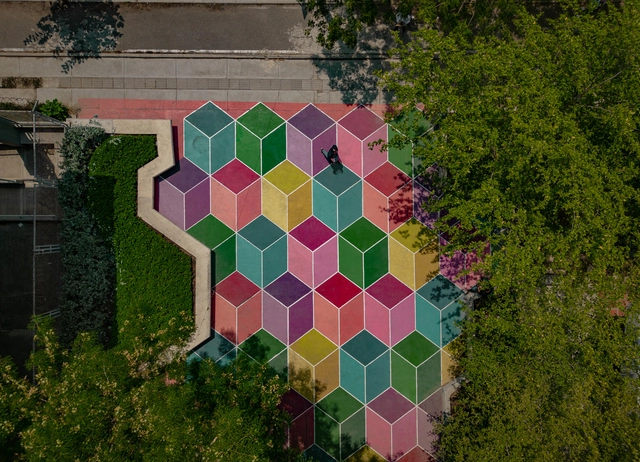
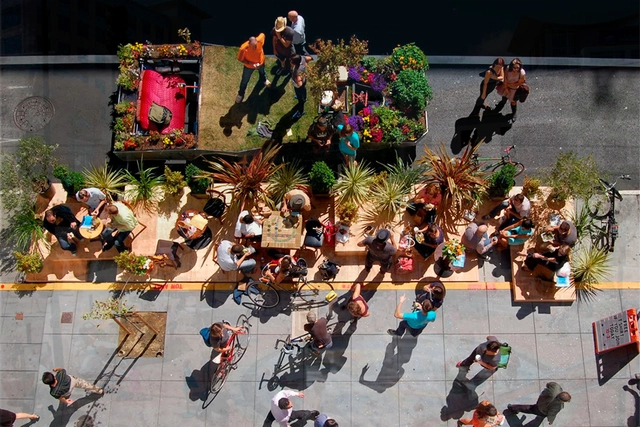
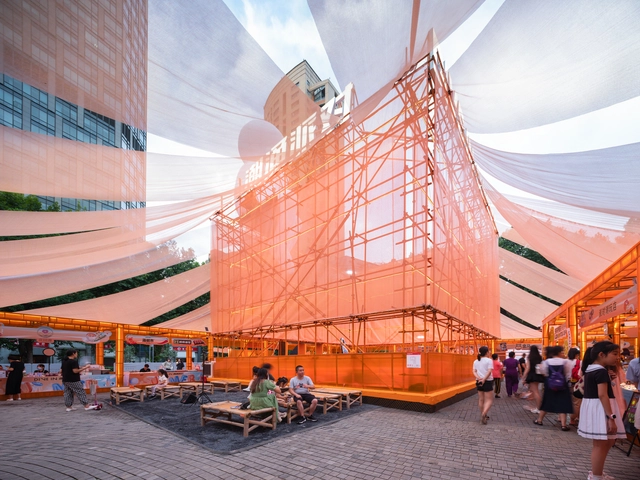
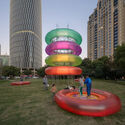
Ephemeral architectures, characterized by their temporary and flexible nature, have emerged as powerful tools for revitalizing urban spaces and fostering architectural creativity. These transient installations transform public areas, engaging communities, and prompting reflections on the potential futures of our cities. By temporarily transforming environments, ephemeral architectures encourage both architects and the public to reimagine the possibilities of urban living. This dynamic interplay, between the temporary and the permanent, challenges traditional architectural practices and opens up new avenues for sustainable and inclusive urban development.
While hybrid working and flexible hours represent the most obvious ways to improve work/life balance for many, because of the missed social interactions and the lack of space or functionality at unproductive home workspaces, the majority of 16-24-year-olds are the only age group who prefer to work from the office.
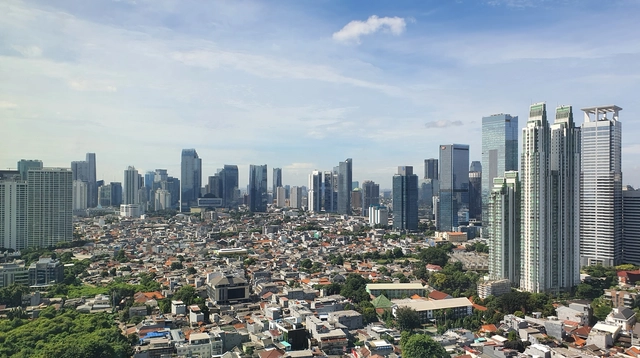
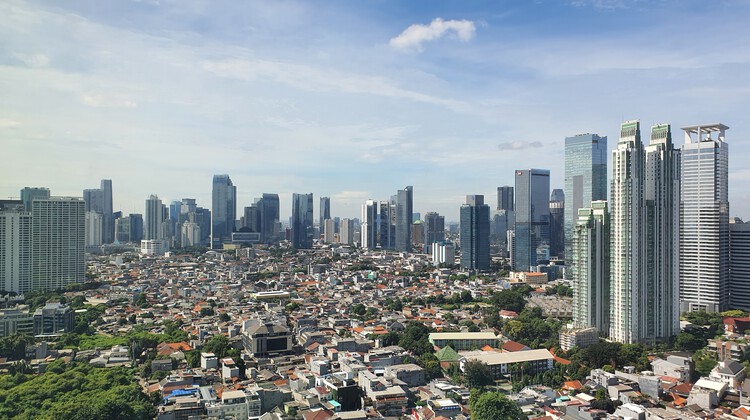
As cities grow in scale, dimensions, and amplitude, taking in 60% of the world population, the United Nations has designated the 31st of October as “World Cities Day”, an opportunity to talk furthermore about global urbanization, addressing challenges, encouraging opportunities across borders and highlighting responses. Focusing this edition on the theme of “Adapting Cities for Climate Resilience”, this day, part of Urban October, seeks to raise awareness about the climate crisis and its repercussions on the built environment.
Cities, at the center of the global challenges, are hubs for institutions, society, economy, commerce, and transportation. Understanding the importance of “Thinking the City”, we have compiled in this roundup, articles published by ArchDaily’s editors that offer planning tools and guidelines, tackle the different components of the urban realm and highlight worldwide as well as contextual questions and responses.
Exactly a year ago, on August 4, 2020, the third-largest non-nuclear explosion ever-recorded destroyed almost half the city of Beirut, ripping through the port and the eastern part of the capital. One of the biggest urban tragedies of modern times, killed more than 200 people, wounded thousands, and left an estimated 300,000 people homeless, damaging over 80,000 commercial, residential and public spaces. Felt across neighboring countries, the blast stripped the city’s constructions of their cladding, framing, and glass elements, while completely tearing down other buildings, leaving around US$15 billion in property damage, in times of Covid, political and social unrest, and economic collapse.
One year later, so little has changed. One year later, it only became harder for the people of Beirut. One year later, everything in the city still reminds them of that day. Major questions remained unanswered, no rescue or action plans have been taken by governmental institutions, instead, civil society rose to take into their own hands, reconstruction efforts, in the total absence of the state.
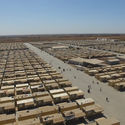
SANLIURFA, TURKEY - February 19, 2014: Aerial view of Akcakale Refugee Camp. Approximately 28.000 Syrian people reside in Akcakale Tent Camp in Urfa.. Image via Shutterstock/ By answer5
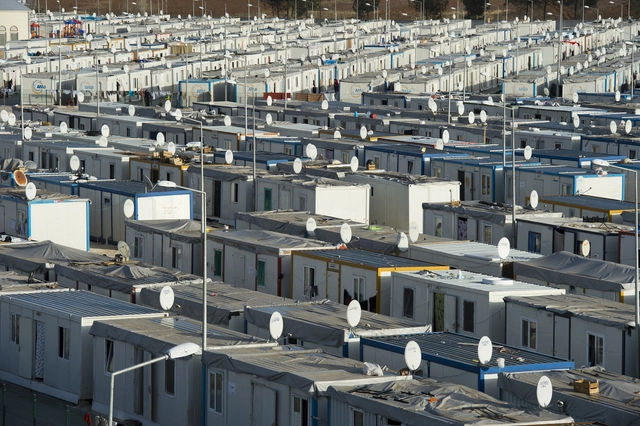
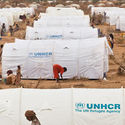
With more than 70 million forcibly displaced people worldwide, according to the UNHCR, and nearly 25.9 million refugees, the time has come to reconsider the traditional emergency camp approach. Although the concept is temporary by definition, in real life the lifespan of these refugee camps exceeds the planned and the expected.
Ranging from seven to seventeen years, most of these settlements surpass their expiry dates. Actually, on average, according to the United Nations High Commissioner for Refugees (UNHCR) in Kenya, "many displaced persons spend more than 16 years living as refugees in temporary shelter."