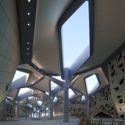
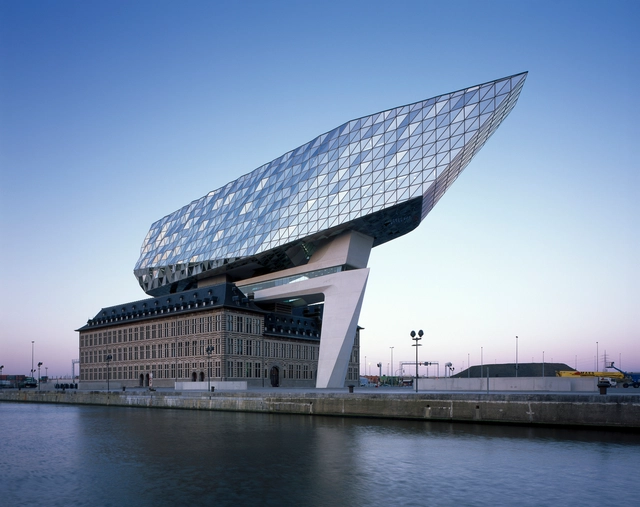
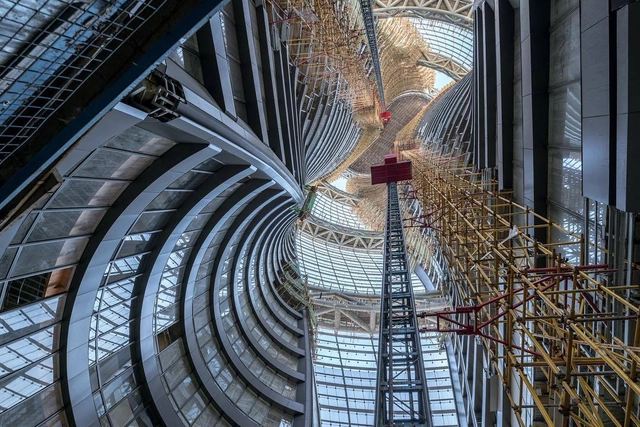
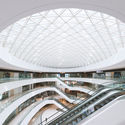
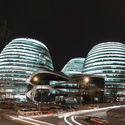
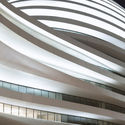
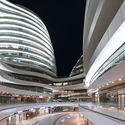
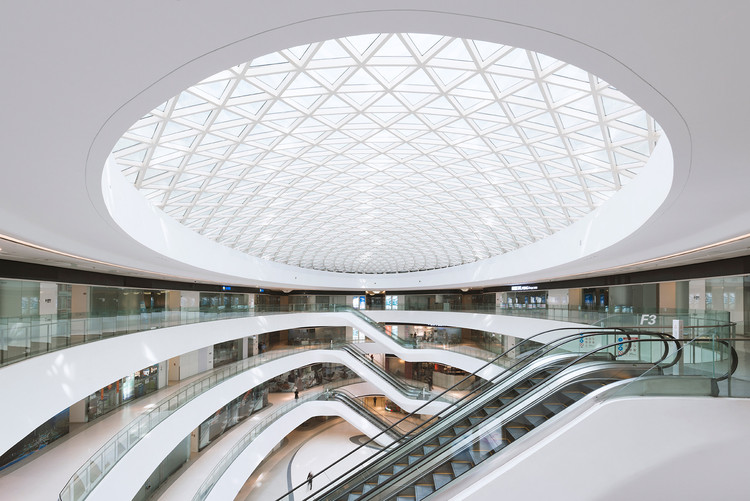
New photographs have emerged of the Zaha Hadid Architects-designed Leeza SOHO, a mixed-use office tower in Beijing’s Leeza Financial Business District. Featuring the world’s tallest atrium, the twisting, contorted structure weaves two separate sections of the tower in a visual infusion.
The new images celebrate the 190-meter-tall atrium rising through the full height of the building, designed to “rise as a single volume, divided into two halves.” The 172,800-square-meter scheme sits atop a new transit hub straddling a subway tunnel currently under construction.
This article was originally published on May 9, 2016. To read the stories behind other celebrated architecture projects, visit our AD Classics section.
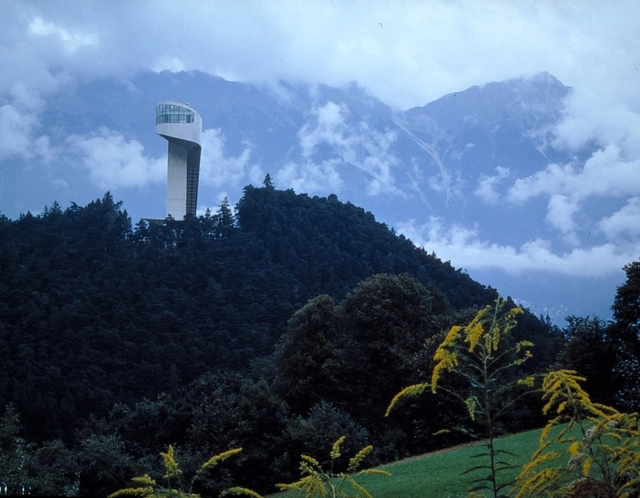
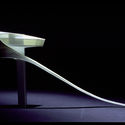
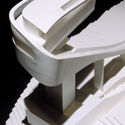
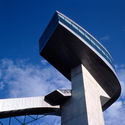
Situated on the peak of Bergisel Mountain above the picturesque alpine city of Innsbruck, Austria, the Bergisel Ski Jump represents the contemporary incarnation of a historic landmark. Designed by Zaha Hadid between 1999 and 2002, the Ski Jump is a study in formal expression: its sweeping lines and minimalist aesthetic create a sense of graceful, high-speed motion, reflecting the dynamic sensation of a ski jump in a monumental structure that stands above the historic center of Innsbruck and the mountain slopes around.
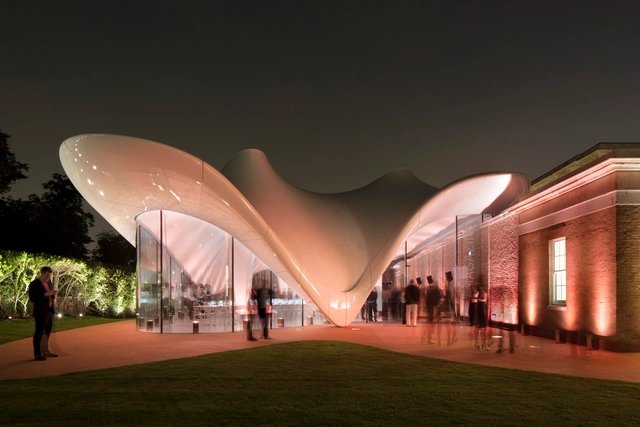
If the surest sign of summer in London is the appearance of a new pavilion in front of the Serpentine Gallery, then it’s perhaps fair to say that summer is over once the pavilion is taken down. The installations have gained prominence since its inaugural edition in 2000, acting as a kind of exclusive honor and indication of talent for those chosen to present; celebrated names from the past names include Zaha Hadid, Rem Koolhaas, and Olafur Eliasson.
This article was originally published on April 21, 2016. To read the stories behind other celebrated architecture projects, visit our AD Classics section.
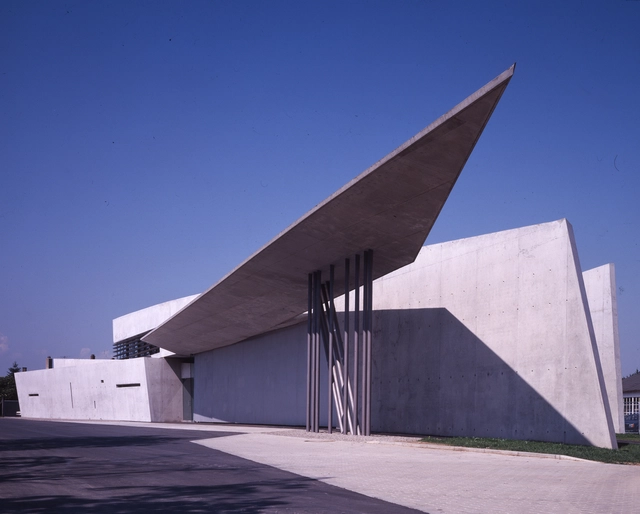
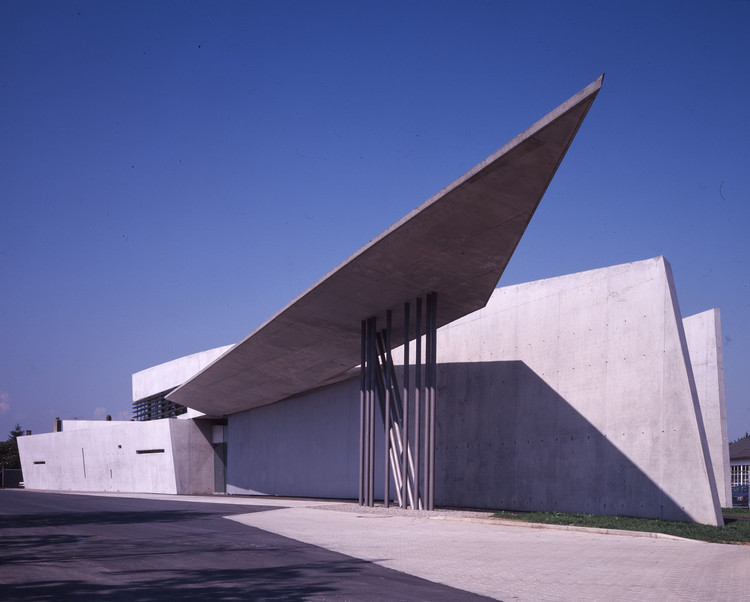
Although Zaha Hadid began her remarkable architectural career in the late 1970s, it would not be until the 1990s that her work would lift out her drawings and paintings to be realized in physical form. The VitraFire Station, designed for the factory complex of the same name in Weil-am-Rhein, Germany, was the among the first of Hadid’s design projects to be built. The building’s obliquely intersecting concrete planes, which serve to shape and define the street running through the complex, represent the earliest attempt to translate Hadid’s fantastical, powerful conceptual drawings into a functional architectural space.
This article was originally published on April 22, 2016. To read the stories behind other celebrated architecture projects, visit our AD Classics section.
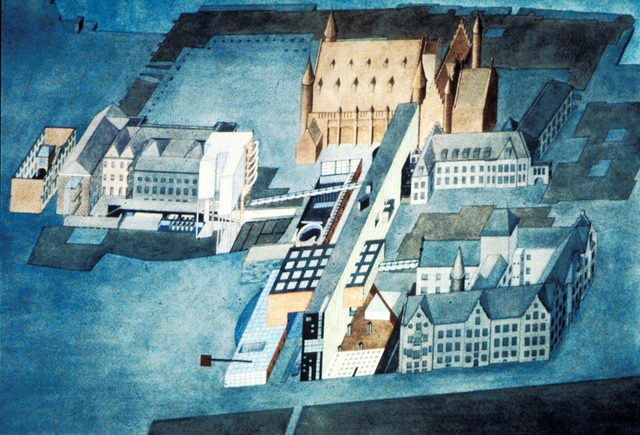
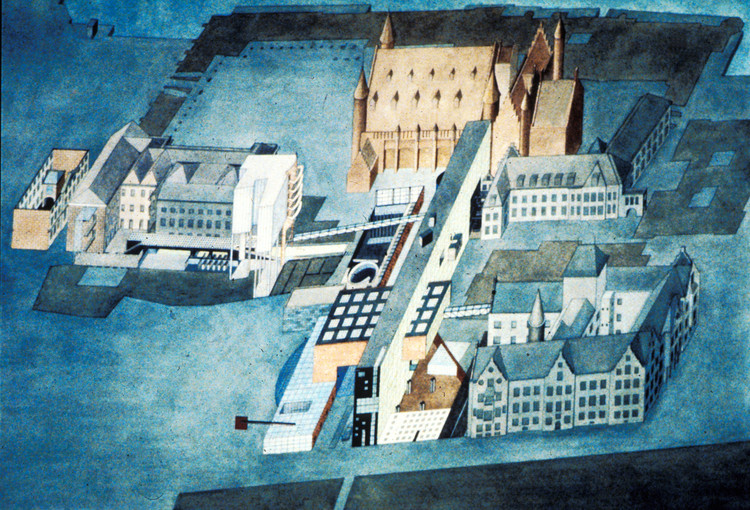
Designed shortly before Zaha Hadid left the Office of Metropolitan Architecture (OMA)—led by Rem Koolhaas—to found her practice, Zaha Hadid Architects, the proposed extension for the Dutch Parliament firmly rejects the notion that imitation is the sincerest form of flattery. Rather than mimic the style of the existing historic buildings, OMA elected to pay tribute to the complex’s accretive construction by inserting a collection of visibly postmodern, geometric elements. These new buildings, unapologetic products of the late 1970s, would have served as unmistakable indicators of the passage of time, creating a graphic reminder of the Parliament’s long history.
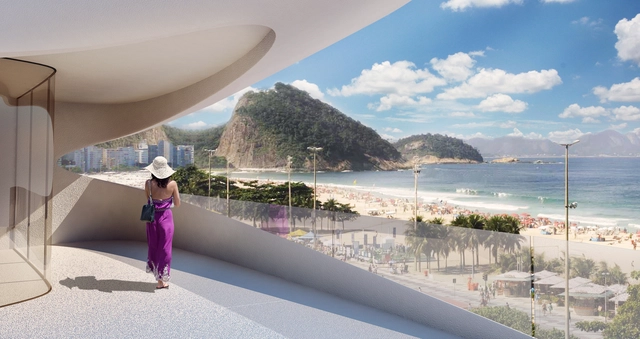
"Residencial Casa Atlântica" in Copacabana, Zaha Hadid's first project in South America, was canceled. O Globo reported the cause as "the delay of the city hall to release the work license and the consequent delay of the launch and inauguration of the project." The luxury residential condominium was designed in 2013 and should have been opened in time for the Olympics.
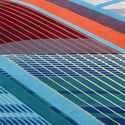
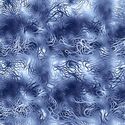
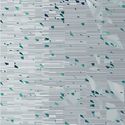
The four themes consist of striated lines, ribbonlike projections, pixelated landscapes, and organic cellular shapes. Each pattern captures “Hadid’s signature use of interweaving, layering and play with light and shadow.”
https://www.archdaily.com/902339/zaha-hadid-architects-presents-interweaving-carpet-collection-for-royal-thai-during-london-design-festival-2018Niall Patrick Walsh
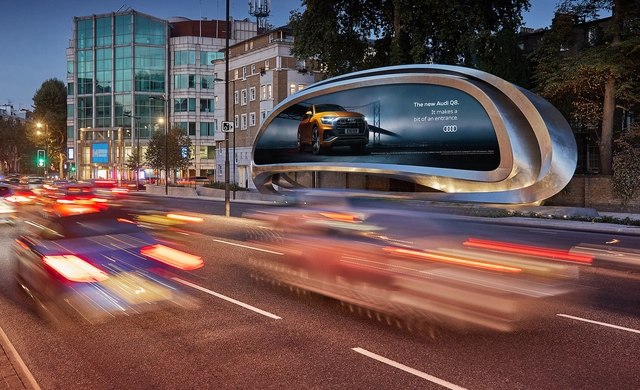
Zaha Hadid Architects have released images of their latest project, a sculptural billboard named for its location in Kensington, London. The project, a collaboration between the late Zaha Hadid and partner Patrik Schumacher, marks the firm’s first direct foray into advertising.
https://www.archdaily.com/901776/zaha-hadid-architects-reveal-twisting-steel-billboard-in-west-londonKatherine Allen
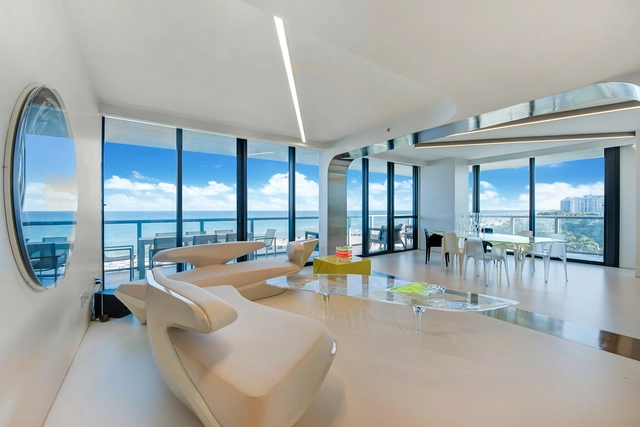
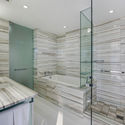
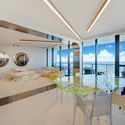
Dame Zaha Hadid forever shaped the field of architecture and design. As an architect who ventured where few would dare, she left an indelible mark on practice. Now, Sotheby's has reportedly sold her Miami residence at W South Beach. The Pritzker-Prize winning architect's private retreat is 3 bedroom, 4 bath unit that opens out to the Atlantic Ocean. Personally designed by the late Zaha herself, the residence gives a glimpse into the life of one of history's greatest architects.
It is rare for a father and son to share the same birthday. Even rarer is it for such a duo to work in the same profession; rarer still for them both to achieve international success in their respective careers. This, however, is the story of Eliel and Eero Saarinen, the Finnish-American architects whose combined portfolio tells of the development of modernist architectural thought in the United States. From Eliel’s Art Nouveau-inspired Finnish buildings and modernist urban planning to Eero’s International Style offices and neo-futurist structures, the father-son duo produced a matchless body of work culminating in two individual AIA Gold Medals.
What does the Parisian park look like? For many, the answer to that question comes in the form of a painting: Georges Seurat’s ASunday Afternoon on the Island of La Grande Jatte, in which the well-dressed bourgeoisie leisurely enjoy a natural oasis on a verdant island within their industrializing city.
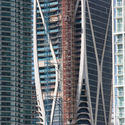
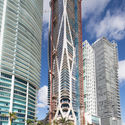
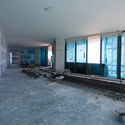
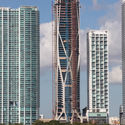
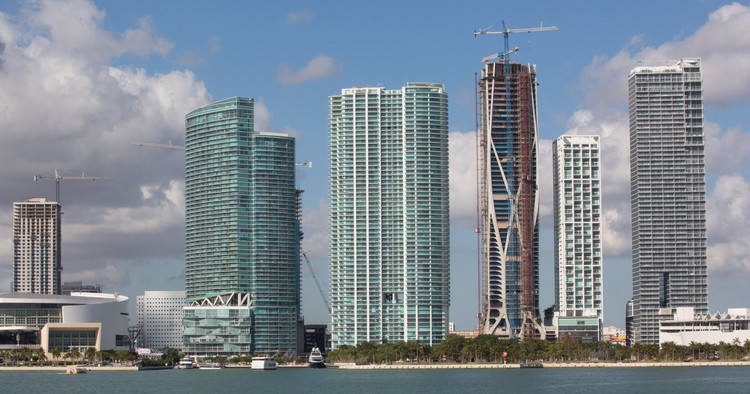
The new imagery showcases the 700-foot-high (210-meter-high) tower’s curved structural exoskeleton, comprising 5,000 pieces of glass-fiber-reinforced concrete. The photo gallery also offers some of the first images of the scheme’s interior spaces, still under construction, showing the influence of the exoskeleton on the internal environment.
Zaha Hadid Architects have released images of their proposed redevelopment of the historic Mercury House, situated in the tourism and entertainment center of Paceville on Malta’s east coast. An extensive renovation to the existing structure will see the integration of residential apartments, a boutique hotel, and a range of public spaces and amenities.
The boldest addition to the derelict heritage site will be a 31-story tower, rotating as it rises in response to different functional programs. The resulting form seeks to instill “a sense of dynamism within its silhouette that changes when viewed from different directions around Paceville."
When you think of your favorite spot to grab a beer, what architectural features come to mind? Is it the swanky furniture, themed artwork, or the heavily designed cocktail menu? Today, the aesthetics of bars are now as much a draw as the drinks themselves. From movie set inspired spaces to rooftops that offer spectacular city views, we’ve compiled a list of nine bars and beer gardens that every architect needs to cross off their list.
From the Fundación Arquia Blog, architect José Ramón Hernandez brings us an article that reflects on projects that can only be appreciated because of who they were created by. If it weren't for the fact that they bear the signature of their illustrious creator, they most likely would have gone completely unnoticed or even despised.
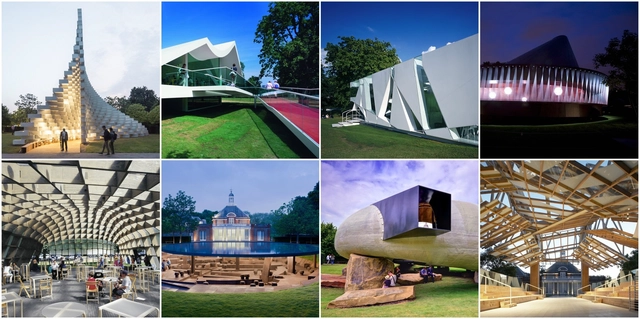
Lasting for close to two decades now, the annual Serpentine Gallery Pavilion Exhibition has become one of the most anticipated architectural events in London and for the global architecture community. Each of the previous eighteen pavilions have been thought-provoking, leaving an indelible mark and strong message to the architectural community. And even though each of the past pavilions are removed from the site after their short summer stints to occupy far-flung private estates, they continue to be shared through photographs, and in architectural lectures. With the launch of the 18th Pavilion, we take a look back at all the previous pavilions and their significance to the architecturally-minded public.


.jpg?1541159237 "© Satoshi Ohashi (Zaha Hadid Architects)")




.jpg?1539856634&format=webp&width=640&height=580)


.jpg?1539856634)










_MWAA.jpg?1534522436 "© MWAA")

_Ezra_Stoller.jpg?1534522458 "© <a href='https://www.flickr.com/photos/gabyu/305710396'>Ezra Stoller via Flikr user gabyu</a> licensed under <a href='https://creativecommons.org/licenses/by-nd/2.0/'>CC BY-ND 2.0</a>")


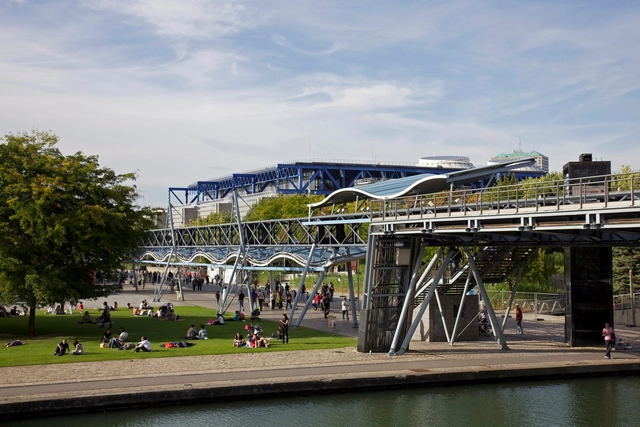

.jpg?1533397440 "© <a href='https://upload.wikimedia.org/wikipedia/commons/f/f6/Parc_de_La_Villette_%40_Paris_%2828926264776%29.jpg'> Creative Commons User Guilhem Vellut</a> licensed under <a href=’https://creativecommons.org/licenses/by/2.0/'>CC BY 2.0</a>")
.jpg?1533397475 "© <a href='https://upload.wikimedia.org/wikipedia/commons/d/d2/Folie_N8_%40_La_Villette_%40_Paris_%2833893431256%29.jpg'> Creative Commons User Guilhem Vellut</a> licensed under <a href=’https://creativecommons.org/licenses/by/2.0/'>CC BY 2.0</a>")
.jpg?1533397559 "© <a href='https://upload.wikimedia.org/wikipedia/commons/b/b4/Canal_%40_La_Villette_%40_Paris_%2833091237904%29.jpg'> Creative Commons User Guilhem Vellut</a> licensed under <a href=’https://creativecommons.org/licenses/by/2.0/'>CC BY 2.0</a>")