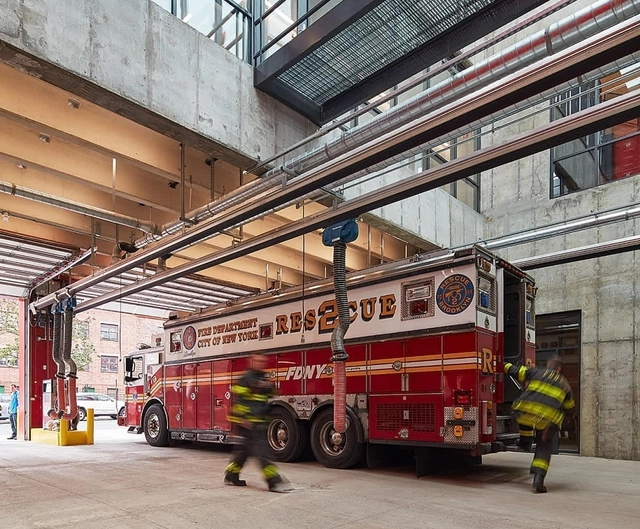
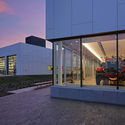
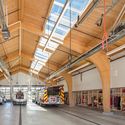
Architects are charged with protecting the public’s health, safety, and well-being. When buildings fail, whether through increased loads, poor design, or natural disasters, that charge also falls to those capable and willing to aid people in need. Firefighters regularly experience architecture’s collapse, often risking life and limb to save occupants and individuals they do not know. Yet firefighters and emergency personnel also have their own buildings they call home, rare typologies where recreational, domestic, and professional activities collide.
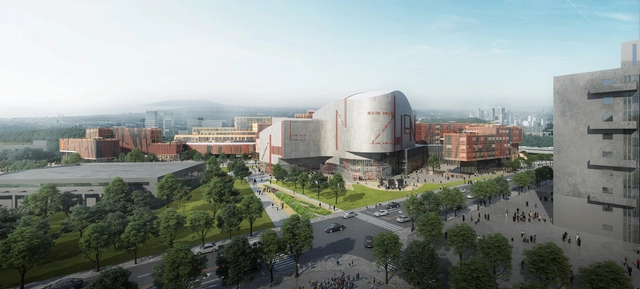
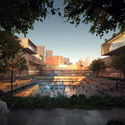
Miralles Tagliabue EMBT, directed by Benedetta Tagliabue, has won the international competition to design the Shenzhen Conservatory of Music, one of the city's 10 new era cultural buildings. Characterized by the dialogue generated with its surroundings, the complex integrates music and art in nature with a proposal of organic and sustainable architecture.
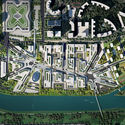
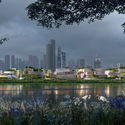
Zaha Hadid Architects has designed the future of Huanggang Port Area, creating a hub of scientific research and collaboration in industries in Shenzhen, China. The new proposed master plan puts in place “an important node of the Guangzhou-Shenzhen Science and Technology Corridor”, through the reconstruction of the port building as well as the transformation of its empty lots into the national center for technology innovation.
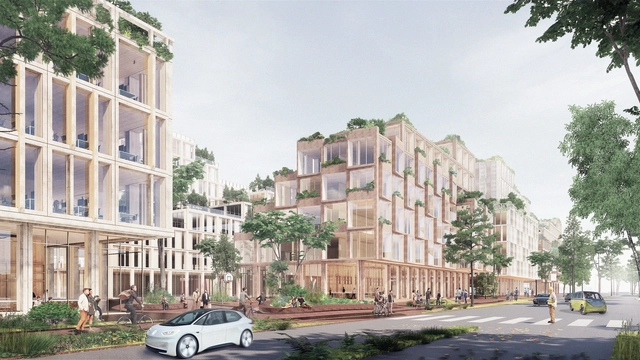
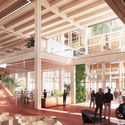
Creating new standards for a more connected and livable city, Henning Larsen has designed a New Masterplan for Wolfsburg, Germany. The new prototype for urbanism across the European continent diffuses new energy in the city center. Selected to design the project in a competition in 2019 that included competitors UNStudio and Bjarke Ingels Group, Henning Larsen’s proposal for phase 1 is expected to reach completion by 2023.
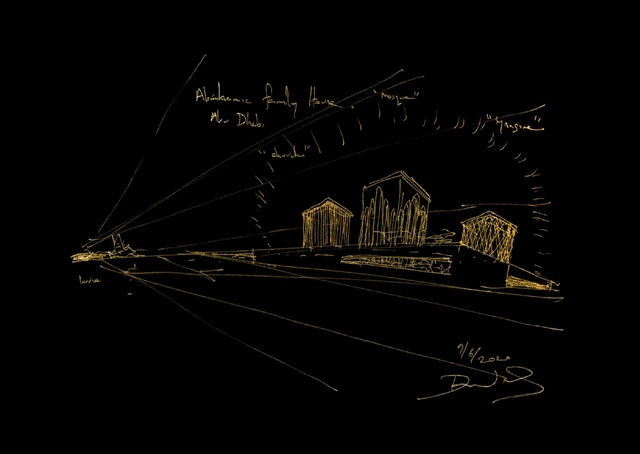
Sir David Adjaye Studio. Image Courtesy of Design Miami/Architects for Beirut
Design Miami’s latest initiative in partnership with Architects for Beirut, has gathered a collection of 100+ original architectural drawings and artworks donated by 90+ renowned architects from around the world. With proceeds going to aid on-the-ground restoration efforts in Beirut, works offered include exclusive pieces from Zaha Hadid, David Chipperfield, Toyo Ito, Steven Holl, Tatiana Bilbao, Adjaye Associates, and Renzo Piano, to name a few.
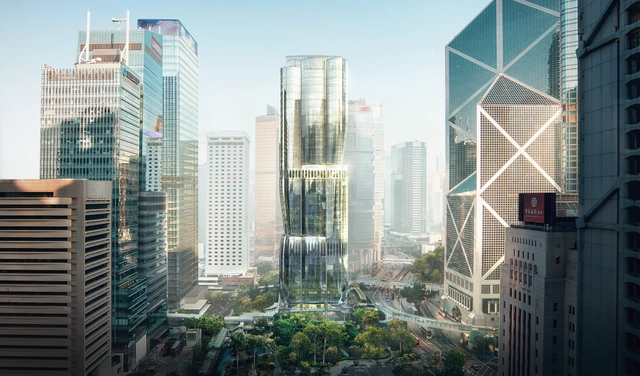
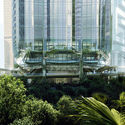
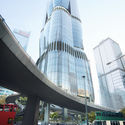
Zaha Hadid Architects has revealed its design for the 36-story Murray Road project for Henderson Land, in the heart of Hong Kong’s central business district. Creating new civic plazas enveloped by nature, the urban oasis is located in proximity to both Central and Admiralty MTR metro stations.
In the Lebanese capital, Beirut, a fire erupted on Tuesday Morning at Beirut Souks, a Zaha Hadid-Designed building. External walls of the under-construction department store fell as flames ravaged the building. The first reports did not clarify the causes of the fire.
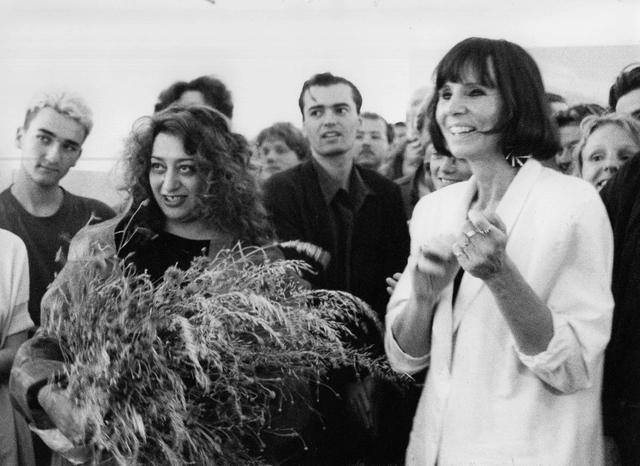
During the peak of Postmodernism, and the uprising of notions such as urban renewal and public participation, Aedes Architecture Forum, the first private architecture gallery in the world, opened in 1980 in Berlin. Founded by Journalist Kristin Feireiss and Helga Retzer, both neither architects nor regularly engaged with architecture at that time, Aedes aspired to encourage an international dialogue around the subjects of urban environment, space, and society.
Shortly after its inception, the center became an integral part of the contemporary international architectural scene, carrying out debates, seeking fresh ideas, showcasing the avant-garde, and highlighting young talents. Providing architects with a compelling space to present their architectural and urban ideas, Aedes hosted exhibitions for Zaha Hadid, Venturi Scott Brown, Cedric Price, John Hejduk, OMA (Office for Metropolitan Architecture), Peter and Alison Smithson, and Bernard Tschumi to name a few.
Zaha Hadid Architects has won a competition to design and build the new Shanghai headquarters of the China Energy Conservation and Environmental Protection Group (CECEP). The 218,000 sqm project will be the ‘greenest’ building in the city with sustainability embedded into every aspect of its design and construction to achieve more than 90 credits in China’s exacting Three Star Green Building Rating system - the highest score for any building in Shanghai.
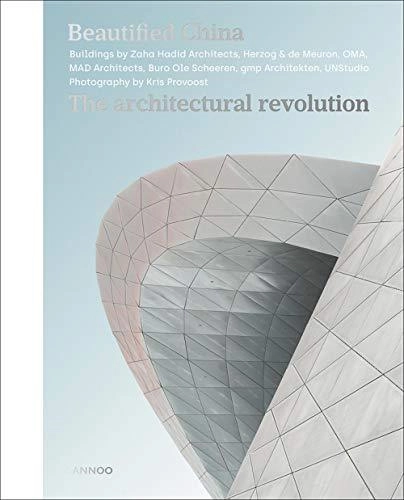
- A photo essay by Belgian architectural photographer Kris Provoost capturing the boldest and most iconic structures of the architectural revolution in China - Striking images of fantastical buildings from unexpected angles and perspectives "Beautified China shows the country's modern architecture in new light" - CNN Style Photo-Series "Provides an abstracted look at China's iconic architecture," - ArchDaily.com.The past decade, internationally renowned architects such as Zaha Hadid, Rem Koolhaas, Ole Scheeren, and Herzog & de Meuron have given their creativity and expertise free rein in China, where the sky is literally the limit, from construction techniques and use of materials
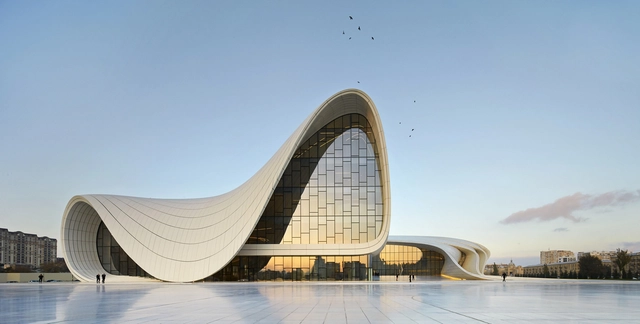
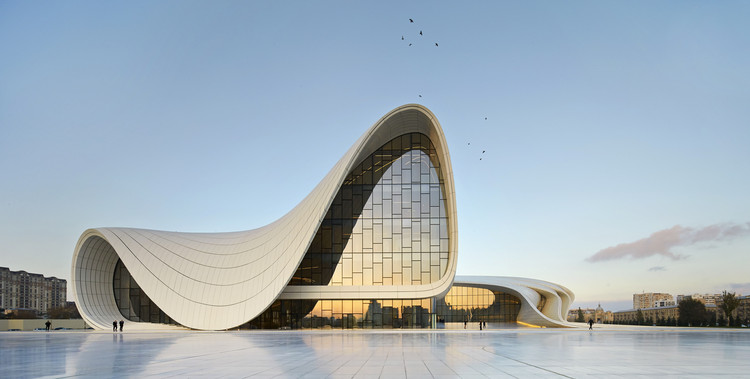
In her lifetime, Pritzker prize-winning architect, fashion designer and artist Zaha Hadid (31 October 1950 – 31 March 2016) became one of the most recognizable faces of our field. Revered and denounced in equal measure for the sensuous curved forms for which she was known, Hadid rose to prominence not solely through parametricism but by designing spaces to occupy geometries in new ways. Despite her tragically early death in March of 2016, the projects now being completed by her office without their original lead designer continue to push boundaries both creative and technological, while the fearless media presence she cultivated in recent decades has cemented her place in society as a woman who needs just one name: Zaha.
Wolf Prix. Image Courtesy of NewSchool and AIAS San Diego
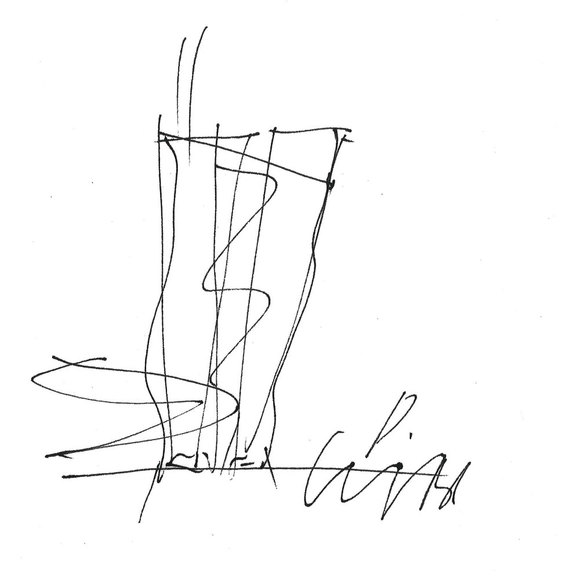
The napkin sketch has always had its place in architecture. In 2015, some of the world's more respected architects donated their very own conceptual doodles to the NewSchool of Architecture & Design and San Diego American Institute of Architecture Students (AIAS) in an effort that helped raise thousands to fund scholarships and programs for architecture students.
"The event was a big success,” said David Garcia back then, a NewSchool architecture undergraduate and fundraising chair for the AIAS event. “Personally, this project means a lot to me, and not just because of the time and involvement, but because this is a nice way to bring students and their favorite architects together, even if it's just through a sketch. Plus, since it's a fundraiser, the proceeds have been a great help to the success of the chapter.”
Originally published in Metropolis Magazine as "Inside the Homes and Workspaces of 8 Great Architects", this article shows the spaces occupied by some of the best-known architects in the world. Documented for an exhibition that will be featured at the Milan Design Week 2014, the images give a glimpse inside the private worlds of some of our favorite designers.
It's a cliche that architects have messy workspaces. From chaos comes creation, so the phrase goes. But an upcoming exhibition at this year's Salone del Mobile intends to dispel the myth. Studio Mumbai.
Curator Francesca Molteni interviewed each of the designers in their private homes and came away with one finding: architects are actually quite tidy. The studios are all pristinely ordered; books are neatly stowed away, figurines and objets astutely displayed, and table tops swept clean. The photographs below are part of the exhibition materials, produced with the help of scenographer Davide Pizzigoni, which faithfully document the physical environments in images, video, and audio. These will be used to recreate the architects’ “rooms” at Salone del Mobile in April.
Where Architects Live is not limited to satisfying our curiosity about what these architects’ homes look like. Richard Rogers’ affirmation that “a room is the beginning of a city” resonates with the project’s aim in trying to articulate its subjects’ personal tastes and obsessions, and how those are reflected in their architectural work.
Read on to see more images of the inside of architects' homes and studios
Design:ED Podcast is an inside look into the field of architecture told from the perspective of individuals that are leading the industry. This motivational series grants unique insight into the making of a successful design career, from humble beginnings to worldwide recognition. Every week, featured guests share their personal highs and lows on their journey to success, that is sure to inspire audiences at all levels of the industry. Listening to their stories will provide a rare blueprint for anyone seeking to advance their career, and elevate their work to the next level.
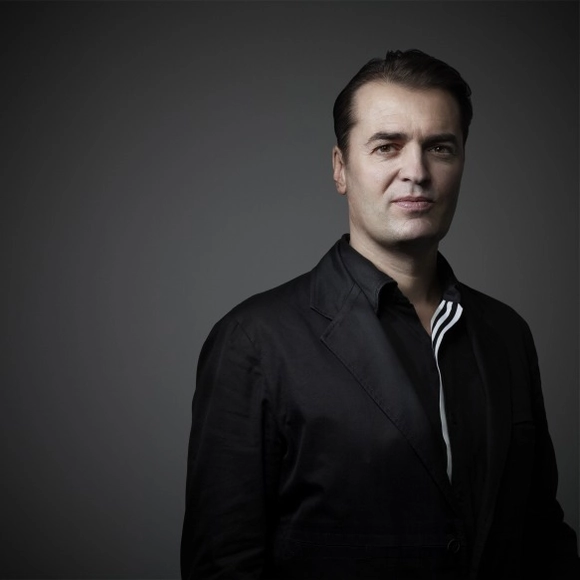
In this episode of Design:ED Podcast, Patrik Schumacher — the company director and Senior Designer for the esteemed Zaha Hadid Architects — sits down to discuss the future of parametric design, the early days of Zaha Hadid Architects, and how the firm is continuing the legacy of Zaha Hadid after her passing in 2016.
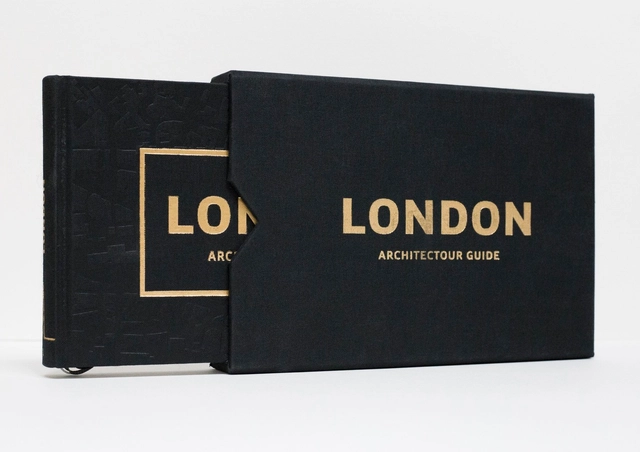
Architectour Guide London: The Urban Explorer's Guide
The new series of city guides for architects by Architectour brings to life the lost essence of travel and discovery. A compilation of exciting places – known and not so known – arranged in an innovative way: a continuous scenic itinerary, which is fun to follow and is full of quirks and surprises along the way. Hand-drawn sketches by architect and author Virginia Duran are the personal touch of the book, revealing the essential without spoiling what is a traveling delight: our first impression of a place.
Internationally renowned for her avant-garde search for architectural proposals that reflect modern living, Zaha Hadid made abstract topographical studies for many of her projects, intervening with fluid, flexible and expressive works that evoke the dynamism of contemporary urban life.
In order to further knowledge of her creative process and the development of her professional projects, here we have made a historic selection of her paintings which expand the field of architectural exploration through abstract exercises in three dimensions. These artistic works propose a new and different world view, questioning the physical constraints of design, and showing the creative underpinnings of her career.
There are at least as many definitions of architecture as there are architects or people who comment on the practice of it. While some embrace it as art, others defend architecture’s seminal social responsibility as its most definitive attribute. To begin a sentence with “Architecture is” is a bold step into treacherous territory. And yet, many of us have uttered — or at least thought— “Architecture is…” while we’ve toiled away on an important project, or reflected on why we’ve chosen this professional path.
Most days, architecture is a tough practice; on others, it is wonderfully satisfying. Perhaps, though, most importantly, architecture is accommodating and inherently open to possibility.
This collection of statements illustrates the changing breadth of architecture’s significance; we may define it differently when talking among peers, or adjust our statements for outsiders.
In March 2016, when world-renowned architect Zaha Hadid died of a heart attack at age 65 in a Miami hospital, the news sent shockwaves through the architecture community.
The flamboyant British designer—born on October 31, 1950 in Iraq, educated in Beirut, and known as the “Queen of the Curve” for her swooping, elegantly complex designs—was a legend in her time. She had design commissions around the world, been awarded the Pritzker Prize in 2004 and the Royal Institute of British Architects’ gold medal in 2016, and transcended the old-guard strictures of a staunchly male-dominated profession.
















.jpg?1600174107&format=webp&width=640&height=580)
.jpg?1600174074 "Screenshots from the Live Coverage. Image © Ruptly broadcasting")
.jpg?1600174063 "Screenshots from the Live Coverage. Image © Ruptly broadcasting")
.jpg?1600174084 "Screenshots from the Live Coverage. Image © Ruptly broadcasting")
.jpg?1600174097 "Screenshots from the Live Coverage. Image © Ruptly broadcasting")
.jpg?1600174107)










_PA_01.jpg?1472565216 "The World (89 Degrees) - 1983. Image Cortesía de Zaha Hadid")