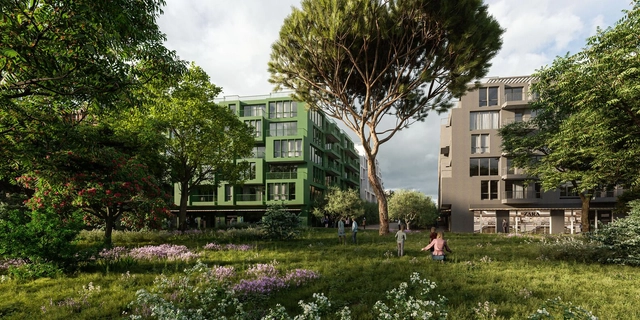
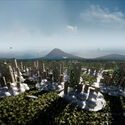
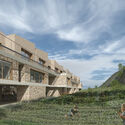
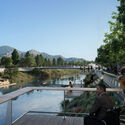
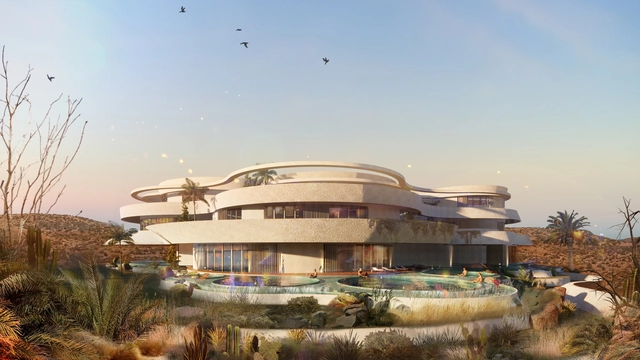
Residential architecture within natural settings presents a distinct departure from urban design. Unlike the densely populated, man-made environments of cities, the context shifts to a pre-existing, often subdued, natural landscape. This necessitates a more responsive and integrated approach, prioritizing harmony with the environment rather than dominance over it. Exploration of conceptual projects in this realm can help foster a deeper understanding of sustainable building practices, material selection appropriate to the ecological context, and the sensitive integration of human habitation into pre-existing ecosystems.
Each month, ArchDaily's editors select a collection of conceptual projects centered around a theme or program, submitted to ArchDaily. These projects are developed by small and large-scale architecture offices from around the world and submitted openly to the ArchDaily platform, thus forming a worldwide community of practitioners sharing their work, be it purely conceptual, a competition entry, or an early-stage design phase. Submissions are open to everybody. If you wish to contribute, send in your work by following the instructions here.
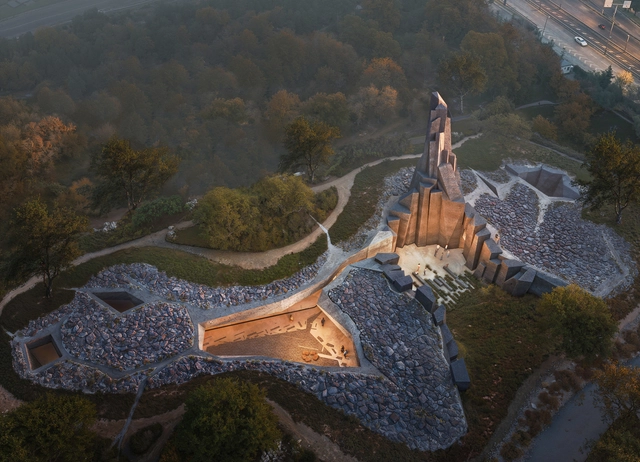
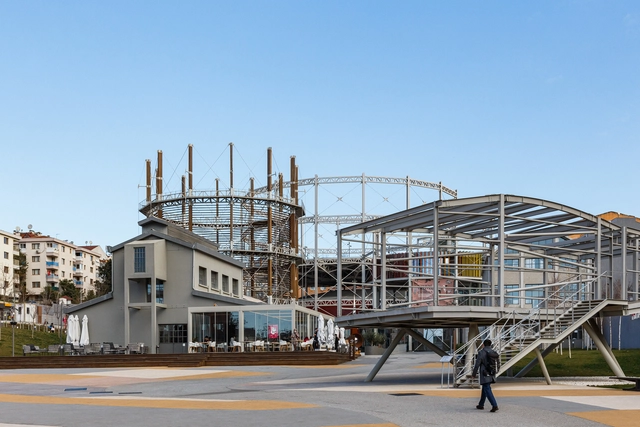
Küçükçekmece Djemevi. Image Courtesy of EAA-Emre Arolat Architecture
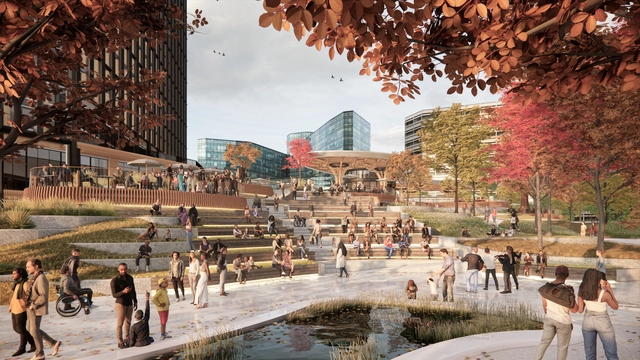
EAA-Emre Arolat Architecture has recently released its design for the Küçükçekmece Djemevi, a new concept for a civic space in Istanbul designed to combat social exclusion and provide a comfortable and inviting environment for the Alevi community. The building is comprised of a series of interconnected spaces and structures that generate a complex topography, offering ample recreational areas and a space of identity for the local community. The concept was recognized during the World Architecture Festival 2024, earning them the award of Future Project of the Year in recognition of its social inclusivity and careful adaptation to local traditions and needs.
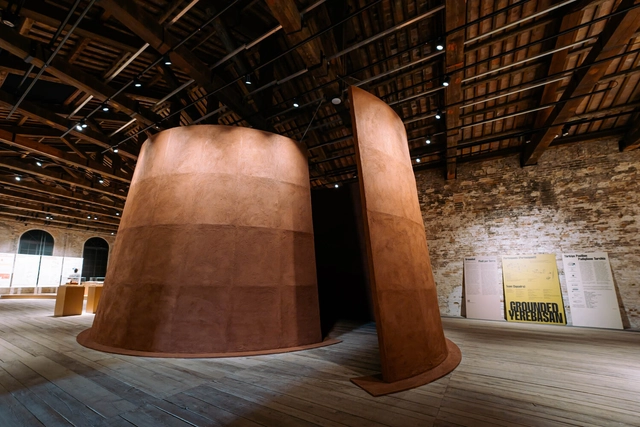
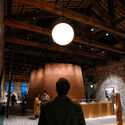
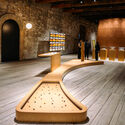
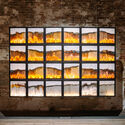
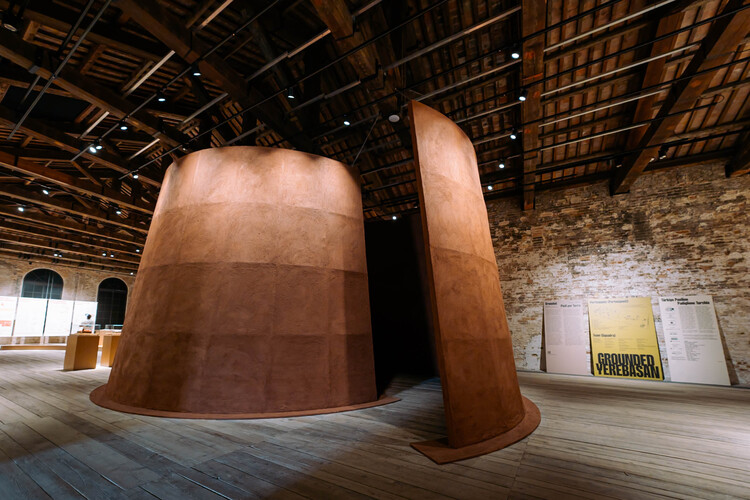
Commissioned by the Istanbul Foundation for Culture and Arts (İKSV), the Türkiye Pavilion presents the exhibition titled "Grounded" at the 19th International Architecture Exhibition of La Biennale di Venezia in 2025. Curated by Ceren Erdem and Bilge Kalfa, the project explores soil as a medium that carries both ecological and cultural memory, presenting it as an active ecosystem with the capacity to store and transmit information. Based on research, the project uncovers new possibilities that integrate diverse artistic and interdisciplinary perspectives. Curators invite visitors to reconsider their relationship with nature and to engage with the complexity and significance of the ground beneath their feet. The exhibition features contributions from 10 individual participants and 10 collaborative teams, alongside a selection of works chosen through an open call.
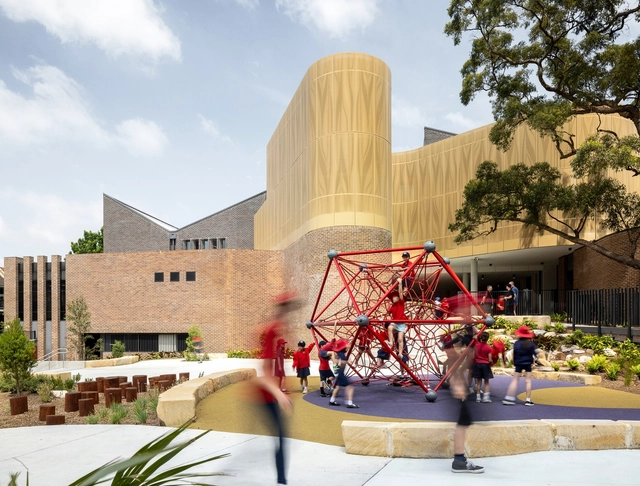
The Darlington Public School in Australia by fjcstudio has been declared the World Building of the Year at the World Architecture Festival 2024. fjcstudio previously won Building of the Year in 2013, making it the first practice in WAF's history to win the award twice.
The ultimate accolades of World Building of the Year, World Interior of the Year, Future Project of the Year and Landscape of the Year were announced today as hundreds of delegates from across the world convened at a final Gala Dinner at Marina Bay Sands in Singapore. The announcement follows the final day of WAF, in which prize winners across all 42 categories have been competing for the winning titles.
The winners of the "Europe 40under40®" program for 2023-2024 have been announced, celebrating promising talents in architecture and design. This recognition highlights projects from emerging professionals under the age of 40, including architects, landscape architects, urban planners, and industrial designers. The program, initiated by The European Centre, aims to showcase a new generation of designers who are poised to impact the future of living and working environments, cities, and rural areas.
All winning projects will be displayed in the exhibition titled "40 Young European Architects with New Visions," scheduled for December 2024 at The European Centre, located in Athens, Greece. The exhibition will coincide with an awards ceremony. Moreover, a special edition publication by Metropolitan Arts Press will feature this year's cohort of talented architects and designers, aiming to reach an international audience of architecture enthusiasts.
Cultural centers are vibrant places where art, community, and innovation intersect—each uniquely crafted to embody and celebrate its local character. This month's projects, submitted by the ArchDaily community, showcase a diverse array of cultural spaces, from the transformation of a historic townhouse in Montreal to a dynamic creative hub in Riyadh and an eco-conscious visitor center in Tennessee's mountains. Each design offers a new perspective on what a cultural center can be, whether a hub for creativity, a sanctuary for nature, or a bridge to the past.
In this roundup, ArchDaily consolidates this year's transformative updates in cities worldwide, organized into thematic clusters that capture the evolving nature of urban design and policy in 2024. Projects like the extensive renovations of Barcelona's La Rambla and the preservation efforts around Chicago's historic skyscrapers highlight preservation of urban heritage, while initiatives in Venice and Los Angeles respond to overtourism and housing pressures, balancing livability with growth. Meanwhile, ambitious master plans have been announced, including the revitalization of industrial sites in Tallinn and Connecticut, reflect how cities are reimagining their urban fabric. Finally, post-disaster rebuilding in Kharkiv and Türkiye underscores the urgency of resilience-driven design, ensuring that cities can endure and evolve even in challenging times. Together, these updates offer a glimpse into the global forces reshaping urban landscapes
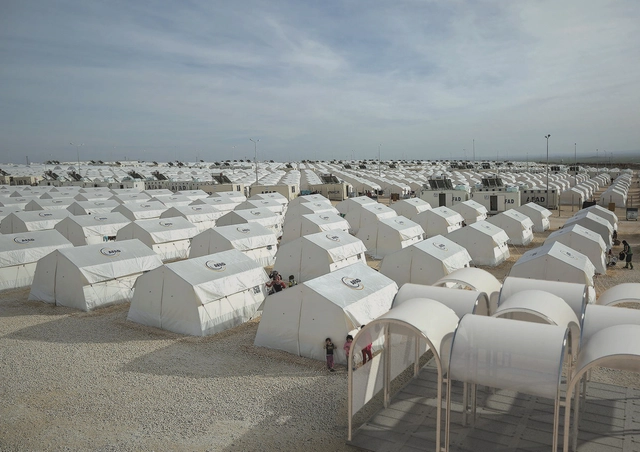
Following the devastating earthquake that hit central Turkiye and northwest Syria in February 2023, the province of Hatay, Türkiye, was left with large sections of its urban fabric destroyed and thousands of residents displaced. Türkiye Design Council has commissioned design studio SOUR to contribute to the regeneration initiative as part of a wider design-led revitalization process.
Courtesy of BCT Design Group and Gensler | The Wildset
Master plans are comprehensive design strategies that guide the future development of cities, districts, or large-scale projects. From a design and architectural perspective, they strive to balance the need for flexibility, long-term vision, and the integration of infrastructure with the public realm. Key themes in master planning often include sustainable development, urban connectivity, and cultural integration. Master plans shape not only the physical environment but also the social fabric of communities by emphasizing walkability, mixed-use spaces, and the blending of natural and built environments. These large-scale frameworks showcase the role architecture plays in shaping the future of urban life.
This curated selection of Unbuilt Architecture,submitted by the ArchDaily community, illustrates a range of visionary urban strategies. Whether it’s the revival of the village of Ad-Damun in Palestine, reconnecting with a rich historical past, or the bold reconstruction of the Al-Nouri Complex in Iraq as a cultural and spiritual hub, some of these projects engage with complex narratives of memory and restoration. From the sustainable design of Mokolo Green Scarf City in Cameroon to the marine research center in Yemen, these projects showcase diverse approaches to architectural challenges, focusing on community, environment, and the preservation of cultural heritage. By addressing unique regional contexts, these proposals reflect a broader commitment to rethinking how architecture can foster resilience and inclusivity.
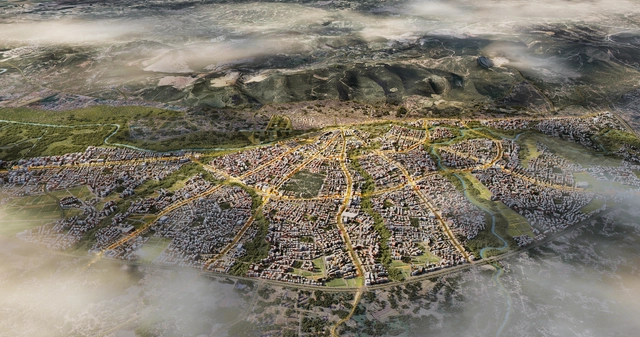
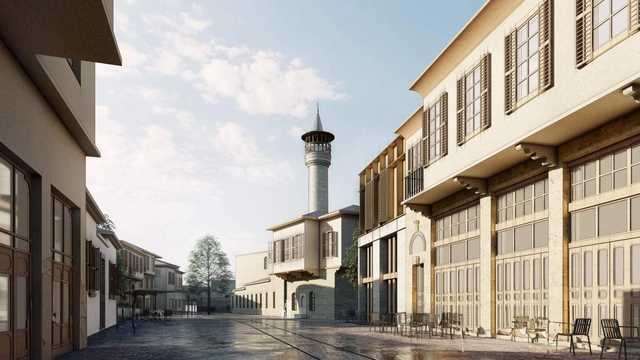
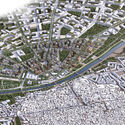
As part of a wider design-led revitalization process, Türkiye Design Council has announced a new urban plan for the revitalization of Antakya and the wider Hatay province in Türkiye, an area heavily affected by the Türkiye-Syria earthquake on 6 February 2023. The master plan has been developed by Foster + Partners, Buro Happold, MIC-HUB, along with Turkish practices DB Architects, and KEYM Urban Renewal Centre. The plan covers a 30-square-kilometer area of Antakya, the capital district of Hatay, and an important urban center of antiquity known as Antioch. Eight design principles have been outlined to guide the rebuilding efforts in an attempt to maintain the spirit of the city, which suffered extensive damages estimated at 80 percent.
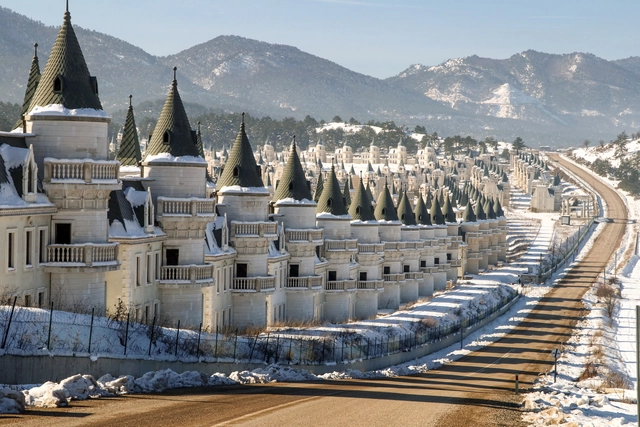
Most of us have probably imagined living in a castle at some point, whether during childhood, enchanted by fairy tales, or as adults studying European monarchies. Considering this fascination, what would you think if you had the chance to buy your castle? In mid-2014, you could make that dream a reality in Turkey for just $370,000. Each luxurious 325-square-meter castle came complete with blue turrets and spiral staircases. The only catch? Your castle would be one of 731 identical ones. But who cares about exclusivity when you have the chance to live in a Disney fairy tale?
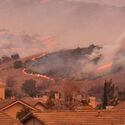
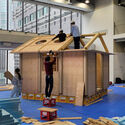
As we reflect on the tumultuous events of 2023, it becomes evident that the challenges posed by changing environmental conditions have left an indelible mark on communities worldwide. In response, architects and urban planners have set out, searching for the ways in which their actions can help create safer environments for communities worldwide, responding with both fast-to-deploy emergency architectures and long-term strategies to build resilience and mitigate risks.
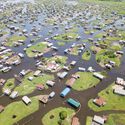
Beyond merely responding to events like the devastating earthquakes in Turkey, Syria, and Morocco, or the widespread flooding in Libya or Pakistan, professionals are attempting to take proactive approaches, developing strategies that extend from predictive modeling to the application of re-naturalizing techniques or the ongoing research into the physics of safer and resilient structures.
Moving away from top-down approaches, contemporary practices embrace more inclusive and participatory models and design processes. Participatory planning, a notion that prioritizes involving the entire community in the decision-making process, has earned widespread recognition and popularity globally. Cities across the world have interpreted participatory planning to fit their unique needs, using technology and government resources to expedite and enhance the process.
The Türkiye Design Council (TDC) has gathered 13 design practices, including Foster + Partners and Bjarke Ingels Group, to contribute to the revitalization of the historic province of Hatay, an area severely damaged by the 7.8 magnitude earthquake in February this year. Foster + Partners has been selected to lead the design and planning of the new master plan for the city of Antakya, known to antiquity as Antioch, while several other offices including Turkish practices DB Architects and KEYM (Urban Renewal Center) will work together to create a vision for the rebuilding of the city. The master plan is expected to be revealed in its entirety in 2024.
Iwona Blazwick has been appointed as the Curator of the 18th Istanbul Biennial, organized by the Istanbul Foundation for Culture and Art (iKSV). The Biennial will occur in 2024, from 14 September until 17 November. The Istanbul Biennial is the most comprehensive international exhibition organized in Türkiye and the region, playing an essential role in promoting contemporary artists and artist collectives.
Iwona Blazwich OBE is a curator, writer, and art historian. She held the position of Director at the Whitechapel Gallery in London from 2001 to 2022 and previously worked with many renowned institutions in her practice. Currently, she is the curator for the Royal Commission’s Arts AlUla initiative in Saudi Arabia. Furthermore, Blazwhich’s career as an independent curator ranges from exhibitions and public art projects across Europe, the United States, Japan, and China.
Tourist facilities are a significant architectural program as they not only provide essential amenities for travelers but also encapsulate the cultural essence of a destination. Resorts and hotels experiment with ideas of comfort and leisure, restaurants bring visitors into the local culinary culture, while wineries merge craftsmanship, tradition, and modernity. Visitor centers are another facility often provided for travelers, serving as gateways to exploring the city. Besides their flexible program, these architectural interventions most often strive to relate and harmonize with the local context to enrich the narrative of the space and create a memorable experience for every visitor.
This week's curated selection of Best Unbuilt Architecture highlights projects submitted by the ArchDaily community that showcase various amenities dedicated to tourists, from wine cellars, specialty restaurants, and visitor centers to isolated camping sites in the mountains or lavish spa hotels in the arid areas of the Middle East. Featuring projects from emerging and established architectural offices such as Melike Altınışık Architects, Lockhart Krause Architects, MUA, and OMBI Innovation Lab the selection includes a wide range of programs and scales, showcasing designs that rethink conventional tourist facilities while establishing a connection with their surroundings and cultural context.
During their visit to the 18th International Architecture Exhibition in Venice, ArchDaily had the opportunity to engage in a conversation with Sevince Bayrak and Oral Göktaş, founders of the Istanbul-based studio SO? Architecture and Ideas, curators for the Pavilion of Türkiye. Their exhibition, titled Ghost Stories: Carrier Bag Theory of Architecture, explores the status and hidden potential of abandoned buildings across Türkiye to discover more hopeful proposals for the future. The conversations opened with an exploration of the status of these forgotten structures and their hidden potential, leading into the intentions behind the exhibition in Venice and the curator’s message for the wider audience.