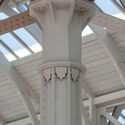
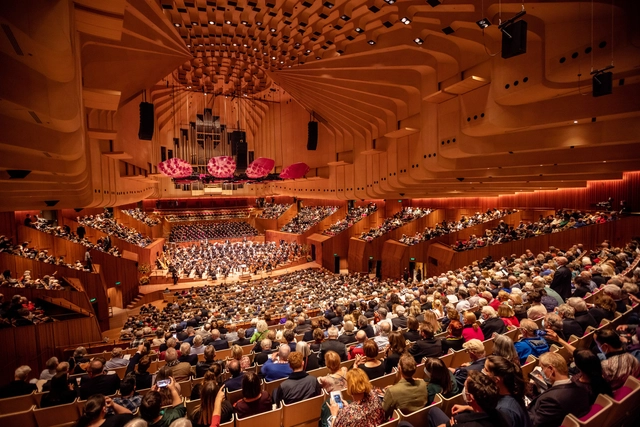
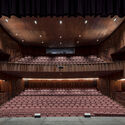
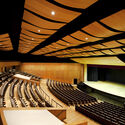
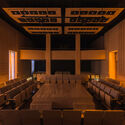
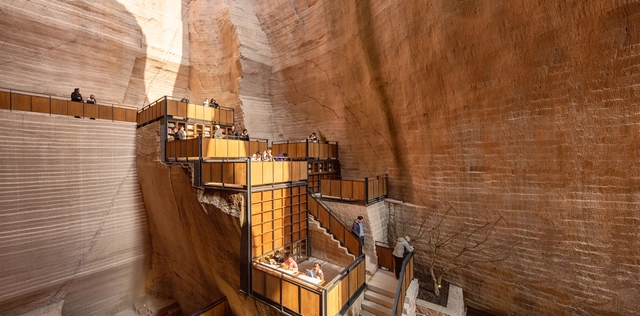
Theaters serve as cultural and social institutions, shaping society by providing spaces where stories of identity, race, and justice are brought to life. These venues foster community through shared, live experiences, sparking conversations that resonate beyond the stage. Architecturally, theaters are more than performance spaces—they are landmarks that embody both the history and future of the arts. Their design often reflects the cultural importance of storytelling, while their refurbishments ensure they remain relevant in a modern context.
In this week's AD Interior Focus, ArchDaily explores how the refurbishment of iconic theaters like the Royal Opera House in London, United Kingdom, and Sydney Opera House in Australia goes beyond modernizing comfort and accessibility. It delves into how these projects preserve the architectural integrity of these historic landmarks, ensuring their design continues to serve as a backdrop for both artistic expression and social discourse.
This week in architecture, global recognitions and new unveilings underscored the field's growing commitment to climate awareness, cultural continuity, and adaptive reuse. From Expo 2025 Osaka's closing ceremonies to international award announcements, the focus turned to architects and designers redefining the relationship between place, material, and community. Alongside these recognitions, major new projects, from Dubai to California, illustrated how design continues to evolve across scales: shaping cities, preserving heritage, and addressing urgent global challenges through context-driven architecture.
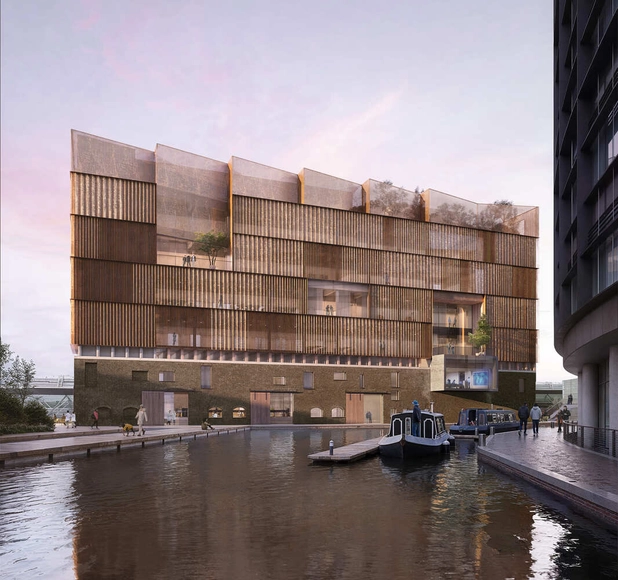
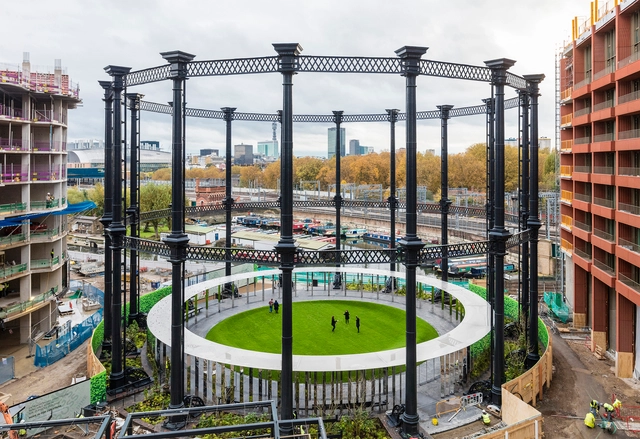
Stanton Williams has been selected to design the Fleming Centre, a state-of-the-art research and public engagement facility to be constructed on the St Mary's Hospital campus in Paddington, London. Announced by the Royal Institute of British Architects (RIBA), the project aims to create a global hub for collaboration and innovation in addressing antimicrobial resistance (AMR), a significant healthcare challenge affecting populations worldwide. The Fleming Centre forms part of the broader Fleming Initiative, a joint venture between Imperial College Healthcare and Imperial College London.
The second round of award winners of the 2024 World Architecture Festival have been announced, following Day Two of live presentations at Marina Bay Sands in Singapore, in which hundreds of shortlisted projects were presented by practices from around the world. Amongst today's category award winners in the Completed Buildings section of the world's largest international live-judged architectural event are Warren and Mahoney, CONTEXTO, and fitzpatrick+partners.
Australia led the way with seven projects announced as winners and highly commended across the categories. The United Kingdom secured four wins and highly commended projects, following Australia.
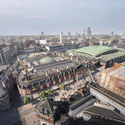
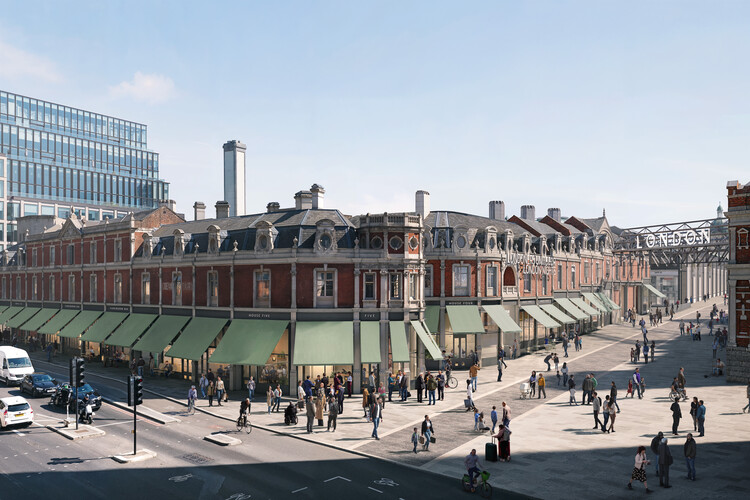
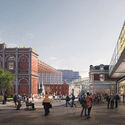
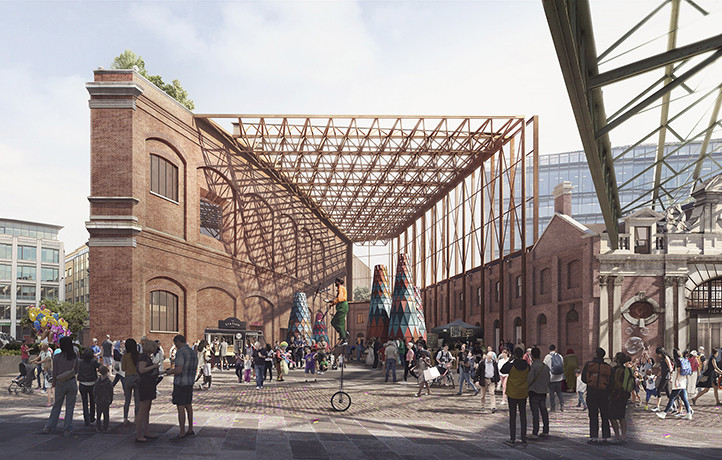
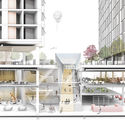
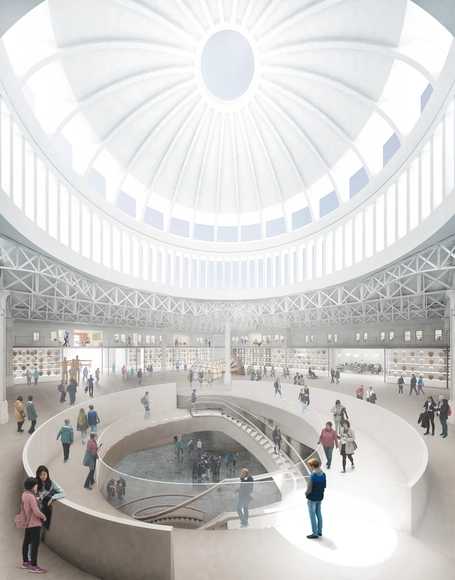
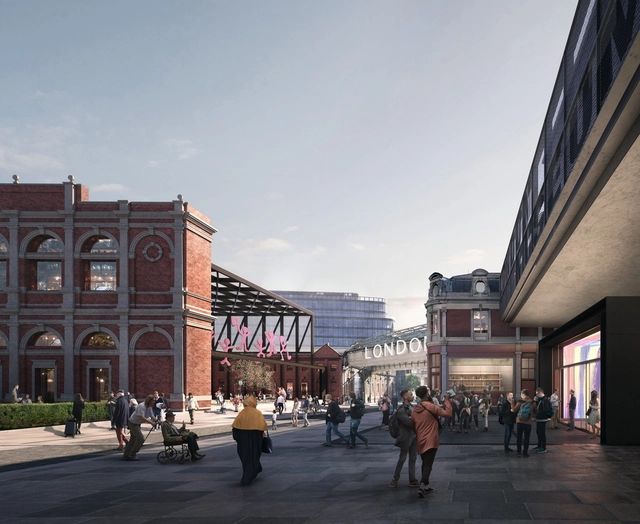
The City of London Corporation’s Planning and Transportation Committee has approved plans for the Museum of London's new home at West Smithfield. Designed by Stanton Williams and Asif Khan with conservation architect Julian Harrap, the project is one of the largest cultural projects happening in Europe. The proposal aims to transform the existing campus into a 24-hour cultural destination that celebrates its historic structures.
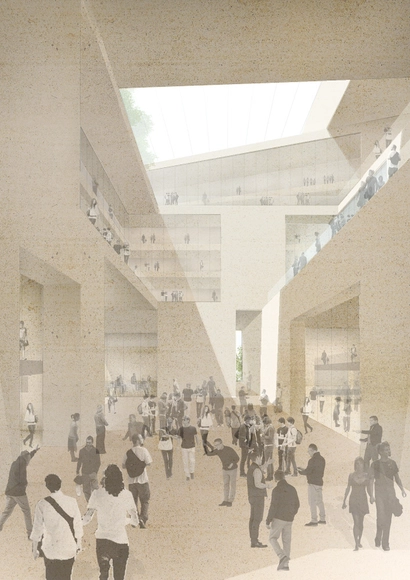
The Museum of London has unveiled the design for their new West Smithfield home. Designed by Stanton Williams, Asif Khan, and Julian Harrap Architects, the plans showcase the transformation of a campus of beautiful yet dilapidated market buildings into a 24-hour cultural destination. The scheme celebrates the historic buildings of West Smithfield, while creating a unique, memorable visitor experience.
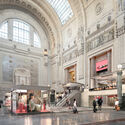
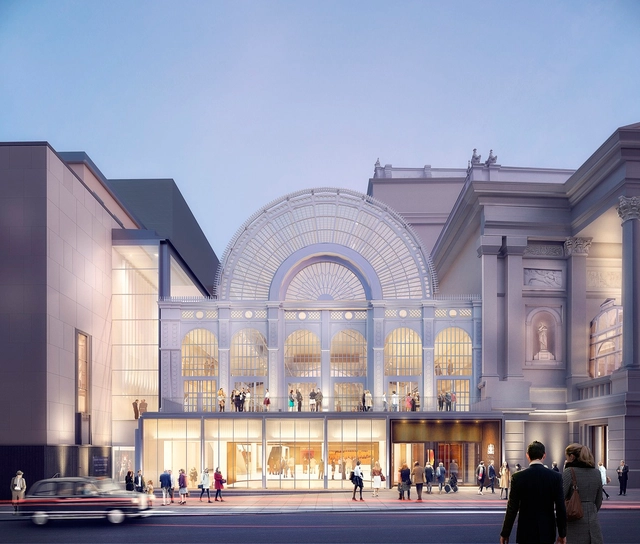
Stanton Williams has released new and updated visualizations of their design for the renovation of the Royal Opera House in London. The project, titled ‘Open Up,’ aims to transform the public experience of the Royal Opera House at its Covent Garden Home through a series of “legible and flexible” spaces.
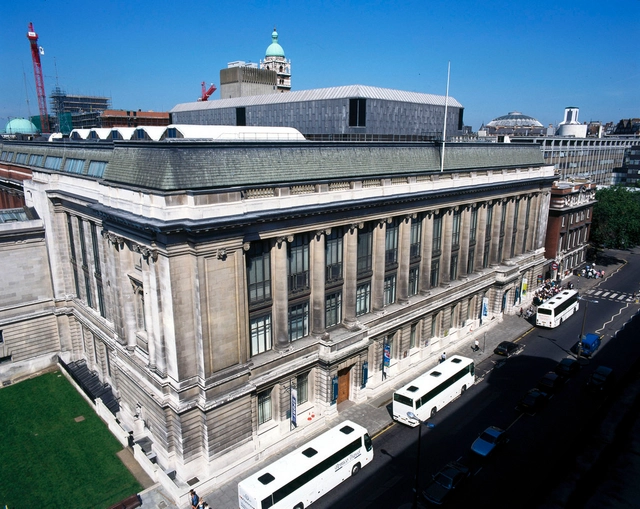
Farshid Moussavi and HAT Projects are among five shortlisted to redesign the entrance of London's Science Museum. The project, slated to complete in 2019, calls for a "new, generous and contemporary entrance" as part of an overall masterplan that seeks to transform a third of the museum over the next five years.
“The profile and breadth of the shortlisted practices reflect the level of interest generated for this appointment and the ambition of the Science Museum’s masterplan,” said a museum spokesperson.
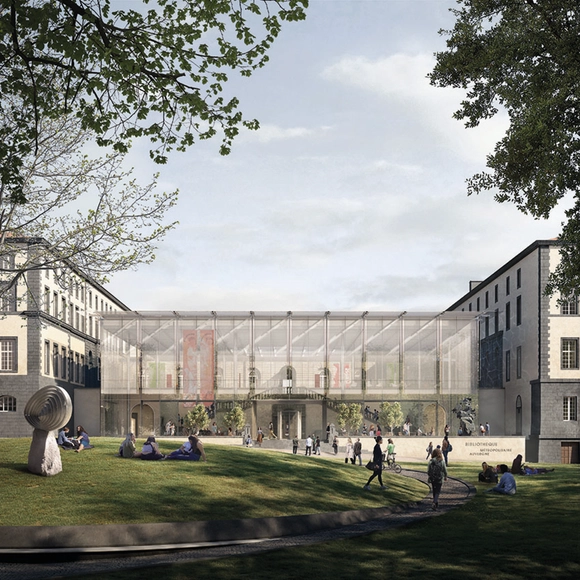
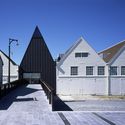
In 2009 Stanton Williams won an international competition to transform the Musée des Beaux-Arts in Nantes, one of France's six largest Fine Art Museums outside of Paris. Their design for this, the London-based practice's first major project in France, connects a number of historic buildings through one new "monolithic extension, glazed with thin layers of Portuguese white marble and glass façade." The museum is slated to open to the public in 2016.
Herzog & de Meuron's Residential Tower. Image Courtesy of Canary Wharf Group plc
A significant development at Canary Wharf has been approved by planners in London. The scheme, dubbed 'Wood Wharf' and consisting of 30 new buildings, was masterplanned by Allies and Morrison and includes a cylindrical residential tower by Herzog & de Meuron, and will provide 3,100 homes, 240,000 square metres of office space, a primary school, a medical centre, a community centre, a hotel, and around 100 retail outlets. Connecting the space will be a 3.6 hectare network of public spaces.
Architecture critic Joseph Rykwert has been rewarded for his services to criticism by the Queen, receiving a CBE in this year's birthday honours list. The honour continues a good year for Rykwert, after being awarded the RIBA Gold Medal in September. Also included on the birthday honours list were Alan Stanton and Paul Williams, founders of the 2012 Stirling Prize-winning Stanton Williams, who each received an OBE.