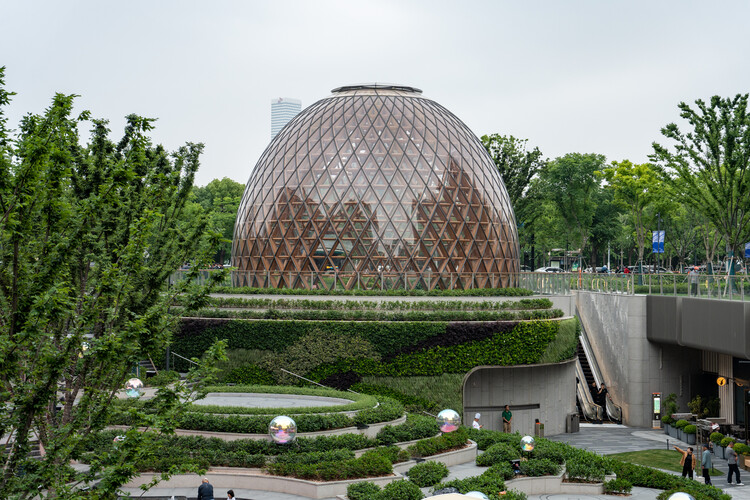
-
Architects: Challenge Design, REAL Architects
- Area: 230 m²
- Year: 2026

This week, architecture's relationship with culture took center stage through exhibitions, public projects, and new cultural infrastructure that extend architectural discourse beyond the building itself. While major exhibitions from Australia, Shanghai, Barcelona, and Copenhagen examined themes of housing, landscape, and place through research and design, newly unveiled projects in China and Italy demonstrate how museums, performance venues, and mixed-use projects are increasingly conceived as open public landscapes rather than isolated institutions, while new exhibitions and construction milestones reflect ongoing experimentation in adaptive reuse, context-responsive design, and flexible urban environments.

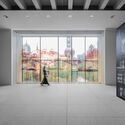
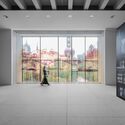
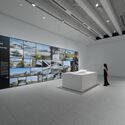
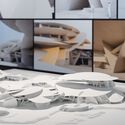
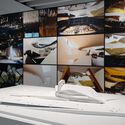
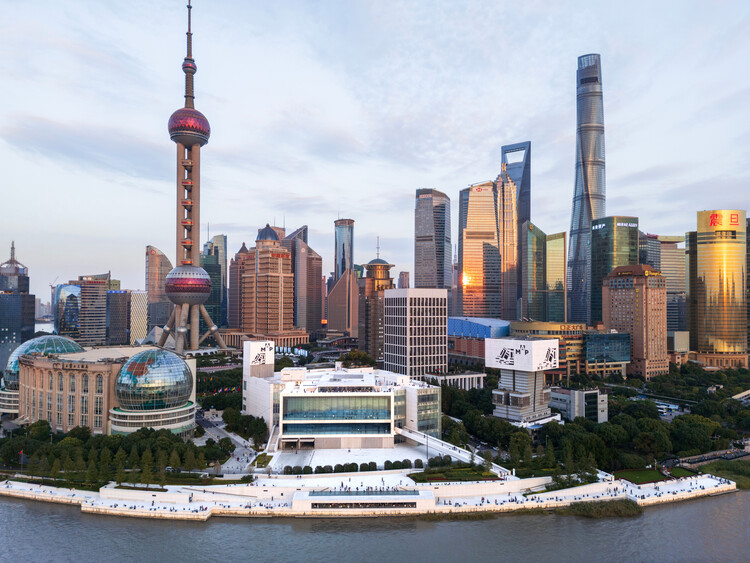
Museum of Art Pudong (MAP) in Shanghai is presenting "Jean Nouvel: Without the Artist, Architecture Disappears" until August 31, 2026. Marking the museum's fifth anniversary, the exhibition is dedicated to the work of Pritzker Prize laureate Jean Nouvel and represents the first time the French architect has staged a solo exhibition inside a building of his own design. Organized by the Museum of Art Pudong in partnership with Ateliers Jean Nouvel, the exhibition brings together architectural models, films, archival documents, installations, and a reconstruction of the architect's Paris studio to examine more than fifty years of architectural practice.


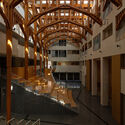
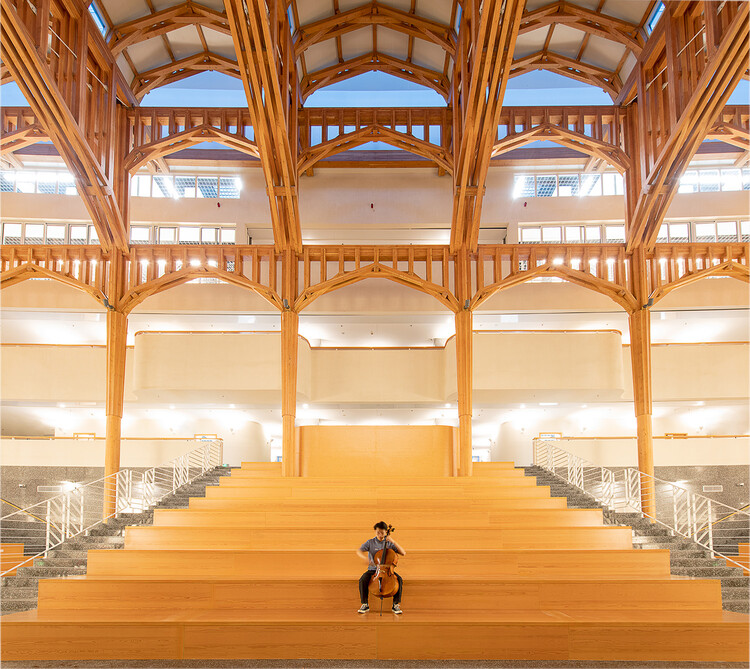
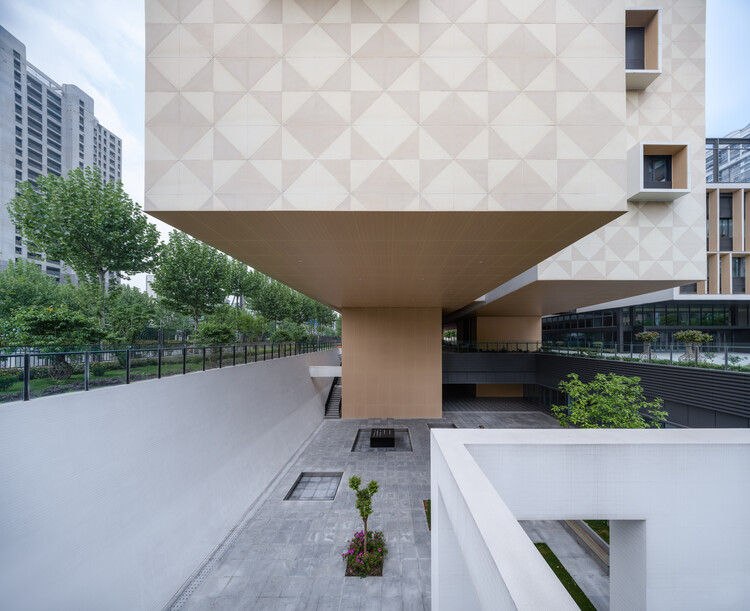
In 2023, the School of Design Building at Shanghai Jiao Tong University opened its doors after a complete remodeling and adaptation of an existing structure. Designed by architect and scholar Xing Ruan, who also serves as Dean of the school, the building went on to receive two recognitions at the Prix Versailles: the World Title of the Most Beautiful Campus and the Special Prize for an Interior, one of the three major honors of the competition. Awards of this kind tend to generate their own momentum. Once a building is recognized, it is quickly placed within a convenient narrative — its materials, techniques, form, and spatial decisions all assigned meanings that make the project legible, categorizable, and easy to cite.
Yet what an award confirms is perhaps only that a building has been seen. What remains worth asking is why it exists in the way that it does — what problems it was made to address, what beliefs it refuses, and what it proposes about the discipline beyond the occasion of its construction. It was in the School of Design Building itself that the following interview took place, moving between architecture, scholarship, frugality, and the limits of what buildings can — and should — be asked to do.


Every year on July 11, World Population Day draws attention to the demographic trends reshaping societies around the globe. In 2026, the United Nations marks the occasion under the theme, "Realizing the Hopes and Aspirations of Young People – Today and for the Future," highlighting how young people's decisions about education, employment, housing, relationships, and family life are increasingly influenced by the cities they inhabit. Drawing on Lives, Choices and Futures, a global survey of more than 108,000 young adults across 73 countries, this year's campaign underscores the close relationship between demographic change and the social, economic, and spatial conditions of cities.

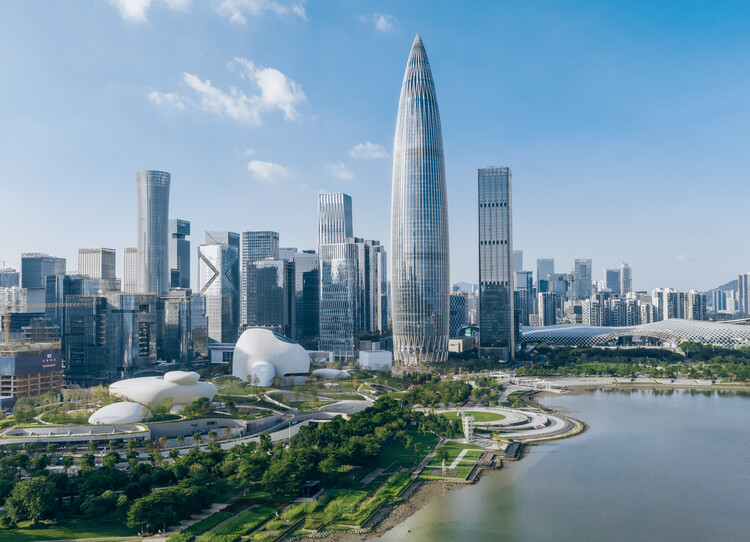
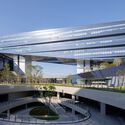
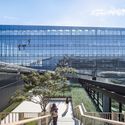
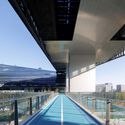
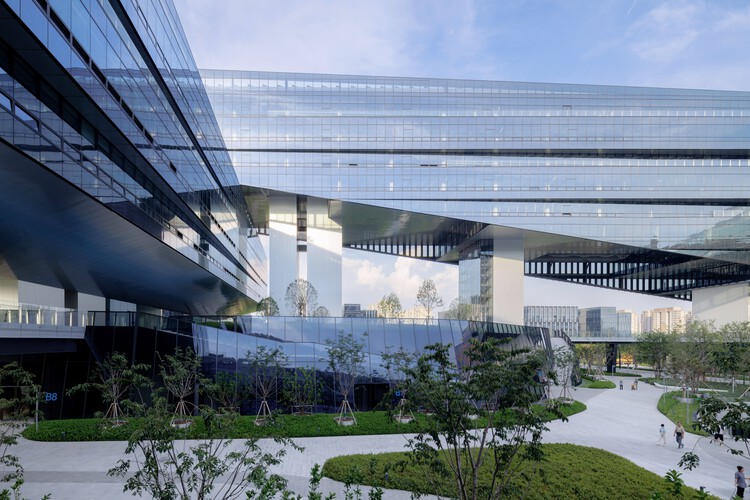
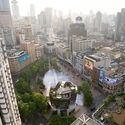
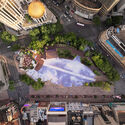
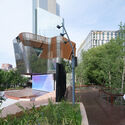
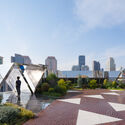
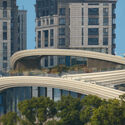
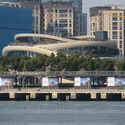
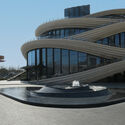
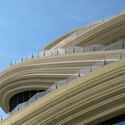
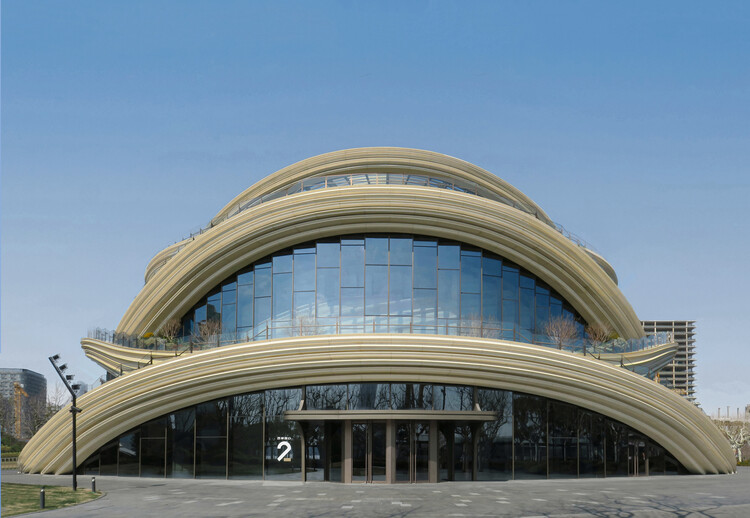
Photographer Paul Clemence has documented West Bund Orbit, Heatherwick Studio's public exhibition hall on Shanghai's West Bund waterfront, in a photo series exploring the project's evolving architectural identity. Located in Xuhui District along the Huangpu River, the building was conceived as a cultural destination within the area's emerging Financial Hub while extending the network of public spaces that define the redeveloped riverfront. Rather than focusing solely on the building as an object, Clemence's photographs examine the relationship between architecture, circulation, and landscape, revealing how the project's interconnected pathways and layered form engage both the waterfront and the surrounding city.


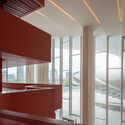
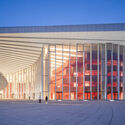
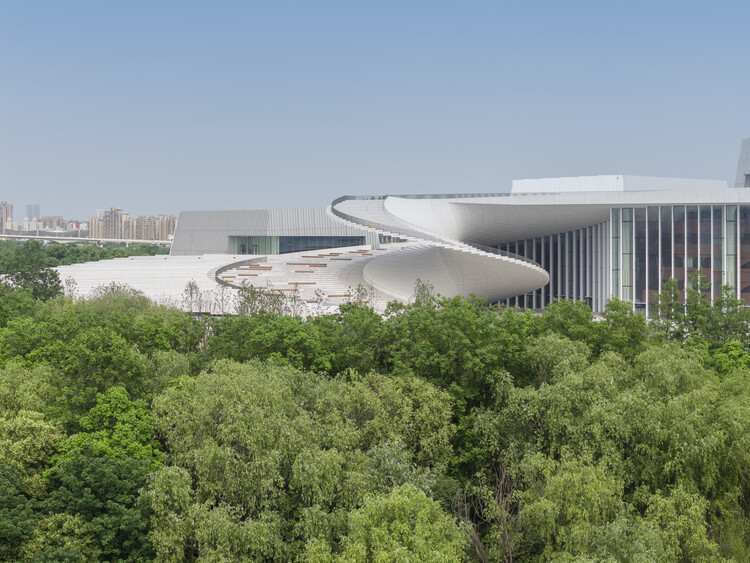
Snøhetta's Shanghai Grand Opera House has entered its final construction phase. Preparations are underway for the building's official opening on October 17, 2026, kicking off a performance season featuring 82 performances across 47 acclaimed productions. Snøhetta's spiralling design for the new cultural venue was selected via an international competition in 2016. In 2019, the architecture firm, along with East China Architectural Design & Research Institute (ECADI), Theatre Projects, and Nagata Acoustics, was formally commissioned to deliver the building from concept to completion. The project was originally set to be completed in 2025, as part of a broader cultural master plan aimed at reinforcing Shanghai's role as an international centre of culture and innovation.