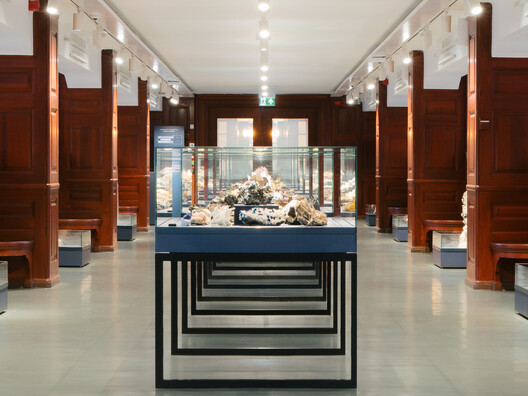
Designing a museum interior means negotiating between the needs of the collection and those of the visitor: objects must be protected and carefully displayed, while spaces need to remain accessible, legible, and engaging. Scale, circulation, security, lighting, structure, and technology all become part of the design, often working quietly in the background so that the exhibits remain the focus. So, how do you fit 4.5 billion years of Earth's history into a museum interior? The renovation of the Natural History Museum Oslo, home to one of the largest geological and anthropological exhibitions in the Nordic countries, offers a clear example of how these demands can come together within an existing architectural framework.
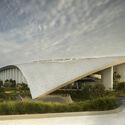
Grand Stade Hassan II in Morocco by Populous and Oualalou + Choi. Image Courtesy of Oualalou + Choi
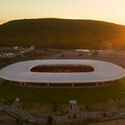
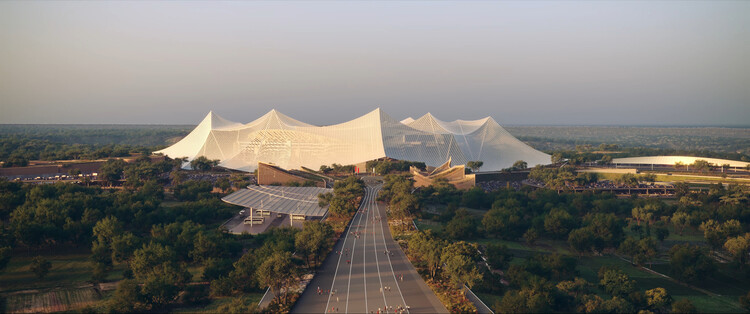
The conclusion of the FIFA World Cup 2026 marks the end of the tournament's largest edition to date. Hosted across Canada, Mexico, and the United States, the competition expanded to 48 national teams and brought together sixteen host cities distributed across three countries. For decades, FIFA World Cups have served as catalysts for architectural production. Each edition has generated a distinct collection of stadiums, transportation investments, public spaces, and urban interventions that often remain part of their host cities long after the tournament concludes. While recent competitions have become associated with landmark stadium projects and ambitious national building programs, the 2026 edition followed a different trajectory, relying primarily on existing venues adapted to FIFA's technical and operational requirements.
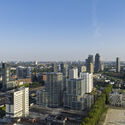
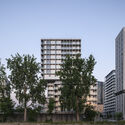
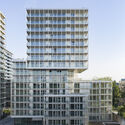
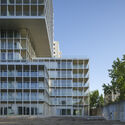
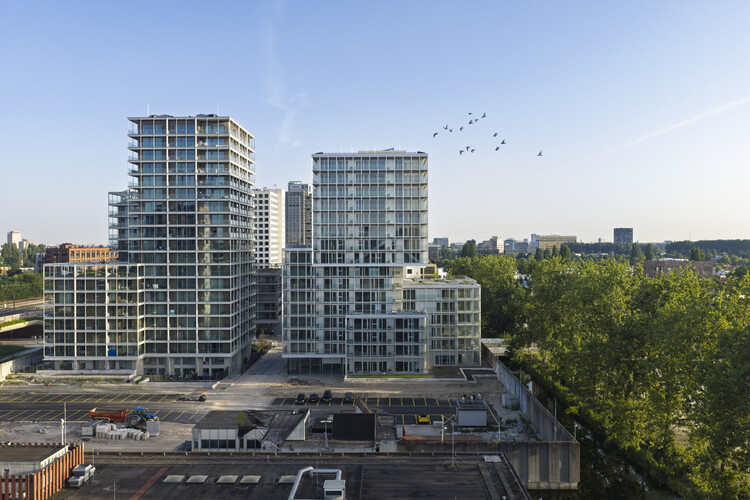
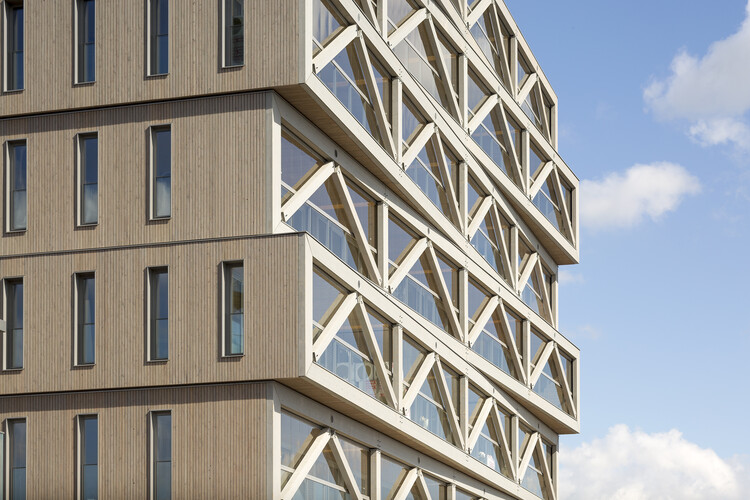
The Martin, a residential building designed by OMA's David Gianotten and Mariano Sagasta, has been completed in Amsterdam's Bajes Kwartier. Located within the Central Cluster of the 7.5-hectare redevelopment, the project is the latest completed component of OMA's master plan to transform the former Bijlmerbajes prison complex, which operated between 1978 and 2016, into a mixed-use, energy-neutral neighborhood. The completion follows that of The Jay in 2025, while a third residential building, The Cardinal, is expected to be finished in 2030.
In June 2026, the refurbished Teatro Mauri reopened its doors on Cerro Bellavista in Valparaíso, formerly Chile's main port. The building forms part of Latin America's modernist legacy and stands adjacent to La Sebastiana, one of the renowned residences of the poet Pablo Neruda. It was designed by architect Alfredo Vargas Stoller, author of other icons of modern architecture in Valparaíso, such as the Edificio Cooperativa Vitalicia and the Conjunto de Viviendas Vargas in Viña del Mar. Teatro Mauri opened in 1951 as a venue for performances and cinema. Following a fire in the early 1990s, it fell into disrepair, serving only sporadically as a venue for local parties and events. In 2015, it was purchased by the Sociedad Chilena de Autores e Intérpretes (SCD), which commissioned its restoration from architects Laura Garrido and Gregorio Garretón.
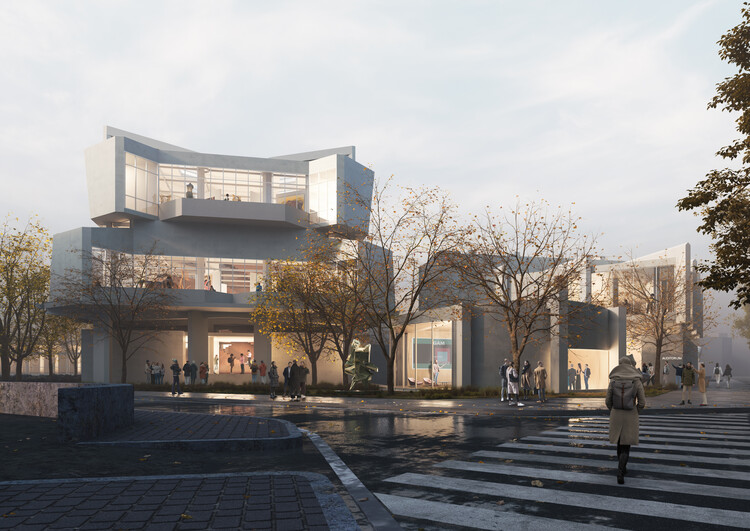
Turin's Civic Gallery of Modern and Contemporary Art. Image Courtesy of MVRDV
MVRDV and Balance Architettura have unveiled their proposal for the renovation of the Civic Gallery of Modern and Contemporary Art (GAM) in Turin, Italy, following their selection through a public competition in December 2025. The project seeks to restore the spatial qualities of the museum's 1959 building while introducing new exhibition strategies, publicly accessible storage, and flexible display systems designed to accommodate evolving curatorial needs. Conceived as both an architectural restoration and an institutional transformation, the proposal aims to reconnect the museum with the surrounding city while adapting it to contemporary approaches to exhibition-making and public engagement. The project is supported by Fondazione Torino Musei and funded by Fondazione Compagnia di San Paolo, and the construction is expected to begin during the second half of 2027.
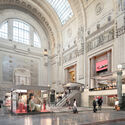
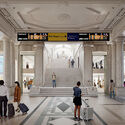
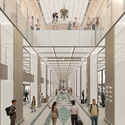
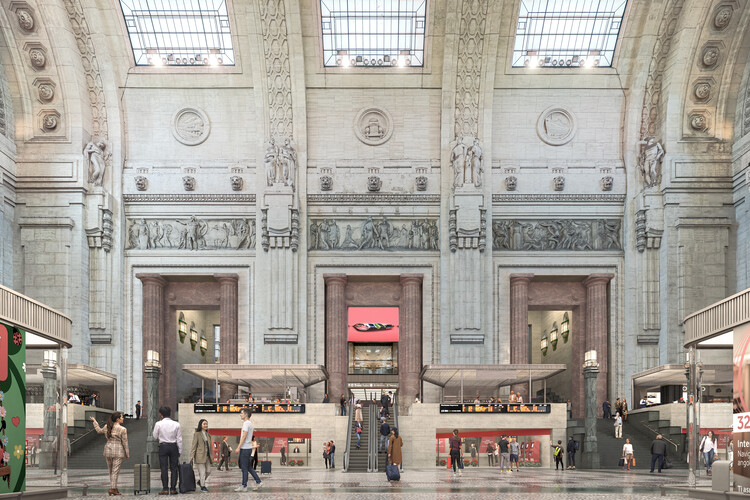
Milano Centrale is the main train station in northern Italy and the second-largest station in Italy behind Roma Termini. The building was officially opened on July 1, 1931, replacing the city's first central station, which opened in 1864. The construction was intended to showcase the power of then-Prime Minister Mussolini's fascist regime, with a notorious scale, massive arches, and an imposing facade. Following a private competition promoted by Grandi Stazioni Retail, Park, an Italian interdisciplinary collective, was selected to redesign the station's ground floor and mezzanine levels, transforming the historic city landmark into a contemporary urban platform.
With forty-eight psychogeriatric beds and sixty-eight wheelchair-accessible apartments, accommodation for informal caregivers, and space for bedside care, the De Keyzer building opened in Amsterdam in 2011. Its program had been conceived entirely for elderly people requiring assistance, but shortly after completion, the building was sold to an investment fund, and the apartments began to be rented to young families with children.
For the project's architects, Tom Frantzen and Karel van Eijken, the episode could have been interpreted as a failure of prediction. Instead, it became a confirmation. "It showed, very clearly, that buildings can end up being used in completely different ways than originally intended," Frantzen recalls. The transformation was only possible because the apartments were generous and because the structure allowed for uses more diverse than those anticipated in the original program. Had the building been designed solely for its initial function, the change of use would likely have required a destructive renovation or, in the extreme, demolition.
Building roofs are advancing through a multidimensional optimization process that encompasses technological innovations, new materials, energy-saving performance, and faster construction methods. From green roofs and rainwater harvesting systems to solar panels, contemporary architects are working to balance aesthetics, performance, durability, and environmental impact in their projects. Roof renovation not only extends the service life of buildings but also reflects an environmental commitment by improving efficiency and sustainability.
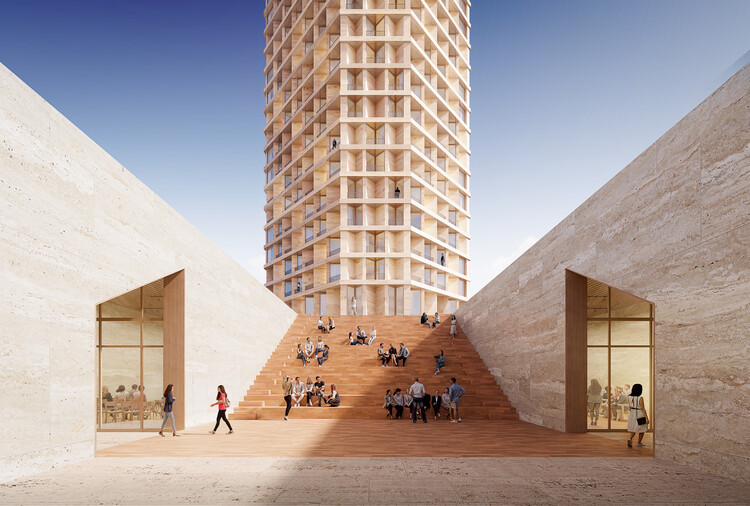
The Palace of Congresses renovation project. Terrace staircase render. Image Courtesy of Herzog & de Meuron
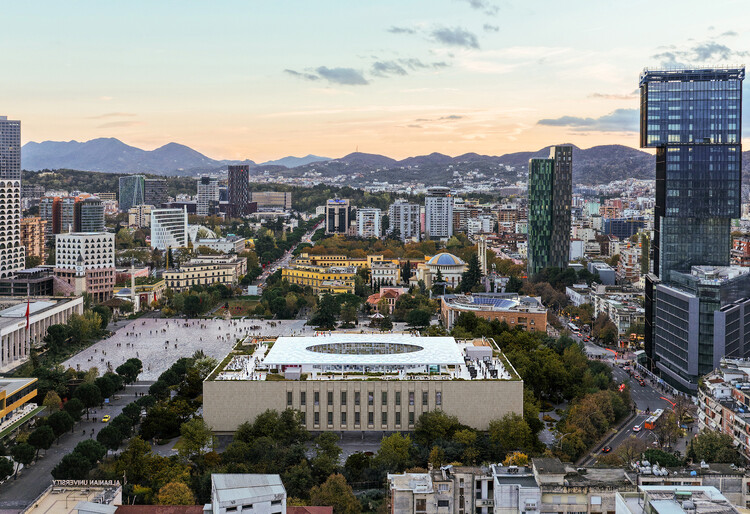
On June 3, 2026, Herzog & de Meuron was selected to revitalize the Palace of Congresses building in Tirana, Albania. The project was designed along with collaborators Julian Beqiri, Marsela Demaj, Michel Desvigne Paysagistes (MDP), ARUP, LDK, Gentian Shkurti, SUEB Industries sh.p.k., The Space Factory Ltd, MBBM, and KLAR sh.p.k. The Palace of Congresses (or Pallati i Kongreseve) was built during the People's Socialist Republic of Albania and opened in 1986 to host the Congresses of the Party of Labour of Albania and other official activities. The International Competition for the Redevelopment of the Palace of Congresses, carried out by the Albanian government, called for a comprehensive transformation of the building while preserving its historical identity. The project should address serious infrastructural issues and bring the Palace to contemporary standards in terms of technology, functionality, and quality of spaces.
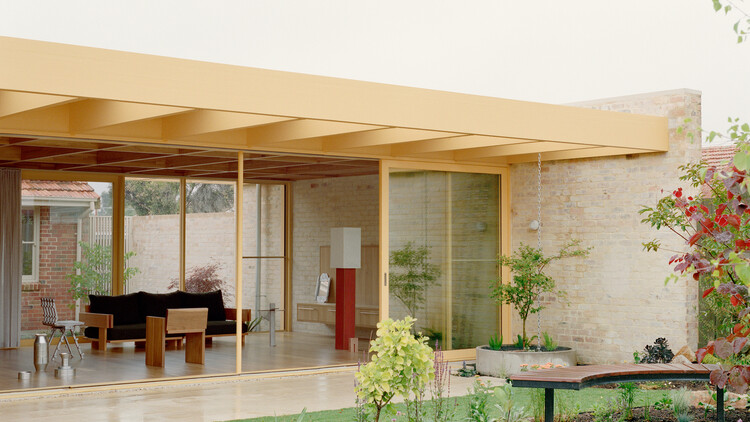
Amid growing recognition of architecture's responsibility toward environmental and planetary ecologies, contemporary practice is increasingly oriented toward working with what already exists—its material, spatial, and historical conditions. Within this shift, architecture and design aesthetics are increasingly about reshaping inherited environments. This approach underpins the work of SSdH, a Melbourne-based architecture practice founded in 2020 by Todd de Hoog, Harrison Smart, and Jean-Marie Spencer. Working across scales of renovation, extension, and adaptive insertion, the studio consistently engages existing buildings as active agents. Winner of the ArchDaily 2025 Next Practices Awards, the Australian firm foregrounds environmental responsibility, material economy, and collaborative processes grounded in site-specific conditions.
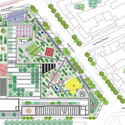
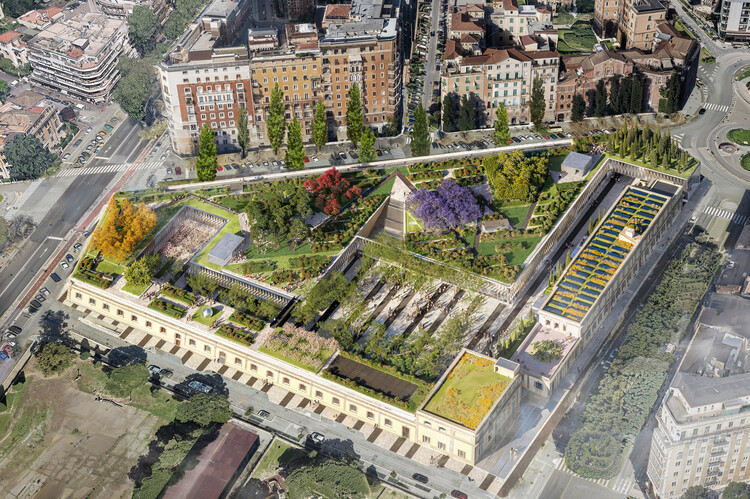
Stefano Boeri Architetti, Depositi Delle Vittorie Render. Image Courtesy of Stefano Boeri Architetti
The Rome City Council has approved a Memorandum for the urban regeneration of the Depositi delle Vittorie in Piazza Bainsizza, a former ATAC depot in Rome dating back to the early 1900s. Abandoned for nearly two decades and now privately owned, the site is set to be transformed into a multifunctional complex designed by Stefano Boeri Architetti. The project envisions the adaptive reuse of the former transportation infrastructure through the introduction of cultural, educational, commercial, co-working, and leisure functions, alongside new public spaces and extensive landscaped areas.
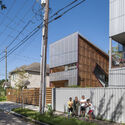
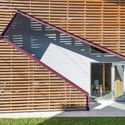
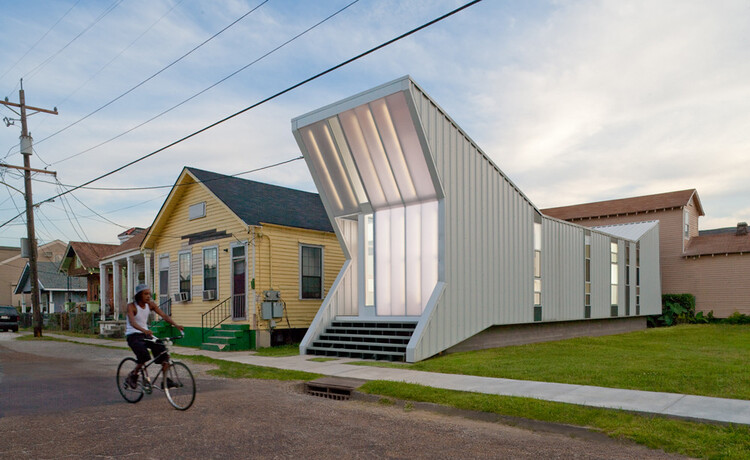
Emerging in port cities and working-class neighborhoods throughout the nineteenth century, the shotgun house became a durable response to density, climate, and constrained urban parcels, becoming one of the defining domestic forms of the Southern United States. Its narrow footprint, sequential plan, and deeply shaded porches produced a spatial logic that was economical and environmentally responsive before either term became central to architectural discourse. From New Orleans and Mobile to Houston and Louisville, shotgun houses formed the physical fabric of neighborhoods shaped by migration, labor, community, and cultural life. Though often dismissed as ordinary, vernacular construction, the housing typology has long embodied sophisticated ideas about climate adaptation, social adjacency, and incremental urban growth, making it one of the most influential domestic forms in the history of the American city.
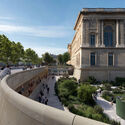
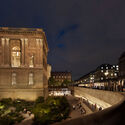
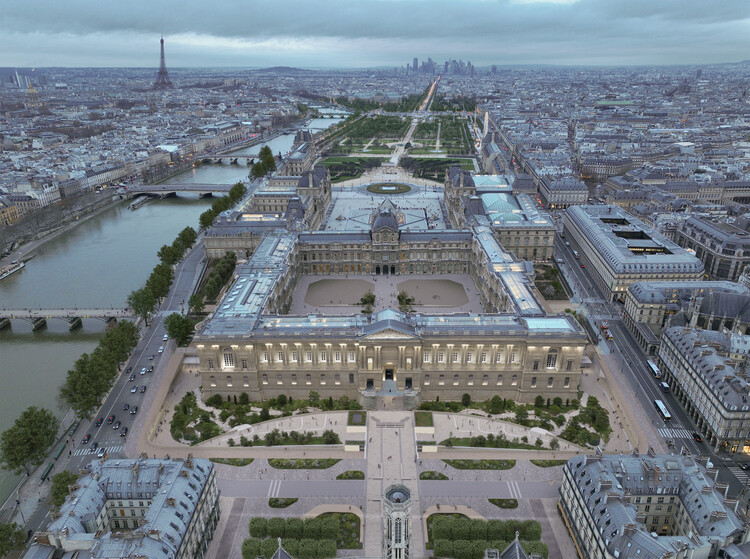
The French Minister of Culture announced on Monday, May 18, 2026, the winner of the "Louvre–Nouvelle Renaissance" competition. The team selected to transform the world-renowned Musée du Louvre is led by STUDIOS Architecture, New York-based Selldorf Architects, and landscape architecture firm BASE Paysagiste. The renovation initiative was announced in January 2025 as a major intervention for the historic complex following concerns expressed by the museum's director regarding its deteriorating condition. The first round of the competition took place in June, with a shortlist of five teams revealed in October. According to French authorities, the project has a dual objective: to repair and transform the building to preserve its collections while updating it to meet contemporary public expectations, including sustainability requirements that will pose significant challenges for the museum in the coming decades.
The initial phase of the complete renovation project for the National Historical Museum in Tirana is approaching completion. The project was commissioned by the Ministry of Economy, Culture, and Innovation of Albania and UNOPS, and financed by the European Commission through the EU for Culture (EU4C) program in Albania. The full restoration of the museum's 21,400 square meters is planned in two phases, led by Rotterdam-based Casanova + Hernandez Architects in collaboration with local partner iRI. The first phase consists of restoring the existing building in Skanderbeg Square and is expected to be completed this year, enabling the immediate start of the second phase, focused on implementing the new design for all interior spaces, the courtyard, and the roof.
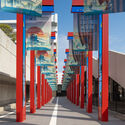
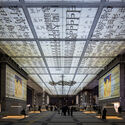
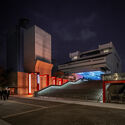
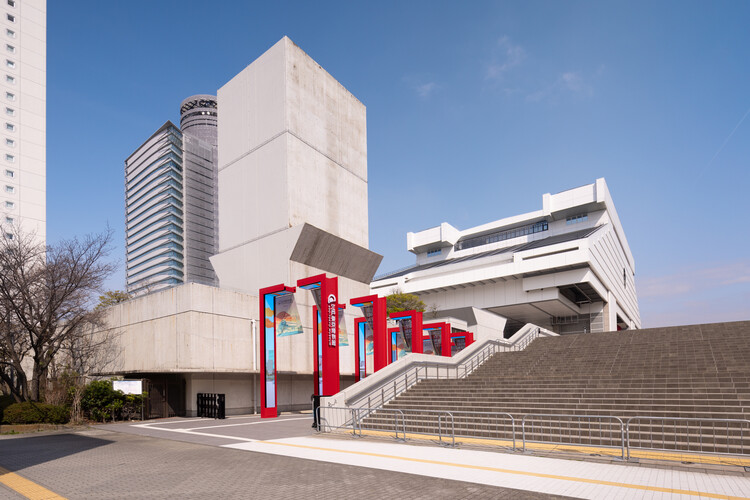
The Edo-Tokyo Museum has reopened to the public following a multi-year renovation, unveiling a series of scenographic interventions and installations designed by OMA under the direction of Shohei Shigematsu. Marking the firm's first public project in Japan, the commission forms part of the broader renewal of the museum's iconic building by Metabolist architectKiyonori Kikutake. Originally opened in 1993 as the first museum dedicated to the history of Tokyo, the institution traces the city's evolution from the Edo period to the present day, and the new interventions aim to strengthen its relationship with contemporary audiences while preserving the identity of Kikutake's architecture.
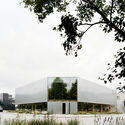
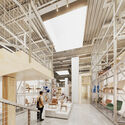
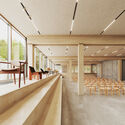
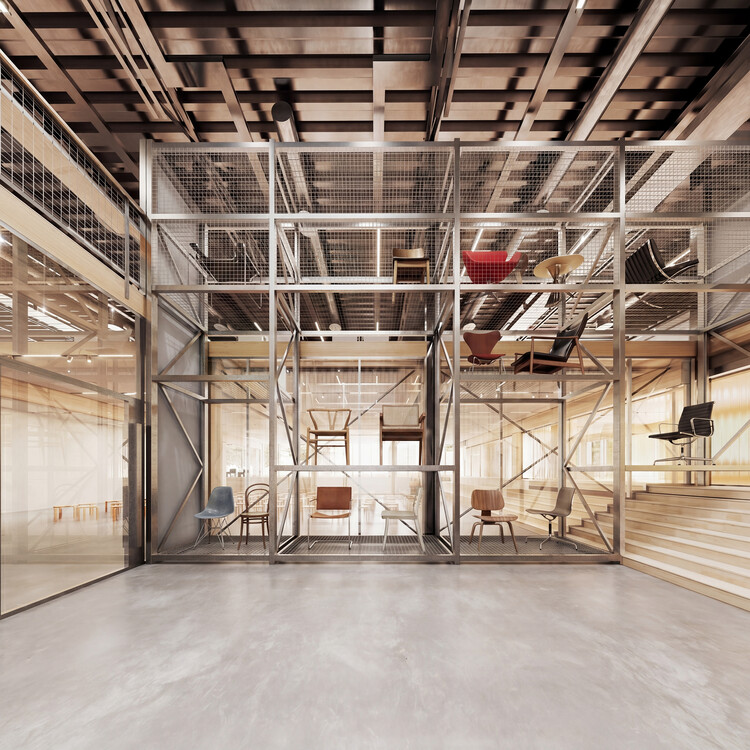
Museum of Furniture Studies project visualizations, 2026. Image Courtesy of COBE
The Museum of Furniture Studies was founded in 2017 in Stockholm, showcasing a collection of more than 1,300 furniture pieces by over 44 international designers. The museum's physical location closed in 2022, maintaining its visibility through its Digital Archive for Design Furniture until it was acquired by IKEA in 2024. This week, Danish architecture studio Cobe announced the transformation of a former IKEA warehouse in Älmhult, Sweden, into a new home for the museum. The project involves converting a closed storage facility into an open and accessible space for design while preserving its industrial structure. The building is scheduled to open in early February 2027.
What happens when you choose reuse over demolition? In Østbirk, Denmark, a 30-year-old timber warehouse has been transformed into a 14,000-square-meter world-class innovation hub for nearly 500 VELUX employees. This article explores how the LKR Innovation House project challenges conventional building practices, preserves material legacy, and offers practical lessons for architects working with existing structures. A new book documents the process through essays, interviews, and photographs.