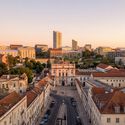
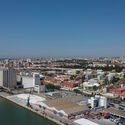
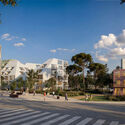
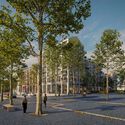
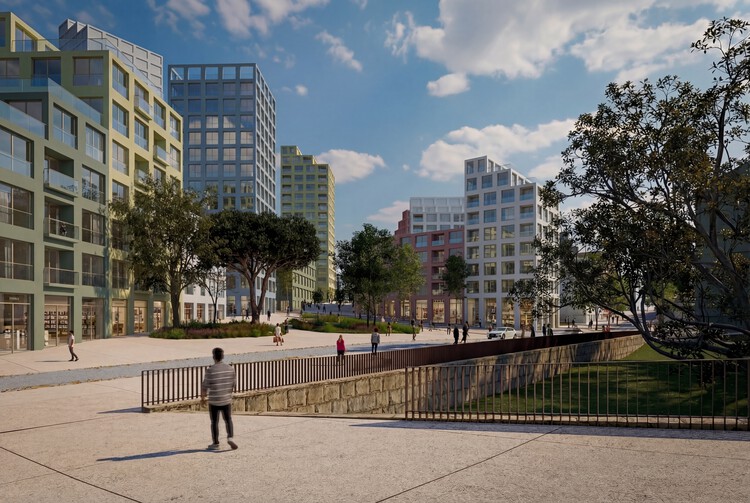
MVRDV and OODA have revealed a new masterplan for the regeneration of a vacant 28-hectare site between Marvila and Beato on Lisbon's riverfront. Recently approved by the Lisbon City Council, the project was developed in collaboration with LOLA Landscape Architects and Thornton Tomasetti to transform the area into a landscape-led urban district. Titled The Marvila Masterplan, the proposal establishes a framework for introducing 1,400 homes alongside public facilities, commercial spaces, and services within a fragmented and largely abandoned territory. The project is a private initiative led by the principal landowner and developed in coordination with the Lisbon City Council and Infraestruturas de Portugal.
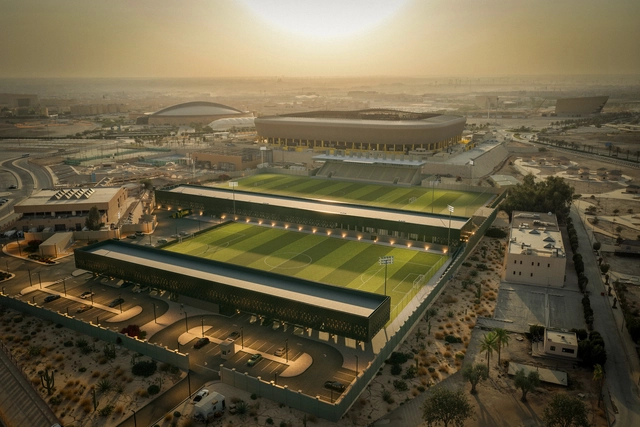
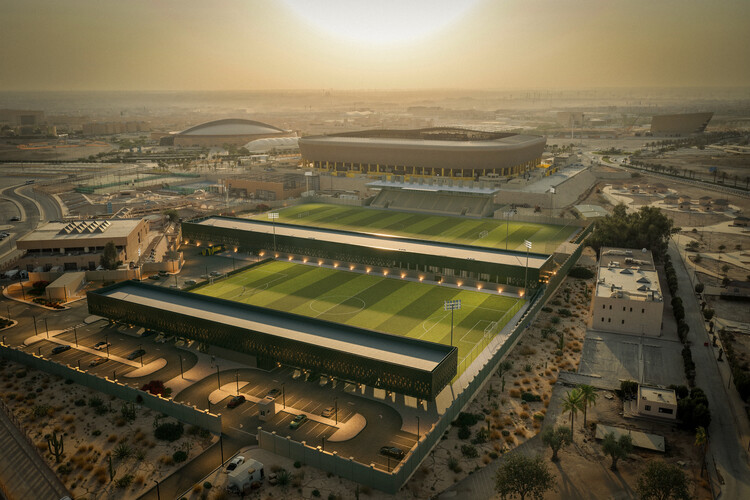
OODA announces the House of Nassr, a new integrated sports complex designed for Al Nassr FC in Riyadh, Saudi Arabia. Planned as a comprehensive facility supporting both athletic performance and club operations, the project brings together a high-performance training centre, administrative and media spaces, athlete support facilities, and social areas, with a hotel scheduled for a second phase of development. The complex occupies an area of approximately 4,000 square meters. While the overall project remains ongoing, the first phase has been completed in 2025, marking OODA's first realized project in Saudi Arabia.
In recent weeks, a series of notable architectural projects have been announced, reflecting a broad spectrum of design approaches aimed at enhancing urban life, infrastructure, and environmental sustainability. From cultural venues to large-scale masterplans and infrastructural advancements, these developments highlight how architecture continues to shape cities and communities. Among them, Knight Architects' Kruunusillat Bridge in Helsinki marks a milestone as Finland's tallest and longest bridge, designed to support sustainable mobility. Meanwhile, Unibail-Rodamco-Westfield's masterplan for Croydon sets out a vision for a vibrant mixed-use district, integrating historic preservation with contemporary urban renewal. At Kew Gardens, Mizzi Studio's Carbon Garden introduces a new permanent installation that explores carbon cycles through landscape design. This collection of recent announcements underscores the evolving priorities in architecture, from connectivity and urban regeneration to climate-conscious interventions.
Student housing has undergone a remarkable transformation over the last century. Once seen as a utilitarian necessity, providing shelter and basic amenities for students, this architectural typology has evolved to address increasingly complex societal, cultural, and urban demands. Starting with Le Corbusier's modernist approach at the Cité Universitaire in Paris, student housing has reflected broader trends in architecture, urbanism, and social change.
Today, these buildings must cater to a highly diverse and transient population, navigating the pressures of affordability, density, and the evolving living standards of young adults. With rapid urbanization and increasing student mobility, universities now face the challenge of designing housing that is not only functional but also adaptable to different cultural and social contexts. This has led to more flexible, innovative solutions that promote both privacy and community living.
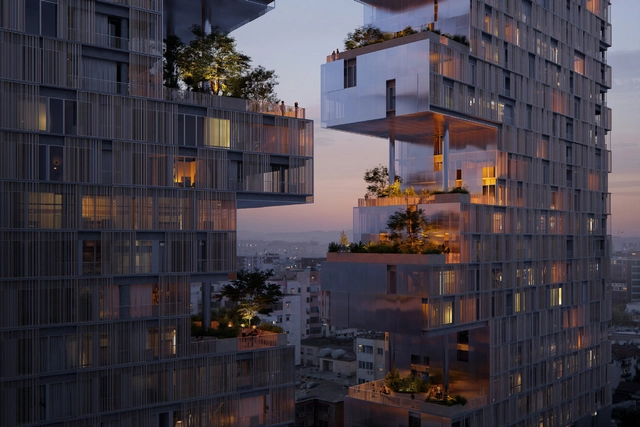
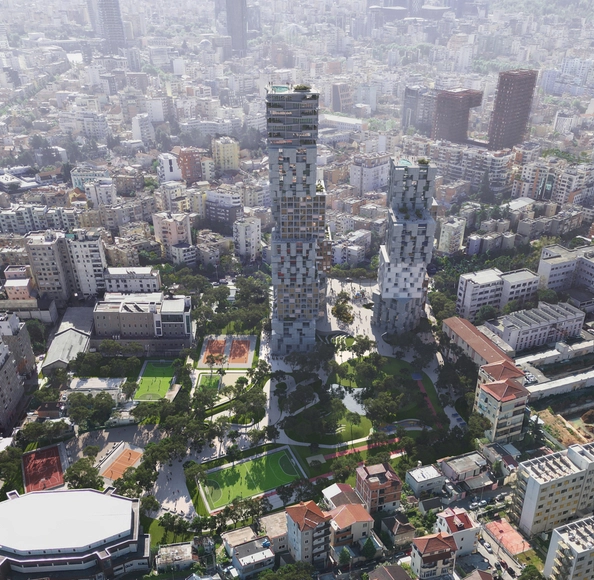
OODA has just revealed its design for a new mixed-use urban development in central Tirana, Albania. Located in the central district of Tirana on Myslym Street, the Ndarja building, represents a new approach to mixed-use urban development, incorporating residential, hospitality, office, and commercial functions within a single structure. The building comprises two distinct sections positioned along their narrow sides, creating a central square that serves as a gathering spot, contrasting the busy surroundings.
Portuguese architecture studio OODA has commenced construction on the Hora Vertikale Towers in Tirana, a city renowned for its urban revitalization and architectural innovation. The project aims to contribute to this dynamic landscape as a multi-functional, 55,000-square-meter "vertical village" rising 140 meters tall. The project is designed to also integrate a large-scale green public space, also designed by OODA. The project was first announced earlier this year.
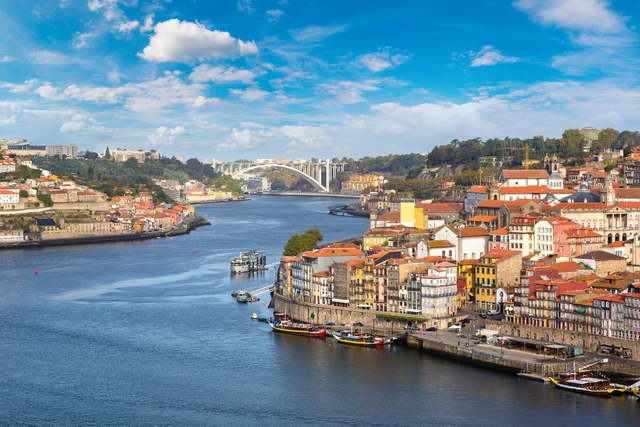
Porto, Portugal's second-largest city, is a captivating blend of historical charm and contemporary innovation. Perched along the Douro River, this UNESCO World Heritage site boasts a rich architectural tapestry that spans centuries. Porto's urban landscape is a testament to its evolving identity from its medieval Ribeira district with narrow cobblestone streets to the iconic Luís I Bridge. The city's skyline is punctuated by Baroque churches, neoclassical palaces, and modernist structures, creating a visually striking contrast that reflects its dynamic history.
Porto has undergone a remarkable architectural renaissance in recent years, becoming a magnet for local and international talent. The city has evolved into a dynamic canvas where bold contemporary designs seamlessly integrate with its rich historical fabric. The influence of renowned architects like Álvaro Siza Vieira and Eduardo Souto de Moura, both Pritzker Prize laureates and native to Porto, has solidified the city's status as a key player on the global architectural stage. Among the city's most striking contemporary landmarks is the Casa da Música, a futuristic, diamond-shaped cultural center designed by Dutch architect Rem Koolhaas, which stands as a testament to Porto's forward-thinking spirit. This sophisticated blend of tradition and modernity, coupled with a strong commitment to urban regeneration, has transformed Porto into a vibrant hub of architectural innovation, making it a must-visit destination for architecture enthusiasts and cultural explorers
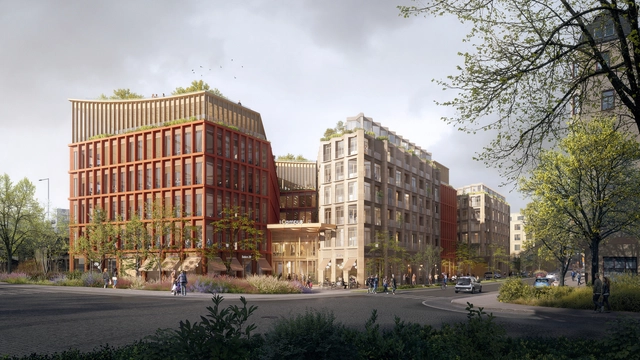
Vectura CampusF / Schmidt Hammer Lassen Architects. Image Courtesy of Schmidt Hammer Lassen Architects _ By WAX
Exploring unbuilt projects can offer insights into the design process and leading strategies employed by contemporary architecture practices, revealing unexpected solutions, experimental approaches and innovative design concepts. This week’s curated selection of Best Unbuilt Architecture highlights designs submitted by established architecture practices. From a fjord-side regeneration project and oceanography research center to a headquarters building shaped to reflect company’s main focus or a restaurant adapted to extreme conditions, the compilation of unbuilt projects presents the variety of concepts, design philosophies and programs put forward by prominent global architecture studios.
Featuring internationally recognized offices like CRA-Carlo Ratti Associati, Herzog & de Meuron, OODA, KCAP, and Aedas, this selection showcases worldwide interventions that illustrate architectural and civic interventions across diverse scales and programs. Whether tackling the restoration of monuments, interventions in public spaces or the transformation of a city’s waterfront, each of these projects aspires to deliver a fitting response to the spatial, functional, social and ecological requisite of its context.
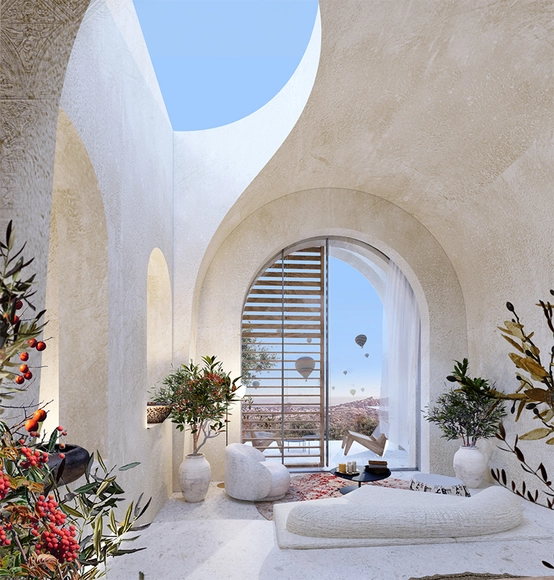
Cappadocia Spa Hotel by GAD ARCHITECTURE. Image Courtesy of GAD ARCHITECTURE
Offering short-term accommodation to travelers, hotels represent one of the main elements supporting the hospitality sector. They often aim to create a serene environment, isolated from the bustle of city life, yet representative of the local identity. Boutique hotels represent a rising sub-sector of hospitality design. These are small hotels typically between 10 and 100 rooms with carefully chosen interior design, providing a memorable experience to their guests. From historic renovations to contemporary ground-up hotels, hotel projects represent a great opportunity for architects to create unique environments centered around leisure and relaxation.
This week’s curated selection of Best Unbuilt Architecture highlights projects submitted by the ArchDaily community. Located in the forests of Portugal, on the shore of the Greek island of Crete, or in the deserts of Egypt, this round-up of unbuilt projects showcases how architects respond to local conditions in order to create designs that cater to the needs of tourists and travelers.
This week's curated selection of Best Unbuilt Architecture highlights designs submitted by established architecture practices, featuring conceptual works, competition entries and projects in different stages of development. From the transformation of a former mall into a healthcare facility in the United States, a masterplan for the redevelopment of a zoo in Canada to a brewery regeneration in China, the following explores a variety of designs by global architecture offices.
Featuring firms like Perkins +Will, Henning Larsen Architects, URBANUS or Mandaworks, this week's selection of unbuilt projects highlights worldwide interventions that illustrate a variety of ideas, from adaptive-reuse strategies, interventions in heritage sites and new models for public buildings.