1. ArchDaily
  2. Heritage Restoration

Heritage Restoration: The Latest Architecture and News

SPPARC Studio Unveils Design for Residential Conversion of Former Ravenscourt Park Hospital in London

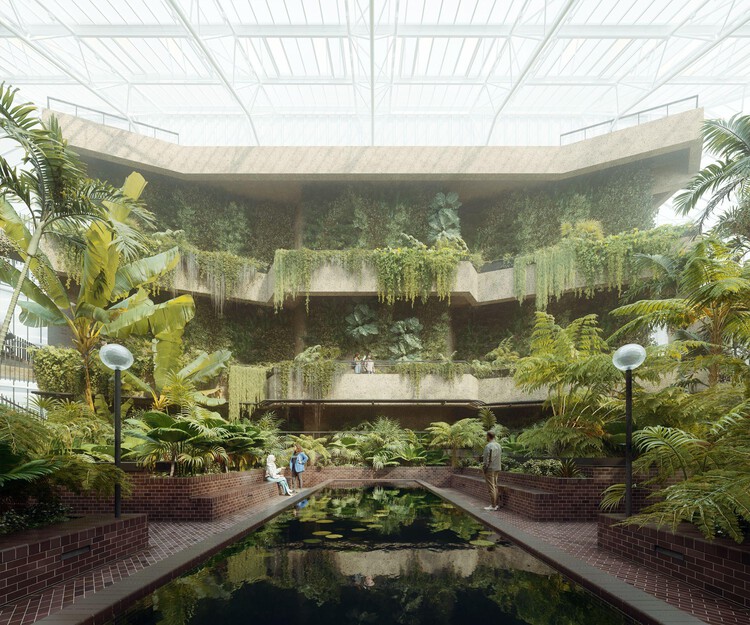
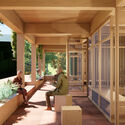
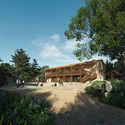
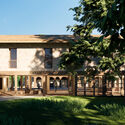
SPPARC architecture and design studio has revealed plans to renovate the former Ravenscourt Park Hospital in Hammersmith, London, which has stood vacant for two decades. The building, originally named the Royal Masonic Hospital and designed by Thomas S. Tait, is regarded as one of the first major modern buildings in the UK and was Europe's largest independent acute hospital when it was opened by King George V in 1933. Built to provide low-cost treatment for Freemasons and their families, the 260-bed facility operated until 1994, reopened as an NHS hospital in 2002, and was permanently closed in 2004. According to the recent announcement, the Grade II listed landmark, currently on Historic England's Heritage at Risk register, is intended to be repurposed as 140 new homes, a 65-bed care home, and spaces available for public hire.

SPPARC Studio Unveils Design for Residential Conversion of Former Ravenscourt Park Hospital in London - Image 1 of 4SPPARC Studio Unveils Design for Residential Conversion of Former Ravenscourt Park Hospital in London - Image 2 of 4SPPARC Studio Unveils Design for Residential Conversion of Former Ravenscourt Park Hospital in London - Image 3 of 4SPPARC Studio Unveils Design for Residential Conversion of Former Ravenscourt Park Hospital in London - Image 4 of 4SPPARC Studio Unveils Design for Residential Conversion of Former Ravenscourt Park Hospital in London - More Images+ 2

Citizen-Led Campaign Proposes New Use for Kenzo Tange's Kagawa Gymnasium, Facing Demolition

In February 2023, the governor of Kagawa Prefecture, Japan, announced the planned demolition of the Kagawa Prefectural Gymnasium, designed by Pritzker Prize-winning architect Kenzo Tange. Discussion surrounding its fate dates back to its permanent closure in 2014, after a roof leak caused structural problems in the ceiling boards. Since then, several organizations have worked to save the building, including a petition by the World Monuments Fund and an effort by a promotional council to nominate it as a UNESCO World Cultural Heritage site in 2021. Despite these initiatives, on August 7, 2025, the Kagawa Prefectural Government officially announced a public competitive bidding process to select a contractor for the demolition, something the Former Kagawa Prefectural Gymnasium Regeneration Committee is determined to prevent.

Citizen-Led Campaign Proposes New Use for Kenzo Tange's Kagawa Gymnasium, Facing Demolition - Image 1 of 4Citizen-Led Campaign Proposes New Use for Kenzo Tange's Kagawa Gymnasium, Facing Demolition - Image 2 of 4Citizen-Led Campaign Proposes New Use for Kenzo Tange's Kagawa Gymnasium, Facing Demolition - Image 3 of 4Citizen-Led Campaign Proposes New Use for Kenzo Tange's Kagawa Gymnasium, Facing Demolition - Image 4 of 4Citizen-Led Campaign Proposes New Use for Kenzo Tange's Kagawa Gymnasium, Facing Demolition - More Images+ 1

Conserving Black Modernism: The Getty Foundation Adds Five U.S. Landmarks to its 2025 Grant Program

The Getty Foundation's Conserving Black Modernism initiative was launched in 2022 as a grant program to preserve and ensure the legacy of African American architects within the Modernist movement across the United States. In partnership with the National Trust for Historic Preservation's African American Cultural Heritage Action Fund, it supports conservation efforts, training, and educational initiatives to address the historical oversight of significant architectural landmarks and their designers' contribution. For its third funding cycle in 2025, five new buildings will receive critical support, expanding the initiative's reach into new communities with the first projects in Chicago and the Pacific Northwest.
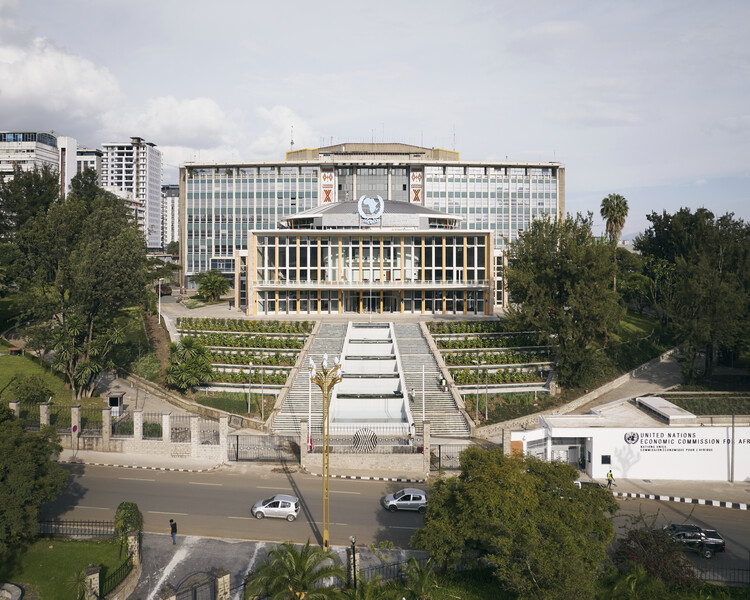
Conserving Black Modernism: The Getty Foundation Adds Five U.S. Landmarks to its 2025 Grant Program - Imagen 1 de 4Conserving Black Modernism: The Getty Foundation Adds Five U.S. Landmarks to its 2025 Grant Program - Imagen 2 de 4Conserving Black Modernism: The Getty Foundation Adds Five U.S. Landmarks to its 2025 Grant Program - Imagen 3 de 4Conserving Black Modernism: The Getty Foundation Adds Five U.S. Landmarks to its 2025 Grant Program - Imagen 4 de 4Conserving Black Modernism: The Getty Foundation Adds Five U.S. Landmarks to its 2025 Grant Program - More Images+ 29

"Artisans of the Reiwa Era" Documentary Showcases Traditional Japanese Wood Construction and Craftsmanship

Rinshunkaku is a notable example of early Edo-period residential architecture. Originally built in the Wakayama Prefecture by the Kishu Tokugawa family, the villa was relocated to Sankeien, a traditional Japanese garden in the city of Yokohama, during the Taisho era (1912-1926). The garden was created in the early 20th century by businessman and art patron Sankei Hara and features a number of historic buildings relocated from Kyoto, Kamakura, and other areas of Japan. Rinshunkaku, one of the garden's gems, is a prime example of traditional Japanese architecture and wood construction. Its historical value motivated a large-scale restoration project in 2019, documented in the film Artisans of the Reiwa Era (Reiwa no Shokunin-tachi), filmed and edited by Katsumasa Tanaka and Hiroshi Fujiki. The documentary offers a close, detailed view of Japanese craftsmanship and wood expertise, highlighting rare traditional techniques and paying tribute to the artisans who preserve them.

"Artisans of the Reiwa Era" Documentary Showcases Traditional Japanese Wood Construction and Craftsmanship - Imagen 1 de 4"Artisans of the Reiwa Era" Documentary Showcases Traditional Japanese Wood Construction and Craftsmanship - Imagen 2 de 4"Artisans of the Reiwa Era" Documentary Showcases Traditional Japanese Wood Construction and Craftsmanship - Imagen 3 de 4"Artisans of the Reiwa Era" Documentary Showcases Traditional Japanese Wood Construction and Craftsmanship - Imagen 4 de 4Artisans of the Reiwa Era Documentary Showcases Traditional Japanese Wood Construction and Craftsmanship - More Images+ 7

The European AHI Award 2025 Celebrates Six Public Heritage Interventions Across Europe

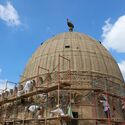
The European AHI Award recognizes architectural heritage interventions across Europe, highlighting their role as a forward-looking model for 21st-century architecture with tangible social, environmental, and economic benefits. In its seventh edition, the award honored six projects, four first prizes and two special mentions, during a ceremony held in early June at the Paranimf Ceremonial Hall of the Escola Industrial in Barcelona. A total of 238 projects from architecture studios in 24 European countries were submitted. The selected winners are located in Antwerp, Kortrijk, Olot, Ancient Corinth, and Milan.

The European AHI Award 2025 Celebrates Six Public Heritage Interventions Across Europe - Imagen 1 de 4The European AHI Award 2025 Celebrates Six Public Heritage Interventions Across Europe - Imagen 2 de 4The European AHI Award 2025 Celebrates Six Public Heritage Interventions Across Europe - Imagen 3 de 4The European AHI Award 2025 Celebrates Six Public Heritage Interventions Across Europe - Imagen 4 de 4The European AHI Award 2025 Celebrates Six Public Heritage Interventions Across Europe - More Images+ 24

Grand Palais in Paris Reopens Following the Restoration by Chatillon Architectes

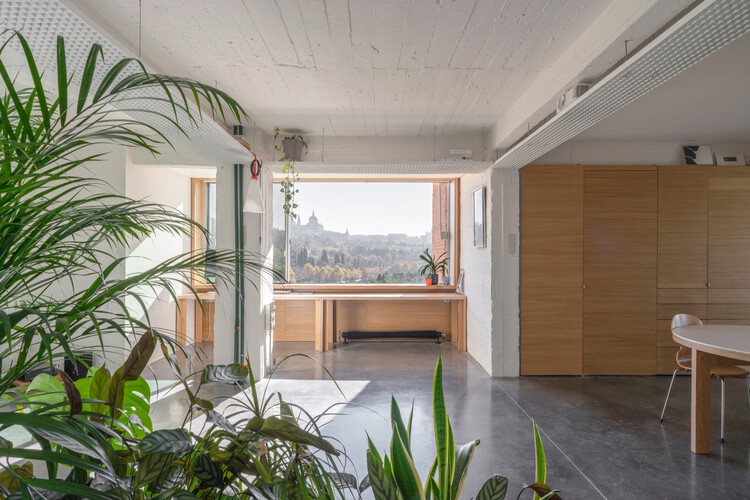
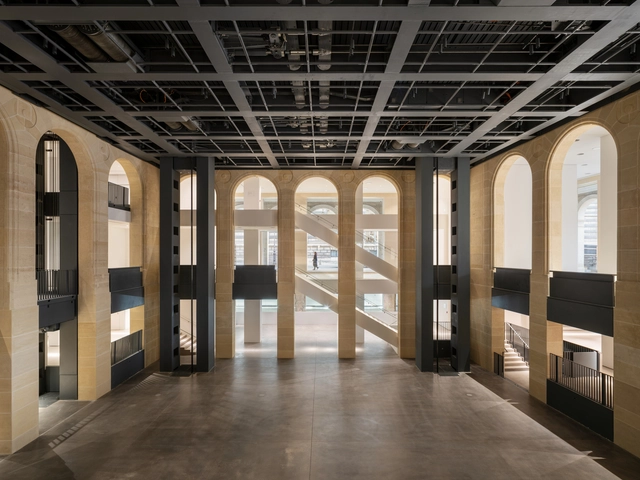
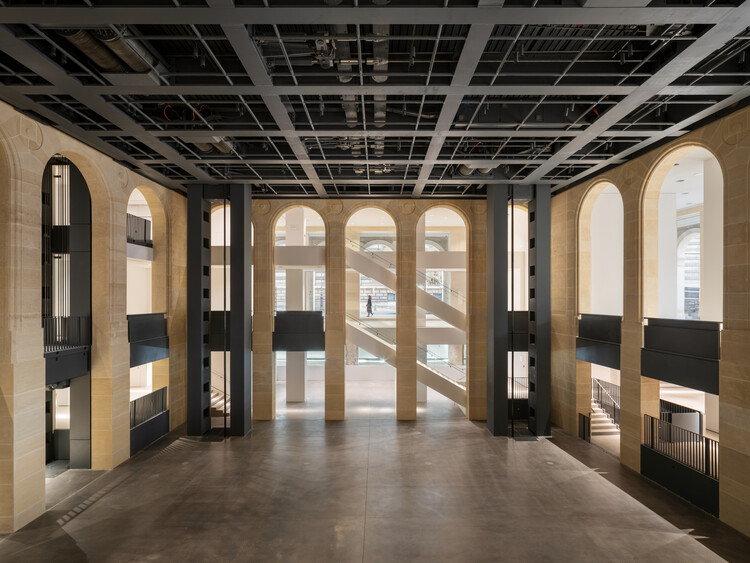
The Grand Palais in Paris has reopened to the public after the most comprehensive renovation in its 120-year history, led by Paris-based Chatillon Architectes. Originally built for the 1900 Universal Exhibition, the Grand Palais has long stood as a symbol of French cultural excellence, technical ingenuity, and architectural ambition. Following the reveal of the restored Nave for the 2024 Paris Olympics, the entire 77,000-square-meter building has now been renewed to enhance spatial clarity, restore original volumes, and transform the visitor experience. The project introduces expanded public access, new exhibition spaces, restaurants, and improved circulation, while remaining rooted in the building's architectural legacy.
Grand Palais in Paris Reopens Following the Restoration by Chatillon Architectes - Image 1 of 4Grand Palais in Paris Reopens Following the Restoration by Chatillon Architectes - Image 2 of 4Grand Palais in Paris Reopens Following the Restoration by Chatillon Architectes - Image 3 of 4Grand Palais in Paris Reopens Following the Restoration by Chatillon Architectes - Image 4 of 4Grand Palais in Paris Reopens Following the Restoration by Chatillon Architectes - More Images+ 13

UMWELT and Plan Común to Transform Partially Demolished Housing Block Into a Museum in Villa San Luis, Chile

The residential project Villa San Luis, originally named Villa Compañero Ministro Carlos Cortés, was built between 1971 and 1972 on land that today lies in one of the highest-income areas of Santiago, Chile. Initially designed as an urban center for 60,000 middle-income residents, with staggered buildings and a civic center covering 3.4 of its 50 hectares, the project was redefined in the 1970s to accommodate the unhoused population in the eastern sector of the Chilean capital. The process was not without conflict. During the dictatorship, the new residents of the complex were evicted, and the land was acquired by the military. From then on, the complex entered a process of reappropriation and resignification that now appears to be reaching a new milestone: the conversion of one of its buildings into a memorial site and museum, through a project by UMWELT and Plan Común.
UMWELT and Plan Común to Transform Partially Demolished Housing Block Into a Museum in Villa San Luis, Chile - Imagem 1 de 4UMWELT and Plan Común to Transform Partially Demolished Housing Block Into a Museum in Villa San Luis, Chile - Imagem 2 de 4UMWELT and Plan Común to Transform Partially Demolished Housing Block Into a Museum in Villa San Luis, Chile - Imagem 3 de 4UMWELT and Plan Común to Transform Partially Demolished Housing Block Into a Museum in Villa San Luis, Chile - Imagem 4 de 4UMWELT and Plan Común to Transform Partially Demolished Housing Block Into a Museum in Villa San Luis, Chile - More Images+ 5

David Chipperfield Architects Presents Plan to Restore and Enhance a Roman Theater in Brescia, Italy

The preliminary design for the architectural restoration and functional redevelopment of the Roman Theatre was presented on Tuesday, April 8, 2025, at the Auditorium of the Santa Giulia Museum in Brescia. The project was developed by the Milan office of David Chipperfield Architects, commissioned by the Fondazione Brescia Musei in collaboration with the Municipality of Brescia and the Brescia Chamber of Commerce, Industry, Handicraft, and Agriculture. Chipperfield was tasked with identifying the essential architectural elements to guide future design phases, leading to the drafting of the Technical-Economic Feasibility Project (PFTE) and the final project, including the necessary authorizations. This initiative is financially supported by the Italian Chamber of Commerce under a 2019 ministerial decree prioritizing cultural heritage, especially where it enhances tourism.
David Chipperfield Architects Presents Plan to Restore and Enhance a Roman Theater in Brescia, Italy - Image 1 of 4David Chipperfield Architects Presents Plan to Restore and Enhance a Roman Theater in Brescia, Italy - Image 2 of 4David Chipperfield Architects Presents Plan to Restore and Enhance a Roman Theater in Brescia, Italy - Image 3 of 4David Chipperfield Architects Presents Plan to Restore and Enhance a Roman Theater in Brescia, Italy - Image 4 of 4David Chipperfield Architects Presents Plan to Restore and Enhance a Roman Theater in Brescia, Italy - More Images+ 5