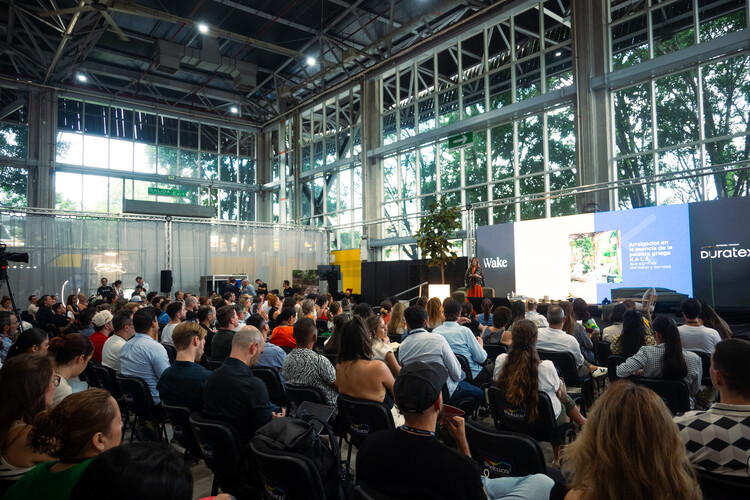
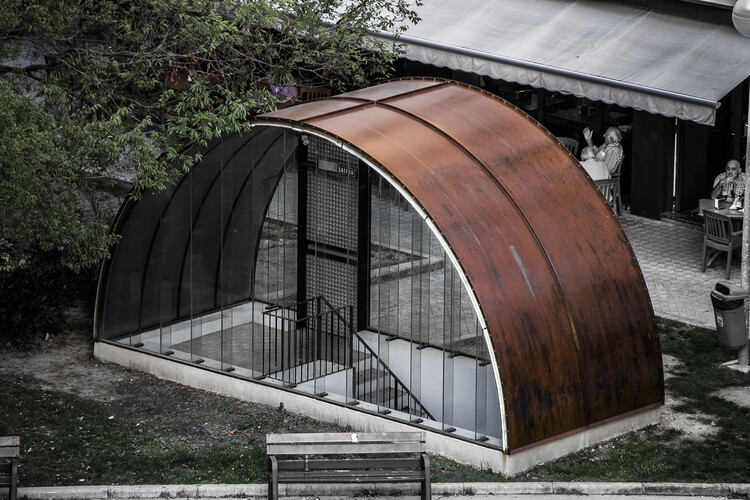
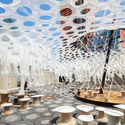
The second edition of EDGE Architecture Festival Budapest (EDGE Fest), organised by Építészfórum, will take place on 18-19 June 2026 in Budapest at Dürer Kert and the industrial venues of Hengermalom.
The second edition of EDGE Architecture Festival Budapest (EDGE Fest), organised by Építészfórum, will take place on 18-19 June 2026 in Budapest at Dürer Kert and the industrial venues of Hengermalom.

EDGE Awards 2026 - CALL FOR APPLICATION

EDGE Awards launches with a new Student Award category
As the world grows in complexity, multiplying both its challenges and opportunities for innovation, so does the architecture profession. Positioned as mediators in a complex system, architects increasingly step out of the traditional office and into laboratories, town halls, and communities. They are developing new materials, reassessing urban policies, and responding directly to society's most pressing needs.
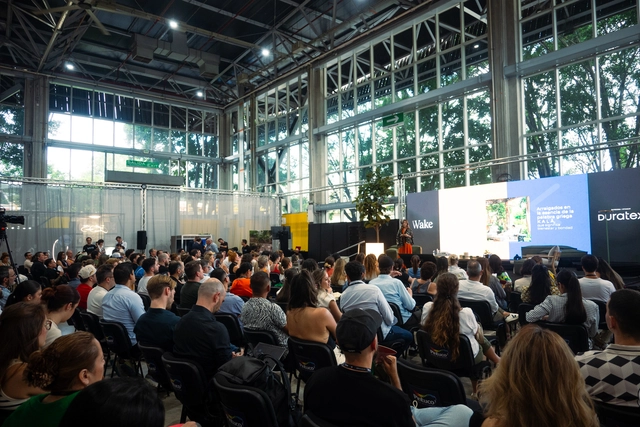
Asking questions is the first step toward challenging what we take for granted and opening up new possibilities for planning and building. These questions, valuable in themselves, gain new strength when shared and examined through different perspectives. As they intersect with the experiences of professionals and brands, they weave together viewpoints that enrich the discussion. Design fairs and events around the world have become spaces where these conversations gain momentum, fostering connections and encouraging collaborative dynamics. In this landscape, Colombia has emerged as a hub, serving as a platform that promotes architecture and design across Latin America and the Caribbean while bringing the region's voice to the global stage.
The 2024–2025 edition of the Europe 40under40 Awards has announced its selected architects and designers, recognizing emerging professionals under the age of 40 working across Europe. Organized by The European Centre for Architecture Art Design and Urban Studies and The Chicago Athenaeum, the program highlights a range of built and conceptual work that reflects contemporary approaches to architecture and design. This year's selection brings together young architects and designers from Cyprus, France, Greece, Italy, Norway, Poland, Portugal, Spain, Sweden, Switzerland, and Turkiye, offering a wide-ranging perspective on Europe's contemporary architectural discourse.
The selection was made by a jury composed of Melike Altınışık, Hans-Petter Bjørnådal, Eleni-Stefania Kalapoda, and Adrian Yap, who evaluated submissions from a range of scales and typologies. The winning projects will be presented in the exhibition "40 Young European Architects with New Visions," opening on December 5th, 2025, at The European Centre, Contemporary Space Athens. A special yearbook publication by Metropolitan Arts Press will also document the selected works, making them accessible to international audiences. Submissions are now open for the 2025–2026 edition, with a deadline of December 15, 2025.

During the EUmies Awards Day in Venice, representatives from the Creative Europe program and the Fundació Mies van der Rohe revealed the four student project winners of the EUmies Awards Young Talent 2025. The award recognizes architecture projects for their capacity to respond to contemporary social, urban, and environmental challenges. The event was held within the context of the 19th International Architecture Exhibition – La Biennale di Venezia, inviting winners, jury members, and institutional representatives to engage in dialogue around four key themes, aligned with the Biennale's curatorial proposal: Artificial, Natural, Collective, and Intelligens.
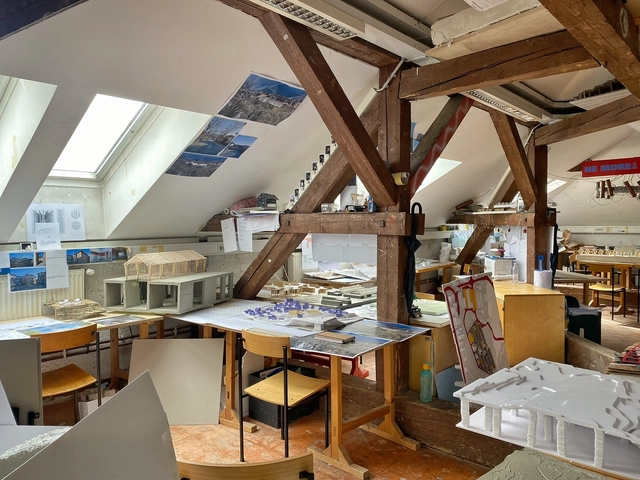
The exhibition "Intelligens. Talent. EUmies Awards. Young Talent 2025" has officially opened as a Collateral Event of the 19th International Architecture Exhibition – La Biennale di Venezia. Organized by Fundació Mies van der Rohe with the support of the Creative Europe Programme of the European Union, the exhibition presents the Shortlist and Finalist projects of the EUmies Awards in the Young Talent category. It brings together 12 master's thesis projects from 11 architecture schools across 7 countries, offering a comprehensive insight into emerging voices in architecture, urban planning, and landscape design.
On 19 June 2025, the exhibition will expand to include models of the three winning proposals, which will be announced during the EUmies Awards Day 2025 at Palazzo Michiel in Venice. This event will also unveil the winners of the Young Talent Open, which extends the awards' reach beyond the Creative Europe countries to include participants from the Council of Europe member states and the Asia-Pacific region. All selected works will be documented in a publication and incorporated into the EUmies Awards Archive, contributing to a growing repository of architectural experimentation and discourse.
Read on to discover the 12 finalist projects of the EUmies Awards Young Talent 2025.

The city of Buenos Aires is vast in its area and has a heterogeneous and variable urban fabric in terms of scale. Much of the residential neighborhoods are made up of a mixed-use fabric, where the predominant constructions from several decades ago are the so-called "casa chorizo" and horizontally owned houses, commonly known as PH (Propiedad Horizontal). It is interesting to review how, over the years, these constructions have been modified due to changes in building regulations, which allowed the creation of new typologies, mainly responding to new ways of living within the city. The renovation of these constructions, many of which are used for residential purposes, has also been a conscious response to avoid overbuilding in an already densely populated city. While these projects have been a recurring practice in Buenos Aires for several years now, many young architects of new generations are taking on these challenges, thus generating a trend that seems to have no end and where we find new solutions in each renovation.
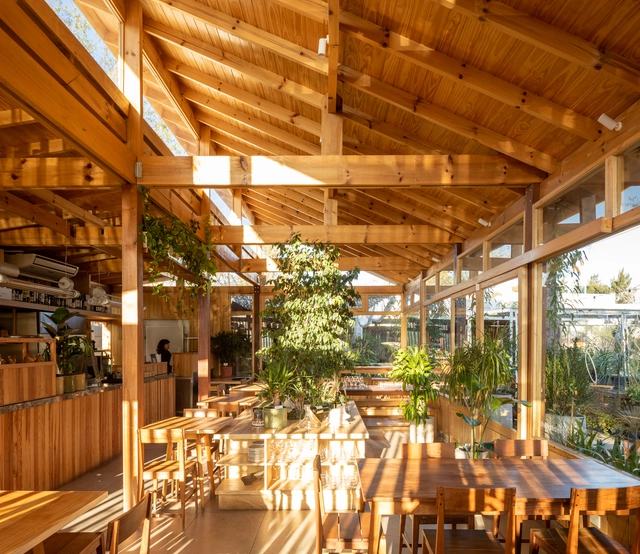
Creating spaces for social interaction involves design processes aimed at countering the individualization of people by fostering bonds and connections between them. While advancements in information and communication technologies provide new tools that optimize the development of certain activities and functions, their societal impact often tends to increase individual practices, such as remote work, virtual fitness activities through apps, or the digital consumption of goods, services, and events, among others. From architecture and interior design to urban planning, many emerging practices face the challenge of consolidating spaces for social interaction through design strategies, uses, and natural connections that prevent the replacement of physical space with virtual alternatives.
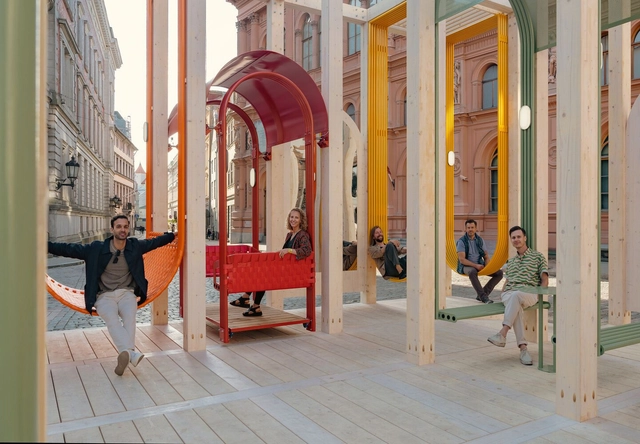
The winners of the "Europe 40under40®" program for 2023-2024 have been announced, celebrating promising talents in architecture and design. This recognition highlights projects from emerging professionals under the age of 40, including architects, landscape architects, urban planners, and industrial designers. The program, initiated by The European Centre, aims to showcase a new generation of designers who are poised to impact the future of living and working environments, cities, and rural areas.
All winning projects will be displayed in the exhibition titled "40 Young European Architects with New Visions," scheduled for December 2024 at The European Centre, located in Athens, Greece. The exhibition will coincide with an awards ceremony. Moreover, a special edition publication by Metropolitan Arts Press will feature this year's cohort of talented architects and designers, aiming to reach an international audience of architecture enthusiasts.
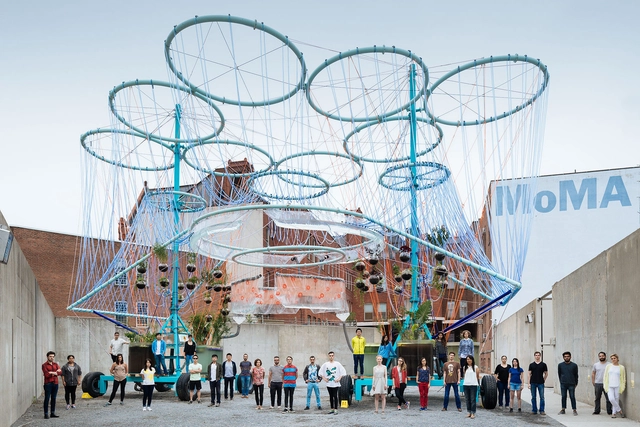
How do societies support and nurture emerging architects? Young architects are heavily influenced by their formal education and initial exposure to the industry. Various organizational systems across regions, whether passive through environmental factors or active via tangible benefits, are in place to assist them in entering the field. However, it's worth questioning how often we reflect on these established support systems. Are they effective in fostering well-rounded professionals, or do they unintentionally reinforce certain biases in how architecture is practiced?
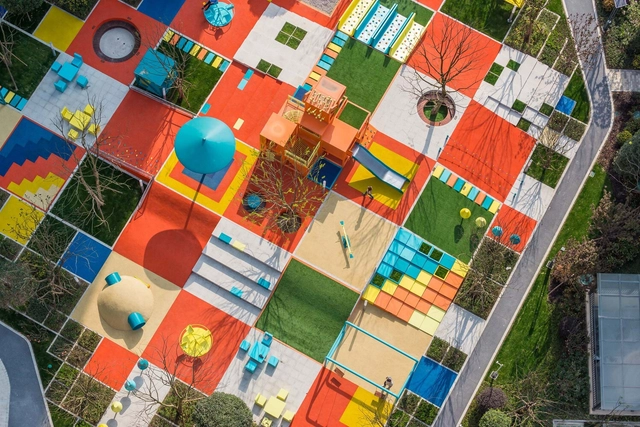
On the first Monday of October, World Architecture Day offers an opportunity to reflect on the role that architecture plays in shaping our world and our communities. Established by the International Union of Architects (UIA) in 1986, this day was designated as a basis for the ongoing discussions on innovations in architectural practice, new approaches to the ever-changing role of architects and designers, and the varied responses to emerging concerns.
As in previous editions, UIA sets a central yearly theme to guide these conversations. This year, the theme of World Architecture Day 2024, "Empowering the Next Generation to Participate in Urban Design," opens up multiple interpretations, contemplating the impact of urban design on the next generation, as well as highlighting the impact and contributions of young architects in shaping the cities of tomorrow. This year's event aims to address crucial challenges faced by the urban environments and their impact on the next generations. The focus is on creating cities that are not only greener and more environmentally friendly but also inclusive, catering to the diverse needs of various groups in society.
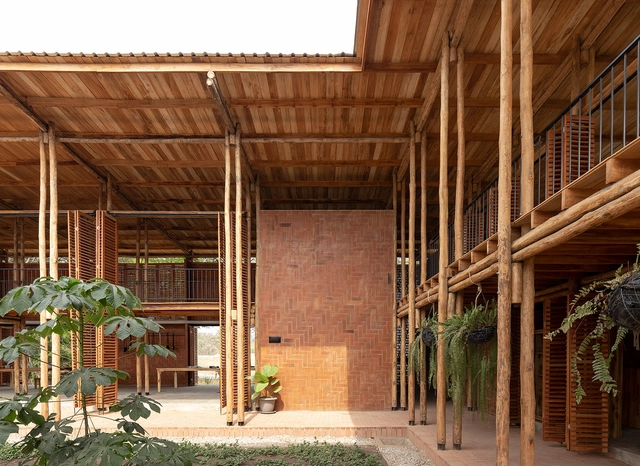
The Mies Crown Hall Americas Prize (MCHAP) has announced the winner of the fifth MCHAP.emerge award: the Community Production Center Las Tejedoras in Guayas, Ecuador, designed by Natura Futura architect José Fernando Gómez and architect Juan Carlos Bamba. The project offers a hub for local women artisans, providing them with spaces to learn, create, and showcase their textile creations. The winner announcement was made at the Conference on Critical Practice held at Mies van der Rohe's S. R. Crown Hall, an inaugural event that brought together the four MCHAP.emerge finalists to open up conversations about the future of the architecture profession across the Americas.
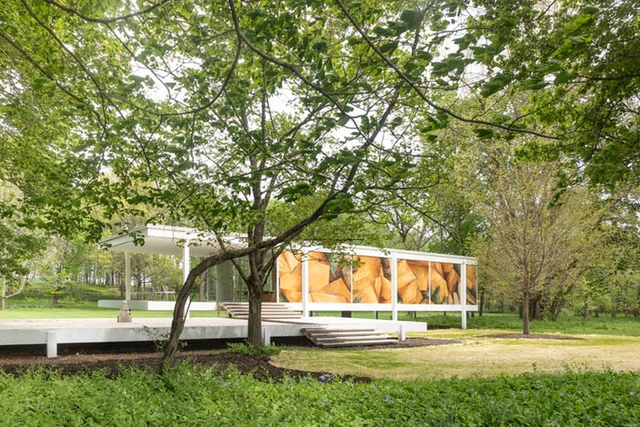
The Graham Foundation has announced 56 new grants to individuals, selected from nearly 600 submissions. Centered on publications, research, exhibitions, films, site-specific installations, and digital initiatives, the funded projects "expand contemporary architecture ideas through innovative rigorous interdisciplinary work on the design and the built environment." The projects are led by 84 individuals, including established and emerging architects, artists, curators, designers, filmmakers, historians, and writers.

On behalf of His Majesty the King, Ghanian-Scottish architect Lesley Lokko has been officially awarded the 2024 Royal Gold Medal for Architecture. Held at RIBA London headquarters, the medal was presented by RIBA President Muyiwa Oki, acknowledging Lokko’s dedication to promoting diverse perspectives in architectural practice and education. As the curator of the 2023 Venice Architecture Biennale, she has been working to explore the overlaps between architecture and race, while shifting focus to Africa and its diaspora in the industry.
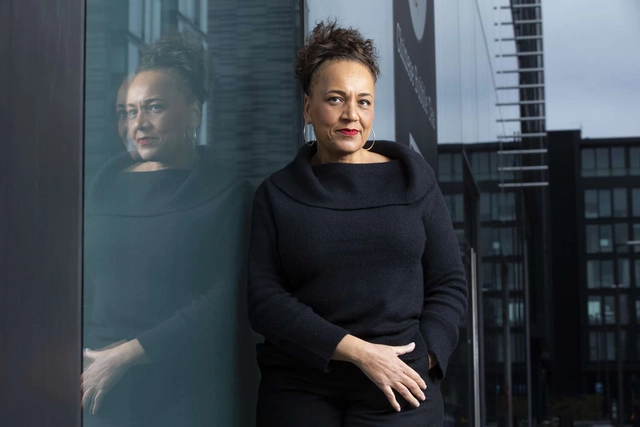
Ghanaian-Scottish architect, academic, and curator Lesley Lokko has been announced as the recipient of the 2024 Royal Gold Medal by the Royal Institute of British Architects (RIBA), becoming the first African woman to receive the award. Lokko is not a practicing architect, but as a teacher, writer, and curator she has fought to widen access to the profession and to bring forward voices that have been disregarded for far too long. As the curator of the 2023 Venice Architecture Biennale, she has shifted the focus to Africa and its diaspora, exploring the complex themes of decolonization and decarbonization. For all her contributions to the profession, Lesley Lokko will be formally presented with the medal in May 2024 by Muyiwa Oki, RIBA’s first black president.






The Graham Foundation has announced the award of 64 new grants to individuals exploring innovative and interdisciplinary ideas that contribute critical perspectives on architecture and design in 2023.